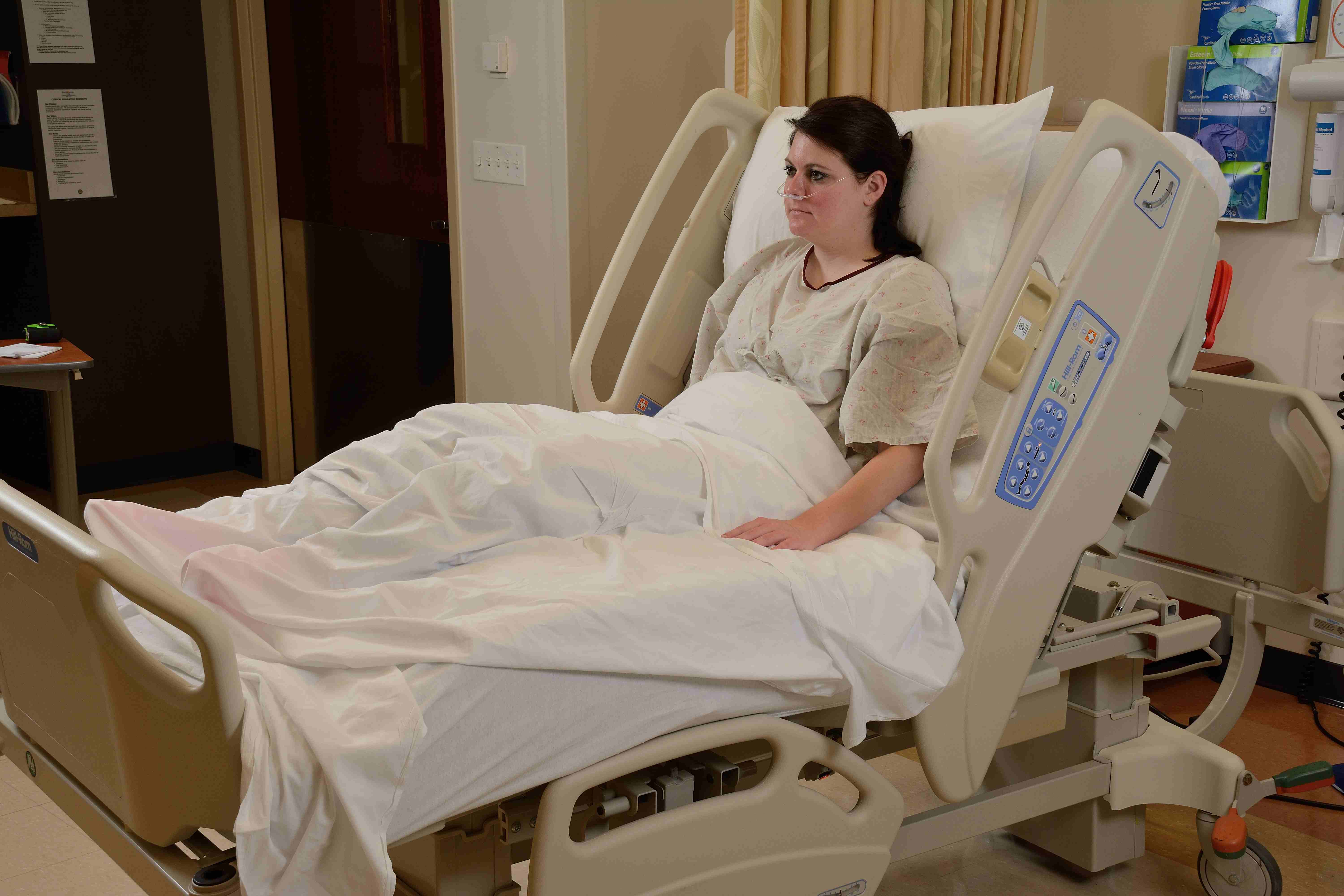
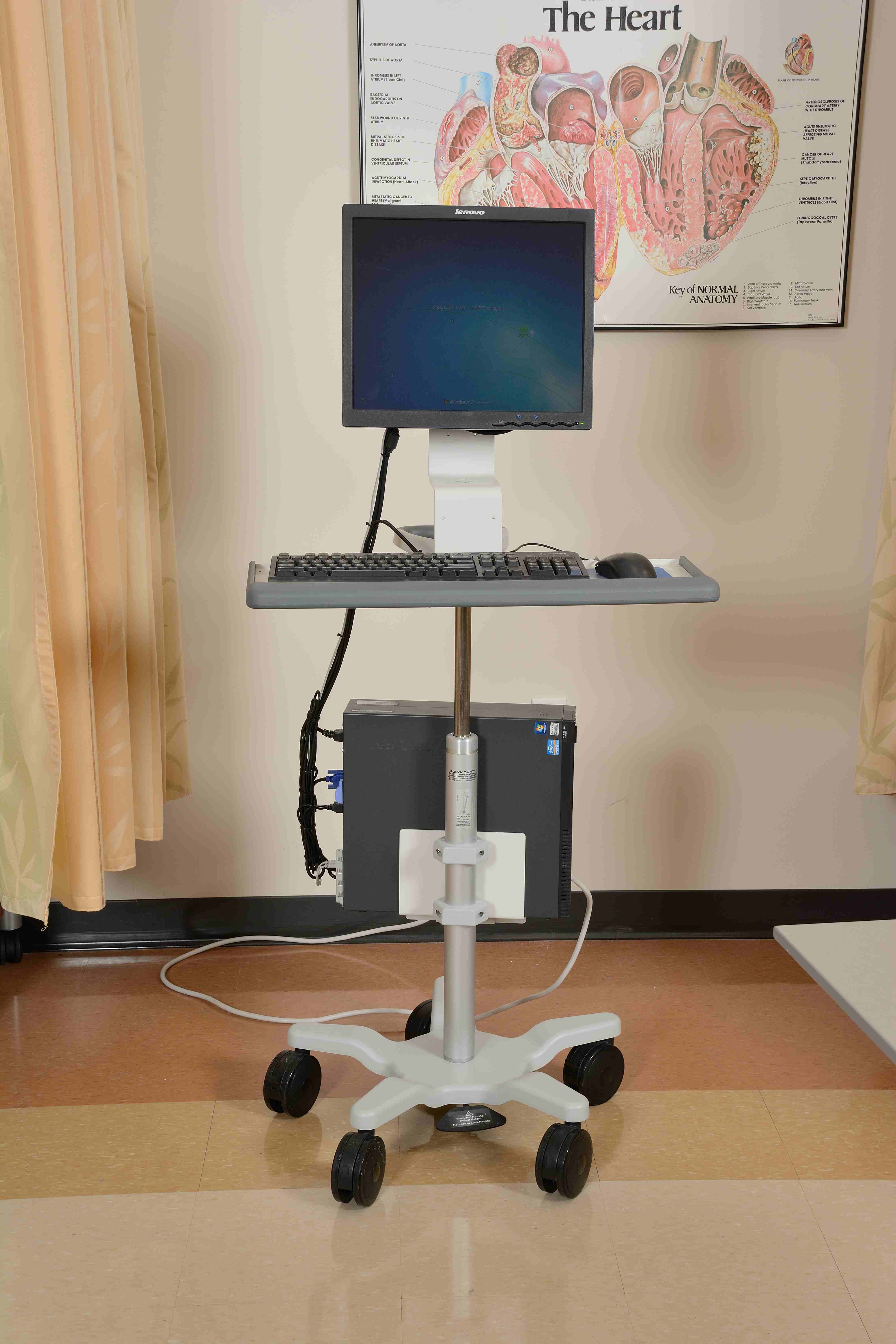
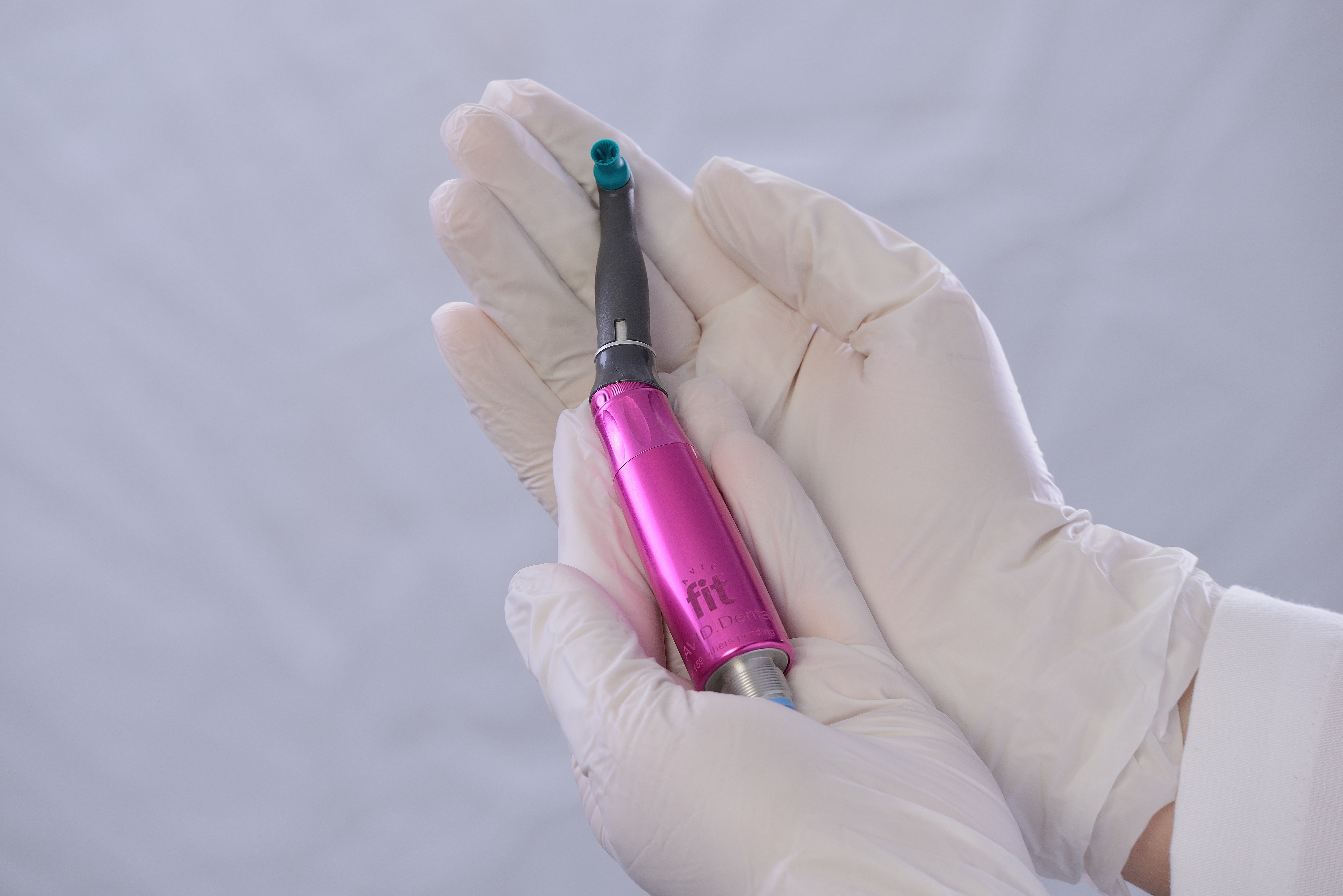
Residency recruitment has become increasingly dependent on digital communication. Prospective residents frequently evaluate programs through hospital websites, physician profiles, social media, recruitment videos, virtual open houses, and online interview materials before they ever visit a facility.
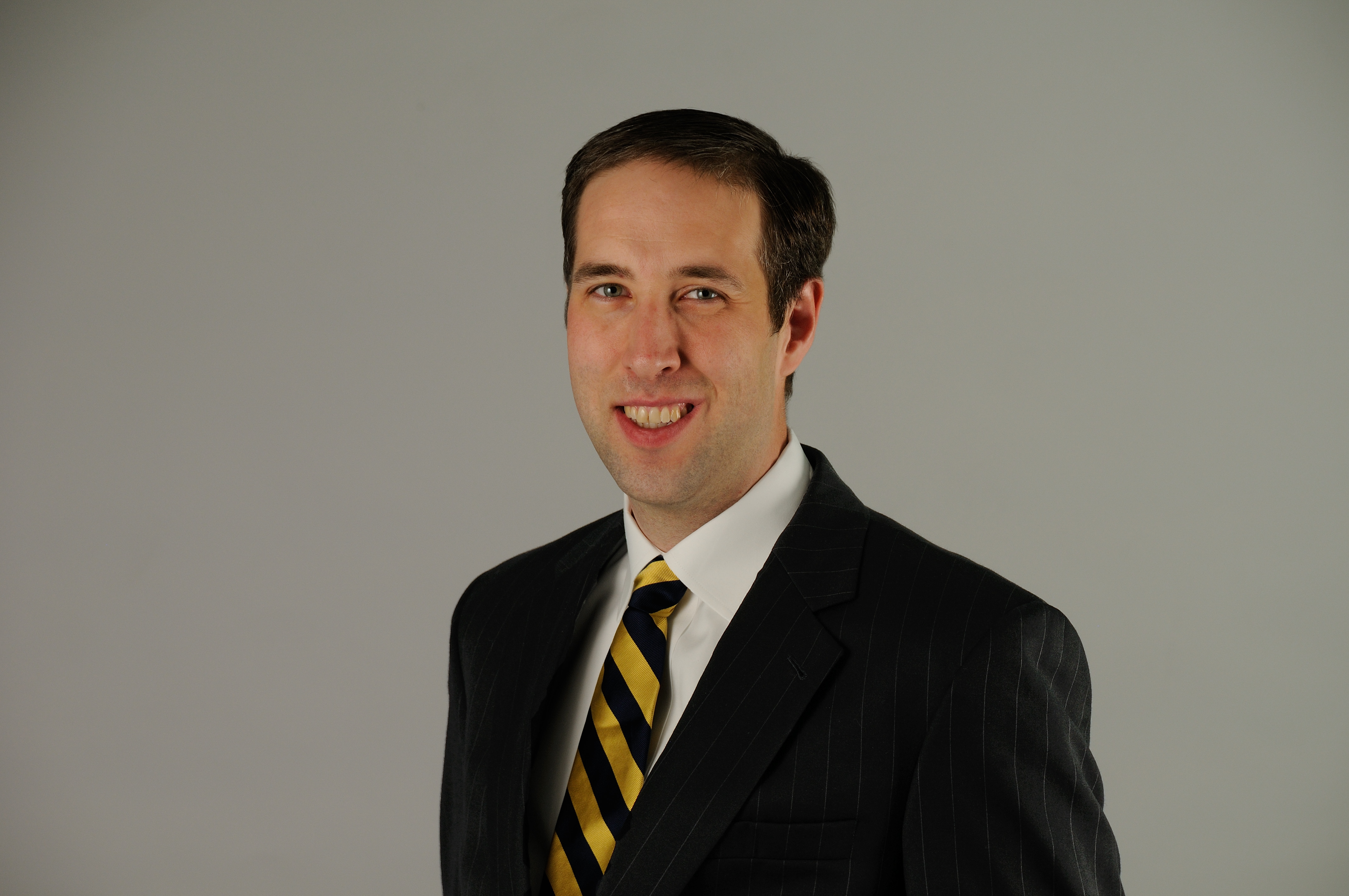
Professional headshots and short video clips help residency programs introduce their faculty, residents, facilities, educational opportunities, and organizational culture in a direct and personal way. These visual assets can improve the applicant experience while helping a program present a consistent, polished, and credible identity.
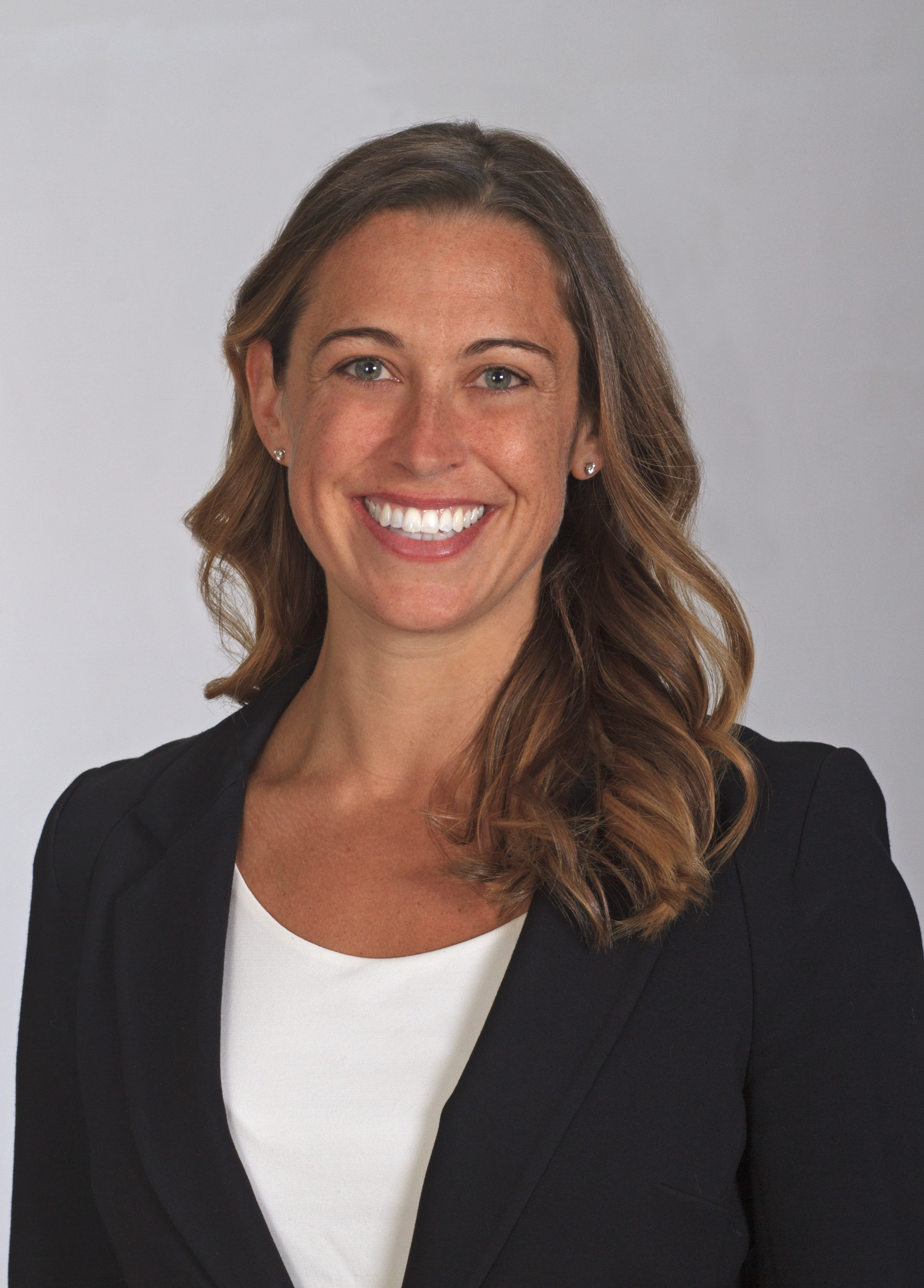
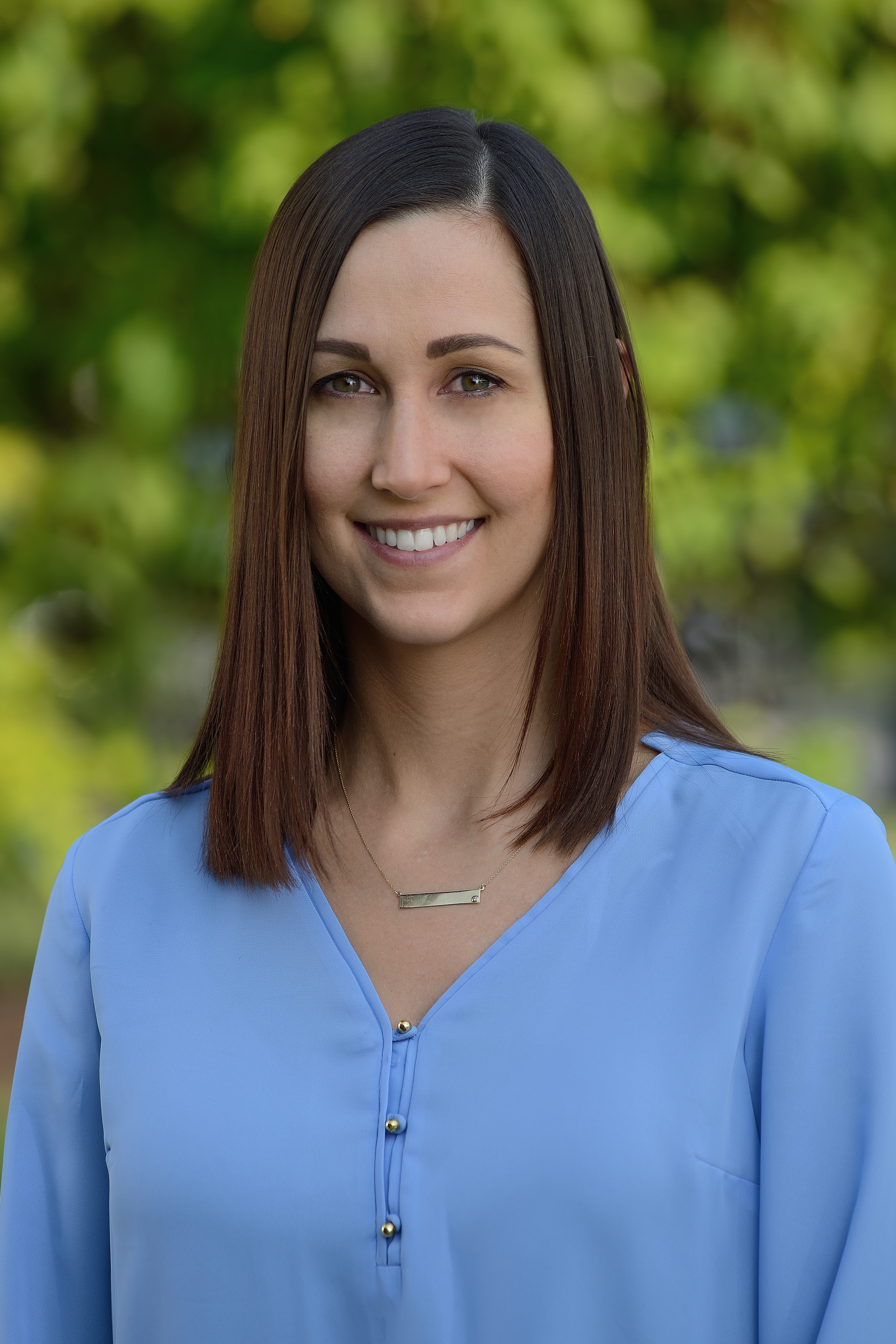
For Graduate Medical Education departments, residency program directors, hospital marketing teams, and healthcare administrators, the challenge is creating enough high-quality content without exceeding the budget or disrupting clinical schedules.
A coordinated, full-service production strategy can make ERAS residency headshots and recruitment videos considerably more cost-efficient. By combining photography, interviews, b-roll, facility footage, and post-production planning into a single organized project, healthcare organizations can create a substantial media library from one production investment.
Professional Media Shapes an Applicant’s First Impression
Residency candidates are not only comparing curricula, rotations, and board pass rates. They are also evaluating the people, environment, support systems, and professional culture associated with each program.
Before applicants speak with faculty or attend an interview, they may already have formed an impression based on the quality of the program’s visual communication.
Professional photography and video can communicate:
- Faculty accessibility
- Resident collaboration
- Program leadership
- Educational culture
- Clinical training opportunities
- Research capabilities
- Simulation resources
- Hospital facilities
- Mentorship
- Community and lifestyle advantages
Strong visual content helps potential residents understand what distinguishes a program from other opportunities.
Why Short Residency Videos Are Effective
Long-form recruitment videos can be useful, but shorter video clips often provide more flexibility and greater long-term value.
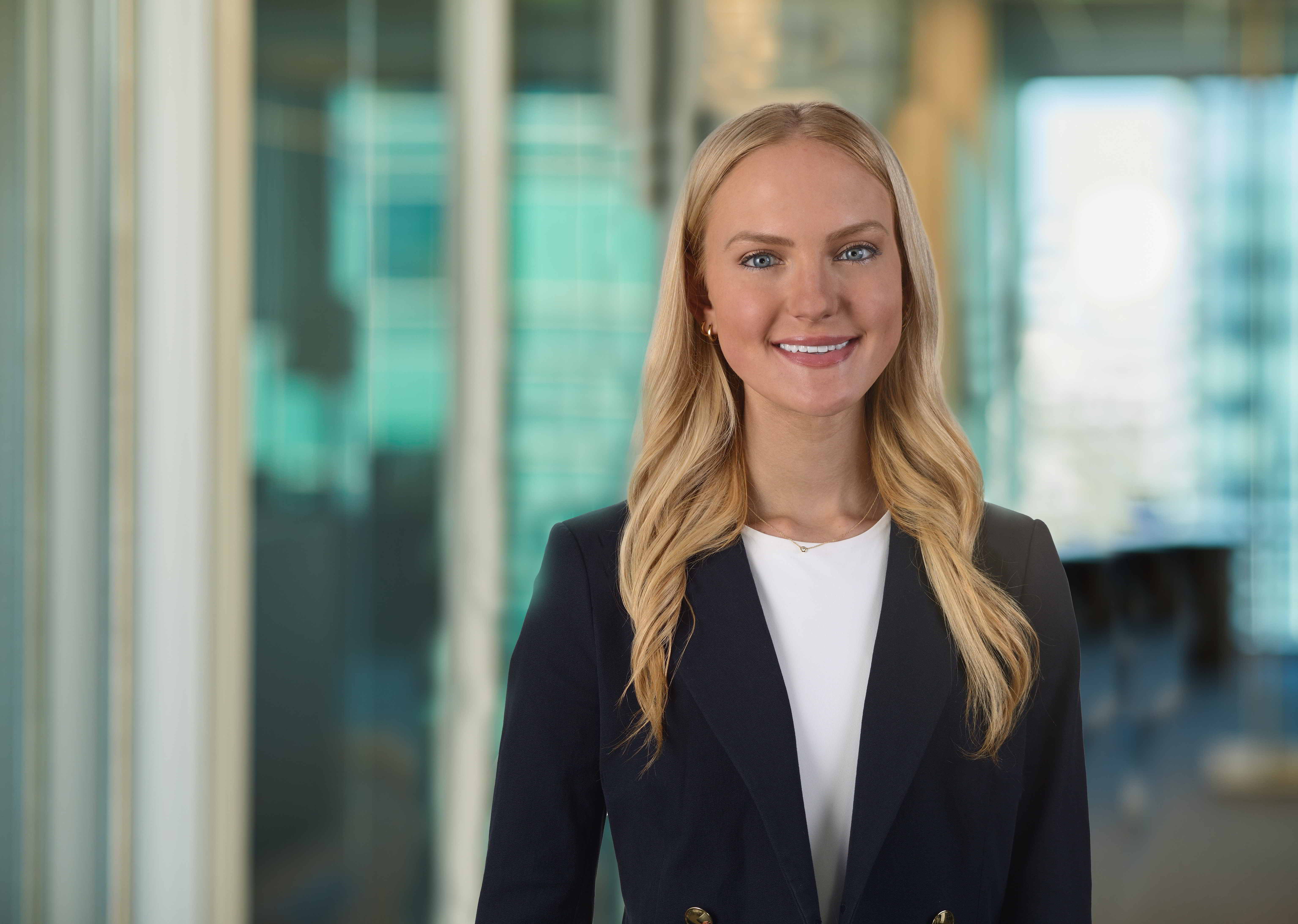
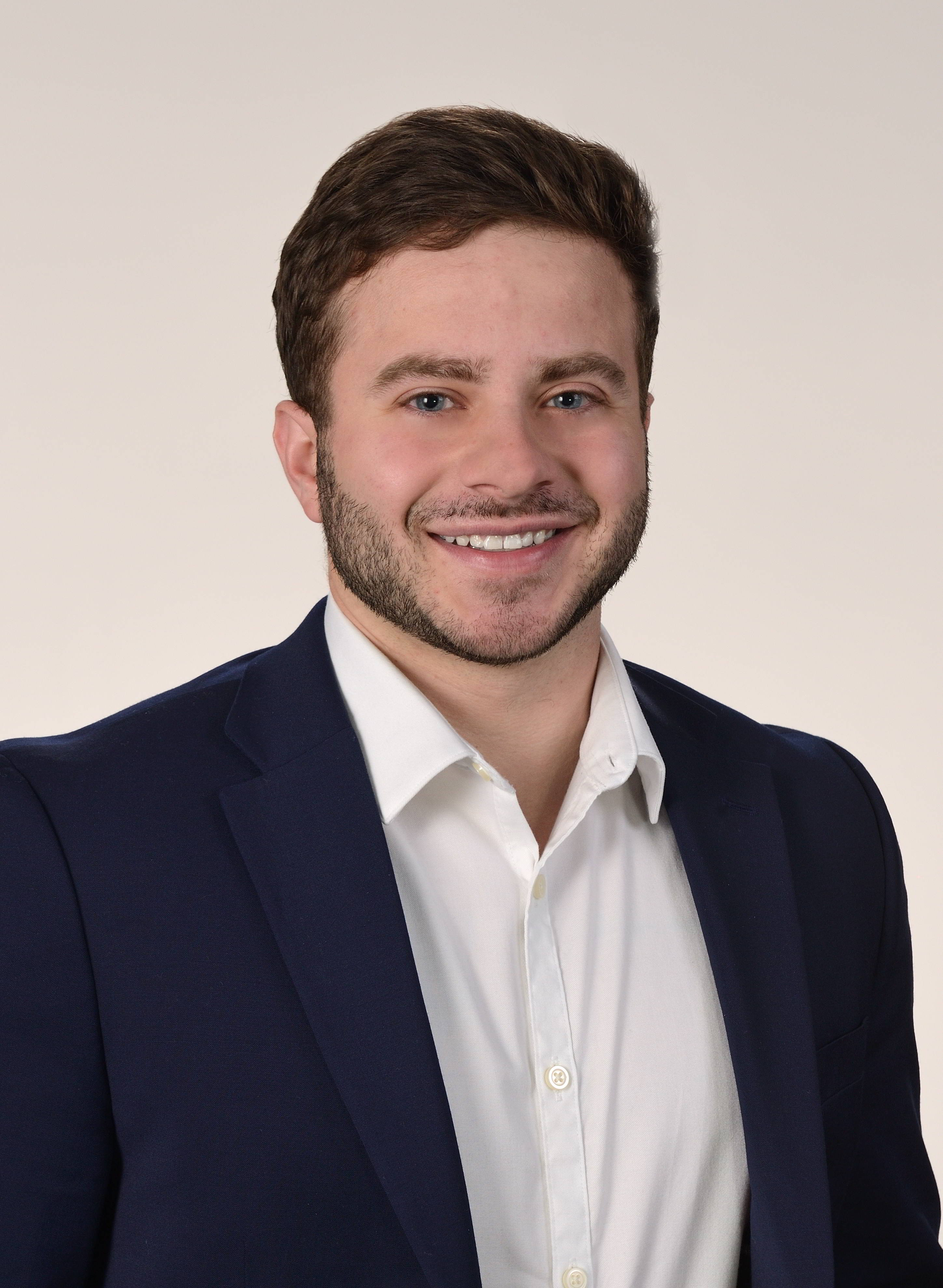
Short videos allow viewers to select the subjects that interest them most. They also give hospital marketing teams more content to distribute across different platforms.
Useful video topics include:
- A welcome from the Program Director
- Why current residents selected the program
- Faculty teaching philosophy
- Mentorship opportunities
- Research and publication resources
- Simulation training
- Resident wellness
- Specialty rotations
- Community service
- Living and working in St. Louis
- Career preparation
- Fellowship opportunities
Individual clips may be published independently, combined into a longer recruitment presentation, or incorporated into virtual interview events.
Consistent ERAS Headshots Improve Brand Presentation
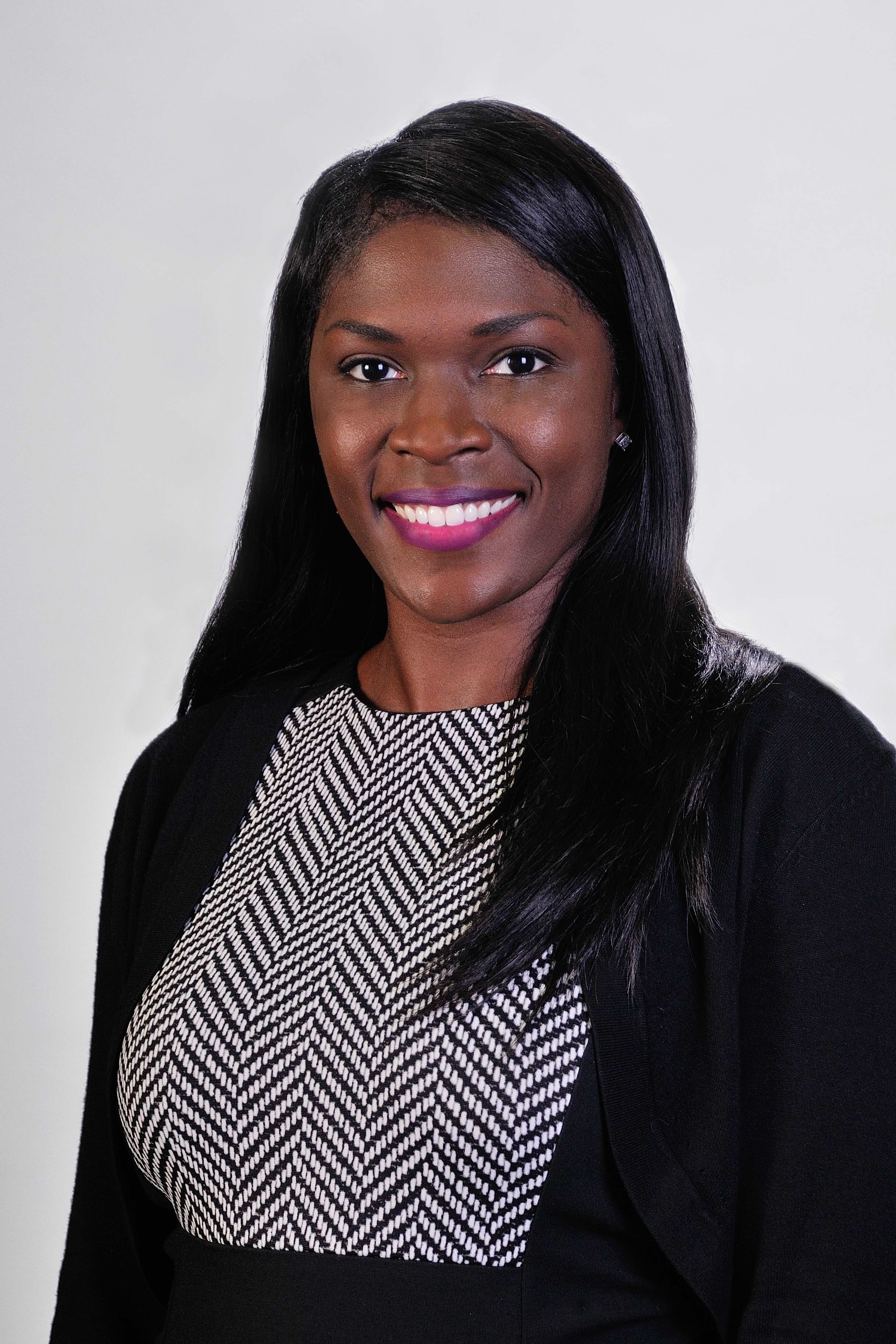
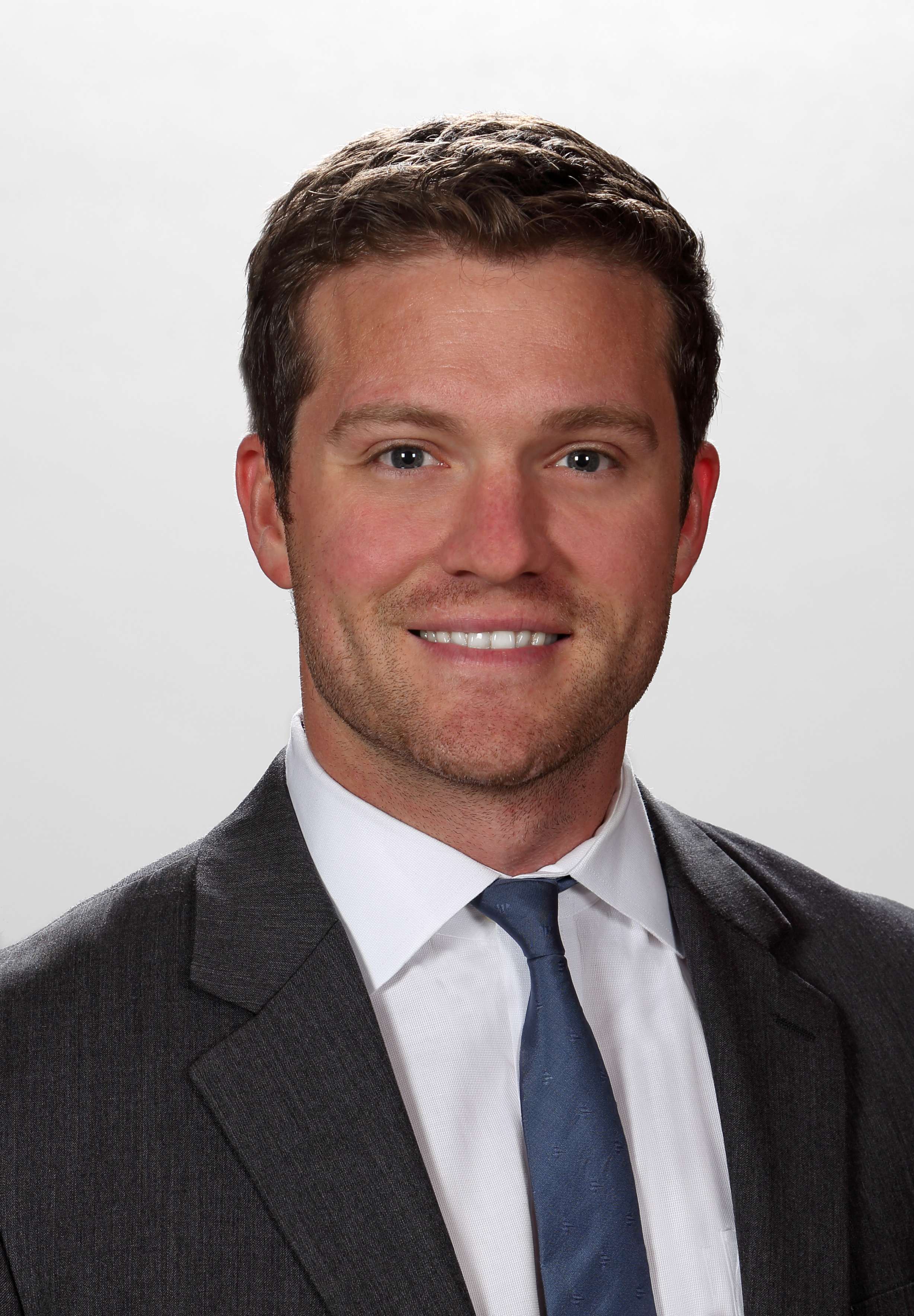
Professional headshots are among the most frequently used assets produced during a residency marketing project.
Faculty and resident portraits may appear on:
- Residency program websites
- ERAS-related recruitment materials
- Physician directories
- Department pages
- Social media profiles
- Conference programs
- Internal communications
- Press releases
- Hospital marketing materials
- Professional biographies
When portraits have inconsistent backgrounds, lighting, cropping, or color, the program’s visual identity can appear fragmented.
A standardized headshot program creates a cohesive appearance through:
- Consistent lighting
- Matching backgrounds
- Uniform image dimensions
- Coordinated posing
- Accurate skin tones
- Professional retouching
- Standardized file naming and delivery
This consistency makes the entire residency program appear more organized and professional.
Batch Production Reduces the Cost Per Participant
One of the best ways to control production costs is to schedule multiple physicians, residents, and faculty members during the same production day.
A coordinated session can be planned around:
- New resident orientation
- Faculty meetings
- Department conferences
- Annual retreats
- Interview season preparation
- Graduate Medical Education events
- Hospital marketing initiatives
Once the photography, video, lighting, sound, and background equipment is established, participants can move efficiently through a repeatable process.
This reduces duplicated costs associated with:
- Crew travel
- Equipment transportation
- Lighting setup
- Audio preparation
- Background installation
- Camera configuration
- Location preparation
- Production management
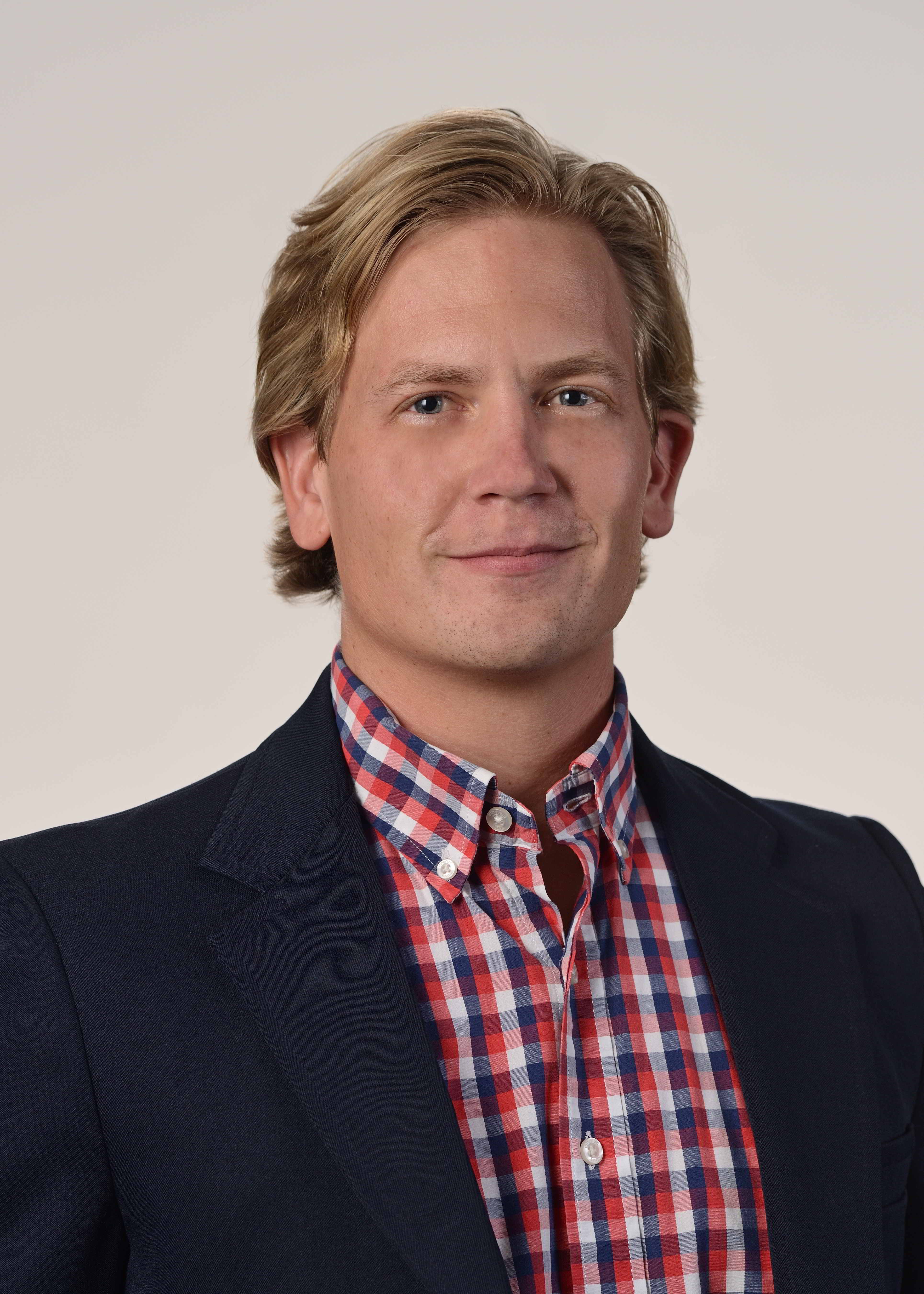
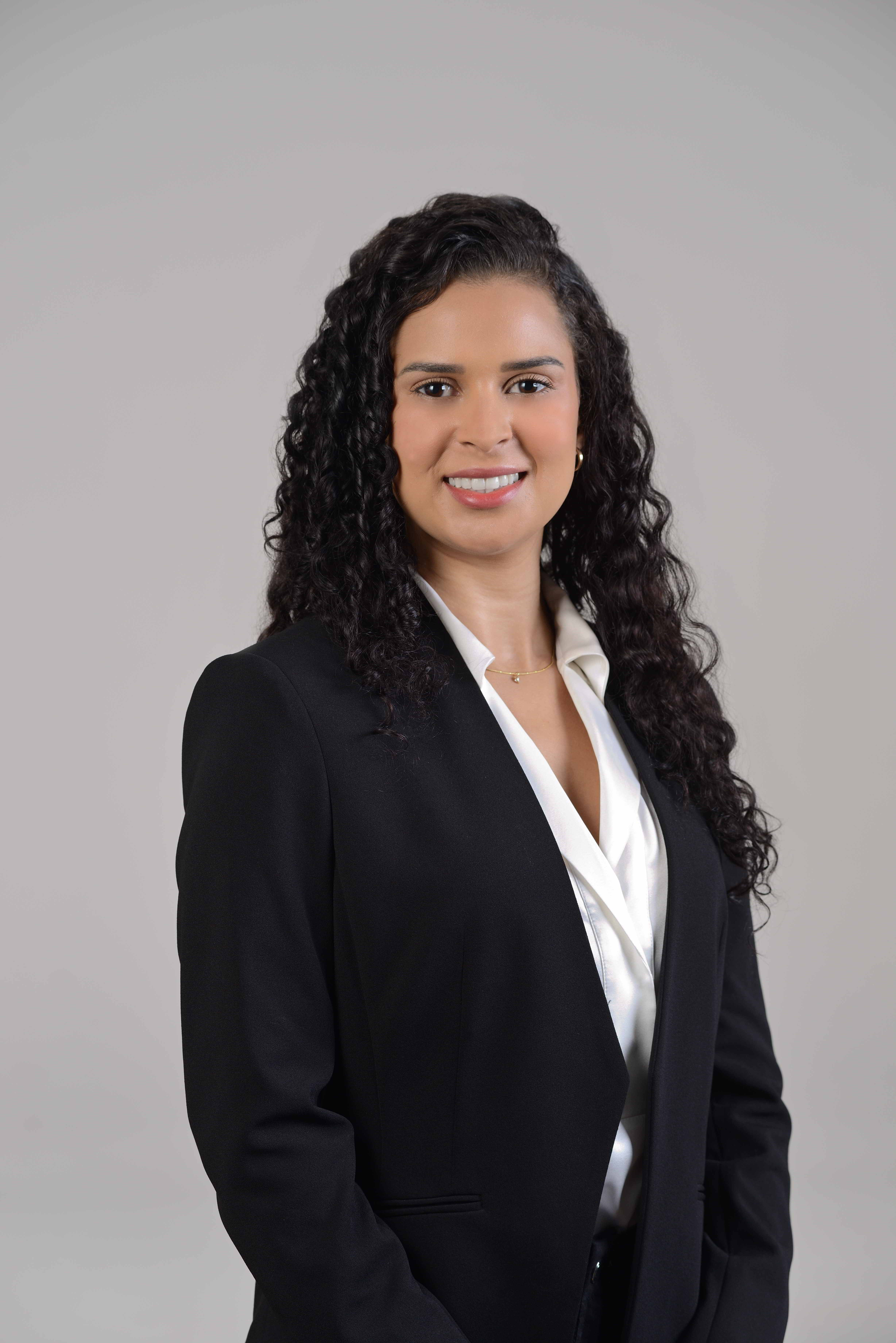
Batch production also ensures that every participant is photographed and recorded under the same technical conditions.
Combine Photography and Video During One Production
Photography and video do not need to be scheduled as separate projects.
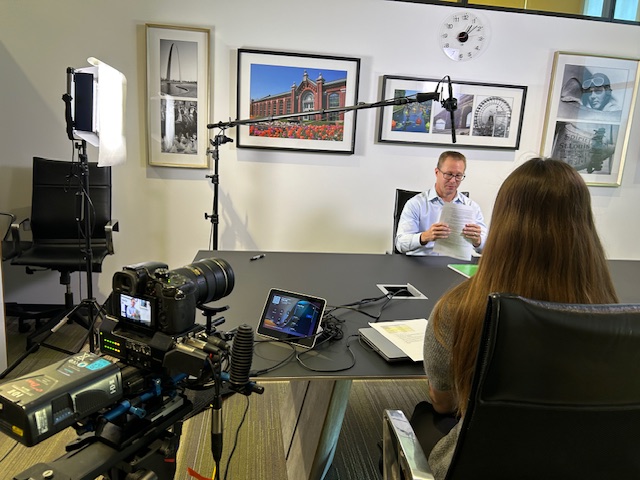
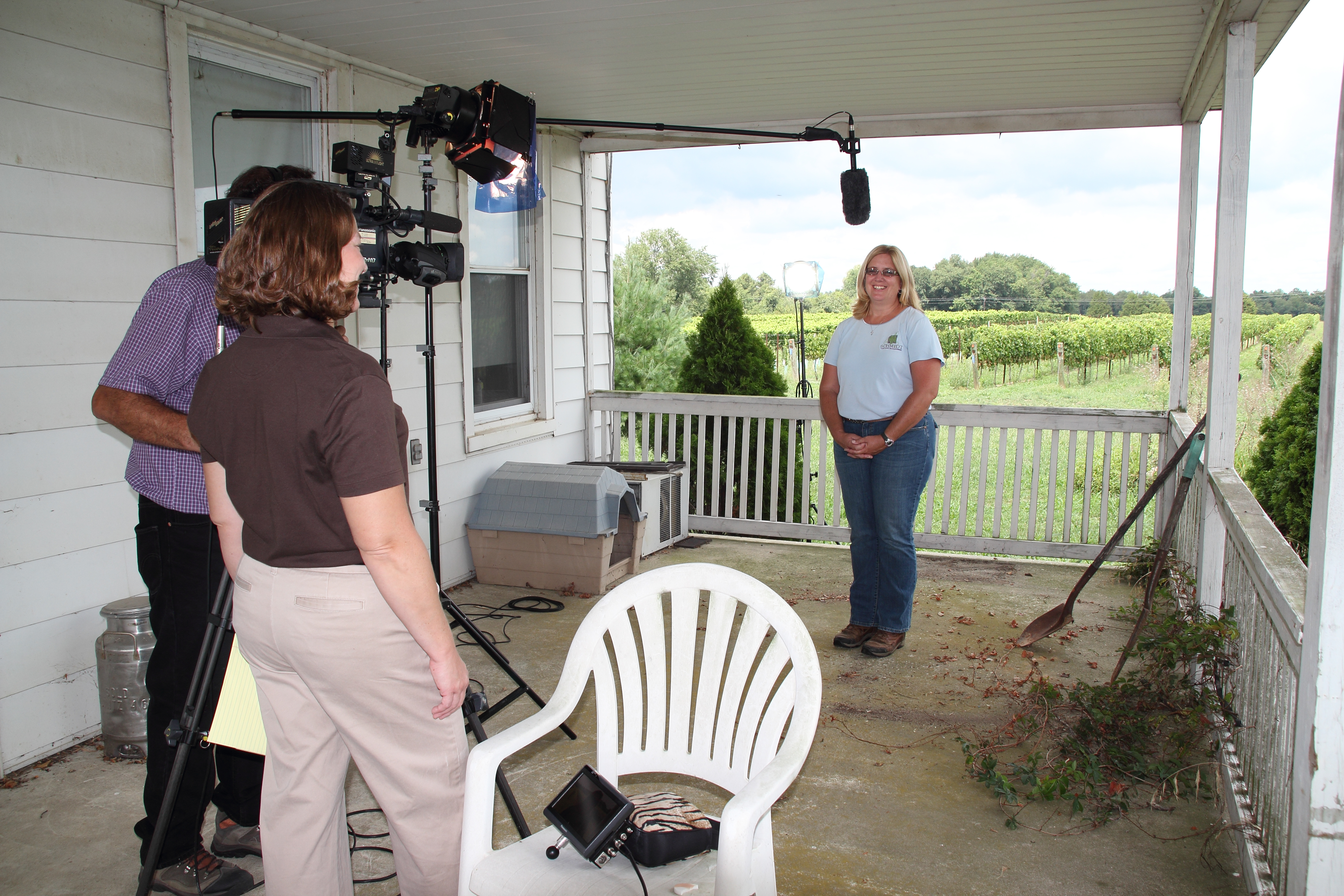
With advance planning, a resident or faculty member can complete a headshot session and then move directly to a nearby interview setup. The production crew can capture several assets during one scheduled appearance.
A combined production may create:
- Formal physician headshots
- Casual professional portraits
- Environmental portraits
- Program Director interviews
- Faculty introductions
- Resident testimonials
- Group photographs
- Team interaction footage
- Website banner images
- Social media clips
- Hospital and campus b-roll
- Recruitment advertising content
Capturing multiple assets during the same session improves the return on every production dollar.
Plan Interviews Around Short, Focused Questions
Physicians and residents are usually more comfortable when interviews are concise and conversational.
Rather than asking each participant to memorize a lengthy script, the production team can use a few focused prompts.
Examples include:
- Why did you choose this residency?
- What makes the program distinctive?
- How would you describe the faculty?
- What surprised you most after joining?
- What should applicants know about the culture?
- Which educational opportunity has been most valuable?
- What is it like to live in St. Louis?
Short answers are easier to record, edit, caption, and repurpose. They also tend to sound more authentic than heavily scripted responses.
Experienced Interview Direction Produces Better Content
Medical professionals may be comfortable presenting clinical information but still feel uneasy in front of a camera.
An experienced producer helps participants communicate naturally while keeping the session efficient.
Professional direction may include:
- Simplifying the interview question
- Coaching posture and eye contact
- Encouraging complete-sentence answers
- Reducing overly technical language
- Identifying concise sound bites
- Managing multiple takes
- Maintaining a comfortable pace
- Helping participants sound conversational
The goal is not to manufacture a performance. It is to help each participant present their expertise, enthusiasm, and personality clearly.
Teleprompter Support for Formal Messages
Some residency videos require precise wording, particularly when recording:
- Program Director introductions
- Executive messages
- Institutional statements
- Accreditation-related information
- Formal program overviews
- Approved marketing scripts
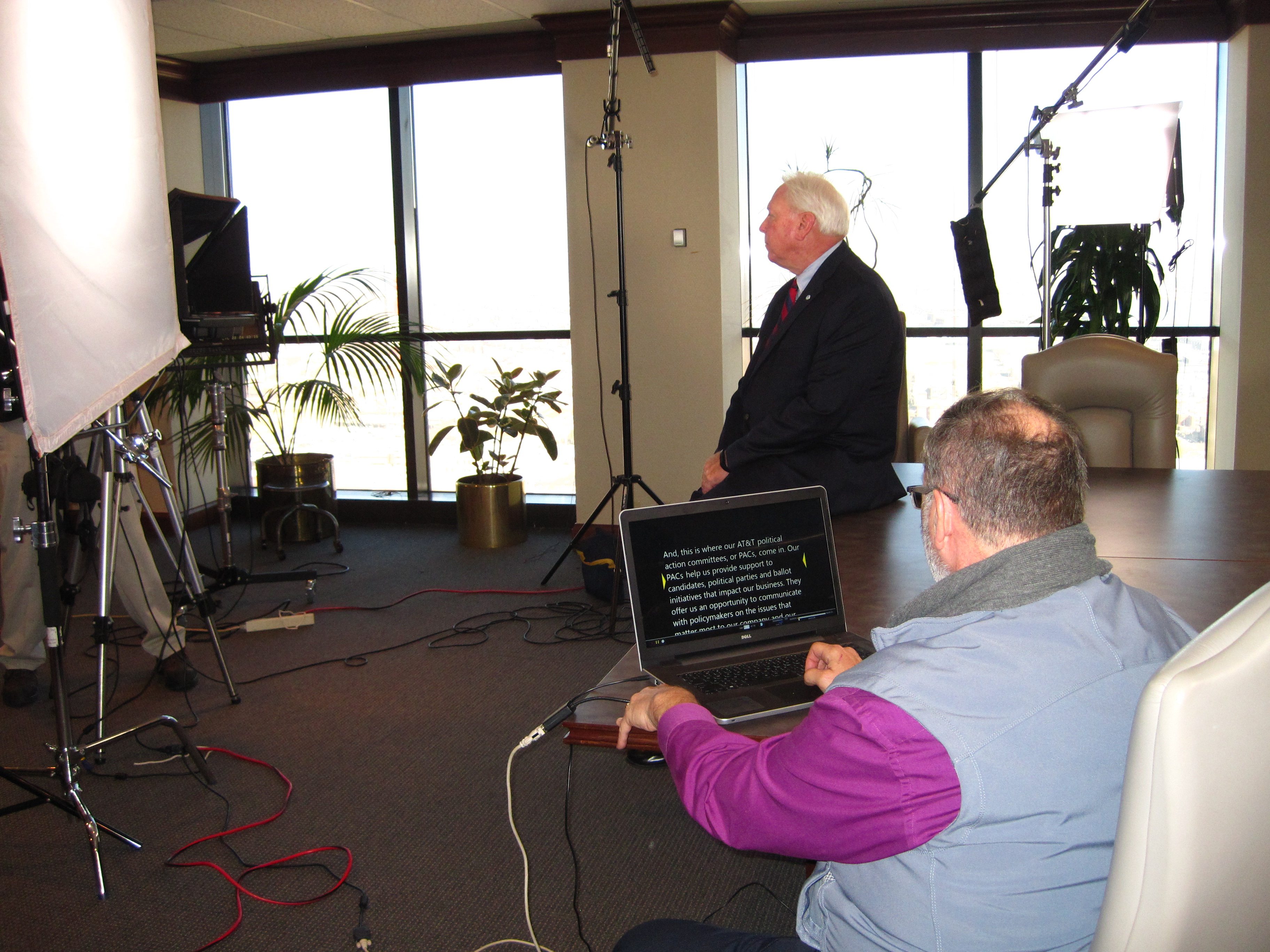
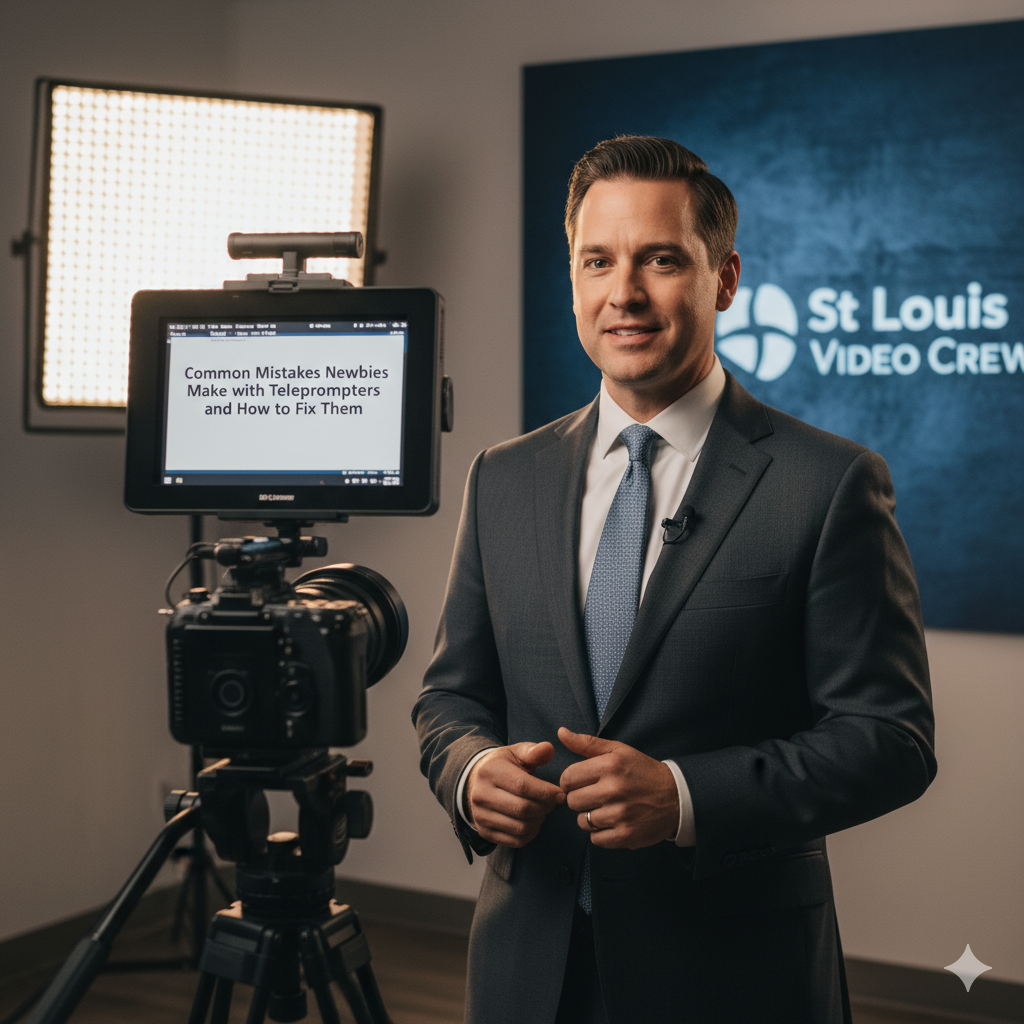
Teleprompter support allows the speaker to deliver prepared content while maintaining direct eye contact with the camera.
An experienced production team can adjust the font size, scrolling speed, eye line, pacing, and script structure to help the speaker appear natural.
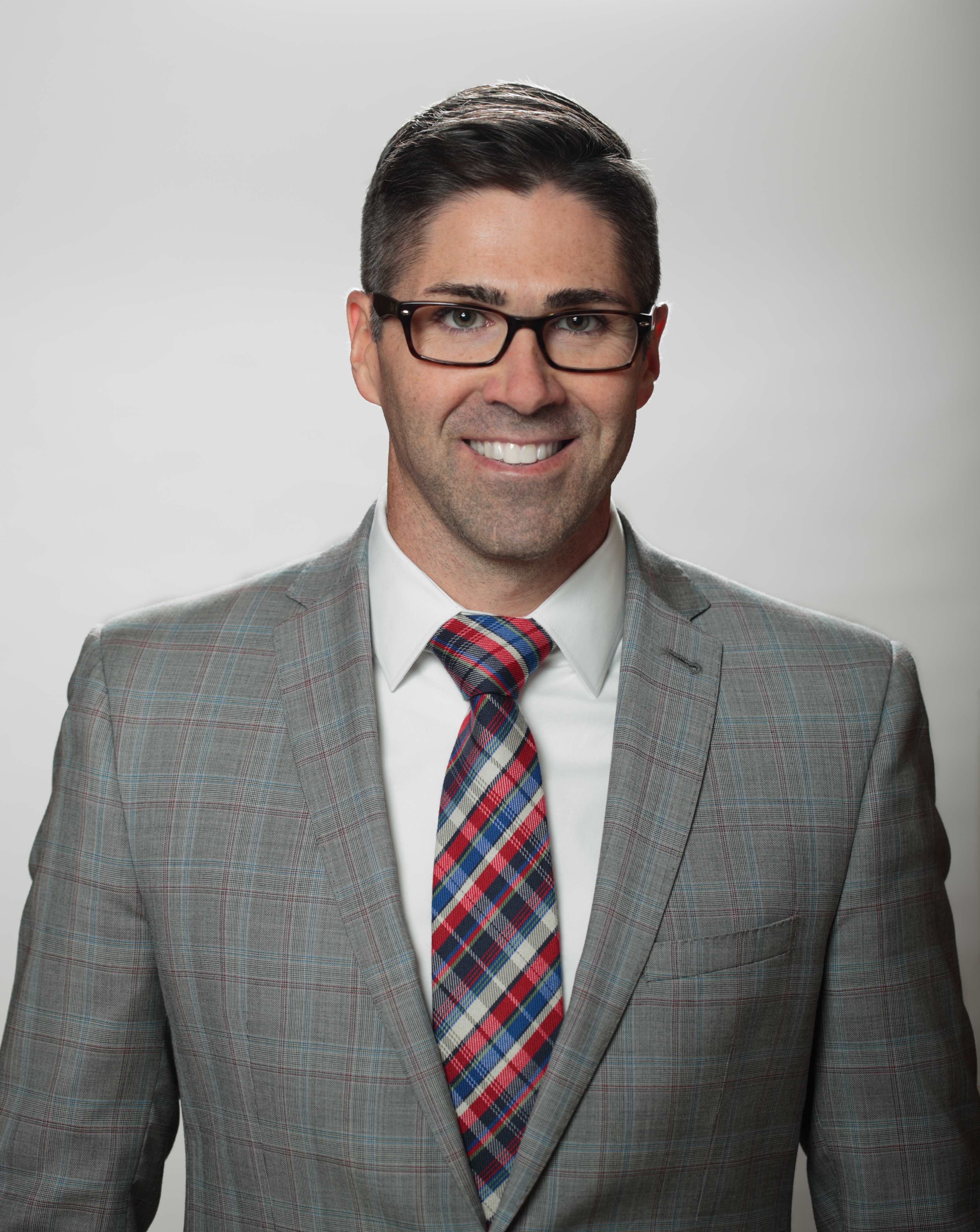
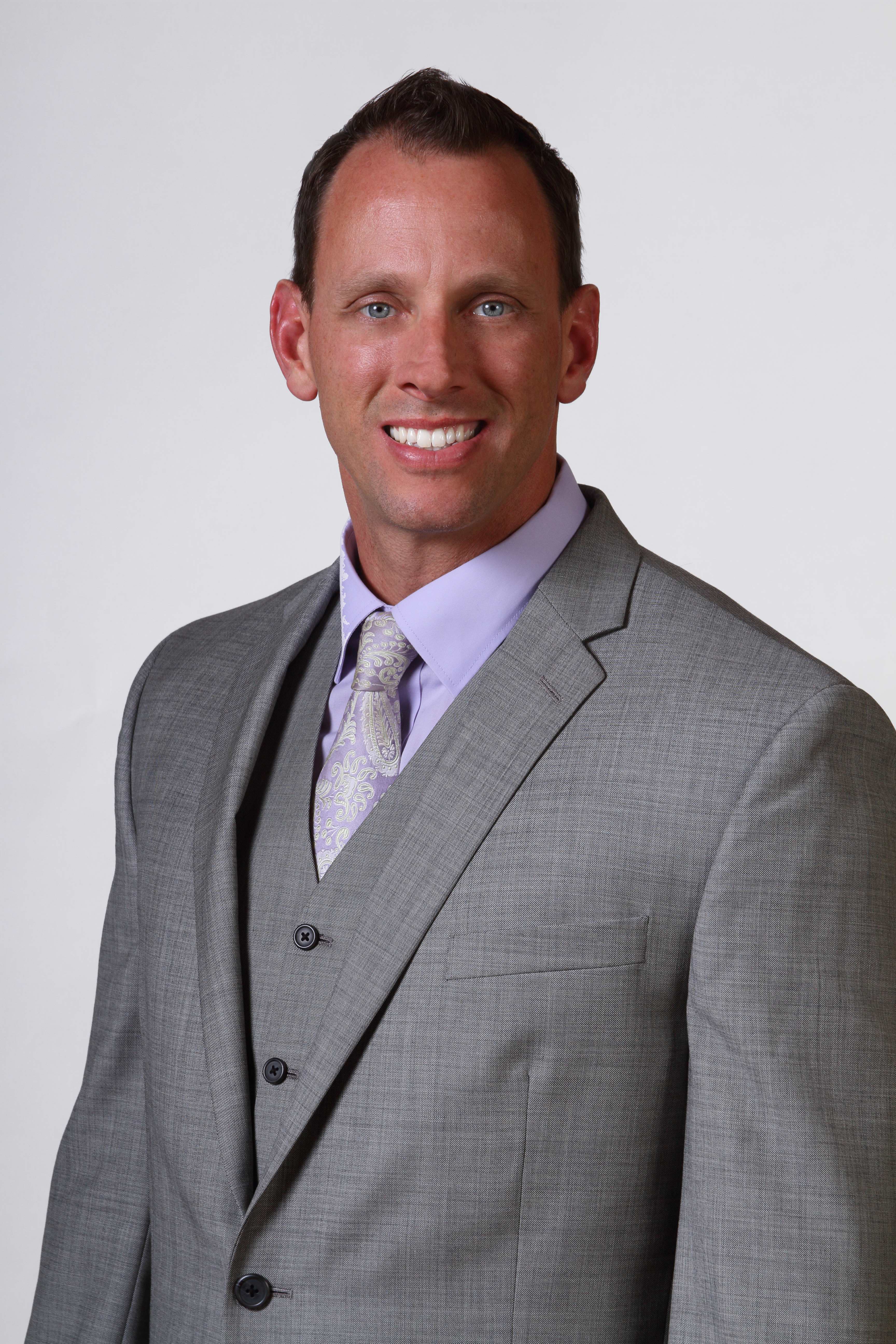
For resident testimonials and informal faculty interviews, conversational questioning is generally more effective. For formal communications, a teleprompter can save time and improve accuracy.
Professional Sound Is Critical
Clear audio is one of the most important elements of any recruitment video.
Hospitals present several sound challenges, including:
- Ventilation systems
- Hallway conversations
- Medical equipment
- Elevators
- Paging systems
- Reflective walls
- Nearby clinical activity
Professional audio services may include:
- Wireless lavalier microphones
- Directional boom microphones
- Backup audio recording
- Headphone monitoring
- Room-noise evaluation
- Audio synchronization
- Dialogue enhancement
- Noise reduction during post-production
Good audio helps viewers remain focused on the message rather than the production environment.
Controlled Lighting Produces a Professional Appearance
Healthcare facilities are not usually designed with video production or portrait photography in mind.
Overhead fixtures, windows, mixed color temperatures, and reflective surfaces can create unflattering shadows or inconsistent skin tones.
Professional lighting provides:
- Natural facial illumination
- Accurate color
- Consistent exposure
- Separation from the background
- Attractive eye highlights
- Visual continuity
- A more polished institutional appearance
Once the lighting is established, participants can move through the setup efficiently while maintaining consistent results.
Multicamera Interviews Improve Editing Flexibility
A multicamera interview can provide additional visual options without requiring the participant to repeat every response.
One camera may record a primary composition while another captures a tighter angle or alternate perspective.
These additional angles help editors:
- Shorten answers cleanly
- Remove pauses or mistakes
- Improve pacing
- Create more visually engaging videos
- Produce horizontal and vertical versions
- Develop shorter social media clips
- Maintain continuity during edits
Multicamera production can be particularly helpful for executive messages, panel discussions, training content, and important program overviews.