Professional Video Production Is a Business Communication Investment
For corporations, businesses, marketing directors, advertising agencies, and communications professionals, video has become one of the most versatile tools for informing audiences, communicating brand messages, and supporting marketing objectives.
Professional video is used throughout modern organizations for everything from advertising campaigns and executive presentations to employee training, customer testimonials, recruitment initiatives, and internal communications.
However, successful corporate video production requires much more than recording attractive footage.
It involves understanding the organization’s objectives, developing a practical production strategy, selecting appropriate equipment and creative personnel, managing image and sound acquisition, and transforming original footage into finished communications.
For marketing decision-makers, this creates an important consideration: should individual production services be contracted separately, or is there greater value in working with a comprehensive video production company?
A full-service video production partner can coordinate the entire process, from creative planning and professional recording through editing, post-production, and final media delivery.
This integrated approach can improve communication, reduce unnecessary production complications, and provide organizations with more consistent results.
What Does Full-Service Video Production Actually Include?
Full-service video production means more than providing cameras and an operator for a scheduled recording session.
A comprehensive production company combines the creative, technical, and organizational resources needed to plan, capture, edit, and deliver professional visual content.
Although requirements vary by assignment, professional commercial video production generally involves three interconnected stages.
Pre-Production: Planning for a Successful Project
Pre-production establishes the creative direction and logistical foundation for an assignment.
During this stage, the production company works with the client to determine the intended audience, communication objectives, production requirements, scheduling, locations, and final deliverables.
Pre-production services may involve creative consultation, concept development, scripting, storyboards, location scouting, interview preparation, equipment planning, and crew scheduling.
A marketing video designed to introduce a new product will require a different approach from a training program, executive interview, or industrial facility presentation.
Identifying these differences early allows production resources to be matched to the project’s actual requirements.
Production: Professional Image and Sound Acquisition
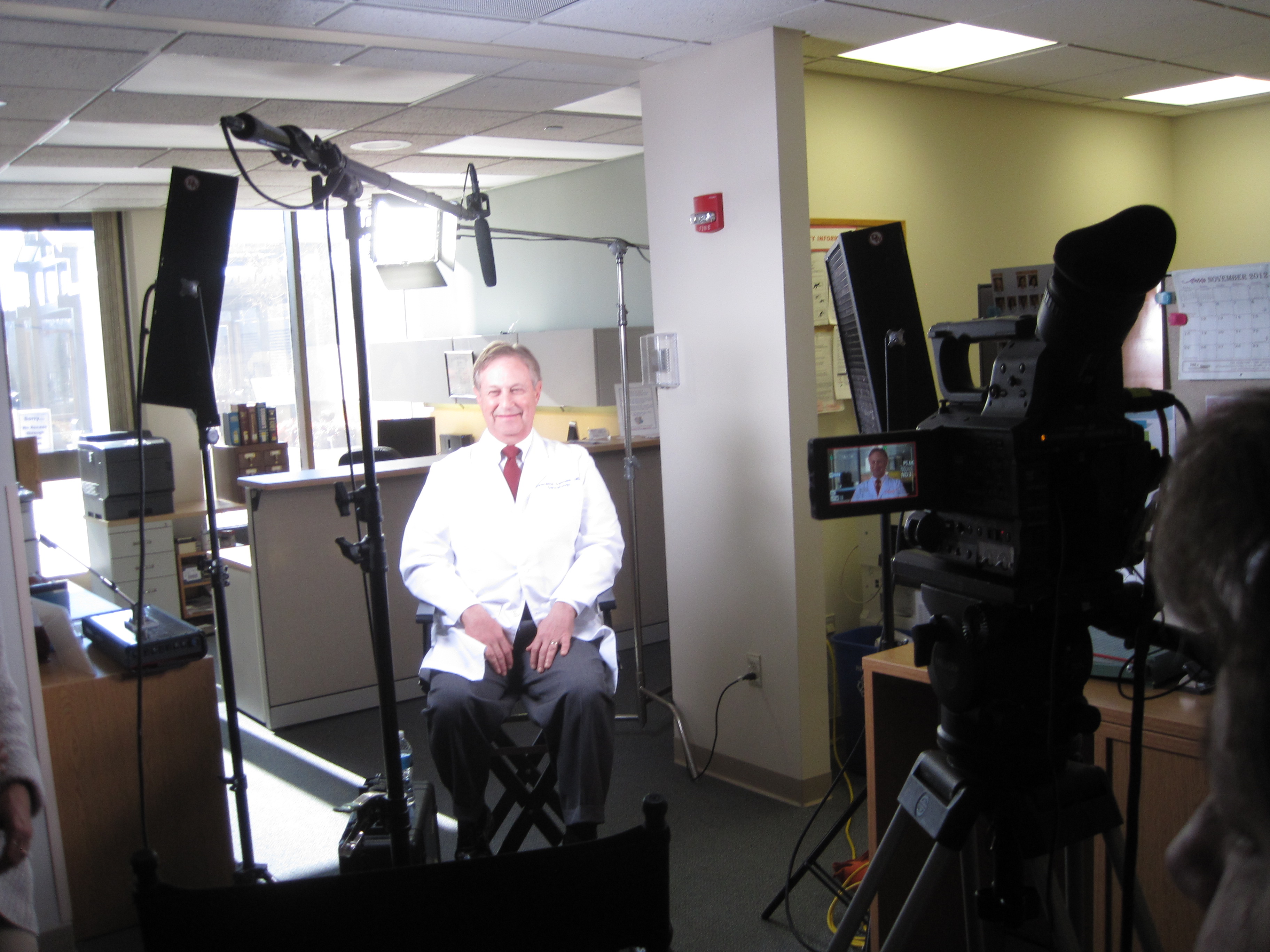
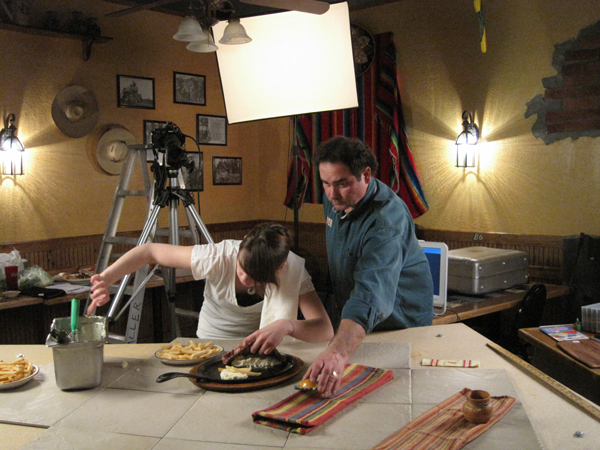
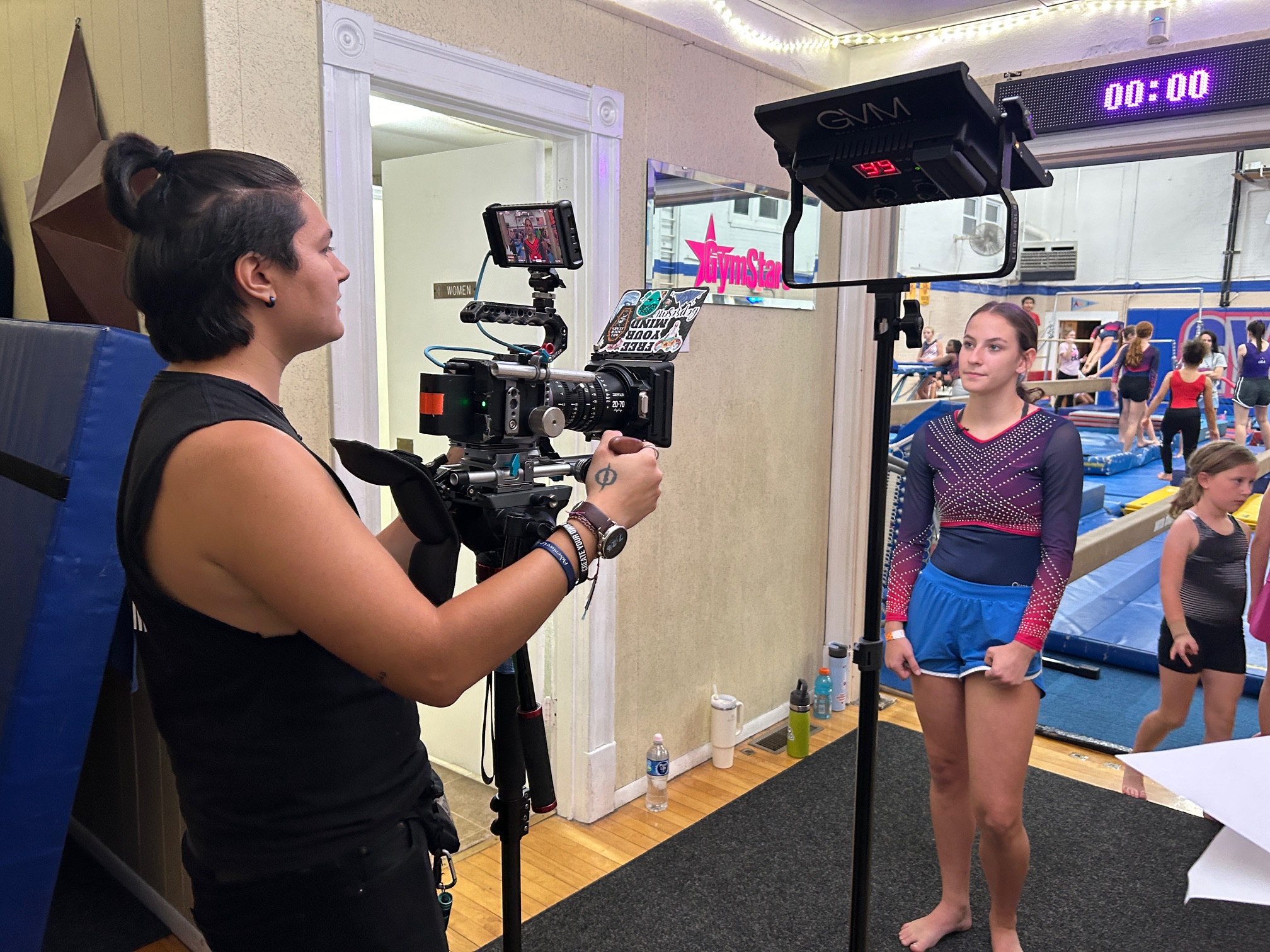
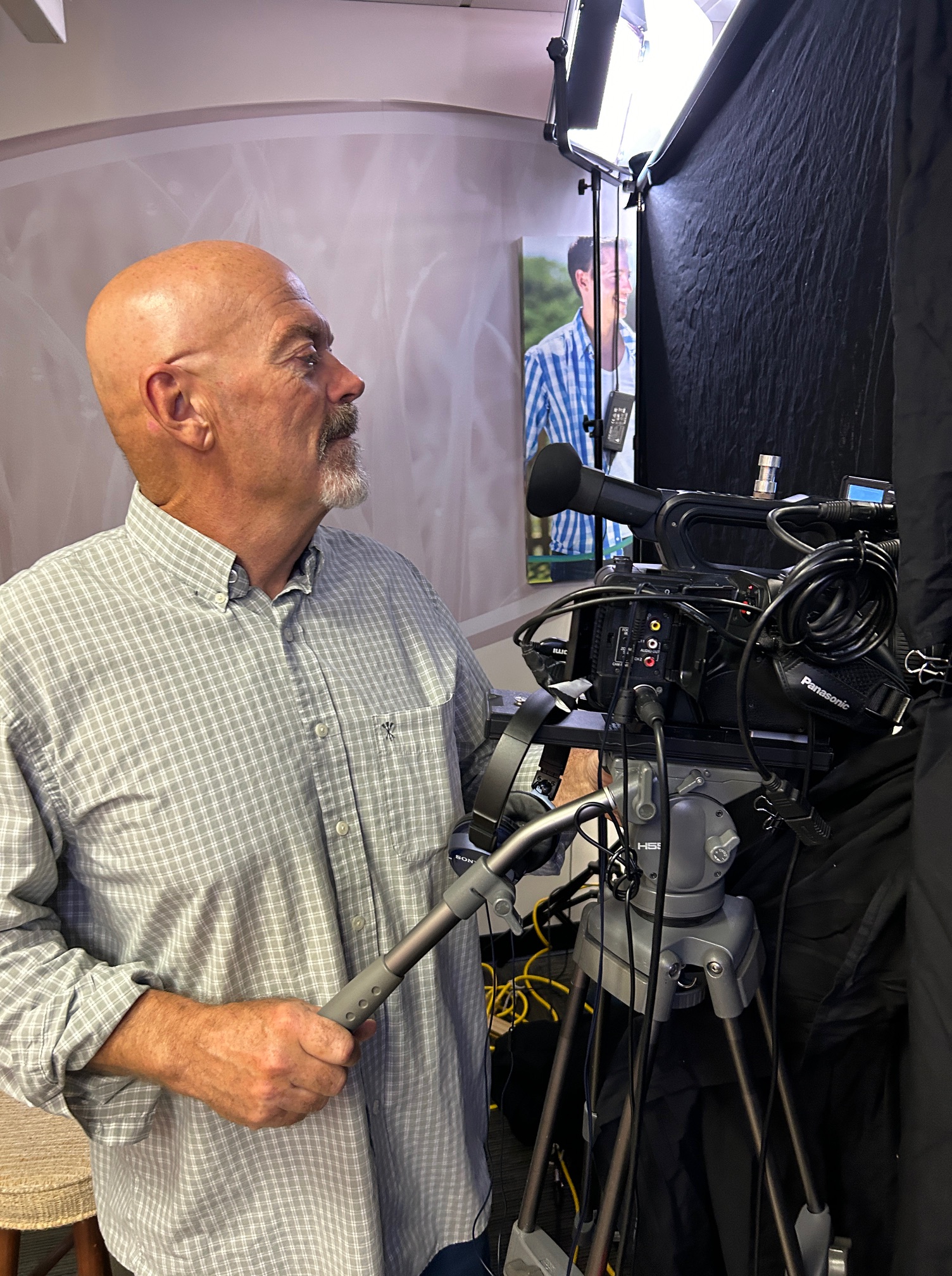
Production is the stage during which cameras, microphones, lighting equipment, and other technical resources are used to capture the original material.
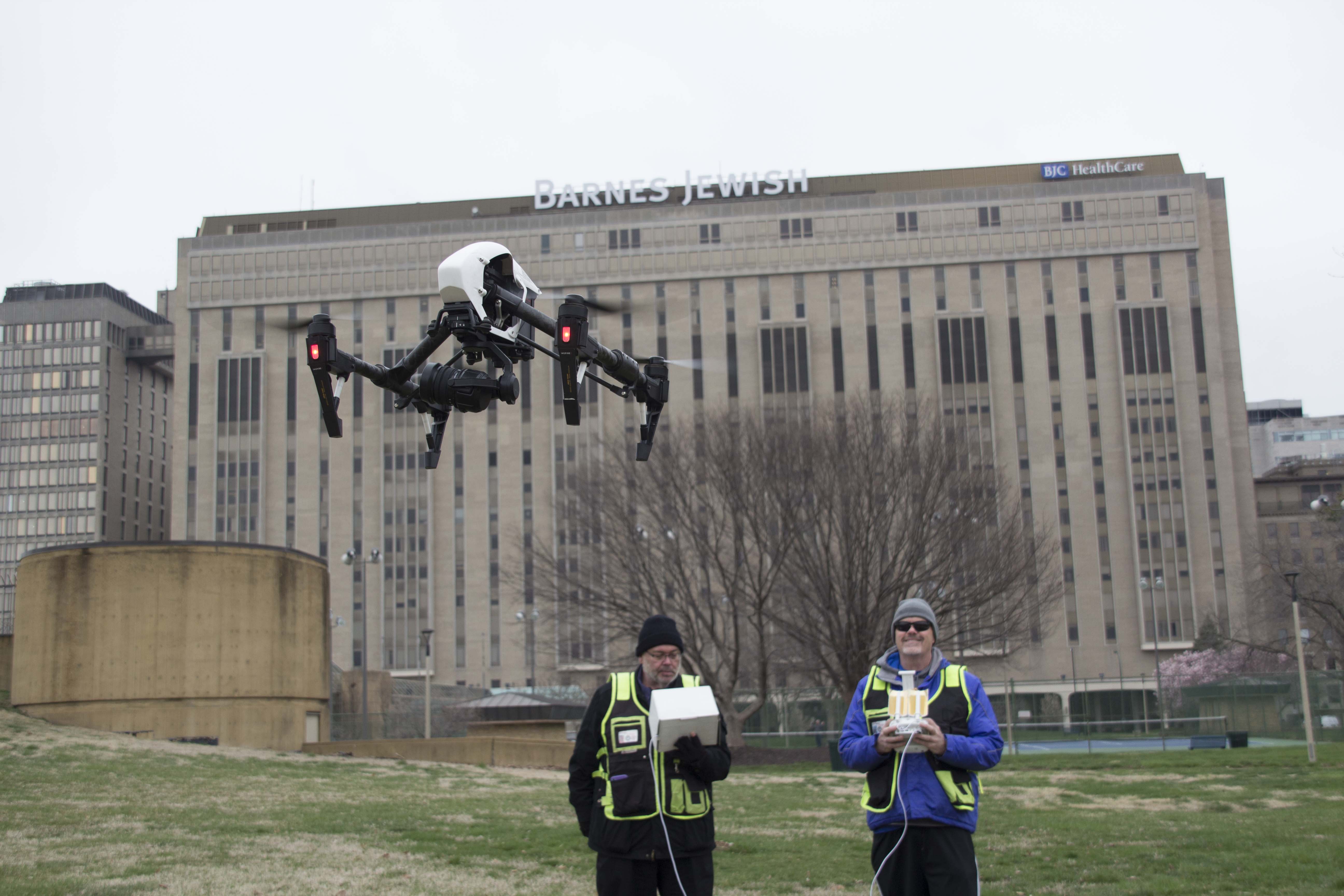
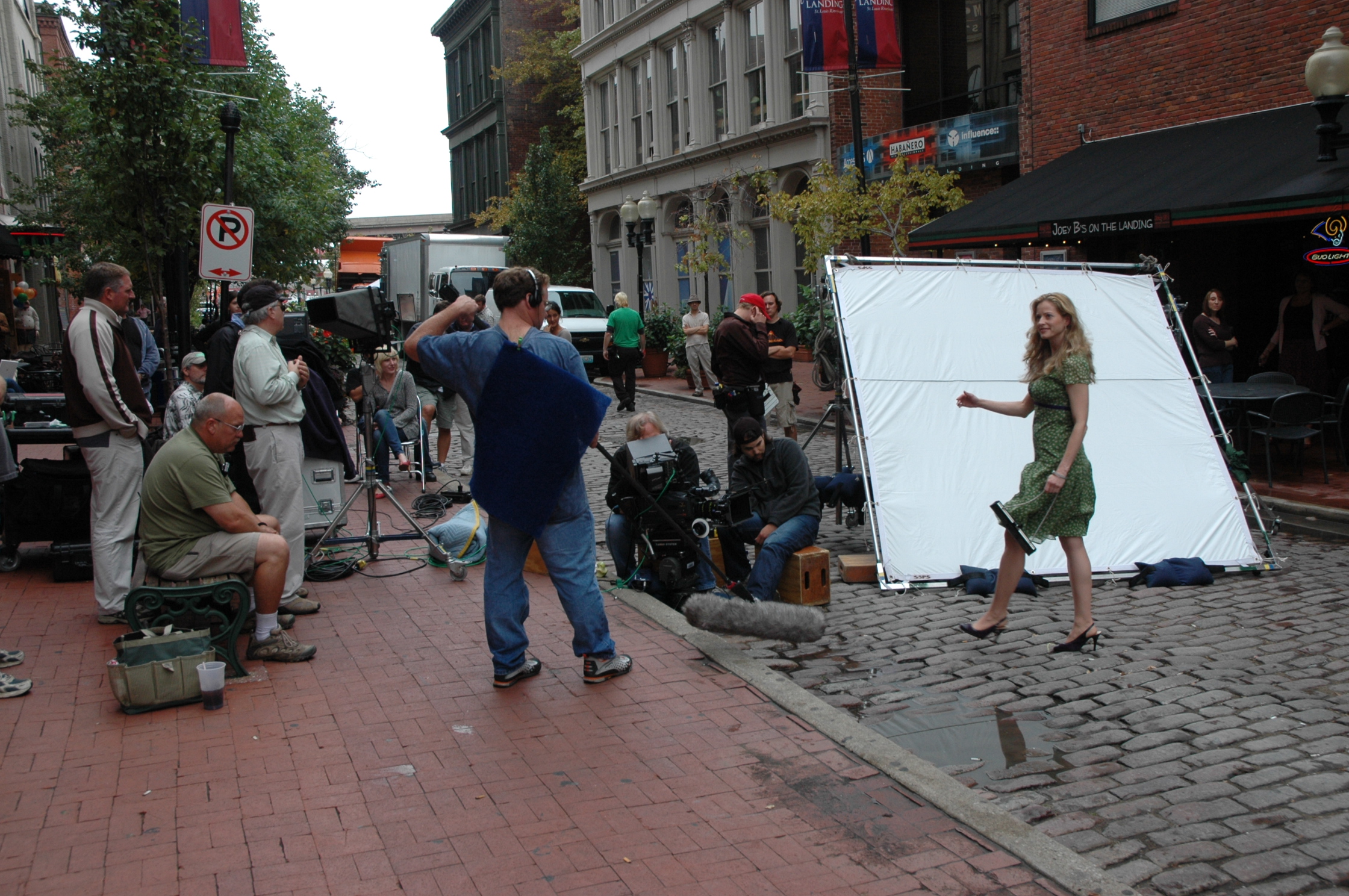
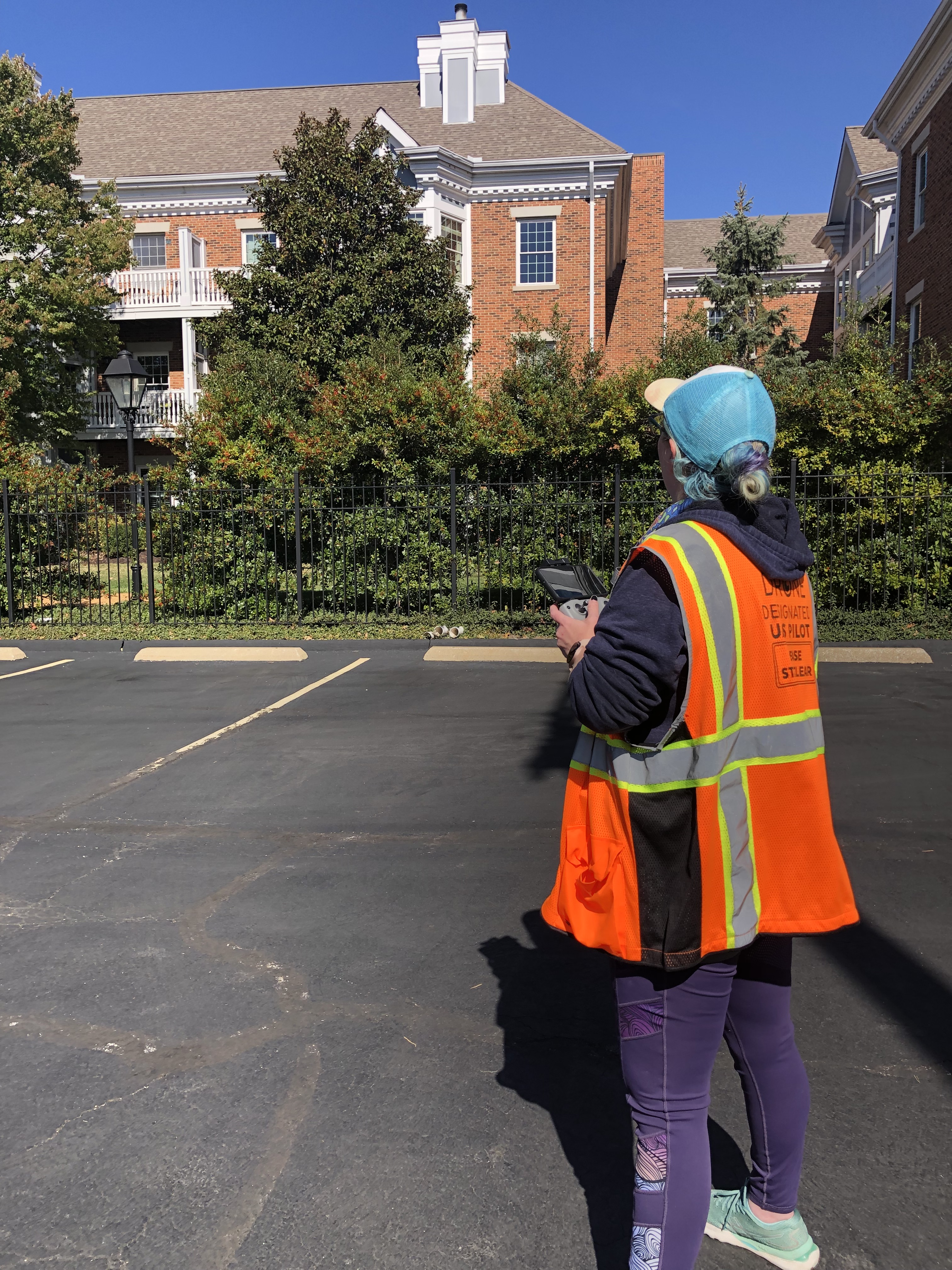
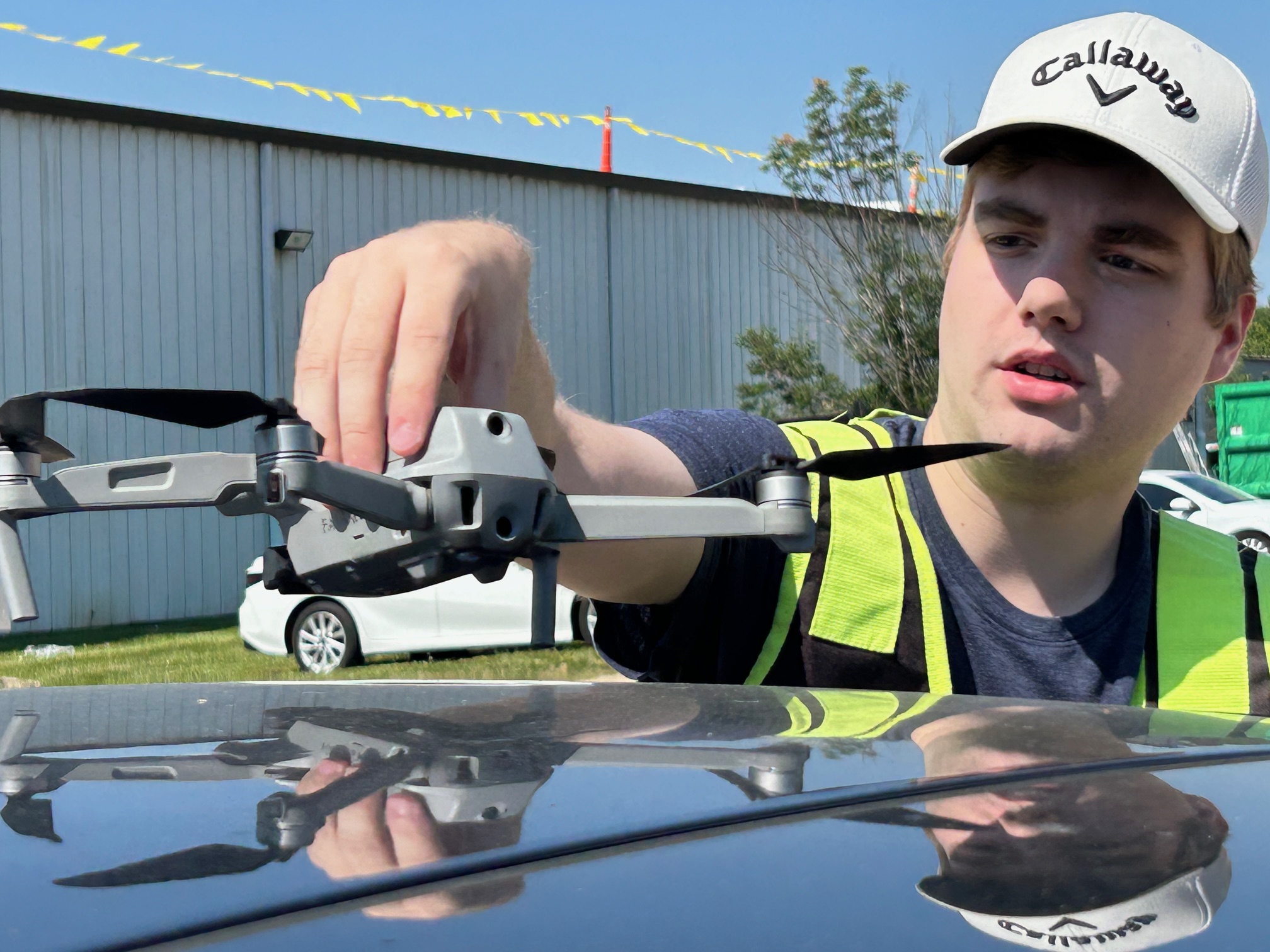
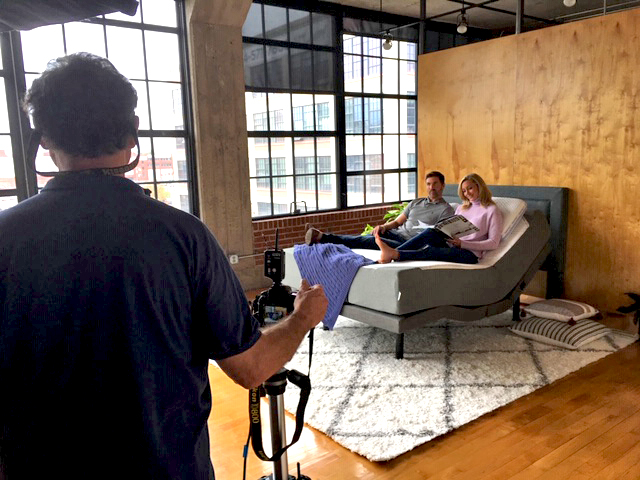
Depending on the assignment, an experienced production crew may include a producer, director, camera operators, sound technicians, lighting professionals, photographers, drone pilots, and production assistants.
Professional crews understand how to coordinate these elements while maintaining consistent visual quality and working efficiently within the client’s schedule.
Post-Production: Turning Footage Into Effective Communication
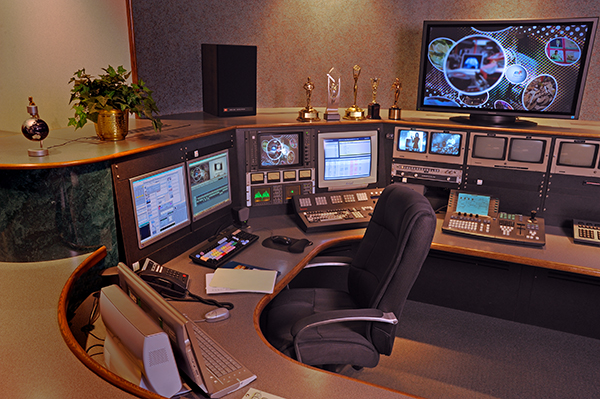
Post-production transforms recorded material into a finished presentation.
For commercial clients, post-production also frequently includes creating alternate versions for different audiences and distribution platforms.
A successful project depends on all three stages functioning as part of a coordinated process.
The Advantages of Working With One Comprehensive Production Company
Managing multiple independent production vendors can introduce additional scheduling, communication, and technical challenges.
A company may hire one provider for video recording, another for commercial photography, a separate drone operator, and an additional editor.
While that approach can work, it may require more coordination and increase the possibility of inconsistent technical specifications or creative expectations.
A full-service video production company can consolidate these services within a coordinated workflow.
This can provide several practical advantages.
Consistent creative direction: Photography, video, graphics, and editing can follow a unified visual strategy.
Simplified communication: The client works with a coordinated production resource rather than managing multiple unrelated contractors.
Technical compatibility: Camera settings, recording formats, audio specifications, and post-production requirements can be established before production begins.
Efficient scheduling: Still photography, interviews, location footage, and drone imagery can often be coordinated during the same production period.
Greater accountability: Production responsibilities and final deliverables can be managed through one established workflow.
For marketing departments that regularly commission professional media, these efficiencies can translate into fewer complications and more predictable results.
Professional Studio Video Production Offers Important Advantages
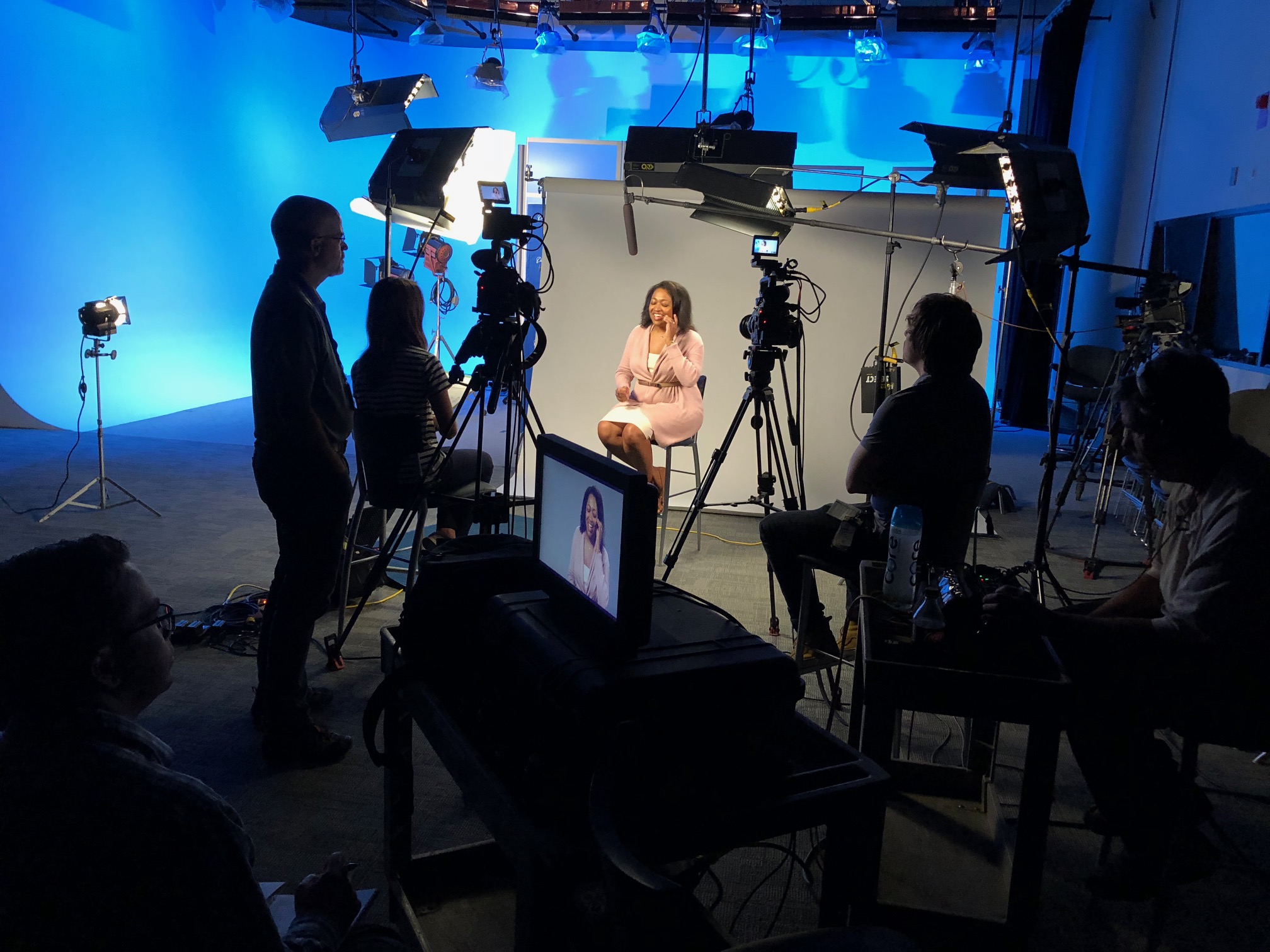
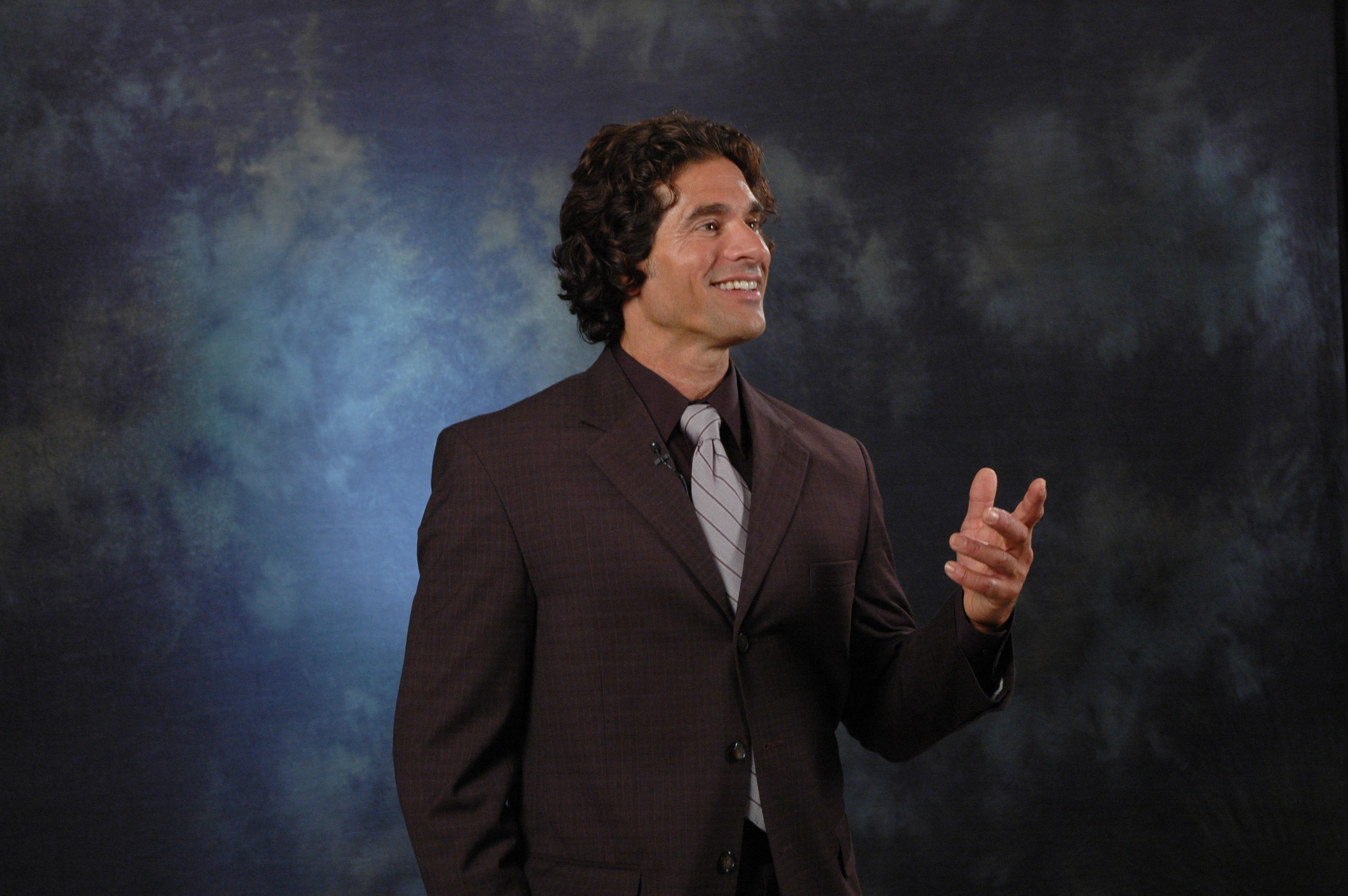
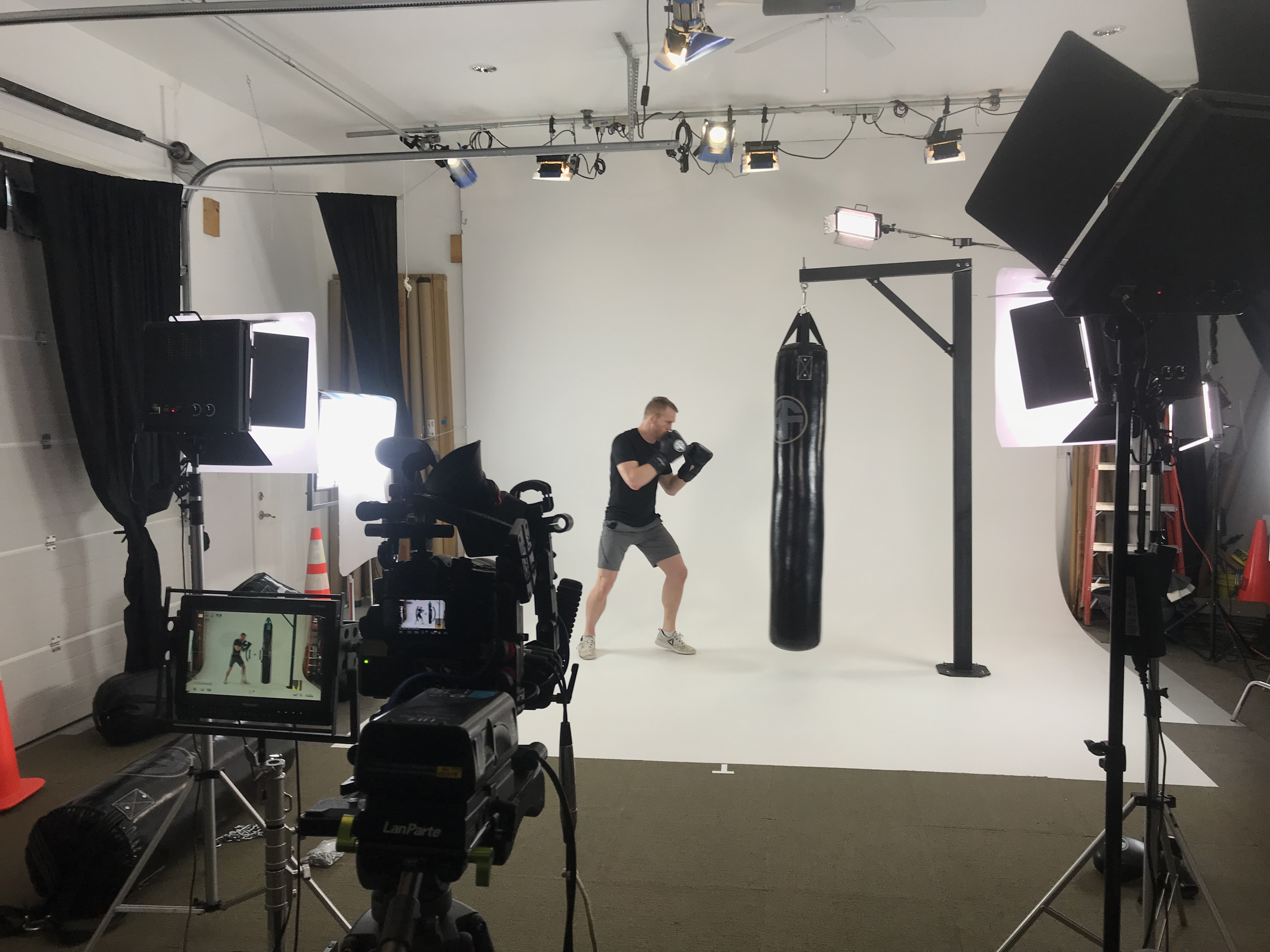
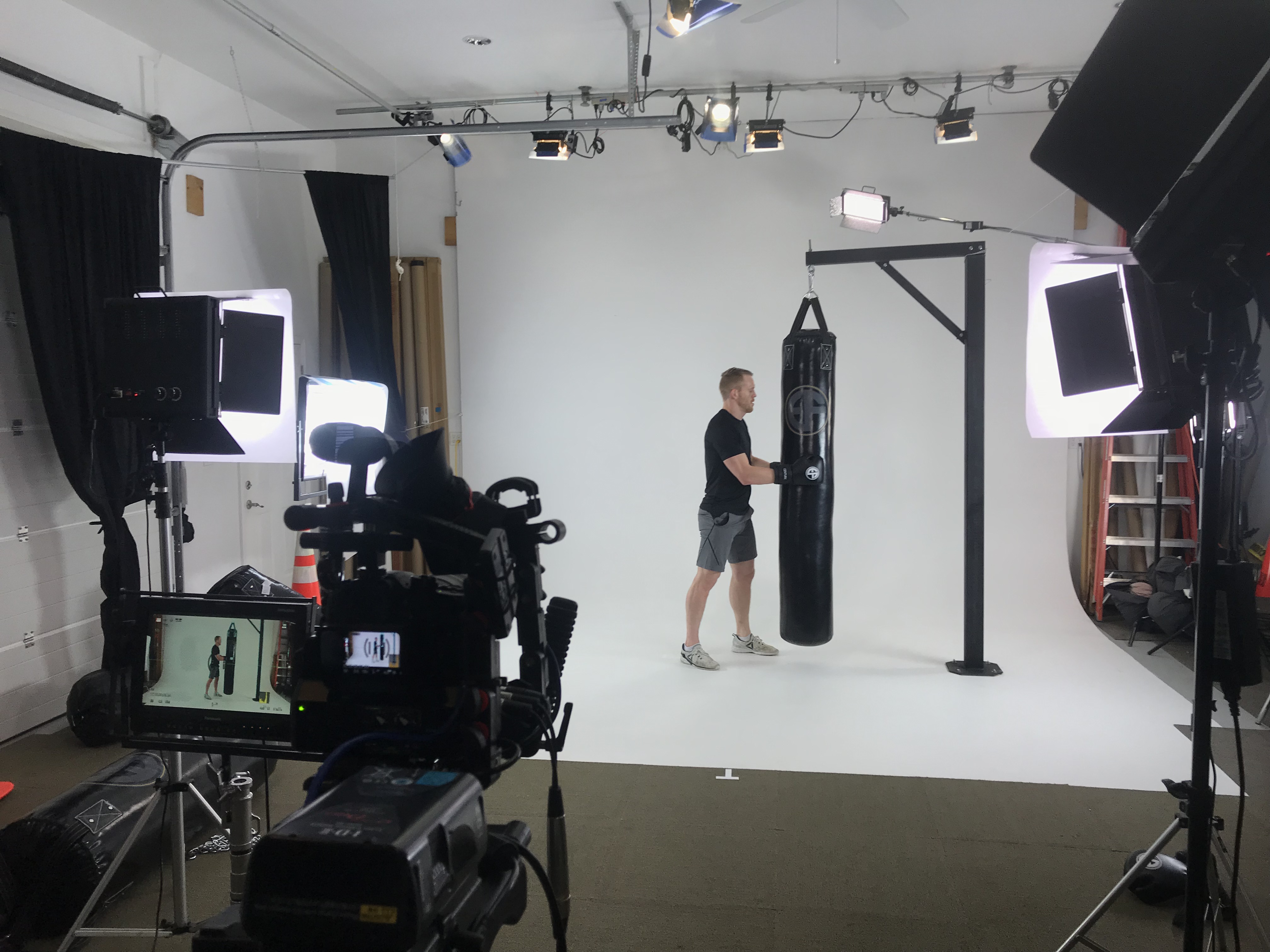
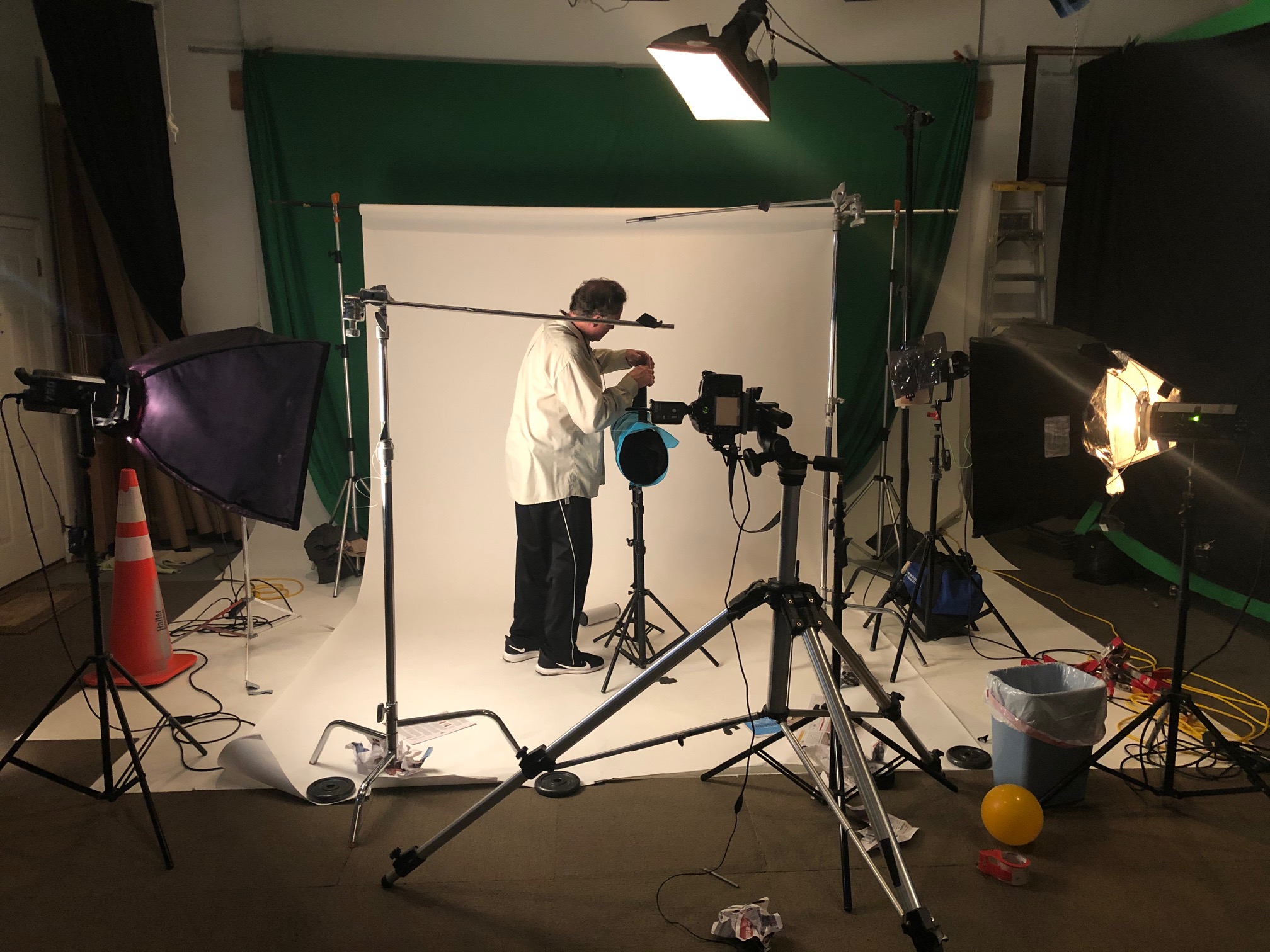
A controlled video studio remains one of the most useful resources for corporate communications and marketing.
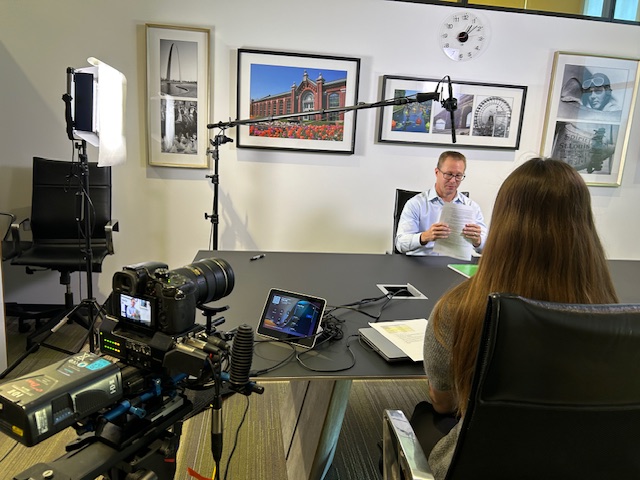
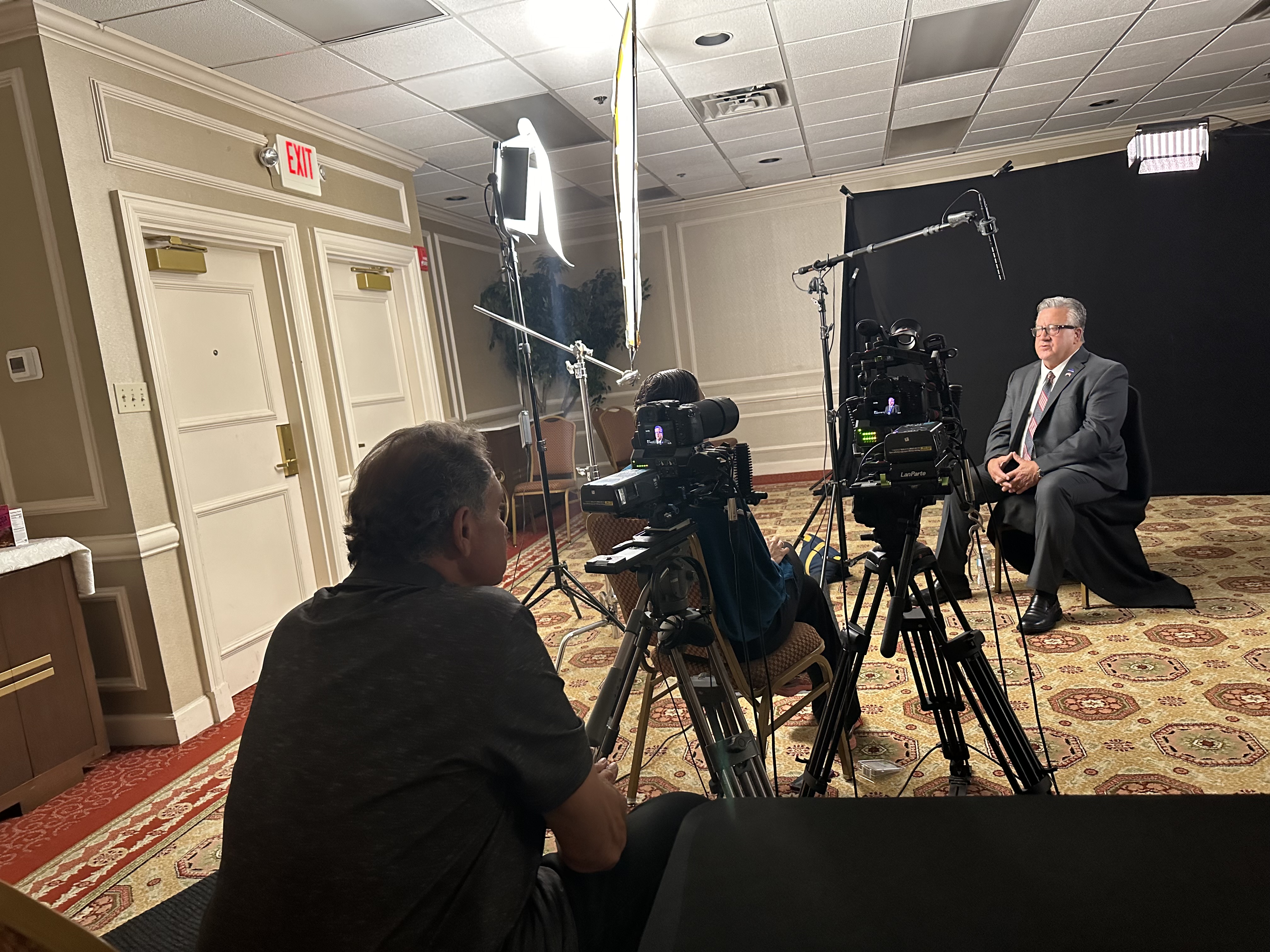
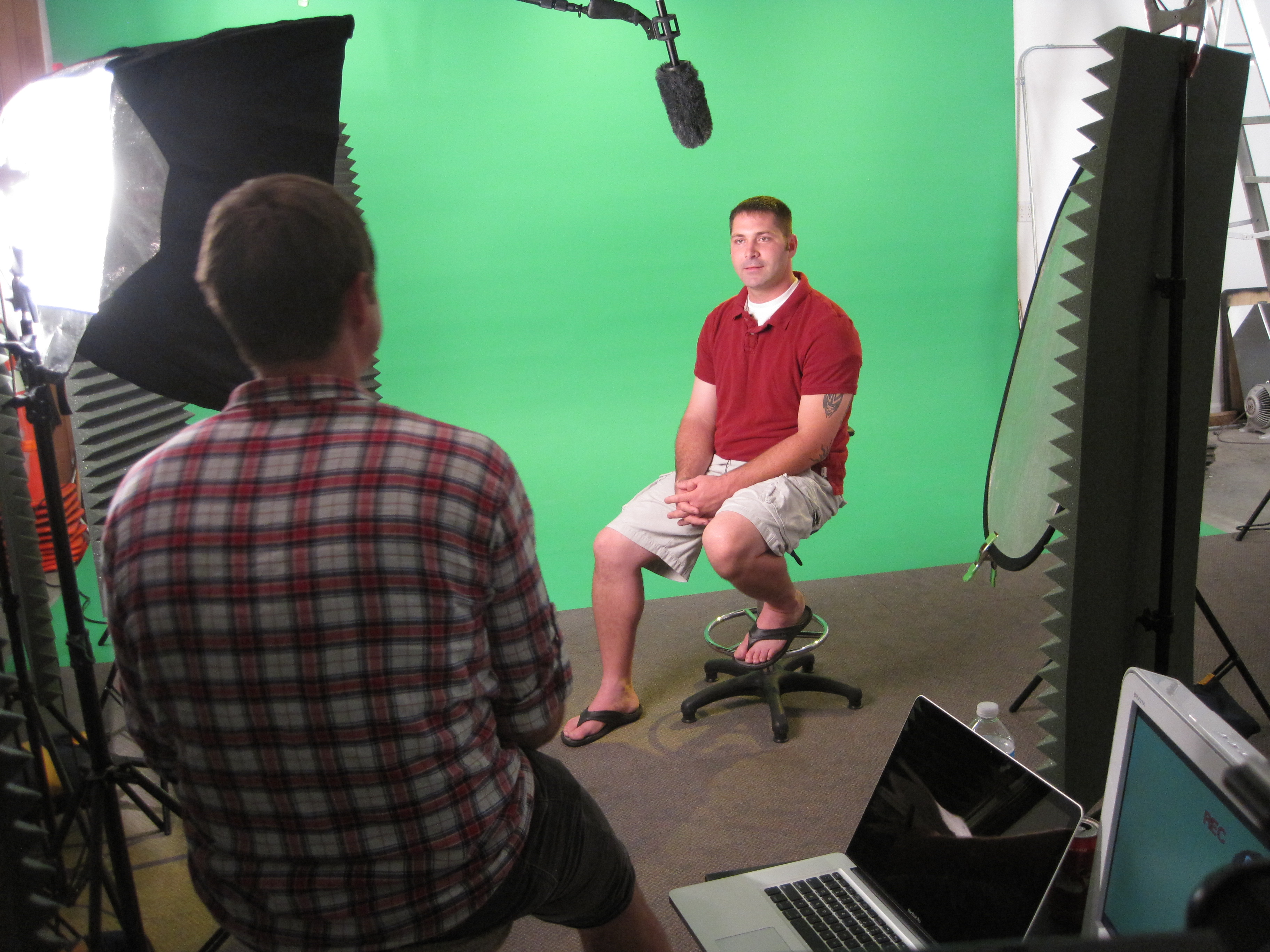
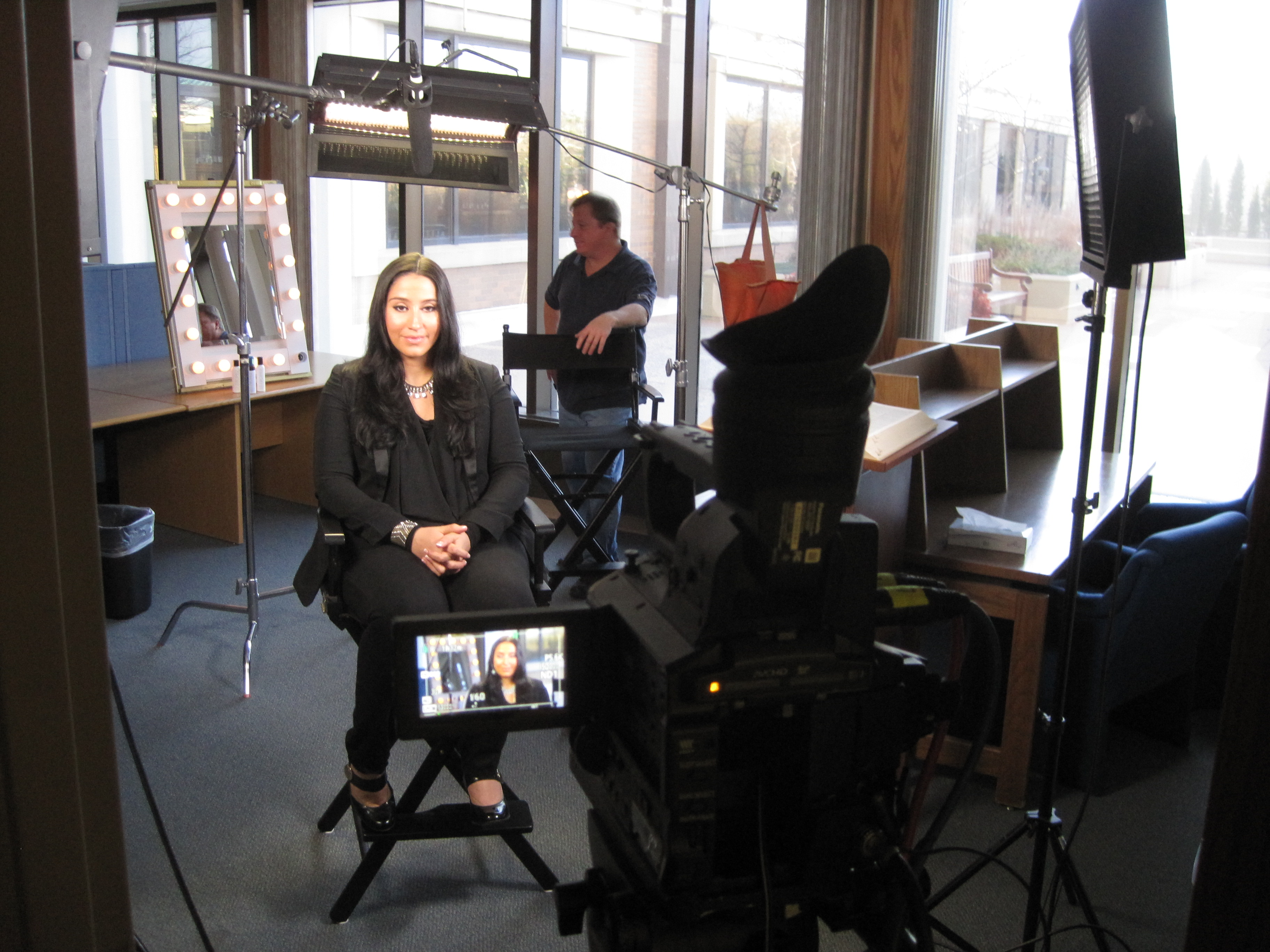
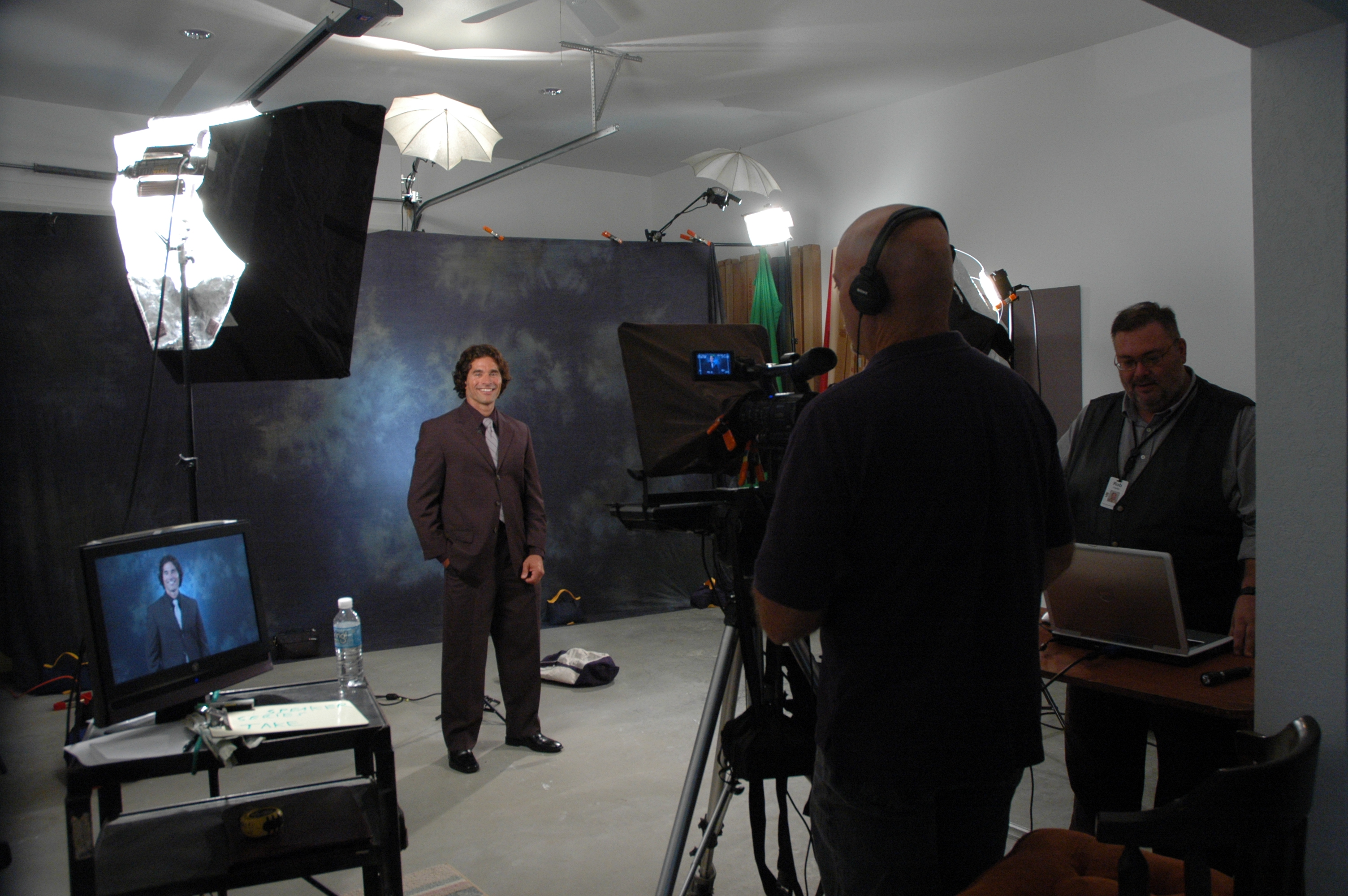
Unlike offices, conference rooms, or other improvised filming environments, a dedicated studio provides greater control over lighting, sound, camera positioning, and visual backgrounds.
This is particularly important for productions involving executives, employees, customer testimonials, and scripted presentations.
Creating the Right Environment for Corporate Interviews
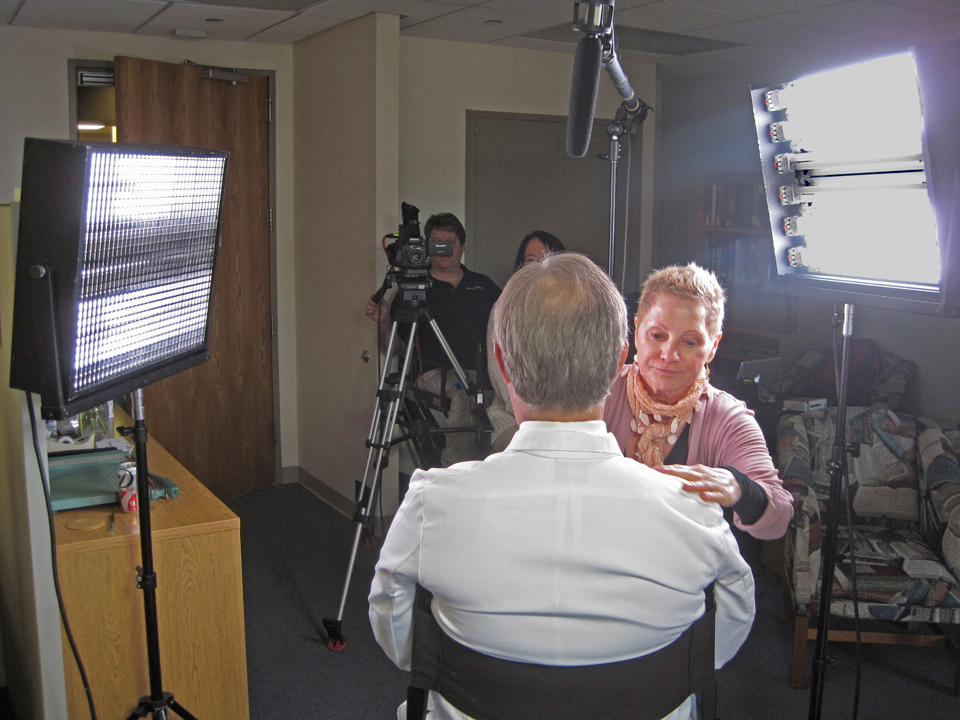
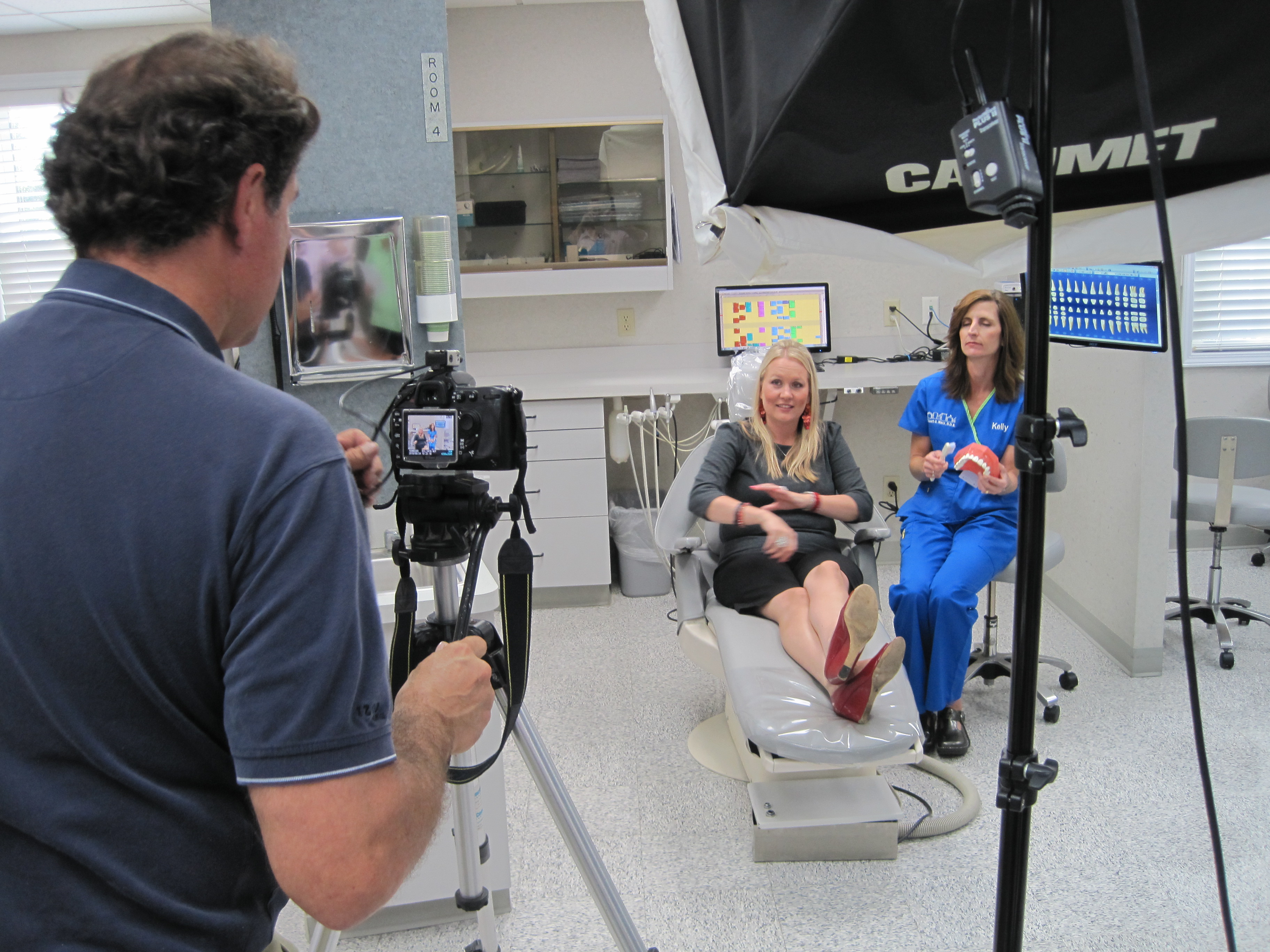
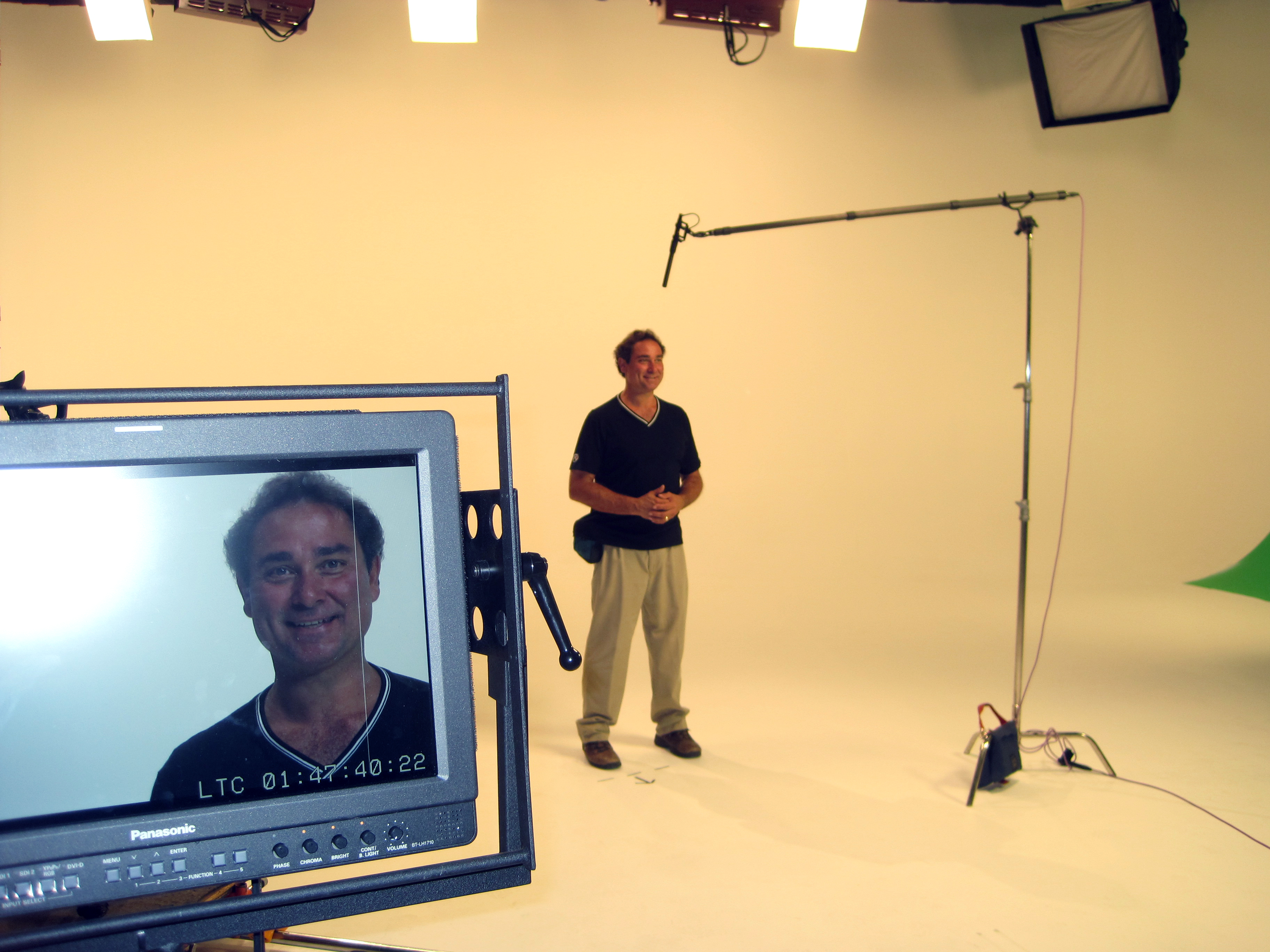
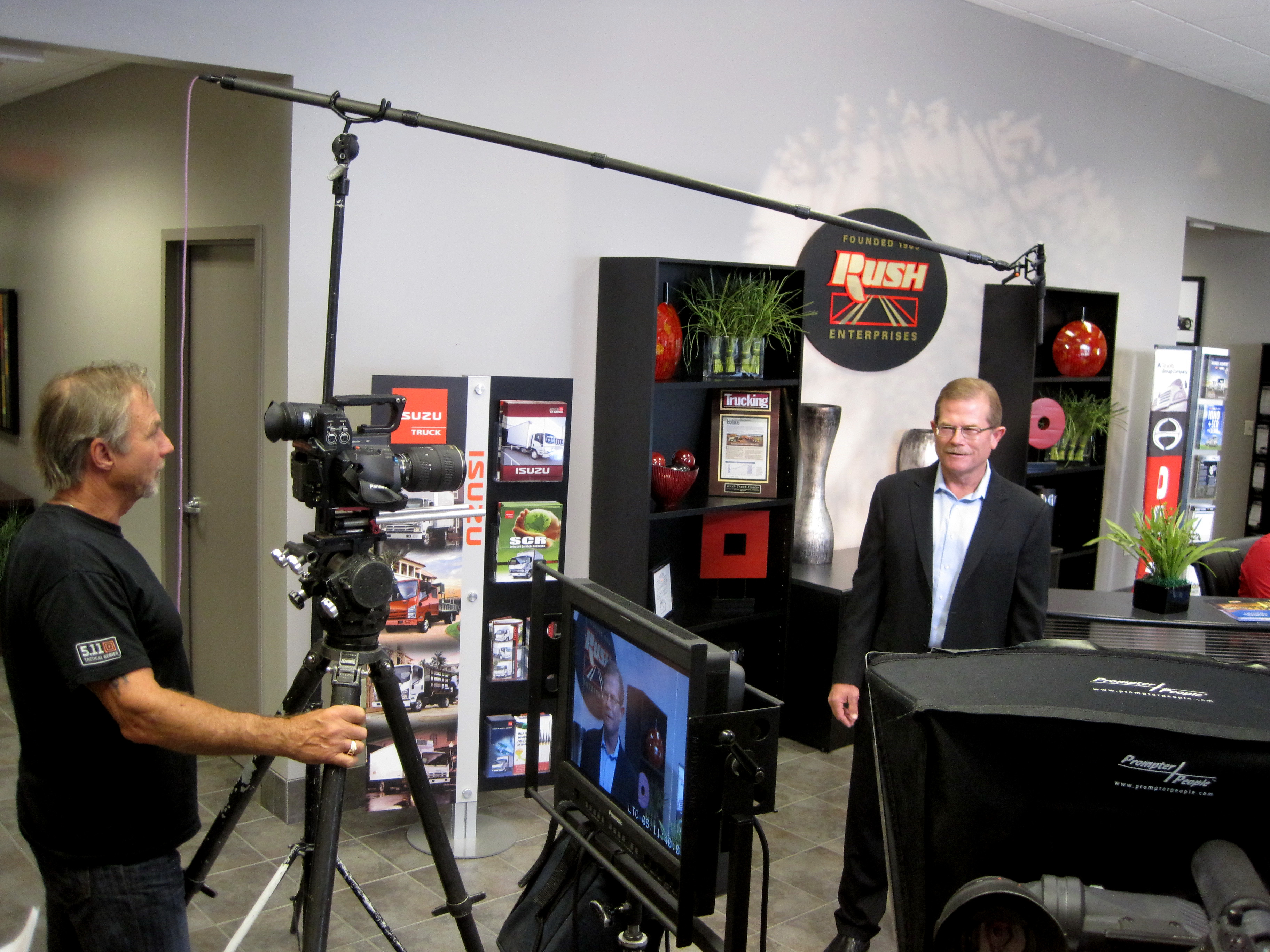
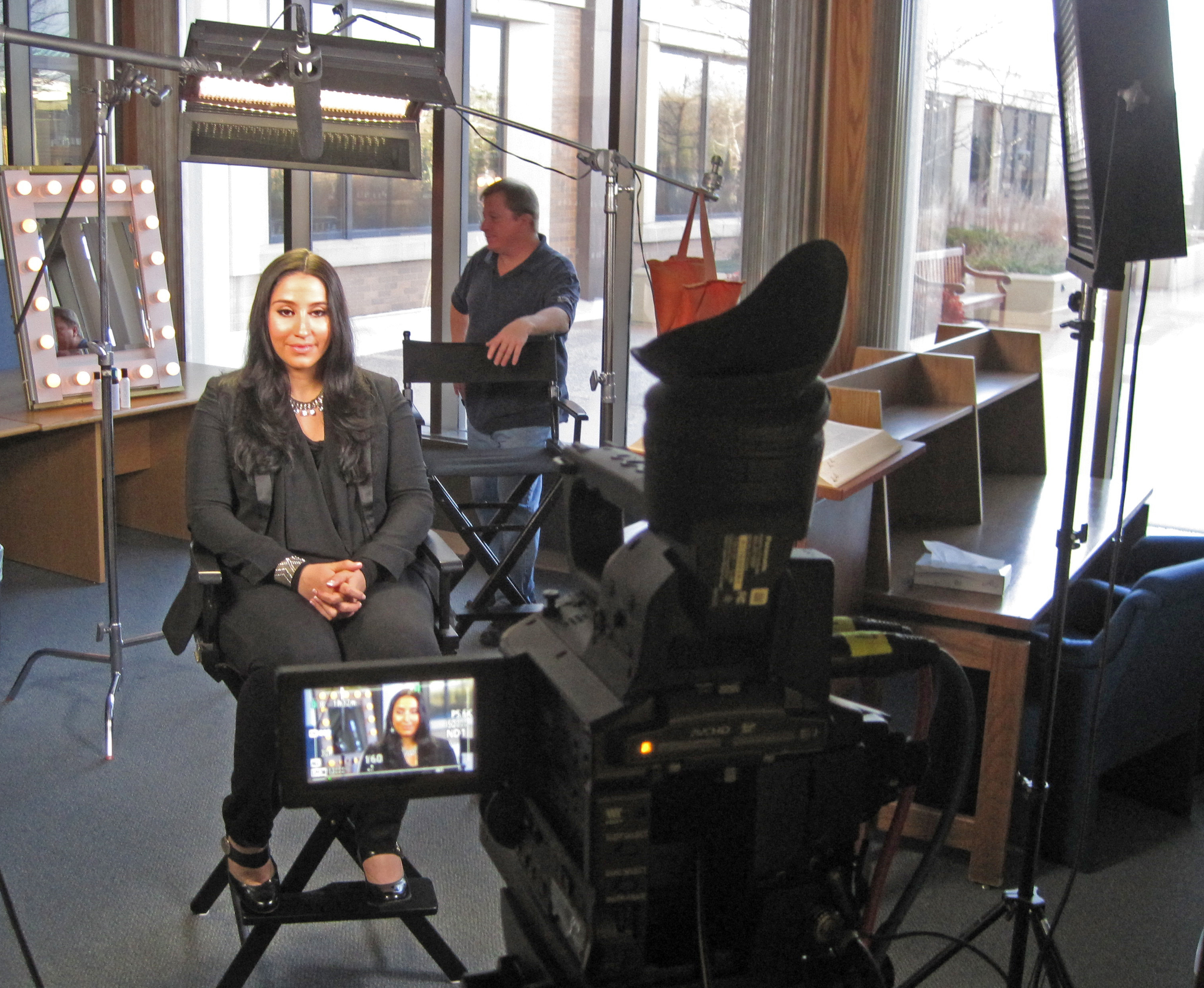
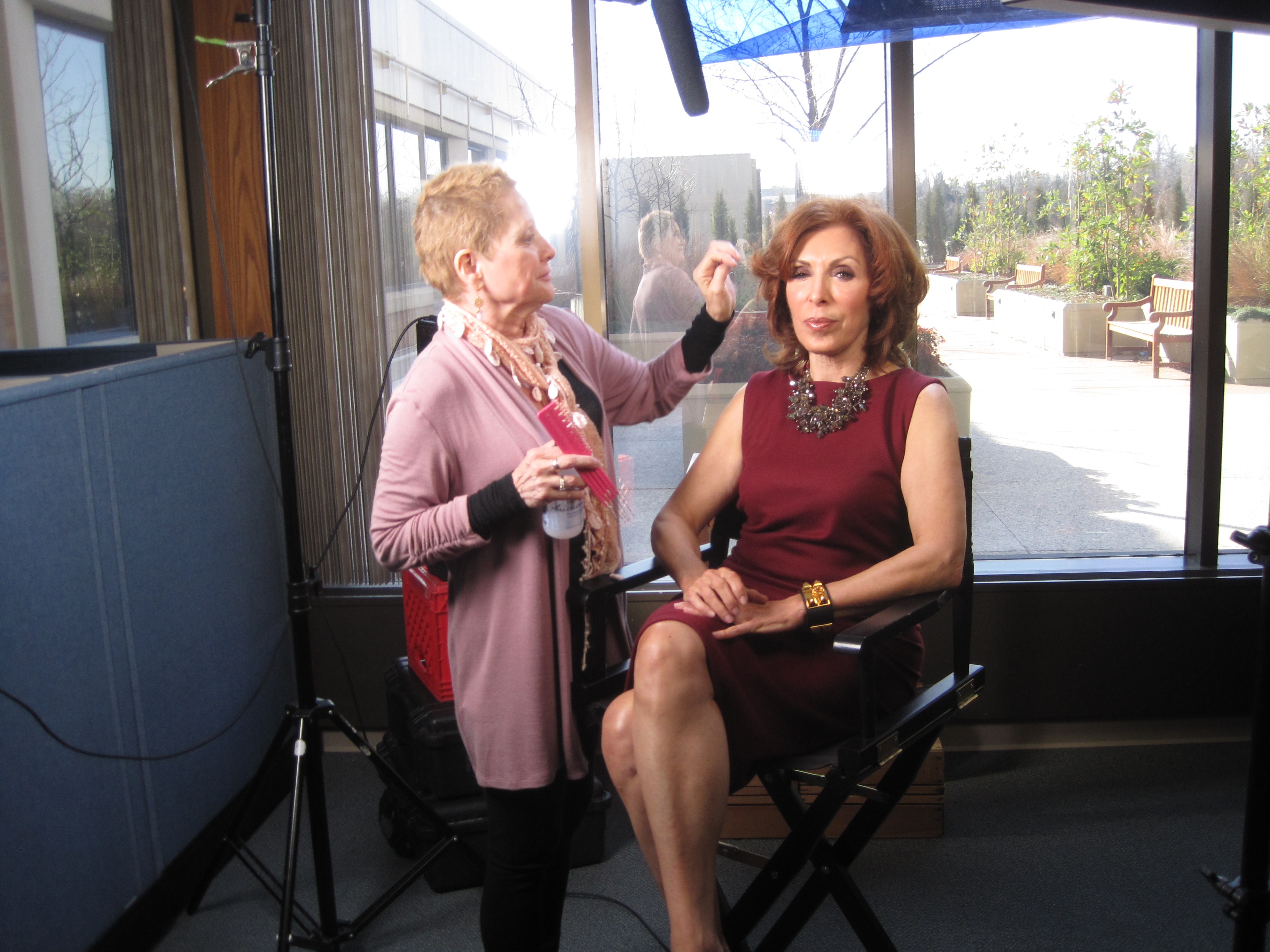
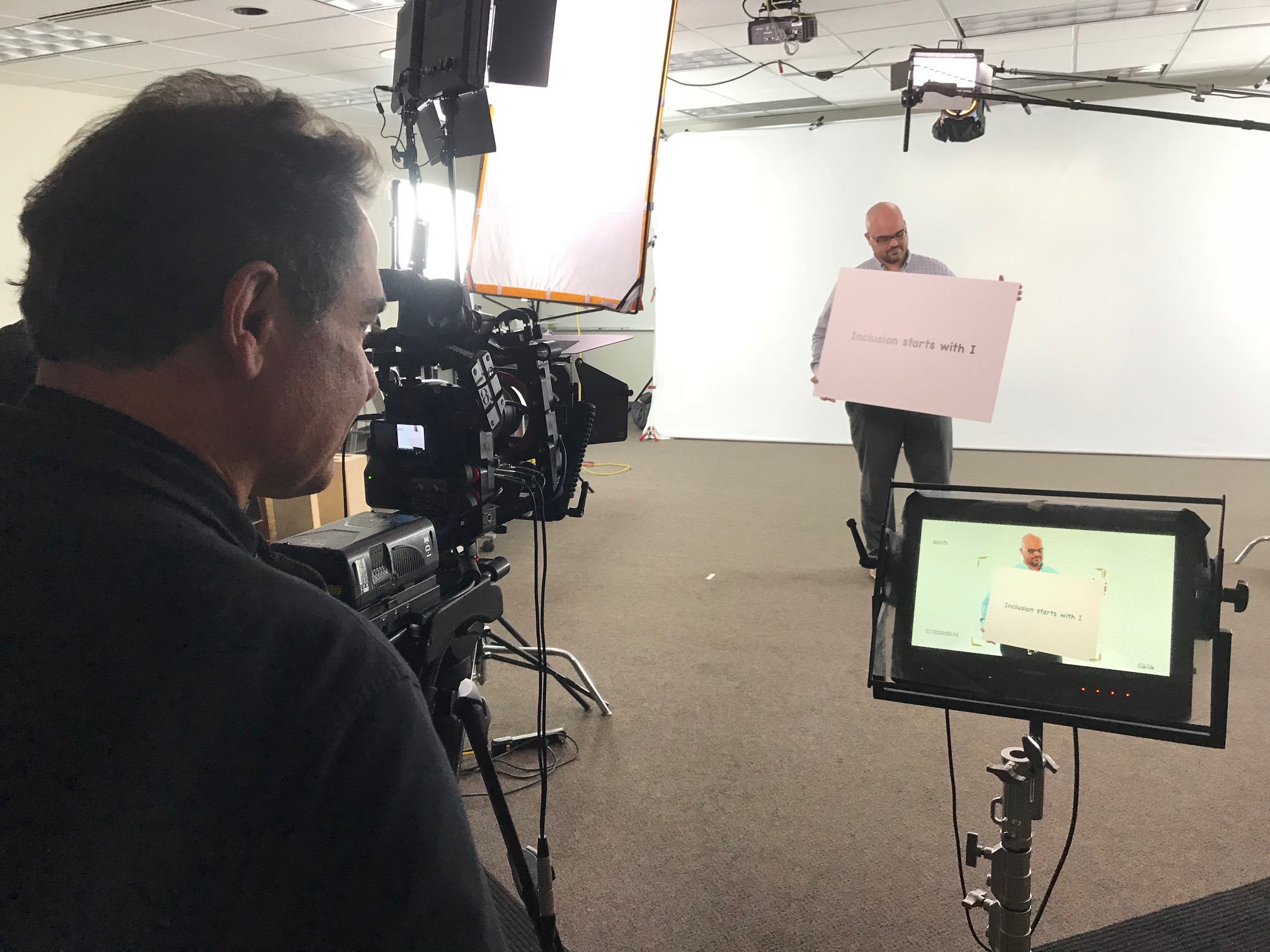
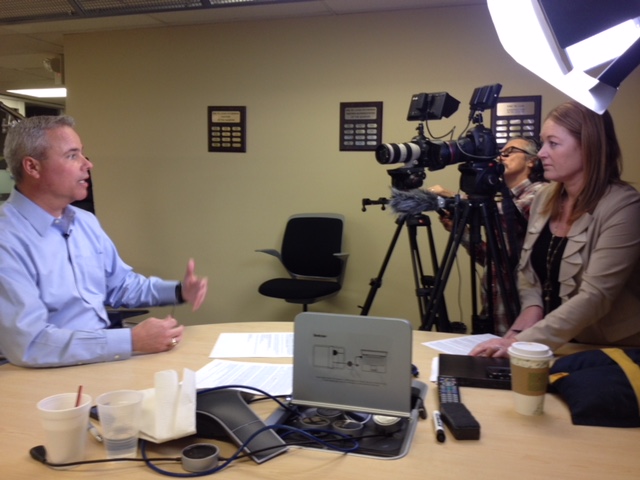
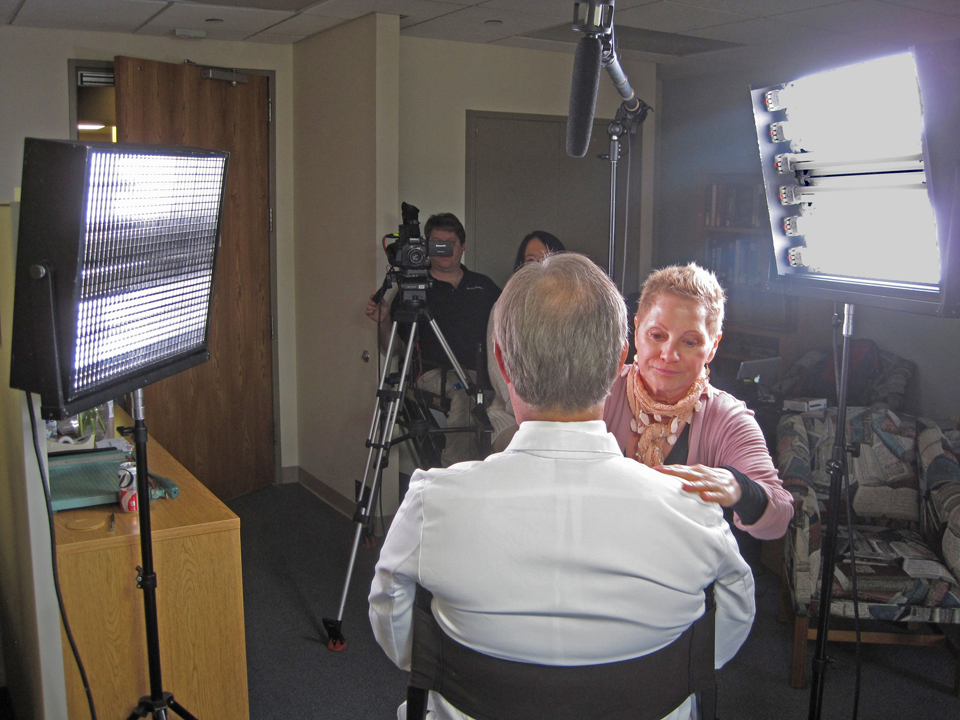
Professional interviews require careful attention to subject appearance, camera framing, lighting, and audio recording.
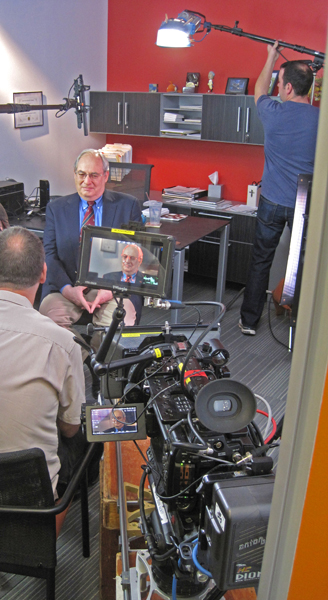
A private studio allows these elements to be prepared before participants arrive.
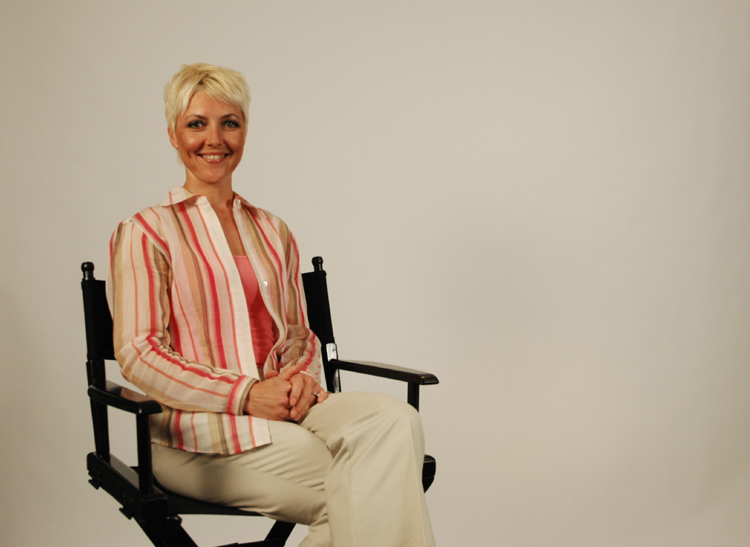
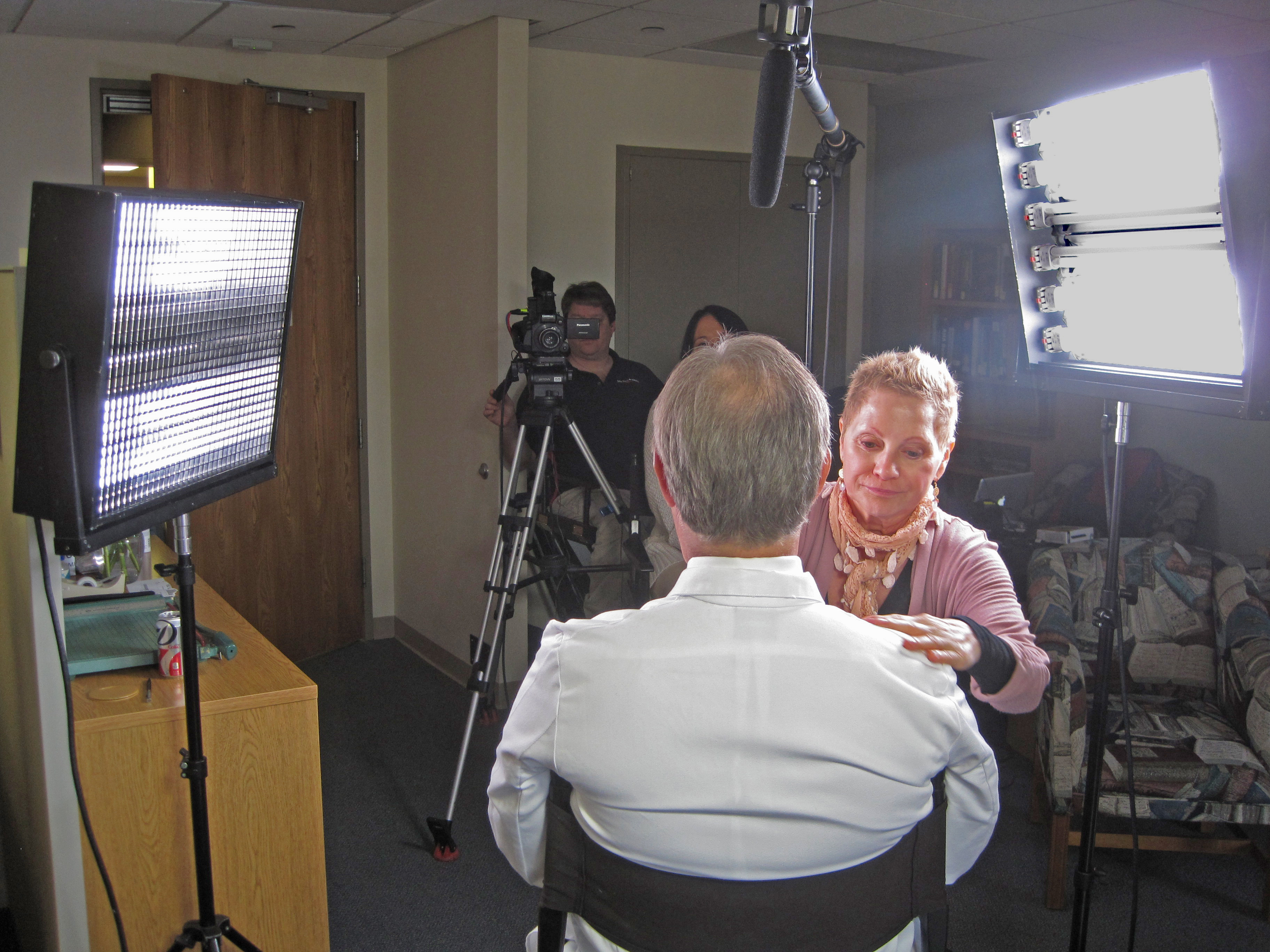
Professional lighting can be adjusted to complement the subject, while custom backgrounds and practical set elements establish the appropriate visual character.
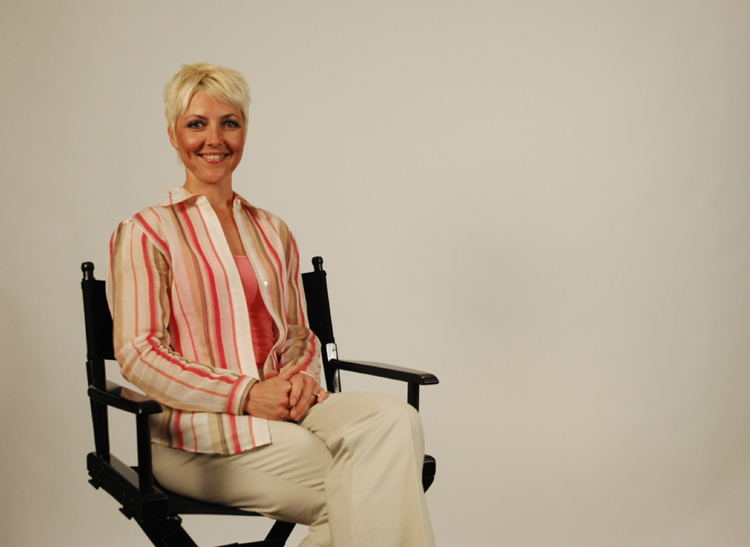
Furniture, company branding, products, and props may be incorporated to create an interview environment consistent with the organization’s message.
A professionally configured studio can also improve scheduling efficiency, particularly when executives have limited time available for recording.
Studio Production for Training and Educational Content
Corporate training videos frequently require consistent lighting, accurate messaging, and repeatable production arrangements.
A controlled studio allows multiple training modules to be recorded using the same camera positions, lighting design, sound equipment, and presentation style.
This consistency is useful for employee onboarding, safety communications, product training, professional development, and educational presentations.
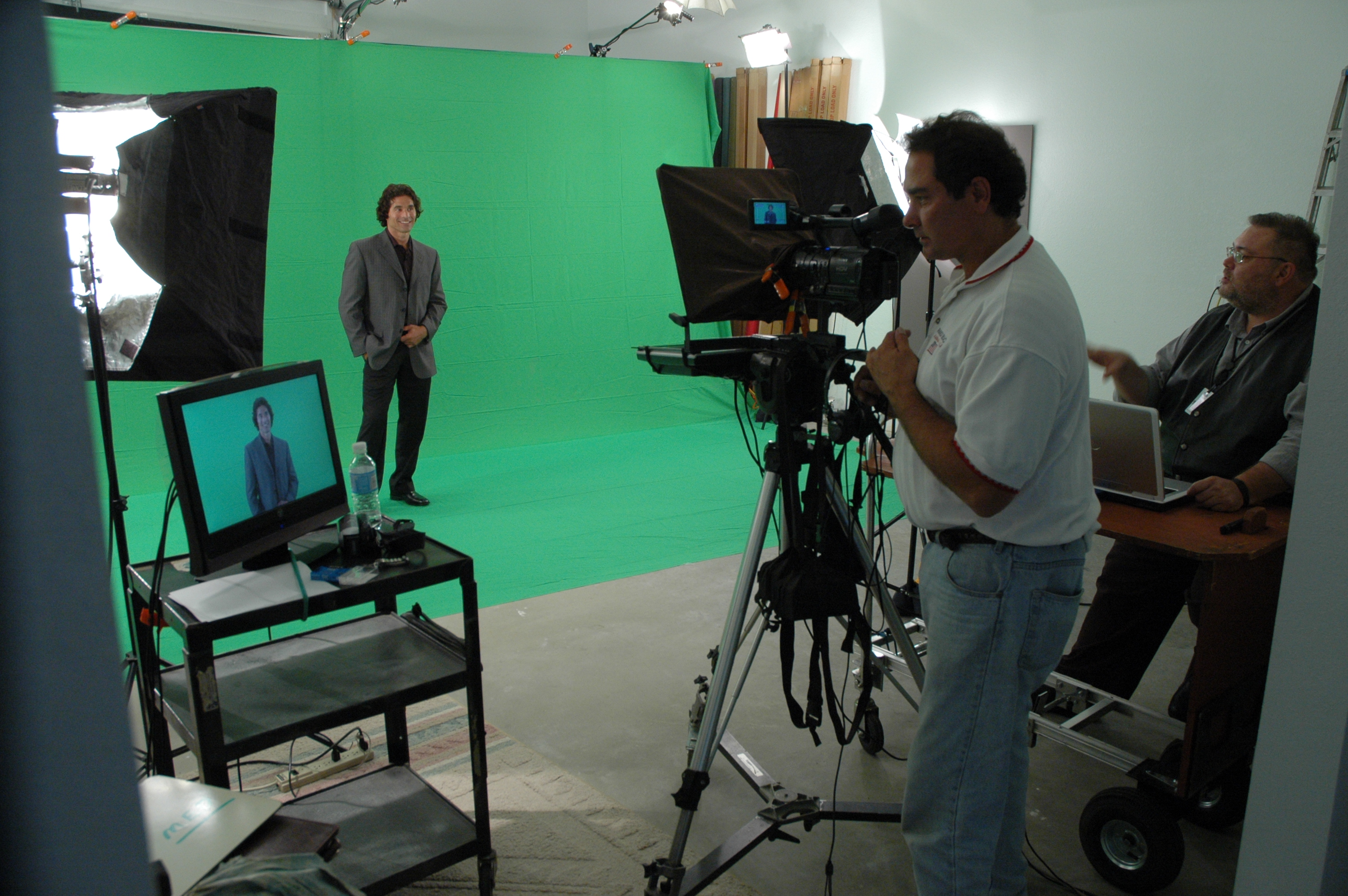
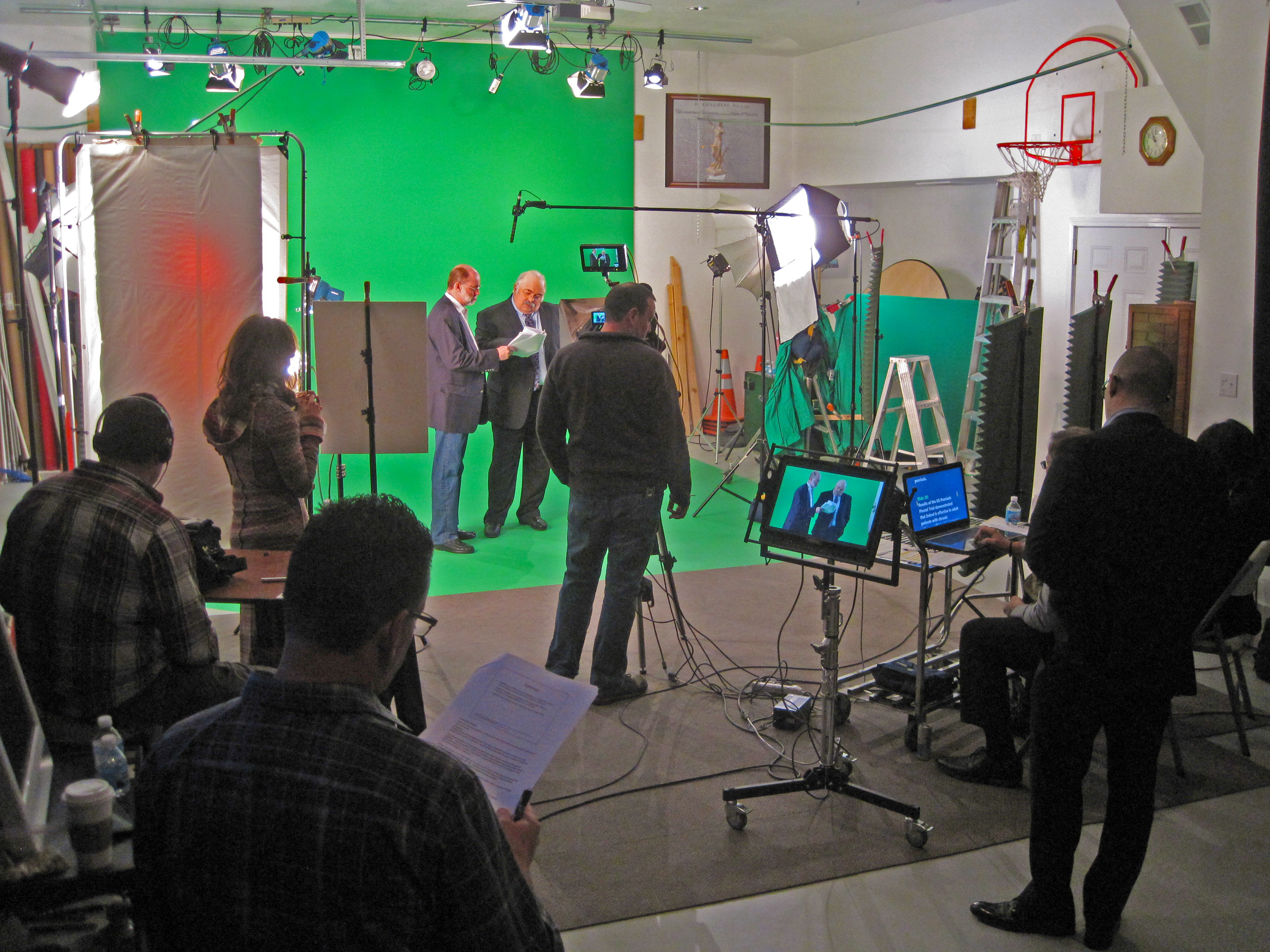
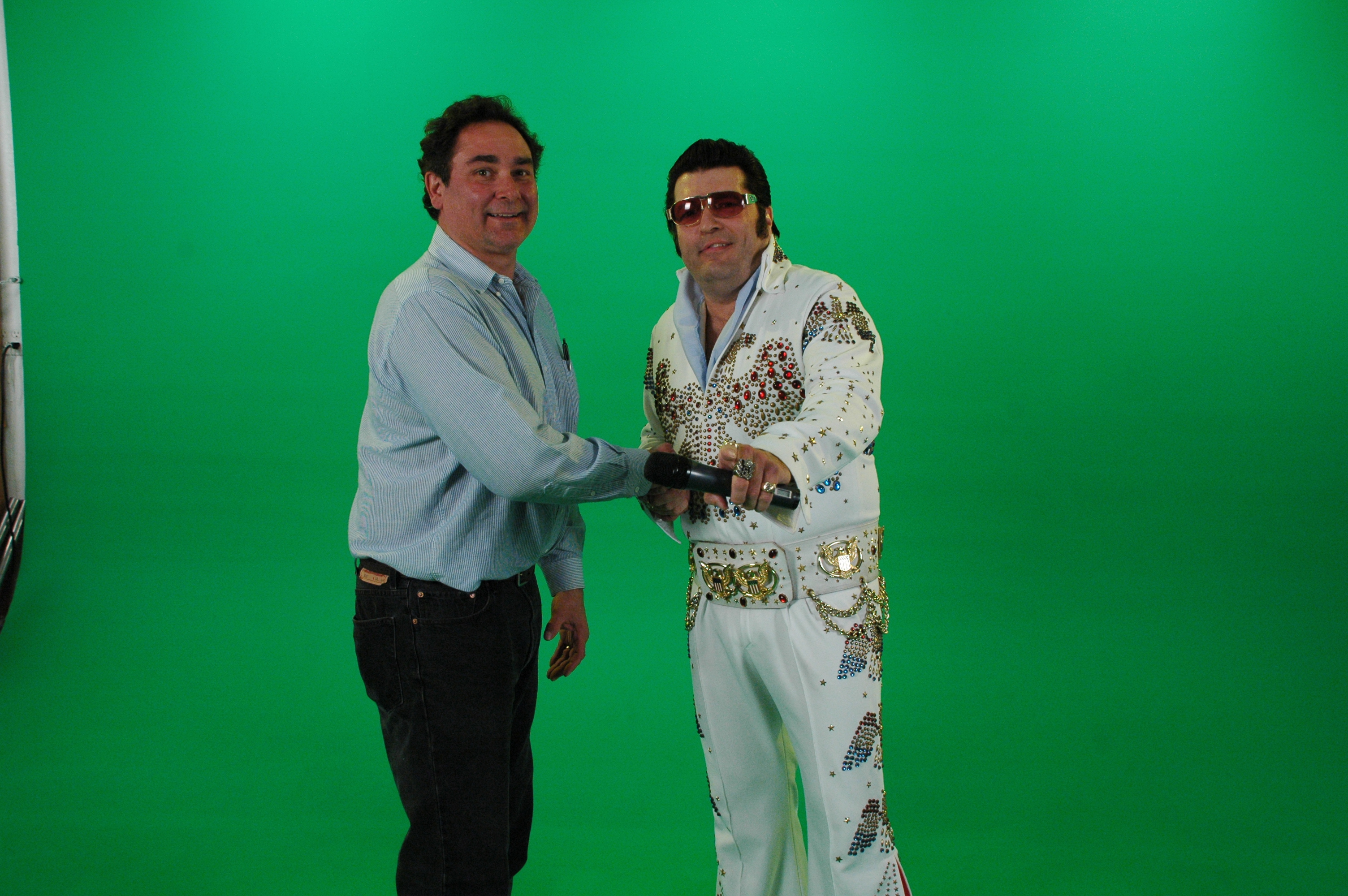
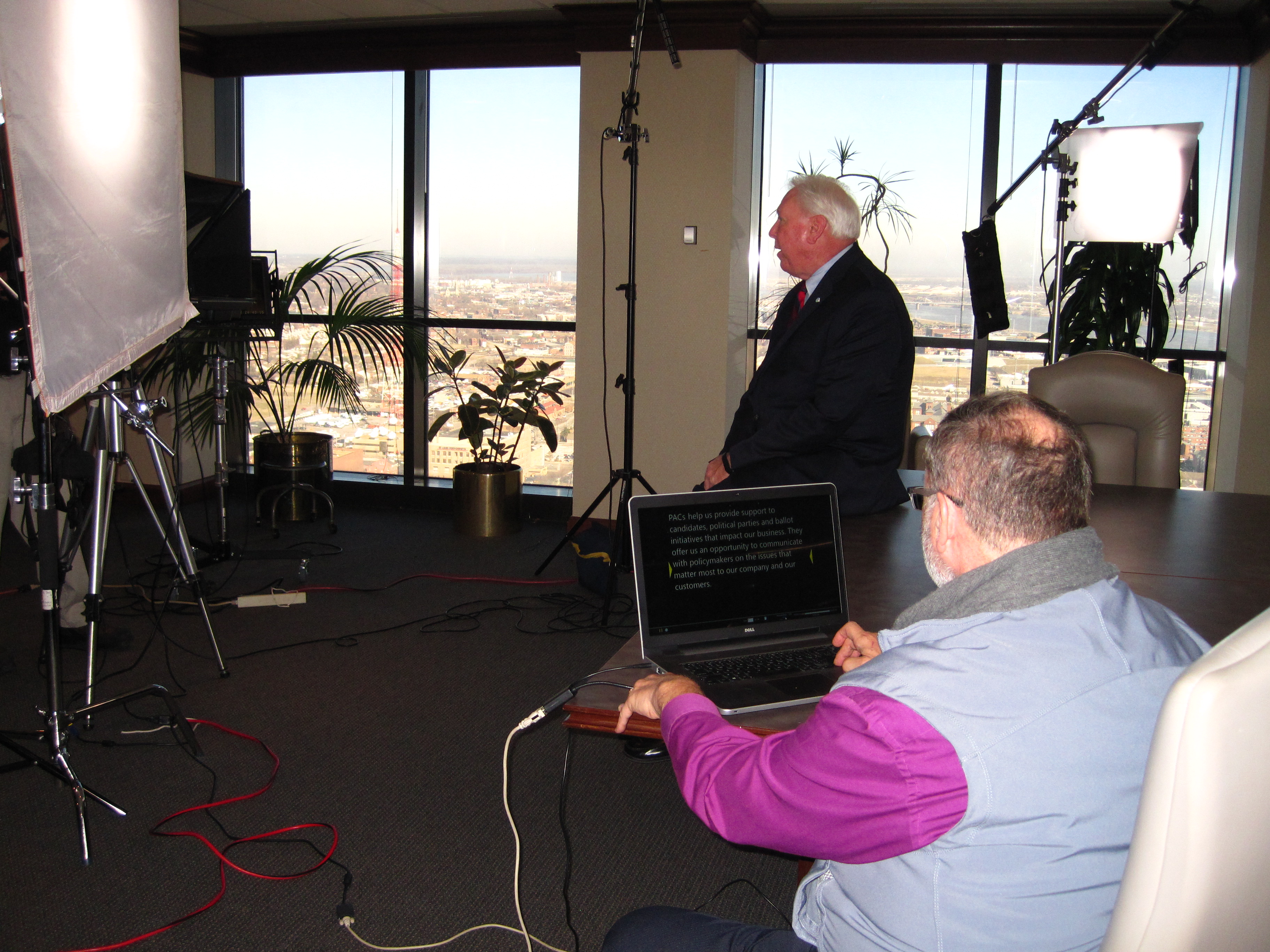
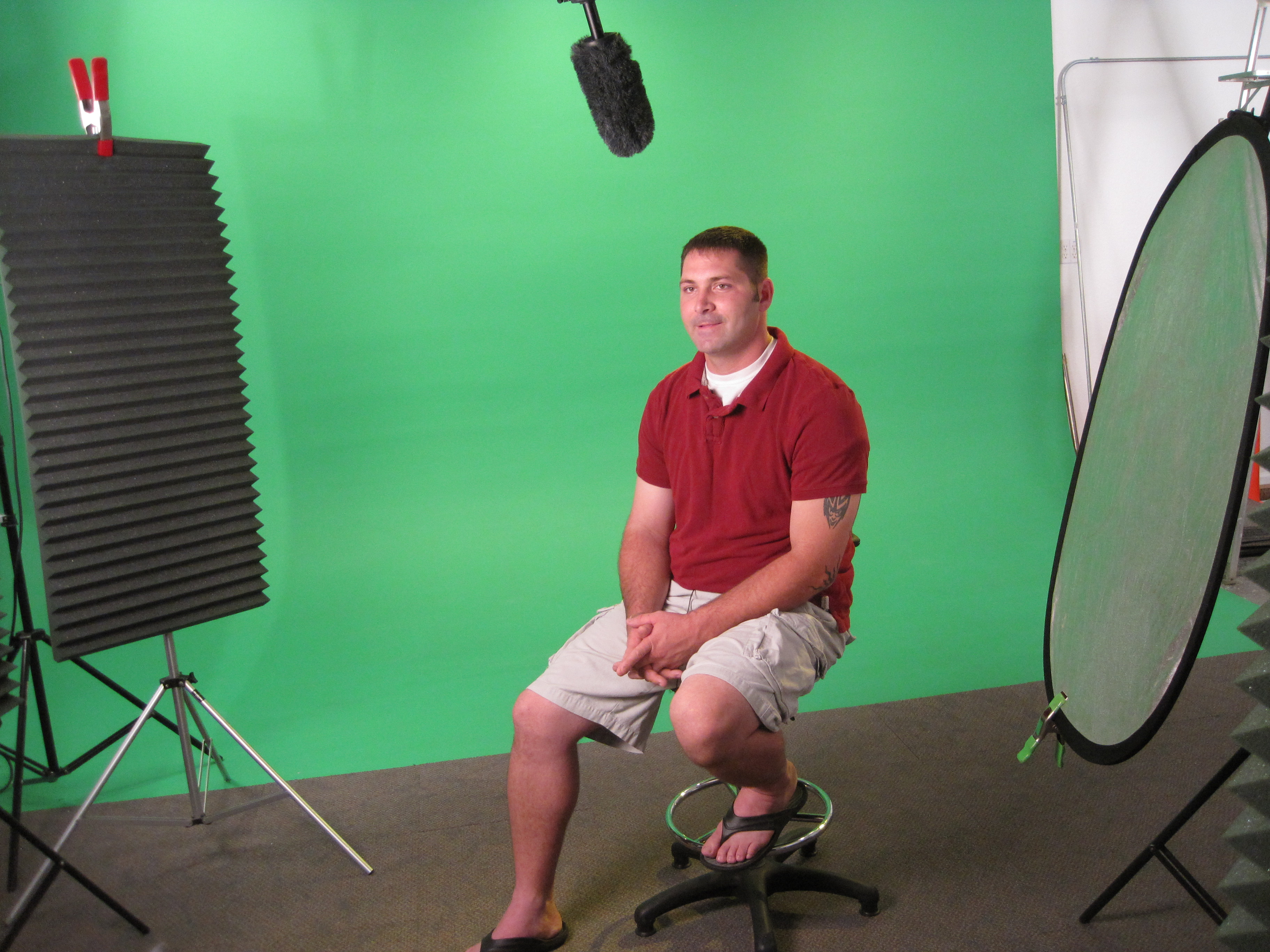
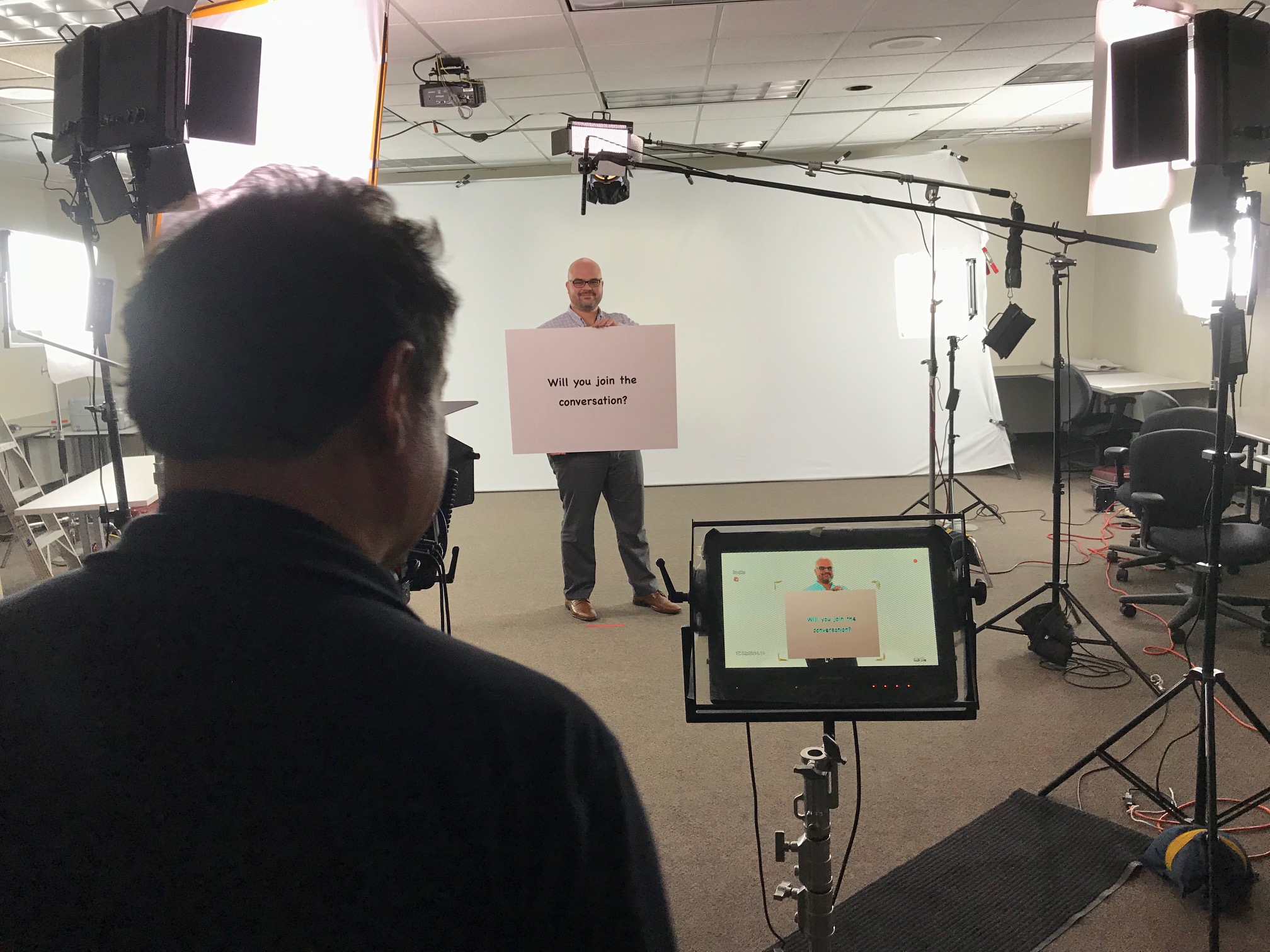
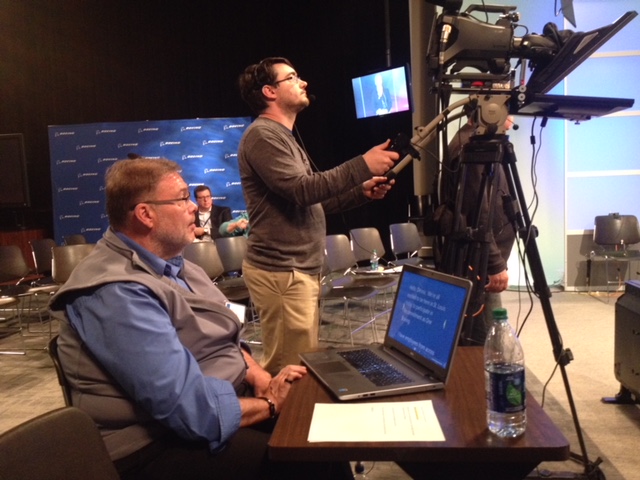
Teleprompters, presentation monitors, green screen backgrounds, and multiple cameras can be incorporated as appropriate.
The studio environment also makes it easier to record updates or additional modules later while maintaining a similar visual appearance.
For businesses and organizations, professional photography and video production must accomplish more than simply look polished. It must communicate clearly, support marketing objectives, fit multiple media platforms and justify the investment.
That is why an economical production approach is often less about finding the lowest price and more about using production resources intelligently.
At St Louis Video Services, we help companies create professional visual content while avoiding unnecessary production expense. By combining an efficient private studio, experienced crews, professional equipment, location production, photography, video, post-production and specialized drone capabilities, we can tailor each project to the actual requirements of the assignment.
The result is a production process designed around value, flexibility and useful content.
What Makes a Video or Photography Studio Economical?
An economical studio is not simply an inexpensive room with cameras.
True production efficiency comes from having the right environment, equipment and experienced personnel already in place.
A properly equipped studio can reduce the time spent transporting equipment, rearranging offices, correcting uncontrolled lighting, dealing with environmental noise and solving logistical problems that frequently occur during location production.
For many projects, this can mean more actual recording time and less production time devoted to setup.
A professional studio is especially effective for:
Executive interviews
Corporate communications
Training videos
Employee orientation programs
Customer testimonials
Product demonstrations
Business portraits
Social media content
Website videos
Marketing photography
Sales presentations
Educational programs
When multiple assets are planned together, a single studio production can create content for many different communication channels.
Start With the Communication Objective
One of the most important ways to control production costs is to define exactly what the content needs to accomplish.
Before determining the number of cameras, crew members or production days, it is useful to establish the intended audience, primary message and final distribution platforms.
A short executive message for LinkedIn has different requirements than a multi-camera training program. A product photograph for an e-commerce page requires a different approach than imagery for a national advertising campaign.
Experienced production planning helps match the production resources to the communication objective.
At St Louis Video Services, we can scale each project appropriately rather than applying the same production structure to every assignment.
A Private Studio Provides Greater Production Control
Corporate offices are rarely designed for professional video production.
Heating and air-conditioning systems create background noise. Windows introduce changing daylight. Office traffic causes interruptions. Conference rooms may provide limited camera positions.
A private studio eliminates many of those variables.
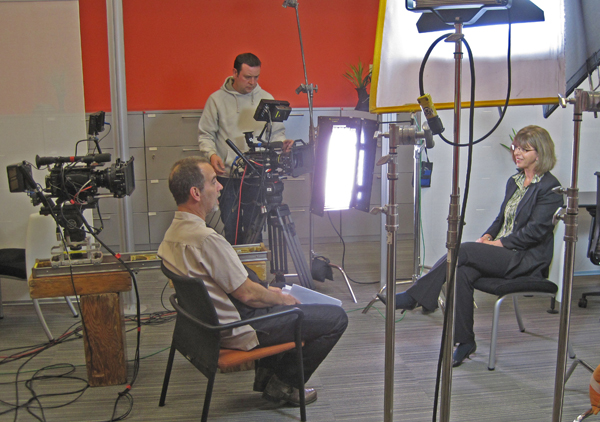
Our studio environment allows professional lighting, cameras, microphones and backgrounds to be configured specifically for the production.
Because the environment can be controlled, the crew can concentrate on performance and content rather than constantly correcting outside influences.
This can be particularly valuable for executive interviews, where the available time with company leadership may be limited.
Create a Custom Interview Environment
Not every studio production needs to look like it was photographed in a traditional studio.
Backgrounds, furniture, monitors, products and other props can be incorporated to create an environment appropriate to the client’s brand.
Our studio is large enough to build small interview scenes and accommodate props that help create a more natural visual setting.
An interview might be designed to appear like an executive office, conversational business environment or clean contemporary presentation space.
The advantage is that the visual environment remains under complete production control.
Use the Right Crew Size for the Assignment
Crew size has a direct impact on production budgets.
A complicated commercial project may require a producer, director, multiple camera operators, sound personnel, photographers and specialized technicians.
A straightforward corporate interview may require considerably fewer people.
For many business productions, a compact experienced crew can work efficiently while maintaining professional standards.
The key is knowing which crew positions contribute to the project and which would simply increase production expense.
St Louis Video Services can provide the appropriate combination of camera operators, photographers, professional sound personnel and production support based on the scope of the assignment.
Professional Sound Is Just as Important as Professional Pictures
Poor audio can quickly undermine an otherwise professional video.
Audiences may tolerate minor visual imperfections, but dialogue that is difficult to hear can cause viewers to leave almost immediately.
Professional production includes choosing the appropriate microphones, monitoring audio throughout the shoot and minimizing background noise.
Depending upon the production, this may involve lavalier microphones, boom microphones, wireless systems or multiple audio sources.
Our crews provide professional sound acquisition as part of the overall production process so that interviews and presentations are captured clearly.
Teleprompters Improve Efficiency and Message Accuracy
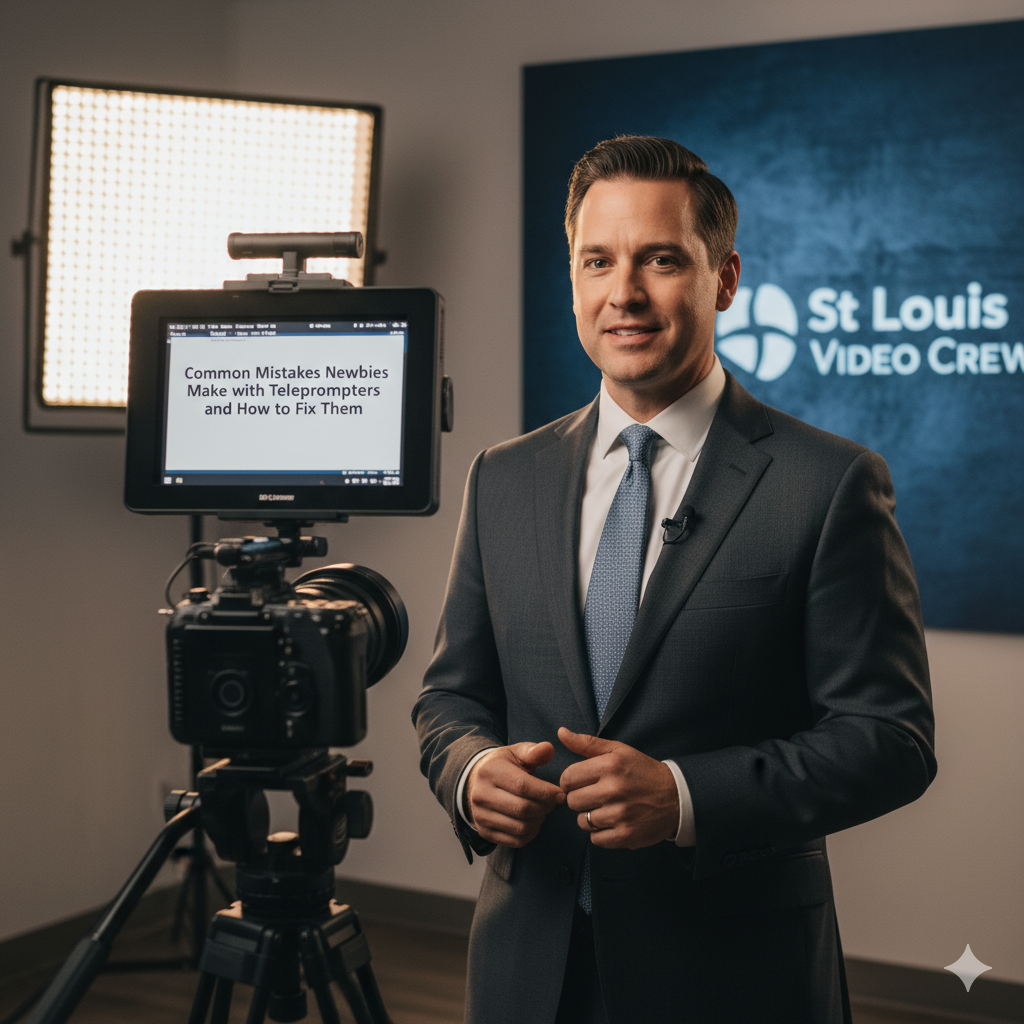
A teleprompter can be one of the most useful tools in corporate video production.
Executives, trainers and spokespersons often need to communicate specific information while maintaining direct eye contact with the camera.
Without prompting, presenters may require many takes to deliver complicated information accurately.
A teleprompter allows prepared messaging to be delivered more naturally and consistently.
This can reduce recording time while helping ensure important messaging is not accidentally omitted.
Teleprompter production works especially well for:
Executive announcements
Training videos
Corporate presentations
Product introductions
Fundraising messages
Educational programs
Policy communications
Marketing videos
Capture Several Pieces of Content During One Session
Production becomes much more economical when several deliverables are created during the same shoot.
Instead of scheduling an entirely new production every time content is needed, organizations can plan multiple messages in advance.
An executive could record a primary corporate video followed by several shorter messages for social media.
A subject-matter expert could record a long training presentation and then capture a series of shorter educational clips.
Different framing, background adjustments and wardrobe changes can create enough visual variety to make the individual pieces feel distinct.
The production setup is used once, but the client receives a library of content.
Combine Still Photography and Video Production
Another opportunity for improving production efficiency is capturing photography and video during the same production.
Marketing departments frequently need both.
An executive appearing in a video may also need an updated corporate portrait. A manufacturing facility being documented on video may also need professional still photography for websites, brochures and presentations.
By coordinating the requirements before production begins, St Louis Video Services can often capture both types of content during the same assignment.
This approach can help organizations create a more consistent visual style while reducing duplicated production efforts.
Product Photography and Demonstration Videos
A controlled studio is also well suited for product photography.
Products can be positioned carefully while lighting remains consistent throughout the session.
Depending upon the assignment, the same production can include still photography, video close-ups, demonstrations and instructional content.
Those assets can then be adapted for websites, sales teams, digital advertising, trade shows, social media and training.
This approach allows a single production investment to support many different marketing activities.
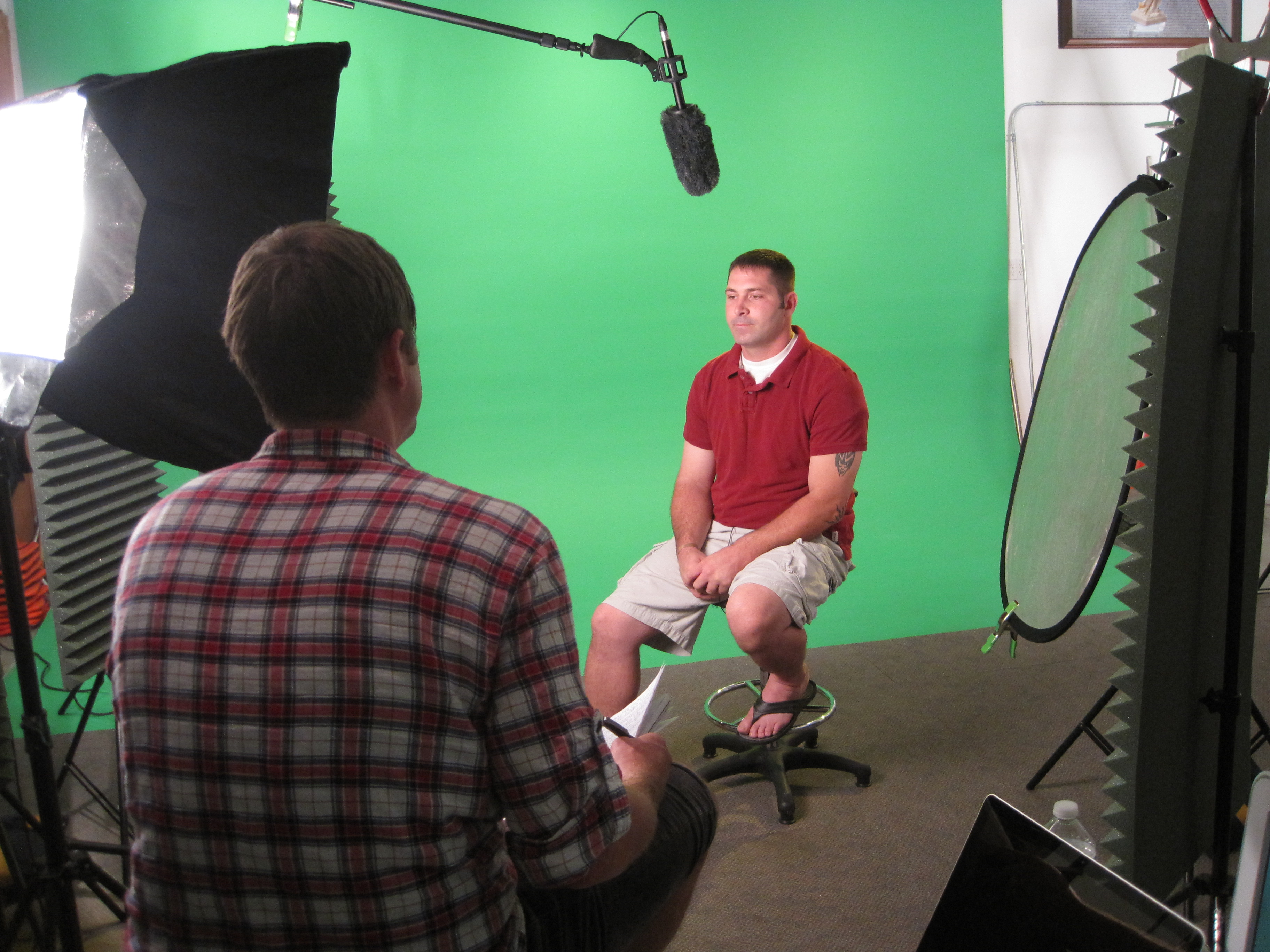
Green Screen Adds Flexibility
Green screen production can provide an economical solution when multiple backgrounds or environments are required.
A presenter can be recorded once and later composited into a graphic environment, branded background, photography or other visual setting.
This is particularly useful for training, educational and corporate presentation content.
Green screen production can also make future updates easier because visual backgrounds can be changed during editing without necessarily recreating the entire production.
Location Production When Authenticity Matters
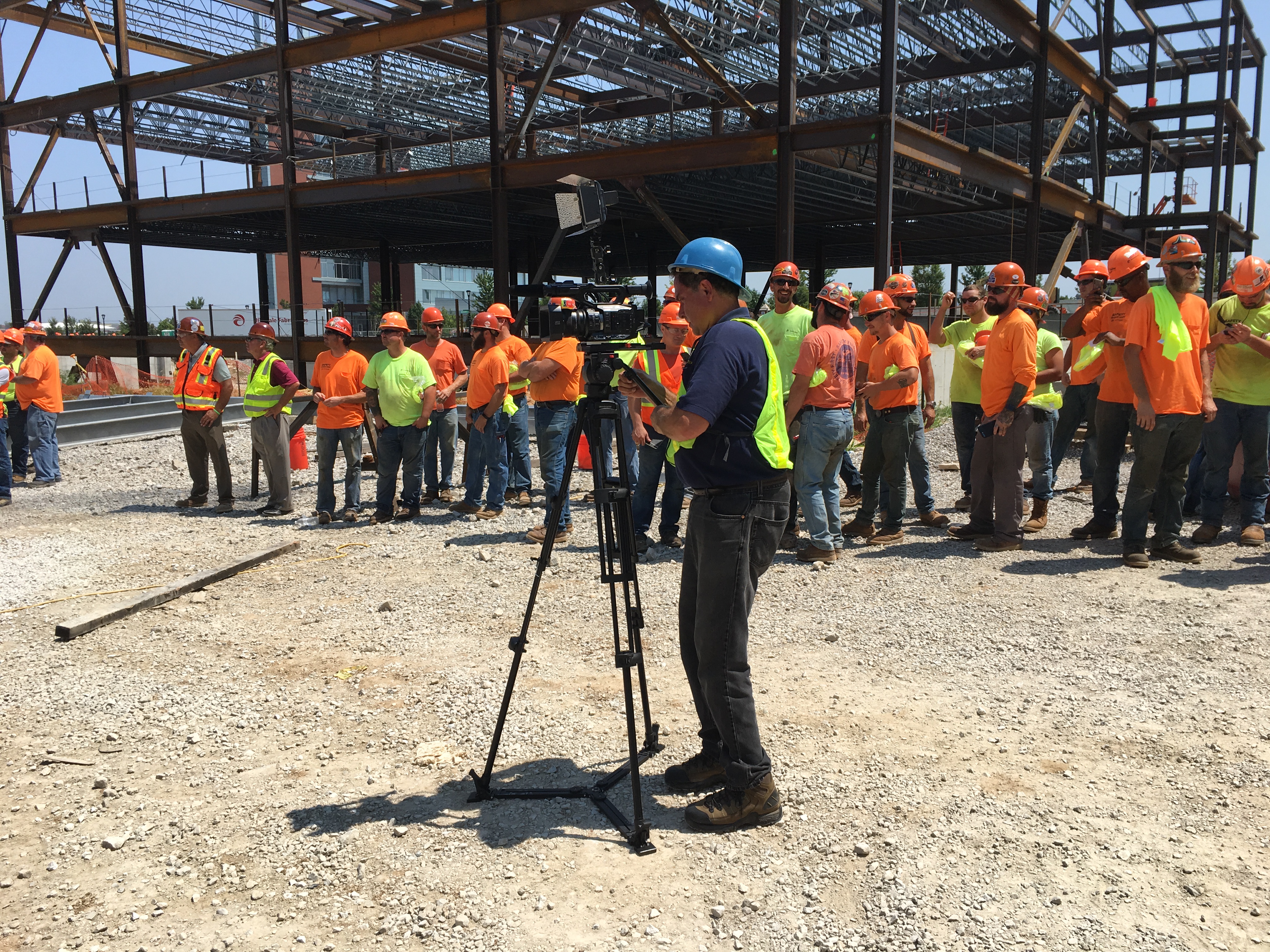
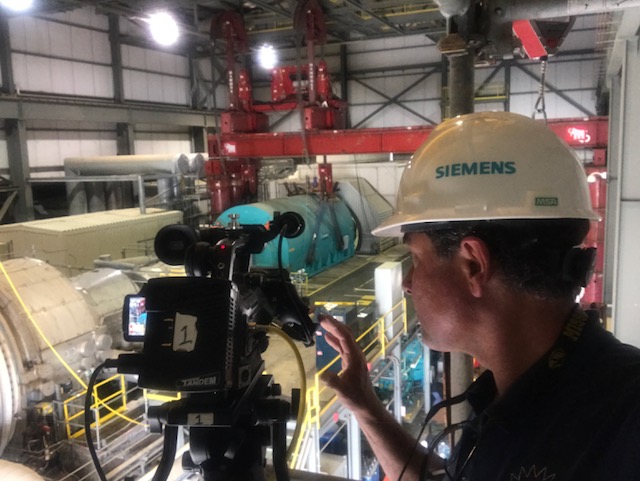
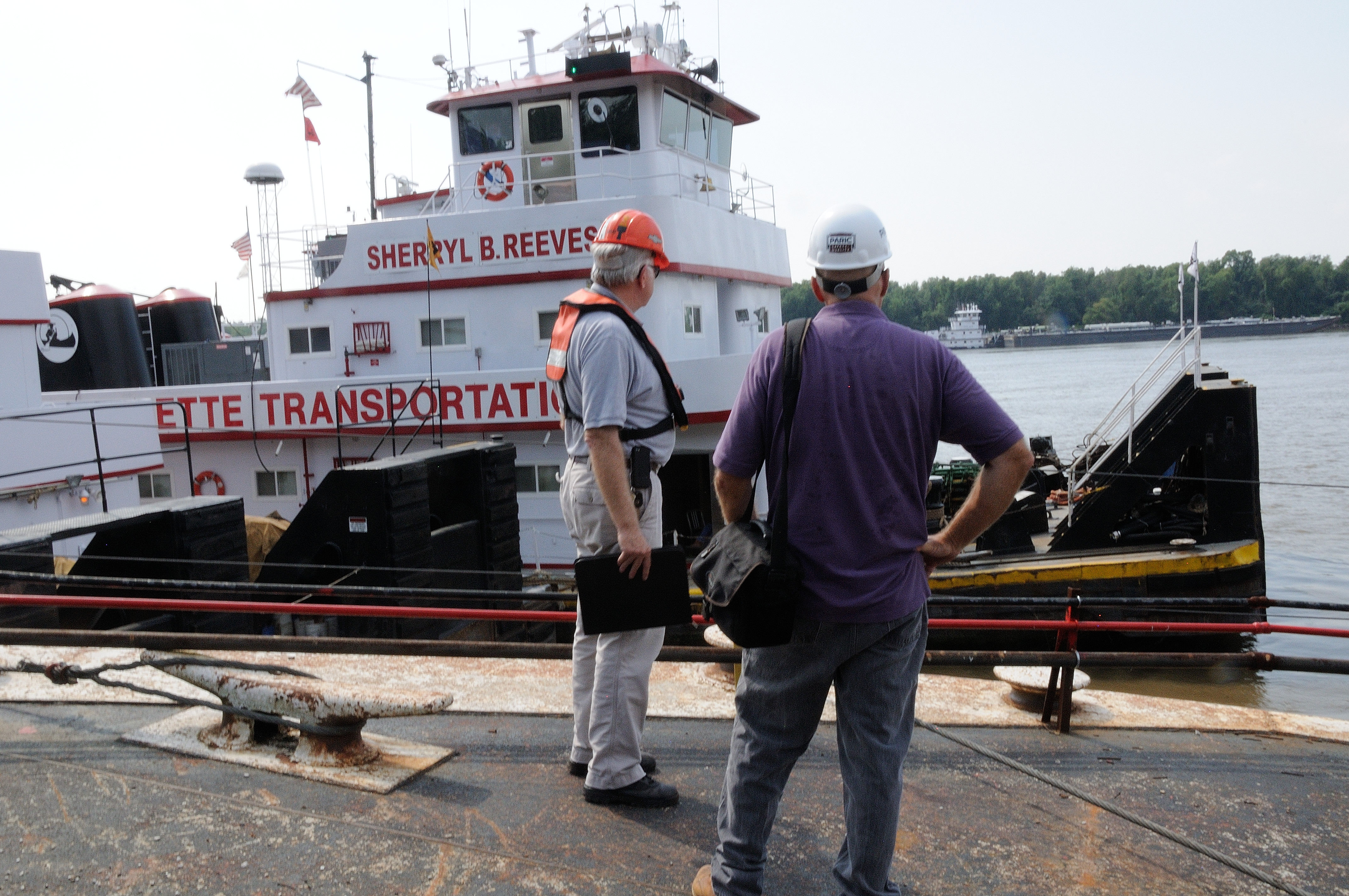
Although studio production provides efficiency and control, some stories are best told on location.
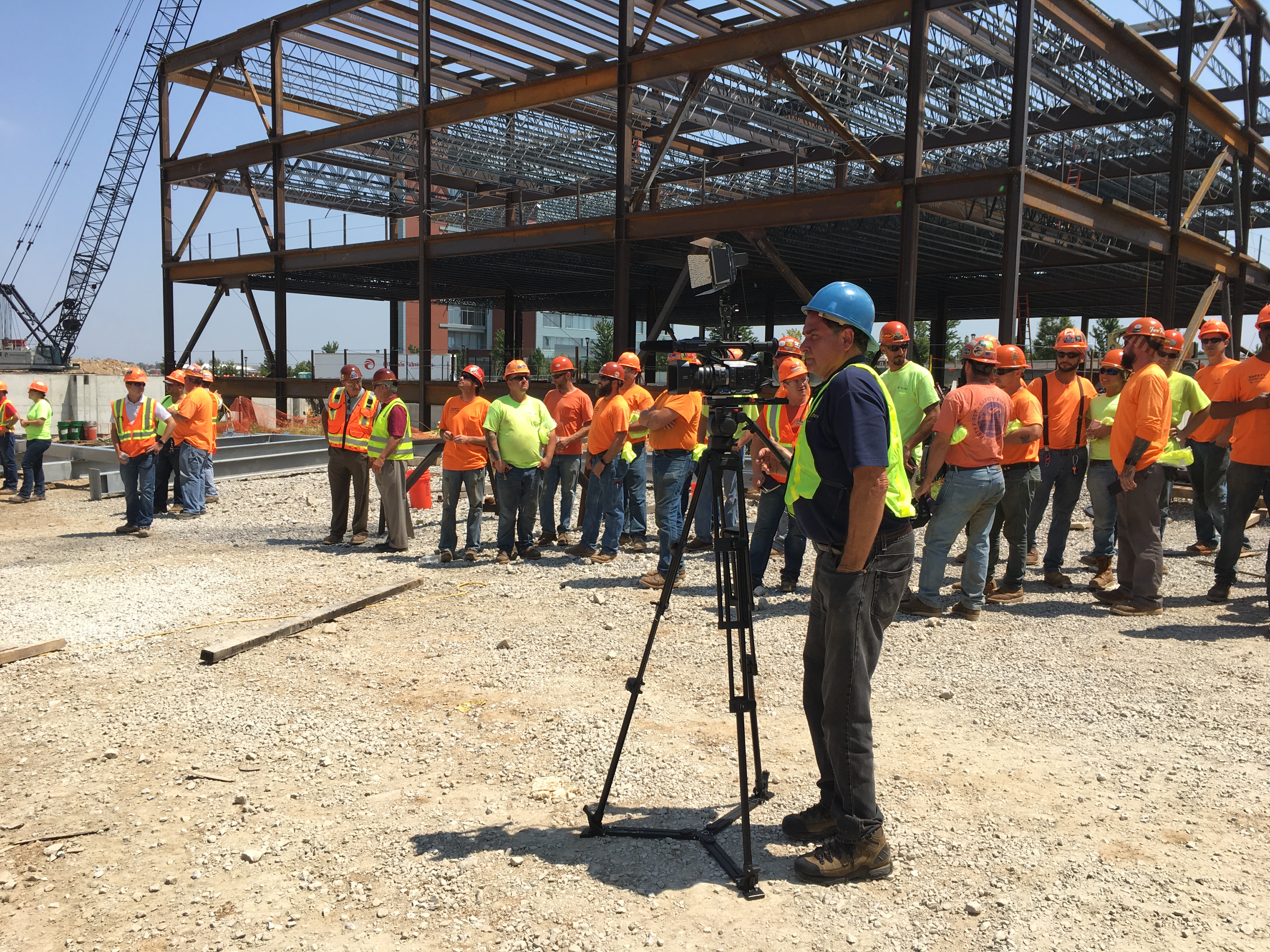
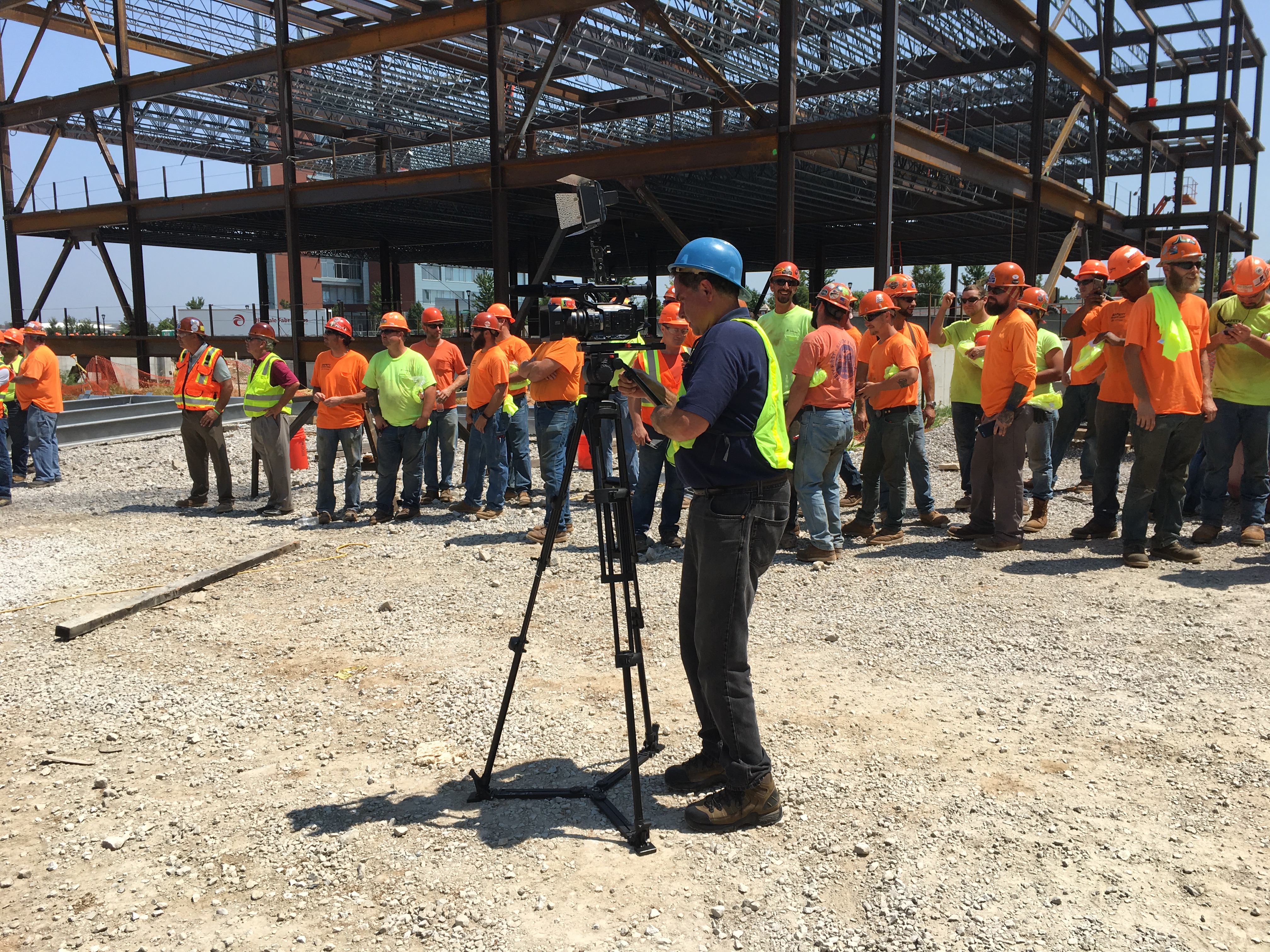
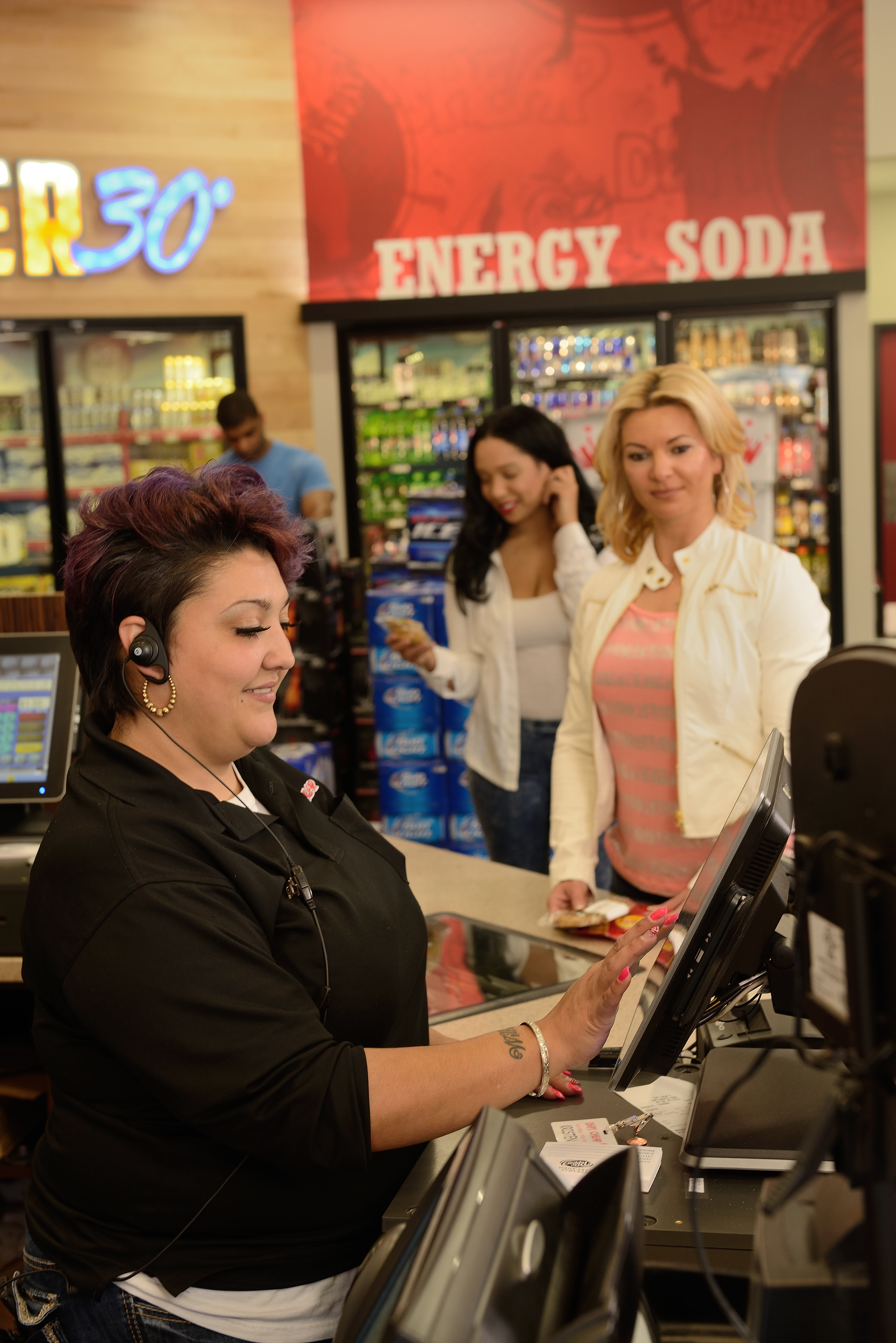
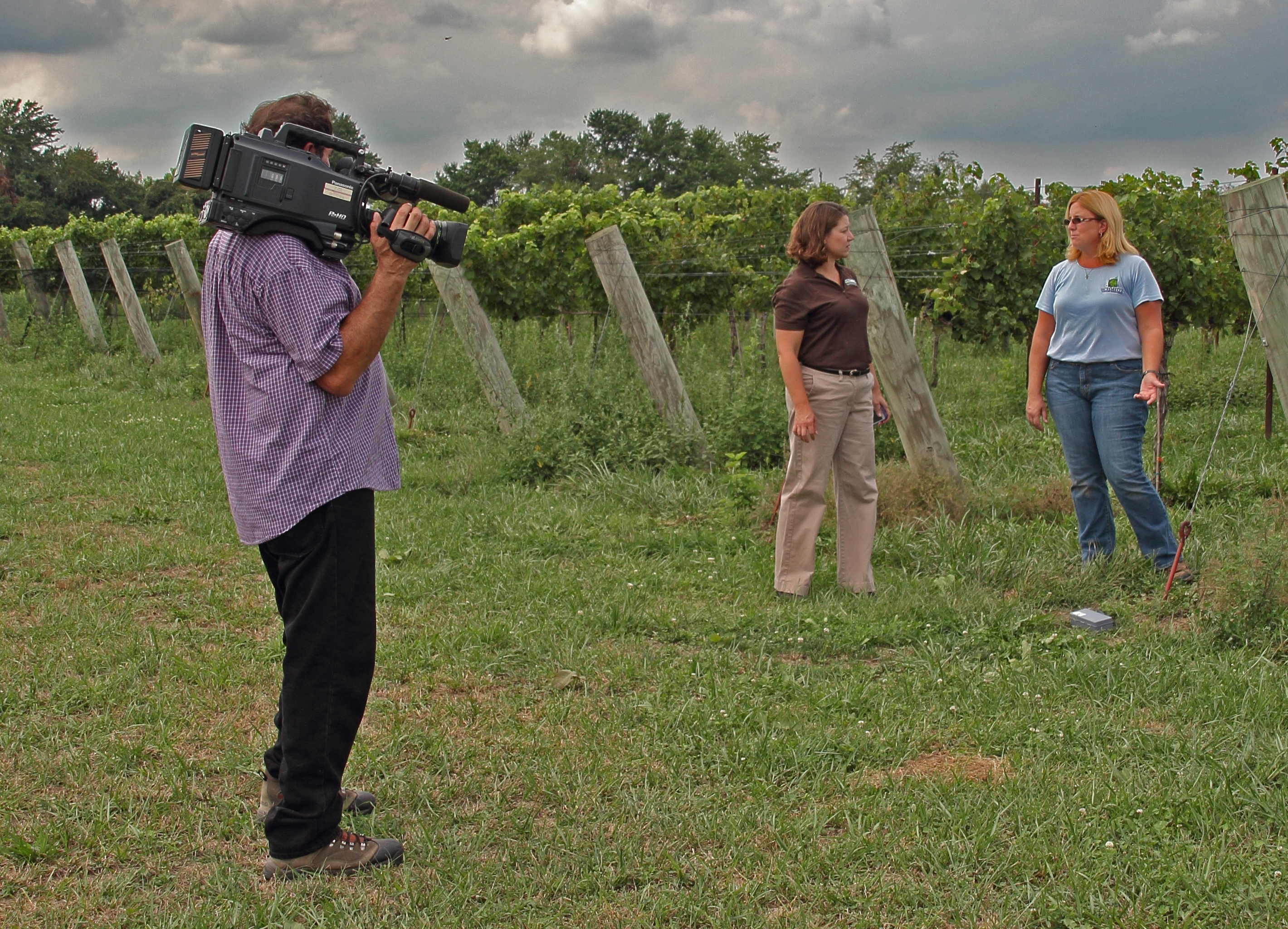
Manufacturing operations, construction projects, healthcare facilities, offices, campuses and commercial properties frequently need to be documented where the work actually occurs.
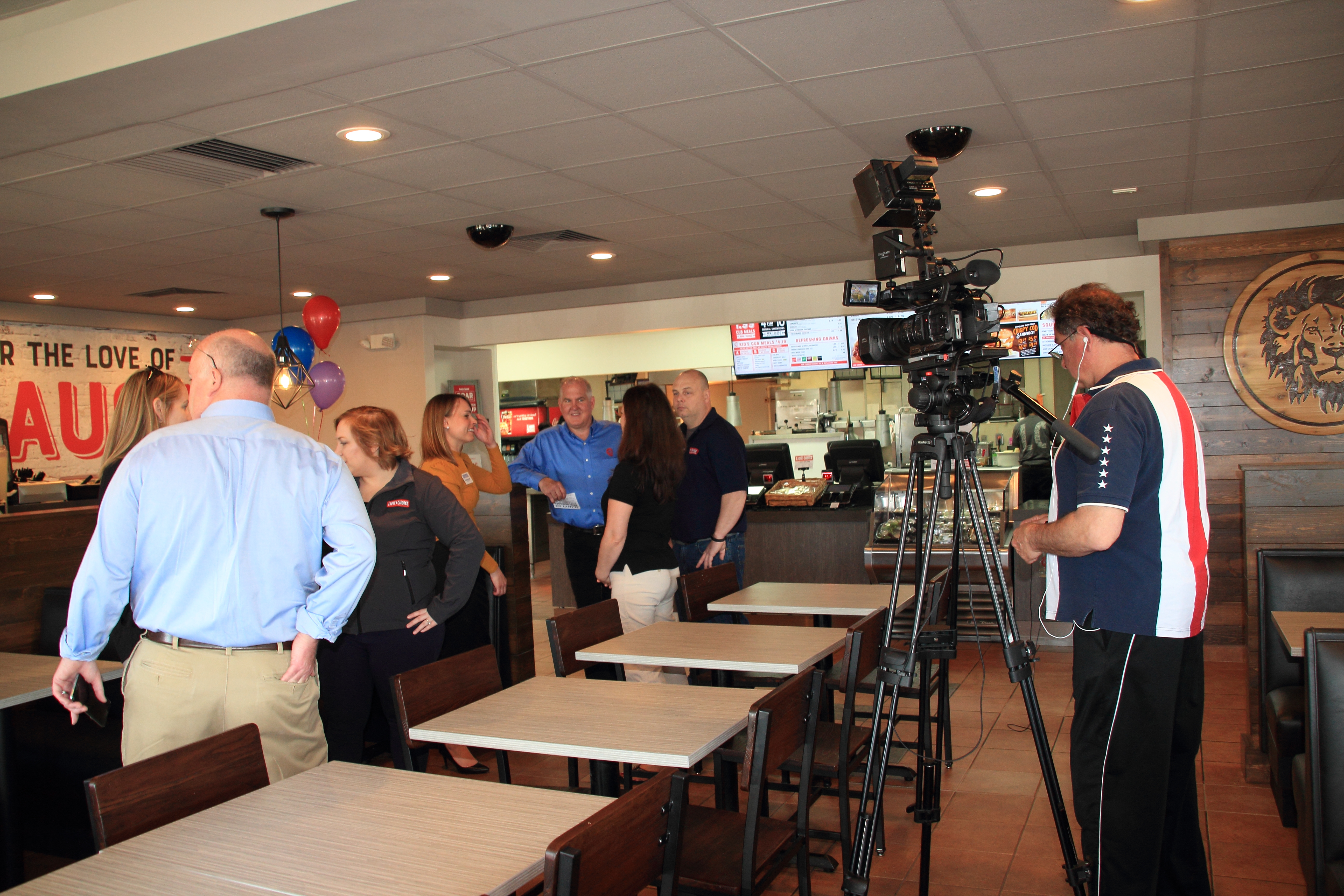
St Louis Video Services provides full-service location video and photography throughout the St. Louis area.
Our crews can coordinate cameras, lighting, sound, interviews and supporting footage while working around the requirements of an active business environment.
Location Scouting Prevents Expensive Surprises
Location scouting can be one of the most valuable steps in production planning.
A visually attractive location may have problems that are not immediately obvious.
Traffic noise, HVAC systems, limited electrical access, reflective surfaces, poor natural lighting or restricted camera positions can all affect production.
By evaluating these factors before the scheduled shoot, the production team can prepare the appropriate equipment and avoid unnecessary delays.
St Louis Video Services provides location scouting and production planning for projects requiring detailed preparation.
B-Roll Gives the Story Visual Depth
Professional business videos rarely consist only of people talking.
Supporting b-roll provides visual context and keeps the audience engaged.
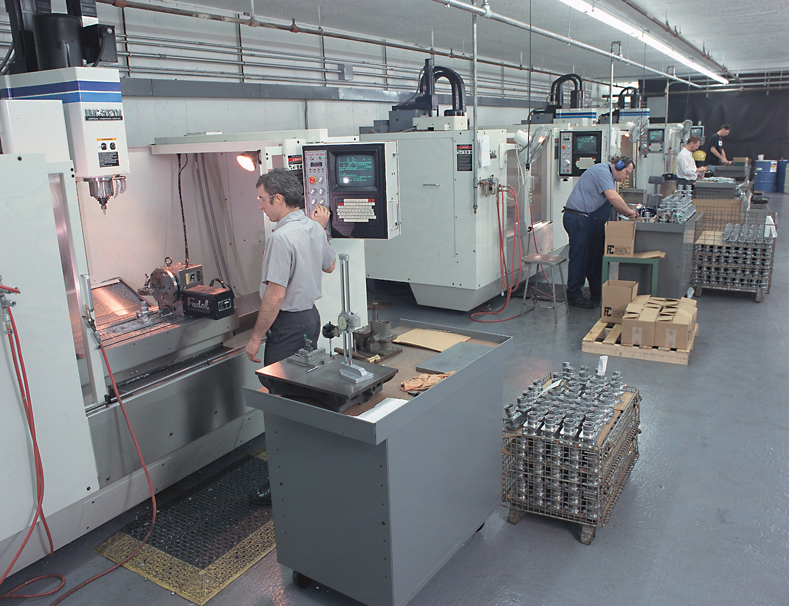
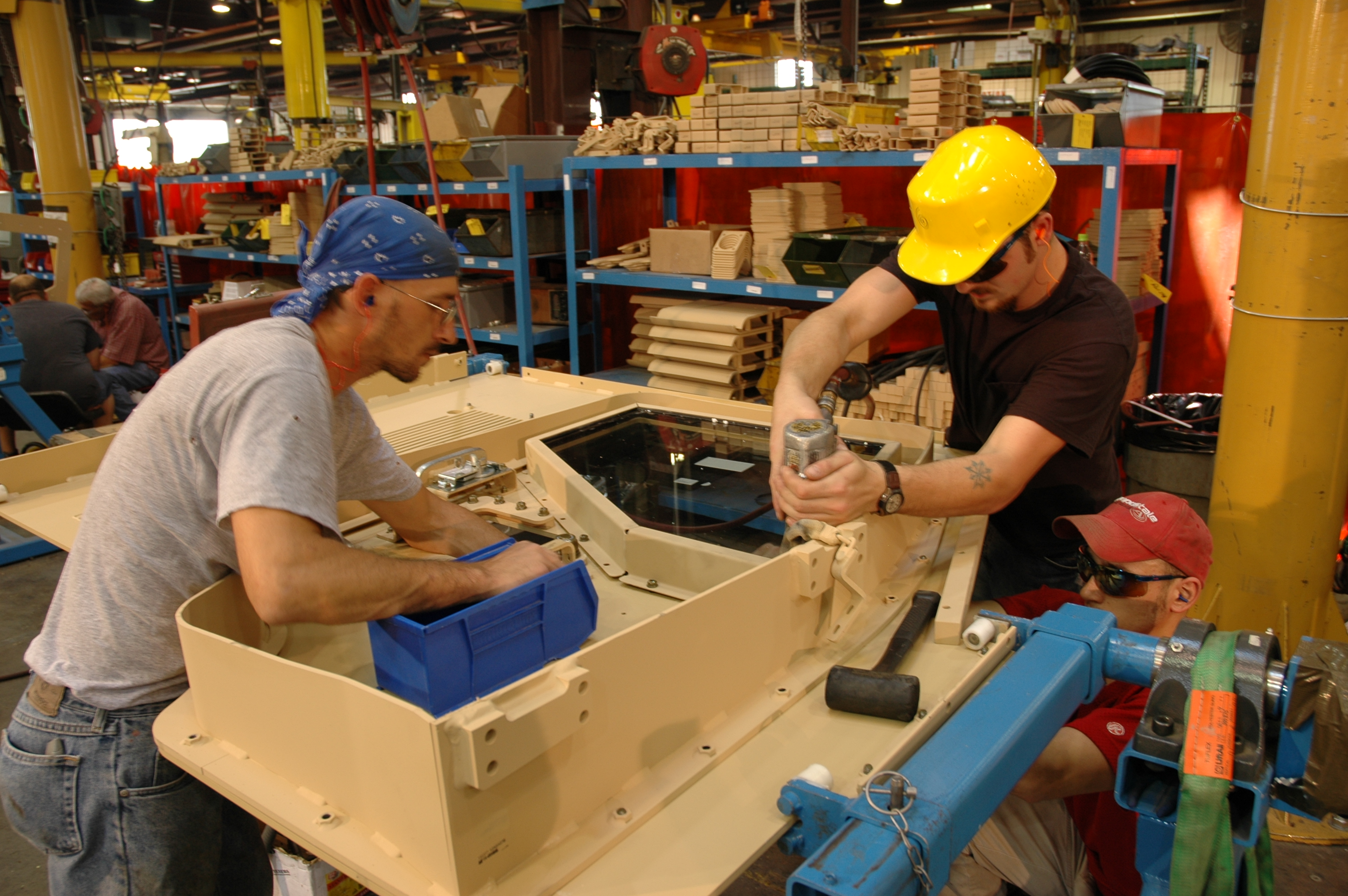
For a manufacturing company, that might include employees operating machinery.
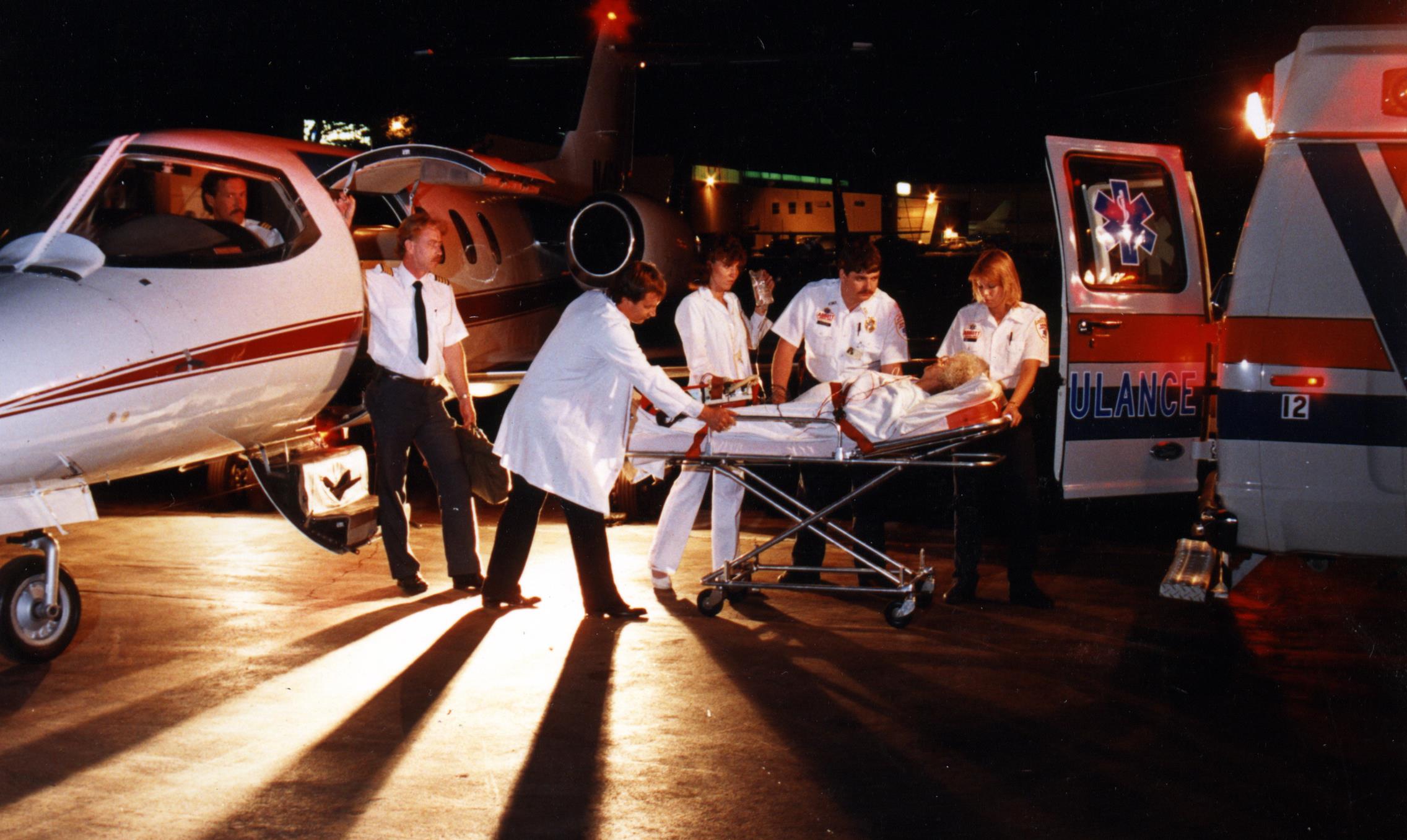
For a healthcare organization, it could include staff interaction, facilities and technology.
For a corporate office, the footage might show meetings, teamwork, products or customer interactions.
Experienced crews continually look for useful supporting imagery during production.
Good b-roll can also become valuable content for future projects, making the original production investment more useful over time.
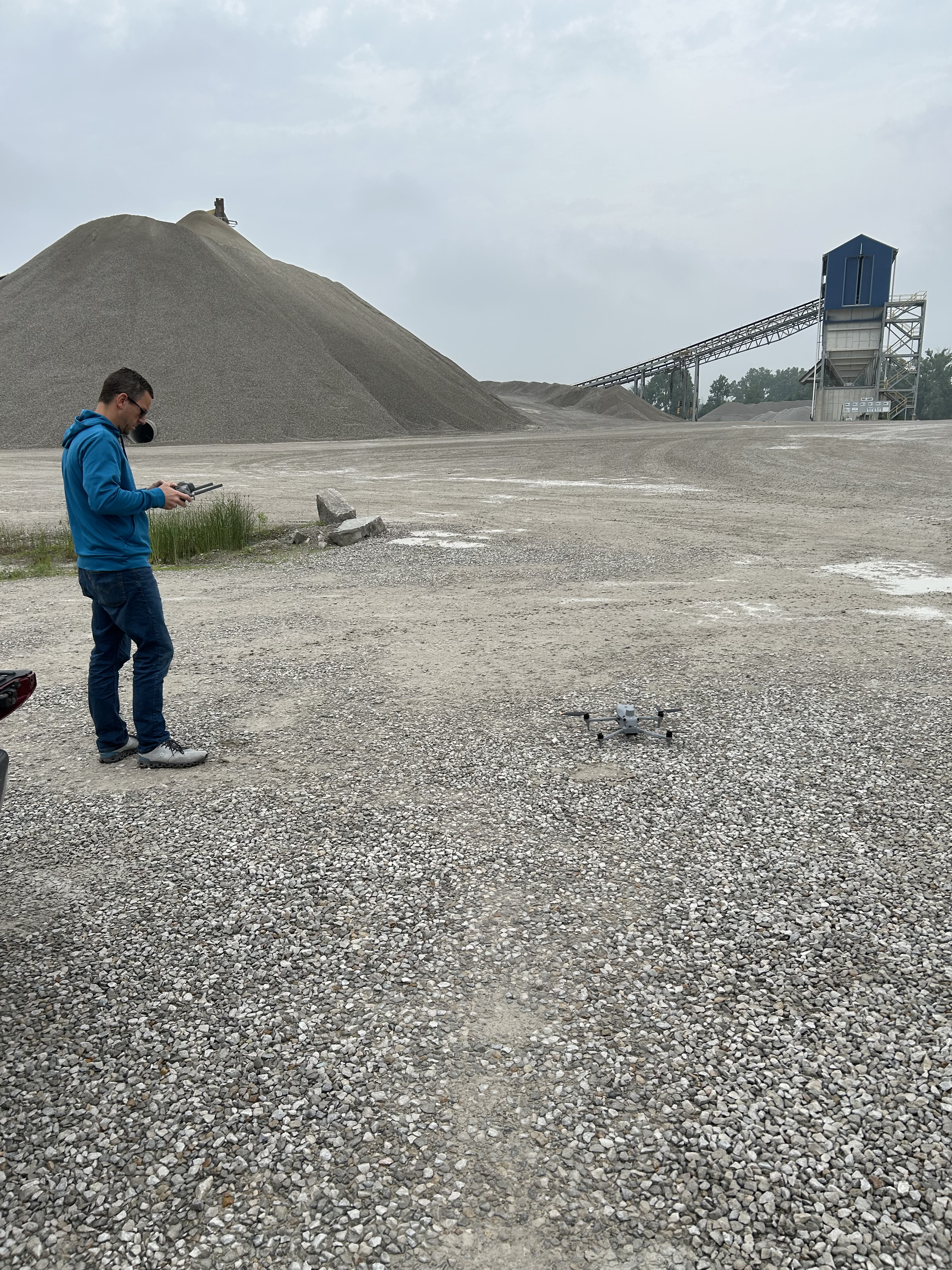
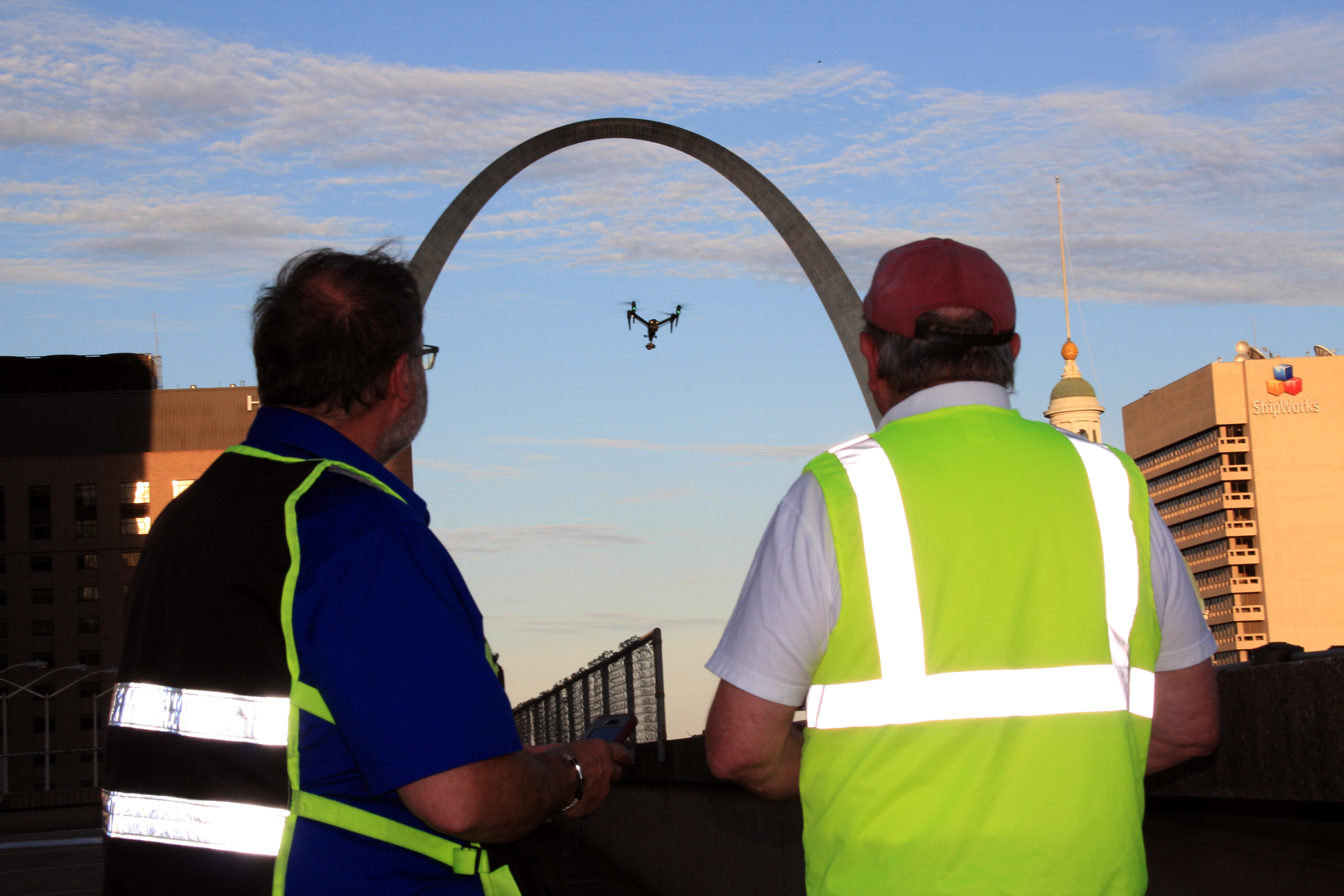
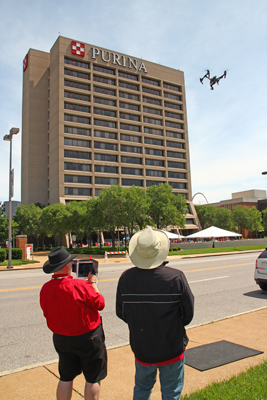
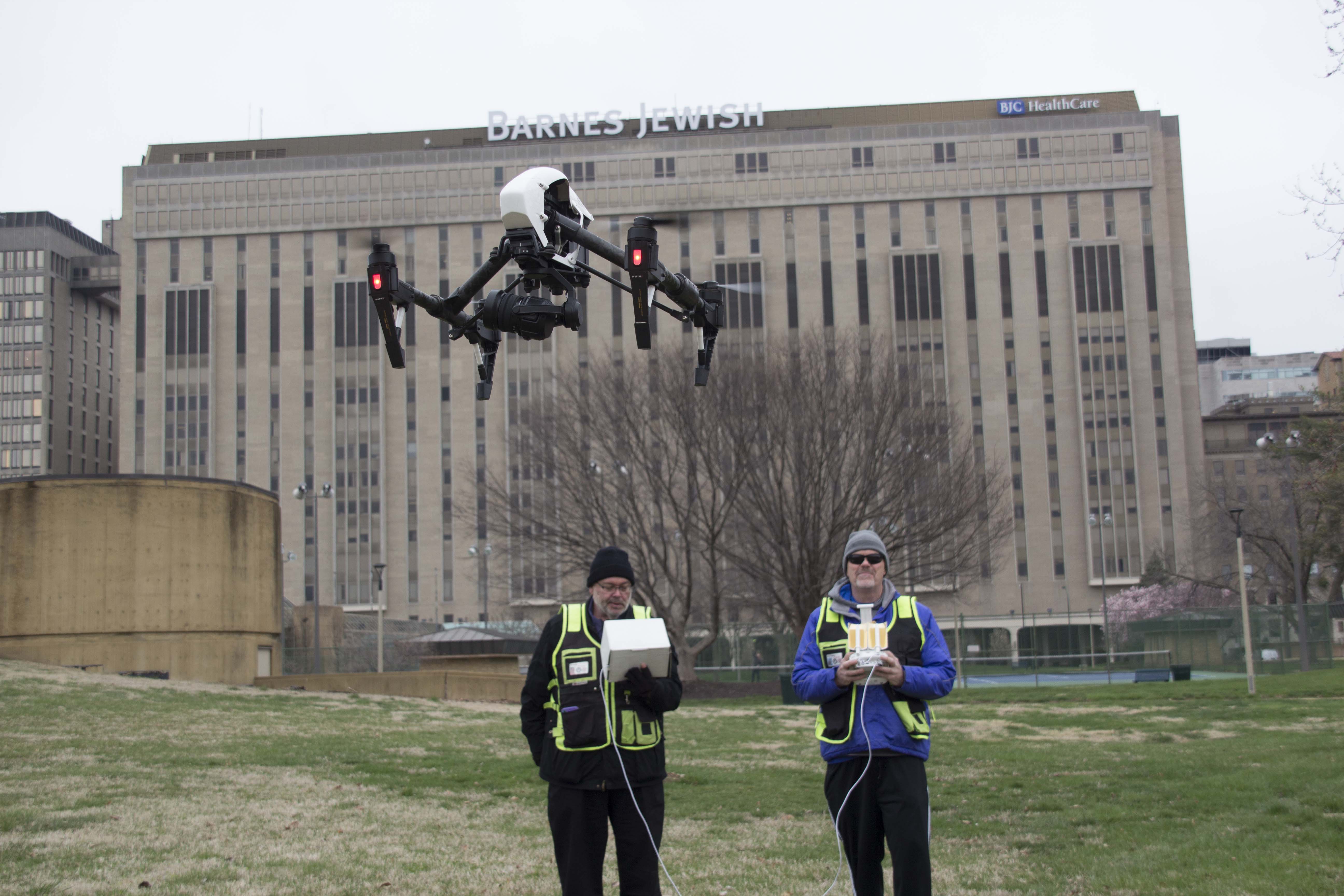
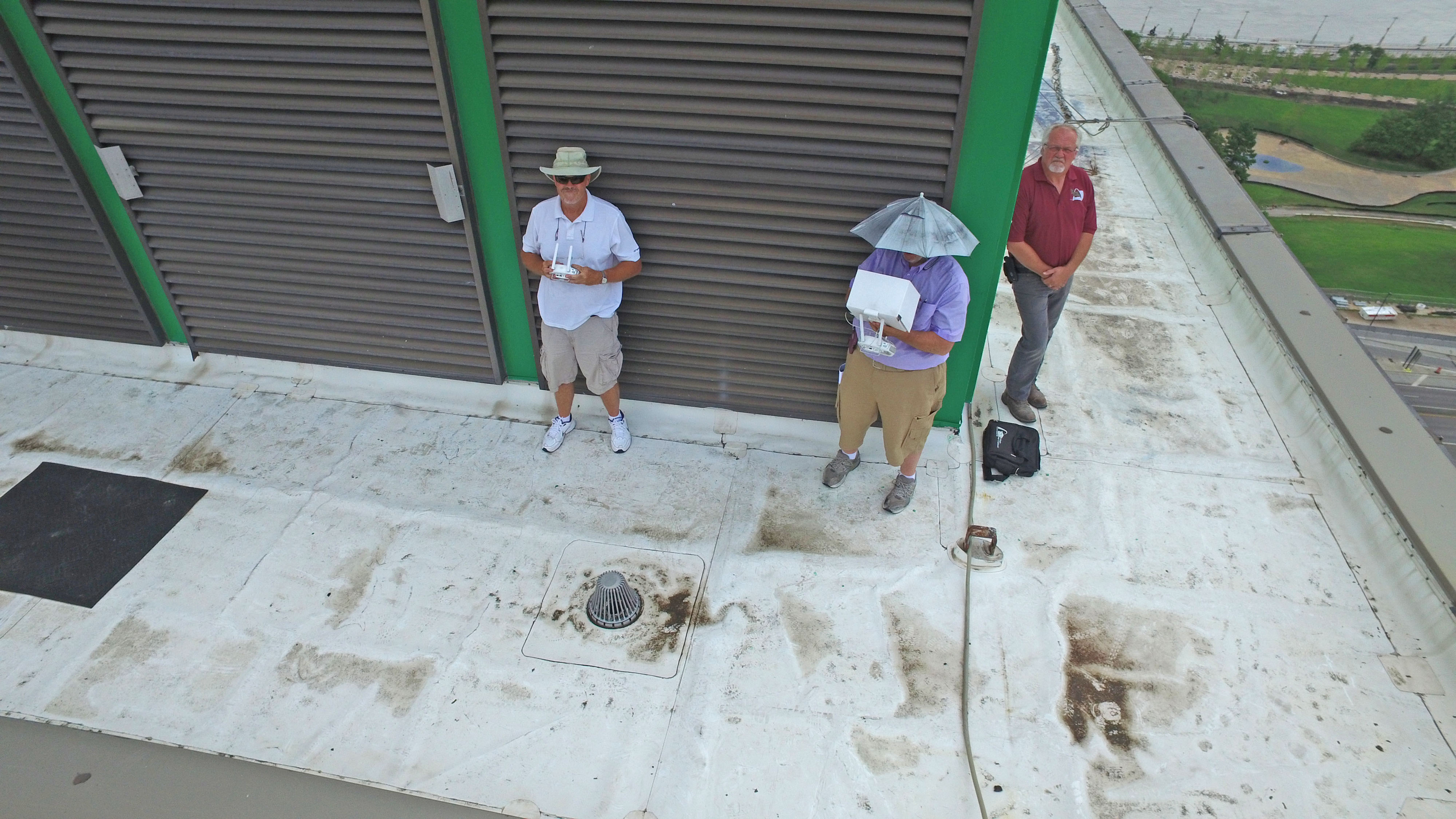
Licensed Drone Photography and Video
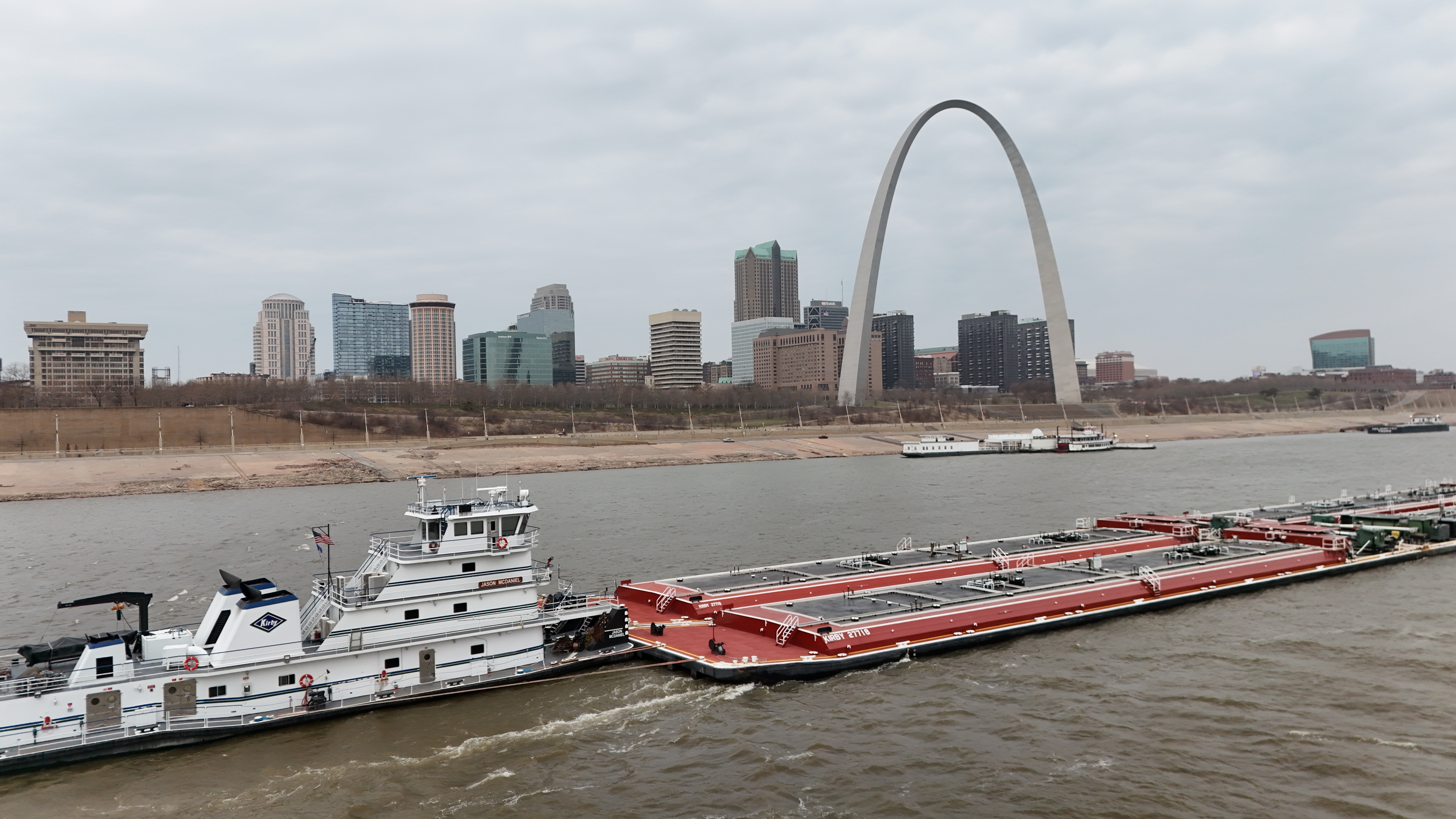
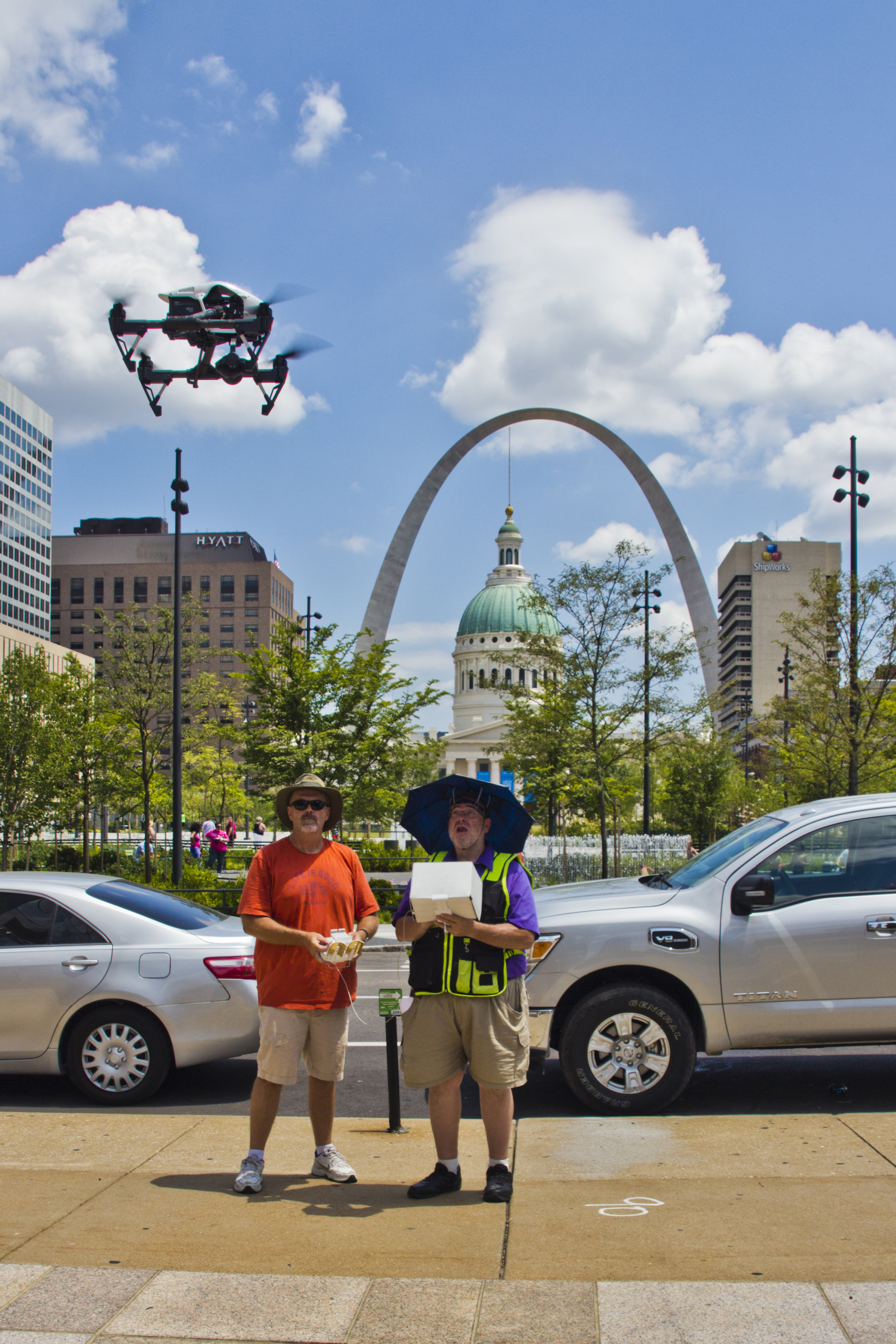
Aerial production can add scale and perspective to commercial projects.
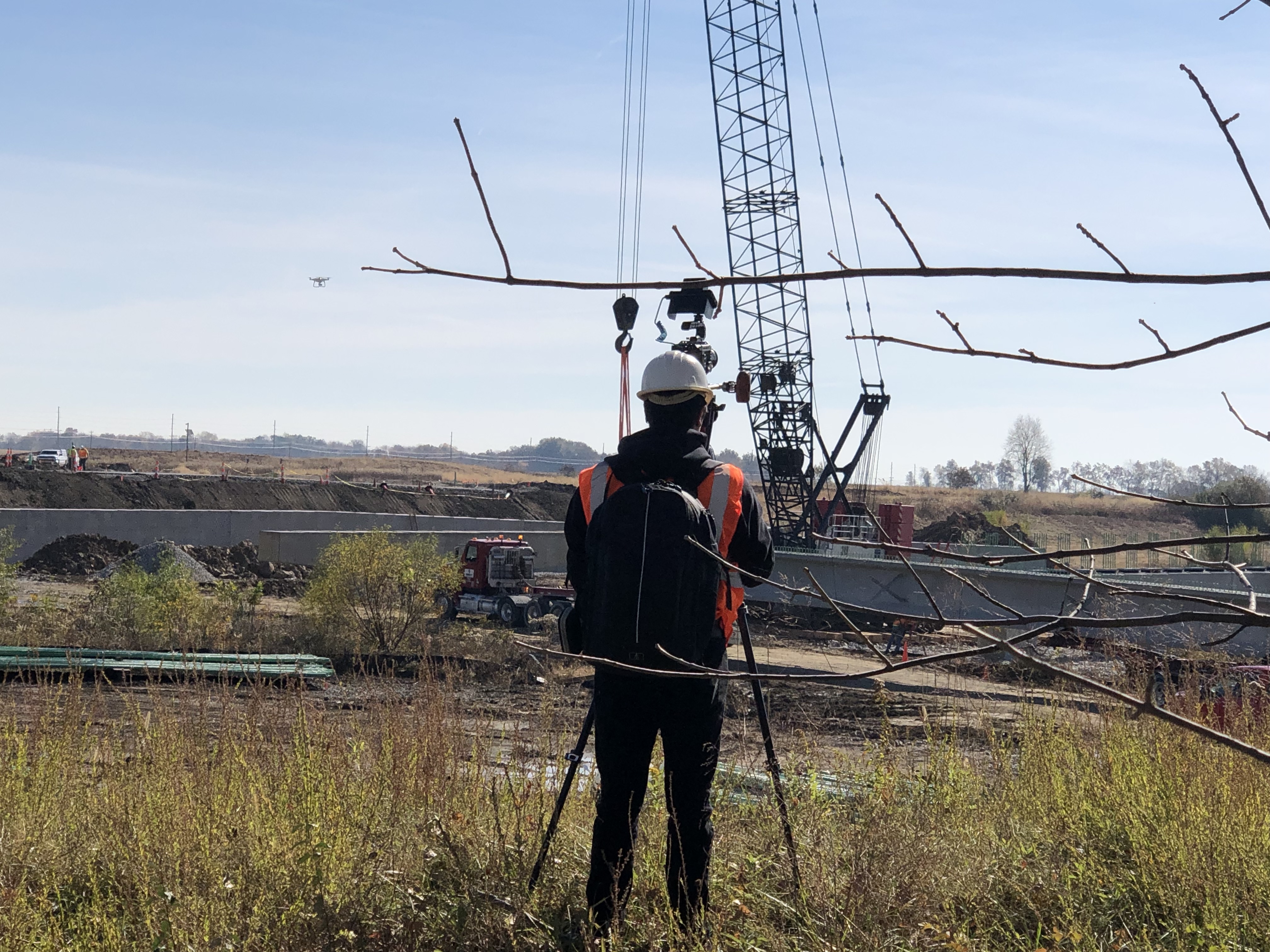
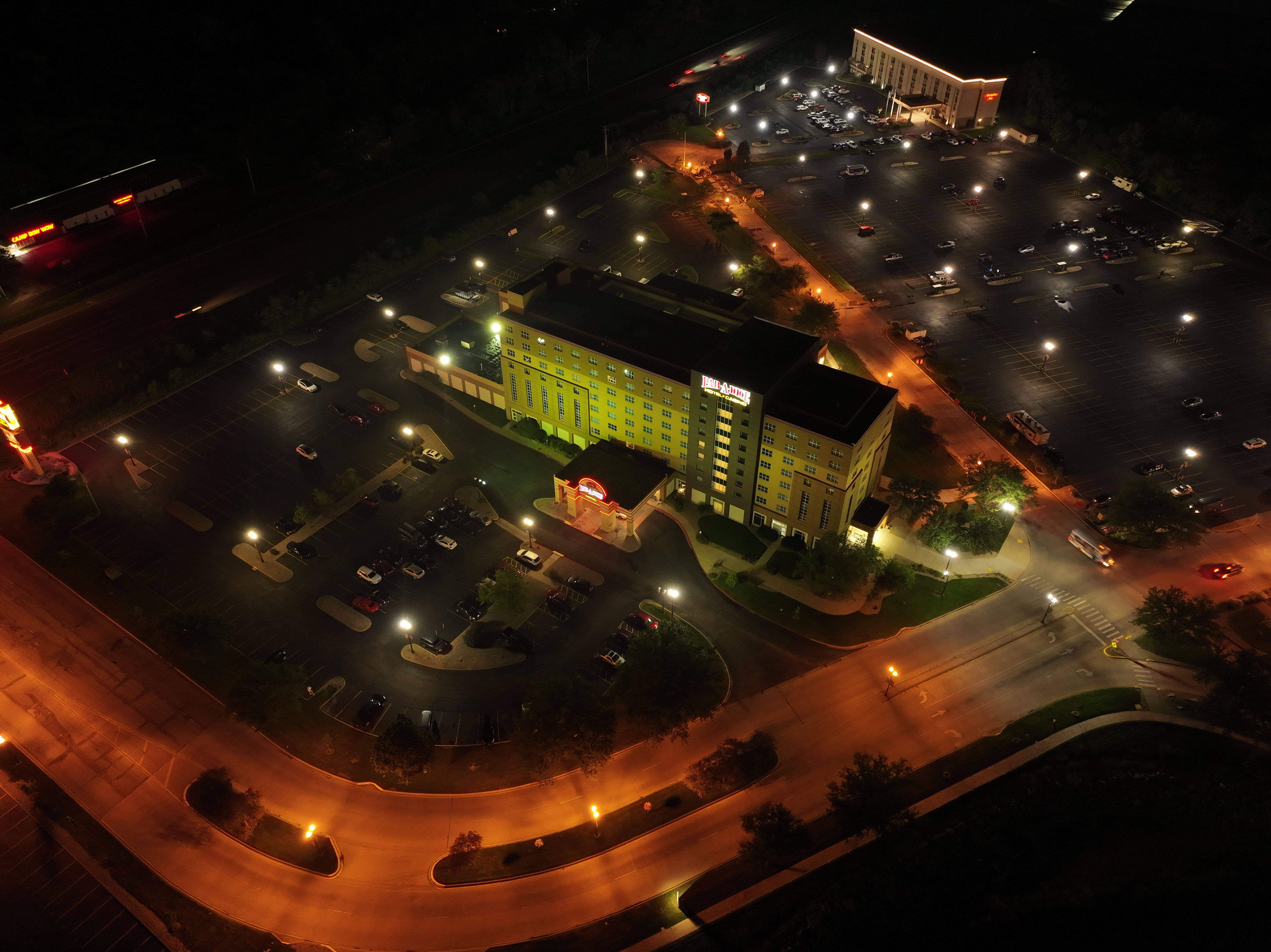
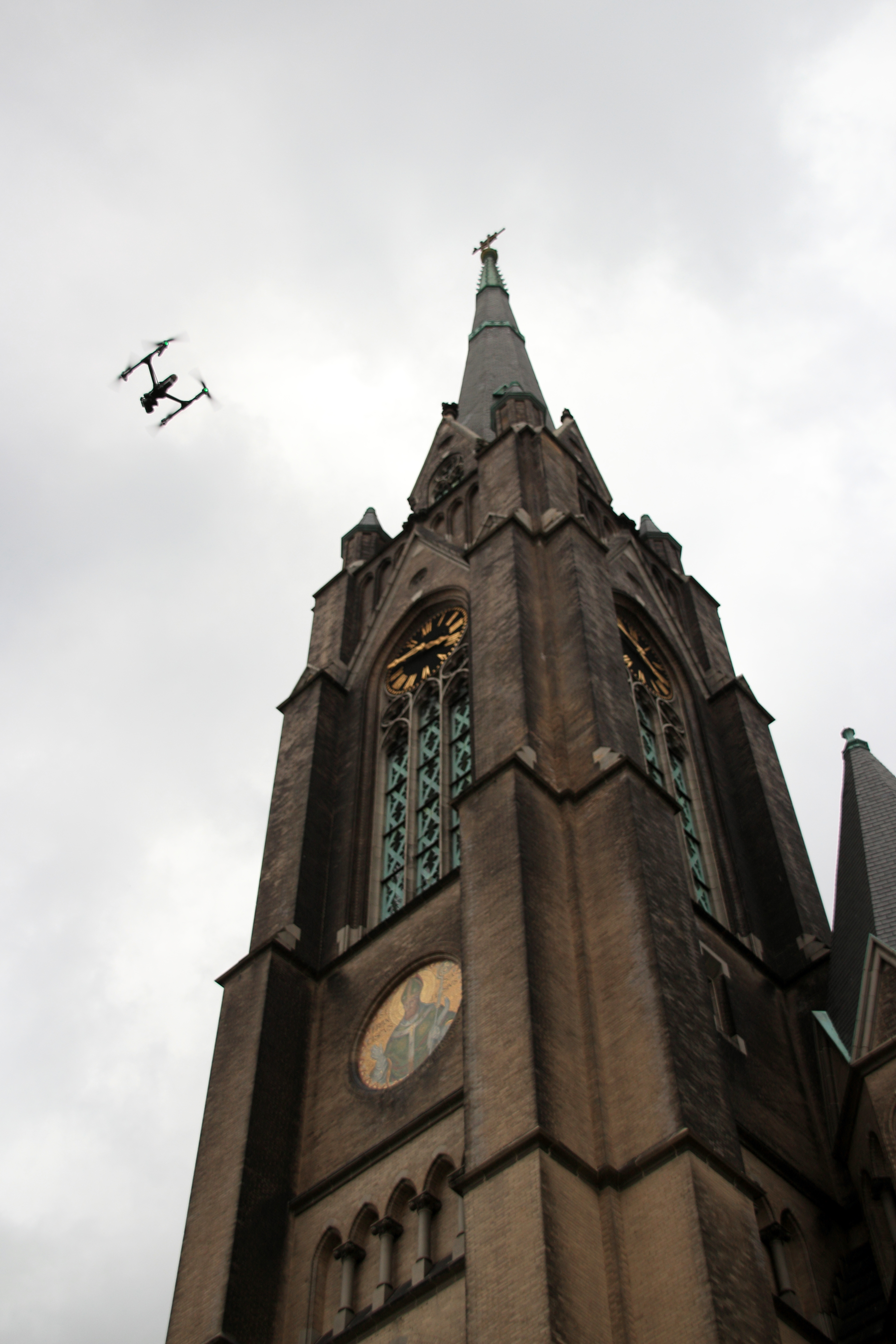
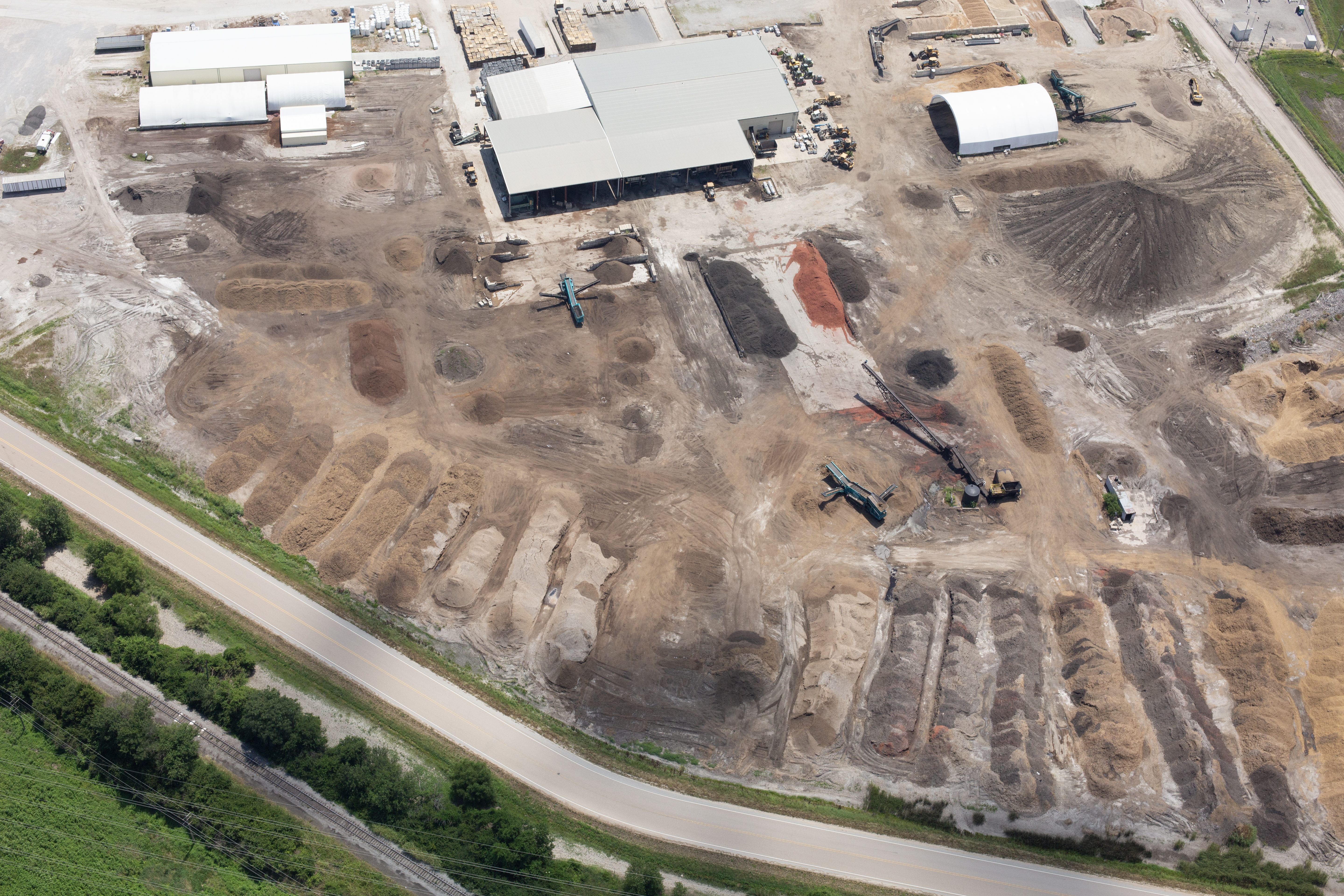
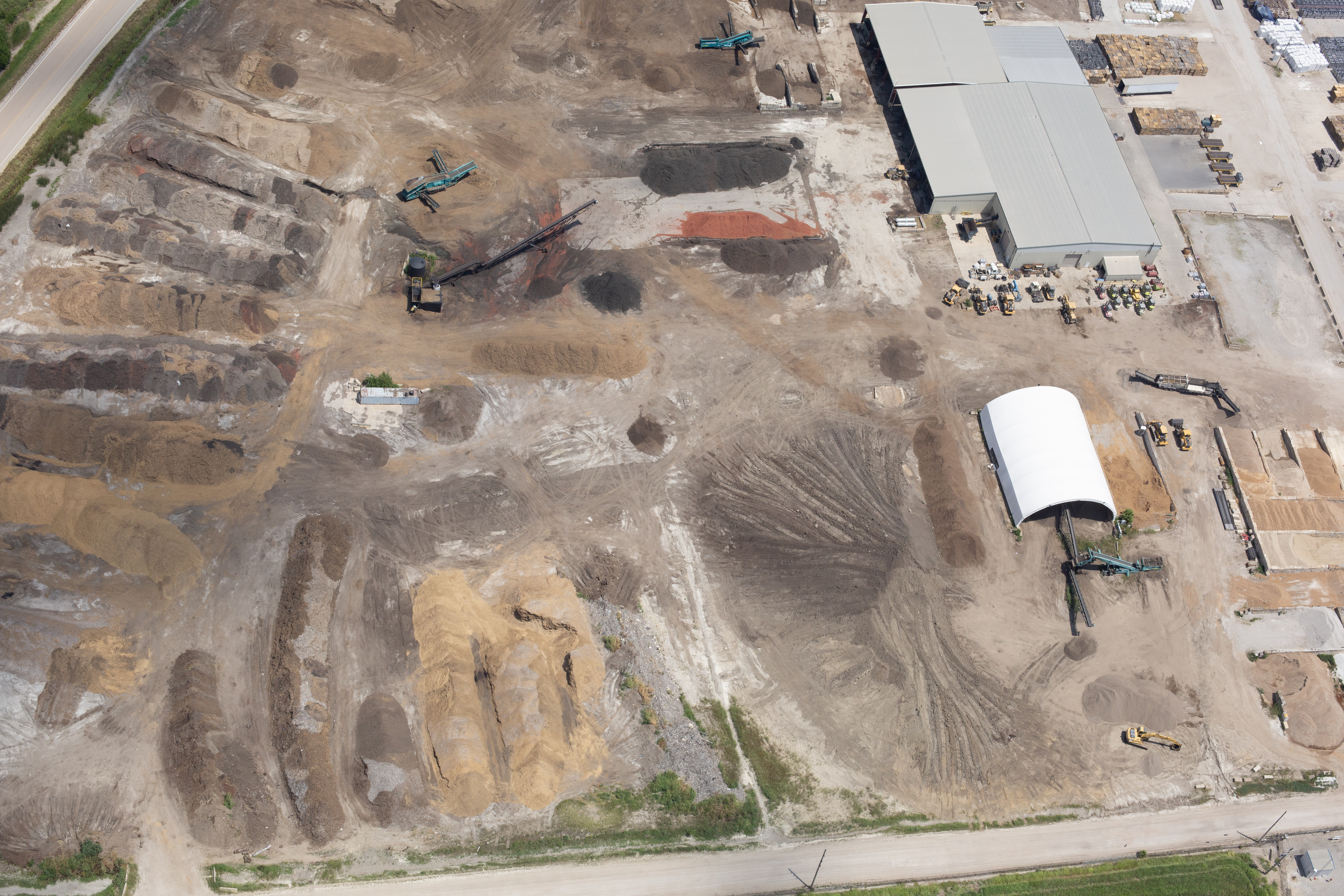
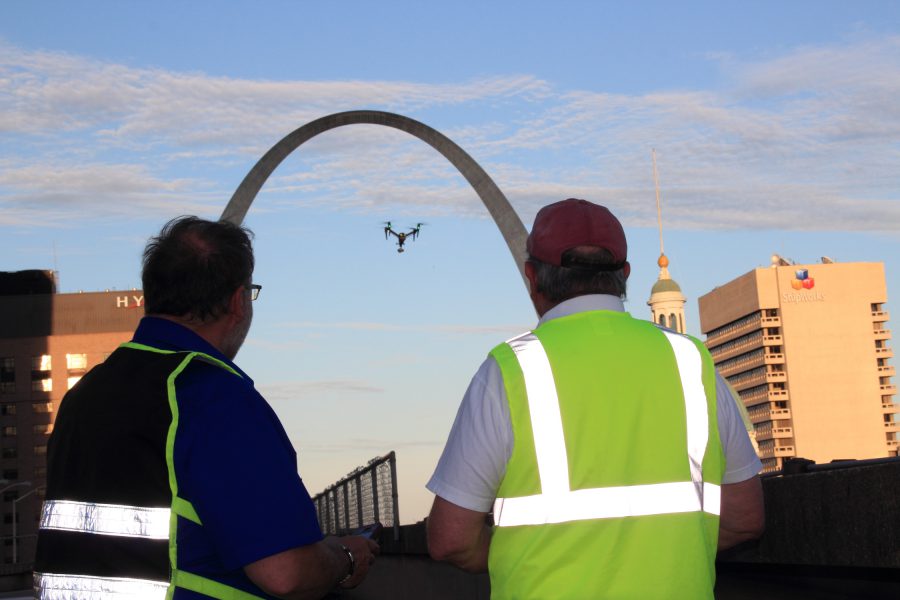
Drone footage can establish a location, document a large facility, show construction progress or provide dramatic visual transitions.
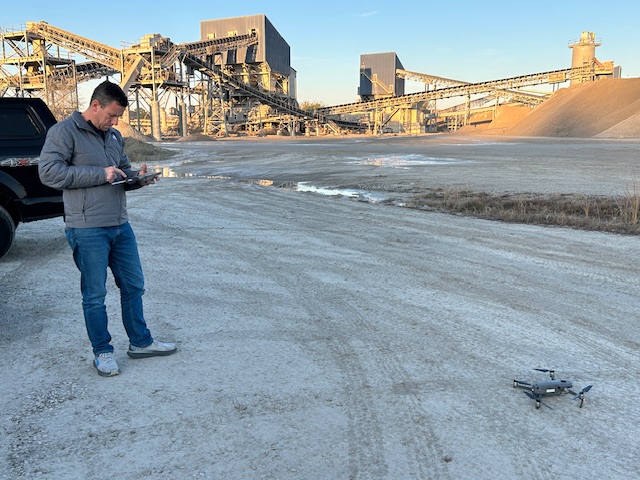
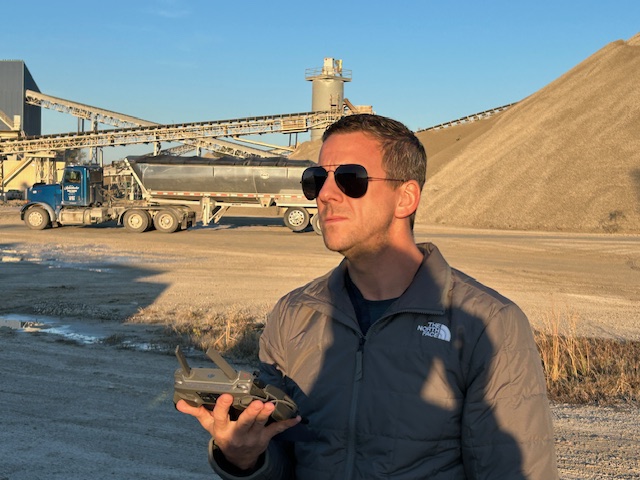
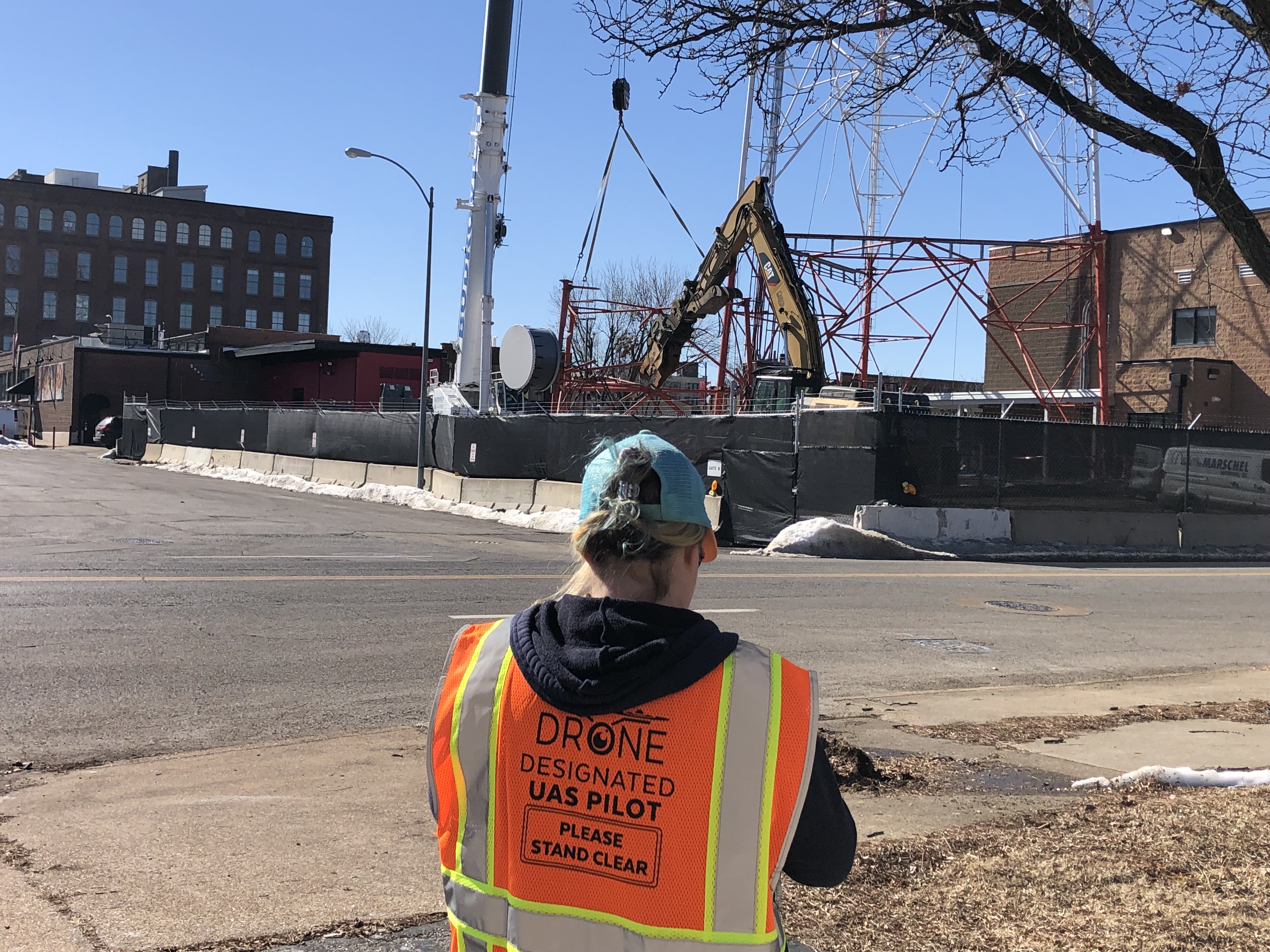
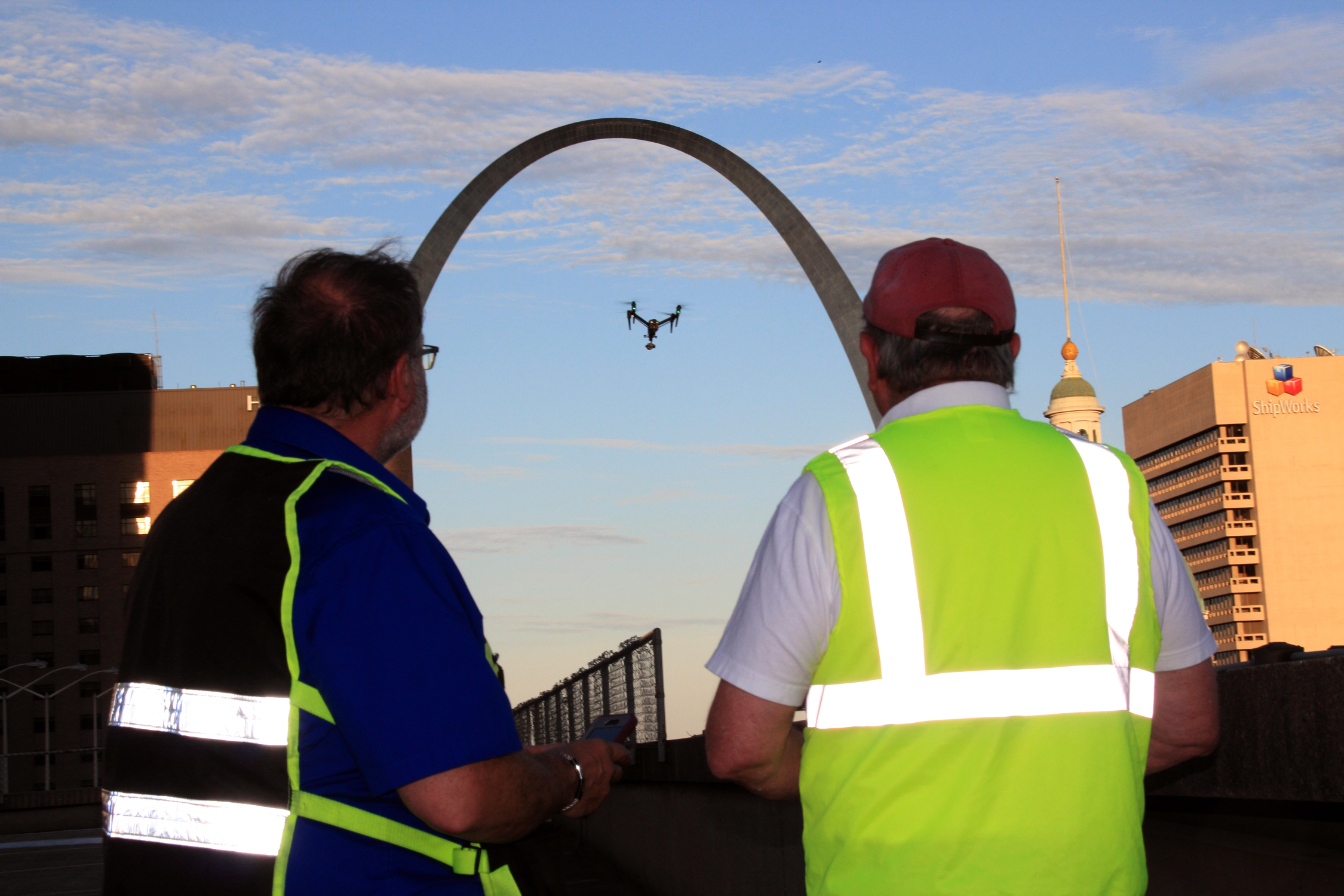
St Louis Video Services offers licensed professional drone services that can be incorporated into photography and video assignments.
Coordinating drone footage with ground production helps maintain consistency across the entire project.
Specialized Indoor FPV Drone Production
FPV drones provide a different type of visual experience.
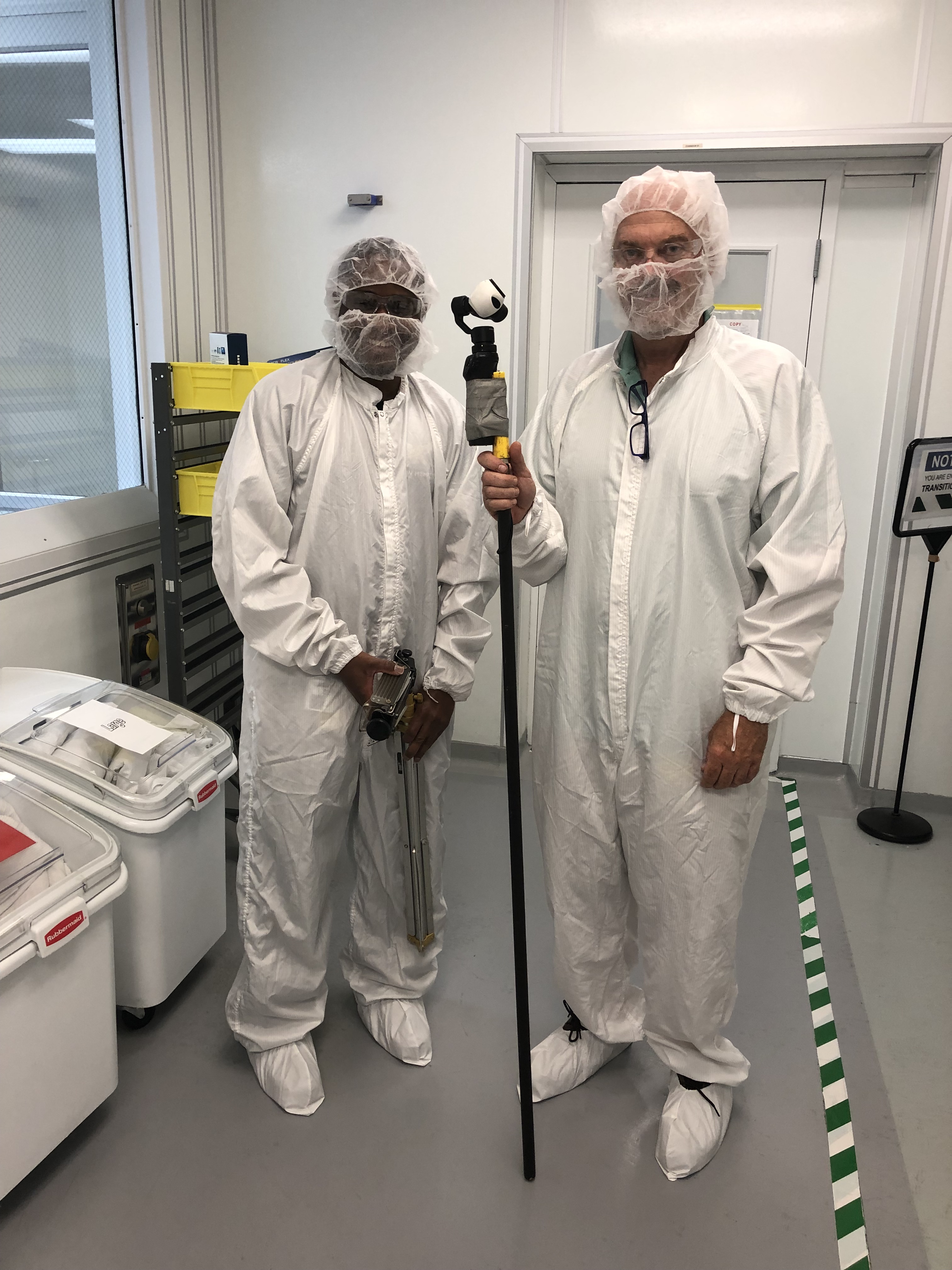
Unlike traditional aerial photography, specialized FPV drones can travel through interior spaces and capture dynamic continuous movement.
An FPV drone might travel through a warehouse, manufacturing plant, event venue or commercial building, creating a visually engaging tour of the environment.
Because indoor flights require careful planning and experienced operation, they are most effective when integrated into a larger professional production strategy.
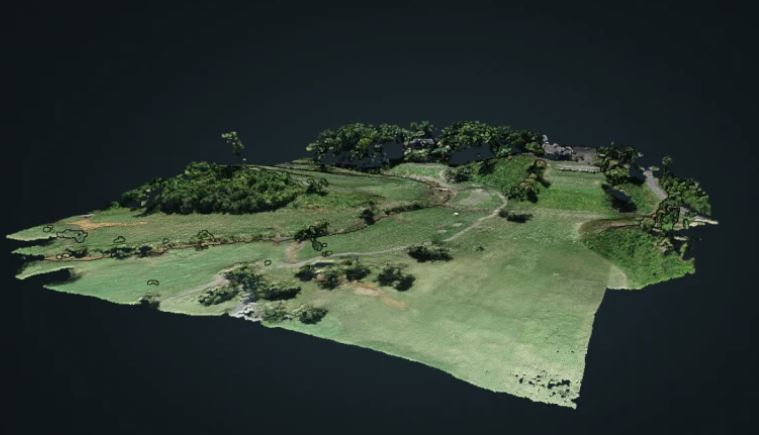
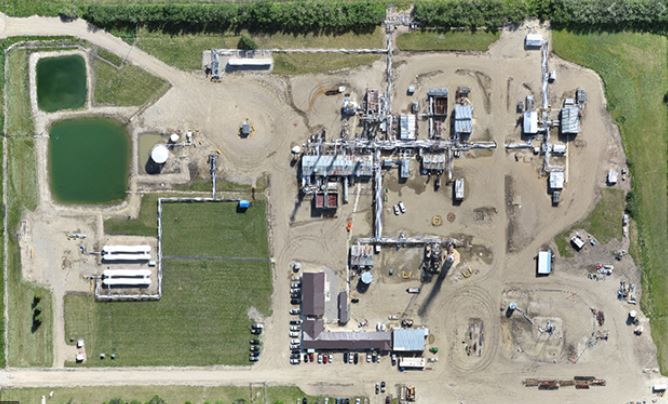
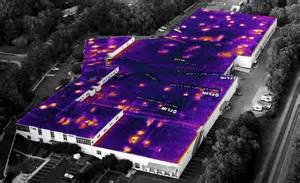
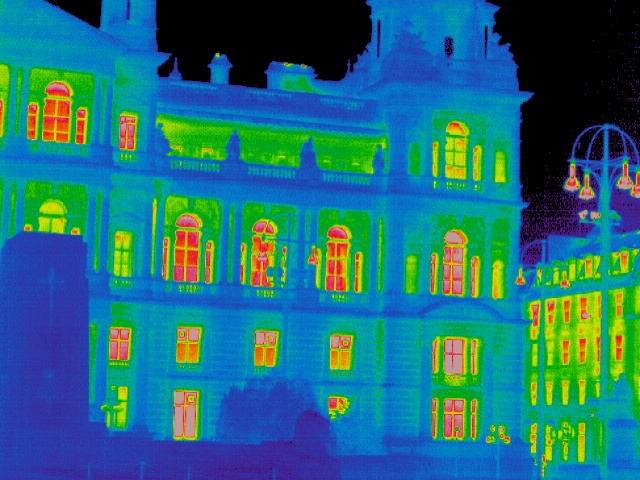
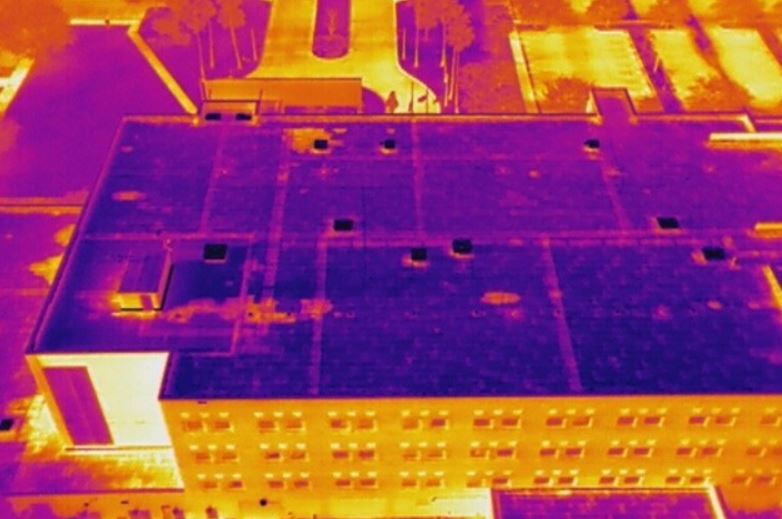
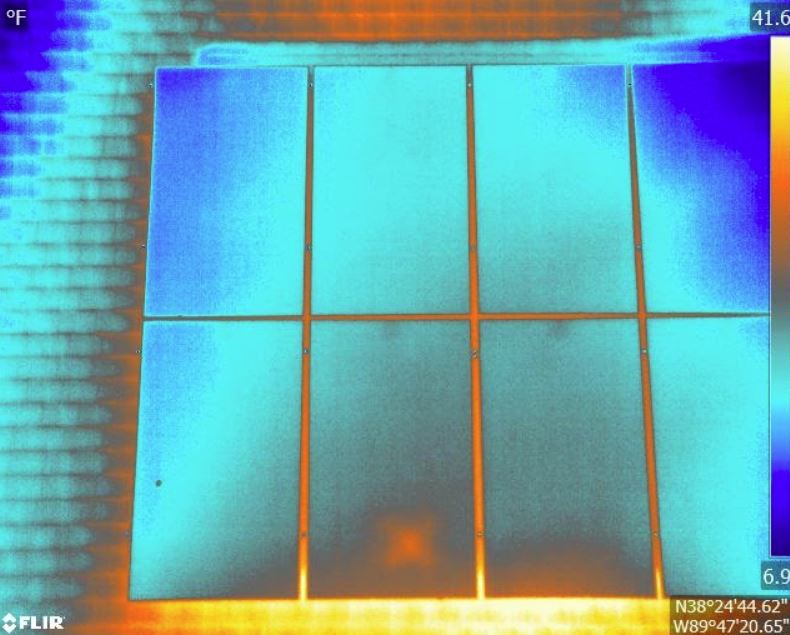
Infrared Thermal, Orthomosaics and LiDAR
Professional drone services are increasingly valuable for technical applications as well as marketing.
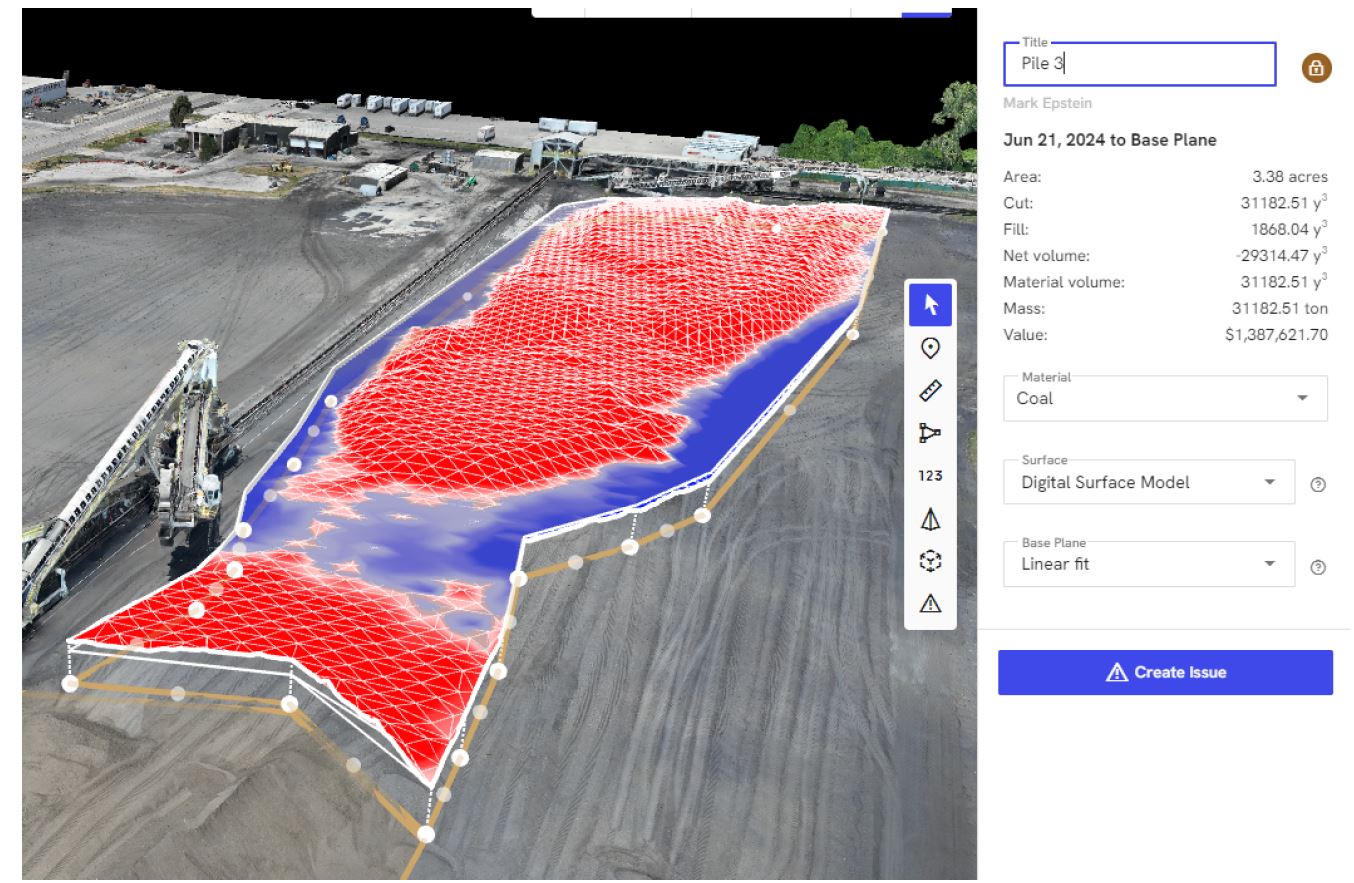
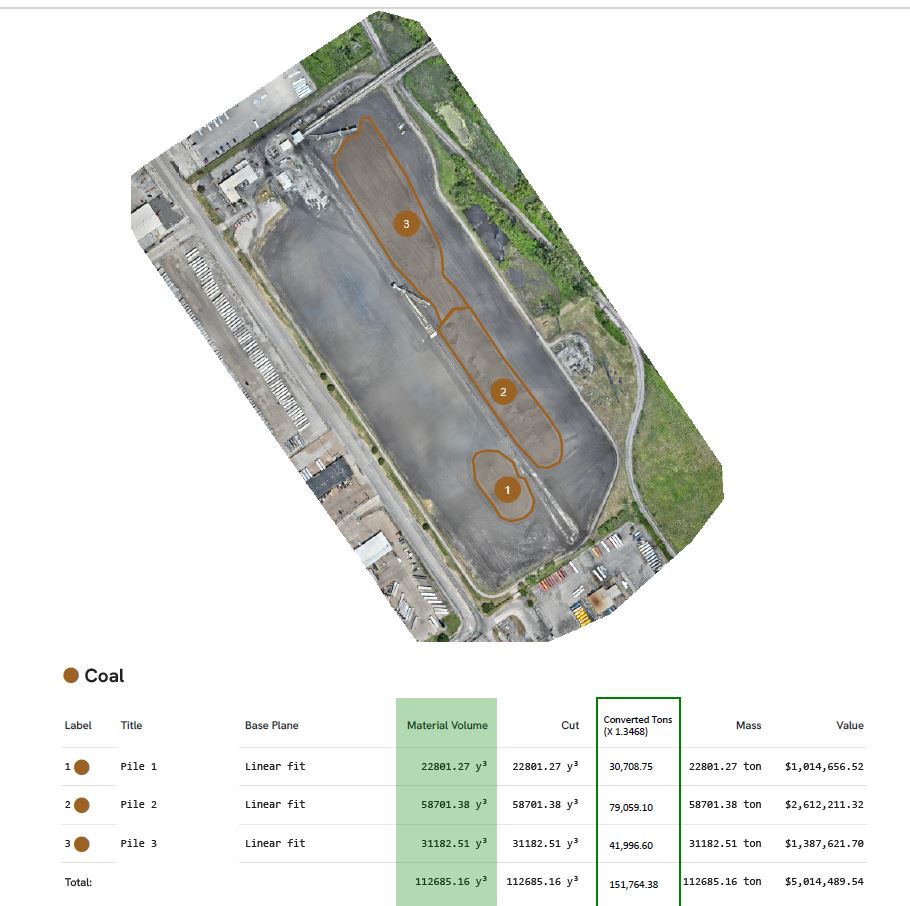
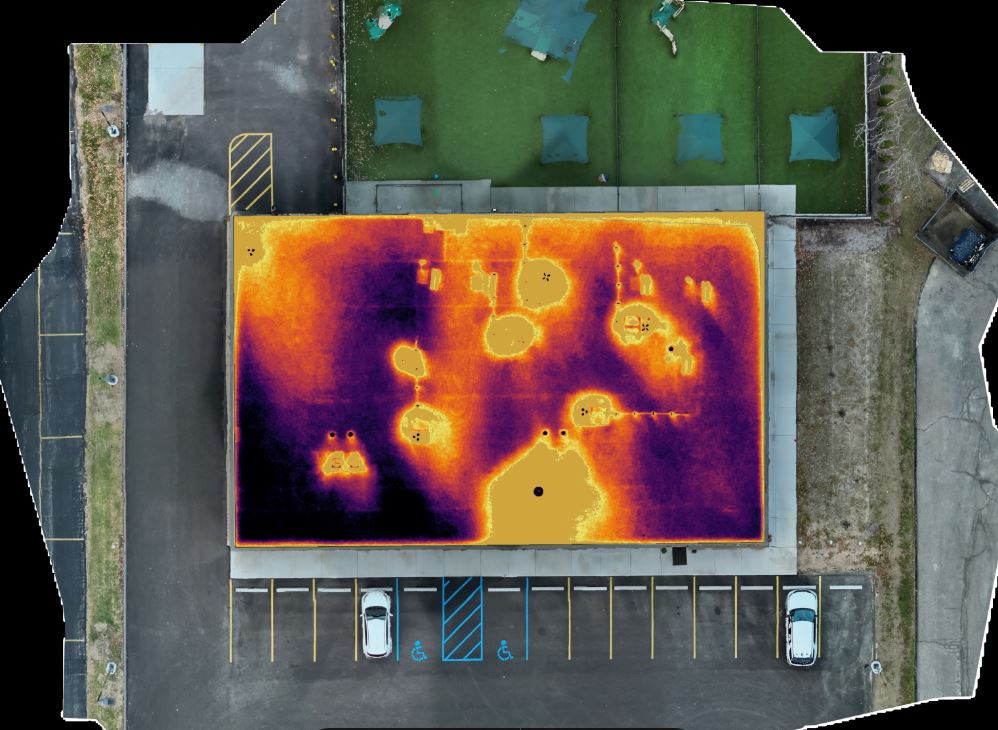
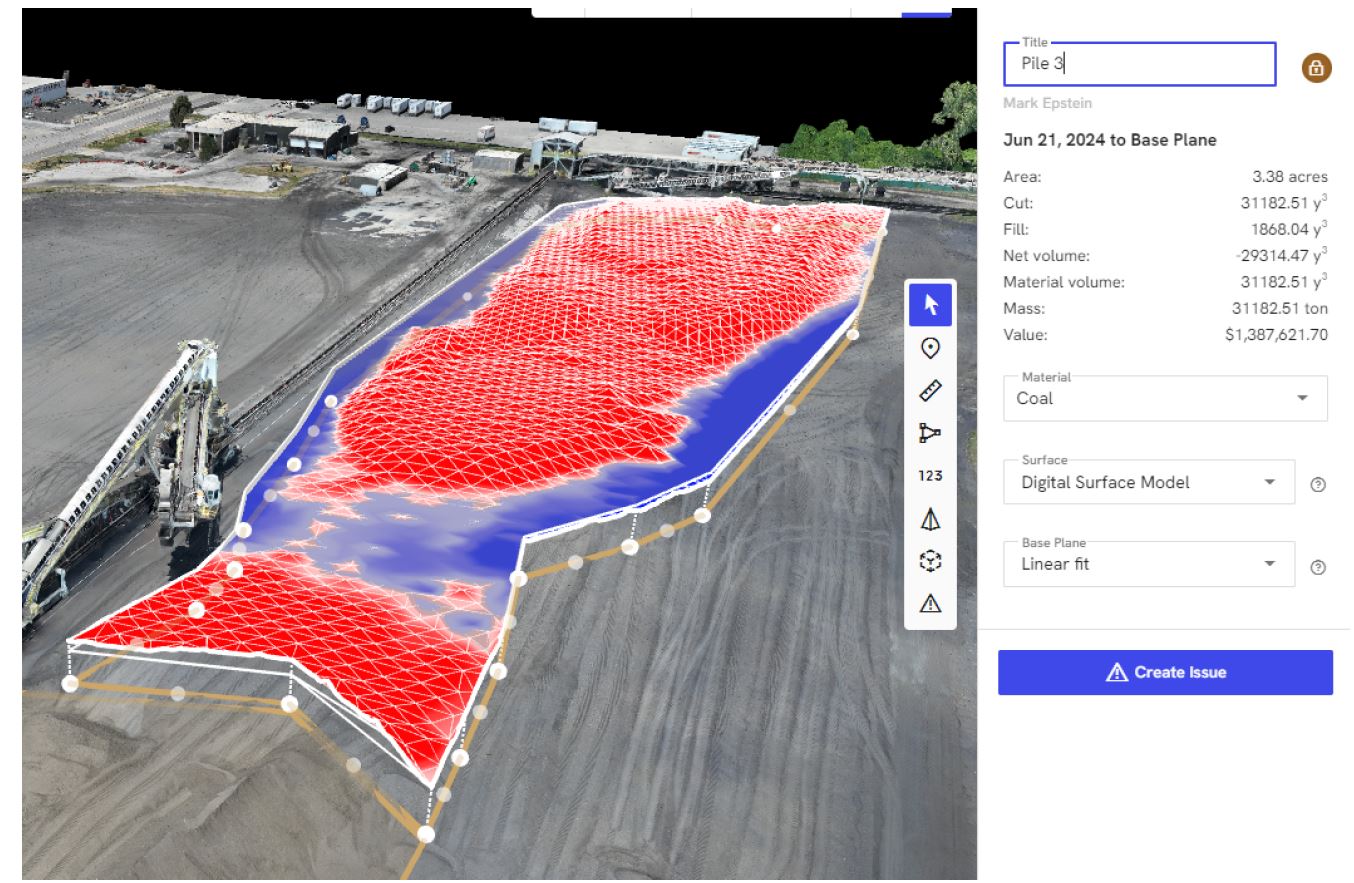
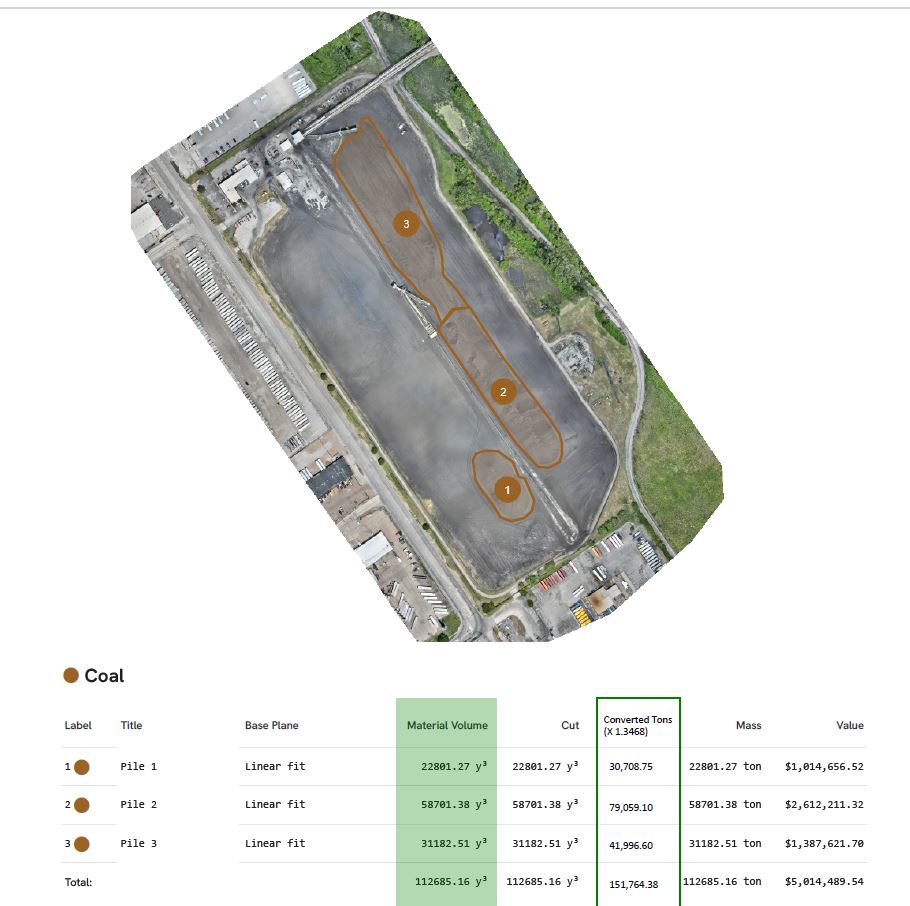
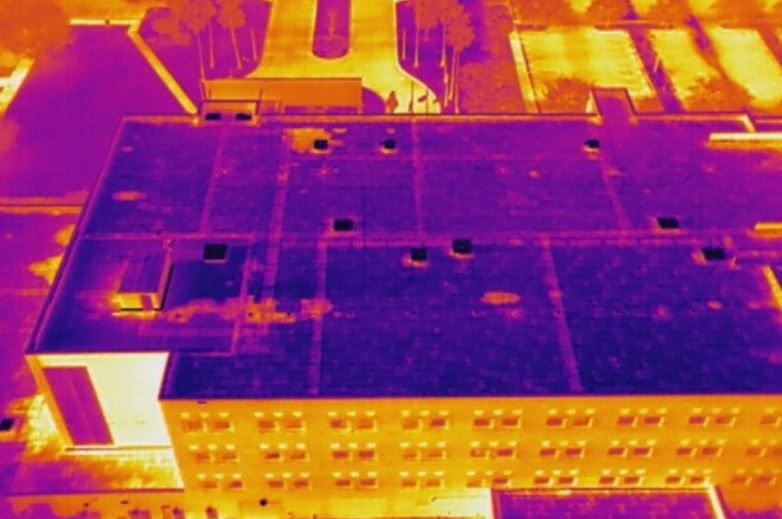
St Louis Video Services can provide specialized drone services including infrared thermal imaging, orthomosaic mapping and LiDAR-related applications.
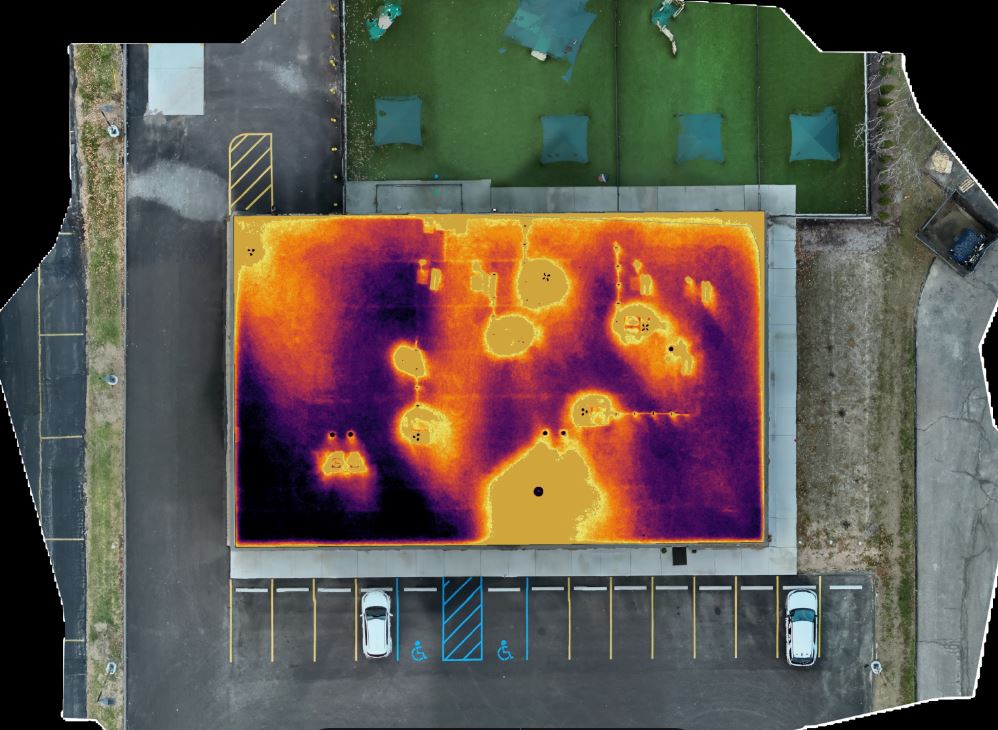
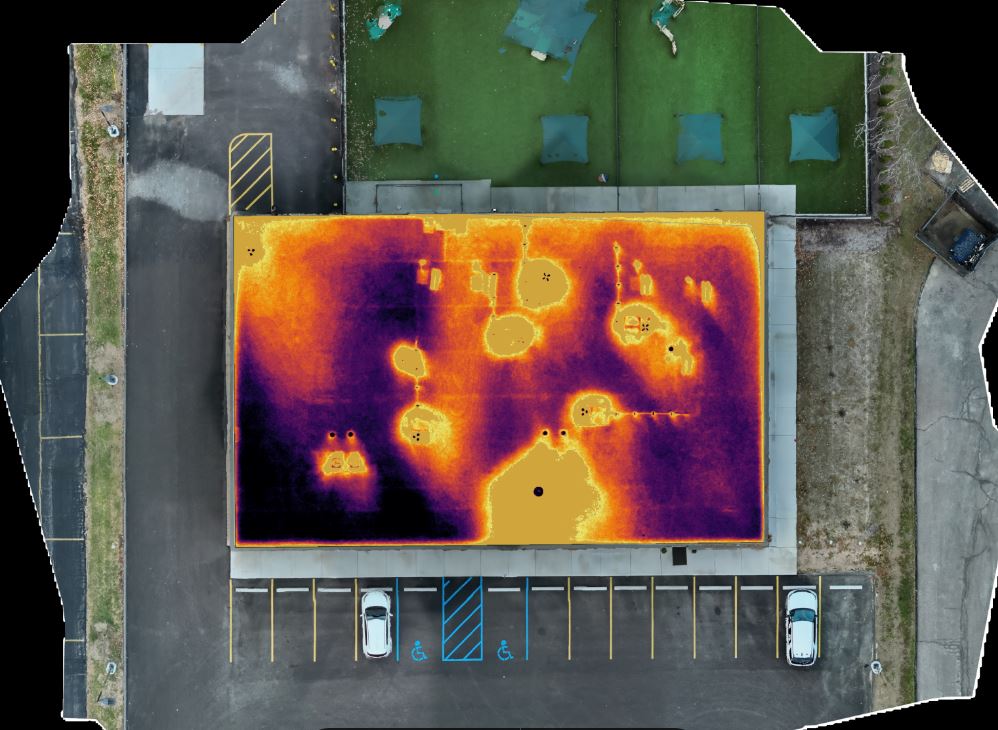
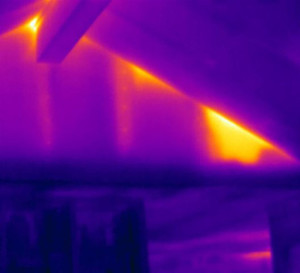
Thermal imaging can reveal temperature differences that may be useful when evaluating roofs and building systems.
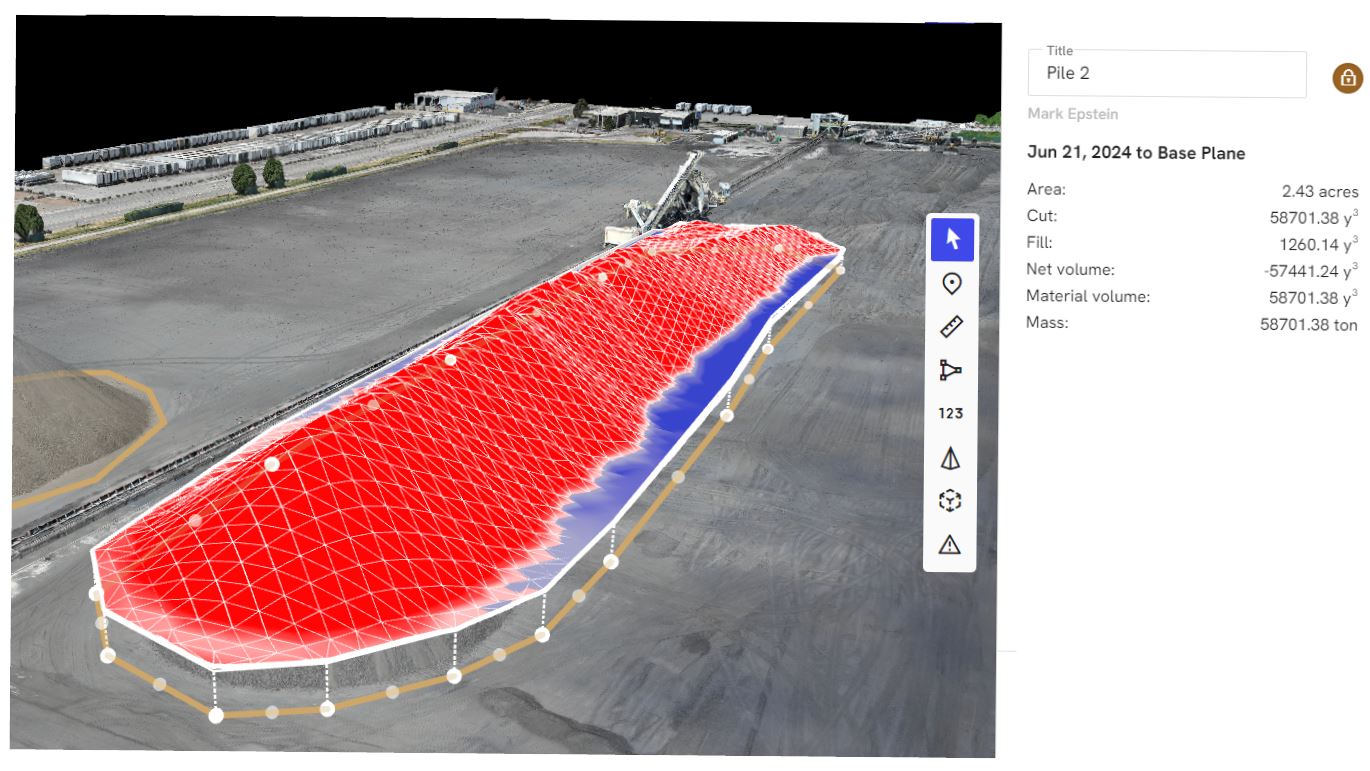
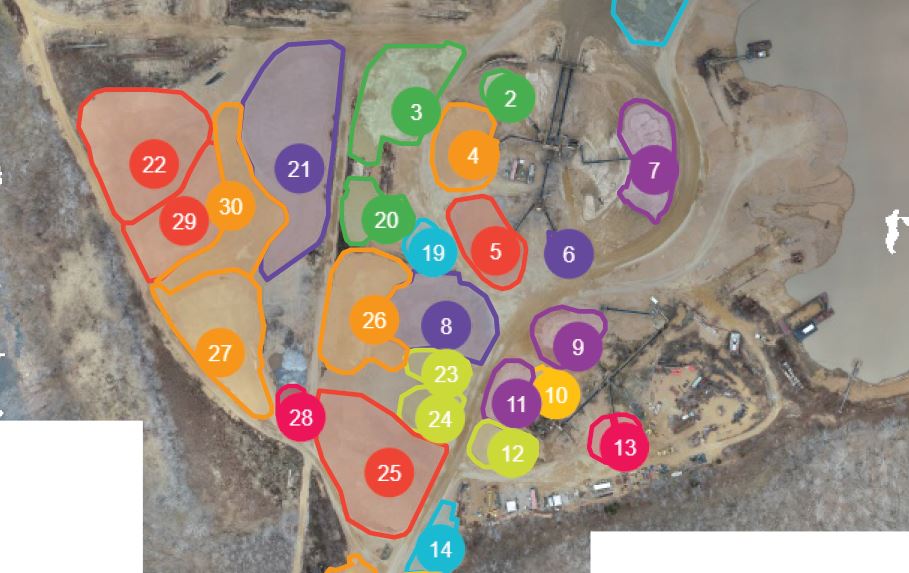
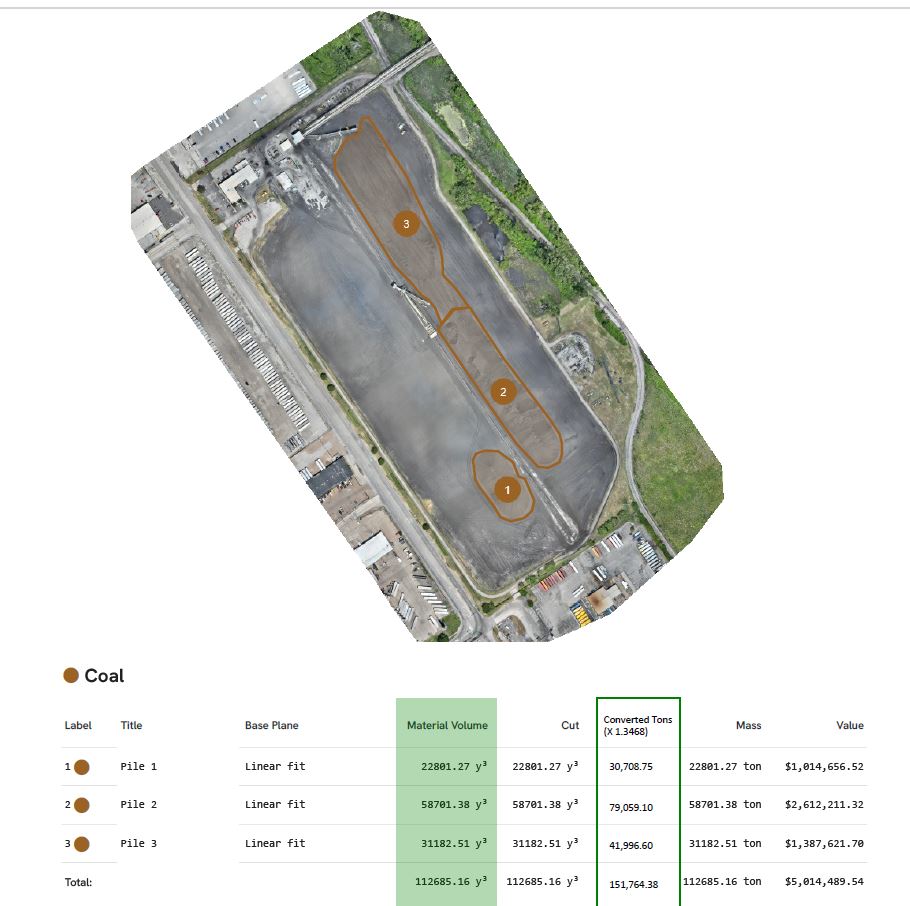
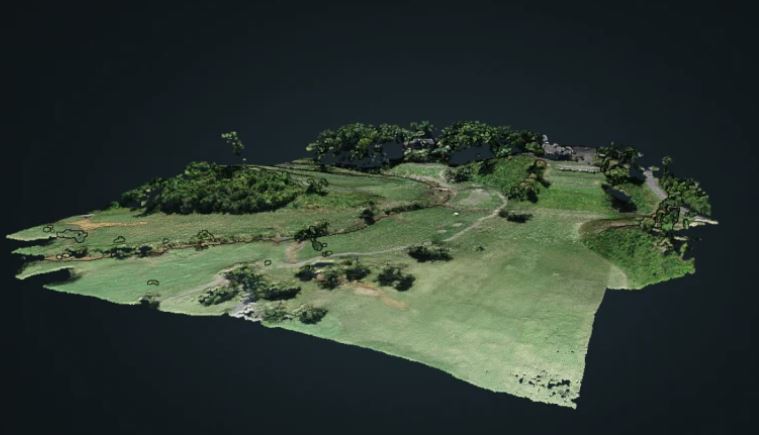
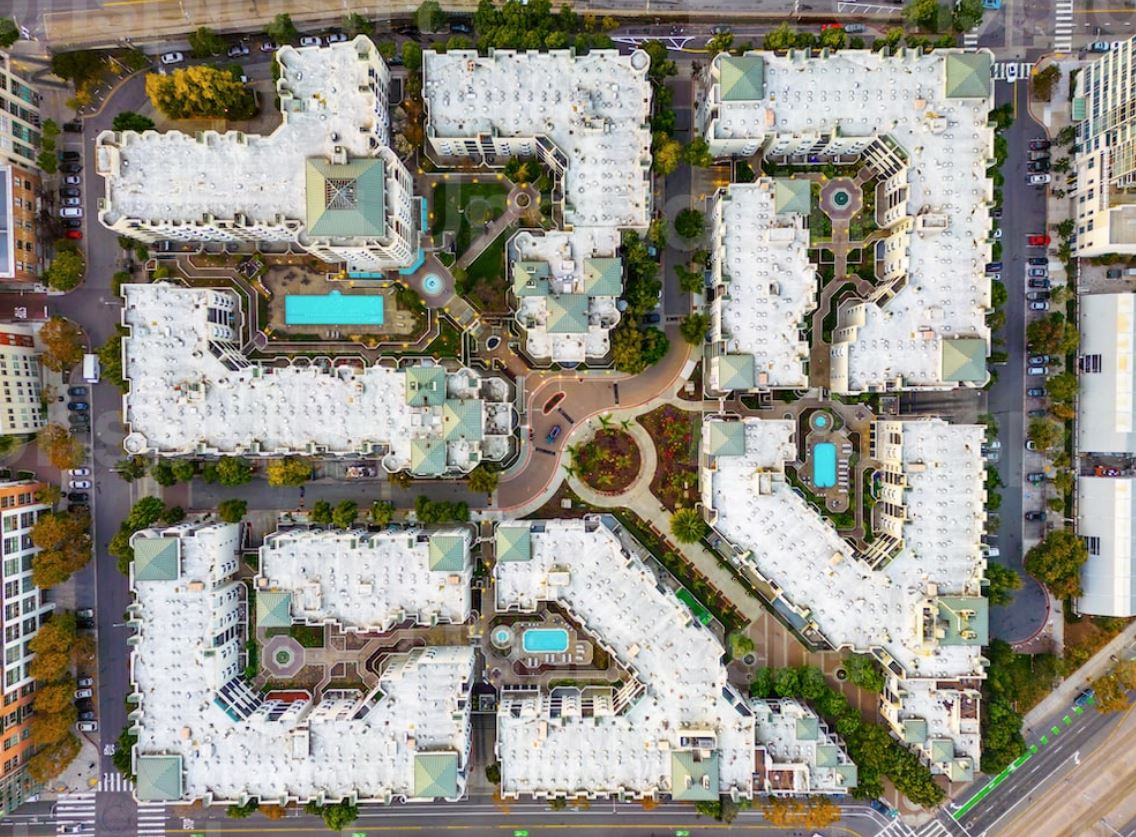
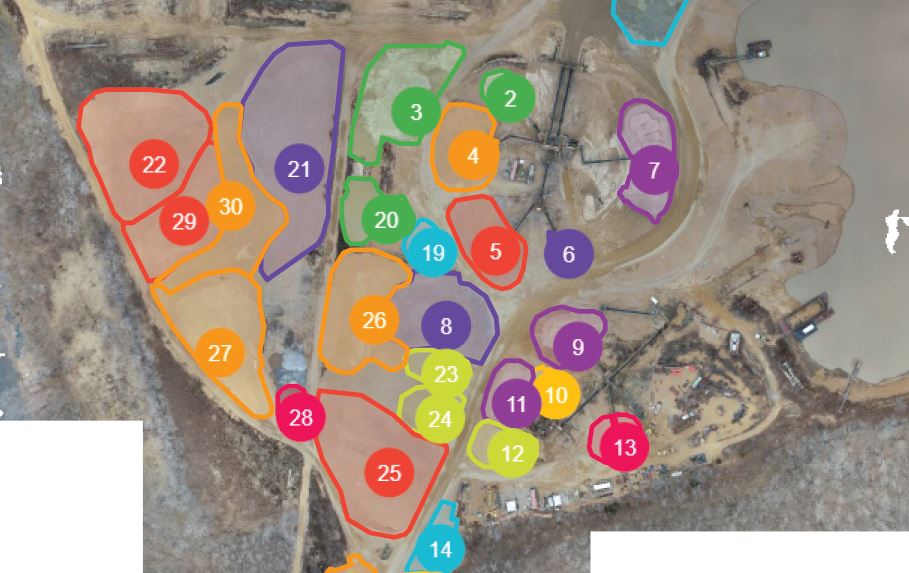
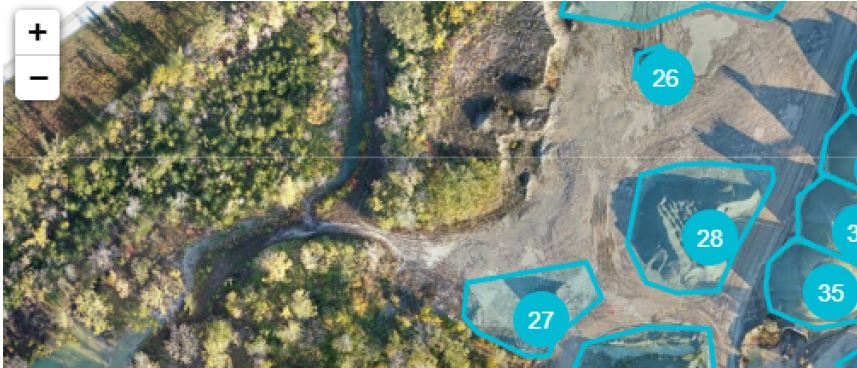
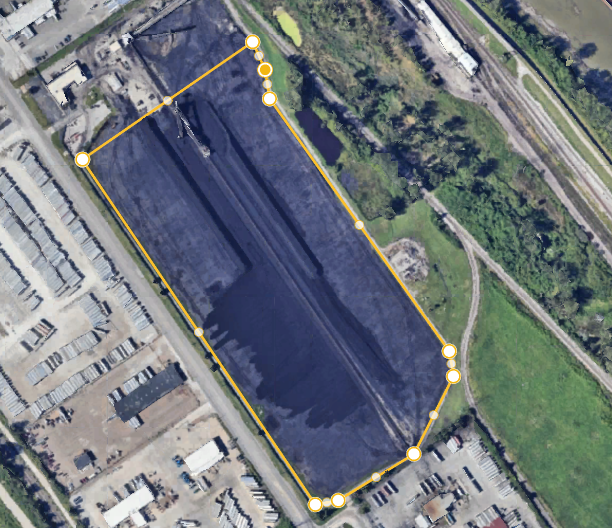
Orthomosaic imagery combines many aerial photographs into a highly detailed mapped image.
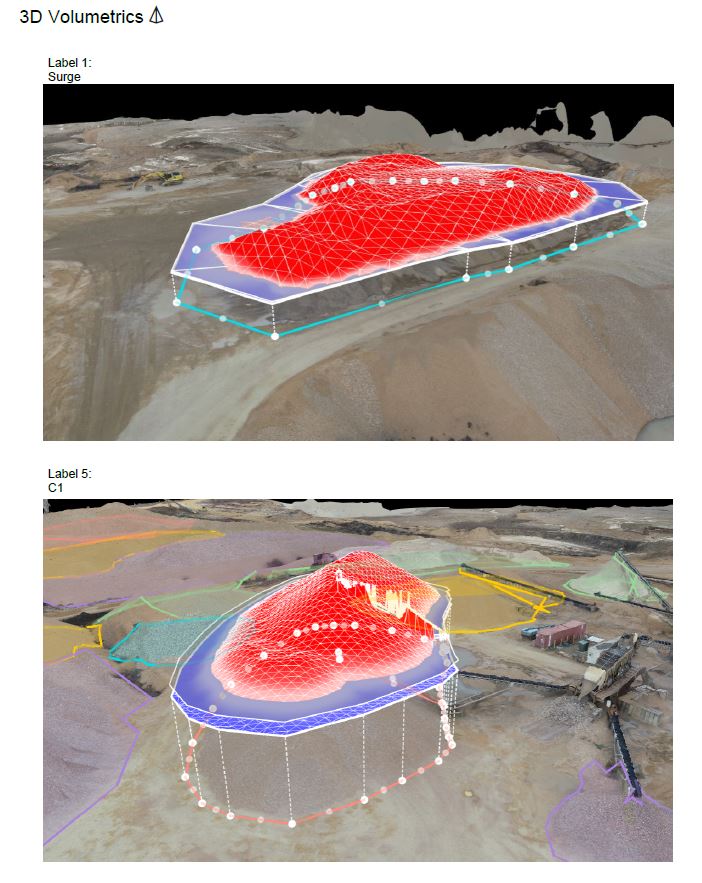
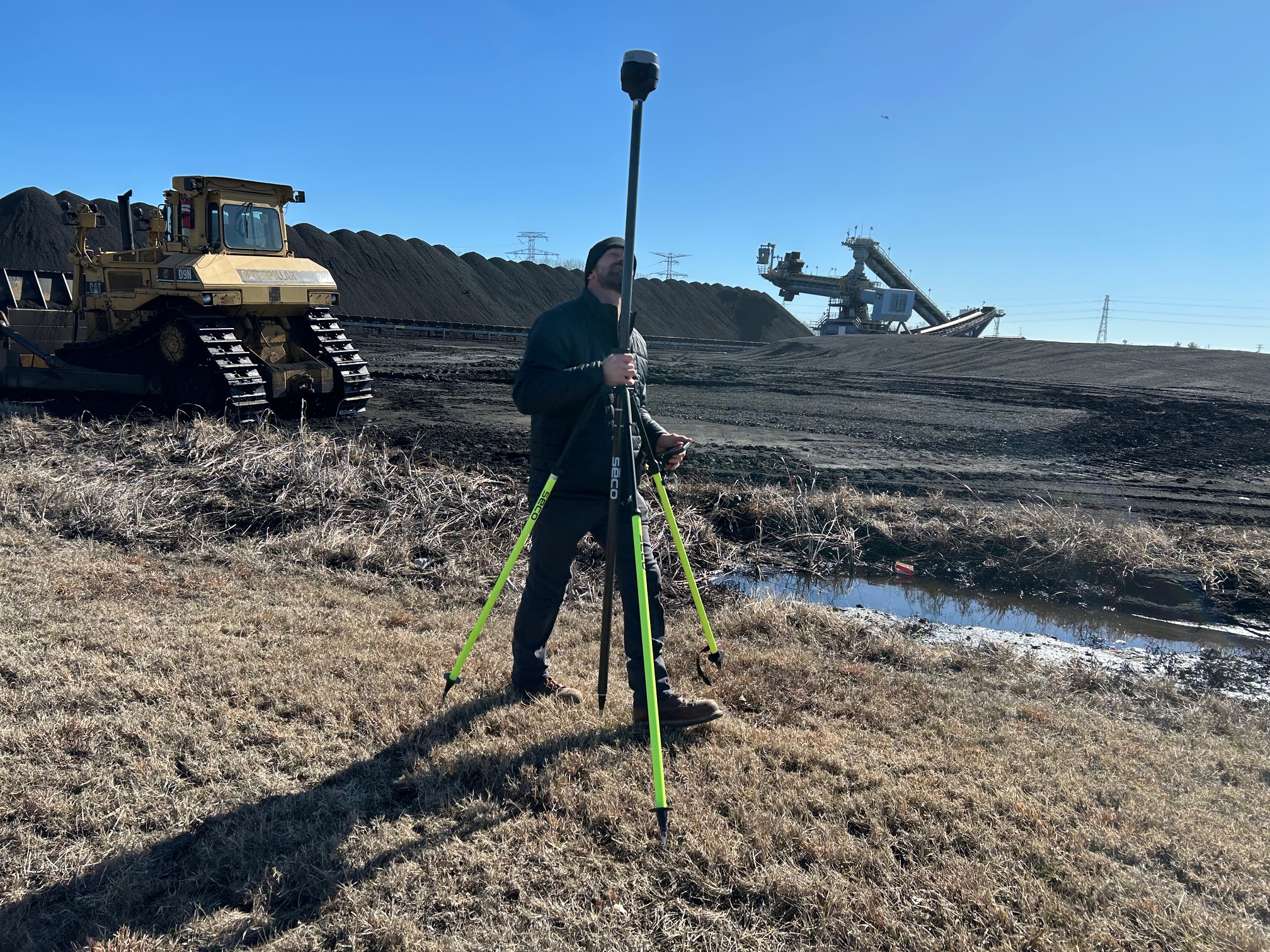
LiDAR can provide detailed spatial information for specialized documentation and mapping projects.
These capabilities expand the role of professional drone services beyond conventional aerial photography.
Editing and Post-Production Complete the Process
Capturing professional imagery is only the beginning.
Post-production transforms raw footage into an organized communication tool.
Editing determines the pacing, storytelling structure and emphasis of the finished presentation.
Professional post-production may include:
Video editing
Color correction
Audio enhancement
Graphics
Titles
Music
Photography
Drone footage
Animation
Captions
Multiple delivery versions
Because St Louis Video Services works with a wide range of media types, software and file formats, we can integrate content from multiple sources into cohesive finished presentations.
Artificial Intelligence in Modern Media Production
Artificial Intelligence has become an increasingly useful part of professional media workflows.
We use current AI tools where they can improve efficiency and organization while maintaining professional creative oversight.
AI-assisted workflows may help with transcription, captioning, media organization, search, editing preparation, image processing and the creation of multiple content versions.
The objective is not to replace experienced production professionals.
Instead, AI can help experienced professionals work more efficiently and extract greater value from the media that has already been created.
Repurpose Your Media Instead of Starting Over
One of the best ways to stretch a marketing budget is to think beyond the original deliverable.
A single long-form interview can become numerous pieces of content.
A three-minute corporate video might also provide:
Several short social media videos
Website clips
Employee recruiting material
Sales presentations
Training segments
Still frames
Promotional graphics
Internal communications
The same strategy applies to professional photography.
Images captured for one campaign can potentially be adapted for websites, presentations, social platforms and printed materials.
St Louis Video Services specializes in repurposing existing photography and video branding so clients can gain more traction from the media they already own.
Economical Production Is About Long-Term Value
There is an important distinction between inexpensive production and economical production.
The least expensive production option may not provide usable media.
Poor sound, inconsistent lighting, weak composition or inadequate planning can eventually force an organization to repeat the entire project.
That is not economical.
Professional production considers the lifespan and usefulness of the content.
When a project is properly planned, one production day may generate assets that continue supporting marketing, sales, training and communications for months or even years.
That is where experienced production can provide substantial value.
St Louis Video Services: Full-Service Production Since 1982
Since 1982, St Louis Video Services has provided professional commercial photography and video production services for businesses, marketing firms, creative agencies and organizations throughout the St. Louis area.
We understand that successful image acquisition requires more than simply owning professional cameras. It requires experienced crews who understand composition, lighting, sound, production logistics and how the finished media will ultimately be used.
St Louis Video Services is a full-service professional commercial photography and video production company offering studio and location photography, video production, editing, post-production and licensed drone services.
Our private studio lighting and visual setup is ideal for interviews and smaller productions, while our studio provides enough space to incorporate props, furniture and other elements needed to create custom environments.
We provide professional cameras, lighting, sound equipment, teleprompter services, camera operators, photographers and experienced production crews.
When production moves outside the studio, we provide location scouting, location photography, video acquisition and b-roll services designed to capture a complete visual story.
Our specialized aerial capabilities include traditional licensed drone production, indoor FPV drone flights, infrared thermal imaging, orthomosaics and LiDAR-related applications.
We are well-versed in professional media formats, production styles, editing software and delivery requirements, allowing us to customize productions for diverse media applications.
We also incorporate the latest Artificial Intelligence technologies where they can improve production, post-production and media-management workflows.
Perhaps most importantly, St Louis Video Services approaches every production with efficiency in mind.
We can scale the crew, equipment and production plan around the actual needs of the project rather than forcing clients into an oversized production model.
Photography, video, aerial imagery and post-production can all be coordinated through one experienced production resource.
We can also help clients repurpose completed photography and video into additional marketing assets so the original production continues generating value.
For businesses looking for an economical video and photography studio in St. Louis, professional experience and efficient production planning can make a substantial difference.
The goal is not simply to spend less.
The goal is to create more useful, professional content from every production dollar.
That is what St Louis Video Services has been helping St. Louis businesses and organizations accomplish since 1982.
Today’s audiences expect more than polished visuals—they expect authentic stories. Whether you’re communicating with customers, employees, investors, or stakeholders, professionally produced interview videos supported by purposeful b-roll have become one of the most effective ways to educate, inspire confidence, and strengthen your brand.
From executive communications and customer success stories to recruiting campaigns and corporate documentaries, the combination of well-crafted interviews and visually engaging supporting footage creates content that resonates long after it has been viewed.
For organizations investing in professional marketing and communications, understanding the role of interview production and b-roll can make the difference between a video that simply delivers information and one that drives meaningful engagement.
Authentic Communication Builds Trust
People naturally respond to real conversations and genuine experiences. A thoughtfully produced interview allows executives, employees, customers, physicians, engineers, educators, and industry experts to communicate directly with viewers in a way that feels credible and approachable.
Interview-based productions are widely used for:
Executive announcements
Customer testimonials
Company culture videos
Recruitment campaigns
Healthcare communications
Product introductions
Training and onboarding
Nonprofit fundraising
Educational programming
Investor and stakeholder updates
Rather than relying on scripted narration alone, interviews provide a human perspective that audiences remember.
Great Video Begins Before the Camera Rolls
Professional productions are built through careful planning. Pre-production helps define the project’s objectives while eliminating surprises on production day.
Preparation typically includes:
Defining communication goals
Identifying target audiences
Selecting filming locations
Developing interview questions
Creating production schedules
Coordinating talent
Planning lighting and audio
Building shot lists
Evaluating logistics
A well-organized production schedule allows businesses to minimize interruptions while maximizing the amount of useful content captured.
Creating Comfortable Interview Environments
Not everyone feels immediately comfortable on camera. Experienced producers understand how to coach interview participants without making performances appear rehearsed.
The objective is simple: encourage natural conversations that reflect confidence, professionalism, and authenticity.
Small adjustments to posture, pacing, eye line, and conversational flow often create significant improvements in the final presentation while allowing speakers to remain genuine.
Why Professional Audio Cannot Be Overlooked
The clearest images cannot compensate for poor sound quality. Viewers quickly disengage when dialogue is difficult to understand.
Professional interview productions prioritize:
Broadcast-quality microphones
Multiple audio recording systems
Continuous audio monitoring
Controlled recording environments
Echo reduction
Ambient noise management
Capturing exceptional audio during production provides a stronger foundation for editing while reducing time spent correcting avoidable issues.
Lighting That Reflects Your Brand
Lighting shapes both the appearance of the subject and the mood of the production.
Professional lighting techniques help:
Create visual depth
Produce flattering skin tones
Eliminate distracting shadows
Highlight products and environments
Establish consistency across multiple interview subjects
Reinforce a polished corporate image
Whether filming inside a conference room, manufacturing facility, healthcare office, or studio, lighting should support the story rather than distract from it.
B-Roll Gives Context to Every Story
Interviews explain ideas, while b-roll demonstrates them.
Supporting footage illustrates the people, environments, equipment, products, and activities discussed throughout the interview, keeping viewers engaged while strengthening the message.
Common b-roll includes:
Team collaboration
Customer interactions
Production processes
Product demonstrations
Office activity
Architectural imagery
Laboratory work
Equipment operation
Community outreach
Facility tours
Event coverage
Environmental details
Rather than collecting random visuals, experienced crews capture sequences that naturally support the narrative and create seamless editing opportunities.
Choosing the Right Production Environment
Every project benefits from selecting an environment that complements its purpose.
Studio Productions
Controlled studio environments provide consistency and flexibility.
Benefits include:
Professional lighting
Quiet recording conditions
Custom backgrounds
Flexible set design
Teleprompter support
Reliable scheduling
Controlled acoustics
Efficient production workflow
Studios are ideal for executive messaging, interviews, webinars, podcasts, educational content, and product presentations.
On-Location Productions
Filming at your facility provides authenticity and reinforces credibility.
Location filming works exceptionally well for:
Manufacturing operations
Healthcare facilities
Corporate headquarters
Construction projects
Educational campuses
Hospitality properties
Distribution centers
Commercial offices
Retail environments
Real-world settings help viewers better understand your organization while adding visual variety.
Location Scouting Is Part of the Creative Process
Selecting the right location involves much more than finding an attractive background.
Professional location scouting evaluates:
Available natural light
Noise levels
Camera positioning
Accessibility
Electrical requirements
Safety considerations
Visual distractions
Drone opportunities
Parking and equipment logistics
Proper planning creates a smoother production day while improving the final visual quality.
Multiple Cameras Enhance Storytelling
Professional interview productions frequently incorporate multiple cameras to improve pacing and visual interest.
Advantages include:
Dynamic editing
Natural transitions
Greater visual variety
Fewer visible edits
Improved continuity
More engaging viewer experience
This production style creates polished presentations that hold audience attention throughout longer interviews.
Expanding the Story with Drone Technology
Aerial imagery adds scale, context, and production value that traditional cameras cannot provide.
Drone services can capture:
Corporate campuses
Industrial facilities
Commercial developments
Construction progress
Real estate
Infrastructure
Community surroundings
Architectural highlights
Specialized indoor FPV drone systems can safely navigate warehouses, offices, manufacturing environments, athletic facilities, museums, and commercial interiors, delivering immersive perspectives that elevate corporate storytelling.
Modern Production Powered by Artificial Intelligence
Artificial Intelligence has become an important production resource that improves efficiency without replacing creative decision-making.
Today’s production workflows may incorporate AI for:
Automated transcription
Caption generation
Audio cleanup
Interview organization
Content indexing
Editing assistance
Color workflow optimization
Content repurposing
Social media formatting
Combined with experienced editors and producers, AI accelerates delivery while maintaining professional standards.
Extending the Value of Every Production
A single interview session can support an entire marketing strategy.
Professional productions can be transformed into:
Website content
Social media campaigns
Recruiting videos
Sales presentations
Conference displays
Educational modules
Internal communications
Email campaigns
Digital advertising
Podcast content
Vertical mobile videos
Creating multiple deliverables from one production day maximizes both efficiency and marketing return.
Professional Experience Produces Better Results
Successful interview productions depend on much more than cameras and software. They require experienced producers who understand visual storytelling, scheduling, communication, lighting, audio, editing, and production logistics.
Every decision—from selecting a location to capturing the final b-roll sequence—contributes to the effectiveness of the finished video and the way audiences perceive your organization.
Why Businesses Choose St Louis Video Services
For more than four decades, St Louis Video Services has partnered with businesses, corporations, healthcare organizations, manufacturers, educational institutions, nonprofit organizations, marketing agencies, and creative firms throughout the St. Louis region to produce high-quality commercial photography and video content that supports strategic business objectives.
As a full-service commercial production company, St Louis Video Services provides experienced producers, directors, videographers, photographers, editors, audio technicians, lighting professionals, and FAA-certified drone pilots who understand every stage of professional media production.
Our services include commercial photography, studio and location video production, editing, post-production, color grading, motion graphics, licensed drone operations, and complete project management from concept through final delivery.
We help organizations maximize the value of every production by repurposing photography and video into multiple formats for websites, broadcast, streaming platforms, social media, digital advertising, presentations, trade shows, employee communications, and training programs.
Our professional production studio is designed for interviews, executive messaging, podcasts, educational programming, product demonstrations, and commercial productions. Equipped with professional lighting, flexible set configurations, custom backgrounds, and room for props and branding elements, it offers a controlled environment that consistently delivers exceptional results.
Beyond traditional production services, our experienced crews provide comprehensive location scouting, cinematic b-roll acquisition, and advanced aerial solutions. Our drone capabilities include cinematic aerial video, indoor FPV drone flights, infrared thermal inspections, orthomosaic mapping, and LiDAR data collection for commercial, industrial, engineering, and infrastructure applications.
Since 1982, St Louis Video Services has earned the confidence of organizations seeking experienced production professionals who combine creative storytelling, technical expertise, dependable service, and the latest production technologies—including Artificial Intelligence—to create compelling visual content that informs, engages, and delivers measurable results.
Residency recruitment has become increasingly dependent on digital communication. Prospective residents frequently evaluate programs through hospital websites, physician profiles, social media, recruitment videos, virtual open houses, and online interview materials before they ever visit a facility.
Professional headshots and short video clips help residency programs introduce their faculty, residents, facilities, educational opportunities, and organizational culture in a direct and personal way. These visual assets can improve the applicant experience while helping a program present a consistent, polished, and credible identity.
For Graduate Medical Education departments, residency program directors, hospital marketing teams, and healthcare administrators, the challenge is creating enough high-quality content without exceeding the budget or disrupting clinical schedules.
A coordinated, full-service production strategy can make ERAS residency headshots and recruitment videos considerably more cost-efficient. By combining photography, interviews, b-roll, facility footage, and post-production planning into a single organized project, healthcare organizations can create a substantial media library from one production investment.
Professional Media Shapes an Applicant’s First Impression
Residency candidates are not only comparing curricula, rotations, and board pass rates. They are also evaluating the people, environment, support systems, and professional culture associated with each program.
Before applicants speak with faculty or attend an interview, they may already have formed an impression based on the quality of the program’s visual communication.
Professional photography and video can communicate:
Faculty accessibility
Resident collaboration
Program leadership
Educational culture
Clinical training opportunities
Research capabilities
Simulation resources
Hospital facilities
Mentorship
Community and lifestyle advantages
Strong visual content helps potential residents understand what distinguishes a program from other opportunities.
Why Short Residency Videos Are Effective
Long-form recruitment videos can be useful, but shorter video clips often provide more flexibility and greater long-term value.
Short videos allow viewers to select the subjects that interest them most. They also give hospital marketing teams more content to distribute across different platforms.
Useful video topics include:
A welcome from the Program Director
Why current residents selected the program
Faculty teaching philosophy
Mentorship opportunities
Research and publication resources
Simulation training
Resident wellness
Specialty rotations
Community service
Living and working in St. Louis
Career preparation
Fellowship opportunities
Individual clips may be published independently, combined into a longer recruitment presentation, or incorporated into virtual interview events.
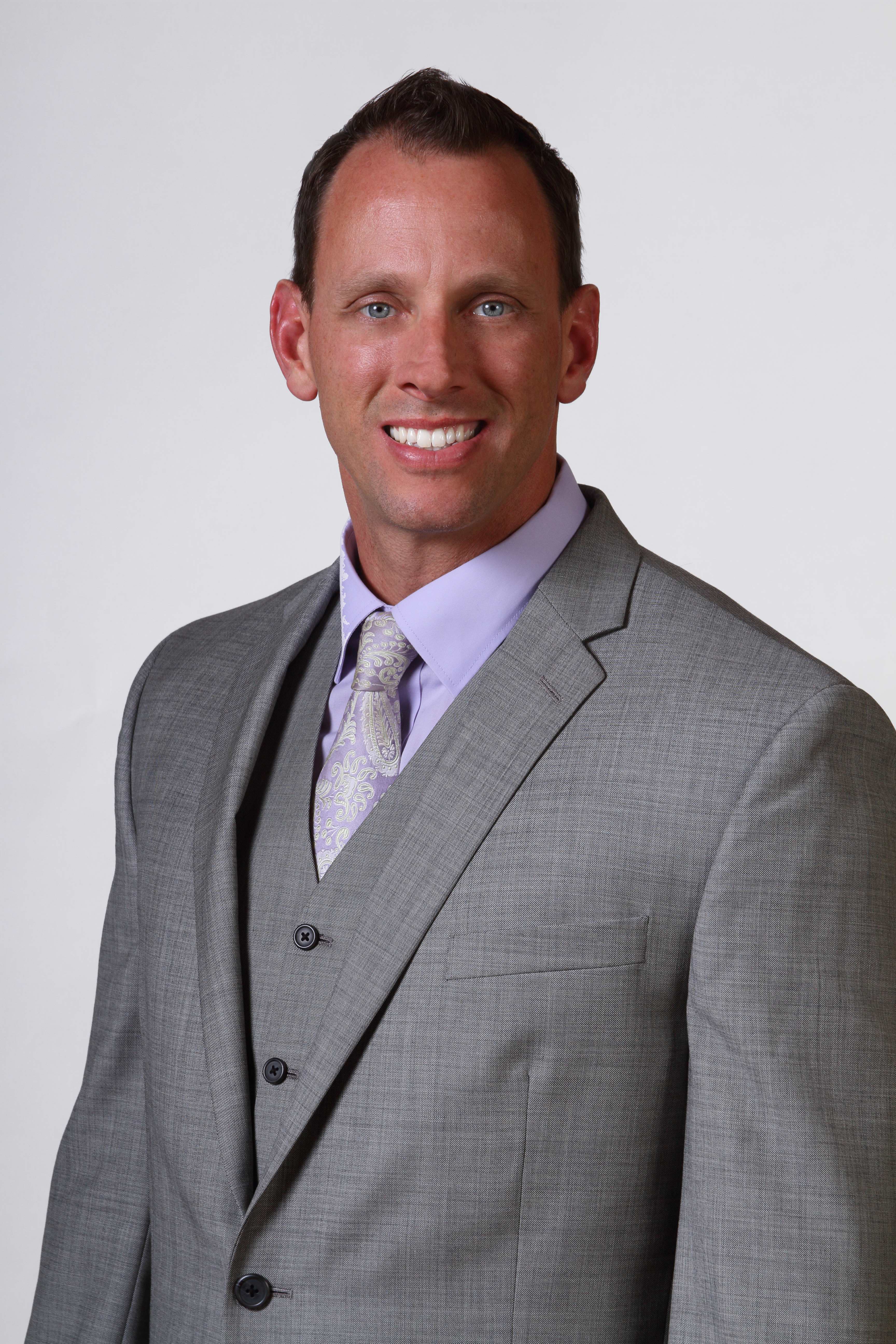
Professional headshots are among the most frequently used assets produced during a residency marketing project.
Faculty and resident portraits may appear on:
Residency program websites
ERAS-related recruitment materials
Physician directories
Department pages
Social media profiles
Conference programs
Internal communications
Press releases
Hospital marketing materials
Professional biographies
When portraits have inconsistent backgrounds, lighting, cropping, or color, the program’s visual identity can appear fragmented.
A standardized headshot program creates a cohesive appearance through:
Consistent lighting
Matching backgrounds
Uniform image dimensions
Coordinated posing
Accurate skin tones
Professional retouching
Standardized file naming and delivery
This consistency makes the entire residency program appear more organized and professional.
Batch Production Reduces the Cost Per Participant
One of the best ways to control production costs is to schedule multiple physicians, residents, and faculty members during the same production day.
A coordinated session can be planned around:
New resident orientation
Faculty meetings
Department conferences
Annual retreats
Interview season preparation
Graduate Medical Education events
Hospital marketing initiatives
Once the photography, video, lighting, sound, and background equipment is established, participants can move efficiently through a repeatable process.
This reduces duplicated costs associated with:
Crew travel
Equipment transportation
Lighting setup
Audio preparation
Background installation
Camera configuration
Location preparation
Production management
Batch production also ensures that every participant is photographed and recorded under the same technical conditions.
Combine Photography and Video During One Production
Photography and video do not need to be scheduled as separate projects.
With advance planning, a resident or faculty member can complete a headshot session and then move directly to a nearby interview setup. The production crew can capture several assets during one scheduled appearance.
A combined production may create:
Formal physician headshots
Casual professional portraits
Environmental portraits
Program Director interviews
Faculty introductions
Resident testimonials
Group photographs
Team interaction footage
Website banner images
Social media clips
Hospital and campus b-roll
Recruitment advertising content
Capturing multiple assets during the same session improves the return on every production dollar.
Plan Interviews Around Short, Focused Questions
Physicians and residents are usually more comfortable when interviews are concise and conversational.
Rather than asking each participant to memorize a lengthy script, the production team can use a few focused prompts.
Examples include:
Why did you choose this residency?
What makes the program distinctive?
How would you describe the faculty?
What surprised you most after joining?
What should applicants know about the culture?
Which educational opportunity has been most valuable?
What is it like to live in St. Louis?
Short answers are easier to record, edit, caption, and repurpose. They also tend to sound more authentic than heavily scripted responses.
Experienced Interview Direction Produces Better Content
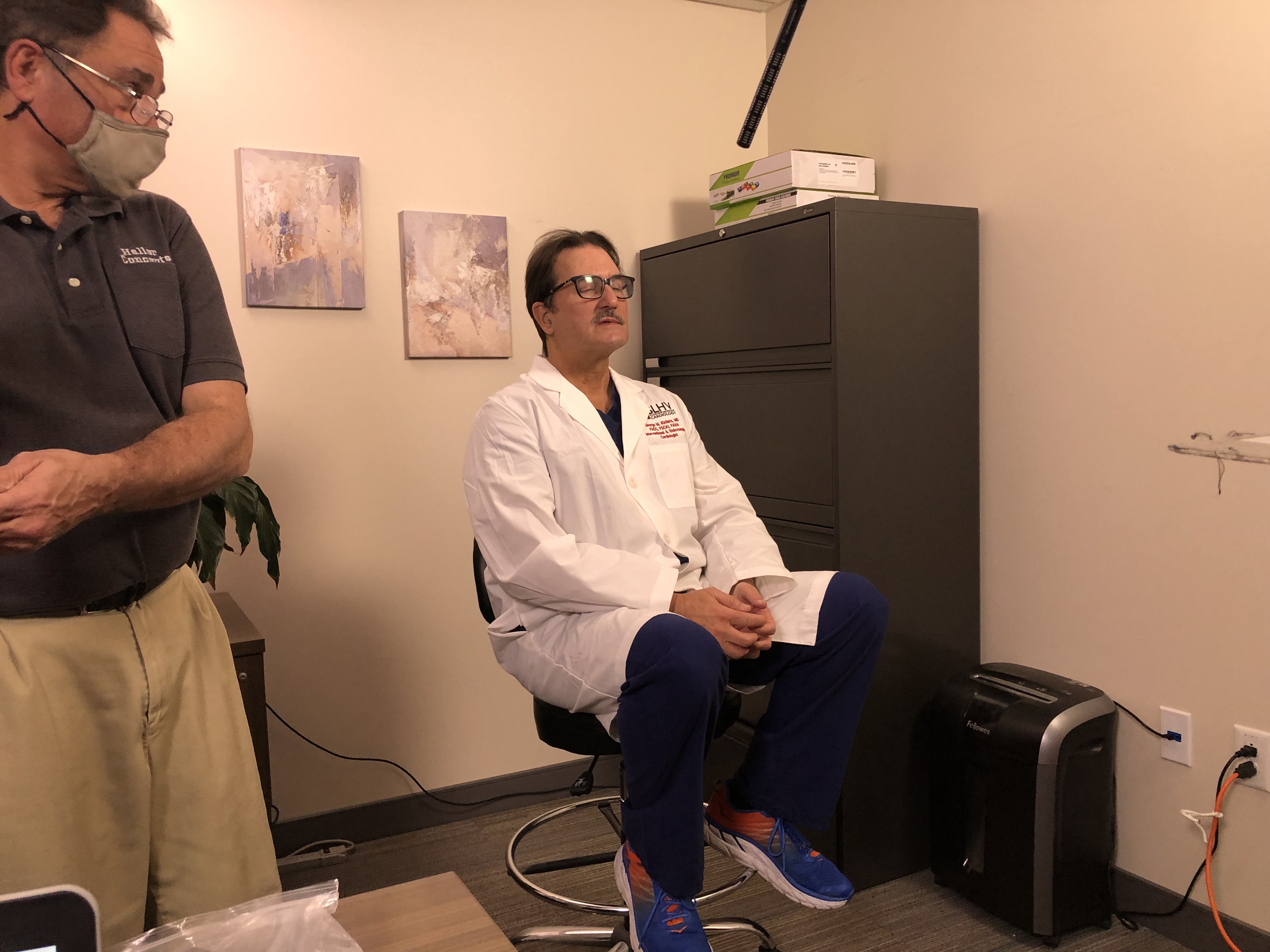
Medical professionals may be comfortable presenting clinical information but still feel uneasy in front of a camera.
An experienced producer helps participants communicate naturally while keeping the session efficient.
Professional direction may include:
Simplifying the interview question
Coaching posture and eye contact
Encouraging complete-sentence answers
Reducing overly technical language
Identifying concise sound bites
Managing multiple takes
Maintaining a comfortable pace
Helping participants sound conversational
The goal is not to manufacture a performance. It is to help each participant present their expertise, enthusiasm, and personality clearly.
Teleprompter Support for Formal Messages
Some residency videos require precise wording, particularly when recording:
Program Director introductions
Executive messages
Institutional statements
Accreditation-related information
Formal program overviews
Approved marketing scripts
Teleprompter support allows the speaker to deliver prepared content while maintaining direct eye contact with the camera.
An experienced production team can adjust the font size, scrolling speed, eye line, pacing, and script structure to help the speaker appear natural.
For resident testimonials and informal faculty interviews, conversational questioning is generally more effective. For formal communications, a teleprompter can save time and improve accuracy.
Professional Sound Is Critical
Clear audio is one of the most important elements of any recruitment video.
Hospitals present several sound challenges, including:
Ventilation systems
Hallway conversations
Medical equipment
Elevators
Paging systems
Reflective walls
Nearby clinical activity
Professional audio services may include:
Wireless lavalier microphones
Directional boom microphones
Backup audio recording
Headphone monitoring
Room-noise evaluation
Audio synchronization
Dialogue enhancement
Noise reduction during post-production
Good audio helps viewers remain focused on the message rather than the production environment.
Controlled Lighting Produces a Professional Appearance
Healthcare facilities are not usually designed with video production or portrait photography in mind.
Overhead fixtures, windows, mixed color temperatures, and reflective surfaces can create unflattering shadows or inconsistent skin tones.
Professional lighting provides:
Natural facial illumination
Accurate color
Consistent exposure
Separation from the background
Attractive eye highlights
Visual continuity
A more polished institutional appearance
Once the lighting is established, participants can move through the setup efficiently while maintaining consistent results.
In the modern marketing landscape, visual content isn’t just a luxury—it’s the infrastructure of your brand’s credibility. Decision-makers are constantly balancing a difficult equation: how do you produce high-impact commercial photography and video production that commands attention without draining your annual marketing budget?
The secret isn’t spending less; it’s spending smart. True cost-efficiency in production isn’t about cutting corners; it’s about maximizing asset yield, leveraging advanced technology, and eliminating logistical friction.
Here is an educational breakdown of how small businesses and organizations can achieve premium visual assets efficiently.
1. Shift from “One-Off” Shoots to Campaign Thinking
The most expensive way to buy media is one piece at a time. When you hire a crew to capture a single 30-second spot or a handful of headshots, your cost-per-asset skyrockets due to fixed setup costs, travel, and pre-production time.
The Strategy of Asset Repurposing
To achieve true cost-efficiency, plan your production with a multi-platform mindset. A single well-planned production day can yield:
Primary Content: A core brand video or a library of main website hero images.
Micro-Content: Short-form vertical videos optimized for social media reels.
Static Assets: High-resolution commercial photography extracted from the same scenes or captured concurrently.
Graphic Elements: Behind-the-scenes B-roll to populate future email campaigns or blog posts.
Pro-Tip for Decision Makers: Before the cameras roll, outline every digital touchpoint you need to feed for the next two quarters. A robust pre-production brief ensures the crew captures diverse framing (both horizontal and vertical) to satisfy all media requirements in a single session.
2. Eliminate the Logistics Bottleneck
Location logistics can quickly inflate a budget. Permits, weather delays, and travel time add hours to a timeline. To keep costs optimized, smart organizations utilize a hybrid approach: Studio Efficiency paired with Targeted Location Captures.
The Studio Advantage: Controlled environments eliminate variables. Controlled lighting, perfect audio setups, and immediate access to props mean you can shoot multiple interviews or product setups back-to-back without losing daylight or fighting ambient noise.
The Location Advantage: When you do go on-location, rely on specialists who understand location scouting and B-roll acquisition. Knowing exactly how to capture authentic environment footage quickly keeps field hours low and production value high.
3. Embrace the Modern Production Tech Stack
The production world has evolved. The tools available today allow agile crews to do what used to require an entire Hollywood backlot.
Next-Gen Efficiency Tools
Artificial Intelligence (AI Integration): AI is no longer a gimmick; it is an efficiency engine. From automated color-matching and smart audio cleanup to AI-assisted editing workflows, leveraging the latest AI software dramatically compresses post-production timelines, passing the cost savings directly to the client.
Advanced Drone Capabilities: Aerial data and visuals used to require a helicopter budget. Today, specialized drones provide everything from sweeping cinematic overviews to highly technical industrial data points, completely changing the economics of scale for commercial media.
Partnering for Success: St Louis Video Services
Navigating the balance between budget and premium quality requires more than just good equipment—it requires an experienced partner.
At St Louis Video Services, we have spent over four decades perfecting the art of successful image acquisition. Since 1982, we have collaborated with local businesses, marketing firms, and creative agencies throughout the St. Louis area, delivering tailored marketing photography and video solutions that drive measurable results.
As a full-service professional commercial photography and video production corporation, we provide the precise blend of cutting-edge equipment and creative crew service experience required to execute seamless productions. We support every single aspect of your project—from initial location scouting to final post-production.
Our Specialized Production Capabilities Include:
Comprehensive Media Services: Full-service studio and location video and photography, expert editing, advanced post-production, and full mastery of all file types, media styles, and industry-leading software.
AI-Powered Workflows: We utilize the latest in Artificial Intelligence across our media services to optimize turnaround times, enhance quality, and maximize your budget.
Our Private, Fully-Equipped Studio: Featuring a dedicated lighting and visual setup perfect for small productions and custom interview scenes. Our studio footprint is large enough to incorporate custom props to fully round out your brand’s set design.
Comprehensive Crew Support: We supply professional sound engineers, expert camera operators, and top-tier equipment to ensure your next video production is completely seamless.
Advanced & Specialized Drone Services: Beyond standard aerial footage, our licensed drone services include specialized indoor FPV drone flight, as well as technical applications like infrared thermal imaging, orthomosaics, and LiDAR.
Your brand’s visual identity is too important to compromise, and your budget is too important to waste. St Louis Video Services specializes in customizing your productions for diverse media requirements and repurposing your photography and video branding to ensure you gain maximum traction across every platform.
Ready to plan a cost-efficient, high-impact visual strategy for your organization? Let’s build something together.
Why Smart Organizations Are Rethinking How They Train and Keep Their Best People
In today’s competitive talent landscape, organizations face a dual pressure that strikes directly at the bottom line: the rising cost of onboarding new associates and the even steeper cost of losing experienced ones. What many business leaders are beginning to recognize is that video production — when executed strategically — is one of the most economical, scalable, and high-impact tools available for both training and retention.
This is not a conversation about producing elaborate corporate films with Hollywood budgets. This is a conversation about smart, purposeful video strategy that delivers measurable returns on investment for organizations of every size.
The True Cost of Inadequate Training
Before examining video solutions, decision makers need to understand what inadequate training actually costs. Studies consistently place the cost of replacing a single employee at anywhere from 50% to 200% of that employee’s annual salary, depending on their role and seniority. When you factor in recruitment fees, productivity loss during the vacancy period, onboarding time, and the institutional knowledge that walks out the door, the numbers become difficult to ignore.
Poorly trained associates are also more likely to make costly errors, deliver inconsistent customer experiences, and disengage from their roles prematurely. Disengagement is particularly expensive — not because it results in an immediate departure, but because it often produces a prolonged period of reduced productivity before that departure ever occurs.
Training quality is directly tied to retention. Associates who feel equipped, confident, and supported in their roles stay longer. The investment in quality training content is, in reality, a retention investment.
Why Video Outperforms Traditional Training Formats
Organizations have historically relied on printed manuals, live instructor-led sessions, and static slideshows to deliver training content. Each of these formats carries inherent limitations that video addresses directly.
Consistency of delivery is perhaps the most compelling advantage. A live trainer varies — in energy, in emphasis, in completeness — from session to session and location to location. A well-produced training video delivers the identical experience to every associate, every time. This is particularly critical for compliance training, safety protocols, and brand standards, where inconsistency carries real legal and reputational risk.
Scalability without proportional cost is equally significant. Once a training video is produced, the marginal cost of delivering it to an additional 10, 100, or 10,000 associates approaches zero. Compare this to the ongoing cost of scheduling trainers, booking facilities, and pulling supervisors away from their primary responsibilities to conduct repeated in-person sessions.
On-demand accessibility aligns with how today’s workforce actually learns. Associates can review content at their own pace, revisit sections they find challenging, and access training material in the field, on a mobile device, or outside of standard business hours. This flexibility accelerates competency development and reduces the need for follow-up remedial sessions.
Retention of information is also meaningfully improved with video. Research in learning science suggests that people retain significantly more information from video content that combines visual demonstration with narration than from reading alone. For procedural or technical training — anything that benefits from seeing a process executed in real time — video is simply the superior medium.
Economical Production Strategies That Do Not Compromise Quality
The word “economical” is critical here, and it is worth distinguishing between economical and cheap. Cheap video production undermines the very goals it is meant to serve. Poor audio, inconsistent lighting, unsteady camera work, and amateurish editing signal to your associates that the organization did not consider this content important enough to invest in properly. That signal is absorbed. It shapes perception of company culture and leadership commitment.
Economical, by contrast, means deliberate. It means extracting maximum value from every dollar allocated to production. There are several highly effective strategies for achieving this.
1. Modular Content Architecture
Rather than producing a single, lengthy training program, forward-thinking organizations build modular content libraries. Each module addresses a discrete topic — a specific process, policy, compliance requirement, or skill set — and runs between two and eight minutes in length.
This architecture is economical for several reasons. Modules can be produced in batches during a single production day, reducing per-unit setup and crew costs significantly. Individual modules can be updated when a policy changes without requiring the entire training library to be re-shot. Modules can be recombined and sequenced differently for different roles, departments, or training milestones, making the content library more versatile.
A well-constructed modular library may require a meaningful upfront investment, but its per-use cost decreases with every associate it trains over its useful life.
2. Interview-Style Format for Leadership and Culture Content
For content focused on organizational culture, leadership messaging, values reinforcement, and associate development — the kind of content that directly influences retention — an interview-style or direct-address format is both highly effective and production-efficient.
This format requires a well-appointed interview studio setup, professional sound, controlled lighting, and an experienced camera operator. Executed correctly, it produces polished, authentic content that associates respond to. Executed in a professional production studio environment, it can be accomplished efficiently without sacrificing the production quality that gives the content its credibility.
Leadership visibility in training and culture video content is a retention driver. Associates who see and hear from organizational leadership — who feel connected to a larger mission — demonstrate higher engagement. Interview-format video is one of the most cost-efficient ways to produce that content at scale.
3. Strategic B-Roll and Location Footage
Supporting footage — what production professionals refer to as b-roll — dramatically increases the production value and engagement level of any training video at a relatively modest incremental cost. Footage of your actual facilities, your team at work, your products being manufactured, your service being delivered, grounds your training content in the real operational context associates will inhabit.
Location-based b-roll footage, planned and captured strategically during a dedicated production day, can yield an enormous volume of usable material that populates an entire content library. A single well-planned location shoot can generate visual assets repurposed across training videos, internal communications, recruitment content, and external marketing — extending the return on that single production investment considerably.
4. Repurposing Existing Video Assets
Organizations that have invested in video production for external marketing purposes often underutilize those assets internally. Corporate brand films, product demonstration videos, facility tours, and executive interview content produced for marketing purposes can frequently be repurposed — with appropriate editing and contextualization — for onboarding and training applications.
This repurposing strategy reduces the volume of net-new production required and ensures tonal and visual consistency across the brand’s internal and external communications.
Conversely, training video footage shot in your actual work environment — featuring real associates doing real work — is often highly compelling recruitment and employer branding content. The crossover value between training video production and recruitment marketing video production is significant and frequently overlooked in production planning conversations.
5. Drone and Aerial Perspectives for Facility and Operations Orientation
For organizations with large physical campuses, multiple facilities, warehouses, manufacturing operations, or outdoor environments, aerial footage provides an orientation context that ground-level videography simply cannot replicate. New associates benefit enormously from understanding the physical scope and layout of the operation they are joining.
Licensed drone services integrated into your training content production are more accessible and more economical than many organizations assume, and the visual impact they deliver to facility orientation, safety training, and operational overview content is substantial.
For interior spaces and complex facility environments where traditional drones are impractical, FPV drone footage — captured by a specialized indoor-capable drone — provides dynamic, immersive perspectives that elevate the production quality of facility orientation and process training content significantly.
For organizations in specialized industries including construction, engineering, agriculture, utilities, and real estate, additional drone capabilities including infrared thermal imaging, orthomosaic mapping, and LiDAR scanning can support highly specialized training and documentation applications that serve both associate development and regulatory compliance requirements.
6. AI-Enhanced Post-Production Efficiency
The integration of artificial intelligence into professional video post-production has materially changed the economics of content development. AI-assisted editing tools accelerate the assembly cut process, automate transcription and closed captioning, enable rapid generation of language variations for multilingual organizations, and streamline color grading and audio correction workflows.
For organizations producing significant volumes of training content, these efficiency gains at the post-production stage translate directly into reduced production timelines and lower per-unit costs — without any compromise in the quality of the finished product.
File Format, Platform Compatibility, and Delivery Strategy
An often-overlooked dimension of training video economics is the relationship between production deliverables and distribution platform requirements. Training content delivered through a Learning Management System has different technical specifications than content delivered via a company intranet, a mobile application, or a digital signage network in a physical facility.
Production planning that accounts for multi-platform delivery requirements from the outset — rather than treating platform adaptation as an afterthought — avoids the costly and time-consuming process of reformatting and re-exporting content after the fact. A production partner that is fluent across all current file types, codecs, aspect ratios, and platform specifications is a meaningful operational advantage.
The Retention Dimension: Video as a Culture Investment
It bears emphasizing that the retention value of strategic video production extends well beyond the training content itself. Organizations that invest visibly and consistently in high-quality internal communications, leadership messaging, recognition programs, and professional development content signal something important to their associates: that people matter here.
This signal is a retention driver. In an era where associates — particularly younger professionals — are attentive to how organizations communicate and invest in their people, the quality of your internal video content is itself a statement about company culture.
The organizations most effective at associate retention are increasingly the ones treating internal video communications as a strategic priority, not an afterthought.
Building a Sustainable Video Content Strategy
The most economical approach to training and retention video production is not a one-time project. It is a sustainable content strategy developed in partnership with a production team that understands your organizational objectives, your operational environment, and your audience.
A sustainable strategy begins with a content audit — identifying what training and culture content currently exists, what is missing, what is outdated, and what could be repurposed. It continues with a production roadmap that sequences content development efficiently, batches production days intelligently, and builds a library that grows in value over time.
Organizations that approach video production this way — strategically, with a long-horizon view — consistently report better training outcomes, stronger associate engagement, and measurably improved retention metrics. The economics become increasingly favorable with each passing year as the content library compounds in value.
St. Louis Video Services: Your Full-Service Production Partner Since 1982
For organizations in the St. Louis region ready to build or expand a strategic training and retention video program, experience and full-service capability matter enormously in a production partner.
St. Louis Video Services has served businesses, marketing firms, and creative agencies throughout the St. Louis area since 1982 — bringing decades of professional commercial photography and video production experience to every engagement. Our creative crew brings the right equipment, the right expertise, and a track record of successful image acquisition across a wide range of industries and production environments.
We are a true full-service production company. Our capabilities span studio and location video and photography, professional editing and post-production, and FAA-licensed drone services — including specialized FPV indoor drone footage, infrared thermal imaging, orthomosaic mapping, and LiDAR scanning for organizations with advanced aerial documentation requirements.
Our private production studio is designed for exactly the kind of interview-style and leadership messaging content that drives associate engagement and retention. The studio features professional lighting, controlled acoustics, and a visual setup purpose-built for polished small-production and interview scenes. Our studio space is large enough to incorporate props and set elements that bring context and character to your productions — without requiring the expense of an external location.
From setting up a custom interview studio environment to supplying professional sound operators and camera crews, we support every dimension of your production from concept through delivery. Our location scouting and b-roll production specialists ensure your facility and operational footage is captured efficiently and effectively.
We are fluent across all current file types, media formats, and distribution platforms — ensuring your finished content is ready for every channel where your associates will encounter it. And we integrate the latest in artificial intelligence tools across our editing and post-production workflows, bringing both quality and efficiency to every project we handle.
Content repurposing is a core specialty. We help organizations extract maximum value from their existing visual assets — adapting marketing content for internal training applications, and transforming training footage into compelling recruitment and employer branding material.
St. Louis Video Services is ready to help your organization build the economical, high-impact training and retention video strategy your associates deserve — and your business requires.
Contact us to discuss how we can customize a production program for your organization’s specific objectives, budget, and timeline.
When organizations need polished video content that feels credible, useful, and aligned with their brand, the difference is rarely just the camera. The difference is the crew, the planning, the environment, and the ability to capture both the primary message and the supporting visuals that make that message believable. For businesses and organizations in St. Louis, that often comes down to one essential production need: a professional studio and location crew for interviews and b-roll.
Interviews and b-roll are the backbone of a wide range of effective business video content. They shape executive messages, customer stories, recruiting videos, internal communications, company overviews, training content, case studies, brand films, website videos, and social media assets. When done well, they create clarity, trust, and momentum. When done poorly, they make even strong messaging feel flat, disorganized, or forgettable.
At St Louis Video Services, we understand that decision makers are not simply buying footage. They are investing in communication tools that need to work across platforms, teams, campaigns, and audiences. That is why a professional approach to both studio and on-location production matters so much.
Why Interviews Still Matter in Modern Marketing and Corporate Communications
In an era of fast-moving content, interviews remain one of the most efficient and authentic ways to communicate expertise, leadership, and trust. A well-produced interview gives a company a human voice. It allows executives, staff members, clients, stakeholders, or subject matter experts to explain ideas with authority and personality. It creates a natural foundation for storytelling and helps audiences connect with the people behind the brand.
For organizations, interview-driven content is practical because it is highly adaptable. A single interview shoot can provide material for a long-form brand video, a series of short clips for social platforms, website content, paid campaign assets, recruiting messages, training modules, and internal communications. The more strategic the interview production, the more value the content delivers over time.
But strong interviews do not happen by accident. They require the right setting, the right crew, the right technical execution, and the right direction. Even highly capable executives and team members often need support in order to appear relaxed, focused, and credible on camera. A professional production crew helps guide performance, shape the environment, manage lighting and audio, and ensure the final footage reflects the quality of the organization being represented.
The Role of B-Roll in Making Business Video More Effective
B-roll is often underestimated by clients who are focused primarily on the interview itself. In reality, b-roll is what gives interview content texture, pace, context, and visual authority. It is the supporting footage that shows the business in action. It may include office environments, manufacturing processes, collaboration scenes, customer interactions, product use, drone footage, exterior establishing shots, equipment, staff at work, or details that reinforce the subject being discussed.
Without strong b-roll, interview-based content can feel repetitive and visually thin. With it, the story becomes more dynamic and persuasive. B-roll helps cover edits, improve pacing, and turn talking points into a visual narrative. It gives editors flexibility and provides marketers with additional assets that can be repurposed long after the initial production.
For decision makers, this means that the scope of production should never be limited to just capturing someone speaking on camera. The smarter investment is to capture the full ecosystem around the message.
Choosing Between Studio and Location for Interviews
One of the first production decisions is whether to conduct interviews in a studio, on location, or through a hybrid approach. The answer depends on the goals of the project, the desired visual style, scheduling logistics, and the brand message being communicated.
Studio Interviews
A studio environment offers control. Lighting, sound, backgrounds, acoustics, and visual consistency can all be carefully managed. This is often the best option when the goal is a polished, distraction-free interview that keeps full attention on the speaker and the message.
Studio interviews are ideal for executive communications, thought leadership pieces, training modules, product explainers, and campaigns that need a clean, elevated look. A private studio setup also helps maintain production efficiency. Fewer environmental variables mean fewer interruptions, more predictable timing, and more consistent technical results.
Studios are also useful when organizations need to shoot multiple speakers in one day, maintain a consistent visual identity across several videos, or build a custom interview environment with specific lighting, furniture, props, or branding elements.
On-Location Interviews
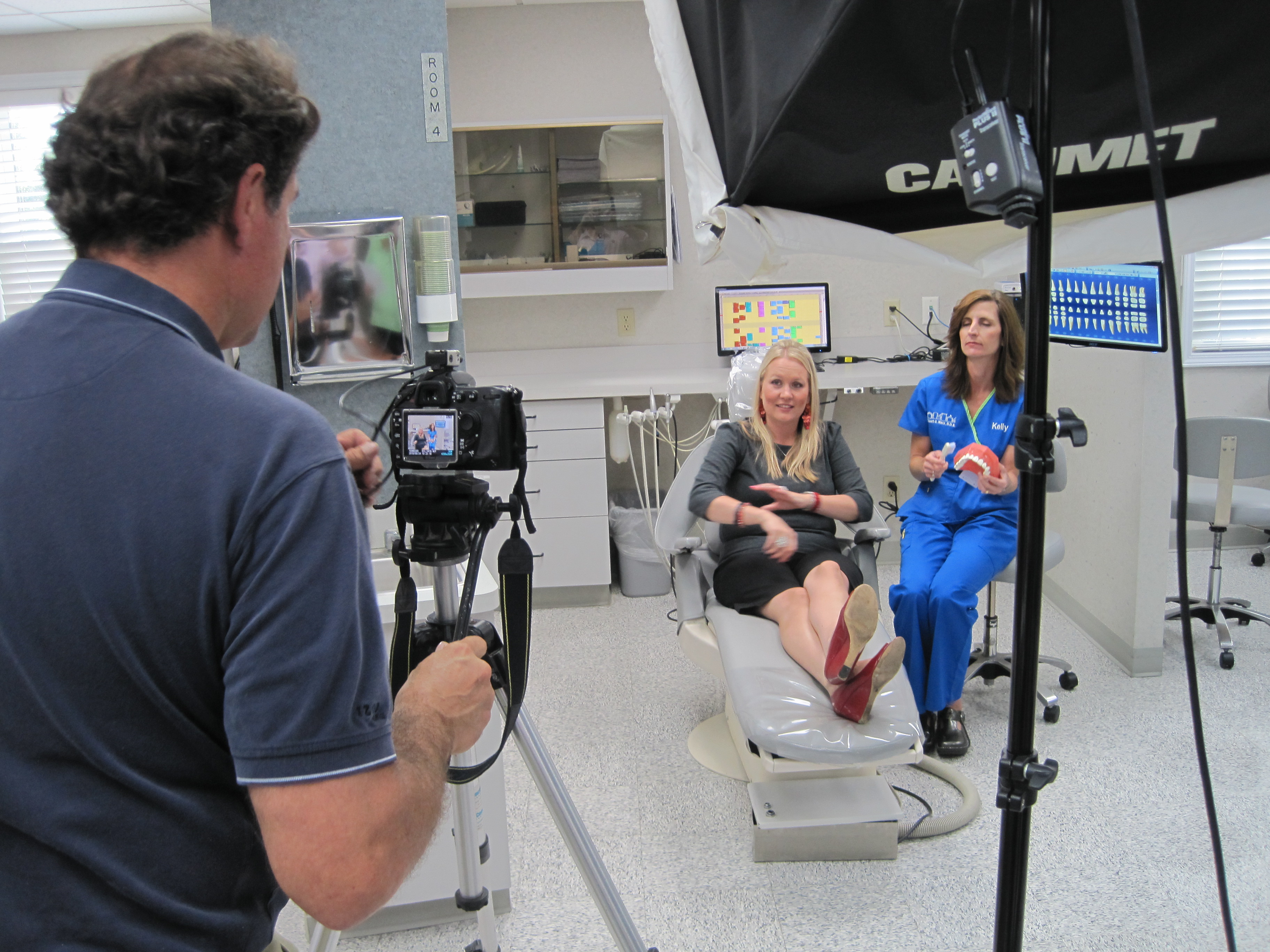
Location interviews offer context and authenticity. They place the speaker inside the real environment of the business, which can help reinforce credibility and show the culture, scale, or operations of the organization. A location setting may include an office, plant, hospital, school, warehouse, retail environment, construction site, lab, or any other setting relevant to the story.
For many businesses, the environment itself is part of the message. Shooting on location can show real operations, real people, and real spaces. That often makes the final video feel more grounded and engaging.
However, on-location interviews also bring challenges. Sound can be less predictable. Lighting may need to be built from scratch. Background distractions must be controlled. Space limitations can affect camera placement and crew movement. These are all reasons why an experienced location crew matters. The goal is not simply to show up with a camera. The goal is to shape the location into a professional production environment without losing the authenticity that made it valuable in the first place.
Why Crew Experience Matters More Than Many Clients Realize
A strong crew does more than operate gear. A professional crew anticipates problems, protects efficiency, and improves the final product at every stage of the production.
For interviews and b-roll, the crew often includes a producer, director of photography, camera operators, audio professionals, lighting technicians, drone operators, and support personnel depending on the scope. In some cases, a smaller agile crew is best. In others, a larger coordinated team is necessary to capture complex setups or multiple scenes efficiently.
Experienced crews know how to manage executive time, prepare non-professional talent, keep production moving, and maintain technical consistency throughout the day. They know how to evaluate a room for sound issues before setup begins. They know how to light an interview subject in a flattering and brand-appropriate way. They know how to capture b-roll with purpose rather than simply gathering generic filler footage.
This experience directly affects cost efficiency. Well-run productions waste less time, avoid preventable mistakes, and produce more usable content from each shoot day.
The Importance of Location Scouting
Location scouting is one of the most strategic parts of pre-production, especially for interviews and b-roll. It allows the crew to identify both opportunities and limitations before the shoot day begins.
A thorough scout helps answer critical questions. Is the space quiet enough for an interview? What is the natural light doing at the planned shoot time? Are there power limitations? Will the background reinforce the brand? Is there enough room for camera, lighting, sound, and client monitoring? What interruptions are likely? What b-roll opportunities exist nearby?
For on-location work in St. Louis, scouting also helps determine access, permits, traffic considerations, parking, loading logistics, and the best visual options for exterior and establishing shots. It supports better scheduling and reduces risk on production day.
Strong location scouting is especially important when a project needs to combine interviews with significant b-roll coverage. The crew must know where the best visual opportunities are and how to move through them efficiently.
Capturing B-Roll with Strategy, Not Guesswork
Not all b-roll adds value. Effective b-roll is intentional. It supports the key messages of the interview and reflects the audience’s priorities.
For example, if a company is discussing reliability, the b-roll should show precision, process, consistency, and real-world execution. If the subject is innovation, the footage should emphasize problem-solving, design, technology, collaboration, and modern capability. If the video is meant to support recruiting, the b-roll should highlight work culture, interaction, space, team energy, and professionalism.
This is where production planning matters. The best b-roll is not improvised randomly throughout the day. It is guided by the messaging strategy, the interview content, and the needs of the final edit.
Experienced crews also understand that b-roll should be captured in a way that serves multiple outputs. Wide shots, medium shots, details, movement, environmental cutaways, vertical options, and alternate framing all increase the usefulness of the footage across future campaigns.
Indoor FPV Drones and Specialty Visual Coverage
For certain productions, conventional ground-based coverage is not enough. Organizations increasingly want motion, immersion, and distinctive visuals that help their content stand out. This is where specialized FPV drone work can become a powerful production tool.
Indoor FPV drones can move through office spaces, production environments, event areas, warehouses, hospitality spaces, and commercial interiors in ways that traditional cameras and larger drones cannot. They create fluid, high-energy visuals that help reveal a space, connect departments, showcase process flow, or provide a memorable introduction to a facility.
Used correctly, FPV drone footage can enhance interviews and b-roll by adding energy and scale to the final edit. It can create compelling openers, transitions, and reveal shots that immediately elevate production value.
For businesses considering drone integration, it is important to work with a team that understands both the creative and operational side of drone work. Indoor flight requires precision, planning, safety awareness, and a clear understanding of how the footage will support the broader production.
Beyond Traditional Drone Footage: Thermal, Orthomosaics, and LiDAR
Drone services have expanded far beyond cinematic aerials. For many organizations, specialty drone capabilities now support technical documentation, inspection, planning, and data acquisition in addition to marketing.
Infrared thermal imaging can help reveal heat signatures and temperature differences that are useful for inspections, facilities analysis, roofing, building envelope evaluation, mechanical review, and certain industrial applications. Thermal imaging can serve both practical and promotional purposes, depending on the project.
Orthomosaics provide highly accurate stitched aerial images that are useful for site documentation, mapping, planning, progress reporting, and property overviews. They can be valuable for construction, infrastructure, development, industrial, and land-based projects where accurate top-down visual records matter.
LiDAR adds another layer of capability for projects that require more advanced spatial data, terrain analysis, structural context, or complex mapping support. In the right application, LiDAR can be an important tool for engineering-related visuals, site intelligence, and difficult environments where traditional imaging alone may not be enough.
For organizations that need both marketing visuals and technical aerial services, working with a production partner that understands both sides can simplify the process and improve continuity.
Building More Value from One Shoot
One of the smartest strategies for decision makers is to structure interview and b-roll productions so they generate more than one finished piece. With the right planning, a single production day can feed an entire content pipeline.
An interview session paired with strategic b-roll can often be edited into:
a main website or campaign video
shorter social clips
internal messaging pieces
recruiting content
testimonial edits
sales support videos
trade show visuals
still frames for digital use
future repurposed content
This approach improves return on production investment and helps marketing teams maintain consistency across channels. It also reduces the need to start from scratch every time a new content request arises.
What Businesses in St. Louis Should Look for in a Production Partner
When evaluating a studio and location crew for interviews and b-roll in St. Louis, organizations should look beyond reels and gear lists. The real questions are about process, flexibility, and execution.
A strong production partner should understand brand communication, not just camera operation. They should be comfortable working with executives and non-professional talent. They should know how to light both controlled studio scenes and unpredictable locations. They should be able to solve logistical problems quickly and capture visuals that serve marketing goals, not just aesthetics.
They should also understand the regional realities of production in St. Louis, including location access, scheduling, environmental variables, and the needs of local businesses, agencies, and institutions.
A Production Approach That Supports Real Business Goals
At the highest level, interviews and b-roll are not separate deliverables. They are complementary parts of a communication system. The interview provides the message. The b-roll provides the proof, context, and rhythm. The studio offers control. The location offers authenticity. The crew turns all of it into a coherent, useful asset.
For organizations that want video content to do more than simply exist, that integration matters. It is what helps a production support sales, marketing, recruiting, internal alignment, and brand credibility over time.
St Louis Video Services brings that integrated approach to every production. As a full-service professional commercial photography and video production company, we have the right equipment and creative crew service experience for successful image acquisition. We offer full-service studio and location video and photography, as well as editing, post-production, and licensed drone services. St Louis Video Services can customize productions for diverse media requirements, and repurposing photography and video branding to gain more traction is one of our specialties. We are well-versed in all file types, media styles, and the accompanying software needed to support today’s production and marketing demands. We also use the latest in Artificial Intelligence for our media services.
Our private studio lighting and visual setup is ideal for small productions and interview scenes, while our studio is large enough to incorporate props and build out more complete sets. We support every aspect of your production, from setting up a private custom interview studio to supplying professional sound and camera operators, as well as providing the right equipment to make your next video production seamless and successful. We are also location scouting and b-roll specialists, and we can fly our specialized FPV drones indoors. Other drone special services include infrared thermal, orthomosaics, and LiDAR. Since 1982, St Louis Video Services has worked with many businesses, marketing firms, and creative agencies in the St. Louis area for their marketing photography and video needs.
For many organizations, the most expensive problems are the ones that are hard to see early. A roof system may look acceptable from the ground while moisture is spreading below the membrane. An electrical component may still be running while heat is building toward failure. A façade may appear sound in daylight while insulation voids, air leakage, or hidden moisture are quietly driving energy loss and maintenance costs.
That is where FLIR thermal infrared drone services can become a serious business tool.
Thermal drone imaging gives decision makers a way to inspect large or hard-to-access areas with speed, perspective, and clarity. Instead of relying only on visible-light imagery, a thermal payload detects infrared radiation and converts temperature differences into a readable image. That makes patterns, anomalies, and changing conditions easier to identify across rooftops, building envelopes, utility assets, solar arrays, and industrial sites. Thermal imaging does not literally “see moisture” or “see through walls,” but it can reveal temperature patterns that often point inspectors toward wet materials, heat loss, overloaded components, or other hidden issues that deserve closer evaluation.
In St. Louis, where buildings and facilities are exposed to intense summer heat, winter cold, storms, humidity, and seasonal temperature swings, thermal drone inspections can be especially useful. The technology helps organizations move from guesswork toward evidence. It can reduce unnecessary disruption, narrow the search area for follow-up testing, and help teams prioritize maintenance based on actual conditions rather than assumptions.
What FLIR thermal drone imaging really does
A good thermal inspection is not simply a matter of putting a drone in the air and capturing colorful images. The value is in understanding what the camera is showing and what it is not.
A thermal camera records infrared energy and converts it into a visible thermographic image. But reliable interpretation depends on more than just the sensor itself. Accurate temperature analysis can be affected by emissivity, reflected temperature, ambient conditions, humidity, distance, and the relationship between the camera and the target surface. FLIR also notes that just because an object is visible in the image does not mean it is large enough in the frame for accurate temperature measurement; for quantitative work, the measurement target should adequately fill the measurement area, with FLIR giving a 3 x 3 pixel rule of thumb.
That matters for businesses because thermal drone service should never be sold as magic. It is a highly useful inspection and diagnostic tool, but it is best used by experienced operators who understand flight planning, environmental conditions, camera limitations, and post-processing workflow. The strongest service providers combine aerial capture with practical interpretation, reporting, and coordination with building, engineering, roofing, maintenance, or facilities teams.
Why drones make thermal inspections more valuable
Traditional thermal inspections from the ground still have their place. But drone-based thermal capture can add a major advantage: access.
A drone can inspect elevated, expansive, or difficult-to-reach areas without requiring the same level of ladders, lifts, scaffolding, or physical roof access that may otherwise be needed. It can also capture a broader overhead view, helping clients see how isolated anomalies relate to the whole system. On large commercial rooftops, industrial facilities, and campus-style properties, that perspective can make pattern recognition far easier and far more efficient than walking the entire site manually.
Drone workflows also support organized reporting. FLIR’s own drone inspection guidance emphasizes that successful results depend not only on the flight, but also on correct image processing, measurement review, and reporting. In other words, the deliverable is not just imagery. The deliverable is actionable information.
Common business uses for FLIR thermal infrared drone services
Commercial roof inspections
One of the most practical uses for thermal drone imaging is roof evaluation. Thermal patterns can help identify areas that may indicate trapped moisture, insulation issues, drainage concerns, or heat-related irregularities. That can be valuable for pre-maintenance planning, storm follow-up, capital budgeting, warranty discussions, and narrowing the areas that need invasive verification. Thermal imaging can point a team toward suspect areas faster, although final diagnosis often still requires moisture meters, core cuts, or additional inspection methods.
For St. Louis property owners and facility managers, that means a thermal drone inspection can be a smart screening tool before small problems become costly interior damage, tenant disruption, or emergency repairs.
Building envelope and energy diagnostics
Thermal imaging is also valuable for evaluating building performance. Temperature differences across walls, roof sections, and exterior assemblies can reveal patterns associated with insulation voids, thermal bridging, air leakage, or moisture intrusion. For organizations managing older buildings, campuses, warehouses, institutions, and multi-site properties, aerial thermal data can help identify where deeper building envelope analysis should be focused.
Electrical and mechanical inspection support
Abnormal heat is often one of the earliest warning signs that an electrical or mechanical problem is developing. Thermal imaging is widely used in electrical inspection because overheating components, failing connections, corrosion, and load imbalance can appear as temperature anomalies before visible failure occurs. That does not replace hands-on electrical testing, but it can be a powerful screening tool for identifying priority areas and documenting issues.
Solar array inspection
Thermal imaging can also be used on solar installations to identify hotspots and anomalies while panels are operating. For facilities teams and commercial property owners with rooftop or ground-mounted solar systems, that can support maintenance efficiency and performance monitoring across large arrays. FLIR materials specifically note the usefulness of thermal imaging for scanning installed solar panels during normal operation and over large areas in relatively short time frames.
Industrial sites, utilities, and facility documentation
Thermal drone imaging can support inspections at industrial properties, utility corridors, distribution centers, manufacturing sites, and large campuses. It is particularly useful when the goal is to quickly visualize heat-related anomalies over a broad area, then direct specialists to the right locations for repair, testing, or follow-up documentation.
What decision makers should look for in a thermal drone provider
Not all drone operators are the same, and not all thermal services are equal.
When evaluating a provider, businesses should look beyond the fact that a company owns a drone with a thermal sensor. The more important questions are these:
Does the team understand inspection workflow, not just flying? Do they know how weather, surface materials, reflectivity, timing, and environmental conditions affect results? Can they deliver both thermal and visible-light imagery for context? Can they provide organized reporting that helps your facilities, engineering, marketing, or operations teams act on the findings? Do they understand that some anomalies require confirmation with other methods before conclusions are made?
Credentials matter too. For commercial drone work in U.S. airspace, the FAA requires operation under Part 107, which means the operator must hold a Remote Pilot Certificate or be directly supervised by someone who does. The FAA also states that certificated remote pilots may operate at night, over people, and over moving vehicles when they meet the applicable rule requirements.
For clients, that means professionalism is not just about image quality. It is about compliance, safety, planning, documentation, and the judgment to know when thermal imagery is being used qualitatively versus when a client expects defensible temperature-based analysis.
Why thermal imagery is powerful for communication, not just inspection
There is another advantage that often gets overlooked: thermal drone imagery is visually persuasive.
For internal operations teams, it can help justify maintenance priorities. For property managers, it can support conversations with ownership groups, vendors, or tenants. For engineers and consultants, it can provide a fast visual reference that improves communication before more detailed testing begins. And for organizations in technical, industrial, energy, utility, construction, and facilities sectors, thermal visuals can also become strong assets for presentations, training, documentation, and strategic reporting.
That is especially useful for companies that want to pair inspection utility with strong visual storytelling. When thermal, visible, and conventional production assets are captured by the same creative team, the result is often more consistent documentation and more usable content across departments.
Why FLIR thermal drone services make sense in St. Louis
St. Louis businesses operate across a mix of older facilities, new developments, industrial properties, healthcare environments, schools, logistics sites, retail centers, and corporate campuses. Many of these buildings are large, complex, and expensive to maintain. A thermal drone inspection is not a cure-all, but it can be an efficient first step in locating patterns that deserve attention before problems escalate.
For organizations trying to reduce downtime, better manage maintenance budgets, improve inspection efficiency, or simply gain a better understanding of hard-to-access assets, FLIR thermal infrared drone services can deliver meaningful value. The key is working with a team that understands both the technical side of thermal capture and the broader production side of creating useful deliverables.
Work with an experienced St. Louis production team
At St Louis Video Services, we bring far more than a drone to the job. We are a full-service professional commercial photography and video production company with the right equipment, creative crew, and service experience for successful image acquisition. We offer full-service studio and location video and photography, as well as editing, post-production, and licensed drone services. Since 1982, St Louis Video Services has worked with many businesses, marketing firms, and creative agencies in the St. Louis area on marketing photography and video.
We can customize productions for diverse types of media requirements, and repurposing your photography and video branding to gain more traction is one of our specialties. We are well-versed in file types, media styles, and the software that supports them. We also use the latest in Artificial Intelligence for our media services. Our private studio lighting and visual setup is ideal for small productions and interview scenes, and our studio is large enough to incorporate props and build out a polished set. From designing a private custom interview studio to supplying professional sound and camera operators and the right equipment, we support every aspect of your production so your next project is seamless and successful. We can even fly specialized drones indoors when the production calls for it.
When you need FLIR thermal infrared drone services in St. Louis, along with a team that understands both technical image acquisition and high-level visual communication, St Louis Video Services is ready to help.
Decision makers in marketing and communications have a recurring challenge: you need credible, human storytelling on a predictable budget—often on short timelines—without sacrificing quality. The good news is that “economical” does not have to mean “cheap-looking.”
When video interviews and b-roll are planned correctly, you can capture a library of usable assets in a single production day, extend campaign life for months, and build a repeatable workflow your team can rely on. Below is a field-tested approach to producing efficient interview-driven videos in St. Louis that still feel premium and on-brand.
Why interviews + b-roll are the most cost-effective content strategy
Video interviews do something that most marketing assets can’t: they create trust quickly. A well-lit, well-recorded interview with a subject who feels comfortable and confident becomes the anchor for multiple deliverables:
A brand story video
Customer testimonials
Recruiting and culture clips
Training and internal comms segments
Short social cutdowns
Thought-leadership content for executives
Then b-roll does the heavy lifting: it illustrates what’s being said, covers edits cleanly, and turns one interview into a polished narrative.
Economy comes from efficiency—capturing the right interview structure and the right b-roll coverage so edits are fast and revisions are painless.
The biggest budget-killer: unclear goals and unclear distribution
Most interview projects go over budget for one of two reasons:
The purpose is fuzzy. Are you selling? Recruiting? Explaining? Building credibility for a proposal?
Distribution isn’t defined. A 16:9 web video, a square social cutdown, and vertical reels are not the same deliverable—even if they share footage.
The fix is simple: define outcomes before cameras roll.
A practical goal framework
Pick one “primary job” the video must do:
Convert: move prospects to a call or demo
Recruit: attract the right candidates
Reassure: reduce perceived risk and build credibility
Explain: make something complex feel simple
If you want all four, you can still do that—just plan the shoot so you’re not reinventing the wheel during editing.
Interview formats that stay efficient (and look expensive)
1) The single-subject “hero interview”
One key spokesperson, carefully lit and framed, speaking to the brand narrative. This is the most economical path to a flagship piece.
Best for: leadership messages, mission/vision, big announcements Economy lever: one setup, high output
2) Two-chair “conversational interview”
A guided conversation between an interviewer and the subject (or two internal leaders). This usually yields more natural sound bites and less nervous energy.
Best for: professional services, healthcare, complex B2B Economy lever: fewer retakes, faster editing
3) Testimonial “prompted interview”
Your team asks structured questions that reliably produce quote-worthy answers.
Best for: customer stories, case studies, community impact Economy lever: predictable, repeatable answers = quicker cutdowns
How to get better sound bites (and fewer retakes)
A lot of “wasted time” on interview shoots is really wasted confidence. People ramble when they’re unsure what you want.
Use question design that produces clean, editable answers:
Ask for complete sentences (“Tell me why you chose…” vs. “Why?”)
Get a problem → solution → result structure
Ask for specific examples, not generalities
Keep questions short and neutral
And if your subject isn’t media-trained, plan for a warm-up section that won’t be used in the final edit. The performance improves dramatically once the camera becomes “normal.”
B-roll that actually supports editing (instead of just looking nice)
B-roll is not “pretty footage.” It’s story coverage. When it’s captured intentionally, it reduces editing time and makes revisions easy.
Capture b-roll in three layers
Establishing: where we are, what this place feels like
Process: how work gets done (hands, tools, collaboration)
Outcome: results—happy customers, finished work, deliverables in action
The “sequence” trick that saves edits
Don’t film random shots. Film short sequences:
Wide shot of an action
Medium shot of the same action
Close-up detail
Reaction or interaction
That gives editors continuity and options—so you’re not forced into jump cuts or awkward transitions.
Lighting and set design: the “economical” way to look premium
You don’t need a massive lighting package to get a cinematic look. You need control.
Use a clean, intentional background
Separate subject from background with depth and light
Keep skin tones natural (no mixed lighting temperature chaos)
Add simple practical elements (props, brand-appropriate set pieces) to “round out” the frame
The most economical shoots are often the ones that happen in a controlled environment—either a consistent office location or a studio—because you spend less time fighting reflections, overhead fluorescents, and noisy spaces.
The hidden ROI multiplier: capturing “content modules” for repurposing
A single interview day can power weeks or months of posts—if you plan to repurpose from the start.
What “repurposing” really means
It’s not just chopping up a long video. It’s capturing modular content:
A 60–90 second core story segment
5–10 short “insight clips” (10–25 seconds)
A few vertical-friendly segments for reels/stories
Still photos pulled from the same lighting setup (when appropriate)
A-roll sound bites that can support multiple campaign angles
When production is designed for modular outputs, editing becomes assembly—not reinvention.
Artificial Intelligence: where it saves time (and where it doesn’t)
AI can make economical production even more economical when used correctly:
High-value AI use cases
Faster transcription and searchable interviews
Rough-cut creation from transcripts for producer review
Versioning for different runtimes and aspect ratios
Automated captions and caption styling
Metadata tagging and b-roll matching suggestions
Cleaner workflows for review, notes, and revisions
Where AI still needs human oversight
Brand voice and compliance-sensitive messaging
Story logic and emotional pacing
Visual continuity and “taste” decisions
Final color, audio finishing, and quality control
Used responsibly, AI reduces time spent on busywork and increases time spent on creative decisions that matter.
A proven economical production plan (that doesn’t feel rushed)
Here’s a practical structure for a single-day interview + b-roll shoot that stays efficient:
Pre-production planning (brief but focused)
define primary goal + distribution
confirm interview questions
plan b-roll list aligned with story
Interview capture (1–2 setups)
prioritize the main spokesperson first
capture additional voices only if they add distinct value
drone exteriors (or indoor drone where appropriate)
quick portrait stills in same lighting
vertical “direct-to-camera” clips for social
This approach keeps crew time tight and post-production predictable.
Bringing it all together with St Louis Video Crew
At St Louis Video Crew, we’ve built our process around economical, repeatable production—without compromising professional results. Since 1982, we’ve worked with businesses, marketing firms, and creative agencies across the St. Louis area, which means we understand how to move quickly while protecting quality.
We’re a full-service professional commercial photography and video production company with the equipment and experienced crew services needed for successful image acquisition. We provide:
Full-service studio and location video and photography
Editing and post-production designed for fast reviews and clean revisions
Licensed drone services—including specialized drones that can fly indoors
Custom production setups for diverse media requirements
Expertise across file types, media styles, and the software ecosystems teams actually use
The latest Artificial Intelligence tools integrated into our workflow where they save time and add value
A private studio lighting and visual setup that’s ideal for small productions and interview scenes—large enough to incorporate props and build a set that supports your brand
End-to-end support: from building a private custom interview studio to supplying professional sound and camera operators and the right equipment for a seamless production day
If your goal is economical video interviews and b-roll in St. Louis that still look polished, intentional, and on-brand, our approach is built for exactly that—efficient capture, smooth post-production, and assets you can repurpose for real marketing traction.
Rewrite the article for new company St Louis Video Services
I’ll keep the structure and strategy the same, but rewrite everything so the company branding, positioning, and closing section are for St Louis Video Services.
Economical Video Interviews and B-Roll in St. Louis: How to Get High-End Results on a Practical Budget
Decision makers in marketing and communications face a familiar constraint: you need credible, human storytelling—fast—on a predictable budget. The mistake is assuming “economical” has to look economical.
When video interviews and b-roll are planned and captured correctly, you can build a library of usable assets in a single shoot, extend campaign life for months, and create a repeatable workflow that reduces costs every time you produce.
This guide breaks down how to produce efficient, interview-driven videos in St. Louis that still feel premium, intentional, and on-brand.
Why interviews + b-roll are the most cost-effective content combination
Video interviews earn trust quickly. A confident on-camera subject, recorded with clean audio and professional lighting, becomes the anchor for multiple deliverables:
Brand story and “about us” videos
Client testimonials and case studies
Recruiting and culture content
Executive thought-leadership clips
Training and internal communication videos
Short social cutdowns for LinkedIn, Instagram, and YouTube Shorts
Then b-roll does the work that makes editing efficient: it illustrates what’s being said, covers transitions, smooths revisions, and turns a single interview into multiple polished outputs.
Economy comes from strategy—not shortcuts.
The most common budget problem: unclear purpose and unclear distribution
Most interview projects get expensive because the goals are vague or the deliverables multiply late in the process.
Two classic cost drivers
Fuzzy intent: Is this video meant to convert prospects, recruit talent, reassure stakeholders, or explain something complex?
Undefined platforms: A 16:9 web video, square social clips, and vertical reels are not the same deliverable—even if they share footage.
The fix is to define success before the shoot. That’s how you prevent reshoots, re-edits, and revision loops.
You can support more than one goal—but you should prioritize one so the shoot plan stays clean and efficient.
Interview formats that stay efficient while still looking expensive
1) The single-subject “hero interview”
One key spokesperson, one strong setup, and a clear narrative. This is often the most economical path to a flagship video.
Best for: leadership messages, brand story, mission/vision Efficiency advantage: one setup can produce many deliverables
2) The conversational two-person interview
A guided discussion between two people can feel more natural and reduce nervous delivery.
Best for: professional services, healthcare, technical B2B Efficiency advantage: fewer retakes, better sound bites
3) The testimonial prompt format
Structured questions that reliably generate usable answers.
Best for: client stories, community impact, success narratives Efficiency advantage: predictable editing and faster cutdowns
How to capture better sound bites (and reduce retakes)
Retakes happen when people are unsure what you want—or when questions produce incomplete, hard-to-edit answers.
Use question design that produces clean, quotable, editable responses:
Ask for complete sentences (“Tell me why you chose…” vs. “Why?”)
Guide subjects into a problem → solution → result structure
Ask for specific examples (numbers, moments, outcomes)
Keep prompts short and neutral—then let them talk
Also plan a warm-up section that won’t be used. Once the subject settles in, the quality of delivery improves dramatically.
B-roll that helps editing instead of just looking nice
B-roll isn’t “extra footage.” It’s story coverage that saves time in post.
Capture b-roll in three layers
Establishing: where we are, what this environment feels like
Process: how the work is done—hands, tools, collaboration
Outcome: results—deliverables, service moments, satisfied clients
The “sequence” technique that makes edits easy
Shoot b-roll as short sequences instead of isolated clips:
Wide shot of an action
Medium shot of the same action
Close-up detail
Reaction or interaction
This gives editors continuity and options—so you aren’t forced into jump cuts or awkward transitions.
Lighting and set design: the economical way to look premium
High-end results come from control, not extravagance.
A clean, professional interview look usually requires:
An intentional background (not visual clutter)
Separation of subject from background using light and depth
Consistent color temperature (avoid mixed lighting)
Simple set elements or props that support brand identity
Economical shoots often benefit from controlled environments—an office space that can be shaped for a set, or a studio—because you spend less time fighting fluorescents, reflections, and distracting noise.
The ROI multiplier: planning for repurposing from day one
If the project is designed for repurposing, one interview day can fuel weeks or months of content.
What smart repurposing actually looks like
It’s not just trimming a long video. It’s capturing modular content:
A 60–90 second core story segment
5–10 short “insight clips” (10–25 seconds)
Vertical-friendly segments for reels and stories
Multiple intros/outros for different audiences
Optional still frames or photos captured in the same lighting setup
When shoots are planned for modular outputs, editing becomes assembly—not reinvention.
AI in video production: where it saves money (and where it still needs humans)
Used correctly, AI reduces time spent on repetitive tasks and speeds delivery.
High-impact AI applications
Fast transcription and searchable interviews
Producer-friendly rough cuts from transcripts
Automated captions and caption styling
Versioning for different runtimes and platforms
Metadata tagging and smarter b-roll organization
Where professional oversight remains essential
Brand voice, compliance, and messaging nuance
Story structure and emotional pacing
Color, audio finishing, and final QC
Visual continuity and “taste” decisions
AI is a tool. Experience is what makes the final product feel intentional.
A practical economical shoot plan (that doesn’t feel rushed)
A cost-effective interview + b-roll production day typically follows this structure:
Pre-production planning (focused, not bloated)
define primary goal + distribution formats
finalize interview questions
create a b-roll plan aligned with story
Interview capture (1–2 setups)
prioritize the main voice first
add secondary voices only if they bring distinct value
shoot “cutaway insurance” to support edits and revisions
Optional upgrades (if useful to the strategy)
drone footage (including specialized indoor drone when appropriate)
additional vertical-first content
quick stills for thumbnails or web use
This keeps crew time tight and post-production predictable.
Bringing it all together with St Louis Video Services
At St Louis Video Services, we design productions to be efficient without looking “budget.” Since 1982, we’ve worked with many businesses, marketing firms, and creative agencies throughout the St. Louis area, so we understand how to move fast while protecting quality.
We are a full-service professional commercial photography and video production company with the right equipment, crew experience, and workflow to deliver successful image acquisition and polished final media. We offer:
Full-service studio and location video and photography
Editing and post-production with reliable review and revision workflows
Licensed drone services—including specialized drones that can fly indoors
Custom production approaches for diverse media requirements
Deep experience across file types, media styles, and the software teams rely on
The latest Artificial Intelligence tools integrated where they genuinely save time and add value
A private studio lighting and visual setup ideal for interviews and small productions—large enough to incorporate props and build a set that supports your brand
End-to-end support: from creating a private custom interview studio to supplying professional sound and camera operators, and bringing the right equipment to make production seamless
If you want economical video interviews and b-roll in St. Louis that still look polished, intentional, and built for repurposing, St Louis Video Services is set up to deliver exactly that—efficient production, smooth post, and assets that keep paying off long after the shoot day.
Consulting is a trust business. Prospects don’t buy a “service package” first—they buy confidence: confidence in your judgment, your process, your ability to see around corners, and your ability to communicate clearly under pressure.
Short video is the fastest way to deliver that confidence at scale.
Not because it’s trendy. Not because “the algorithm likes it.” But because short video solves the three hardest problems in modern consulting marketing:
You need to demonstrate expertise without writing a 20-page whitepaper.
You need to build familiarity before a sales call, not during it.
You need to stay visible and credible in a crowded market.
Done right, short videos don’t replace your long-form content or your sales process. They prime the buyer so your long-form assets and discovery calls land with more impact.
Below is a practical, production-minded breakdown of why short videos work for consultants—and how to build a system that generates consistent leads without turning your calendar into a full-time content job.
Short Video Is the Closest Thing to “Pre-Trust” You Can Produce
A prospective client is asking themselves a set of questions long before they fill out a form:
Do you understand my problem?
Do you speak plainly or hide behind jargon?
Can you explain complex issues quickly?
Do you feel like a safe choice internally? (Especially if they must justify hiring you.)
Short video answers those questions instantly because it delivers three trust signals simultaneously:
1) Competence: You can diagnose and explain
If you can articulate a problem in 20–45 seconds with clarity and structure, you signal mastery. Most consultants know their subject; fewer can teach it cleanly. Teaching is credibility.
2) Confidence: Your presence reduces perceived risk
Buyers are risk managers. Seeing you on camera reduces uncertainty. It creates familiarity—so the first call feels like a continuation, not a cold start.
3) Character: People hire people
Tone, pacing, and demeanor communicate more than bullet points ever will. Your brand becomes human, which increases response rates and referral confidence.
Short Videos Compress Your Sales Cycle (Because They Do Your Explaining Up Front)
In many consulting sales cycles, the bottleneck isn’t demand. It’s education.
Short videos act as “micro-briefings” that handle the repetitive parts of pre-sales:
common misconceptions
early-stage decision criteria
“how we work” expectations
warning signs and pitfalls
what success looks like
When you publish these consistently, you shift from answering the same questions repeatedly to having prospects arrive already aligned. The result:
higher quality inbound leads
shorter discovery calls
fewer “price shoppers”
smoother internal buy-in on the client side
Short video doesn’t just market your consulting. It qualifies and trains your future clients.
Short Videos Fit How Decision Makers Actually Consume Information
Decision makers rarely sit down to “research vendors” in a neat, uninterrupted block of time. They collect signals in fragments between meetings—on their phone, in the car, while scanning LinkedIn or email.
Short video wins because it matches modern attention reality:
It’s easier to start than a PDF
It’s faster to evaluate than a case study
It’s more memorable than text
It’s more shareable inside an organization
A 45-second clip that answers one hard question can travel internally faster than any proposal deck.
The Real Power Move: Short Video Turns Your Expertise Into a Repeatable Asset
Consulting is traditionally limited by two constraints:
your time
your availability
Short video turns knowledge into an asset that works while you’re doing paid work.
Each strong short video becomes:
a landing-page embed
a sales follow-up link
a “here’s how we think” proof point
a credibility snack before a meeting
a trust-building touchpoint for leads who aren’t ready yet
In other words, short videos compound.
What to Say: 7 Short-Video Formats That Grow Consulting Revenue
Most consultants overthink content and underthink structure. Here are formats that consistently work because they’re built around buyer psychology:
1) The “One Mistake” Clip
“The biggest mistake companies make when ____ is…” Use this to attract prospects who are already trying (and struggling).
2) The “3 Signs You Need ____” Clip
A diagnostic framework positions you as an expert and helps prospects self-identify.
3) The “90-Second Explainer”
Take one complex concept and make it simple. Clarity is authority.
4) The “Myth vs Reality” Clip
Bust a common misconception that keeps your buyers stuck.
5) The “Before You Hire” Clip
“Before you hire a consultant for X, make sure they can answer these questions…” This filters out bad-fit leads and elevates your perceived standards.
6) The “Mini Case Study”
One situation, one constraint, one approach, one outcome—tight and memorable.
7) The “Behind the Process” Clip
Show how you think. Buyers don’t just want results; they want predictability and a reliable process.
Where Most Consulting Videos Go Wrong (And How to Fix It)
Mistake 1: Making a commercial instead of a tool
A short video should be useful even if the viewer never hires you. Utility builds trust faster than self-promotion.
Fix: Teach one thing. Solve one problem. Answer one question.
Mistake 2: Rambling instead of structuring
Consultants love nuance. Short video rewards structure.
Fix: Use a simple script pattern:
Problem (1 sentence)
Why it matters (1 sentence)
The insight (1–2 sentences)
Next step (1 sentence)
Mistake 3: Poor production that undermines credibility
Decision makers may not say it out loud, but they feel it: bad audio, harsh lighting, cluttered backgrounds, shaky framing—all of it reduces trust.
Fix: Invest in clean sound, flattering lighting, and consistent visuals. It’s not about “Hollywood.” It’s about professionalism.
A Practical Publishing System That Doesn’t Eat Your Week
You don’t need to film daily. You need a workflow.
Here’s a sustainable consulting-video cadence:
Batch once per month
Capture 10–20 short clips in one session
Keep wardrobe and lighting consistent
Maintain a clean, branded set
Repurpose each clip across channels
LinkedIn short post + native video
Website service page embed
Email follow-up snippet
YouTube Shorts / Instagram Reels (if relevant)
Sales deck QR code / link for credibility
Build series, not one-offs
Series builds anticipation and makes you look established:
“60-Second Consulting Fixes”
“Executive Clarity: 1 Minute”
“Stop Doing This in ____”
Why “Short” Still Needs Strategy
Short videos are small, but they’re not random. The highest-performing consulting clips do one of three things:
reduce risk (“here’s what to watch for”)
increase clarity (“here’s how this works”)
create momentum (“here’s your next step”)
When your library covers the questions buyers ask at every stage—awareness, consideration, decision—you end up with a self-reinforcing lead engine.
Bringing It Home: Produce Short Videos That Look and Sound Like a Trusted Firm
Short videos grow your consulting business when they are:
clear
useful
consistent
professionally produced
aligned with how you actually sell and deliver
This is where production matters. Your expertise should not be undermined by weak execution.
Why St Louis Video Services Is Built for This Work
St Louis Video Services is a full-service professional commercial photography and video production company with the right equipment, crew, and real-world production experience to deliver successful image acquisition—without the chaos that often comes with content creation.
We provide:
Full-service studio and location video and photography
Editing, post-production, and delivery in all required formats
Licensed drone pilots for aerial and specialty applications
The ability to fly specialized drones indoors when a project calls for it
A private studio with professional lighting and visual setup ideal for interview scenes and small productions—large enough to incorporate props and build out a set
A team that’s well-versed in all file types, media styles, and the software ecosystems clients rely on
We also help clients repurpose photography and video branding so a single shoot day turns into weeks (or months) of usable marketing assets—especially short video content designed to drive traction.
And because modern production is inseparable from modern tools, we incorporate the latest Artificial Intelligence workflows where appropriate—speeding up editing, versioning, formatting, and content adaptation while keeping quality and brand consistency intact.
Since 1982, St Louis Video Services has partnered with businesses, marketing firms, and creative agencies across the St. Louis area. If you’re ready to build a short-video engine that looks polished, communicates expertise, and produces measurable momentum—our team can support every aspect of your production, from concept and scripting to a turnkey interview studio setup with professional camera and sound operators.
When you manage or market a commercial property, you’re constantly juggling risk, budgets, and tenant expectations. Roofing and exterior building issues sit right at the center of that triangle—quietly developing out of sight until they become leaks, interior damage, or even business interruptions.
Certified thermal drone inspections have changed that equation.
Instead of sending people up ladders and across aging roofs with clipboards, modern facilities teams are using high-resolution thermal imaging drones to scan entire buildings quickly, safely, and with far greater insight. In just a short flight, you can see heat loss, trapped moisture, failing insulation, and HVAC anomalies that would be nearly impossible to spot from the ground.
Below is an expert overview of how certified thermal drone inspections work, the type of insights you can expect, and why partnering with an experienced visual media team like St. Louis Video Services gives you a real advantage over “guy-with-a-drone” providers.
What Is a Certified Thermal Drone Inspection?
A commercial thermal drone inspection combines:
Commercial-grade drone platforms
Radiometric thermal imaging cameras (not just “pretty colors,” but measurable temperature data)
Visible-light photography and video
Licensed, insured pilots familiar with FAA regulations and local airspace
Interpretable reporting that non-engineers can actually use
For commercial buildings, this typically focuses on:
Flat or low-slope roofing systems
Mechanical penthouses and rooftop HVAC equipment
Exterior walls and facade systems
Exterior electrical and utility infrastructure
The result is a set of thermal maps, annotated images, and visual documentation that facilities, engineering, and ownership teams can use to plan maintenance, validate warranties, and document conditions for insurance and capital planning.
Why Thermal Drone Inspections Beat Traditional Roof Checks
1. Safety First (and Always)
Traditional inspections expose people to:
Fall hazards on wet, fragile, or deteriorated surfaces
Trip hazards around mechanical units, conduits, and roof penetrations
Wind, ice, heat, and other environmental risks
With a drone inspection, the pilot and crew remain safely on the ground while the aircraft does the risky work overhead. For safety-sensitive organizations and highly regulated sites, that reduction in exposure is a major win.
2. Speed and Coverage
A certified thermal drone can cover:
Large roof areas in minutes
Multiple buildings in a single flight plan
Complex shapes and hard-to-reach sections without special access or scaffolding
That speed means less disruption for tenants or operations and more frequent inspections throughout the year, instead of one high-risk visit after a problem appears.
3. Seeing What the Eye Can’t See
A visible-light photo shows you what the roof looks like. A thermal image shows you what the roof is doing.
Thermal imaging can reveal:
Trapped moisture in roofing systems
Insulation failures and missing or compressed insulation
Thermal bridging at penetrations and structural elements
Heat loss around doors, windows, and curtain walls
Overheating electrical components and mechanical equipment
By comparing thermal signatures across the roof and exterior, you can locate anomalies long before they translate into leaks, mold, or energy waste.
4. Objective, Visual Documentation
Unlike a handwritten inspection checklist, drone thermal inspections give you:
Time-stamped imagery and video
Repeatable flight paths for “before and after” comparisons
Visual documentation that can be shared across teams, vendors, and insurance carriers
This is especially powerful for:
Warranty claims
Insurance documentation after storms
Pre-purchase due diligence on acquisitions
Capital improvement planning and budget meetings
When everyone can literally see the problem, decision-making gets faster and less contentious.
Key Use Cases for Commercial Building Thermal Drone Inspections
1. Flat Roof Moisture and Leak Detection
Water intrusion is the enemy of every flat roof. Trapped moisture can:
Compromise insulation performance
Accelerate membrane deterioration
Add weight to structural systems
Lead to mold and interior damage
Thermal imaging identifies areas where moisture saturates the roof assembly, creating “hot” or “cold” signatures relative to dry areas. A certified thermal operator can flag these suspect zones so your roofing contractor can perform targeted core samples or repairs—focusing time and money where it counts.
2. Energy Loss and Building Envelope Performance
Marketing “sustainability” and “efficiency” is only credible if your building envelope actually performs. Thermal inspections help you:
Identify missing or damaged insulation in walls and roofs
Spot drafts and air leakage around fenestrations and curtain wall systems
Benchmark the performance of newly upgraded insulation or windows
This data supports ESG reporting, energy audits, and marketing narratives for “green” and high-performance buildings.
3. HVAC and Mechanical System Health
On a rooftop, thermal drones can quickly scan:
Packaged rooftop units (RTUs)
Chillers and condensers
Ductwork and refrigerant lines
Exhaust fans and intakes
Hot spots or unusual temperature patterns can signal:
Failing bearings or motors
Restricted airflow
Refrigerant issues
Heat rejection problems
Facilities staff can then prioritize preventive maintenance and avoid unexpected breakdowns that impact tenants and operations.
4. Post-Storm and Insurance Documentation
After hail, wind, or severe weather:
A thermal drone inspection can rapidly assess damage across multiple structures.
High-resolution visual and thermal documentation supports insurance claims.
You get an objective record of conditions shortly after the event.
That combination of speed, safety, and documentation is particularly valuable for property managers handling multiple sites or portfolios across the region.
What “Certified” Should Mean to You
Not all thermal drone providers operate at the same level. When you hear “certified,” you should be looking for:
FAA-licensed drone pilots with experience flying in urban and industrial environments
Training in thermography fundamentals and building science
Understanding of commercial roofing systems and building envelopes
Compliance with local regulations, site safety rules, and insurance requirements
Clear, actionable reporting instead of raw data dumps
At St. Louis Video Services, our background as a professional video production team matters here. We’re not just flying a drone—we’re planning reliable, repeatable image acquisition with clear storytelling in mind, whether the “audience” is your engineering staff, your insurer, or your executive team.
Turning Data Into Decisions: Deliverables You Can Actually Use
A strong commercial thermal drone inspection should deliver more than heat maps. Typical deliverables can include:
Overview report highlighting key findings, anomalies, and recommended next steps
Georeferenced still images of thermal and visible-light captures
Annotated callouts marking areas of concern with coordinates and photographs
Short interpretive video walking your stakeholders through the findings
Data files for engineers, roof consultants, or capital planners who need to dig deeper
Because our core business is visual communication, we ensure the output speaks to both technical and non-technical audiences. That’s critical when you’re presenting findings to ownership, boards, or non-engineering decision makers.
How Facility, Marketing, and Ownership Teams Benefit
For Facility Managers & Engineers
Faster, safer condition assessments
Better targeting for repairs and maintenance
Clear documentation for vendors and contractors
For Property & Asset Managers
Stronger documentation for lease negotiations and CAM discussions
Visual support for capital expenditure requests
Supporting evidence for insurance and warranty claims
For Marketing & Leasing Teams
Authentic visual content for “well-maintained,” “energy-efficient,” or “sustainability-focused” messaging
Before/after visuals to showcase improvements, retrofits, and upgrades
Confidence-building materials for prospective tenants or buyers
For Ownership & Investors
Reduced risk of surprise failures
Better information for long-term capital planning
Visual evidence that building systems are being proactively managed
Why Partner With a Full-Service Visual Production Team?
Certified thermal drone inspections live at the intersection of technology, building science, and communication. Many providers can handle one or two of those. Fewer can consistently deliver all three.
As an experienced videographer, photographer, and producer at St. Louis Video Services, we approach commercial building thermal inspections with the same discipline we bring to high-stakes corporate productions:
Pre-planning and scouting to understand your site, access, and regulatory needs
Shot planning and flight paths to ensure comprehensive coverage
Careful timing of flights for optimal thermal contrast (for example, after sufficient solar loading or at specific times of day)
Precise execution in the air and on the ground, coordinated with your operations
Professional post-production to turn raw data into clear, shareable visual reports
And because we are already embedded in corporate and industrial environments—shooting marketing content, training videos, and documentation—we understand how to work around your live operations with minimal disruption.
About St. Louis Video Services
St. Louis Video Services is a full-service professional commercial photography and video production company with the right equipment and creative crew experience for successful image acquisition. We offer full-service studio and location video and photography, as well as editing, post-production, and licensed drone pilots.
For commercial building projects, we can customize your productions and inspections for diverse types of media and documentation requirements—from technical thermal reporting for facility teams to polished visual content for marketing and investor presentations. Repurposing your photography and video branding to gain more traction is another specialty. We are well-versed in all file types, styles of media, and the accompanying software your teams already use.
We leverage the latest in Artificial Intelligence across our media services to help analyze, organize, and enhance your visual assets—while keeping human expertise firmly in control of interpretation and storytelling. Our private studio lighting and visual setup is perfect for small productions and interview scenes, and our studio is large enough to incorporate props and environmental elements to round out your set.
We support every aspect of your production—from setting up a private, custom interview studio to supplying professional sound and camera operators, as well as providing the right equipment—ensuring your next video production or inspection-driven communication is seamless and successful. Our specialized drones can even be flown indoors for certain controlled environments, adding unique perspectives in warehouses, plants, and large interior spaces.
As a full-service video and photography production corporation since 1982, St. Louis Video Services has partnered with businesses, marketing firms, and creative agencies throughout the St. Louis area for their marketing photography, video, and now certified thermal drone inspection needs. If you’re ready to see what your buildings are really doing—and communicate that story clearly to every stakeholder—we’re ready to help.
As decision-makers responsible for marketing, photography, and video production, you understand the necessity of engaging visual content. However, the budget for extensive, high-end productions is not always available. The good news is that effective, high-quality video content does not have to break the bank.
At St Louis Video Services, we specialize in helping service-based businesses and organizations maximize their visual marketing spend. Here are several economical, high-impact video concepts that can significantly boost your brand without requiring massive budgets or complex setups:
1. The Expert Q&A Series: Establishing Thought Leadership
The Concept: Position your key staff or executives as industry experts by having them answer common client questions or discuss industry trends.
Economical Advantage: This requires minimal set design—often just a clean background, good lighting, and clear audio. The focus is on the value of the information, not elaborate visuals.
Production Notes: Keep segments short (1-3 minutes). Film several Q&A videos in one session to maximize crew and location time. Use basic on-screen text for the question and speaker identification.
Impact: Builds trust, demonstrates expertise, and provides excellent evergreen content for your website, social media, and email marketing.
2. The Customer Success Story (Testimonial Spotlight)
The Concept: Instead of an expensive scripted commercial, film authentic, short interviews with satisfied clients.
Economical Advantage: The location is often the client’s office or home, eliminating studio rental costs. The narrative is organic and requires minimal scriptwriting—the client tells their own story.
Production Notes: Focus on a clear “before and after” narrative: the client’s challenge, how your service solved it, and the tangible positive result. Use a dual-camera setup if possible for a more professional look, or simply use quality single-camera framing.
Impact: The most powerful form of social proof. Testimonials build credibility faster than almost any other content.
3. “How-To” and Service Breakdown Shorts
The Concept: Quickly and clearly explain a complex service, break down a process, or offer a useful industry tip.
Economical Advantage: These are typically screen-capture videos with a voiceover, or simple shots of a process in action (e.g., a hand demonstrating a technique). Minimal talent and set requirements.
Production Notes: Focus on clear, concise instruction. Use graphic overlays and simple animations (like arrows or highlights) to draw attention to key points.
Impact: Excellent for boosting SEO, demonstrating transparency, and educating prospects, leading to more informed sales conversations.
4. Behind-the-Scenes (BTS) Culture & People Snippets
The Concept: Show your company’s personality and the people who make your service happen. A quick tour, an employee interview, or a snapshot of your team collaborating.
Economical Advantage: Shot within your own workspace, leveraging existing, natural light and settings. This is a very authentic style that thrives on a “less polished” aesthetic.
Production Notes: Use natural sound and a handheld, documentary feel. Focus on capturing genuine moments. Keep the music upbeat and positive.
Impact: Humanizes your brand. Clients buy from people they like and trust. This content helps forge an emotional connection with your audience.
🎥 Your Full-Service Partner in Visual Success
Achieving professional, results-driven video and photography—even on a focused budget—requires the right partner with deep experience and specialized equipment.
St Louis Video Services is a full-service professional commercial photography and video production company, operating since 1982. We provide the expertise, creative crew, and technical equipment necessary for successful image acquisition, ensuring your media stands out.
We offer full-service studio and location video and photography, as well as editing, post-production, and licensed drone pilots (including the capability to fly our specialized drones indoors). Our state-of-the-art, private studio lighting and visual setup is perfect for small productions and interview scenes, with enough space to incorporate props to round out your set.
We are not just a vendor; we are your complete production team.
We support every aspect of your production—from setting up a private, custom interview studio to supplying professional sound and camera operators, as well as providing the right equipment—ensuring your next video production is seamless and successful.
We can customize your productions for diverse types of media requirements.
Repurposing your photography and video branding to gain more traction is another specialty. We are well-versed in all file types and styles of media and accompanying software, and we utilize the latest in Artificial Intelligence for all our media services.
For over four decades, St Louis Video Services has successfully partnered with countless businesses, marketing firms, and creative agencies in the St. Louis area, delivering high-impact marketing photography and video solutions.
Ready to explore economical video strategies that maximize your marketing budget? Let’s discuss how our experienced team can bring your visual goals to life.
As seasoned professionals in the world of commercial photography and video production, we’ve witnessed countless businesses invest significant resources into high-quality shoots, only to underutilize the resulting assets. The raw footage and images – especially that invaluable B-roll – often contain a goldmine of content waiting to be unleashed. The truth is, with a strategic approach, a single well-planned shoot can become a powerful, six-month content engine, driving engagement and reinforcing your brand message across diverse platforms.
Here at St Louis Video Services, we understand the critical importance of maximizing your media investment. It’s not just about capturing stunning visuals; it’s about smart, efficient content repurposing. Let’s delve into 12 actionable strategies to transform one shoot into a continuous stream of compelling material:
The Cornerstone Hero Video: Every shoot needs its flagship. This is your primary marketing video, typically 2-3 minutes, designed for your homepage, key landing pages, and primary campaign focus. It establishes your brand’s core message and visual identity.
Short-Form Social Media Snippets: Extract 15-30 second dynamic clips from your hero video and B-roll. These are perfect for Instagram Reels, TikTok, YouTube Shorts, and Facebook stories. Focus on visually striking moments, quick tips, or compelling soundbites.
Behind-the-Scenes (BTS) Content: Don’t underestimate the power of showing your process. Use candid shots and short video clips of your team at work, the setup, or even a humorous blooper reel. This humanizes your brand and builds authenticity.Image of
Testimonial & Interview Excerpts: If your shoot included interviews or testimonials, pull out individual soundbites and pair them with relevant B-roll. These micro-stories are incredibly persuasive and ideal for social proof.
Still Photography for Web & Print: Beyond just extracting stills from video, ensure your shoot includes dedicated high-resolution photography. These images are crucial for your website, brochures, press kits, and digital ads. A single shoot can yield dozens of unique photos.
Blog Post Visuals: Every blog post needs engaging imagery. Instead of relying on stock photos, use your custom photography and stills from your video. This creates a cohesive brand experience and makes your content more memorable.
Animated GIFs & Cinemagraphs: Take short, looping video clips or slightly animated still images to create eye-catching GIFs and cinemagraphs. These are fantastic for social media, email marketing, and even presentations to add a dynamic touch without sound.
Website Headers & Banner Imagery: Your website’s visual appeal is paramount. Utilize the strongest, most compelling still images or short video loops as hero headers and banners to immediately grab visitor attention.
Email Marketing Assets: From compelling imagery within your newsletters to short video clips embedded in promotional emails, your shoot assets can significantly boost open rates and click-throughs.
Presentation Slides & Backgrounds: For internal and external presentations, leverage your high-quality visuals as backgrounds or illustrative elements. This elevates your professionalism and reinforces your brand identity.
Podcast Visualizers/Audiograms: If you have a podcast, combine audio excerpts with captivating B-roll or still images to create visually engaging audiograms for social media promotion.
Paid Advertising Creative: The diverse range of assets from a single shoot provides an arsenal for A/B testing in your paid ad campaigns. Test different video lengths, image styles, and messaging to optimize performance and maximize your ROI.
At St Louis Video Services, we’ve been helping businesses and organizations tell their stories through exceptional visual media since 1982. As a full-service professional commercial photography and video production company, we bring the right equipment, creative crew, and extensive service experience to ensure successful image acquisition every time. We offer comprehensive studio and location video and photography, complemented by expert editing, post-production, and licensed drone pilots – yes, we can even fly our specialized drones indoors!
We pride ourselves on customizing productions for diverse types of media requirements. Repurposing your photography and video branding to gain more traction is another one of our core specialties. We are well-versed in all file types and styles of media and accompanying software, staying ahead of the curve by utilizing the latest in Artificial Intelligence for all our media services. Our private studio offers perfect lighting and visual setups for small productions and interview scenes, with ample space to incorporate props to round out your set.
We support every aspect of your production—from setting up a private, custom interview studio to supplying professional sound and camera operators, as well as providing the right equipment—ensuring your next video production is seamless and successful. Having worked with numerous businesses, marketing firms, and creative agencies in the St. Louis area for over four decades, St Louis Video Services is your trusted partner for marketing photography and video that truly performs.
If your spokesperson isn’t a trained anchor or actor, you still need them confident, concise, and on-brand—today. A well-run teleprompter can make that happen in minutes, not months. Used correctly, it doesn’t create “robotic” reads; it removes cognitive load so real people can focus on presence and clarity. Below is a practical, producer-level guide to getting natural performances from non-professional talent with a prompter.
Why Teleprompters Work for Real People
Non-professionals struggle with three things: remembering lines, pacing, and managing nerves. A teleprompter solves all three by:
Freeing working memory: No memorization—talent can concentrate on tone and body language.
Controlling tempo: The operator matches scroll speed to the speaker’s breathing and emphasis.
Reducing take-count: Clear, pre-approved language means fewer resets and tighter schedules.
The Right Prompter for the Job
On-camera beam-splitter (standard): The camera shoots through a piece of beamsplitter glass while the script reflects toward the talent. Best for direct-to-camera messages, leadership statements, product explainers.
Large-glass units: Wider glass allows more eye travel with less visible eye movement—ideal for longer scripts or slower readers.
Confidence monitors (off-axis): Floor or eye-level displays for talks where direct lens contact isn’t required (walk-and-talks, demonstrations).
Two-way interview aids (e.g., “eyeline” devices): Useful when we want the subject to look at an off-camera interviewer without losing connection.
Script Engineering: Write for the Mouth, Not the Page
Great reads start with scripts designed to be spoken aloud.
Target pace: 120–140 words per minute for non-professionals; trim aggressively.
Sentence shape: One idea per sentence. Prefer active voice. Avoid stacked clauses.
Readable formatting: Sentence case; generous line breaks; no centered text; avoid all caps for body copy.
Pronunciation guides: Add phonetics in brackets (e.g., “biologics (bye-oh-LAH-jiks)”).
Stage directions: Lightly annotate [beat], [smile], [gesture], [hold] to cue energy and pauses.
Brand/legal: Lock approved claims and disclaimers early to eliminate on-set rewrites.
Pro tip: Build two versions—Full (with details) and Tight (headline lines only). If a reader struggles, the Tight version can save the day without losing message integrity.
Performance Coaching That De-Mechanizes the Read
Teleprompters don’t make people sound stiff; poor coaching does. Here’s the fix:
Warm-up: Two “throwaway” takes at slightly faster scroll to lift energy.
Eye focus: “Look through the glass, not at the words.” We place the lens behind the text and use a longer focal length to minimize micro-eye movements.
Chunking: Encourage thought groups (one idea per breath). We pause the scroll at commas and restart on the inhale.
Energy ladder: Record 10–20 seconds at 90% intensity, then again at 105%—pick the one that fits brand tone.
Hands and posture: Ground the stance, unlock the knees, and bring hands into the frame when appropriate to naturalize cadence.
Safety alts: Capture one “conversational paraphrase” pass for authenticity, then one “precise claims” pass for legal.
Camera, Lens, and Lighting Choices That Flatter Prompter Reads
Lens selection: 85–135mm (full-frame) places the camera back and compresses eye movement; 50–85mm on Super35/APS-C.
Distance: Back the camera away to reduce visible eye tracking, then push in with focal length.
Prompter brightness: Balanced to key light; too bright causes squinting and glass reflections, too dim invites reading strain.
Glasses & reflections: Tilt the prompter glass and adjust key/fill angles to avoid double reflections for talent wearing lenses.
Line-of-sight height: Align copy to the optical center of the lens; even a 1–2″ mismatch can look “off.”
The Operator: Your Secret Weapon
A dedicated prompter operator (separate from director and cam op) listens for breath, marks emphasis, and rides speed dynamically. They also:
Maintain script versions, apply last-minute legal swaps, and build bookmarks by section.
Insert visual signposts (— long dash, • bullets) to cue phrasing.
Coordinate with sound for breath-friendly pacing and with lighting for glare management.
Remote & Hybrid Prompter Workflows
Remote executives: Use a compact, camera-mounted prompter plus a teleconference return so we can coach eyeline in real time.
Live webinars: Confidence monitor near lens for slides; brief headline lines in the prompter to keep presenters off script-heavy decks.
AI assist: Script timing, pronunciation flags, and pre-read voice previews can be generated ahead of time to set scroll targets and reduce surprises.
When NOT to Teleprompt
Testimonial authenticity: For emotionally nuanced stories, consider guided interviews instead. We’ll prep beats, not verbatim lines.
Fast back-and-forth dialogue: Bullet prompts or line-by-line cues often play more naturally.
Highly technical demos: Use hybrid—teleprompter for open/close and lower-thirds for precise specs while the talent speaks freely.
Risk Management: Brand, Legal, and Compliance
Route scripts through brand and legal before shoot day.
Lock “do not change” lines (claims, regulated language), highlight in the prompter UI, and capture a clean “compliance take.”
Plan captions and translations at the script stage to prevent post compromises (line length, on-screen real estate).
Measuring Success (What Decision Makers Care About)
Fewer takes -> shorter crew hours and room rentals.
Message fidelity -> fewer post pickups and reshoots.
On-brand tone -> consistent delivery across executives and product lines.
Faster approvals -> pre-approved language reduces review cycles.
Producer’s Checklist
Pre-Production
Lock script (Full + Tight).
Add phonetics, beats, and compliance highlights.
Book prompter operator and large-glass unit if text is long.
Choose lens package (85–135mm FF).
Schedule 20 minutes for warm-ups per speaker.
On Set
Calibrate prompter brightness to key.
Align copy precisely to lens center; test eyeline with a 20–30 second read.
Run two high-energy throwaways, then capture the keeper takes.
Record one paraphrase and one compliance pass.
Post
Deliver captions from the final script (no drift).
Create short social cuts that reuse on-brand lines captured verbatim.
Archive final scripts, approved claims, and pronunciation notes for future sessions.
Sample Script Format (Excerpt)
Opening hook [smile]: “If your team is still scripting from scratch for every market, there’s a faster way.” [beat]
Value prop: “A teleprompter lets our people speak naturally while staying on message.”
Proof point [gesture small]: “That means fewer retakes and faster approvals.”
CTA [warm]: “If you’re ready to scale video across the org, let’s plan your first session.”
About St Louis Video Services
Since 1982, St Louis Video Services has helped businesses, marketing firms, and creative agencies across the St. Louis area capture confident on-camera performances—from first-time speakers to seasoned executives. We’re a full-service professional commercial photography and video production company with the right equipment and a seasoned creative crew for successful image acquisition. We offer full-service studio and location video and photography, plus editing and post-production, and licensed drone pilots. We customize productions for diverse media requirements and specialize in repurposing your photography and video branding to gain more traction. We’re well-versed in all file types, media styles, and the accompanying software. We use the latest Artificial Intelligence tools across our media services for speed and consistency. Our private studio lighting and visual setup is perfect for small productions and interview scenes, and our studio is large enough to incorporate props for a complete set. We support every aspect of your production—from setting up a private, custom interview studio to supplying professional sound and camera operators and providing the right equipment—ensuring your next video production is seamless and successful. And yes, when the brief calls for it, we can fly our specialized drones indoors.
When it comes to testimonials, authenticity, professionalism, and quality matter more than you might think. A well-executed testimonial video can be the difference between captivating potential clients and losing them to competitors. Testimonials build trust and credibility for your brand, showcasing real customer experiences in a way that resonates with your audience. However, creating a testimonial that stands out and truly communicates your brand’s value requires more than just pointing a camera at a subject. Hiring a professional camera crew, like the team at St. Louis Video Services, is essential to ensure that your testimonials not only look and sound professional but also achieve the intended impact.
Why Professional Testimonials Matter
In today’s media-saturated world, your audience is looking for something that speaks to their needs and concerns—real stories from people who have experienced your products or services firsthand. Testimonials are one of the most powerful ways to create this connection. But it’s not just about turning on a camera and asking your clients to speak. For a testimonial to be effective, it must engage the viewer, create emotional resonance, and reflect the professionalism of your brand.
Poorly produced testimonial videos, however, can have the opposite effect. Bad lighting, awkward framing, or poor sound quality can make your brand seem less credible or, worse, make the viewer feel uncomfortable. This is where a professional camera crew comes into play—helping ensure that your testimonial videos look polished and reflect the quality of your services.
The Impact of Professional Lighting, Sound, and Setup
Professional lighting and sound can make or break a testimonial video. Imagine a customer speaking passionately about how your product changed their business, only for their words to be drowned out by background noise or their face obscured by harsh lighting. A professional crew knows how to set the right mood, framing, and lighting to highlight the speaker’s facial expressions and emotions. They’ll also manage the acoustics, ensuring that your message is heard clearly without any distractions.
At St. Louis Video Services, we take great pride in our private studio lighting and visual setups, which are perfect for small productions and interview scenes. Our studio is large enough to incorporate props and backdrops that can help reinforce the story your testimonial is telling. Whether you need a simple, clean background or a more elaborate set that incorporates your branding, our team can make it happen.
The Importance of a Customized Interview Studio
A great testimonial isn’t just about turning on the camera; it’s about creating a setting where the subject feels comfortable. For many people, being on camera can be intimidating, especially when they’re asked to talk about their experiences. A professional video crew can help put your interviewees at ease, ensuring that they’re comfortable and can speak naturally. This is crucial for eliciting authentic testimonials that truly reflect the value of your product or service.
At St. Louis Video Services, we offer customized interview studios that cater to the specific needs of your testimonial shoot. We ensure that everything—from the lighting to the sound equipment—is tailored to your production, creating an atmosphere that helps your client shine on camera.
The Role of Professional Camera Operators and Equipment
A good camera crew doesn’t just know how to operate a camera—they know how to capture the right shots, angles, and moments to make your testimonial engaging. Whether it’s a close-up of the subject, a two-shot that includes both the speaker and your product, or a dynamic shot that captures action, our camera operators have the skill and experience to create compelling visuals.
Furthermore, professional camera equipment, like the cameras, lenses, and stabilization tools we use at St. Louis Video Services, ensures that your video is crisp, clean, and polished. We also employ the latest in drone technology to capture unique angles, including flying drones indoors for creative and dramatic shots, providing a fresh perspective for your testimonial video.
Repurposing Your Testimonials for Greater Impact
A well-produced testimonial video is not just a one-off asset. It’s a tool that can be repurposed in various marketing materials across multiple platforms. Whether you’re posting clips on social media, including testimonials on your website, or using them in email marketing campaigns, a professional testimonial video can be a versatile asset in your marketing toolbox.
At St. Louis Video Services, we specialize in repurposing your photography and video branding to increase your reach and maximize its impact. We ensure that your testimonial video is optimized for every platform, whether that’s a full-length video for your website or a 15-second social media snippet.
Why Choose St. Louis Video Services
Since 1982, St. Louis Video Services has worked with businesses, marketing firms, and creative agencies in the St. Louis area to provide high-quality video and photography services. As a full-service commercial photography and video production company, we bring years of experience and a wealth of technical expertise to every project. Our team is equipped with the latest tools, including professional cameras, lighting setups, and licensed drone pilots, to ensure your testimonials are nothing short of exceptional.
We understand the importance of creating a seamless production process—from setting up a private, custom interview studio to supplying professional sound and camera operators. No matter the size or scale of your project, we can handle every aspect of your testimonial video, ensuring a smooth and successful outcome.
Conclusion
Don’t let your testimonials fall flat. Hiring a professional camera crew from St. Louis Video Services ensures that your client testimonials are captured with the highest standards of quality, providing a polished and engaging representation of your brand. We are experts in full-service video and photography productions, and we’re here to make your testimonial videos stand out and work harder for your business. Reach out to St. Louis Video Services today to learn more about how we can help elevate your marketing efforts with stunning, impactful testimonial videos.