Tag Archives: Fashion photographer St. Louis

Professional Headshots and Social Media Videos for Financial Advisors and Insurance Professionals: Building Trust Through Powerful Visual Marketing.

For financial advisors, insurance agents, wealth management firms, investment professionals, and financial planning organizations, professional headshot photography and short-form social media video production are important components of modern financial services marketing.

A polished professional portrait communicates credibility and confidence. A carefully produced video allows prospective clients to hear an advisor explain financial concepts, introduce services, and demonstrate a professional communication style.

Together, these visual marketing tools help establish familiarity, reinforce branding, and make complicated financial topics more approachable.

At St Louis Video Services, we specialize in professional commercial photography, studio and location video production, business interviews, educational presentations, and short-form social media content.

Our experienced photographers, videographers, producers, and technical crews understand the importance of creating visual content that presents financial and insurance professionals in a polished, approachable, and credible manner.

Whether producing executive headshots, recording a series of financial education videos, photographing an entire insurance agency, or creating a comprehensive collection of marketing materials, our goal is to deliver high-quality media that supports your organization’s communication objectives.

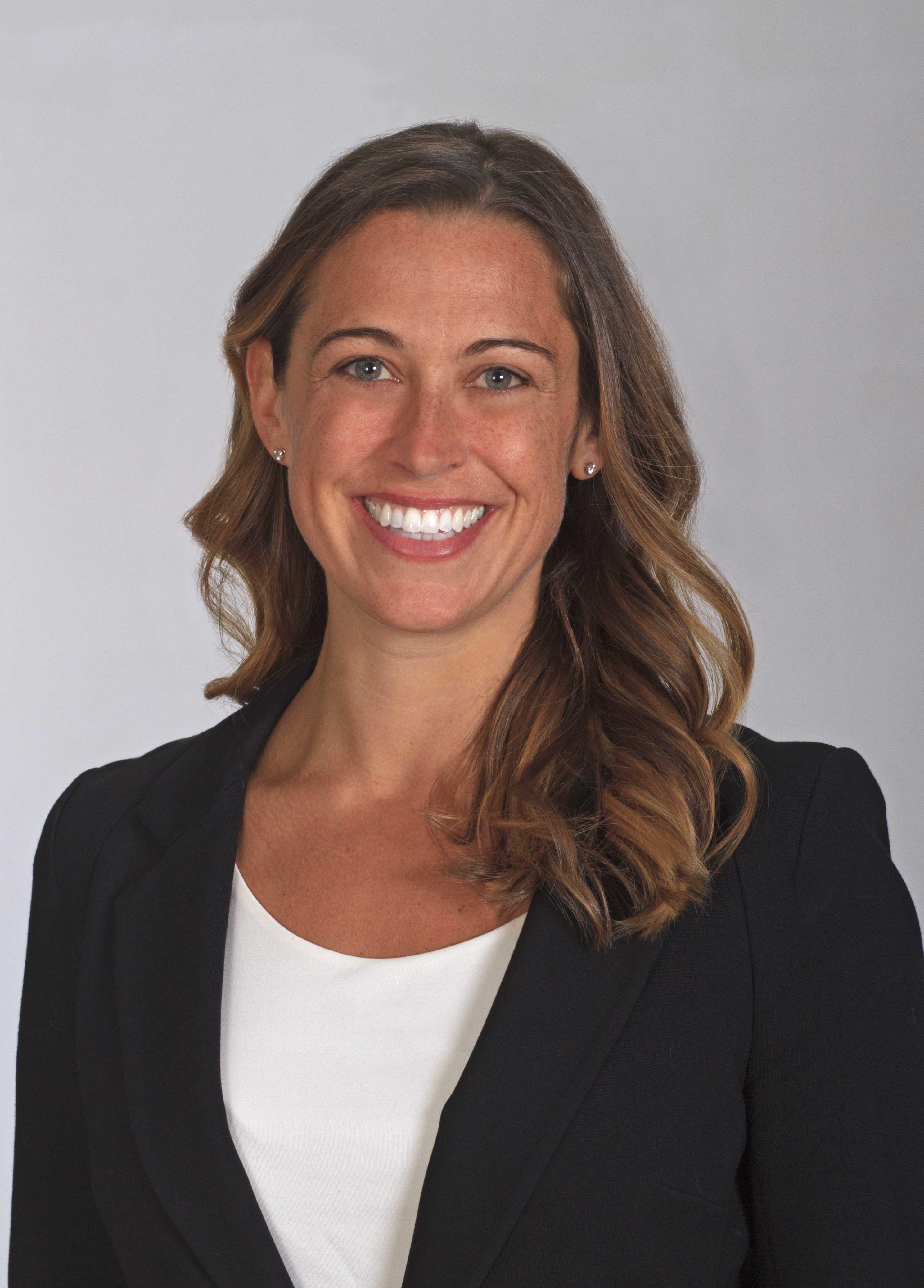
Why Professional Photography and Video Matter in Financial Services Marketing

Financial planning and insurance involve subjects that many consumers find complicated.

Investment strategies, retirement income, life insurance, annuities, estate considerations, risk management, and business insurance can require substantial explanation.

Prospective clients want to understand not only the services available but also the people who will help them evaluate their options.

Professional photography and video can make financial professionals more recognizable and approachable while communicating the organization’s professionalism.

Creating a Strong First Impression

An outdated headshot, inconsistent team photography, or poorly produced video can weaken the professional appearance of an otherwise sophisticated financial services website.

Conversely, coordinated photography and professionally recorded video presentations establish a more consistent visual identity.

Financial services organizations regularly use professional imagery across:

  • Corporate websites and advisor biography pages
  • LinkedIn and professional networking profiles
  • Google Business Profiles
  • Facebook, Instagram, and YouTube
  • Financial advisor directories
  • Insurance agency websites
  • Educational webinars and presentations
  • Digital advertising campaigns
  • Client newsletters and email communications
  • Recruiting materials and employee profiles
  • Conference programs and speaking engagements

When these materials feature consistent photography, lighting, colors, graphics, and visual styles, they create a recognizable professional brand.
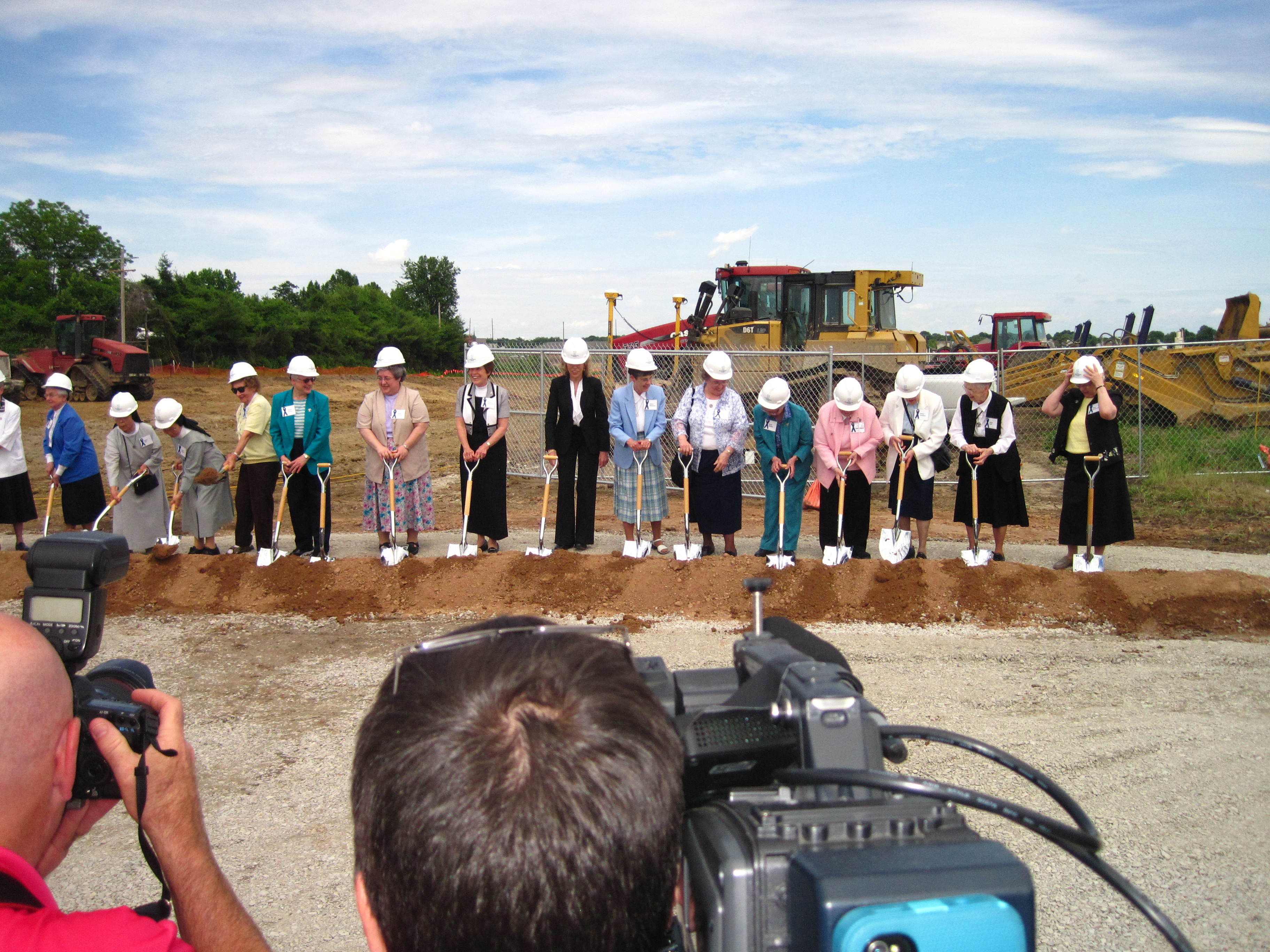
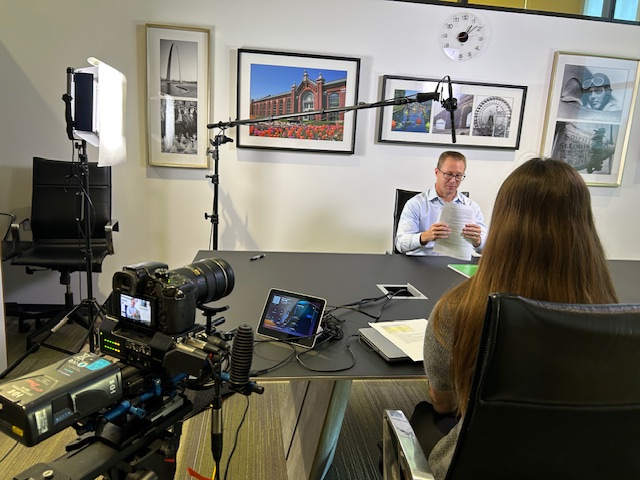
Professional visual content should communicate the same attention to detail that clients expect from their financial and insurance representatives.

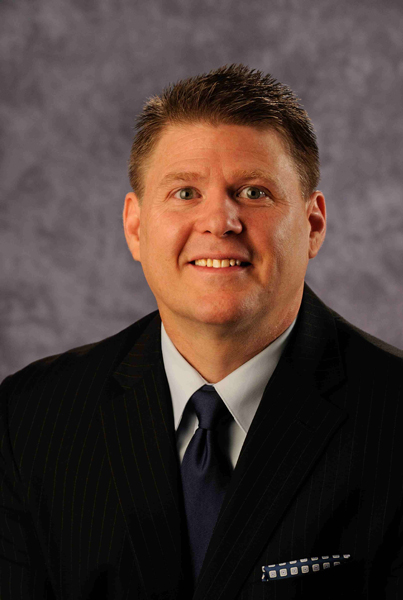
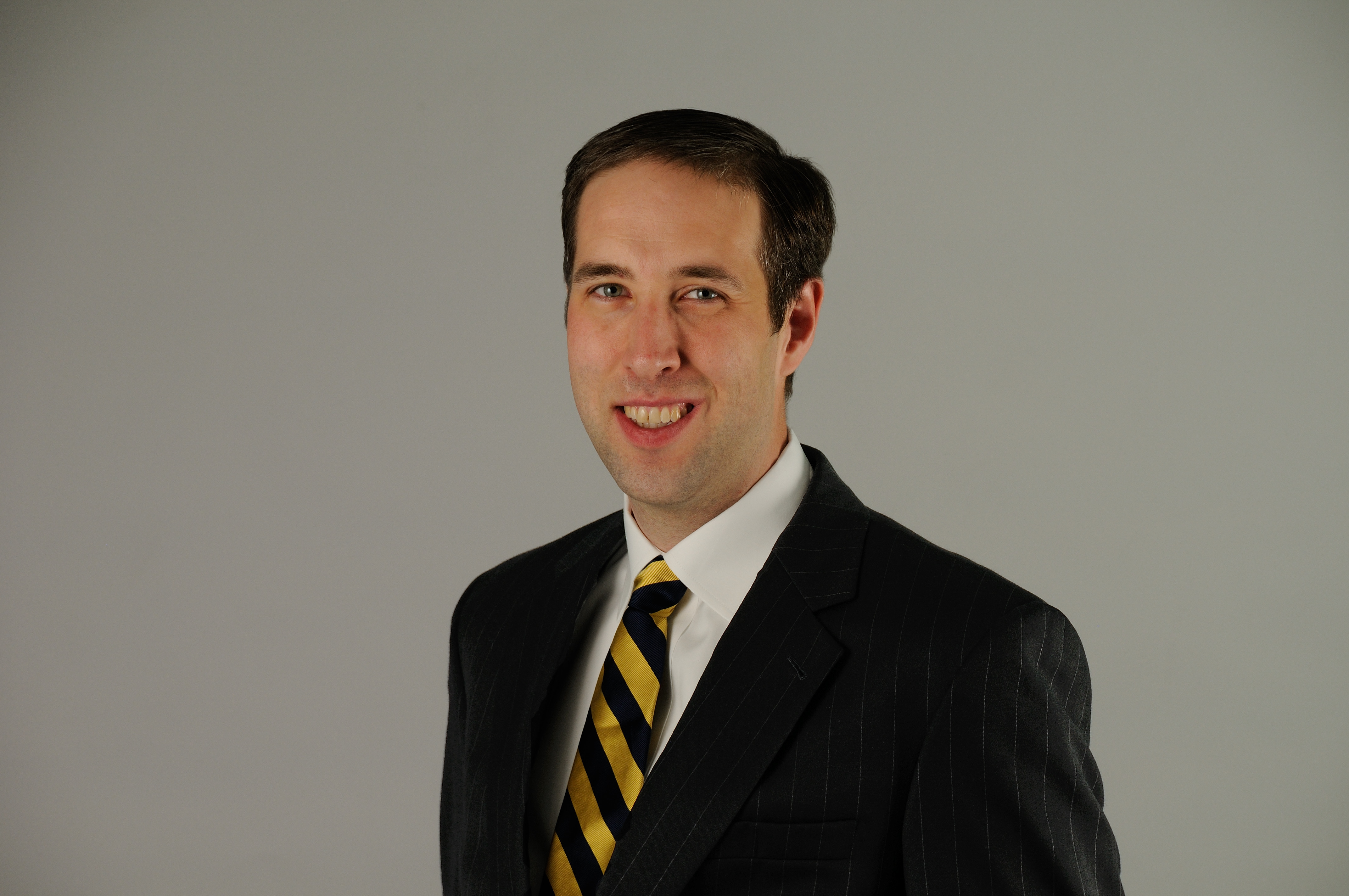
Professional Headshots for Financial Advisors, Insurance Agents, and Wealth Managers

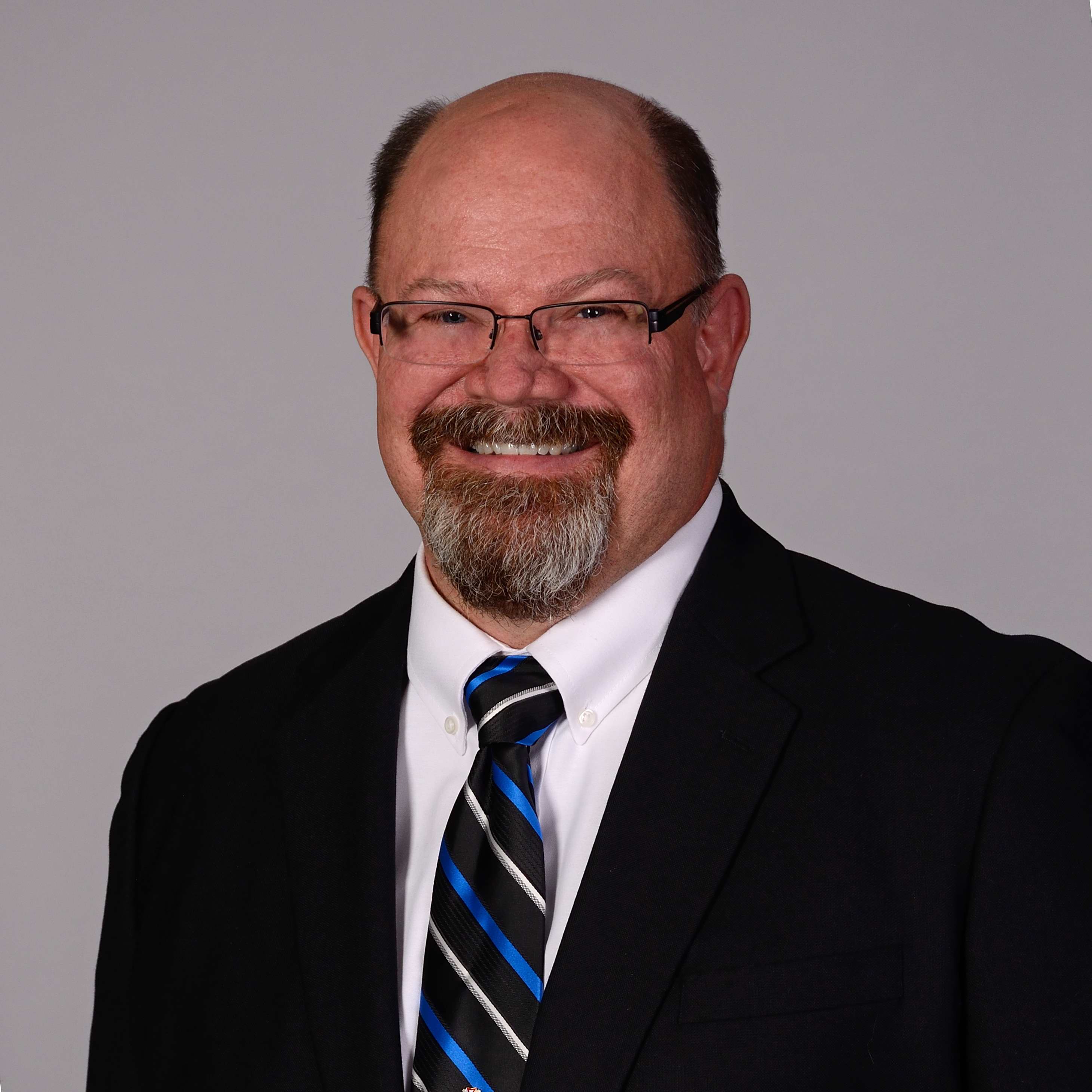
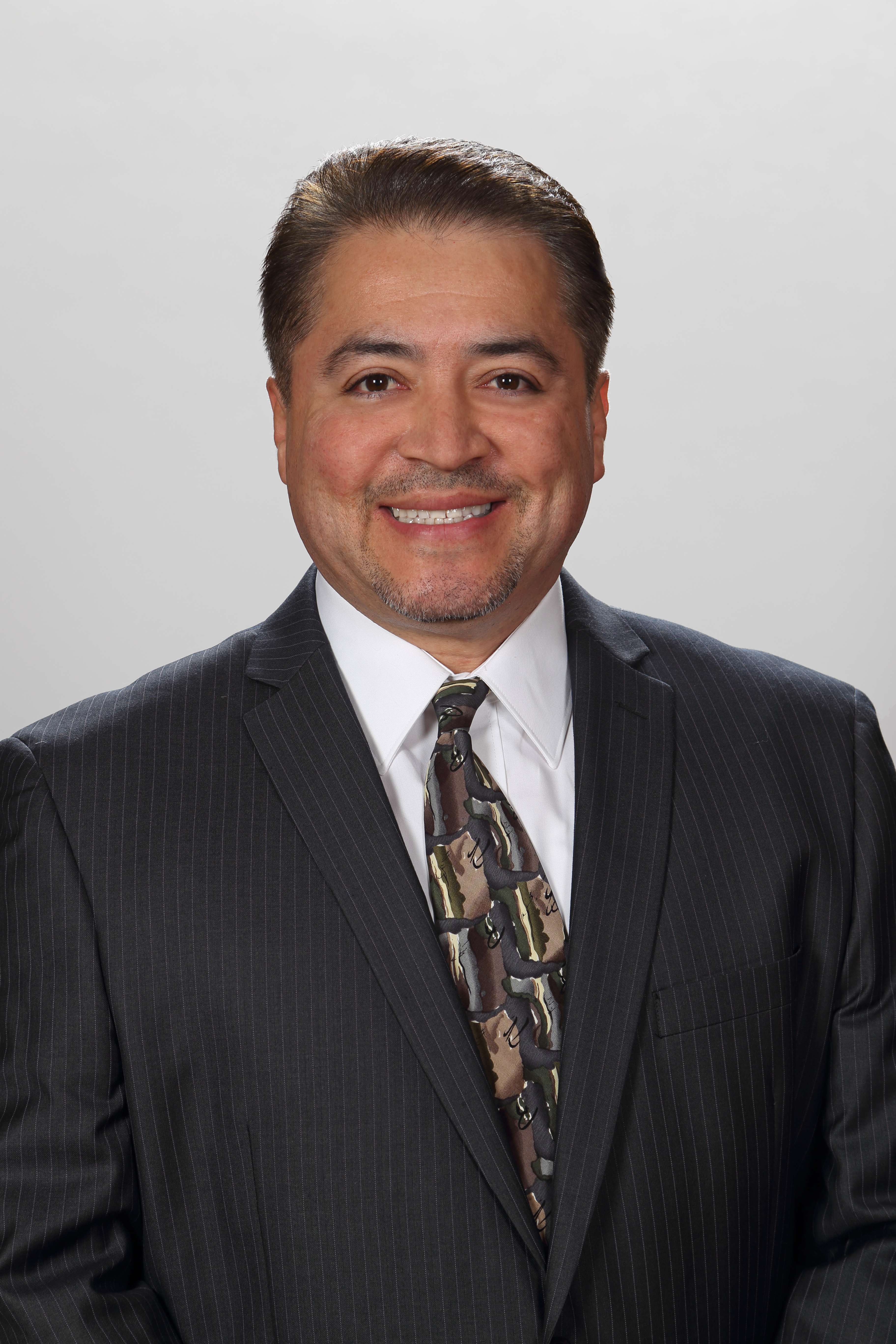
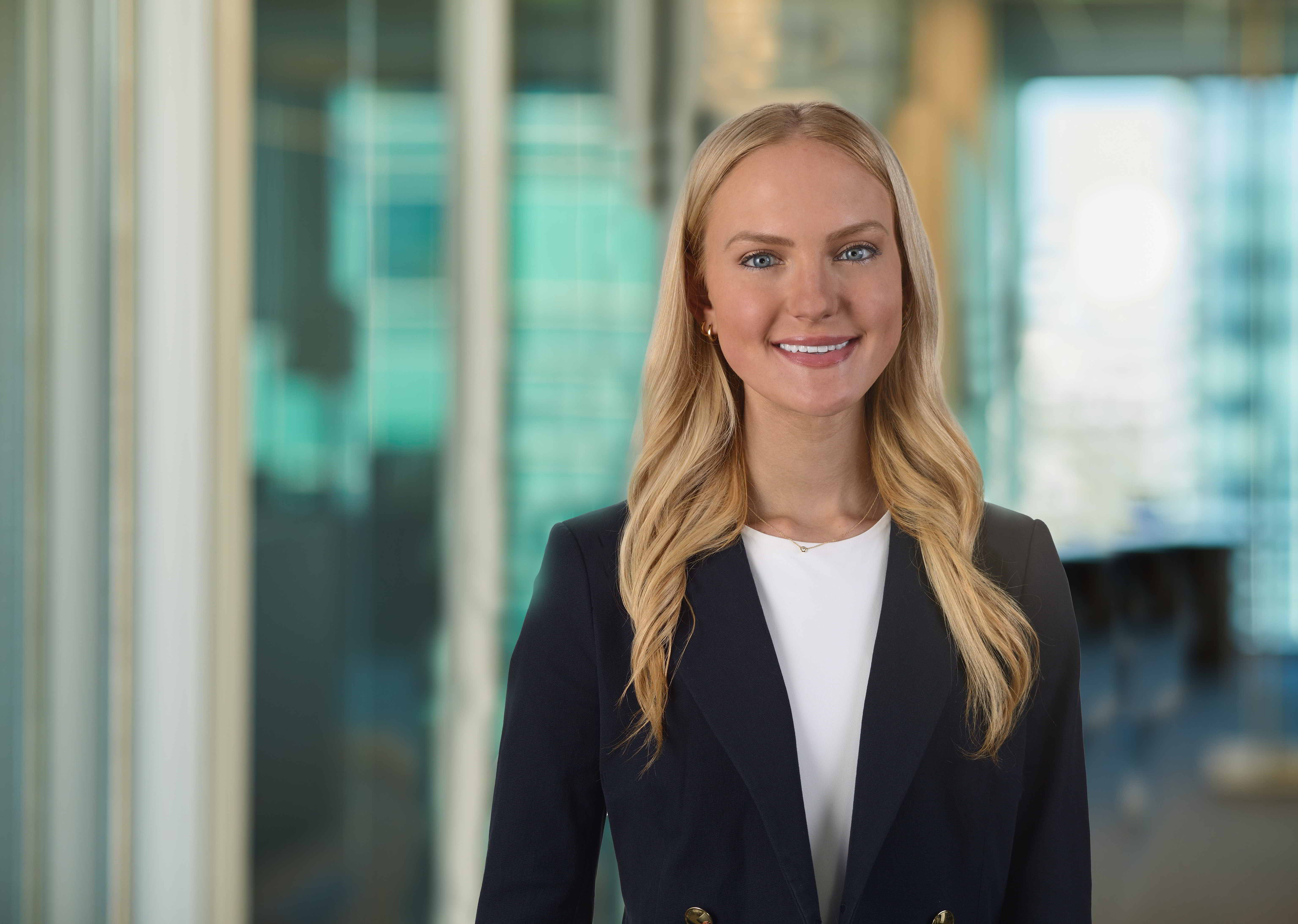
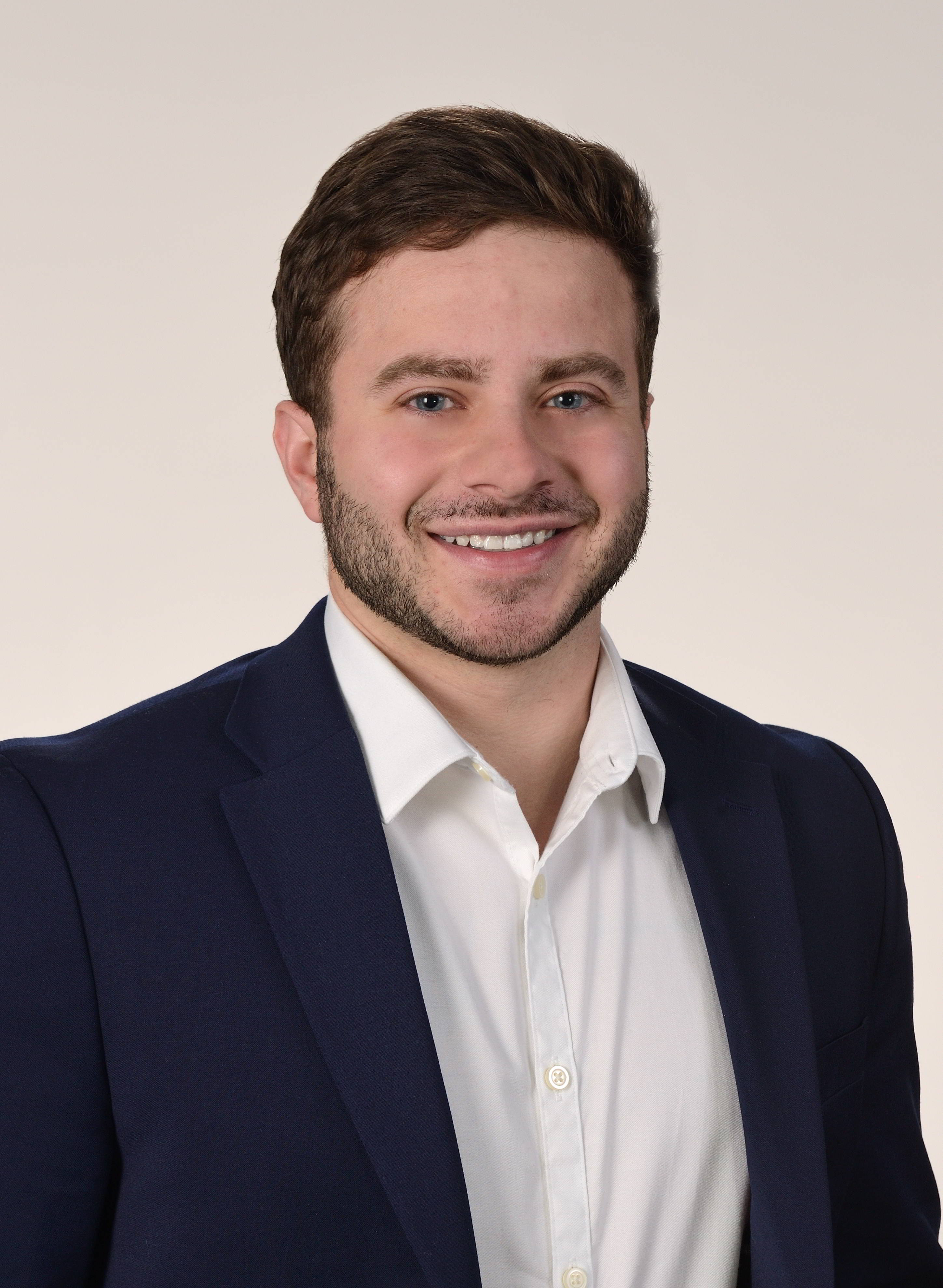
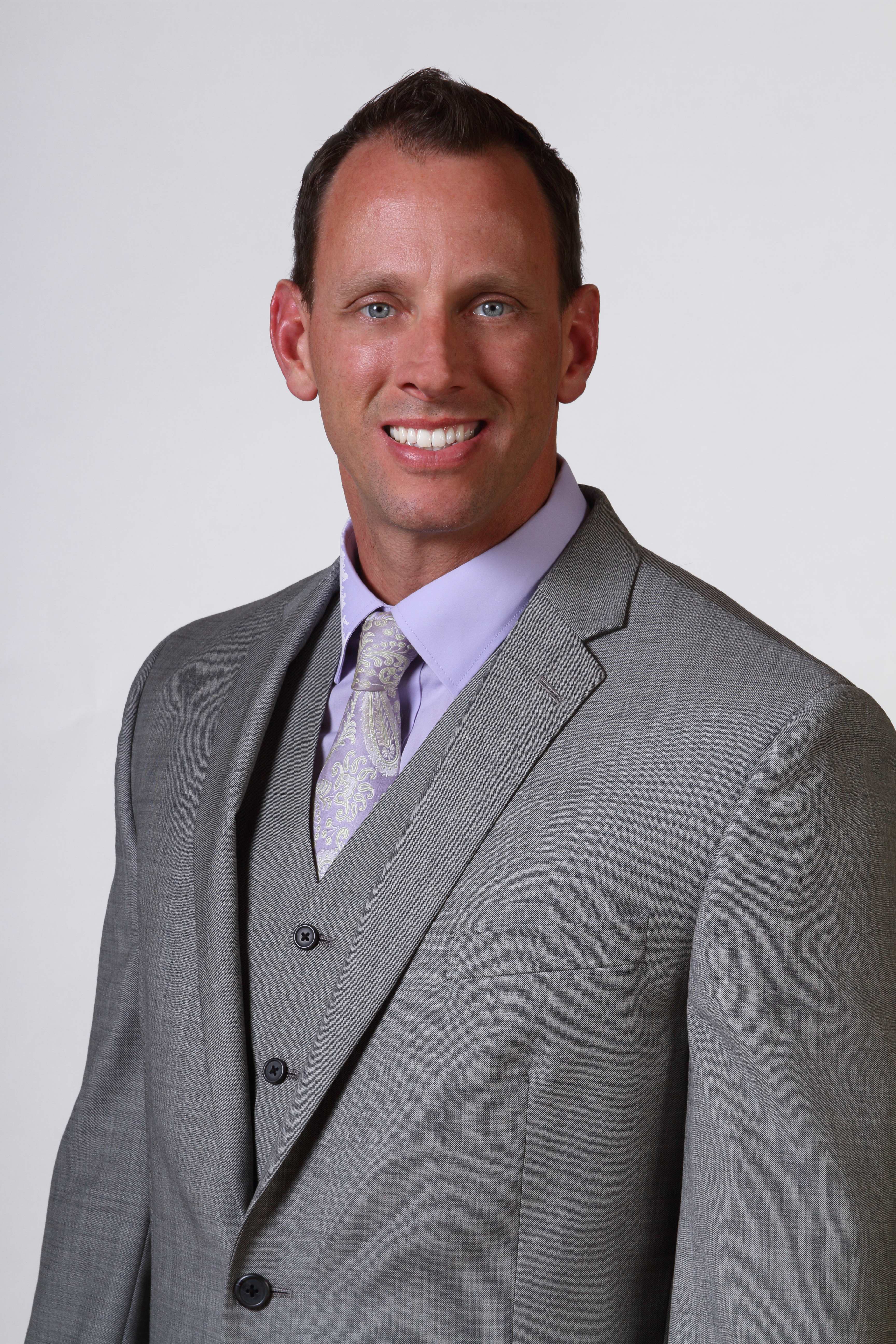
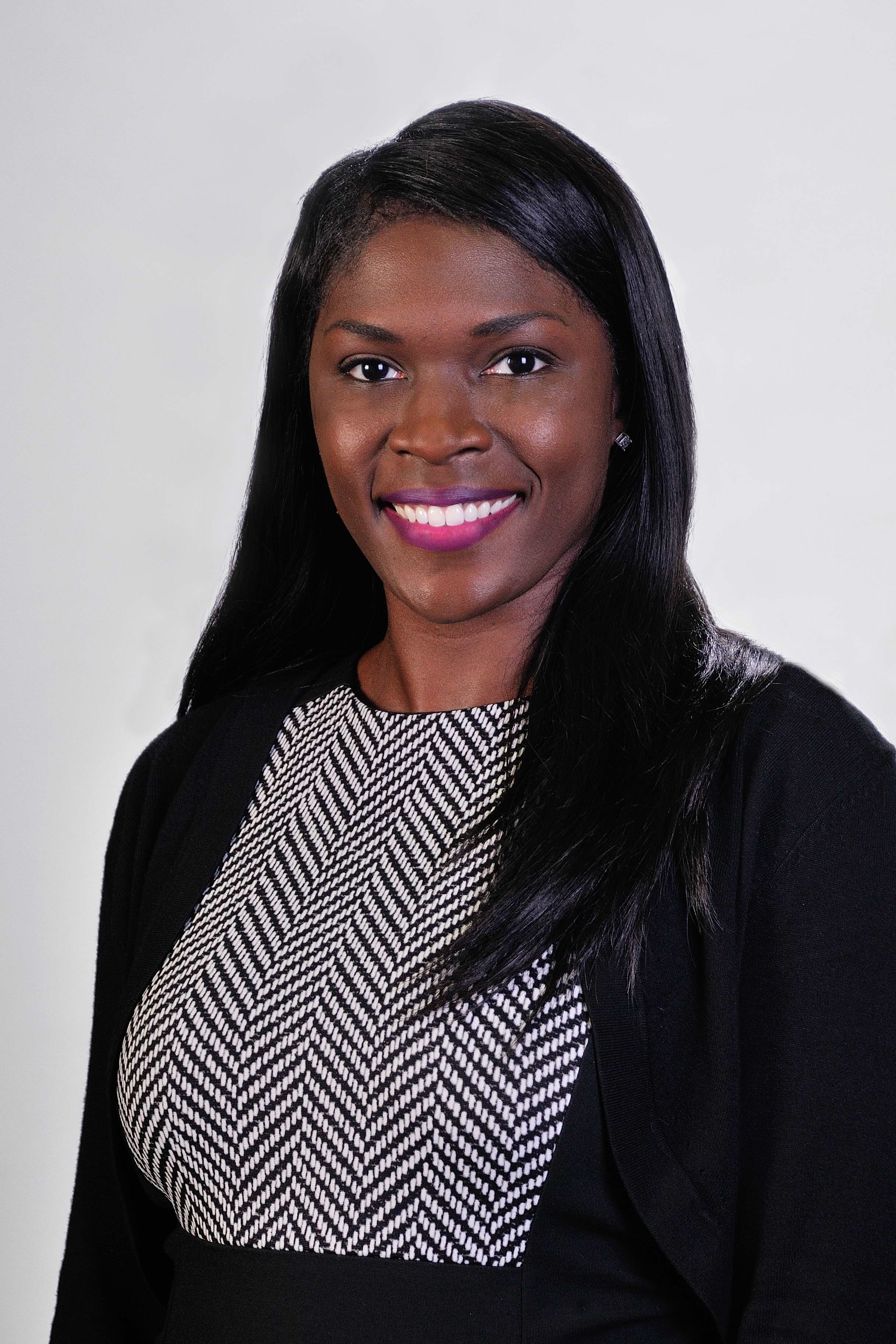
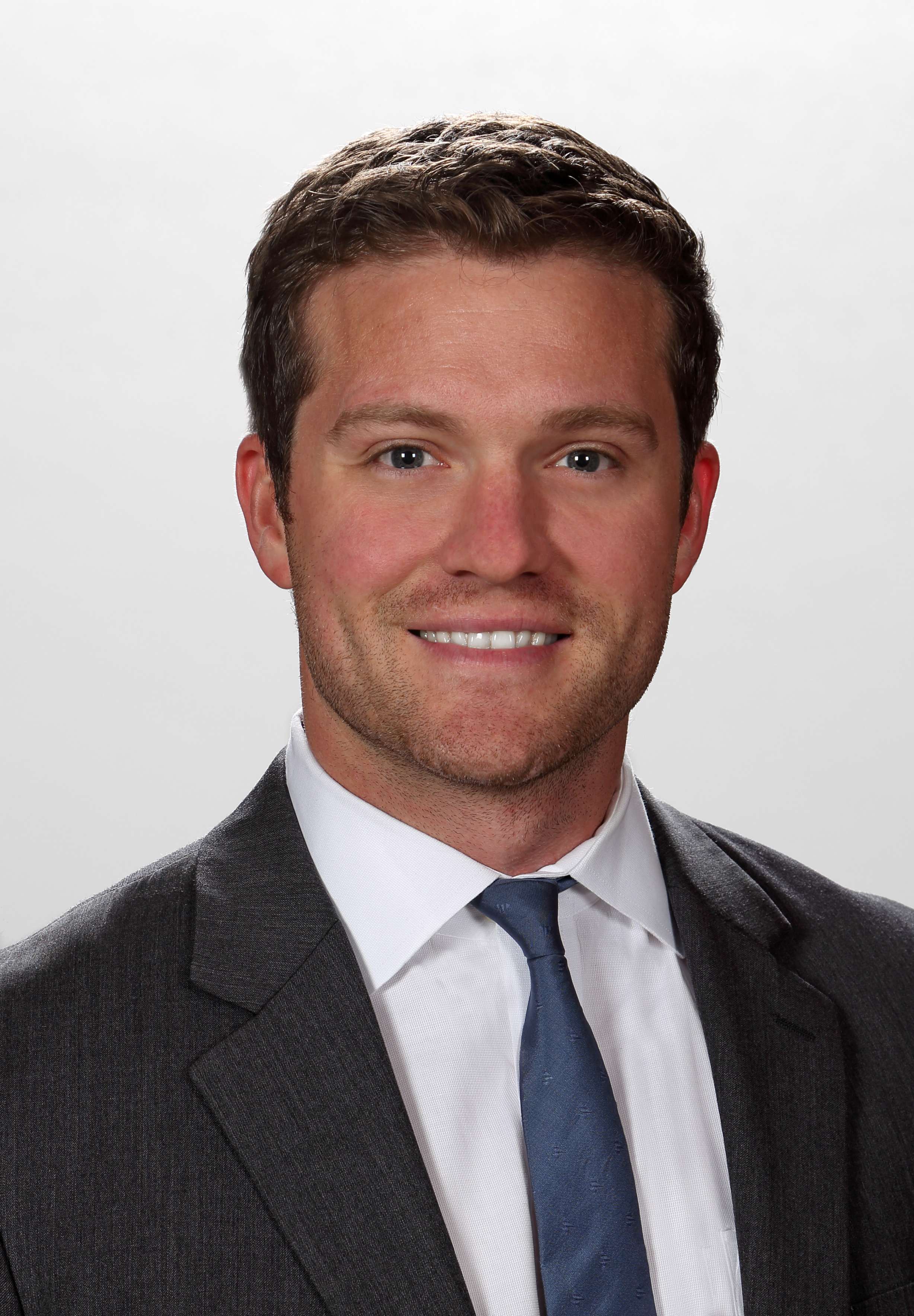
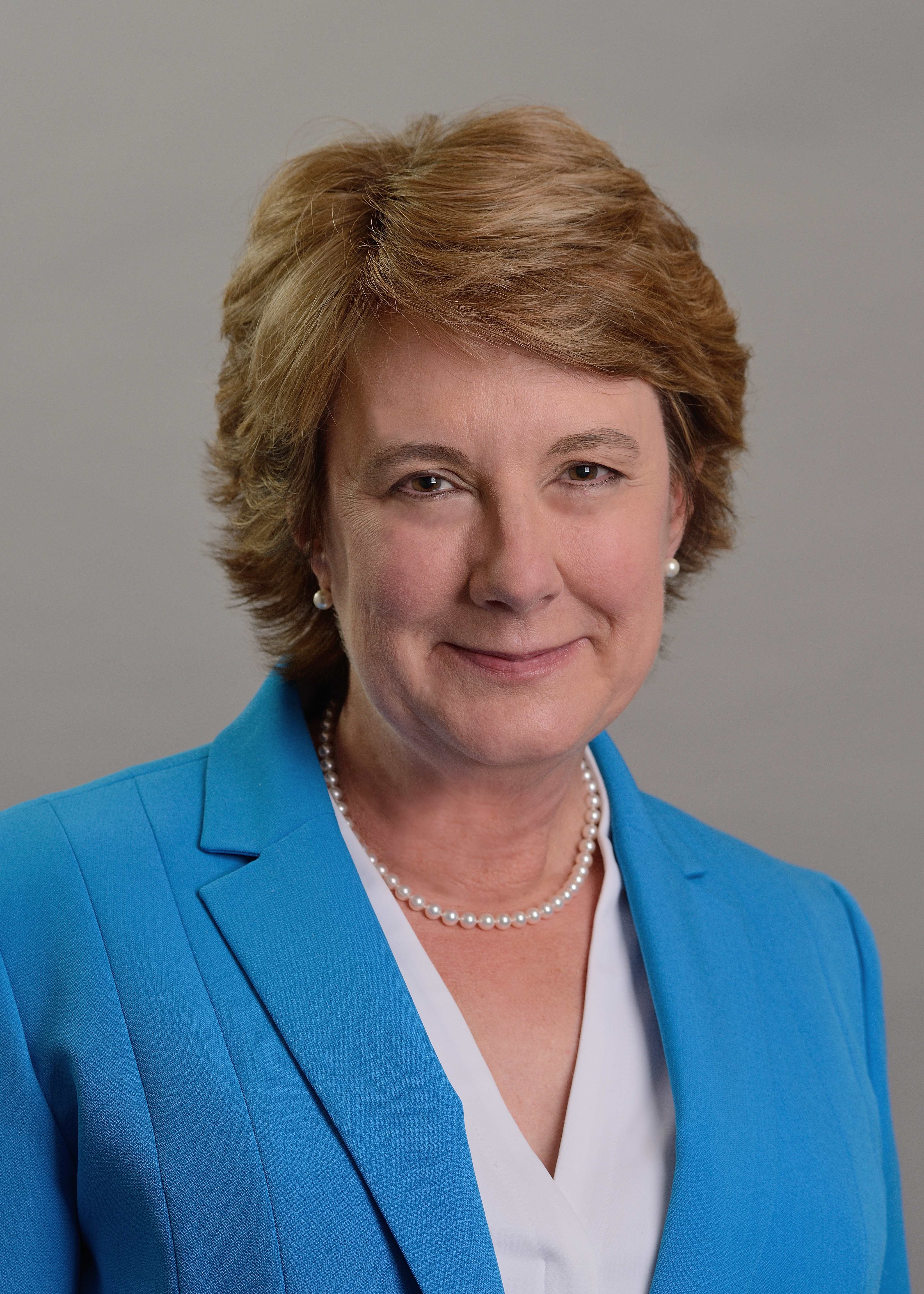
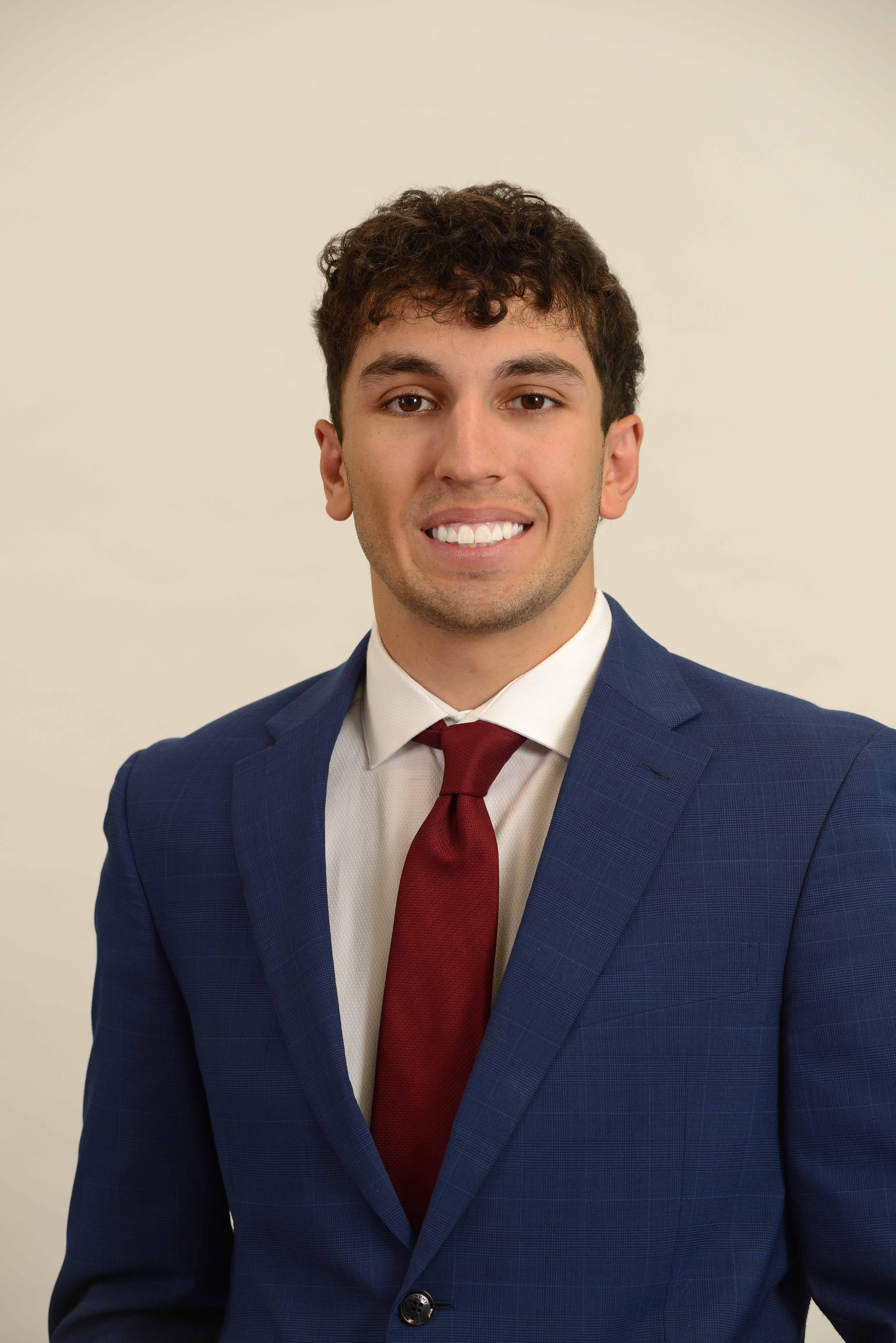
A professional headshot is often the first visual introduction to a financial services representative.

For independent financial advisors, insurance agents, and wealth management professionals, the image may appear on websites, social media profiles, business cards, marketing brochures, and professional directories.

The photograph should communicate confidence while maintaining a natural, approachable appearance.

Successful headshot photography requires careful attention to facial lighting, camera positioning, expression, professional wardrobe, background selection, and image composition.

An experienced commercial photographer understands how these elements work together.
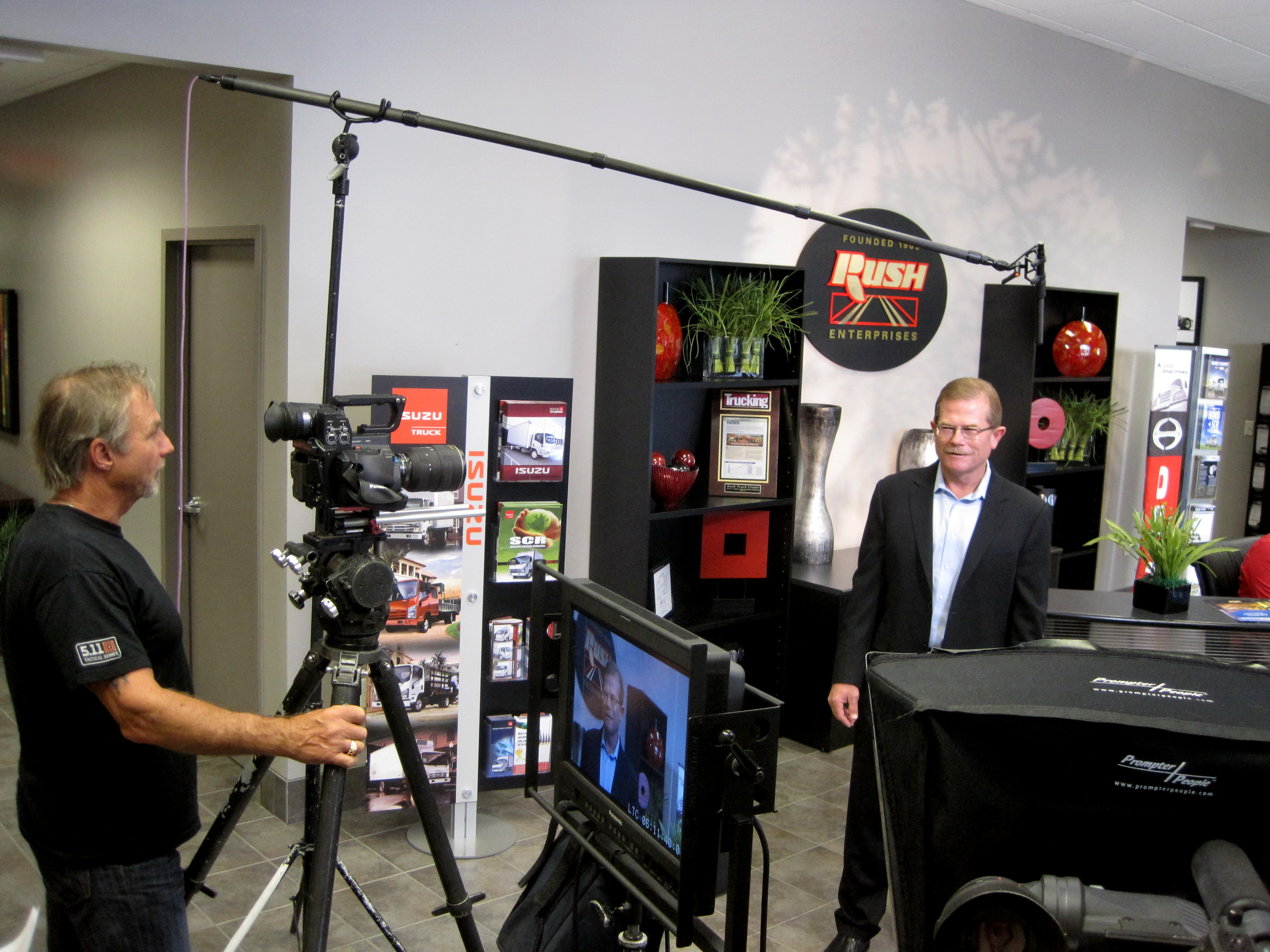
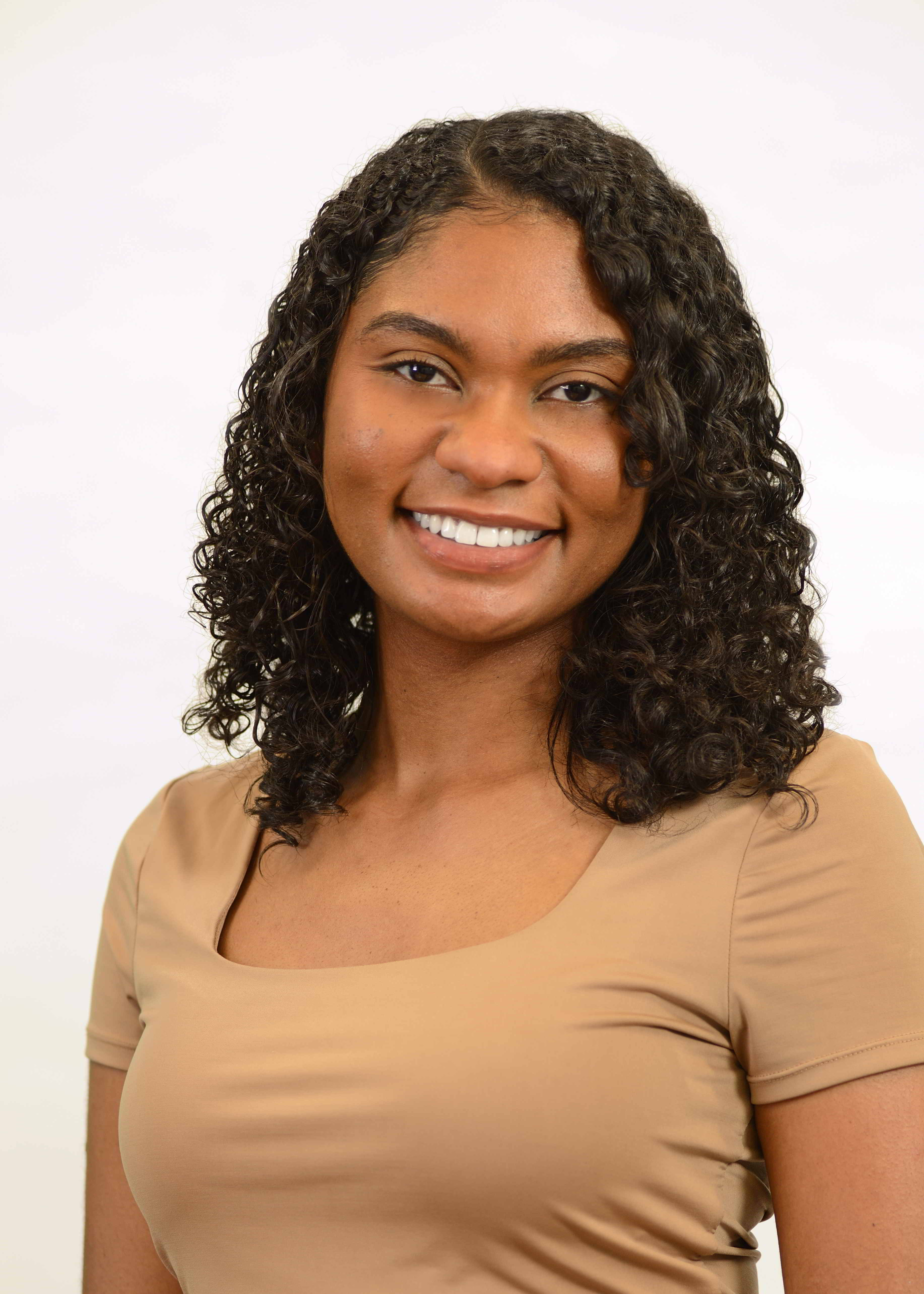
Traditional Studio Headshots

Traditional studio portraits are ideal for financial professionals seeking a polished, consistent appearance.

A professional studio allows photographers to control lighting, backgrounds, camera angles, and image quality.

Advantages include:

  • Consistent lighting across multiple employees
  • Professional backgrounds appropriate for financial services
  • Controlled facial shadows and natural skin tones
  • Efficient photography sessions
  • Minimal visual distractions
  • Coordinated image cropping and dimensions
  • Consistency for future employee portraits

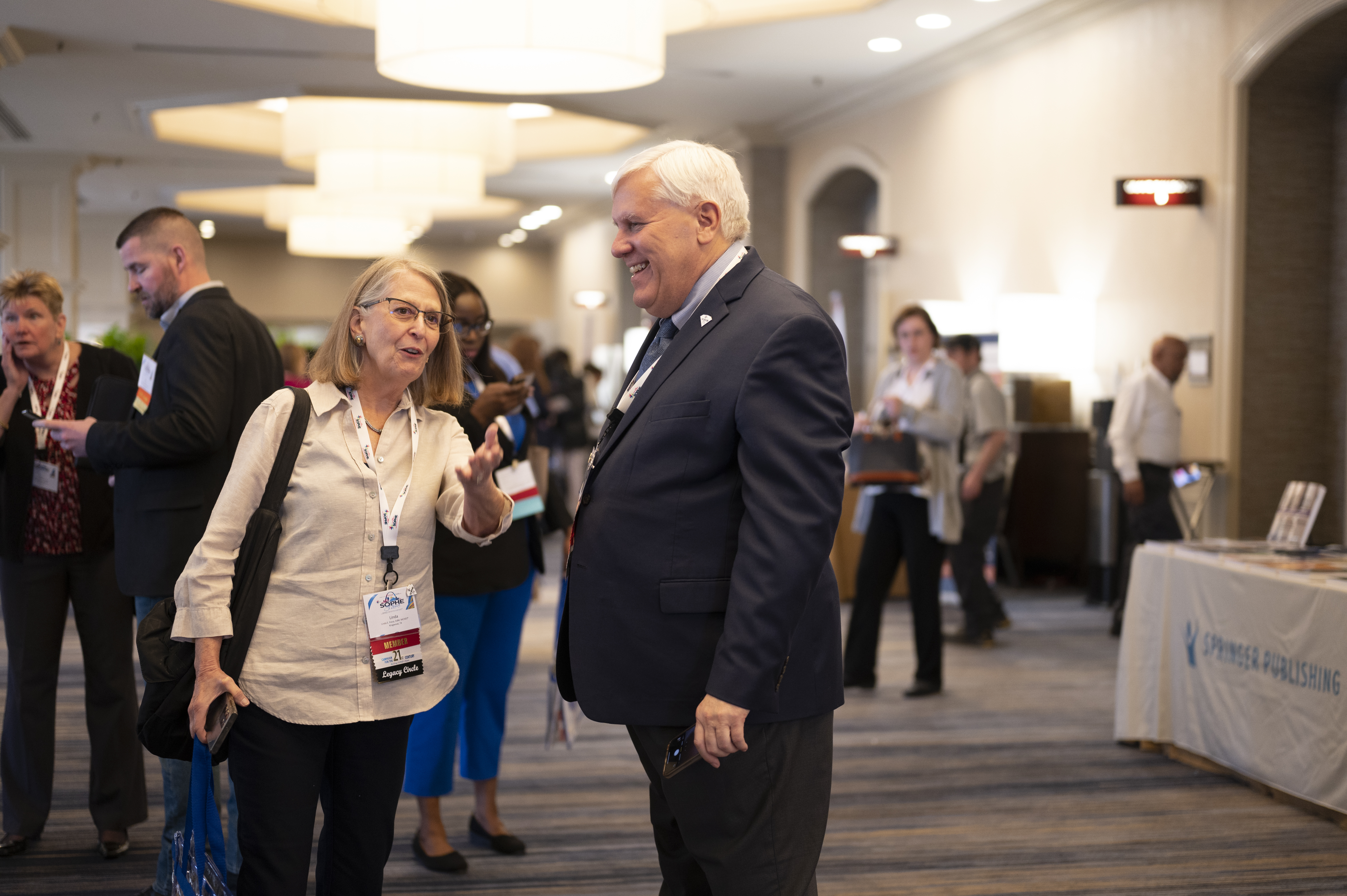
At St Louis Video Services, our private studio offers professional lighting and flexible visual arrangements suitable for financial advisor headshots, insurance agent portraits, executive photography, and business team presentations.

Environmental Financial Professional Portraits

Environmental portraits place financial professionals within recognizable business environments.

These may include conference rooms, private offices, meeting areas, corporate interiors, or other suitable settings.

An advisor photographed in a contemporary office can communicate a different atmosphere than one photographed against a neutral studio background.


Environmental portraits can be especially useful for company websites, recruiting campaigns, advertisements, and professional publications.

The appropriate style depends on the organization’s branding objectives.

Combining Studio and Environmental Photography

Many financial services firms benefit from both approaches.

Traditional studio portraits provide consistency for individual advisor biographies, while environmental images offer additional creative flexibility.

St Louis Video Services provides professional studio and location photography, making it possible to coordinate both styles through one experienced production resource.

Coordinated Headshot Photography for Entire Financial and Insurance Teams

Larger financial services organizations often face challenges maintaining consistent employee photography.

New advisors join the firm. Insurance agents change offices. Executives receive updated portraits at different times.

As a result, the company’s website may display photographs created by several photographers using different backgrounds and lighting styles.

This can weaken the consistency of the organization’s visual branding.

A coordinated photography program establishes common photographic standards.

These standards may include background color, lighting design, camera perspective, image dimensions, wardrobe recommendations, and retouching preferences.

Mobile Headshot Photography at Your Office

For organizations with numerous employees, scheduling studio appointments can become inconvenient.

Our photography crews can establish a professional headshot station at a client’s office.

This allows financial advisors, insurance agents, administrative personnel, and executives to participate in scheduled portrait sessions without leaving the workplace.

Mobile headshot photography is particularly useful for insurance agencies, banks, financial planning firms, accounting practices, and organizations with larger professional teams.

The objective is to create consistent professional images while minimizing interruptions to normal business operations.
Why Short-Form Video Is Especially Valuable for Financial Advisors

Video offers financial professionals an opportunity to explain their services in a conversational format.

While a professional portrait communicates appearance and personality through a still image, video introduces voice, movement, expression, and communication style.

This is important when discussing subjects that may be unfamiliar or intimidating to prospective clients.

A financial advisor who can explain retirement planning in understandable language may help viewers become more comfortable seeking additional information.

Similarly, an insurance professional who clearly describes different types of coverage can help consumers better understand important considerations.
Short-form video is particularly useful for:

  • LinkedIn
  • YouTube Shorts
  • Facebook
  • Instagram Reels
  • Financial services websites
  • Educational email campaigns
  • Digital advertising
  • Client education portals

The objective is not simply to produce entertaining content.

Effective financial services videos should communicate useful information while reinforcing professionalism, accuracy, and the organization’s brand.

Ten Effective Social Media Video Ideas for Financial and Insurance Professionals

Financial and insurance professionals have numerous opportunities to create educational content.

The following subjects can provide a foundation for ongoing video marketing.

1. Financial Advisor Introduction Videos

A professional introduction video allows an advisor to explain their background, services, and approach to working with clients.

These videos are especially useful for individual advisor biography pages and LinkedIn profiles.

The presentation should communicate expertise while remaining conversational and approachable.

2. Retirement Planning Education

Retirement planning is a subject that interests individuals at many different stages of their professional lives.

Short videos might explain general considerations involving retirement income, tax-advantaged accounts, contribution strategies, withdrawal planning, and long-term financial objectives.

The content should remain educational and avoid presenting generalized information as individualized investment advice.

3. Life Insurance Education Videos

Life insurance can be difficult for consumers to understand.

Insurance professionals can create short educational videos addressing subjects such as term life insurance, permanent coverage, beneficiaries, policy reviews, and general coverage considerations.

Videos should accurately describe products without making unsupported claims or creating unrealistic expectations.

4. Medicare and Health Insurance Explanations

Insurance professionals working with health coverage may develop educational presentations discussing enrollment periods, coverage terminology, and general differences among insurance arrangements.

Because health insurance and Medicare marketing can be subject to specific rules, scripts and final presentations should be reviewed for applicable compliance requirements.

5. Investment Education Videos

Financial professionals can explain general investment concepts such as diversification, asset allocation, market volatility, risk tolerance, and investment time horizons.

These topics can be presented without making specific recommendations or predictions.

Clear explanations may help viewers understand the principles that influence financial planning decisions.
6. Business Insurance and Risk Management

Commercial insurance professionals can create educational videos addressing common business coverage considerations.

Subjects might include general liability, property insurance, workers’ compensation, professional liability, and business interruption coverage.

These presentations can be especially useful when targeting business owners and corporate decision makers.

7. Frequently Asked Financial Questions

Financial advisors and insurance professionals regularly answer similar questions.

Examples include:

  • What should I consider before retirement?
  • How frequently should I review my insurance coverage?
  • What is the difference between a traditional IRA and a Roth IRA?
  • How does diversification relate to investment risk?
  • Why is an emergency fund important?
  • When should a business review its insurance policies?

Each video can focus on one question, delivering useful general information without overwhelming the viewer.

8. Financial Planning Process Videos

Prospective clients often want to understand what happens during an initial consultation.

A short video can explain how the firm approaches financial planning, gathers information, identifies objectives, and develops a planning process.

These presentations help communicate expectations without guaranteeing specific financial outcomes.

9. Insurance Agency and Financial Firm Culture Videos

Videos featuring advisors, agents, employees, and leadership can communicate an organization’s working environment.

These productions may support recruiting, employee retention, and employer branding.

Professional interviews and supporting footage of office activities help create a more complete presentation.

10. Community Involvement and Professional Events

Financial institutions and insurance agencies frequently participate in charitable organizations, professional associations, educational seminars, and community events.

Professional photography and video coverage of these activities can provide useful content for websites, newsletters, recruiting programs, and social media.

The Ideal Length for Financial and Insurance Social Media Videos

Short-form videos generally work best when they address one clearly defined subject.

For many social media applications, approximately 30 to 90 seconds provides a practical starting point.
A useful structure includes:

  1. Opening question: Introduce a financial or insurance issue relevant to the audience.
  2. Professional introduction: Identify the advisor or insurance representative.
  3. Educational explanation: Present a few useful points in understandable language.
  4. Summary: Reinforce the central concept.
  5. Call to action: Invite viewers to obtain additional information when appropriate.

Some financial subjects require longer explanations.

Two- or three-minute videos may be appropriate for company websites, YouTube, or more detailed educational presentations.

The most important consideration is maintaining clarity and accuracy.

A video should not be shortened so aggressively that important qualifications, limitations, or required disclosures become unclear.

Professional Studio Video Production for Financial Advisors and Insurance Professionals

Financial professionals frequently need to communicate detailed information while maintaining a natural, confident on-camera appearance.

A controlled studio environment provides important advantages.

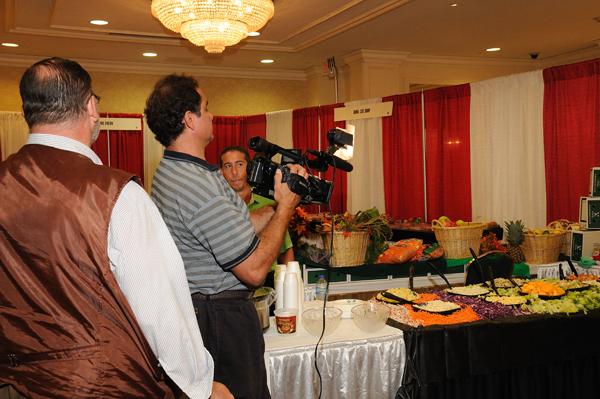
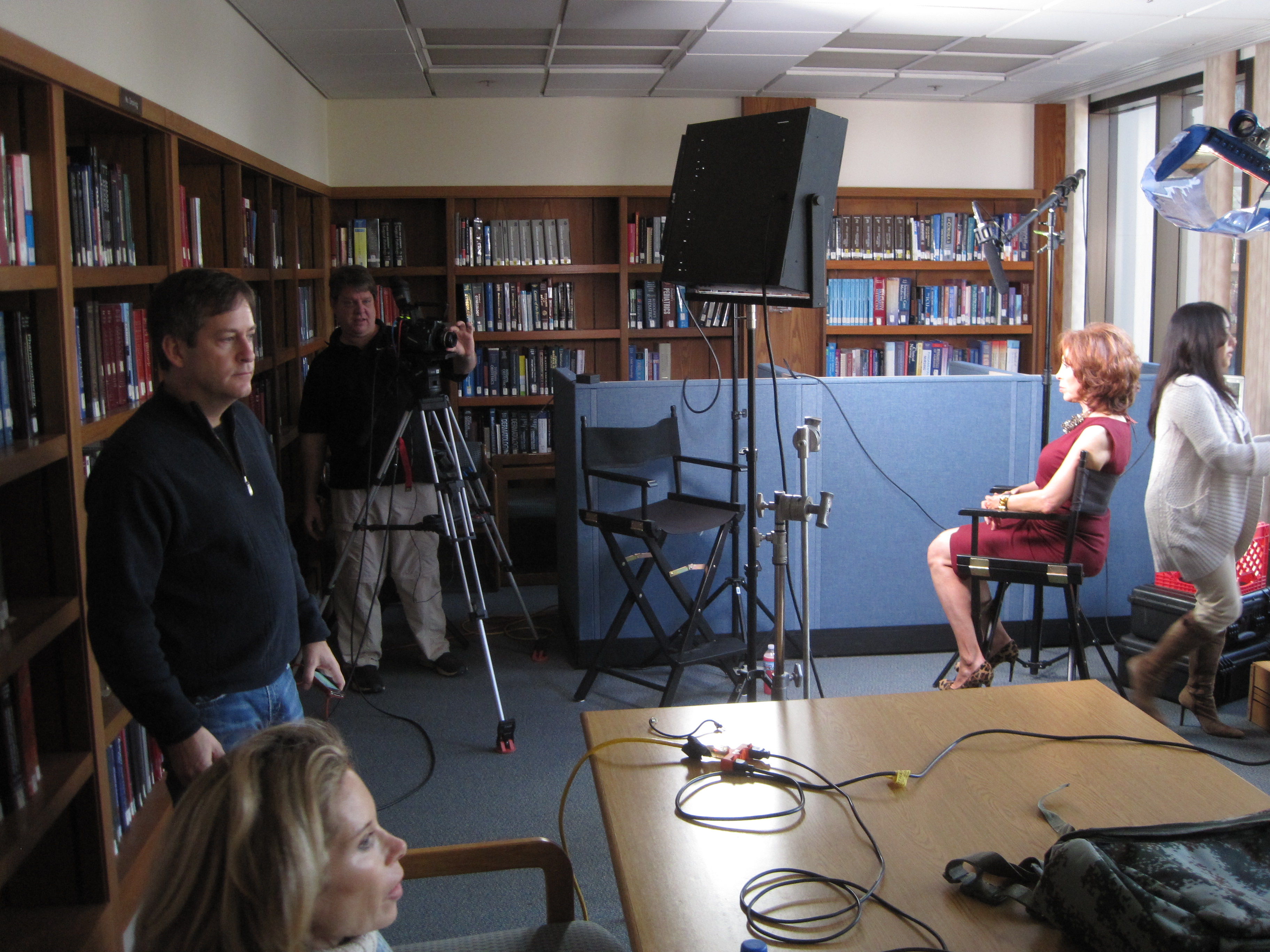
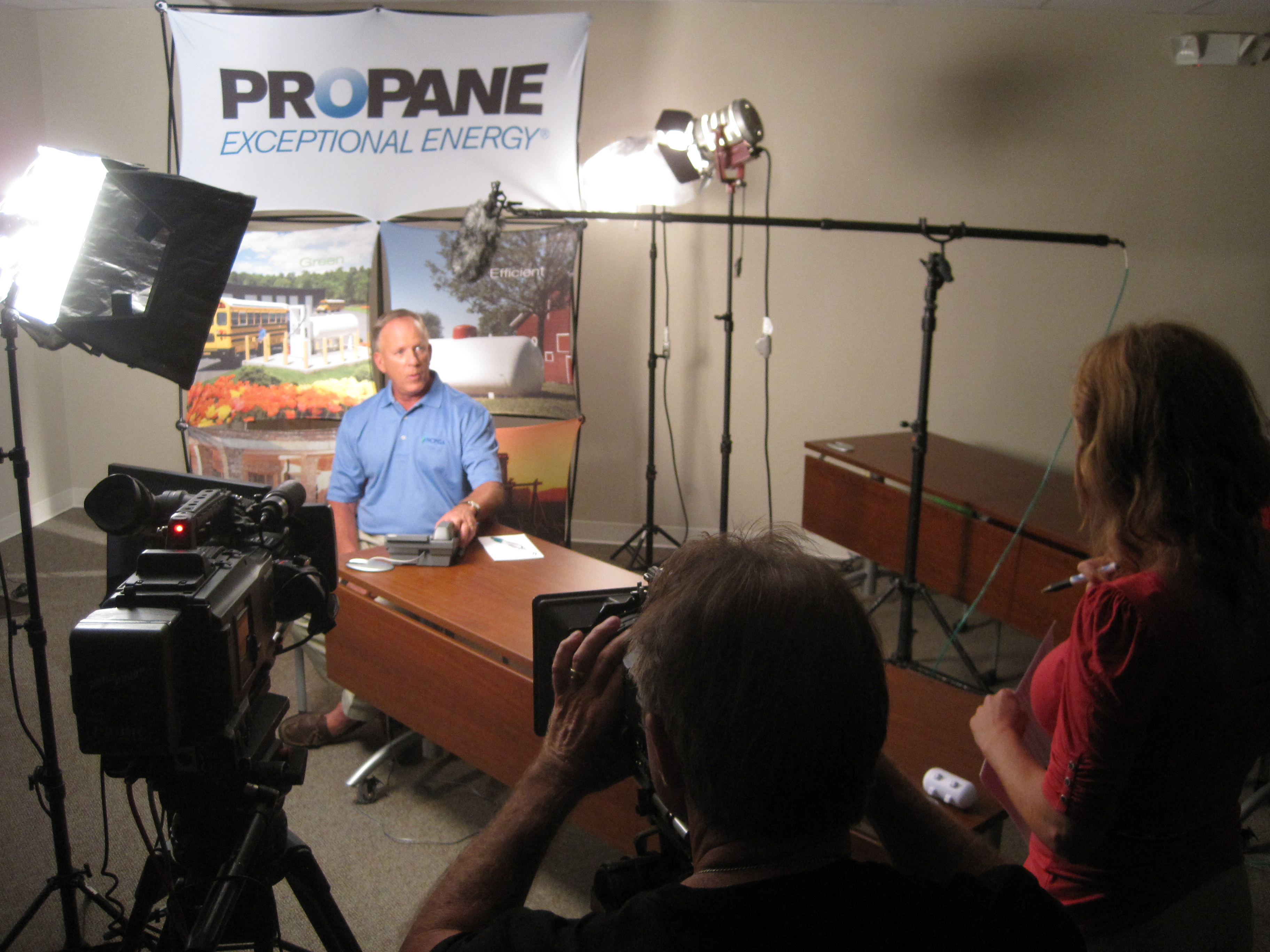
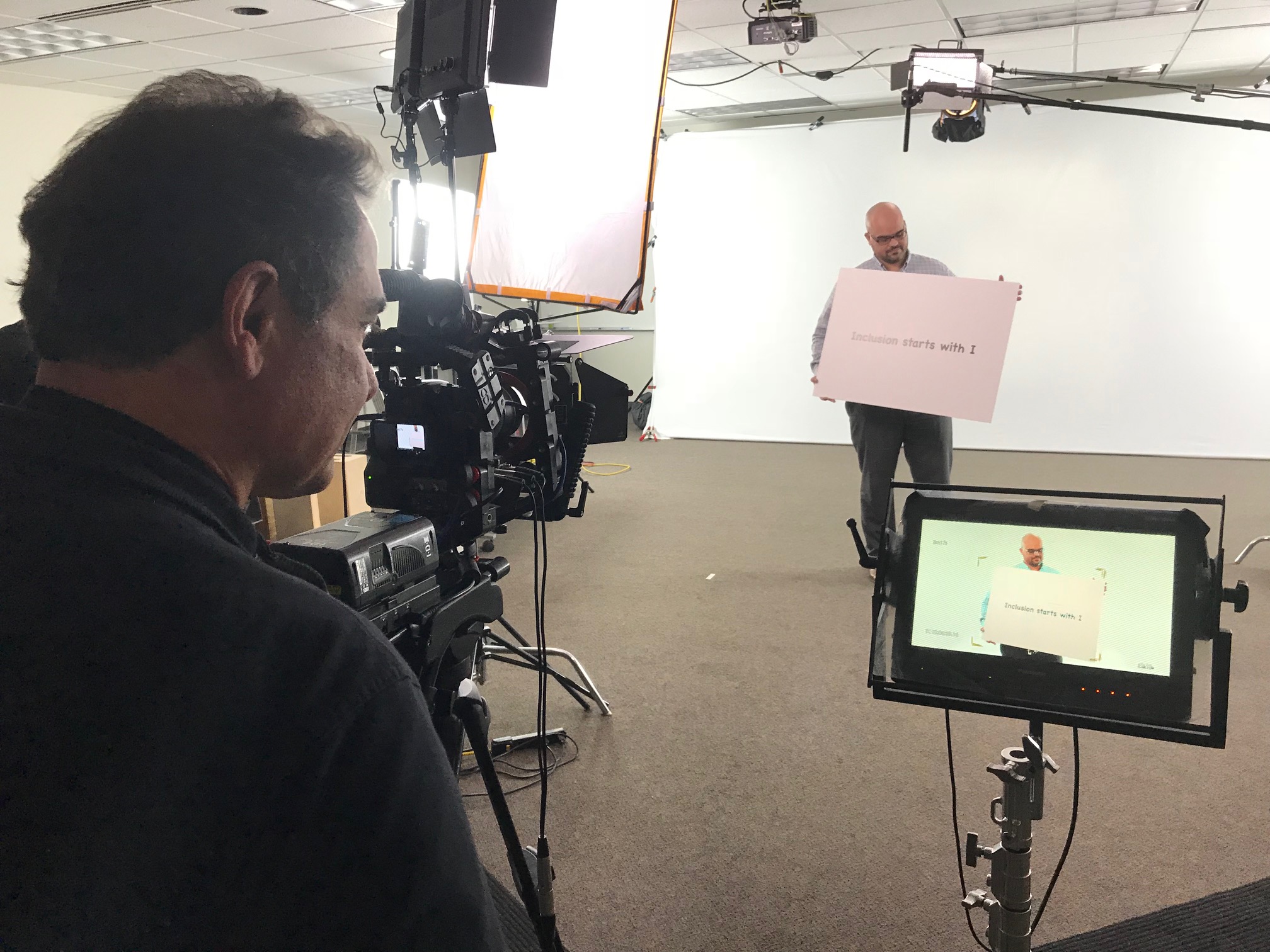
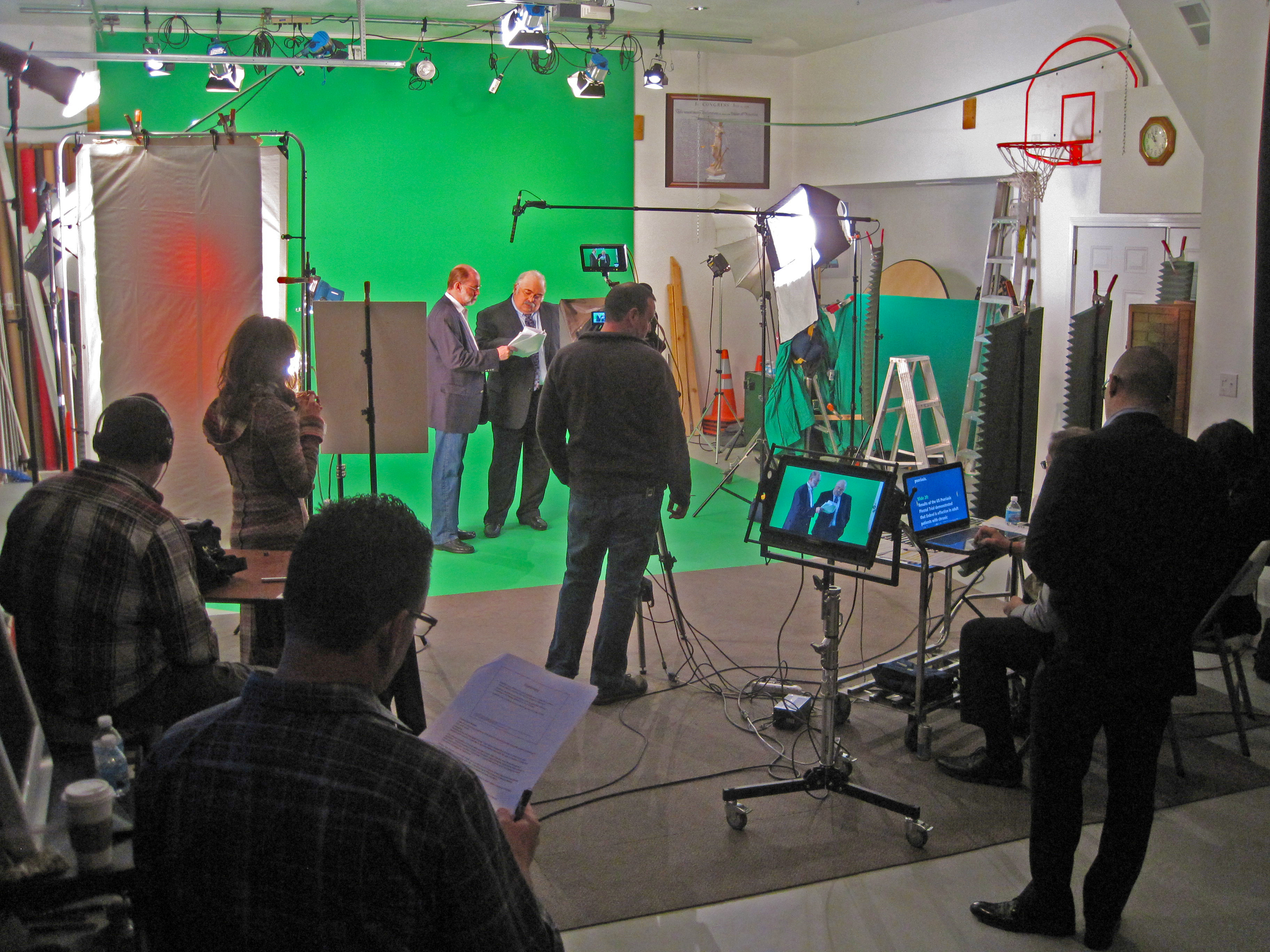
At St Louis Video Services, our private studio is designed for professional interviews, executive presentations, educational programming, and smaller commercial productions.

The studio features professional lighting and flexible visual setups.

We have sufficient space to incorporate furniture, props, backgrounds, and branded elements that complement the client’s visual identity.

Customized Financial Advisor Interview Sets

An interview background can contribute significantly to the overall impression.

For a wealth management professional, the presentation might feature a refined business environment with contemporary furniture and understated visual elements.

An insurance agency might prefer a brighter, more conversational setting.

A corporate executive may benefit from a formal interview composition.

Our production team can customize the studio environment to support the desired appearance without distracting from the speaker.

Professional Lighting

Carefully positioned lighting creates a polished appearance and helps maintain consistent image quality.

Our crews understand how to balance facial lighting, background illumination, color temperature, and contrast.

Professional lighting can also reduce unflattering shadows and provide appropriate separation between the subject and background.

Professional Sound Recording

Clear audio is particularly important when communicating financial information.

Viewers need to understand terminology, explanations, and qualifications without distractions.

Our professional sound equipment and experienced recording personnel help capture clear dialogue in both studio and location environments.

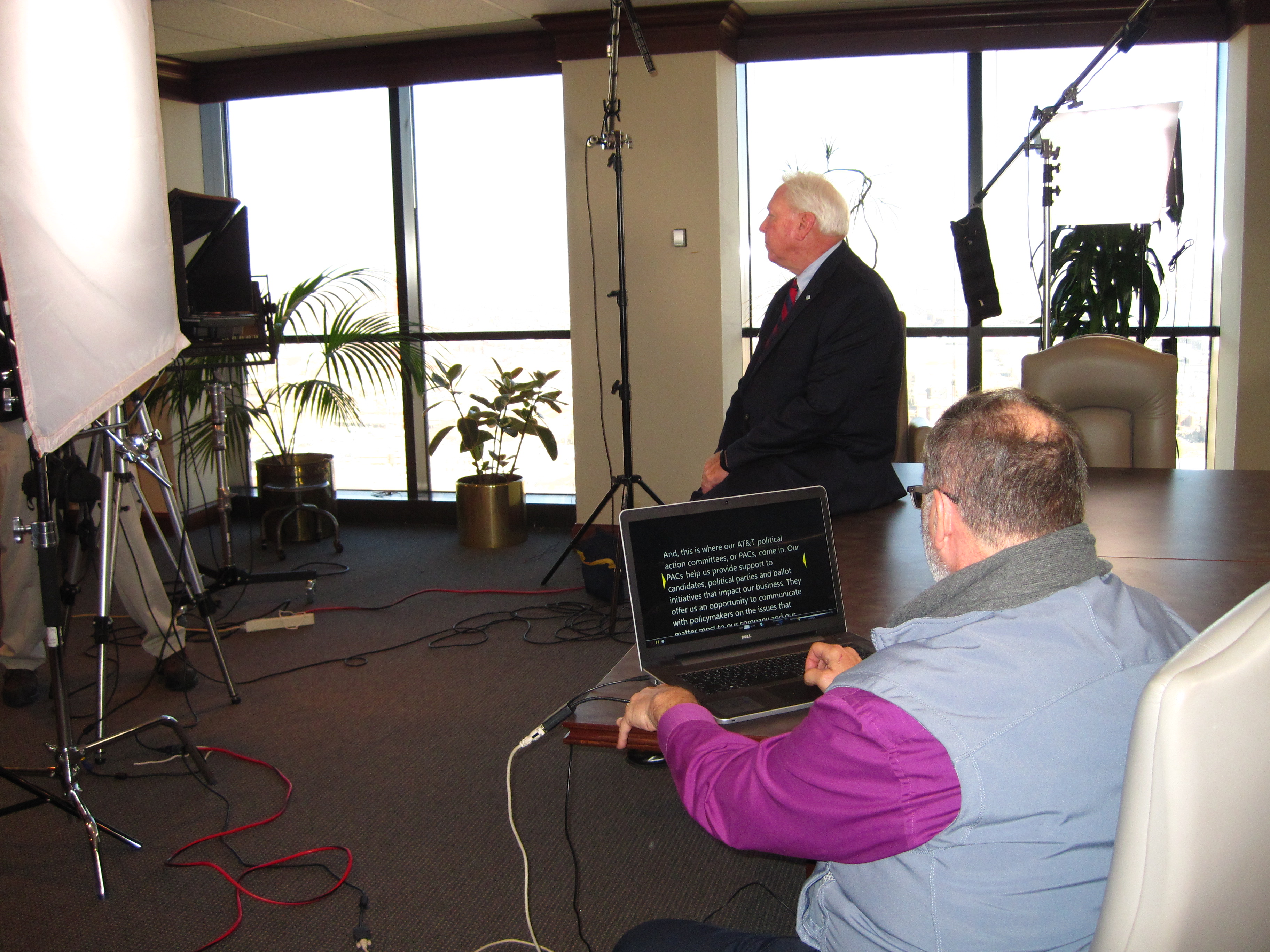
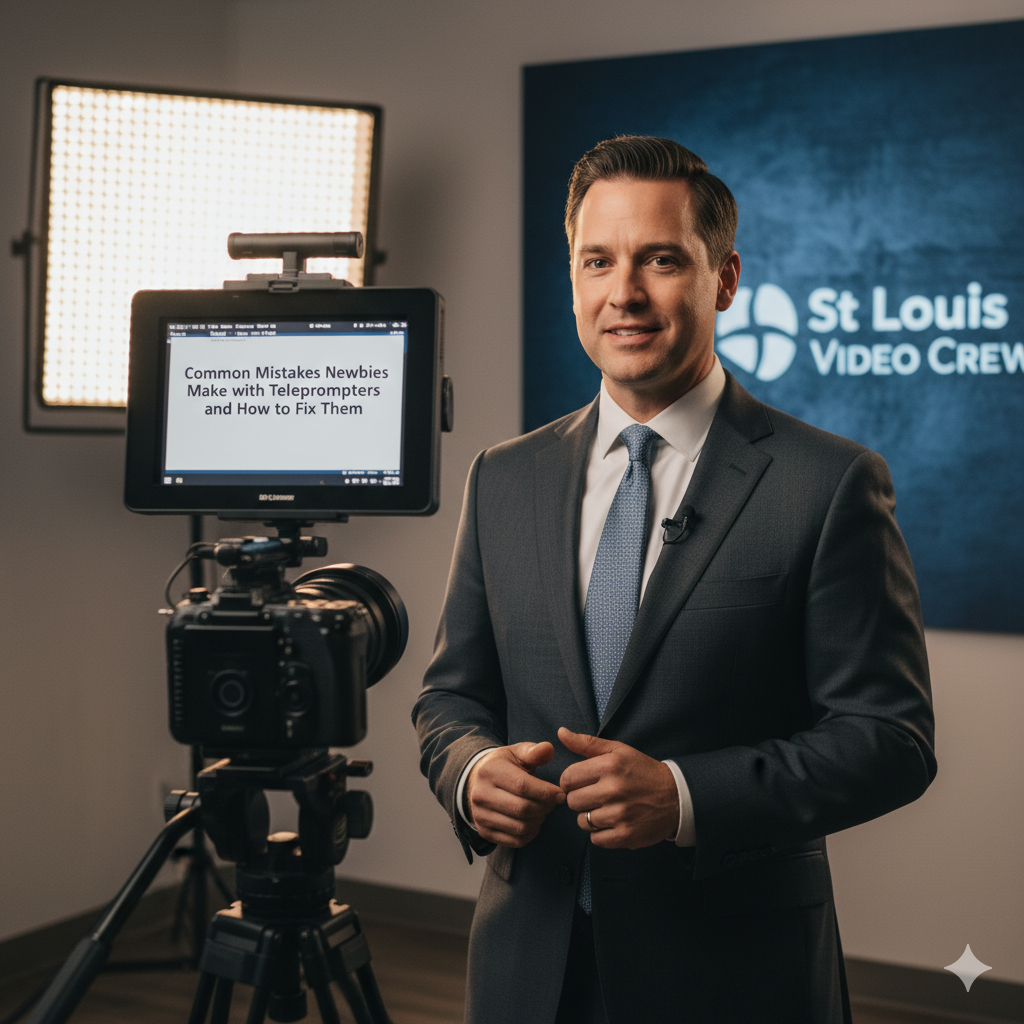
Teleprompter Assistance

Financial and insurance professionals often work from carefully prepared scripts.

A professional teleprompter allows the speaker to maintain eye contact with the camera while presenting approved wording.

This is particularly valuable when specific terminology, disclosures, or explanations must be delivered consistently.

Our crews can help presenters establish a comfortable pace and natural delivery.

Multi-Camera Recording

Some productions benefit from multiple camera angles.

A primary camera may capture a medium close-up while a second records a wider composition.

These alternate perspectives provide additional editing flexibility and can make longer educational presentations more visually engaging.

Helping Financial Professionals Feel Comfortable on Camera

Financial advisors and insurance agents frequently have considerable experience communicating directly with clients.

However, speaking to a camera can feel different from conducting a client meeting.

Professional direction can help create a more natural presentation.

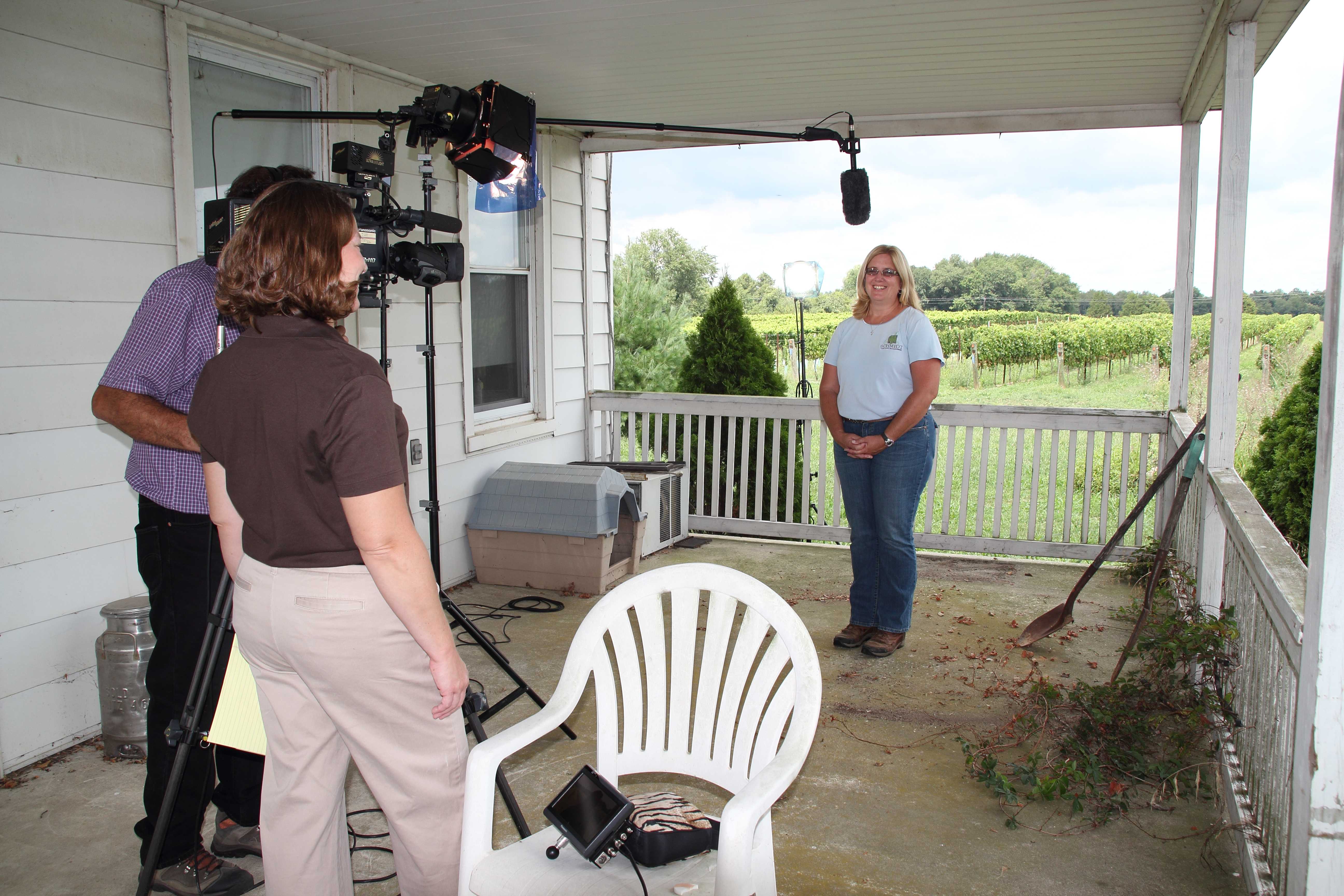
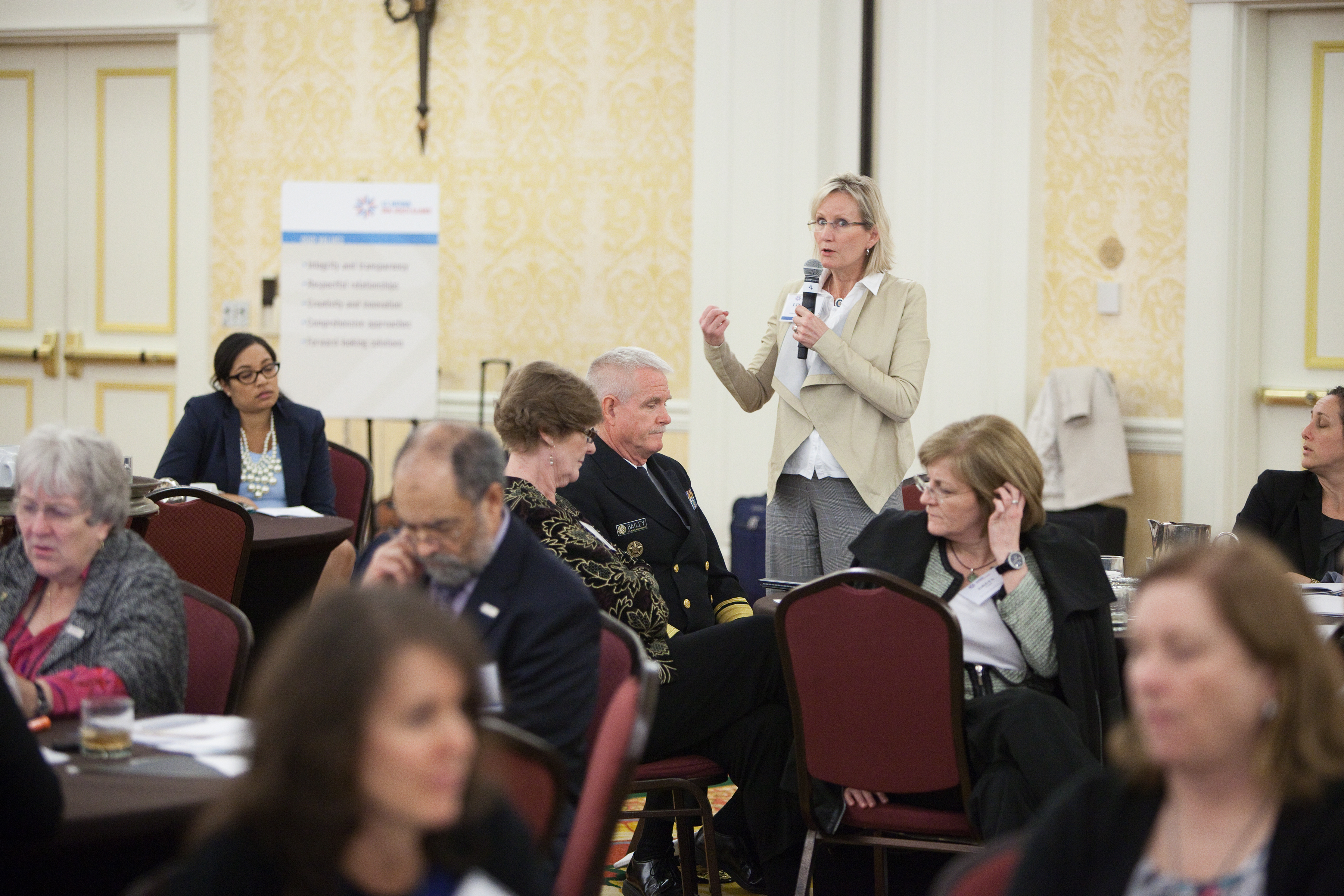
Our experienced producers and camera operators assist with pacing, posture, eye contact, delivery, and rehearsal.

When appropriate, an interview format can be more effective than reading a prepared script.

A producer can ask questions while the financial professional responds conversationally.

This approach may help capture authentic explanations while maintaining the subject’s professional personality.

The firm should still review the resulting statements for accuracy and compliance before publication.

314-604-6544

stlouisvideoservices@gmail.com

Cost-Efficient ERAS Residency Headshots and Video Clips

Residency recruitment has become increasingly dependent on digital communication. Prospective residents frequently evaluate programs through hospital websites, physician profiles, social media, recruitment videos, virtual open houses, and online interview materials before they ever visit a facility.

Professional headshots and short video clips help residency programs introduce their faculty, residents, facilities, educational opportunities, and organizational culture in a direct and personal way. These visual assets can improve the applicant experience while helping a program present a consistent, polished, and credible identity.

For Graduate Medical Education departments, residency program directors, hospital marketing teams, and healthcare administrators, the challenge is creating enough high-quality content without exceeding the budget or disrupting clinical schedules.

A coordinated, full-service production strategy can make ERAS residency headshots and recruitment videos considerably more cost-efficient. By combining photography, interviews, b-roll, facility footage, and post-production planning into a single organized project, healthcare organizations can create a substantial media library from one production investment.

Professional Media Shapes an Applicant’s First Impression

Residency candidates are not only comparing curricula, rotations, and board pass rates. They are also evaluating the people, environment, support systems, and professional culture associated with each program.

Before applicants speak with faculty or attend an interview, they may already have formed an impression based on the quality of the program’s visual communication.

Professional photography and video can communicate:

  • Faculty accessibility
  • Resident collaboration
  • Program leadership
  • Educational culture
  • Clinical training opportunities
  • Research capabilities
  • Simulation resources
  • Hospital facilities
  • Mentorship
  • Community and lifestyle advantages

Strong visual content helps potential residents understand what distinguishes a program from other opportunities.

Why Short Residency Videos Are Effective

Long-form recruitment videos can be useful, but shorter video clips often provide more flexibility and greater long-term value.

Short videos allow viewers to select the subjects that interest them most. They also give hospital marketing teams more content to distribute across different platforms.

Useful video topics include:

  • A welcome from the Program Director
  • Why current residents selected the program
  • Faculty teaching philosophy
  • Mentorship opportunities
  • Research and publication resources
  • Simulation training
  • Resident wellness
  • Specialty rotations
  • Community service
  • Living and working in St. Louis
  • Career preparation
  • Fellowship opportunities

Individual clips may be published independently, combined into a longer recruitment presentation, or incorporated into virtual interview events.

Consistent ERAS Headshots Improve Brand Presentation

Professional headshots are among the most frequently used assets produced during a residency marketing project.

Faculty and resident portraits may appear on:

  • Residency program websites
  • ERAS-related recruitment materials
  • Physician directories
  • Department pages
  • Social media profiles
  • Conference programs
  • Internal communications
  • Press releases
  • Hospital marketing materials
  • Professional biographies

When portraits have inconsistent backgrounds, lighting, cropping, or color, the program’s visual identity can appear fragmented.

A standardized headshot program creates a cohesive appearance through:

  • Consistent lighting
  • Matching backgrounds
  • Uniform image dimensions
  • Coordinated posing
  • Accurate skin tones
  • Professional retouching
  • Standardized file naming and delivery

This consistency makes the entire residency program appear more organized and professional.

Batch Production Reduces the Cost Per Participant

One of the best ways to control production costs is to schedule multiple physicians, residents, and faculty members during the same production day.

A coordinated session can be planned around:

  • New resident orientation
  • Faculty meetings
  • Department conferences
  • Annual retreats
  • Interview season preparation
  • Graduate Medical Education events
  • Hospital marketing initiatives

Once the photography, video, lighting, sound, and background equipment is established, participants can move efficiently through a repeatable process.

This reduces duplicated costs associated with:

  • Crew travel
  • Equipment transportation
  • Lighting setup
  • Audio preparation
  • Background installation
  • Camera configuration
  • Location preparation
  • Production management

Batch production also ensures that every participant is photographed and recorded under the same technical conditions.

Combine Photography and Video During One Production

Photography and video do not need to be scheduled as separate projects.

With advance planning, a resident or faculty member can complete a headshot session and then move directly to a nearby interview setup. The production crew can capture several assets during one scheduled appearance.

A combined production may create:

  • Formal physician headshots
  • Casual professional portraits
  • Environmental portraits
  • Program Director interviews
  • Faculty introductions
  • Resident testimonials
  • Group photographs
  • Team interaction footage
  • Website banner images
  • Social media clips
  • Hospital and campus b-roll
  • Recruitment advertising content

Capturing multiple assets during the same session improves the return on every production dollar.

Plan Interviews Around Short, Focused Questions

Physicians and residents are usually more comfortable when interviews are concise and conversational.

Rather than asking each participant to memorize a lengthy script, the production team can use a few focused prompts.

Examples include:

  • Why did you choose this residency?
  • What makes the program distinctive?
  • How would you describe the faculty?
  • What surprised you most after joining?
  • What should applicants know about the culture?
  • Which educational opportunity has been most valuable?
  • What is it like to live in St. Louis?

Short answers are easier to record, edit, caption, and repurpose. They also tend to sound more authentic than heavily scripted responses.

Experienced Interview Direction Produces Better Content

Medical professionals may be comfortable presenting clinical information but still feel uneasy in front of a camera.

An experienced producer helps participants communicate naturally while keeping the session efficient.

Professional direction may include:

  • Simplifying the interview question
  • Coaching posture and eye contact
  • Encouraging complete-sentence answers
  • Reducing overly technical language
  • Identifying concise sound bites
  • Managing multiple takes
  • Maintaining a comfortable pace
  • Helping participants sound conversational

The goal is not to manufacture a performance. It is to help each participant present their expertise, enthusiasm, and personality clearly.

Teleprompter Support for Formal Messages

Some residency videos require precise wording, particularly when recording:

  • Program Director introductions
  • Executive messages
  • Institutional statements
  • Accreditation-related information
  • Formal program overviews
  • Approved marketing scripts

Teleprompter support allows the speaker to deliver prepared content while maintaining direct eye contact with the camera.

An experienced production team can adjust the font size, scrolling speed, eye line, pacing, and script structure to help the speaker appear natural.

For resident testimonials and informal faculty interviews, conversational questioning is generally more effective. For formal communications, a teleprompter can save time and improve accuracy.

Professional Sound Is Critical

Clear audio is one of the most important elements of any recruitment video.

Hospitals present several sound challenges, including:

  • Ventilation systems
  • Hallway conversations
  • Medical equipment
  • Elevators
  • Paging systems
  • Reflective walls
  • Nearby clinical activity

Professional audio services may include:

  • Wireless lavalier microphones
  • Directional boom microphones
  • Backup audio recording
  • Headphone monitoring
  • Room-noise evaluation
  • Audio synchronization
  • Dialogue enhancement
  • Noise reduction during post-production

Good audio helps viewers remain focused on the message rather than the production environment.

Controlled Lighting Produces a Professional Appearance

Healthcare facilities are not usually designed with video production or portrait photography in mind.

Overhead fixtures, windows, mixed color temperatures, and reflective surfaces can create unflattering shadows or inconsistent skin tones.

Professional lighting provides:

  • Natural facial illumination
  • Accurate color
  • Consistent exposure
  • Separation from the background
  • Attractive eye highlights
  • Visual continuity
  • A more polished institutional appearance

Once the lighting is established, participants can move through the setup efficiently while maintaining consistent results.

Multicamera Interviews Improve Editing Flexibility

A multicamera interview can provide additional visual options without requiring the participant to repeat every response.

One camera may record a primary composition while another captures a tighter angle or alternate perspective.

These additional angles help editors:

  • Shorten answers cleanly
  • Remove pauses or mistakes
  • Improve pacing
  • Create more visually engaging videos
  • Produce horizontal and vertical versions
  • Develop shorter social media clips
  • Maintain continuity during edits

Multicamera production can be particularly helpful for executive messages, panel discussions, training content, and important program overviews.

314-604-6544

stlouisvideoservices@gmail.com

Top Trends in Commercial Product Photography: What’s Hot and What’s Not

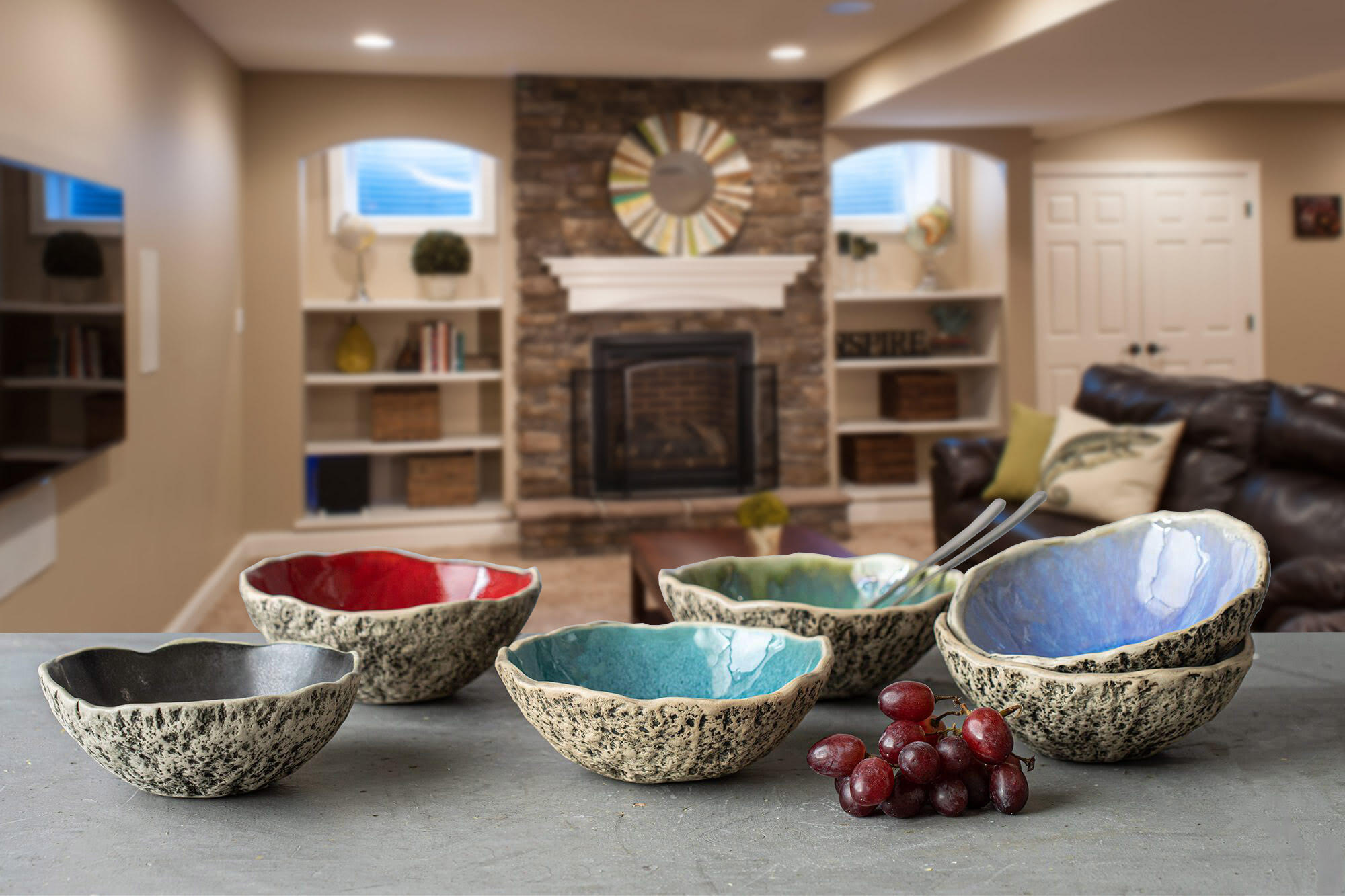
In today’s digital world, having high-quality product photos is essential for businesses. With the rise of eCommerce, social media, and online advertising, it’s more important than ever to stand out from the competition. In this article, we’ll explore the latest trends in commercial product photography to help you create stunning visuals that grab the attention of your target audience.

The Importance of Commercial Product Photography

Before we dive into the latest trends, let’s take a moment to discuss the importance of commercial product photography. Your product photos are often the first impression that potential customers have of your business. They can make or break a sale, as customers are more likely to purchase a product if it has high-quality images that showcase its features and benefits.

Furthermore, your product photos can help you stand out from the competition. In today’s crowded marketplace, businesses need to find ways to differentiate themselves. High-quality product photos can help you do just that by making your products look more appealing and professional than those of your competitors.

Trends in Product Photography

Now that we’ve established the importance of product photography, let’s dive into the latest trends. From minimalist backgrounds to interactive product photos, there are a variety of techniques that can help you create stunning visuals that grab the attention of your target audience.

Minimalistic Product Photography

One of the hottest trends in product photography right now is the use of minimalist backgrounds. This technique involves using a simple, neutral background that doesn’t distract from the product itself. A white or light grey background is a popular choice, as it creates a clean and modern look that’s perfect for eCommerce websites and social media platforms.

Minimalistic product photography is all about simplicity. By removing clutter and distractions from the background, you can draw the viewer’s attention to the product itself. This technique works particularly well for products with intricate details or unique shapes that you want to highlight.

Creative Product Staging

Another trend in commercial product photography is the use of creative product staging. This involves setting up the product in a way that tells a story or creates a mood. For example, if you’re selling a beach chair, you might stage it on a sandy beach with a cold drink and a book nearby. This creates a sense of relaxation and escape, which can be appealing to potential customers.

Creative product staging is all about creating a lifestyle around your product. By showing your product in use or in a specific context, you can help potential customers visualize themselves using it in their own lives. This technique works particularly well for products that are associated with a certain lifestyle or demographic.

Interactive Product Photography

Another trend in commercial product photography is the use of interactive product photos. This involves creating photos that allow the viewer to interact with the product in some way. For example, you might create a 360-degree product photo that allows the viewer to see the product from all angles, or a photo that shows the product in use when the viewer hovers over it.

Interactive product photography is all about engaging the viewer and creating a sense of interactivity. By allowing the viewer to interact with the product in some way, you can create a more immersive experience that’s more likely to lead to a sale.

360-Degree Product Photography

Speaking of interactive product photography, 360-degree product photos are another hot trend in commercial product photography. This technique involves creating a series of photos that show the product from all angles, which are then stitched together to create a 360-degree view that the viewer can rotate and zoom in on.

360-degree product photography is all about giving the viewer a comprehensive view of the product. By showing the product from all angles, you can help potential customers get a better sense of its features and benefits. This technique works particularly well for products with unique shapes or intricate details, as it allows the viewer to see them from every angle.

Use of Vibrant Colors in Product Photography

Finally, the use of vibrant colors is another trend in commercial product photography. This involves using bold, eye-catching colors that grab the viewer’s attention and create a sense of energy and excitement. Bright colors like red, yellow, and orange are particularly effective at creating a sense of urgency and action.

Using vibrant colors in your product photos can help you stand out from the competition and create a sense of excitement around your products. This technique works particularly well for products that are associated with energy, action, or excitement, such as sports equipment or electronics.

Importance of Product Photography in eCommerce

Now that we’ve covered the latest trends in product photography, let’s take a moment to discuss the importance of product photography in eCommerce. As we mentioned earlier, your product photos are often the first impression that potential customers have of your business. This is particularly true for eCommerce websites, where customers can’t physically touch or see the product in person.

Furthermore, high-quality product photos can help you increase sales and conversions. Studies have shown that products with high-quality images have a higher conversion rate than those with low-quality images or no images at all. By investing in high-quality product photography, you can increase your chances of making a sale and growing your business.

Common Mistakes in Commercial Product Photography

Before we wrap up, let’s take a moment to discuss some common mistakes that businesses make in commercial product photography. These mistakes can undermine the effectiveness of your product photos and make it harder for you to stand out from the competition. Some common mistakes to avoid include:

  • Poor lighting: Make sure your product is well-lit and free from shadows or glare.
  • Lack of context: Make sure your product photos provide context and show the product in use or in a specific context.
  • Low resolution: Make sure your product photos are high-resolution and can be zoomed in on without losing quality.
  • Cluttered backgrounds: Make sure your product is the focus of the photo and that the background doesn’t distract from it.

By avoiding these common mistakes, you can create product photos that are more effective and help you stand out from the competition.

In conclusion, commercial product photography is more important than ever before in today’s digital world. By staying ahead of the latest trends and techniques, you can create stunning visuals that grab the attention of your target audience and help you stand out from the competition. Whether you’re using minimalist backgrounds, creative product staging, or interactive product photos, there are a variety of techniques that can help you create high-quality product photos that increase conversions and grow your business. So don’t be afraid to experiment and try new things – the world of product photography is constantly evolving, and there’s always something new to discover.

314-892-1233

Norm Krull, St Louis Video Producer

stlouisvideoservices@gmail.com