
When organizations need polished video content that feels credible, useful, and aligned with their brand, the difference is rarely just the camera. The difference is the crew, the planning, the environment, and the ability to capture both the primary message and the supporting visuals that make that message believable. For businesses and organizations in St. Louis, that often comes down to one essential production need: a professional studio and location crew for interviews and b-roll.
Interviews and b-roll are the backbone of a wide range of effective business video content. They shape executive messages, customer stories, recruiting videos, internal communications, company overviews, training content, case studies, brand films, website videos, and social media assets. When done well, they create clarity, trust, and momentum. When done poorly, they make even strong messaging feel flat, disorganized, or forgettable.
At St Louis Video Services, we understand that decision makers are not simply buying footage. They are investing in communication tools that need to work across platforms, teams, campaigns, and audiences. That is why a professional approach to both studio and on-location production matters so much.
Why Interviews Still Matter in Modern Marketing and Corporate Communications
In an era of fast-moving content, interviews remain one of the most efficient and authentic ways to communicate expertise, leadership, and trust. A well-produced interview gives a company a human voice. It allows executives, staff members, clients, stakeholders, or subject matter experts to explain ideas with authority and personality. It creates a natural foundation for storytelling and helps audiences connect with the people behind the brand.
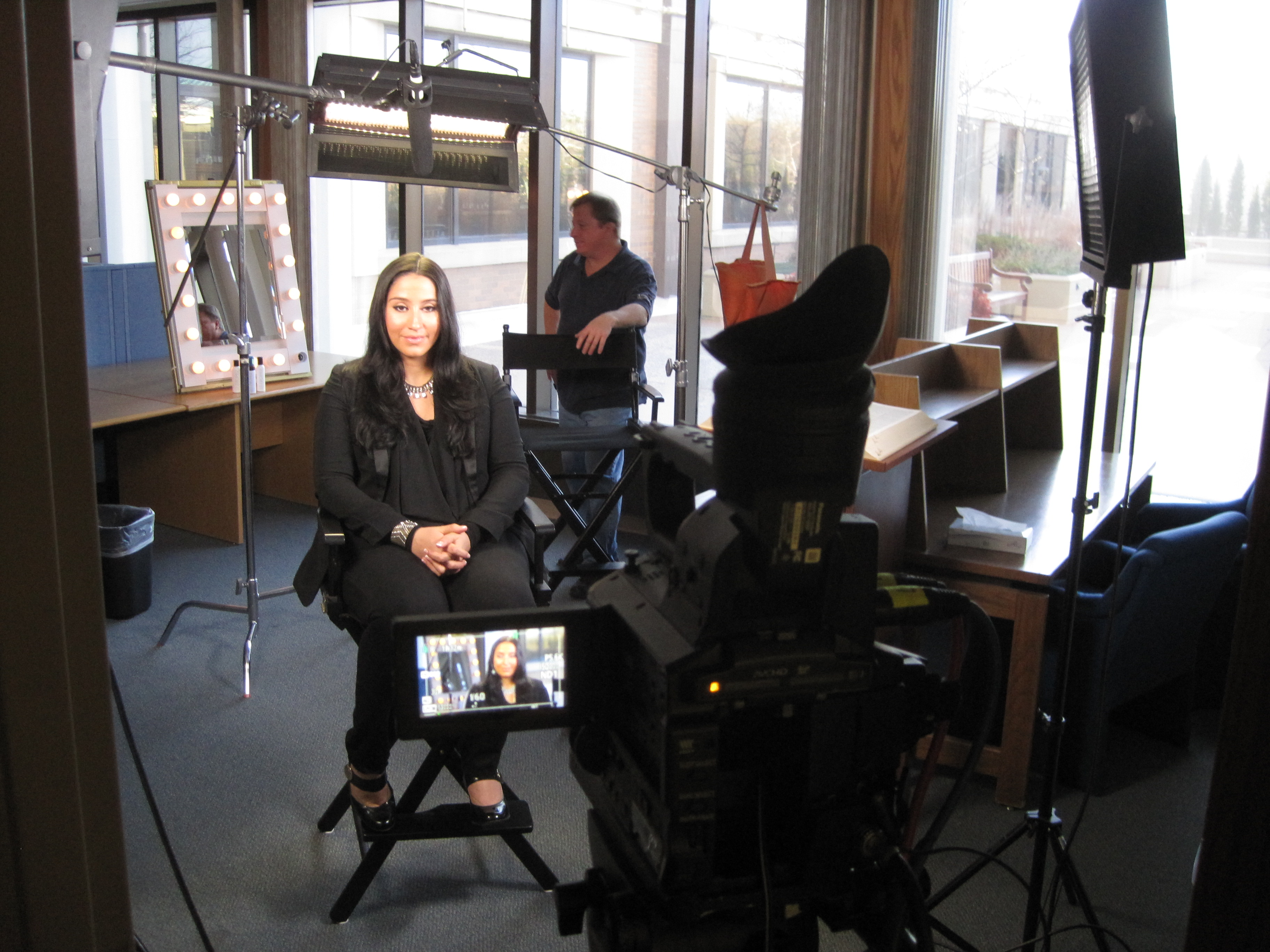

For organizations, interview-driven content is practical because it is highly adaptable. A single interview shoot can provide material for a long-form brand video, a series of short clips for social platforms, website content, paid campaign assets, recruiting messages, training modules, and internal communications. The more strategic the interview production, the more value the content delivers over time.
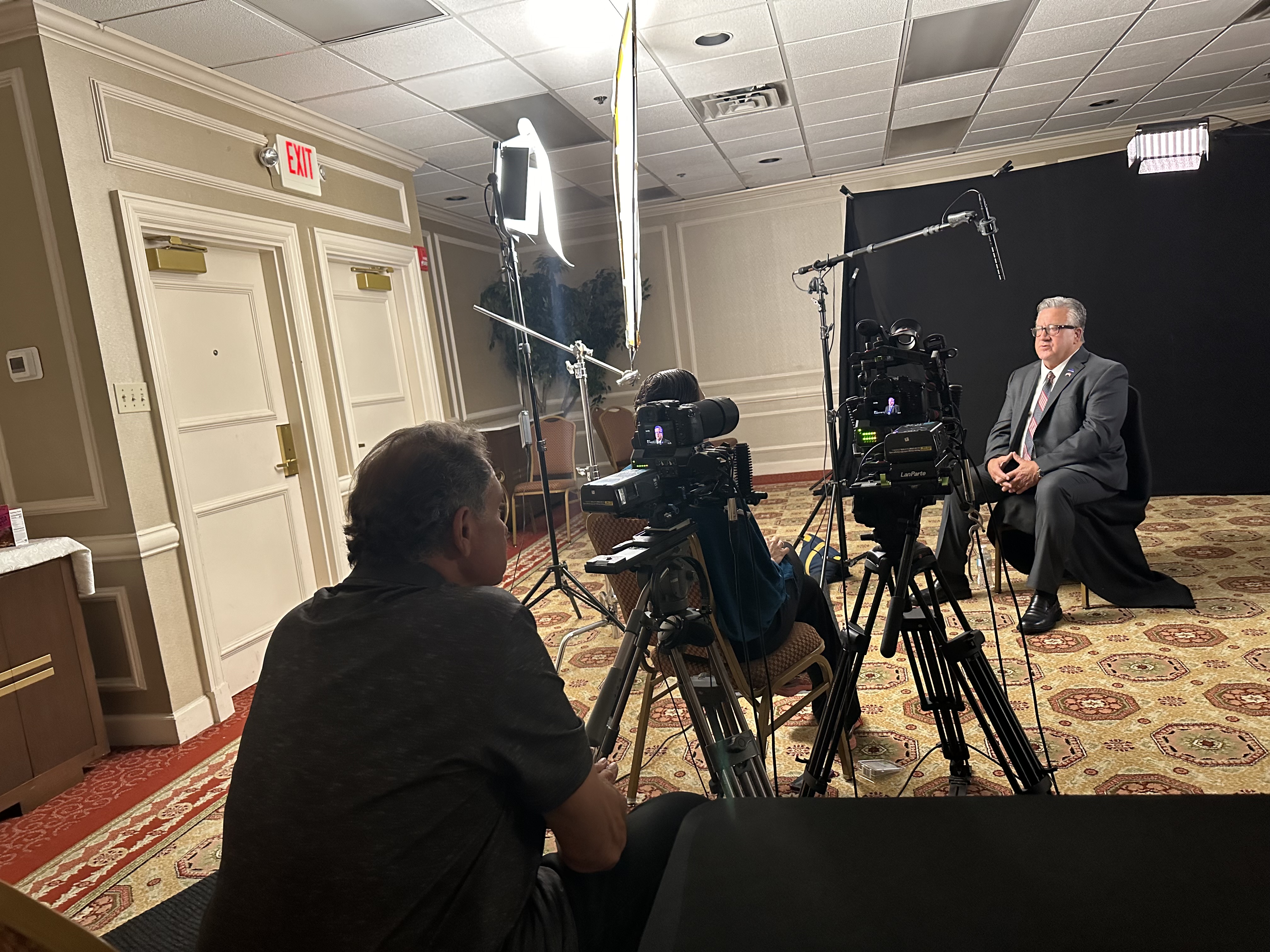
But strong interviews do not happen by accident. They require the right setting, the right crew, the right technical execution, and the right direction. Even highly capable executives and team members often need support in order to appear relaxed, focused, and credible on camera. A professional production crew helps guide performance, shape the environment, manage lighting and audio, and ensure the final footage reflects the quality of the organization being represented.
The Role of B-Roll in Making Business Video More Effective
B-roll is often underestimated by clients who are focused primarily on the interview itself. In reality, b-roll is what gives interview content texture, pace, context, and visual authority. It is the supporting footage that shows the business in action. It may include office environments, manufacturing processes, collaboration scenes, customer interactions, product use, drone footage, exterior establishing shots, equipment, staff at work, or details that reinforce the subject being discussed.
Without strong b-roll, interview-based content can feel repetitive and visually thin. With it, the story becomes more dynamic and persuasive. B-roll helps cover edits, improve pacing, and turn talking points into a visual narrative. It gives editors flexibility and provides marketers with additional assets that can be repurposed long after the initial production.
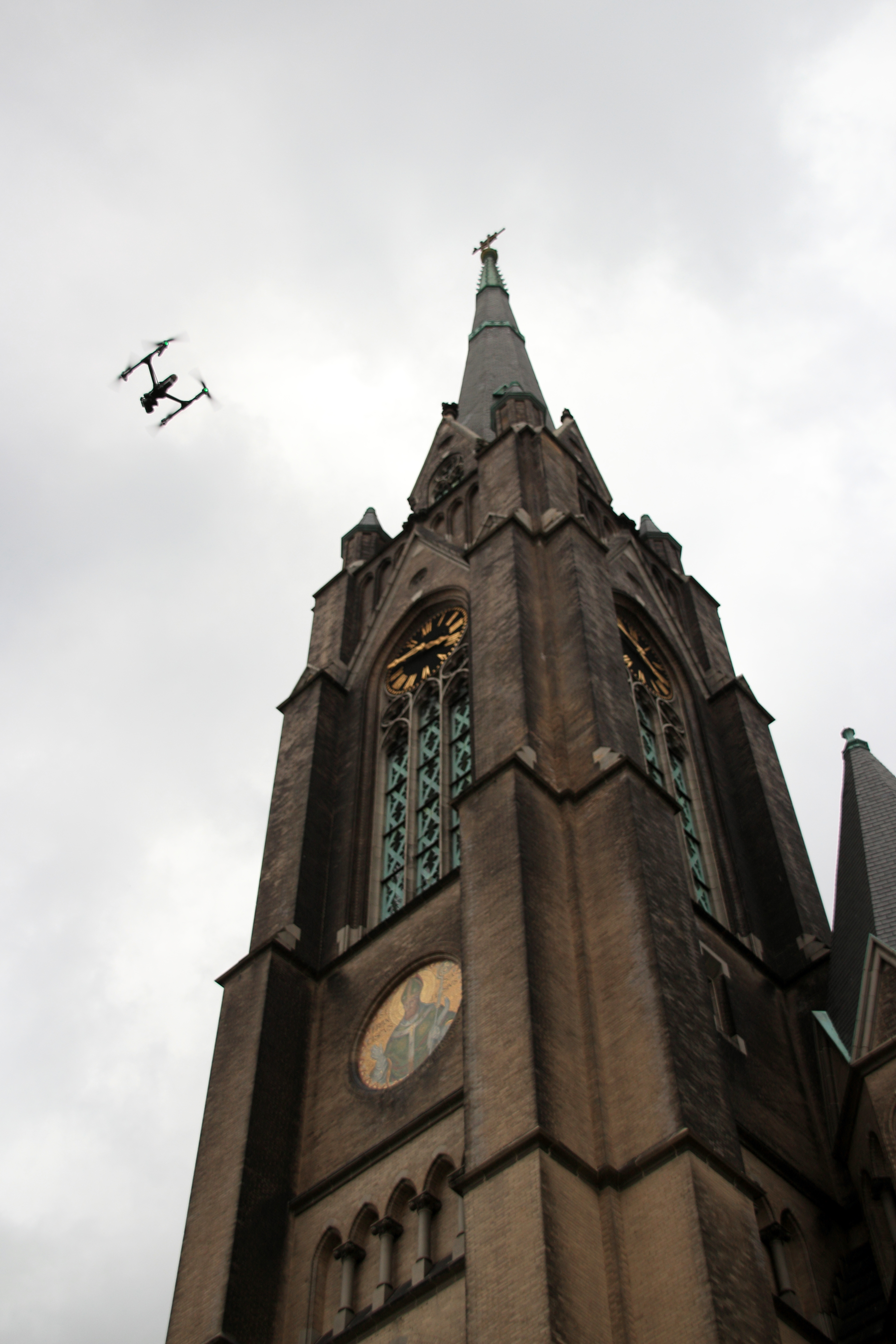

For decision makers, this means that the scope of production should never be limited to just capturing someone speaking on camera. The smarter investment is to capture the full ecosystem around the message.
Choosing Between Studio and Location for Interviews
One of the first production decisions is whether to conduct interviews in a studio, on location, or through a hybrid approach. The answer depends on the goals of the project, the desired visual style, scheduling logistics, and the brand message being communicated.
Studio Interviews
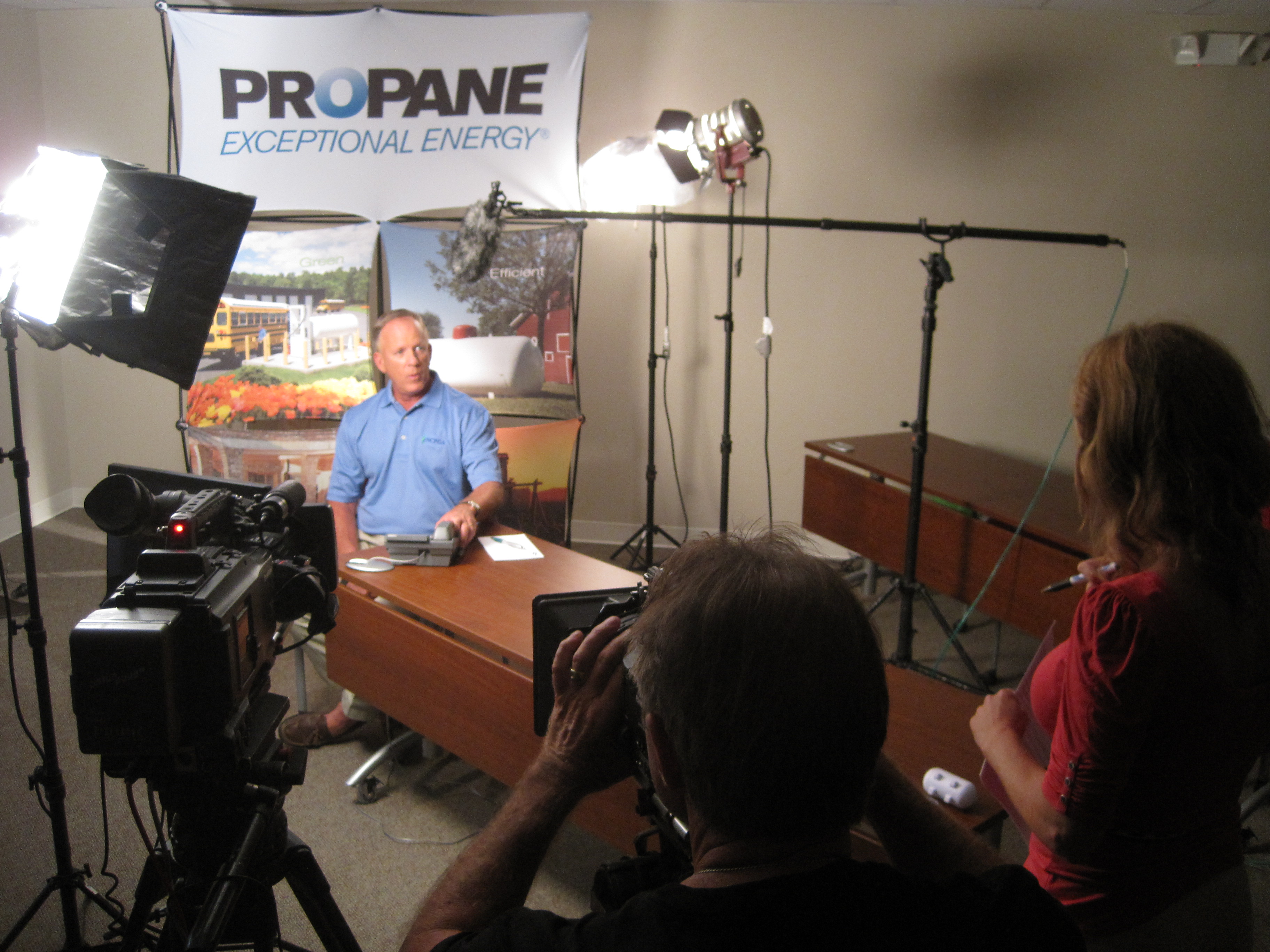
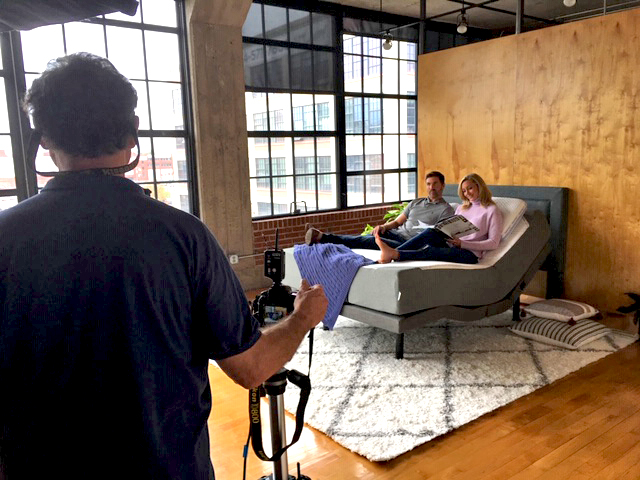
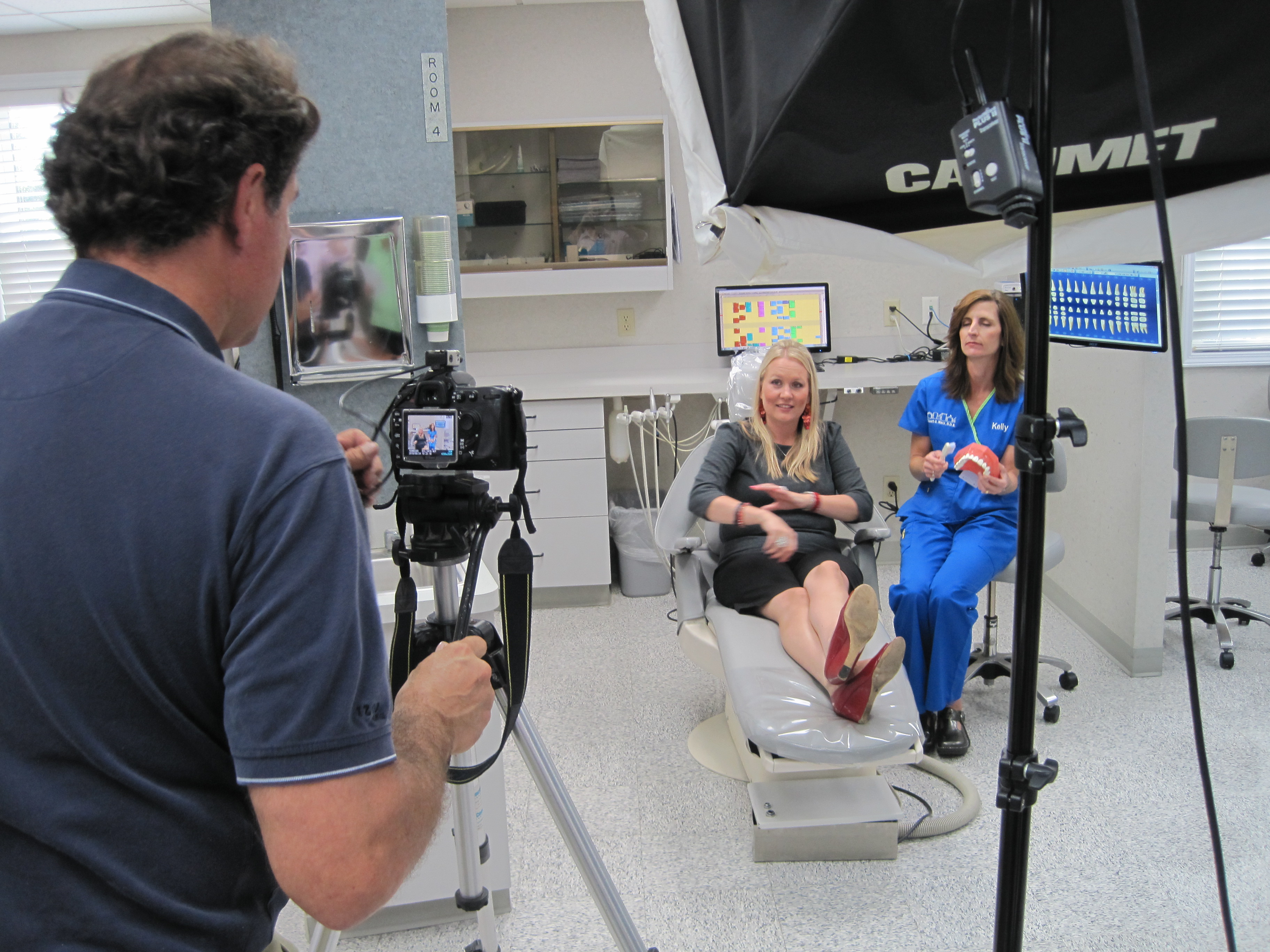
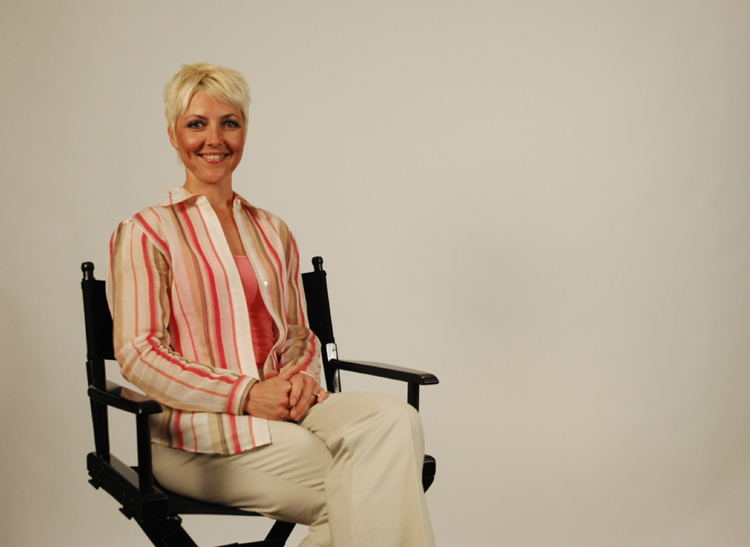
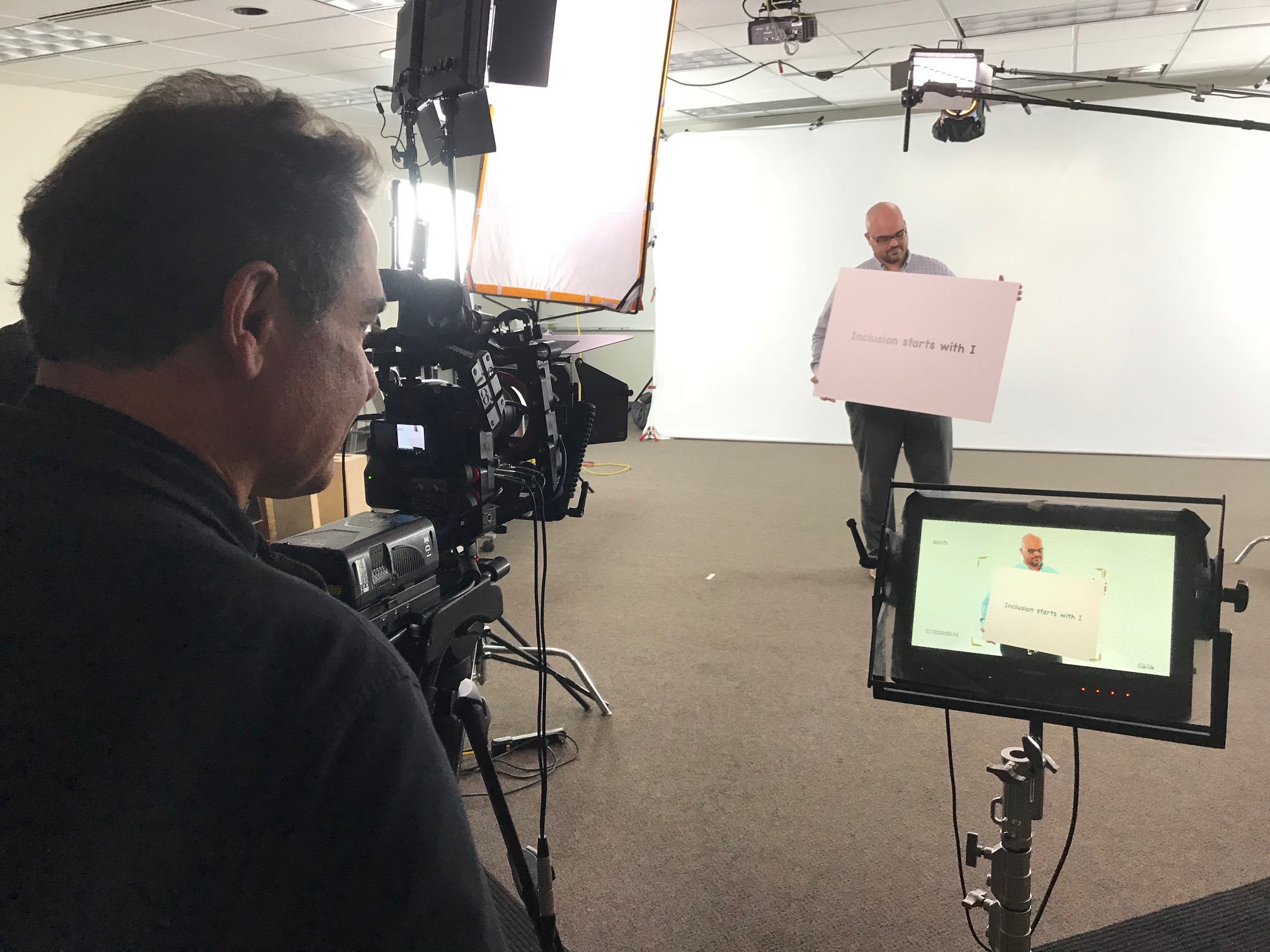
A studio environment offers control. Lighting, sound, backgrounds, acoustics, and visual consistency can all be carefully managed. This is often the best option when the goal is a polished, distraction-free interview that keeps full attention on the speaker and the message.
Studio interviews are ideal for executive communications, thought leadership pieces, training modules, product explainers, and campaigns that need a clean, elevated look. A private studio setup also helps maintain production efficiency. Fewer environmental variables mean fewer interruptions, more predictable timing, and more consistent technical results.
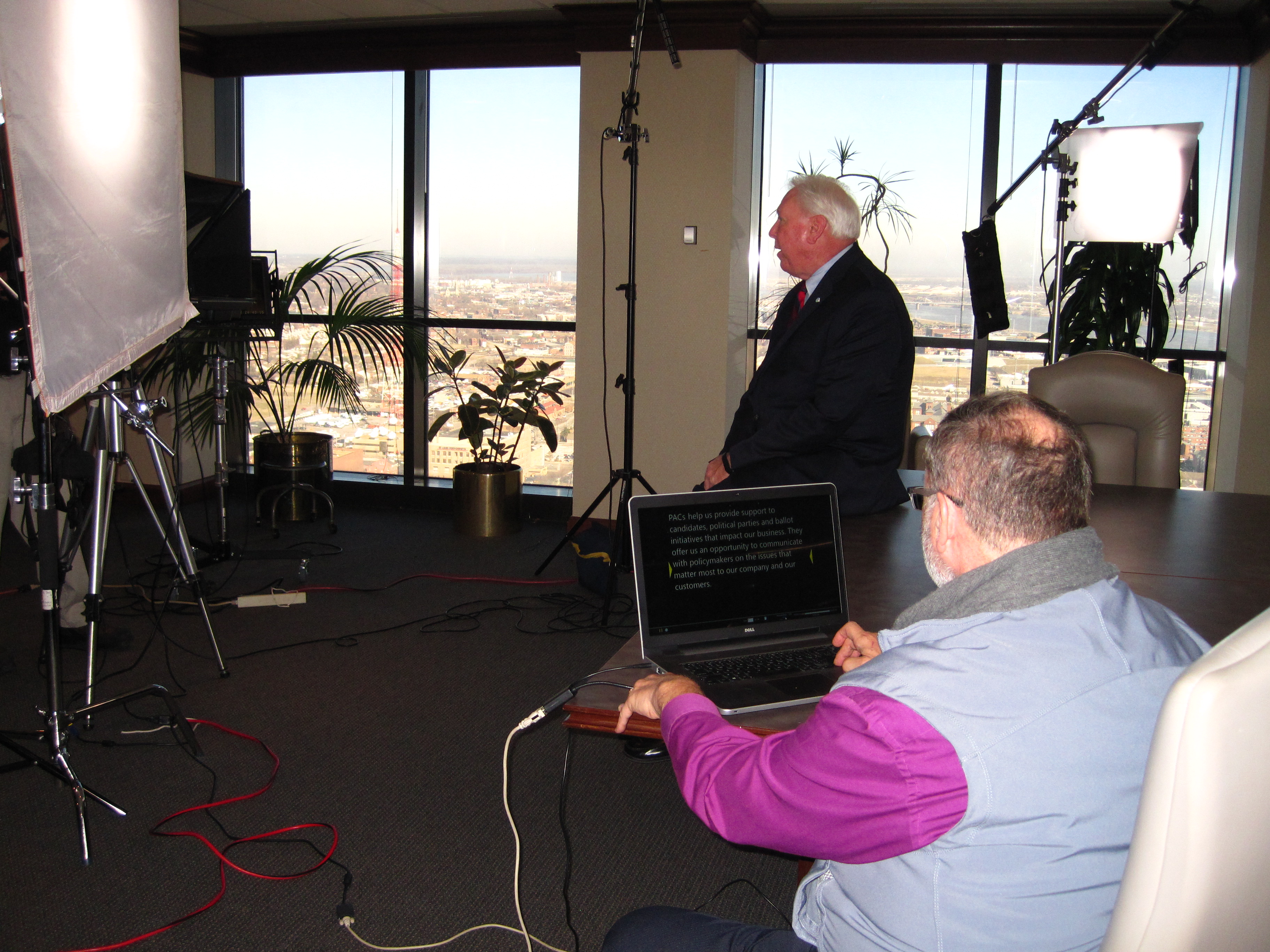

Studios are also useful when organizations need to shoot multiple speakers in one day, maintain a consistent visual identity across several videos, or build a custom interview environment with specific lighting, furniture, props, or branding elements.
On-Location Interviews
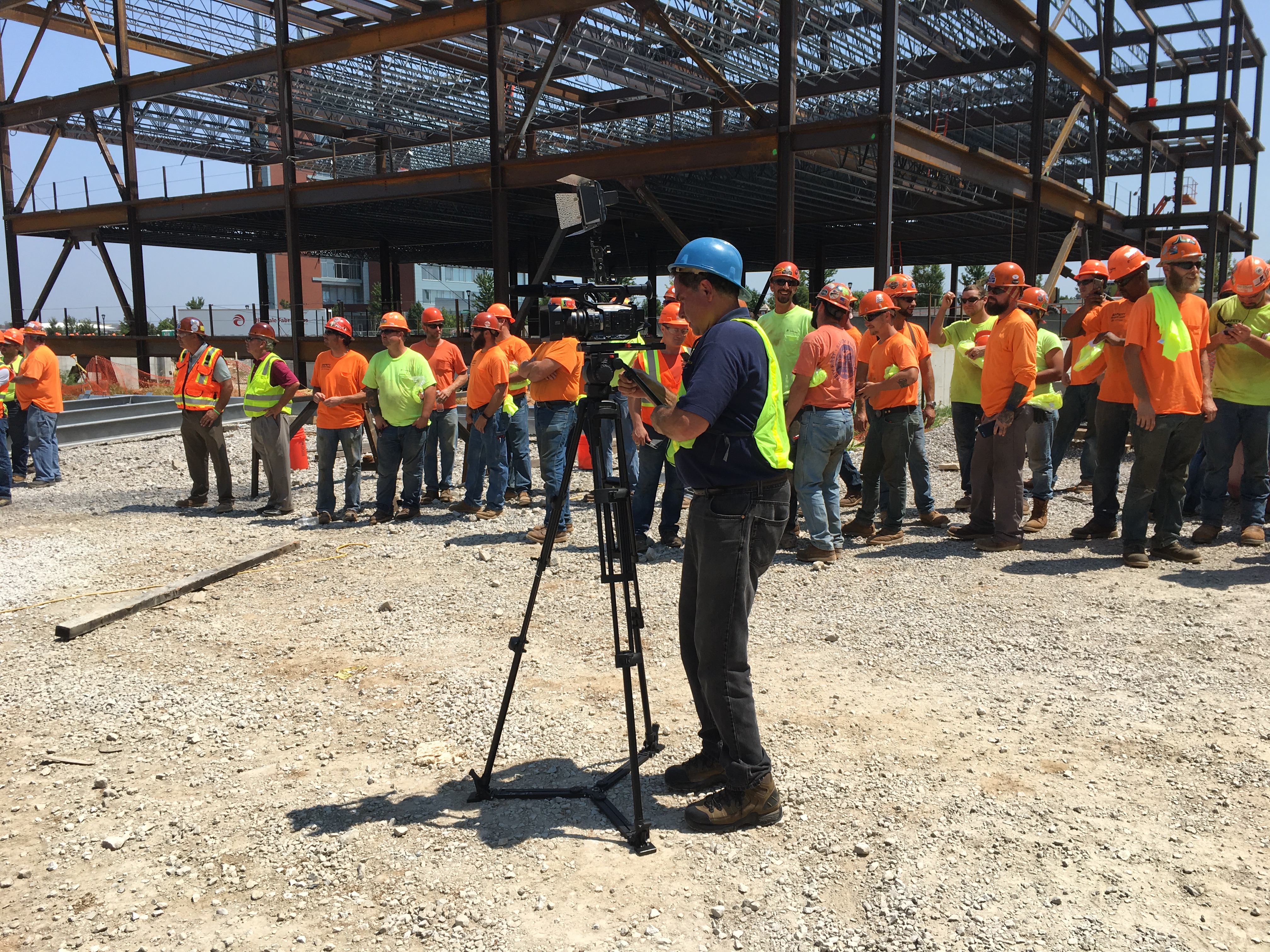
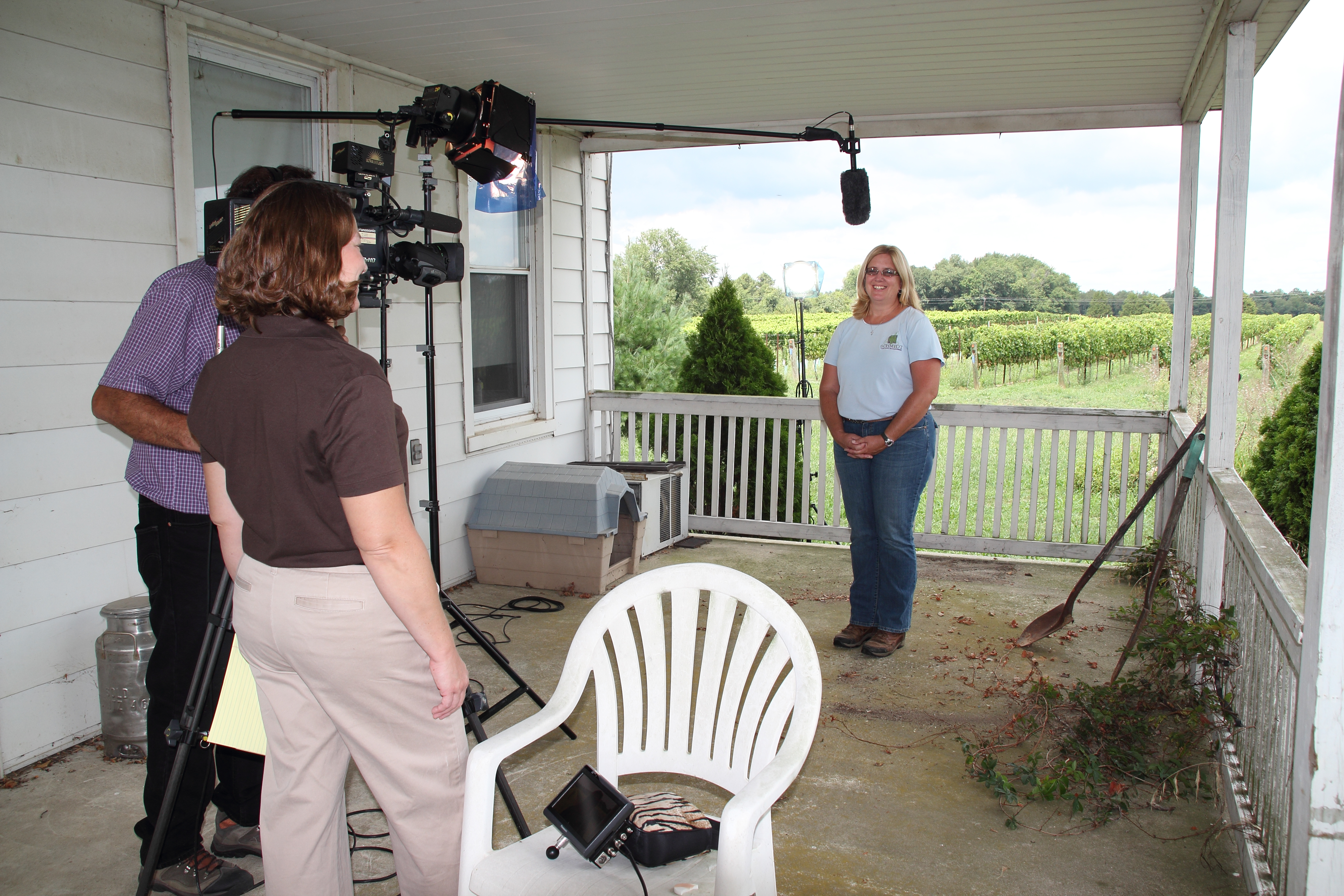
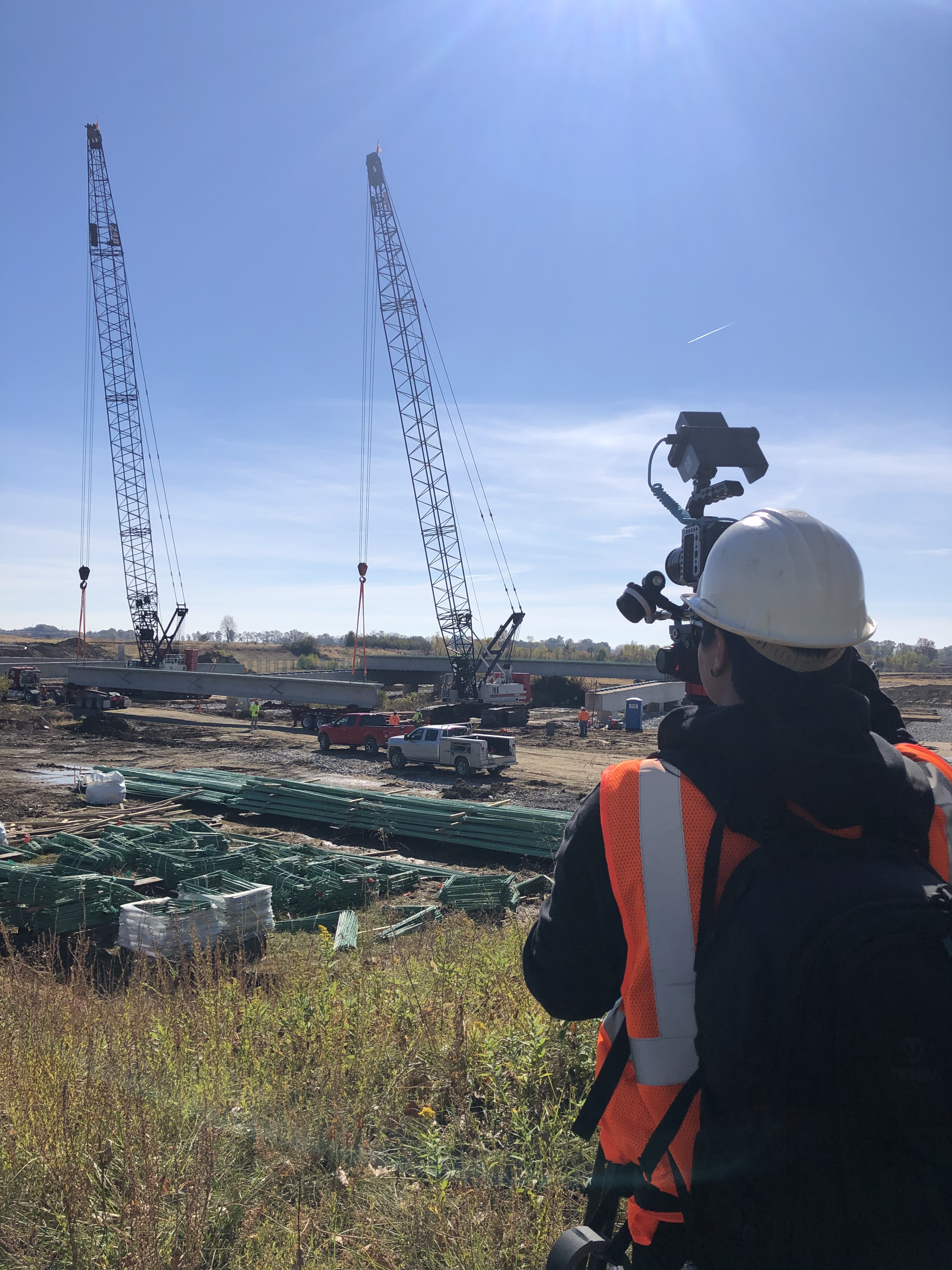
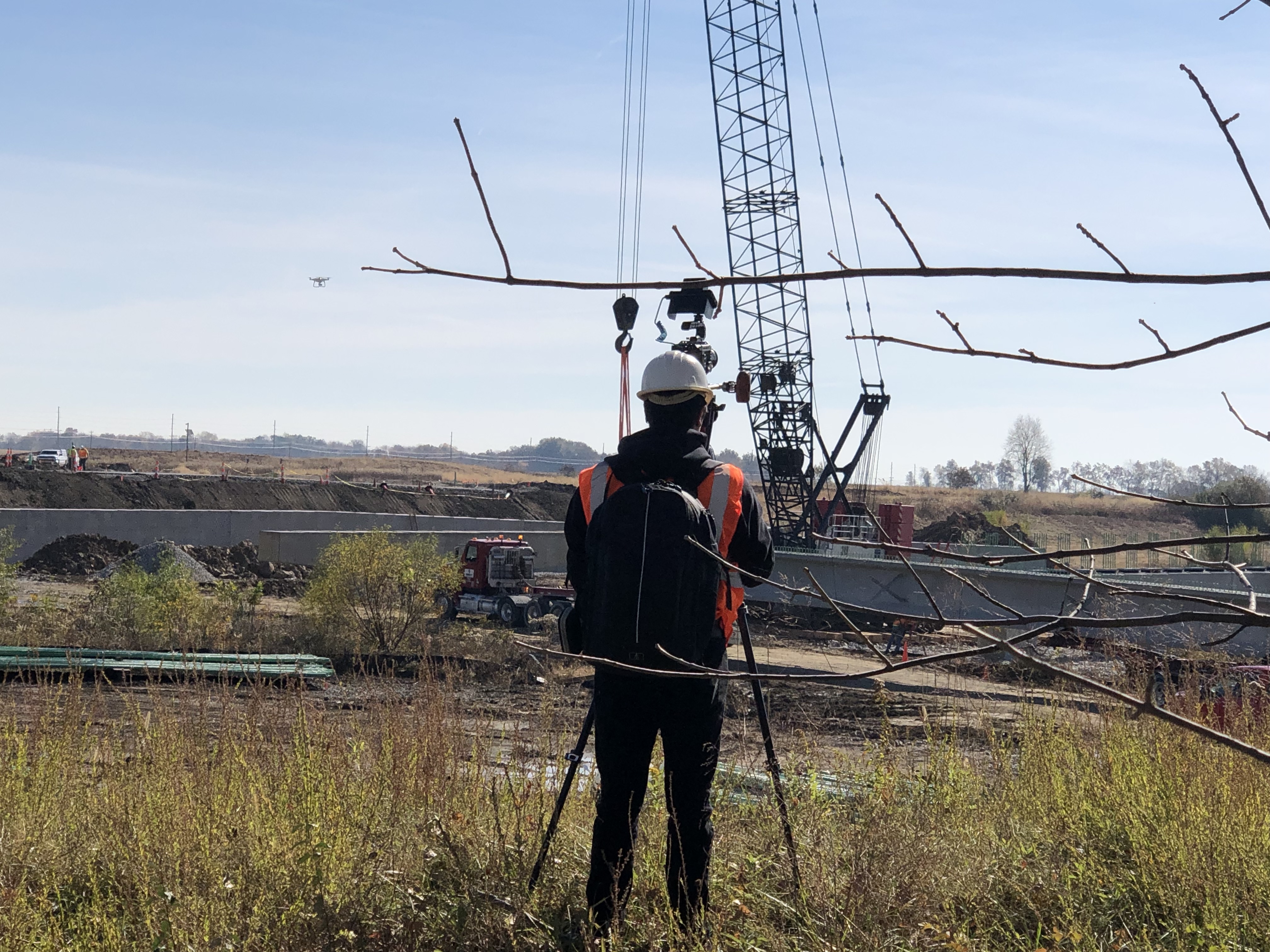
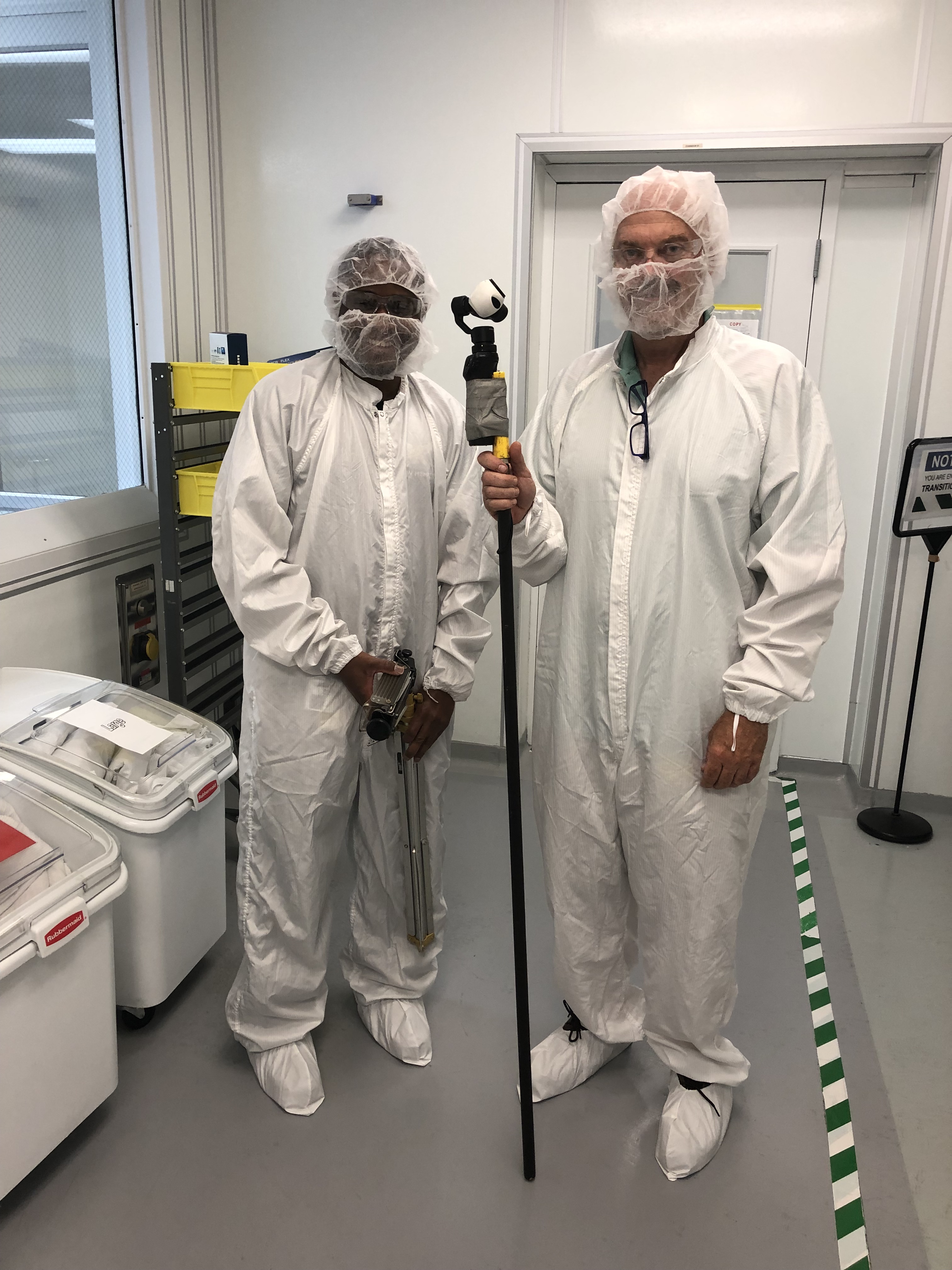
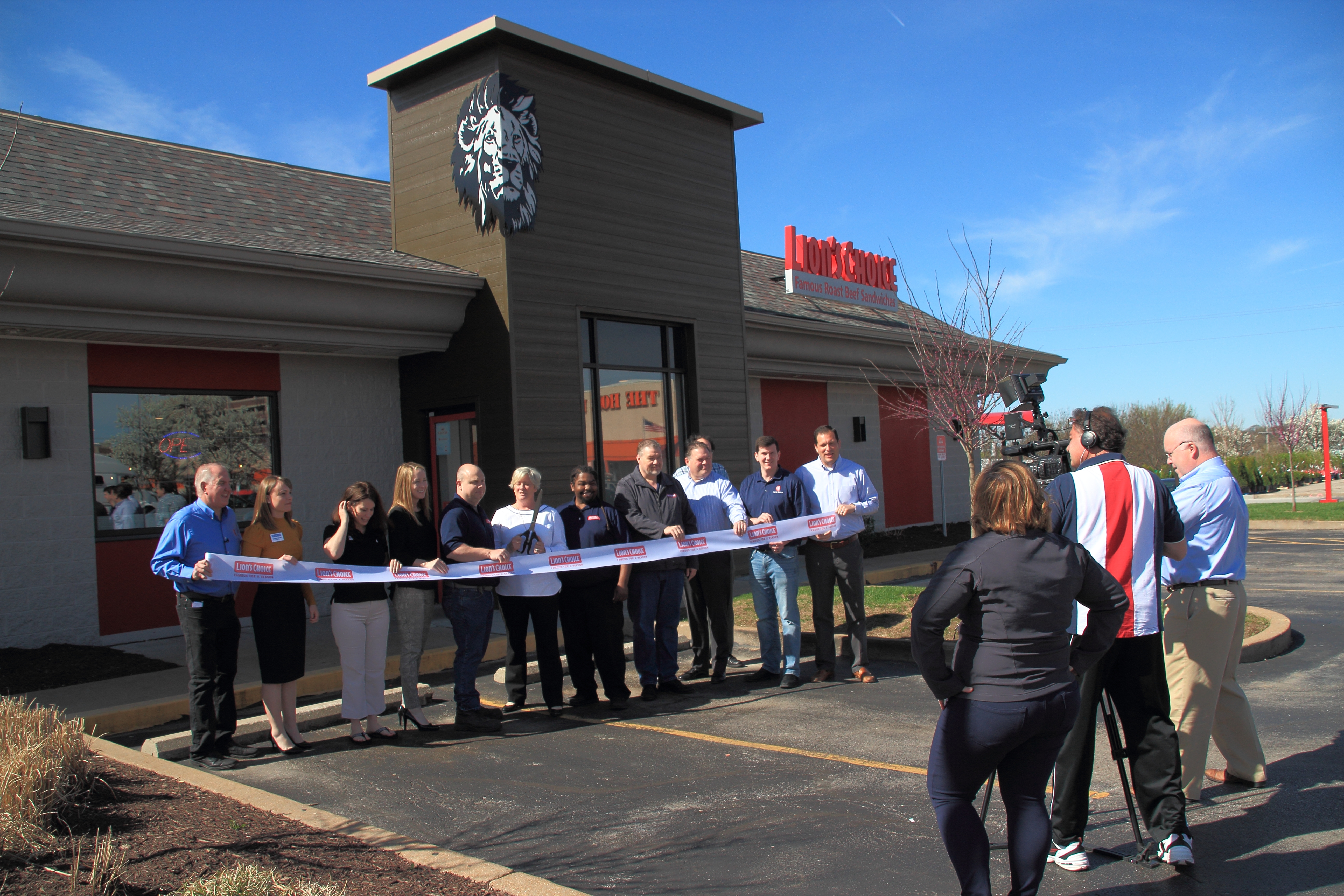
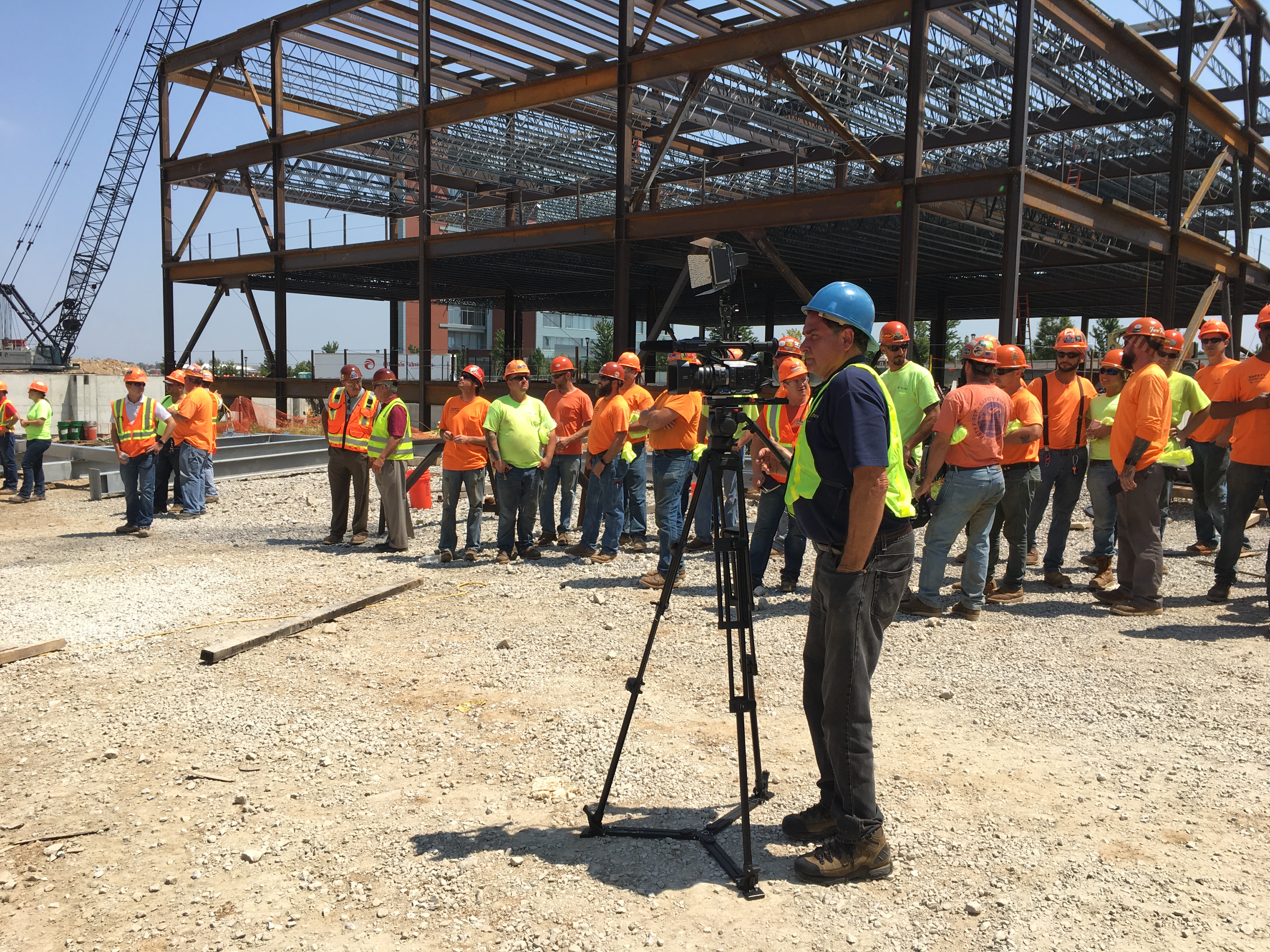
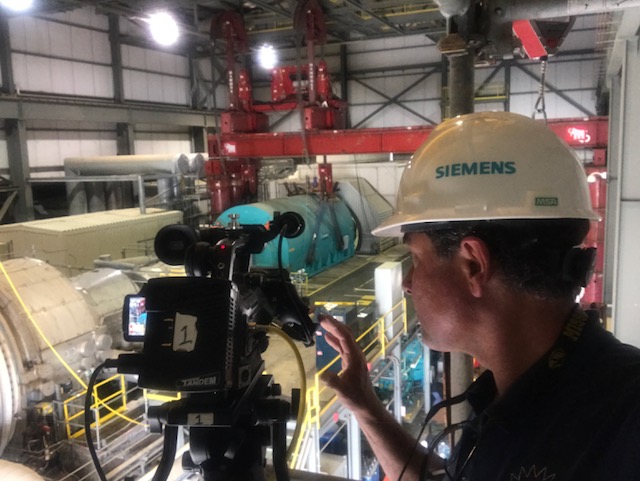
Location interviews offer context and authenticity. They place the speaker inside the real environment of the business, which can help reinforce credibility and show the culture, scale, or operations of the organization. A location setting may include an office, plant, hospital, school, warehouse, retail environment, construction site, lab, or any other setting relevant to the story.
For many businesses, the environment itself is part of the message. Shooting on location can show real operations, real people, and real spaces. That often makes the final video feel more grounded and engaging.
However, on-location interviews also bring challenges. Sound can be less predictable. Lighting may need to be built from scratch. Background distractions must be controlled. Space limitations can affect camera placement and crew movement. These are all reasons why an experienced location crew matters. The goal is not simply to show up with a camera. The goal is to shape the location into a professional production environment without losing the authenticity that made it valuable in the first place.



Why Crew Experience Matters More Than Many Clients Realize
A strong crew does more than operate gear. A professional crew anticipates problems, protects efficiency, and improves the final product at every stage of the production.
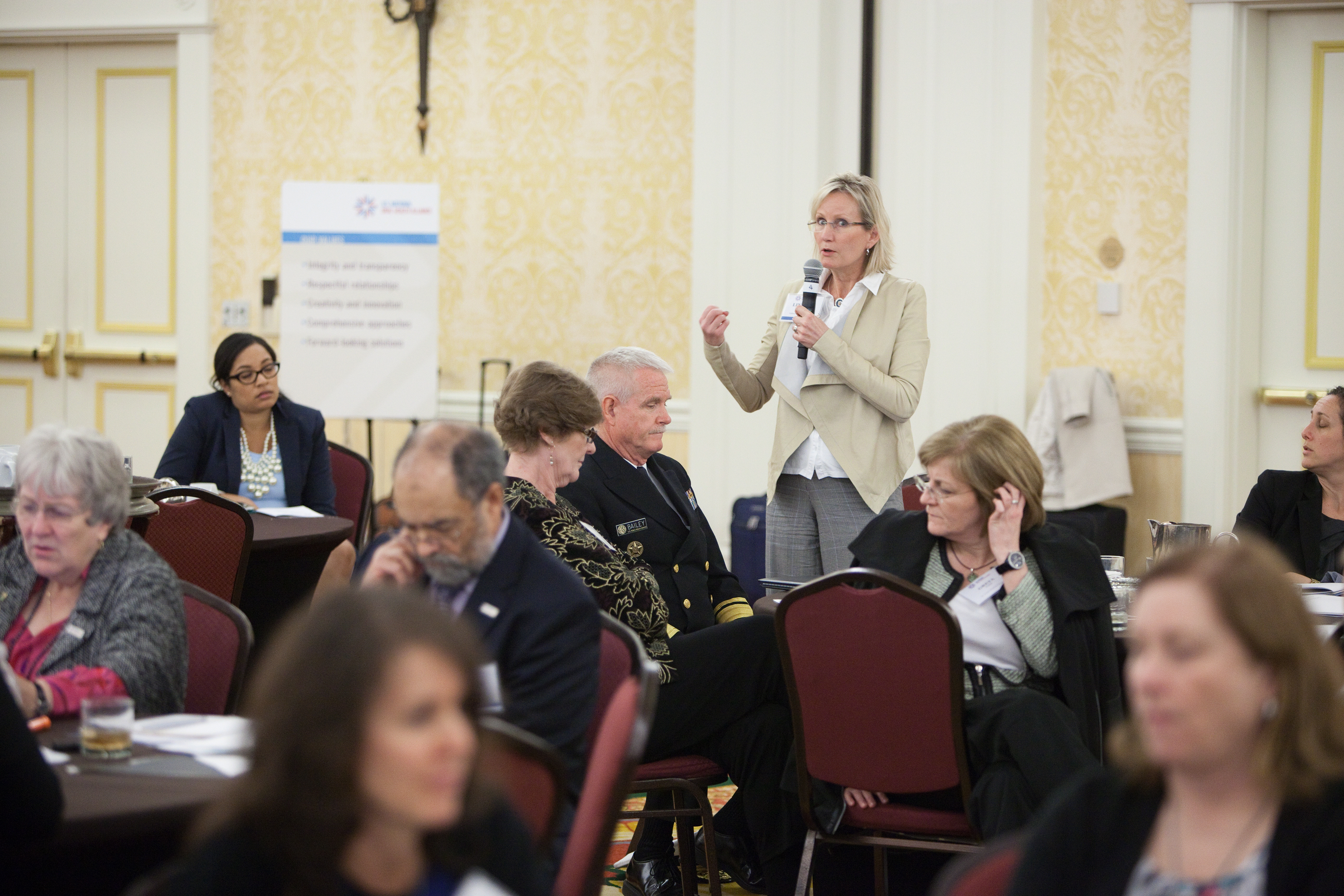
For interviews and b-roll, the crew often includes a producer, director of photography, camera operators, audio professionals, lighting technicians, drone operators, and support personnel depending on the scope. In some cases, a smaller agile crew is best. In others, a larger coordinated team is necessary to capture complex setups or multiple scenes efficiently.
Experienced crews know how to manage executive time, prepare non-professional talent, keep production moving, and maintain technical consistency throughout the day. They know how to evaluate a room for sound issues before setup begins. They know how to light an interview subject in a flattering and brand-appropriate way. They know how to capture b-roll with purpose rather than simply gathering generic filler footage.
This experience directly affects cost efficiency. Well-run productions waste less time, avoid preventable mistakes, and produce more usable content from each shoot day.
The Importance of Location Scouting
Location scouting is one of the most strategic parts of pre-production, especially for interviews and b-roll. It allows the crew to identify both opportunities and limitations before the shoot day begins.
A thorough scout helps answer critical questions. Is the space quiet enough for an interview? What is the natural light doing at the planned shoot time? Are there power limitations? Will the background reinforce the brand? Is there enough room for camera, lighting, sound, and client monitoring? What interruptions are likely? What b-roll opportunities exist nearby?

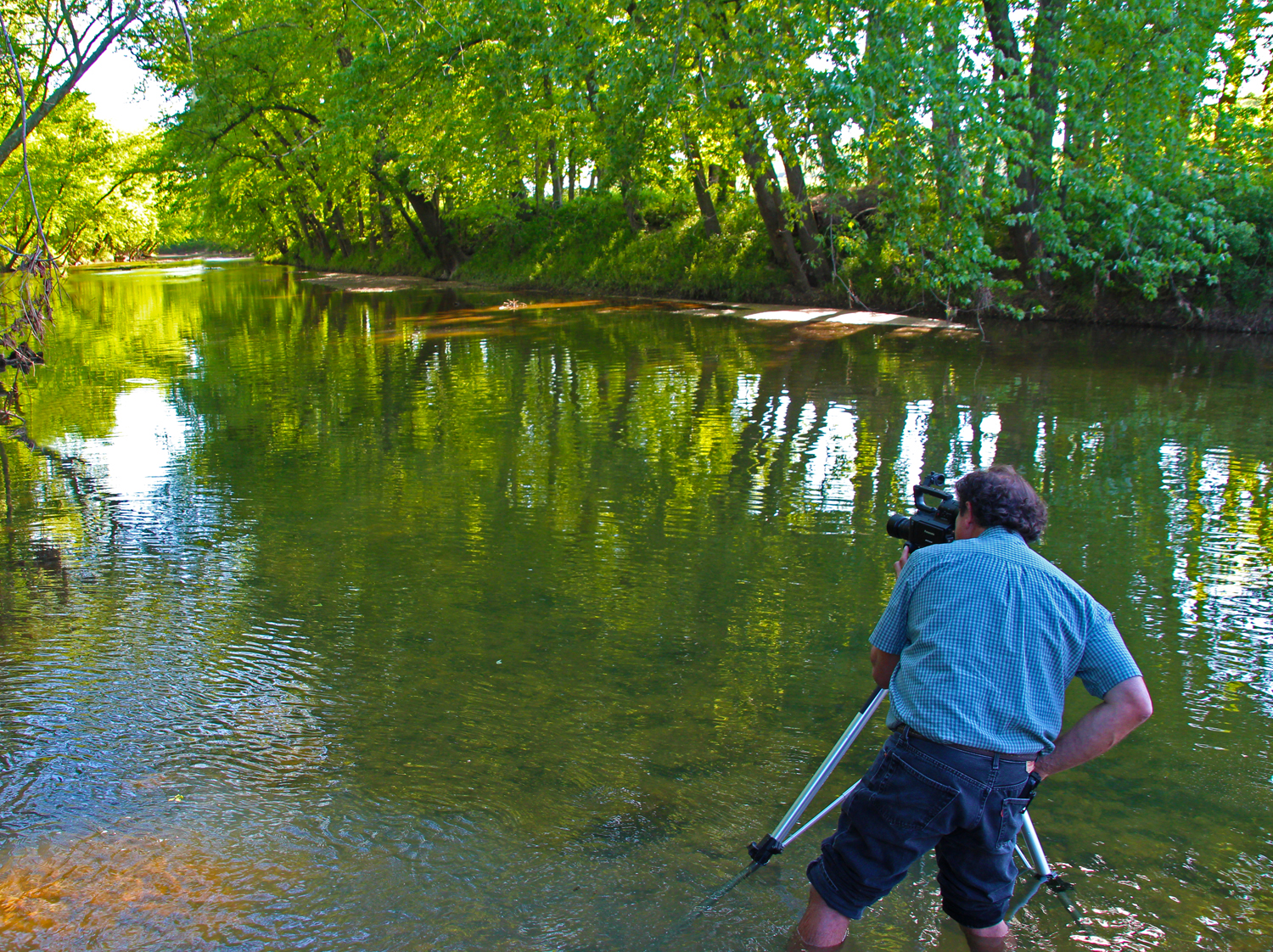
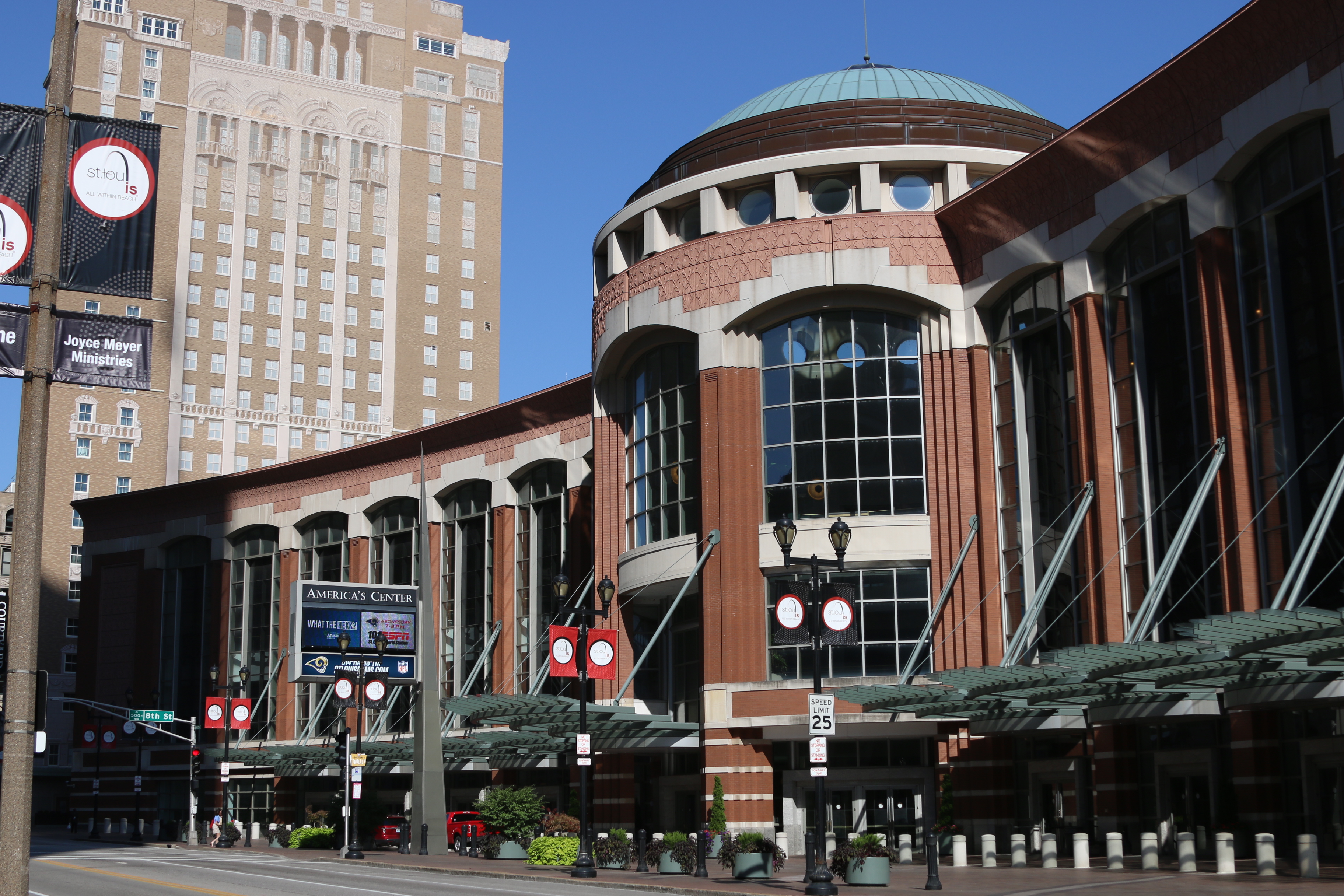
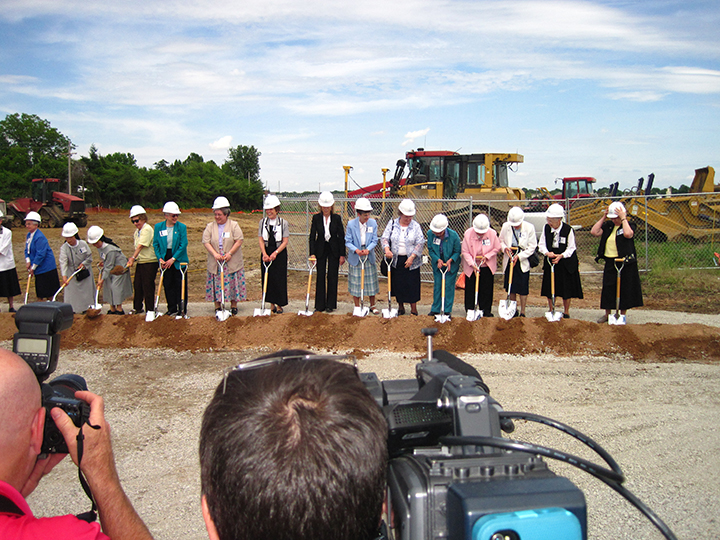
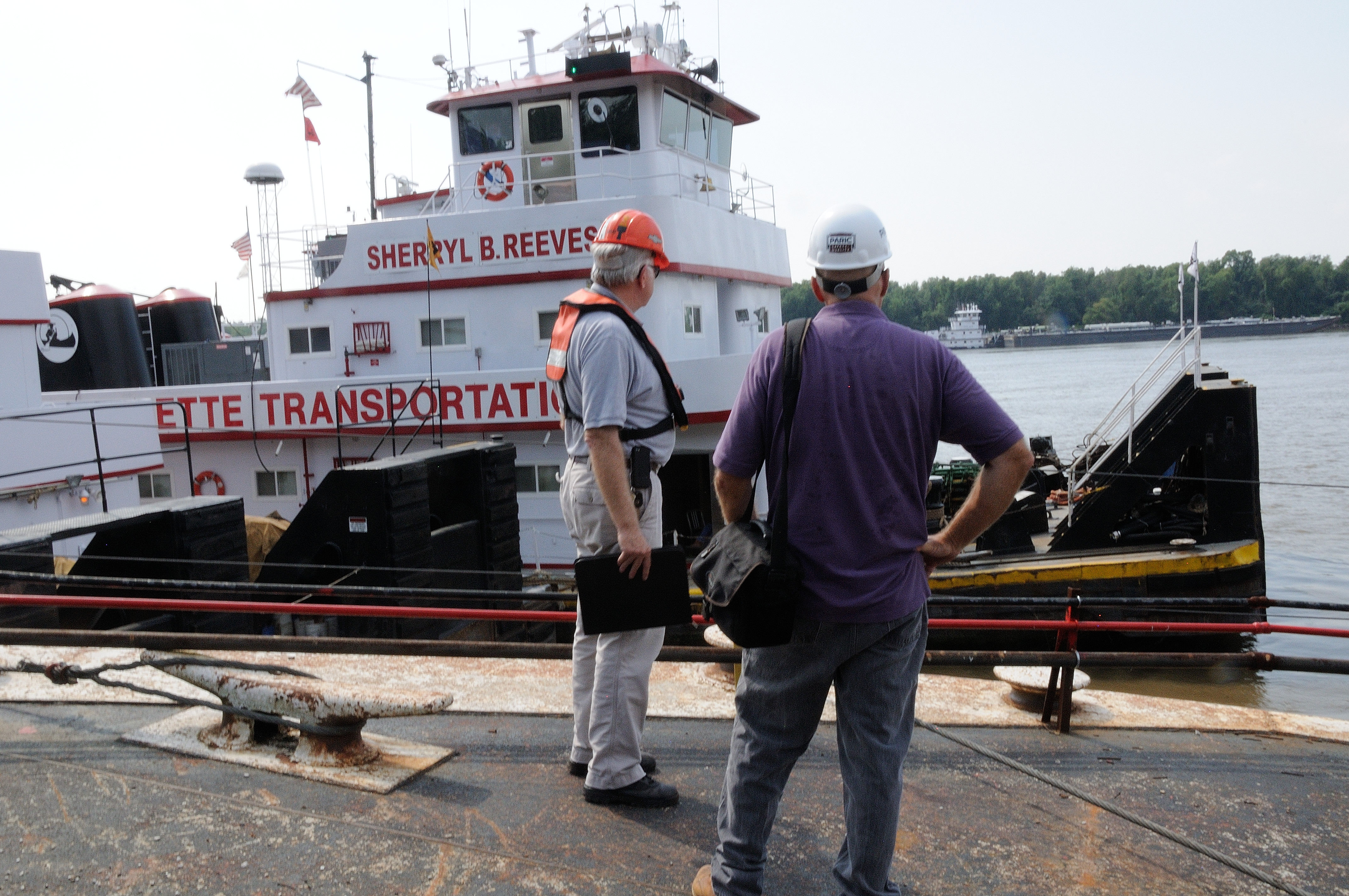
For on-location work in St. Louis, scouting also helps determine access, permits, traffic considerations, parking, loading logistics, and the best visual options for exterior and establishing shots. It supports better scheduling and reduces risk on production day.
Strong location scouting is especially important when a project needs to combine interviews with significant b-roll coverage. The crew must know where the best visual opportunities are and how to move through them efficiently.
Capturing B-Roll with Strategy, Not Guesswork
Not all b-roll adds value. Effective b-roll is intentional. It supports the key messages of the interview and reflects the audience’s priorities.
For example, if a company is discussing reliability, the b-roll should show precision, process, consistency, and real-world execution. If the subject is innovation, the footage should emphasize problem-solving, design, technology, collaboration, and modern capability. If the video is meant to support recruiting, the b-roll should highlight work culture, interaction, space, team energy, and professionalism.
This is where production planning matters. The best b-roll is not improvised randomly throughout the day. It is guided by the messaging strategy, the interview content, and the needs of the final edit.
Experienced crews also understand that b-roll should be captured in a way that serves multiple outputs. Wide shots, medium shots, details, movement, environmental cutaways, vertical options, and alternate framing all increase the usefulness of the footage across future campaigns.
Indoor FPV Drones and Specialty Visual Coverage
For certain productions, conventional ground-based coverage is not enough. Organizations increasingly want motion, immersion, and distinctive visuals that help their content stand out. This is where specialized FPV drone work can become a powerful production tool.
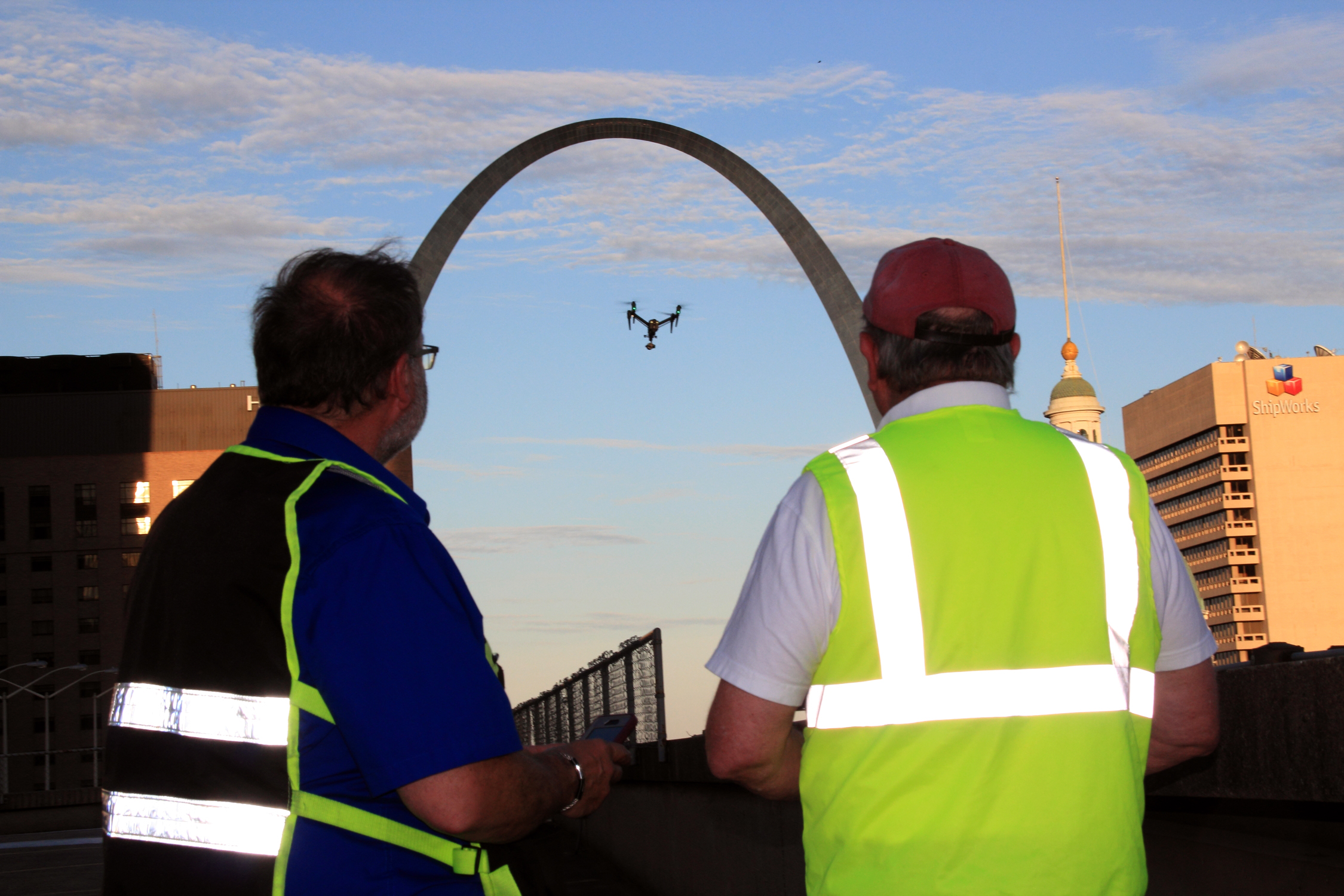
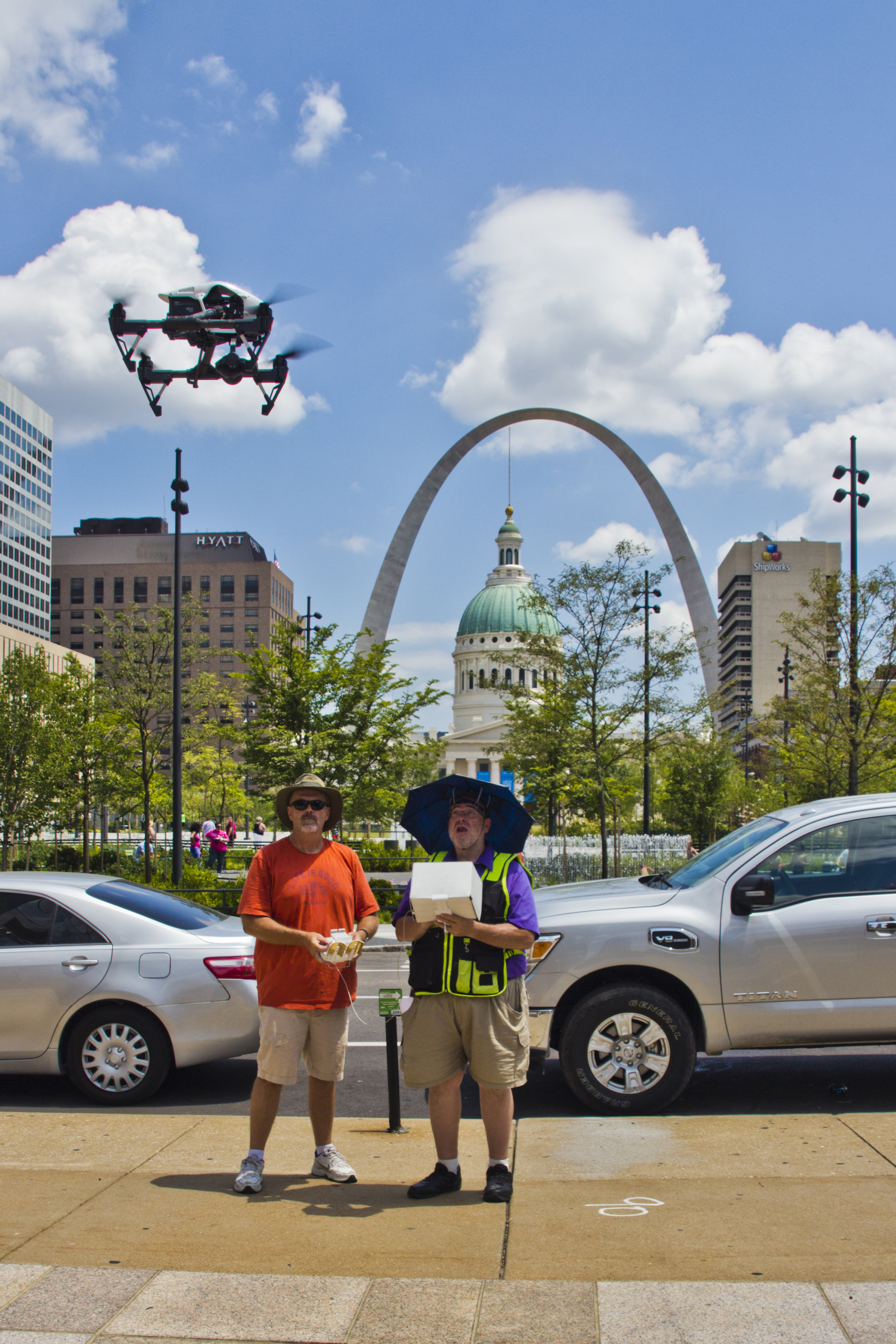
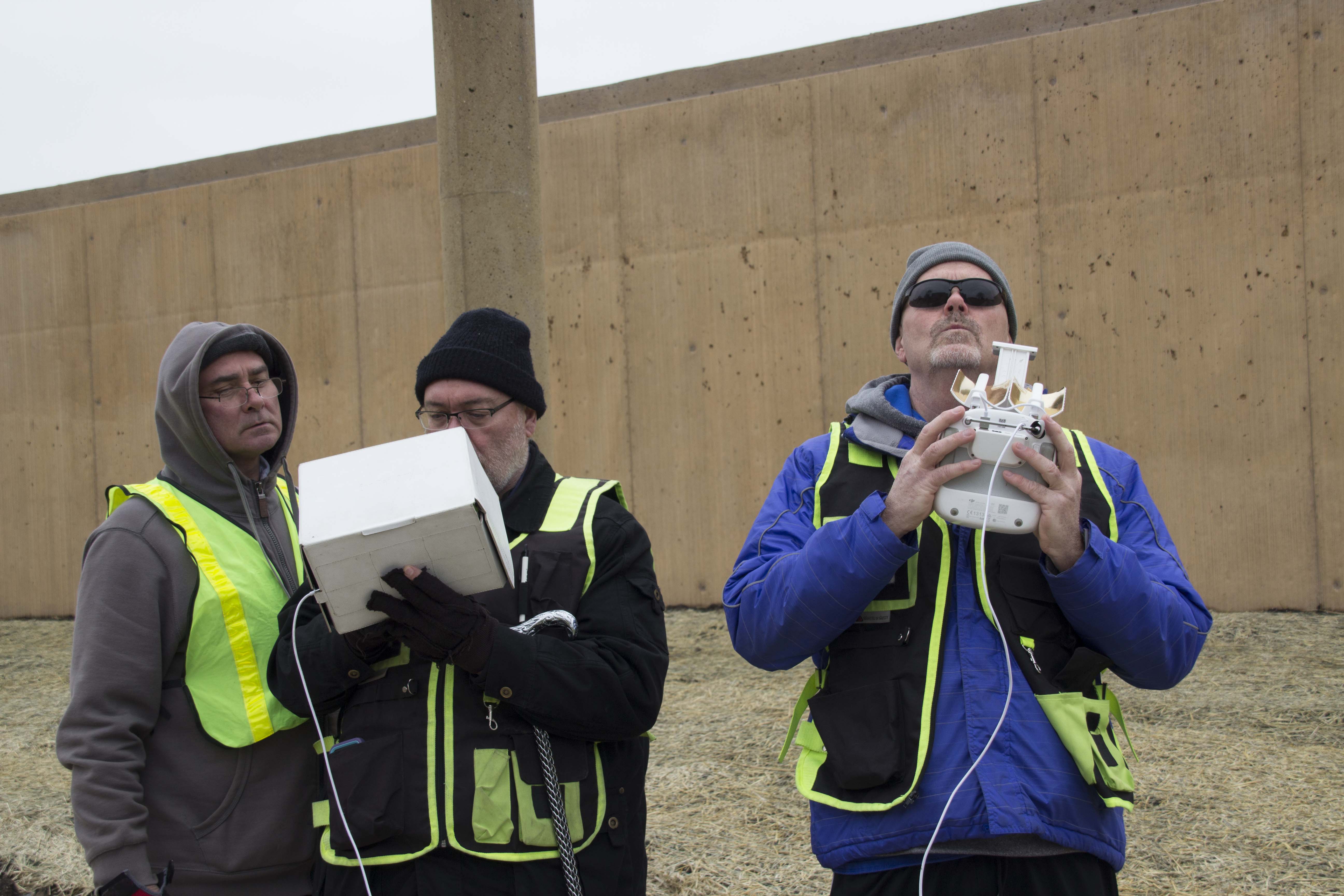
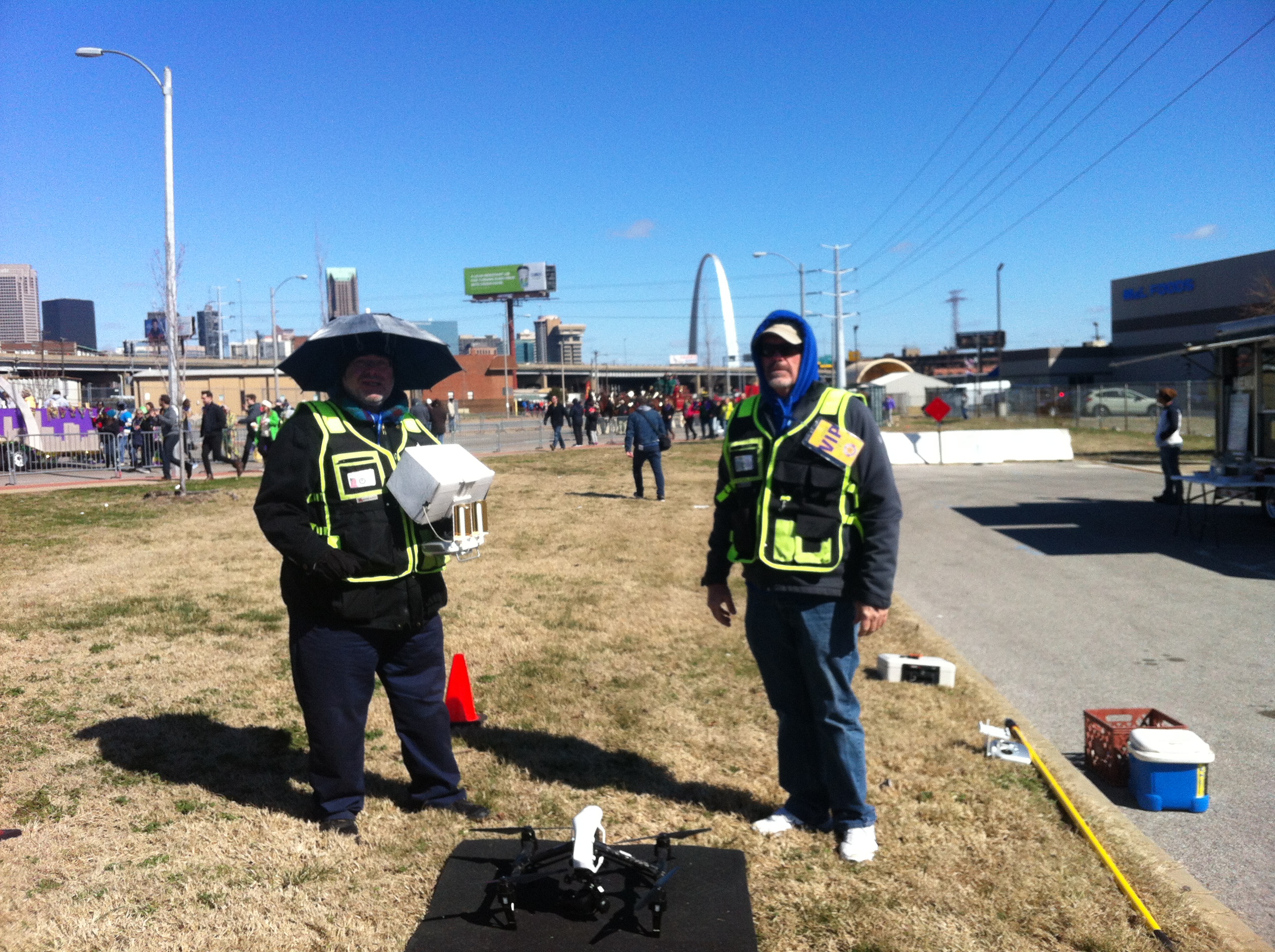
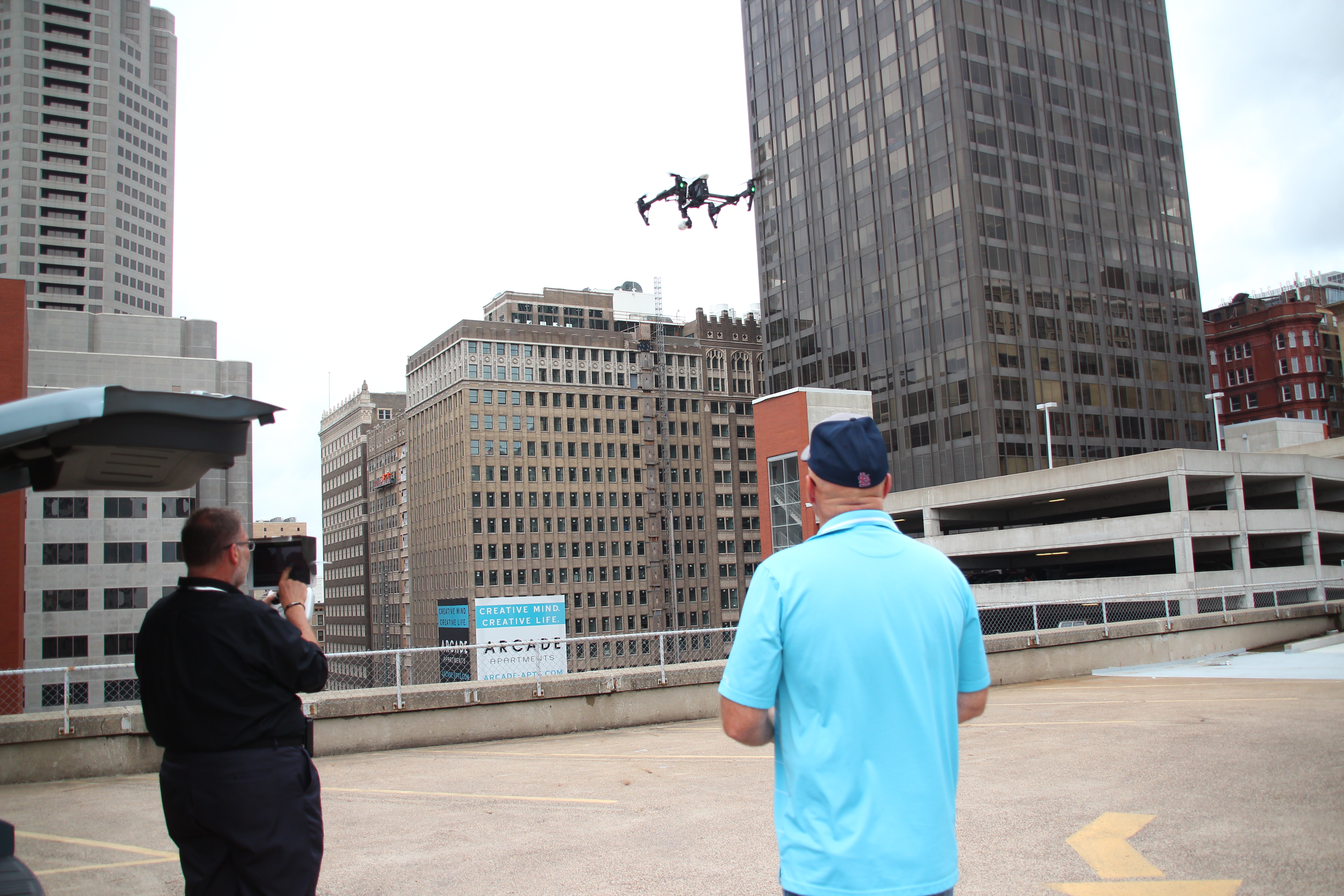
Indoor FPV drones can move through office spaces, production environments, event areas, warehouses, hospitality spaces, and commercial interiors in ways that traditional cameras and larger drones cannot. They create fluid, high-energy visuals that help reveal a space, connect departments, showcase process flow, or provide a memorable introduction to a facility.
Used correctly, FPV drone footage can enhance interviews and b-roll by adding energy and scale to the final edit. It can create compelling openers, transitions, and reveal shots that immediately elevate production value.
For businesses considering drone integration, it is important to work with a team that understands both the creative and operational side of drone work. Indoor flight requires precision, planning, safety awareness, and a clear understanding of how the footage will support the broader production.
Beyond Traditional Drone Footage: Thermal, Orthomosaics, and LiDAR
Drone services have expanded far beyond cinematic aerials. For many organizations, specialty drone capabilities now support technical documentation, inspection, planning, and data acquisition in addition to marketing.
Infrared thermal imaging can help reveal heat signatures and temperature differences that are useful for inspections, facilities analysis, roofing, building envelope evaluation, mechanical review, and certain industrial applications. Thermal imaging can serve both practical and promotional purposes, depending on the project.
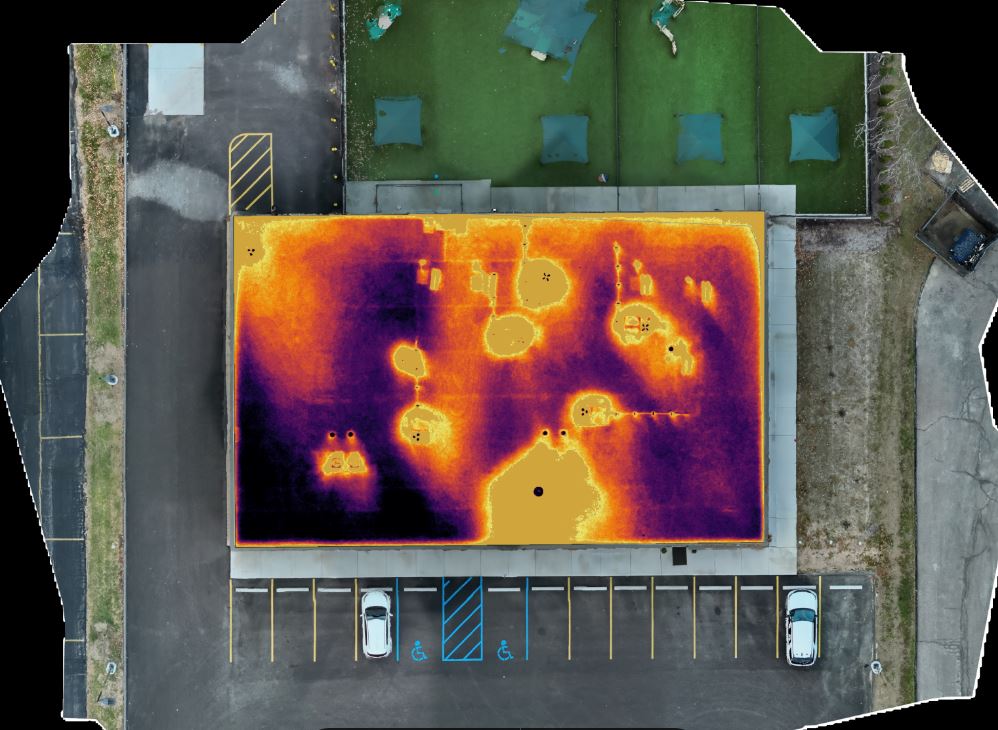
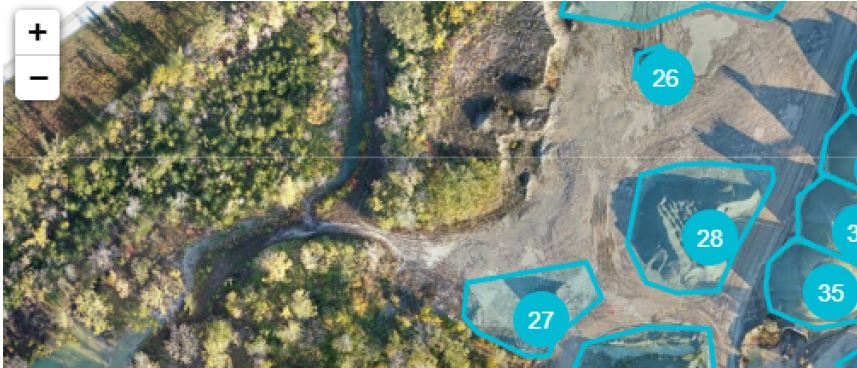
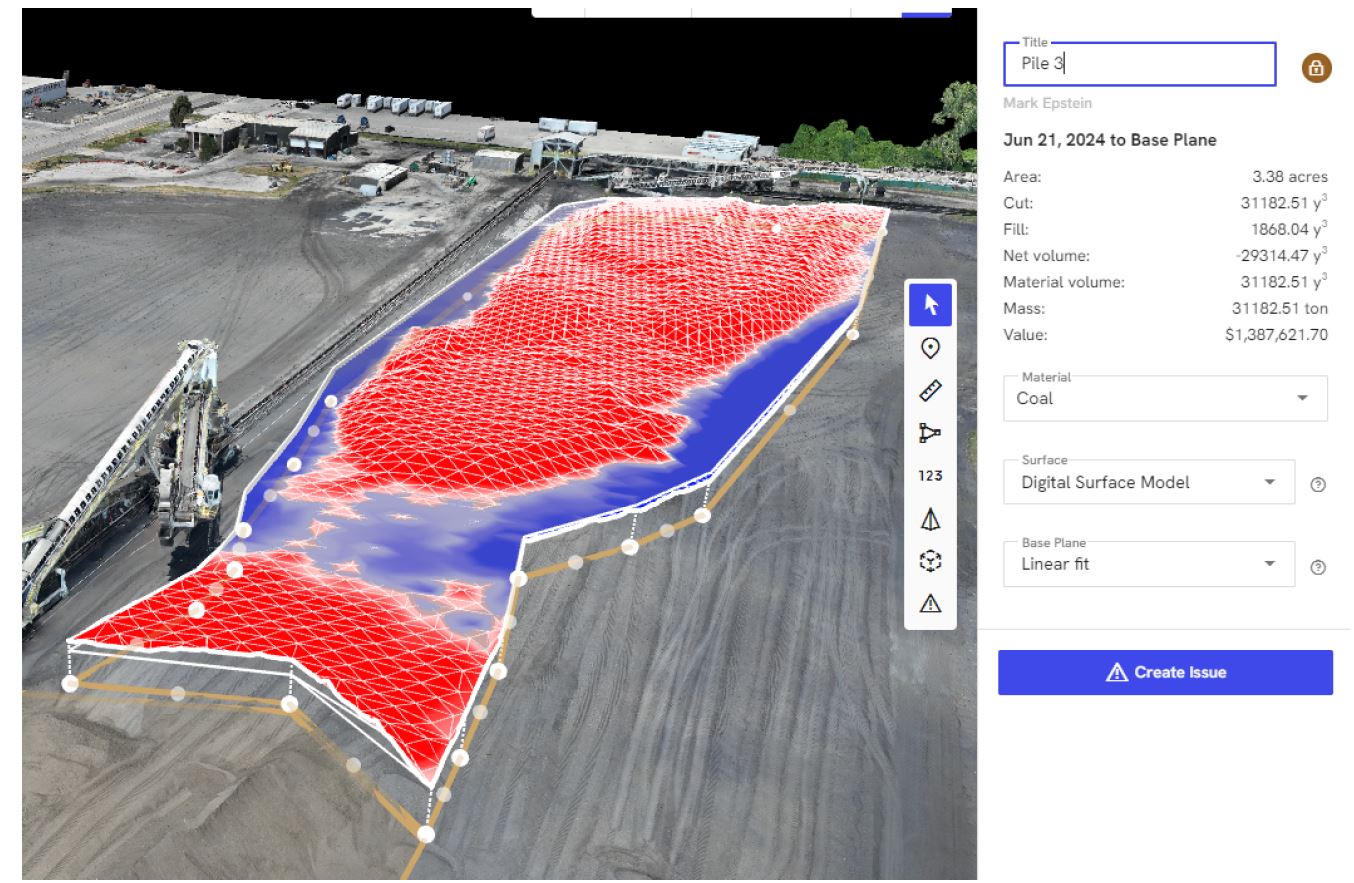
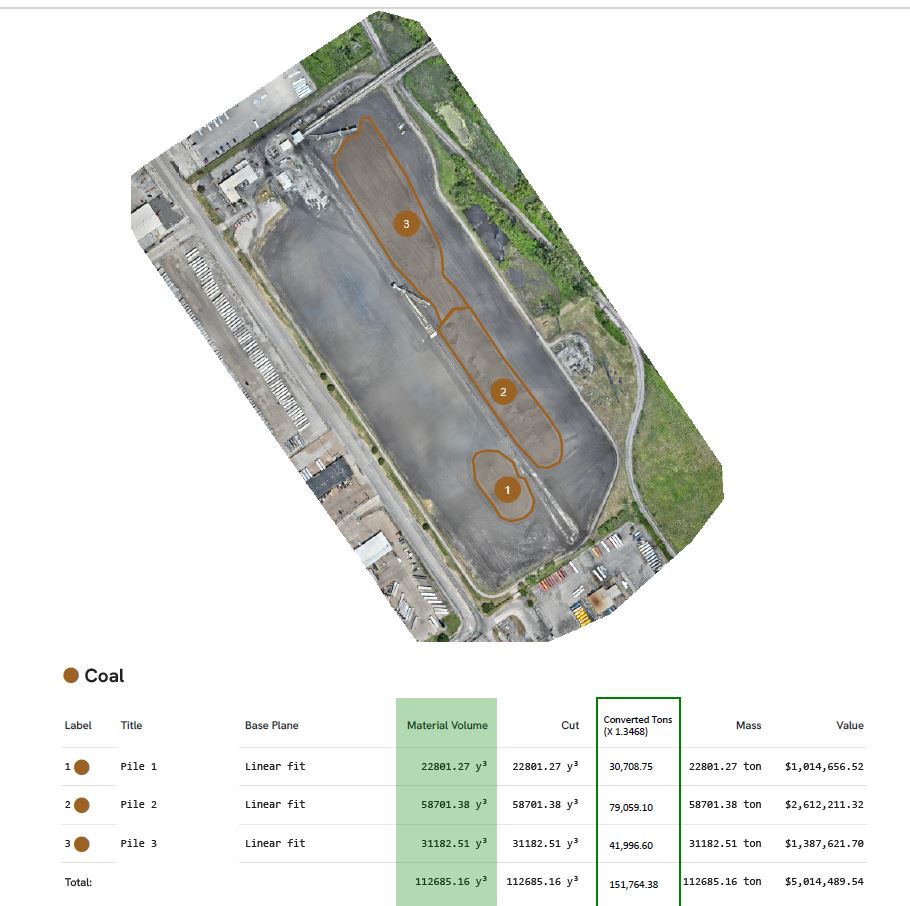
Orthomosaics provide highly accurate stitched aerial images that are useful for site documentation, mapping, planning, progress reporting, and property overviews. They can be valuable for construction, infrastructure, development, industrial, and land-based projects where accurate top-down visual records matter.
LiDAR adds another layer of capability for projects that require more advanced spatial data, terrain analysis, structural context, or complex mapping support. In the right application, LiDAR can be an important tool for engineering-related visuals, site intelligence, and difficult environments where traditional imaging alone may not be enough.
For organizations that need both marketing visuals and technical aerial services, working with a production partner that understands both sides can simplify the process and improve continuity.
Building More Value from One Shoot
One of the smartest strategies for decision makers is to structure interview and b-roll productions so they generate more than one finished piece. With the right planning, a single production day can feed an entire content pipeline.
An interview session paired with strategic b-roll can often be edited into:
- a main website or campaign video
- shorter social clips
- internal messaging pieces
- recruiting content
- testimonial edits
- sales support videos
- trade show visuals
- still frames for digital use
- future repurposed content
This approach improves return on production investment and helps marketing teams maintain consistency across channels. It also reduces the need to start from scratch every time a new content request arises.
What Businesses in St. Louis Should Look for in a Production Partner
When evaluating a studio and location crew for interviews and b-roll in St. Louis, organizations should look beyond reels and gear lists. The real questions are about process, flexibility, and execution.
A strong production partner should understand brand communication, not just camera operation. They should be comfortable working with executives and non-professional talent. They should know how to light both controlled studio scenes and unpredictable locations. They should be able to solve logistical problems quickly and capture visuals that serve marketing goals, not just aesthetics.
They should also understand the regional realities of production in St. Louis, including location access, scheduling, environmental variables, and the needs of local businesses, agencies, and institutions.
A Production Approach That Supports Real Business Goals
At the highest level, interviews and b-roll are not separate deliverables. They are complementary parts of a communication system. The interview provides the message. The b-roll provides the proof, context, and rhythm. The studio offers control. The location offers authenticity. The crew turns all of it into a coherent, useful asset.
For organizations that want video content to do more than simply exist, that integration matters. It is what helps a production support sales, marketing, recruiting, internal alignment, and brand credibility over time.
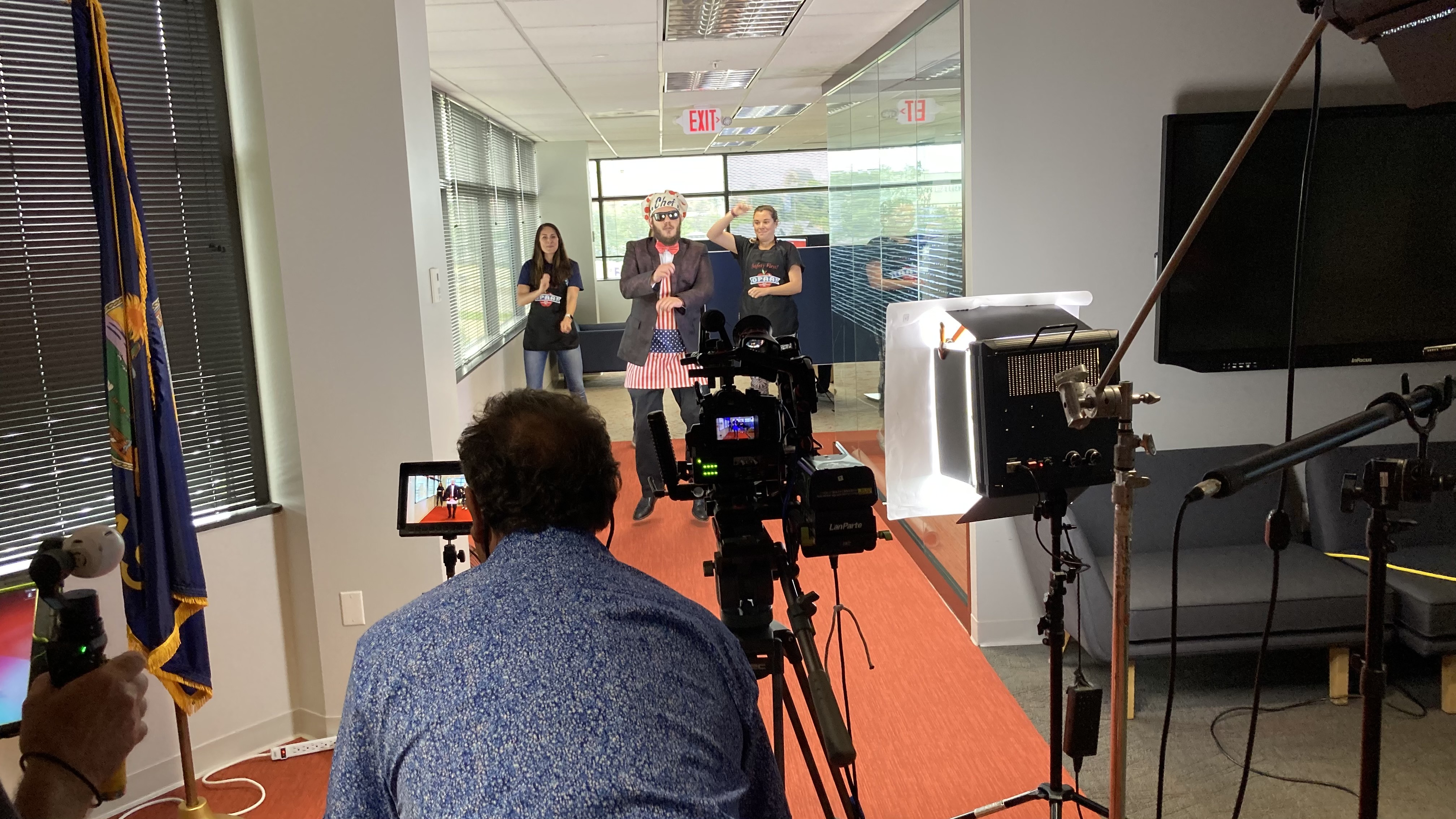
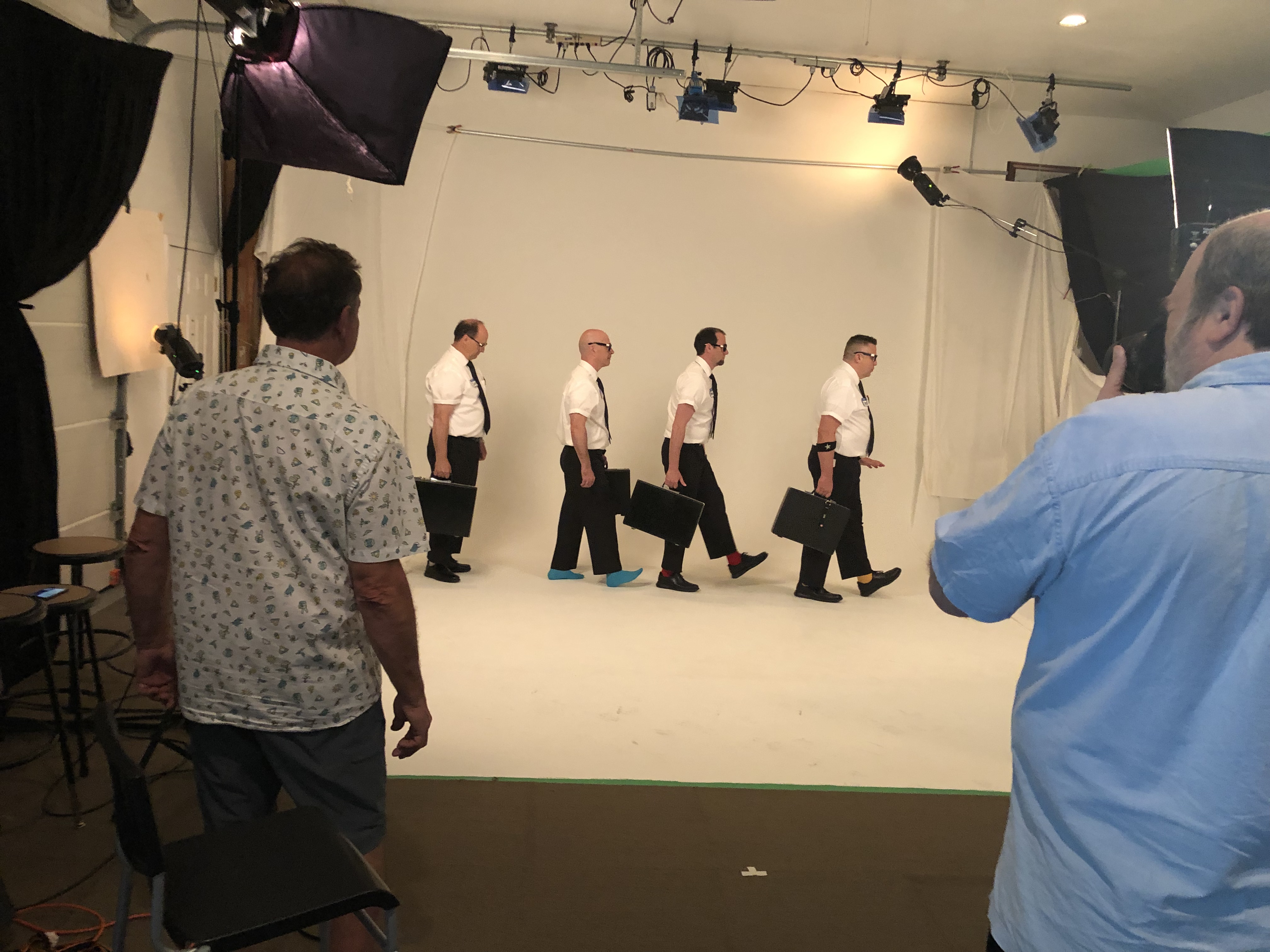
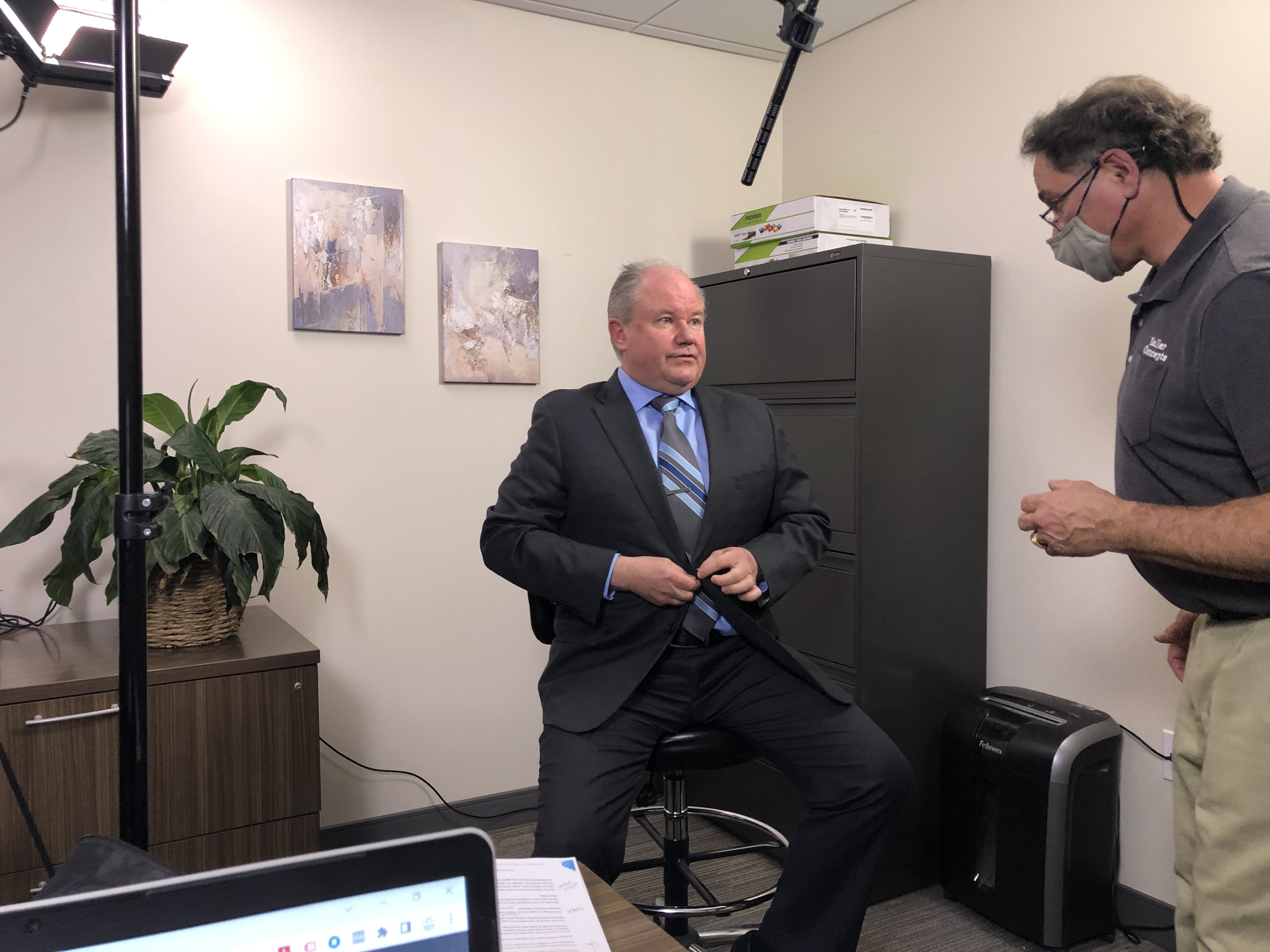
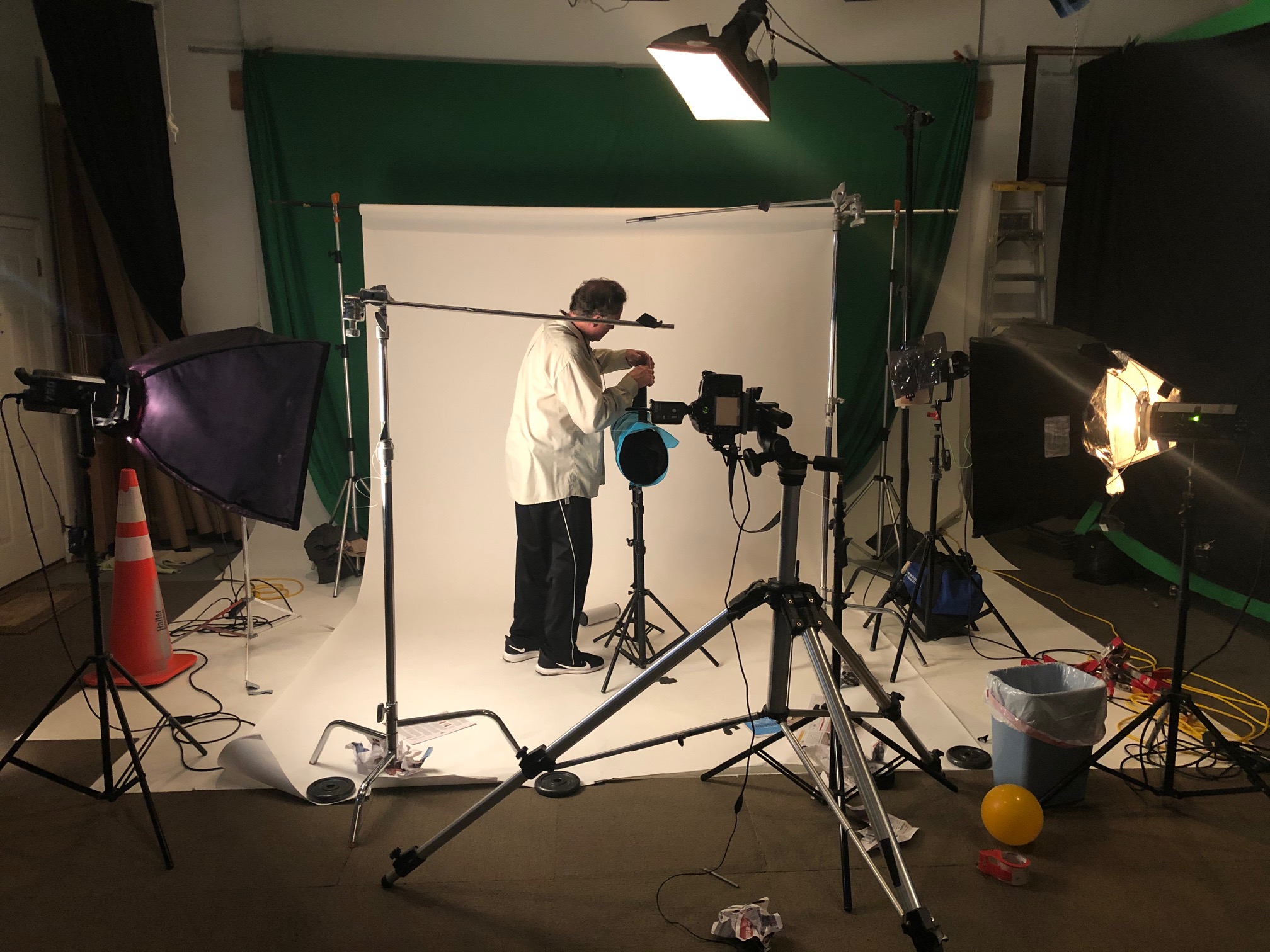
St Louis Video Services brings that integrated approach to every production. As a full-service professional commercial photography and video production company, we have the right equipment and creative crew service experience for successful image acquisition. We offer full-service studio and location video and photography, as well as editing, post-production, and licensed drone services. St Louis Video Services can customize productions for diverse media requirements, and repurposing photography and video branding to gain more traction is one of our specialties. We are well-versed in all file types, media styles, and the accompanying software needed to support today’s production and marketing demands. We also use the latest in Artificial Intelligence for our media services.
Our private studio lighting and visual setup is ideal for small productions and interview scenes, while our studio is large enough to incorporate props and build out more complete sets. We support every aspect of your production, from setting up a private custom interview studio to supplying professional sound and camera operators, as well as providing the right equipment to make your next video production seamless and successful. We are also location scouting and b-roll specialists, and we can fly our specialized FPV drones indoors. Other drone special services include infrared thermal, orthomosaics, and LiDAR. Since 1982, St Louis Video Services has worked with many businesses, marketing firms, and creative agencies in the St. Louis area for their marketing photography and video needs.

