Tag Archives: digital-marketing

B-Roll on a Budget: Tips for Awesome Video

When it comes to creating compelling video content, B-roll is an essential element that enhances storytelling, keeps viewers engaged, and adds a layer of professionalism to your production. However, acquiring high-quality B-roll doesn’t have to break the bank. Whether you’re a business looking to elevate your marketing videos or a creative agency aiming for high-impact content, mastering budget-friendly B-roll strategies can help you achieve professional results without overspending.

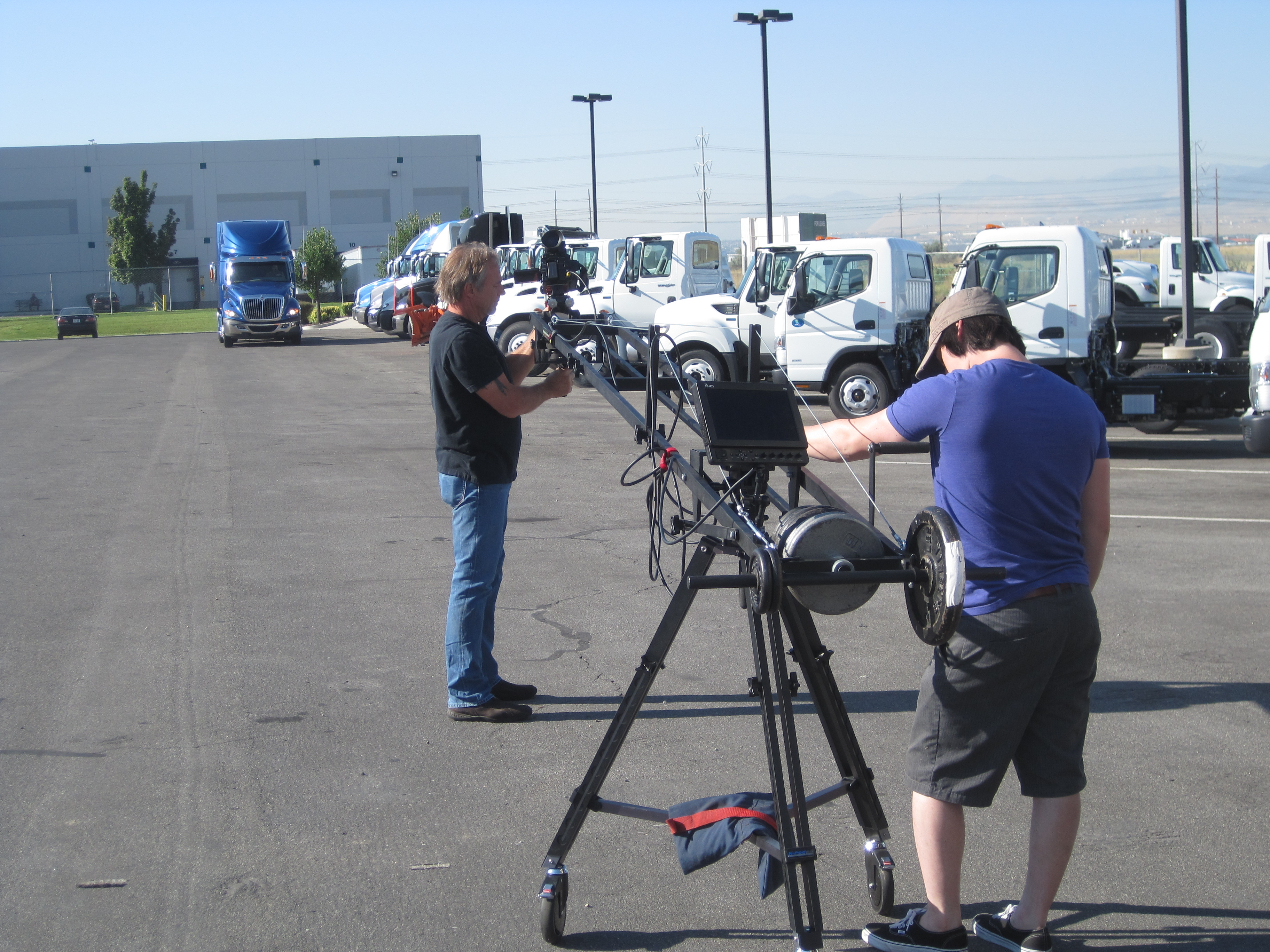
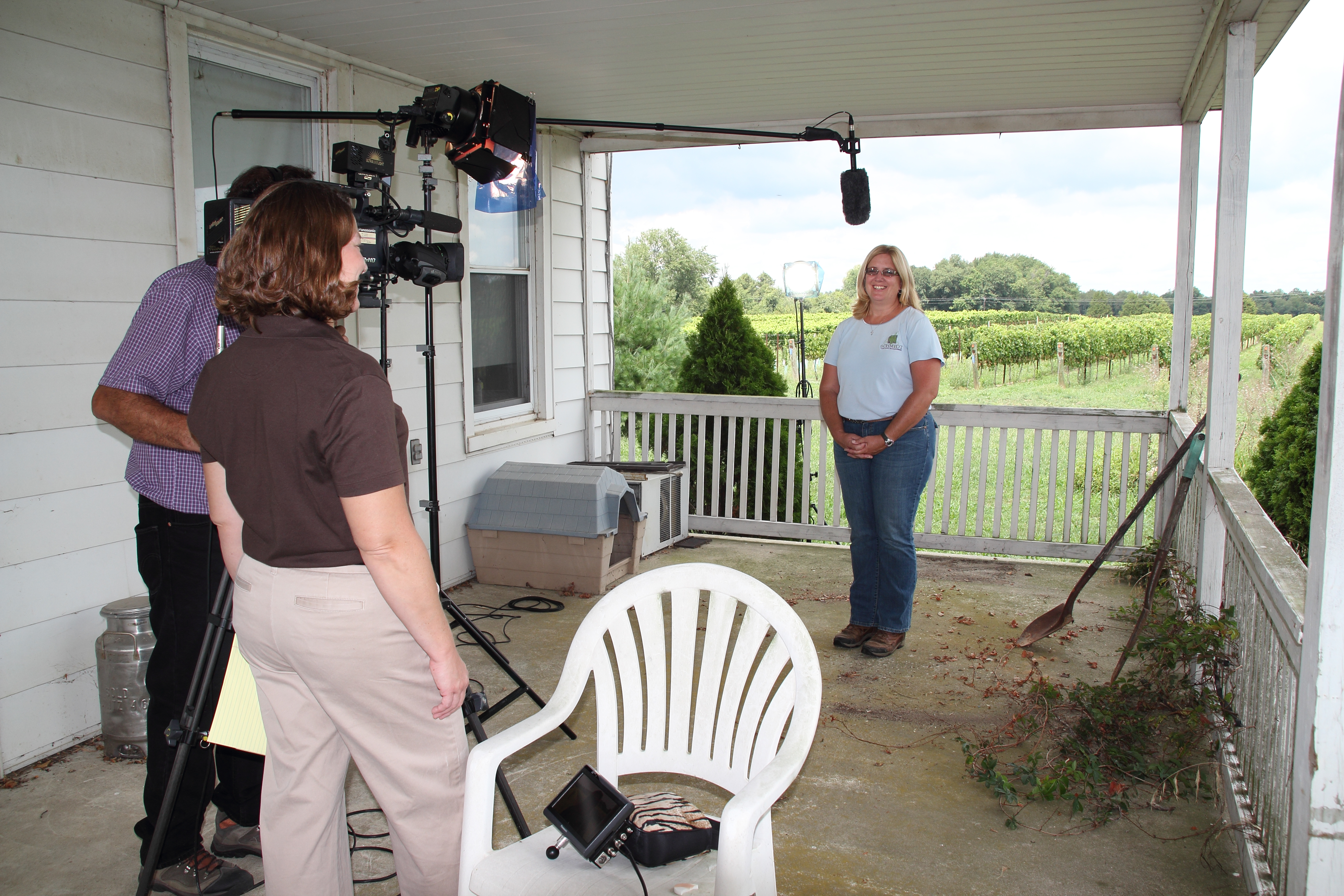
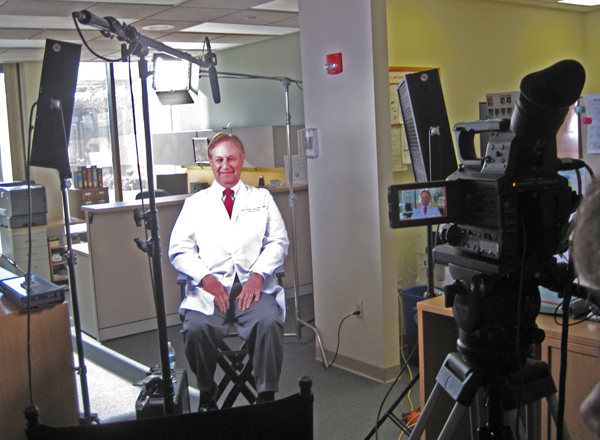
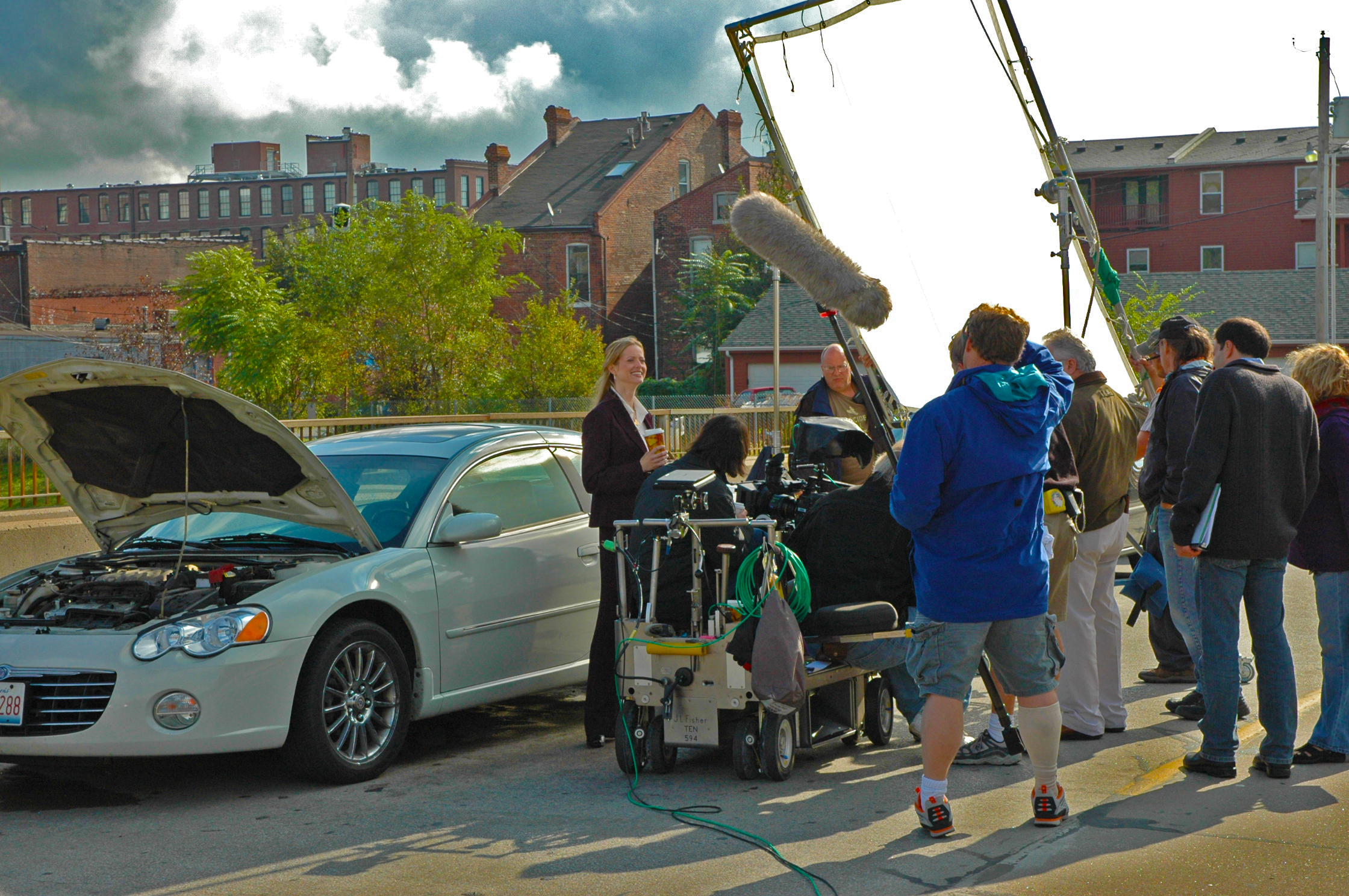
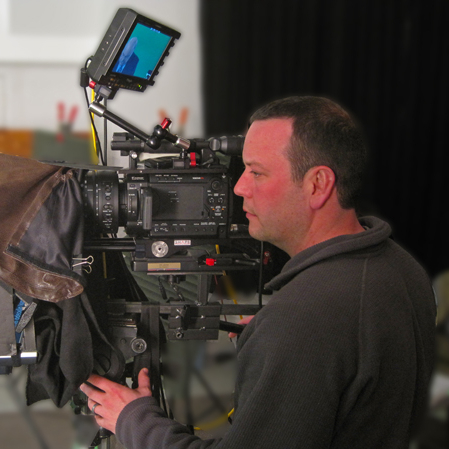
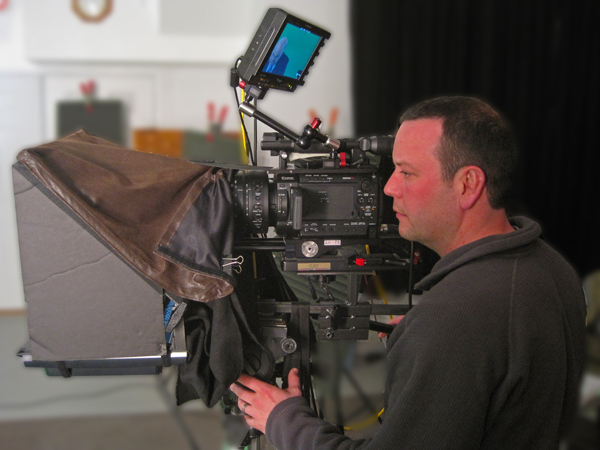
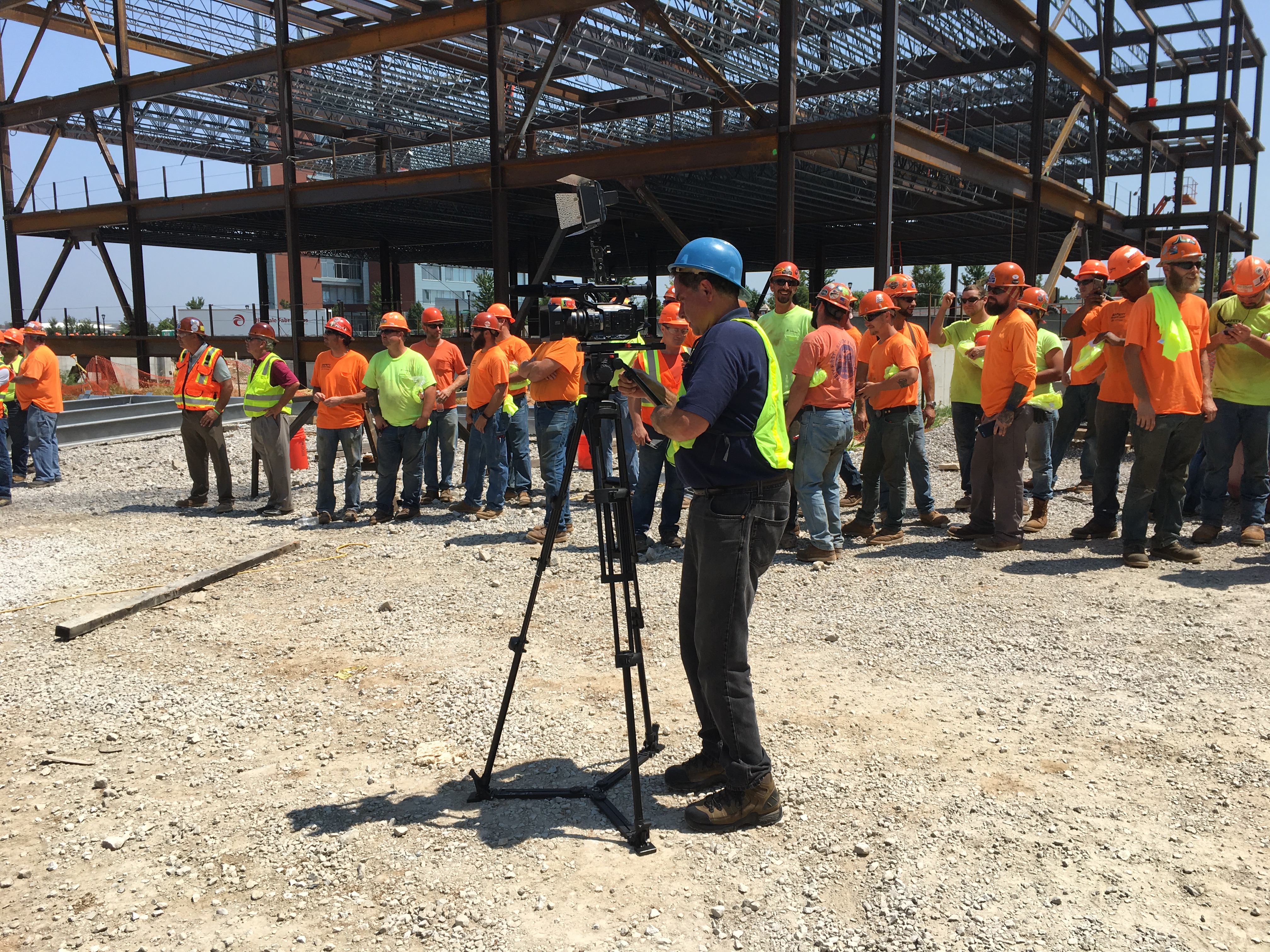
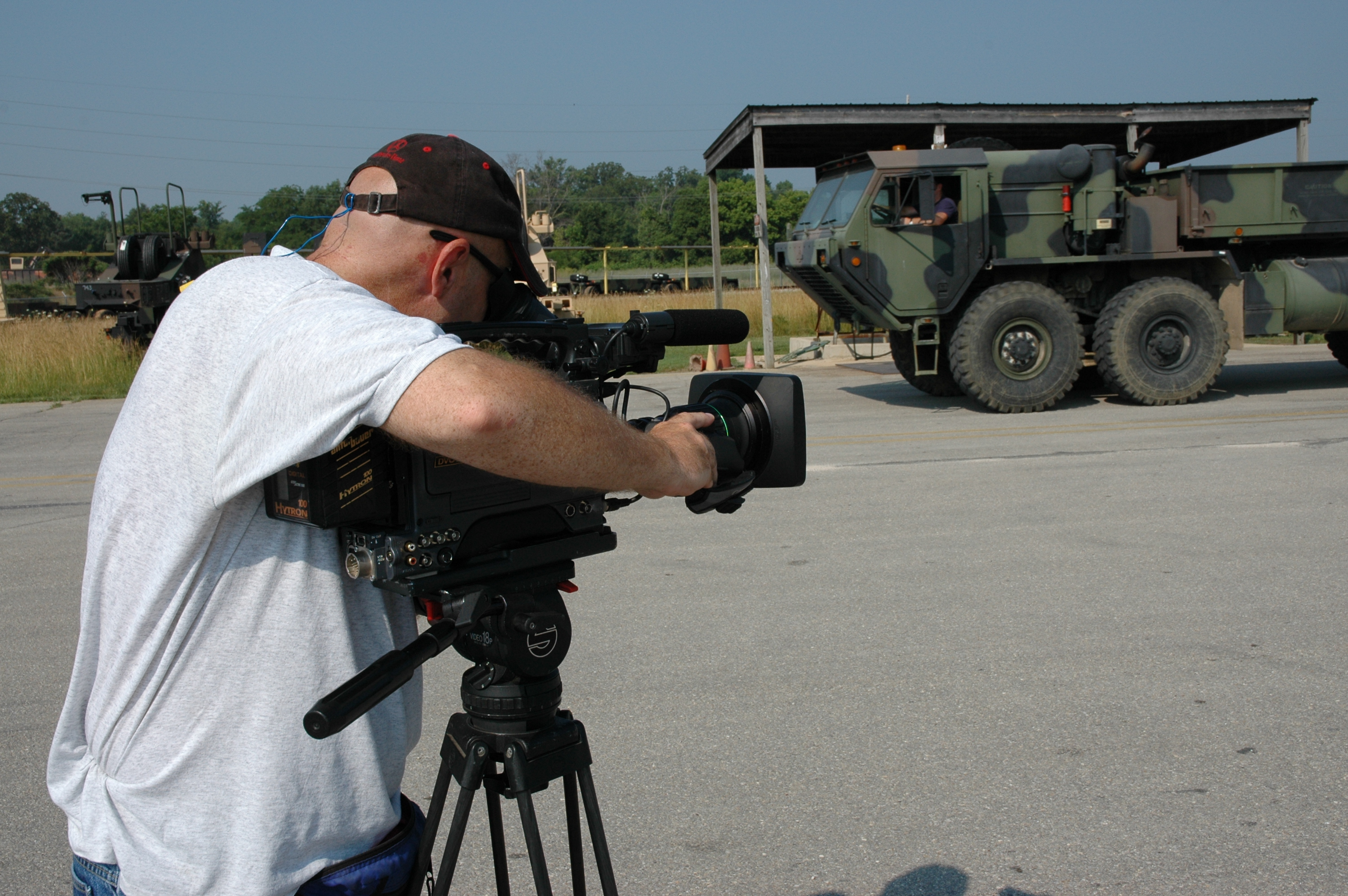
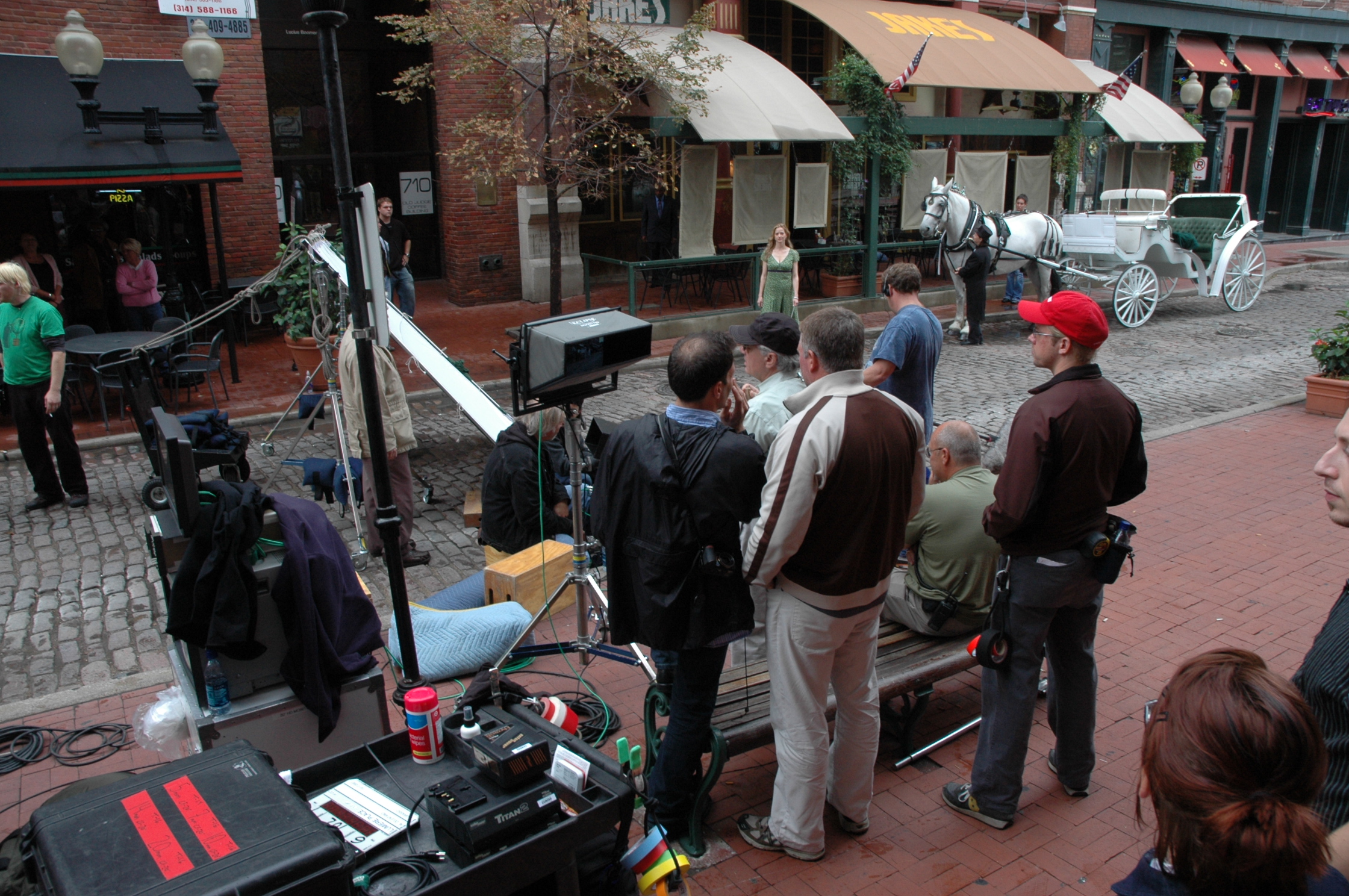
Capture multiple angles, different focal lengths.

Understanding the Power of B-Roll

B-roll refers to the supplemental footage that supports the primary (A-roll) content, such as interviews or scripted scenes. It helps create seamless transitions, illustrates key points, and provides visual interest. Well-executed B-roll makes videos more dynamic, engaging, and visually appealing. Without it, even the most well-spoken on-camera subject can result in a monotonous presentation.

Budget-Friendly B-Roll Strategies

1. Plan Ahead and Storyboard

Before you shoot, outline what B-roll footage you’ll need. Storyboarding or creating a shot list ensures you capture essential visuals efficiently, reducing unnecessary reshoots and wasted time. Knowing what to film in advance allows you to maximize your time on set and minimize costs.

2. Use In-House Resources

Rather than renting expensive locations, leverage in-house spaces, office environments, or outdoor settings that align with your brand’s message. Many businesses already have interesting visual assets such as product displays, employees at work, or branded office interiors that can serve as impactful B-roll.

3. Shoot More Than You Need

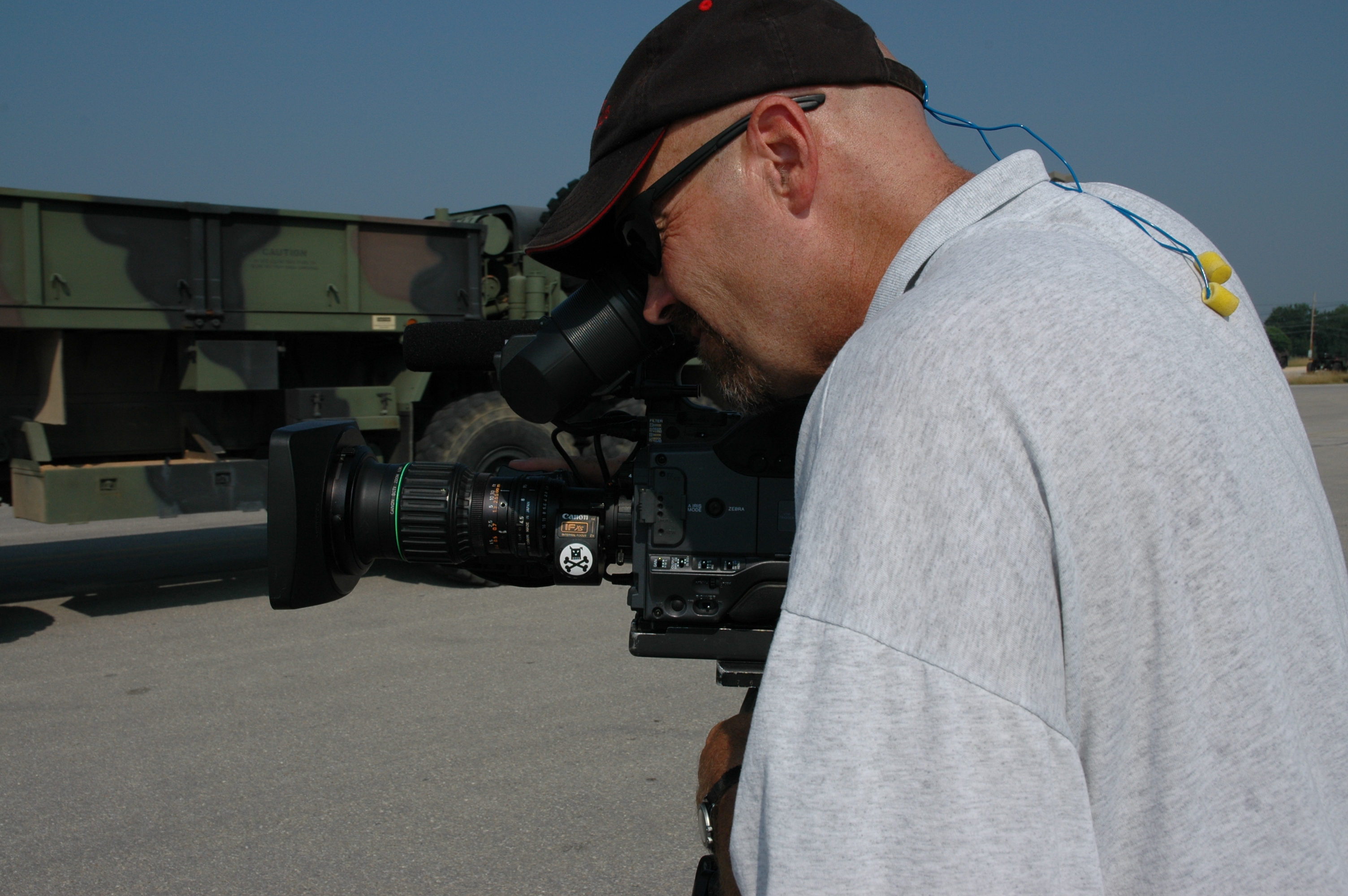
Extra footage can be a lifesaver during post-production. Capture multiple angles, different focal lengths, and variations of movements to ensure you have enough material to work with. This avoids the need for costly reshoots.

4. Utilize Stock Footage Wisely

If live shooting isn’t an option, stock video can be an affordable alternative. Choose clips that match your brand’s visual style and integrate them seamlessly with your original footage. Many stock footage platforms offer budget-friendly options with high-quality visuals.

5. Get Creative with Camera Movements

Even with a basic camera setup, dynamic movements can enhance the production value of your B-roll. Handheld shots, slow motion, and panning can add variety and professionalism. If you have access to a stabilizer or a slider, these tools can elevate the quality even further.

6. Leverage Natural Light

Lighting can make or break a video. If studio lights are outside your budget, take advantage of natural light. Positioning subjects near large windows or shooting outdoors during golden hour can yield stunning results without the need for costly lighting setups.
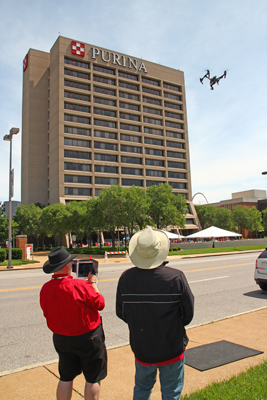
7. Use Drones for High-Impact Shots

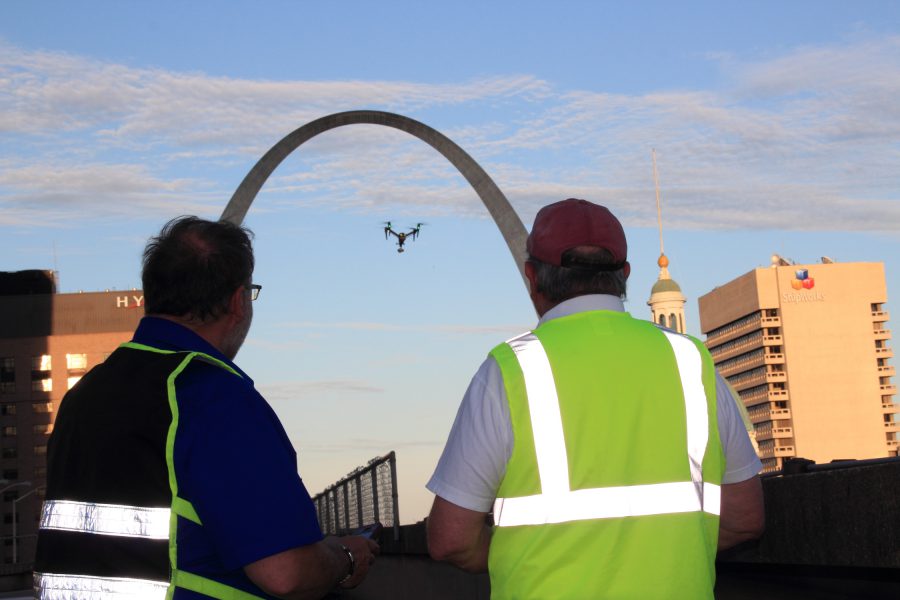
Aerial footage can add a cinematic feel to your B-roll. While hiring a drone operator can be expensive, some production companies, like St Louis Video Services, offer licensed drone pilots at a reasonable cost. Drone footage can be particularly effective for showcasing large spaces, events, and scenic backdrops.

8. Optimize Editing Techniques

Post-production is where B-roll truly comes to life. Use transitions, color grading, and slow-motion effects to enhance the footage. Editing software such as Adobe Premiere Pro or DaVinci Resolve offers tools that can refine your B-roll without requiring expensive additional shoots.

The St Louis Video Services Advantage

At St Louis Video Services, we understand the importance of high-quality B-roll in video production. As a full-service professional commercial photography and video production company, we have the right equipment, experienced crew, and creative expertise to ensure successful image acquisition.

We offer full-service studio and location video and photography, as well as editing, post-production, and licensed drone pilots. Whether you need a private custom interview studio setup, sound and camera operators, or high-quality B-roll that aligns with your brand, we have you covered. Our specialized drones can even fly indoors to capture unique perspectives.

Since 1982, we’ve worked with businesses, marketing firms, and creative agencies across the St. Louis area, helping them produce visually compelling content that resonates with their audiences. Contact us today to see how we can bring your next video production to life, even on a budget.
314-604-6544

stlouisvideoservices@gmail.com

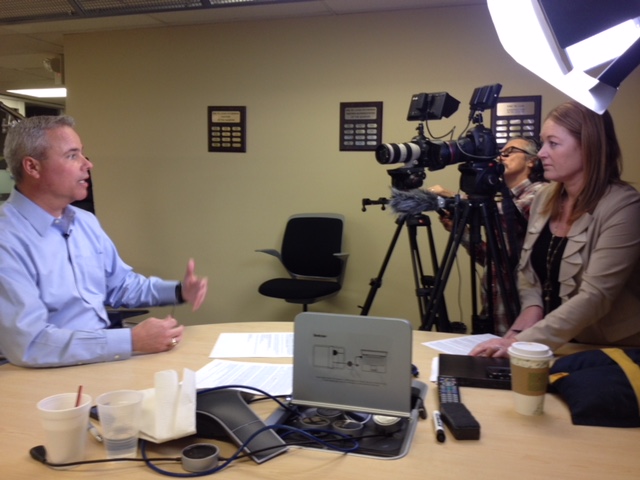
5 Creative B-Roll Ideas for Interview Projects: Enhancing Your Storytelling

B-roll footage is a crucial component in interview-based video projects. It’s the supplementary footage that enriches the story and creates a more immersive and engaging viewing experience. While the interview itself is the focal point, B-roll serves as a tool to visually support the key messages and add context, helping to bring your narrative to life. As an experienced videographer and producer at St. Louis Video Services, I’ve had the opportunity to work with a wide range of clients to craft compelling interview videos that stand out. Below are five creative B-roll ideas that can elevate your interview projects and engage your audience more effectively.

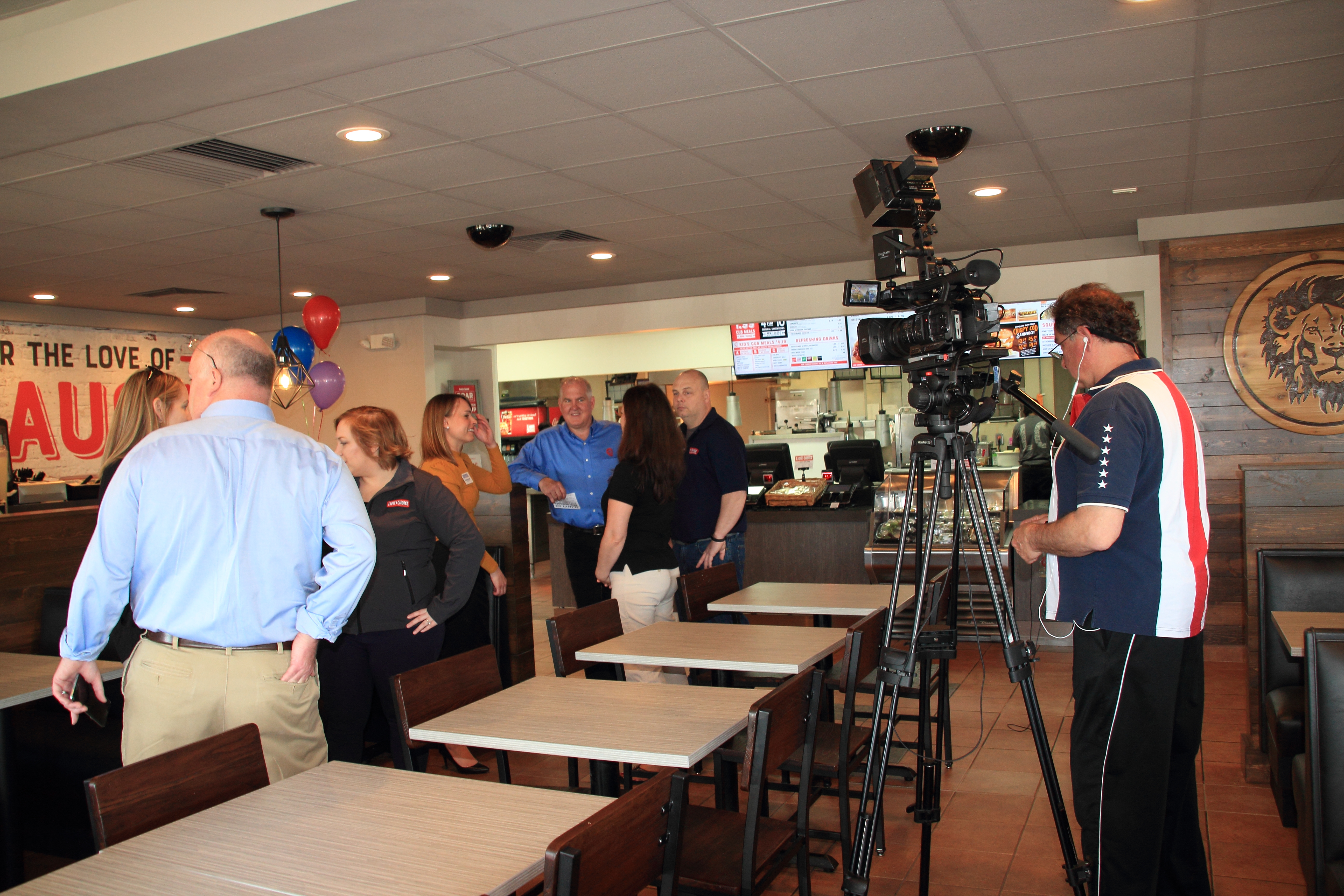
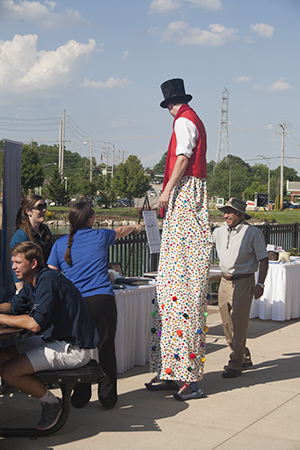
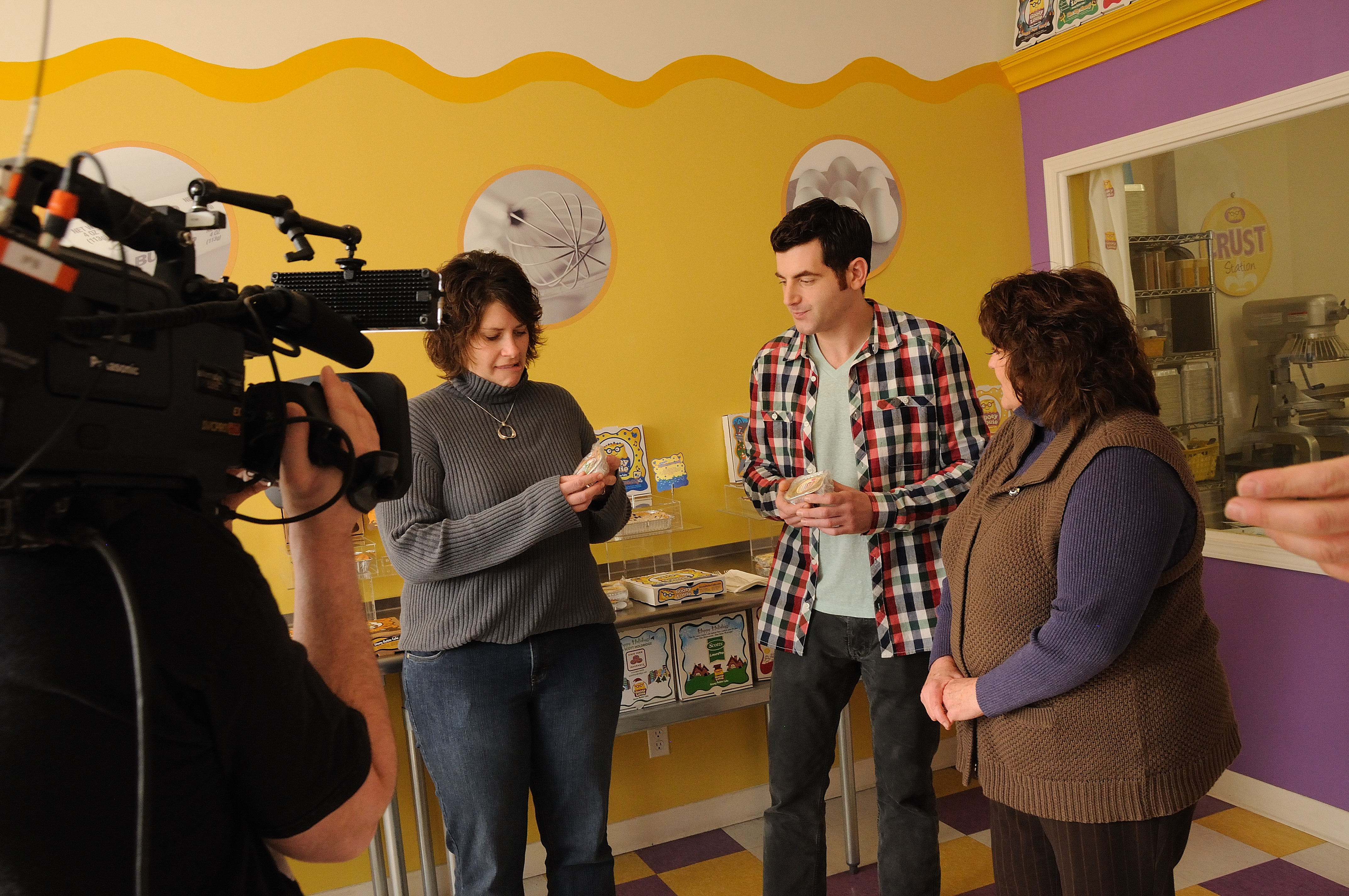
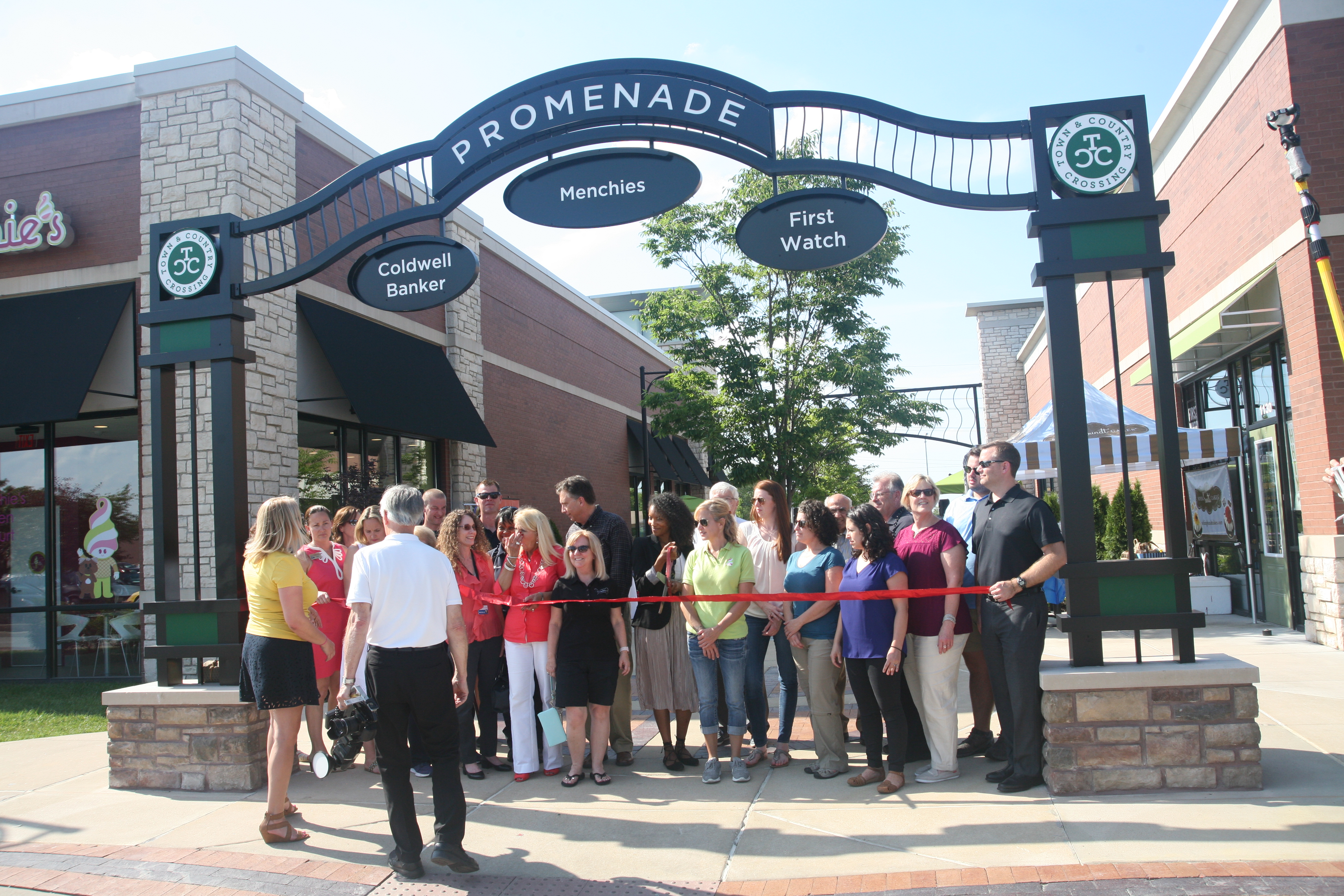
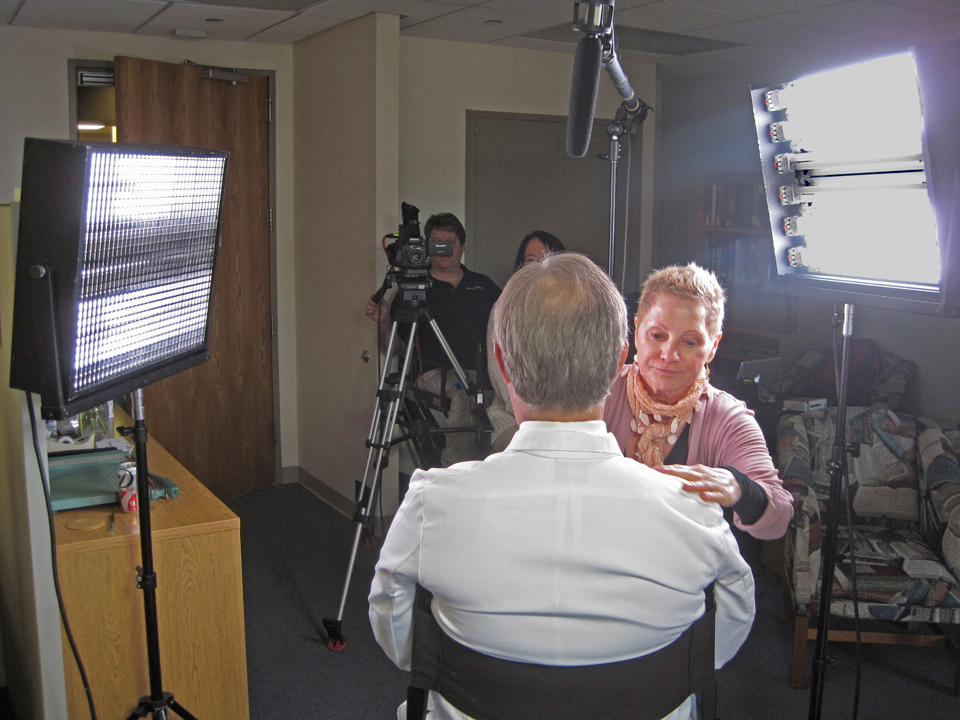
Keep the interactions natural. Candid shots of genuine conversations often work better than posed or staged interactions, as they feel more authentic to the viewer.

1. Action Shots of the Subject in Their Environment

One of the most powerful ways to incorporate B-roll is by capturing the subject actively engaged in their environment or performing their work. For example, if you’re interviewing a CEO, showing them in their office, leading a meeting, or interacting with their team can give the audience insight into their role and personality. This adds context and makes the interview feel more grounded in the real world. Whether it’s an office, a factory floor, or a creative studio, action shots create a dynamic atmosphere that complements the spoken words.

Pro Tip: Ensure the lighting and angles match the tone of the interview. A busy environment might require a wide shot, while a more personal setting could benefit from tighter framing to maintain intimacy.

2. Cutaways to Products or Services

A great way to showcase a business’s offerings is to include close-up shots of products or services in action. For example, if you’re interviewing a product designer, you can film the process of them working on their design, adjusting details, or interacting with the product. This type of B-roll adds depth to the story by visually demonstrating the subject’s expertise or highlighting the key elements of their work. Product demonstrations are powerful storytelling tools in interviews, allowing you to show rather than just tell.

Pro Tip: When filming products, pay attention to lighting to highlight texture, features, and movement. Use a macro lens for extreme close-ups or slow-motion to draw attention to intricate details.

3. Interaction with Clients or Colleagues

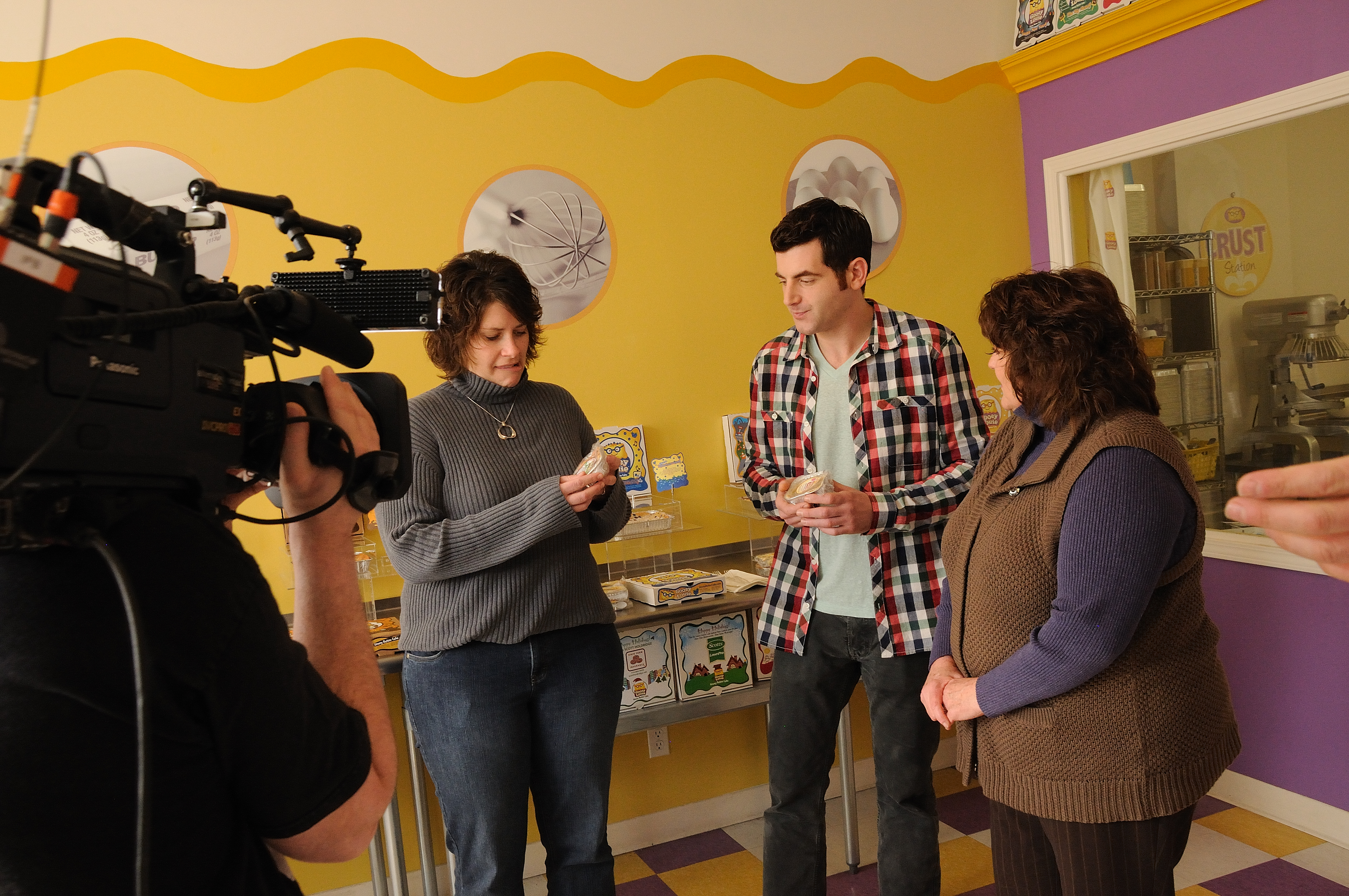
Including shots of the subject interacting with colleagues, clients, or customers helps to humanize the story and gives a sense of community or teamwork. These moments not only provide a visual break from the interview but also reinforce the subject’s role in a larger narrative. Whether it’s a handshake, a conversation, or a collaboration, capturing these moments can add authenticity and highlight the relationships that drive a business.

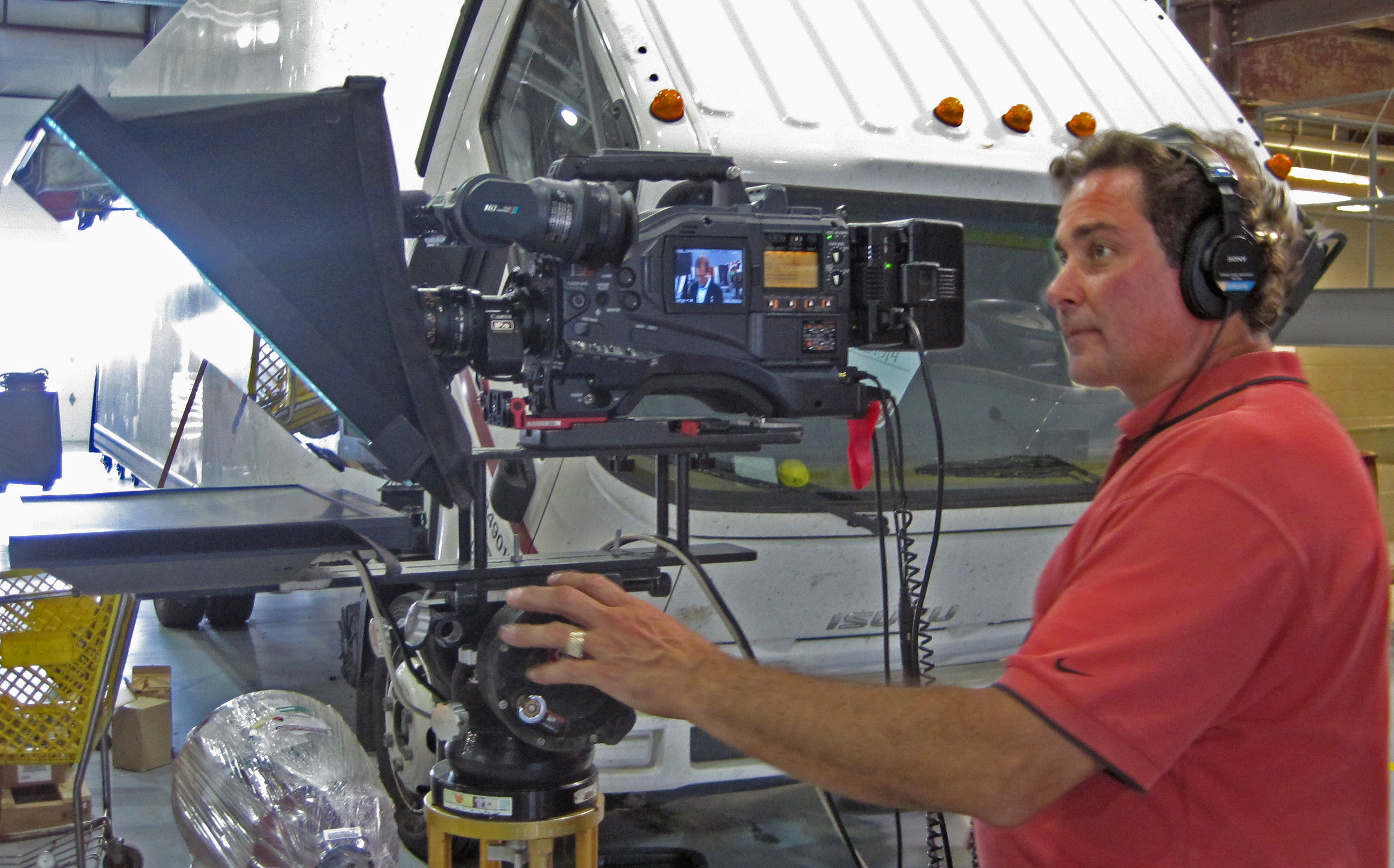
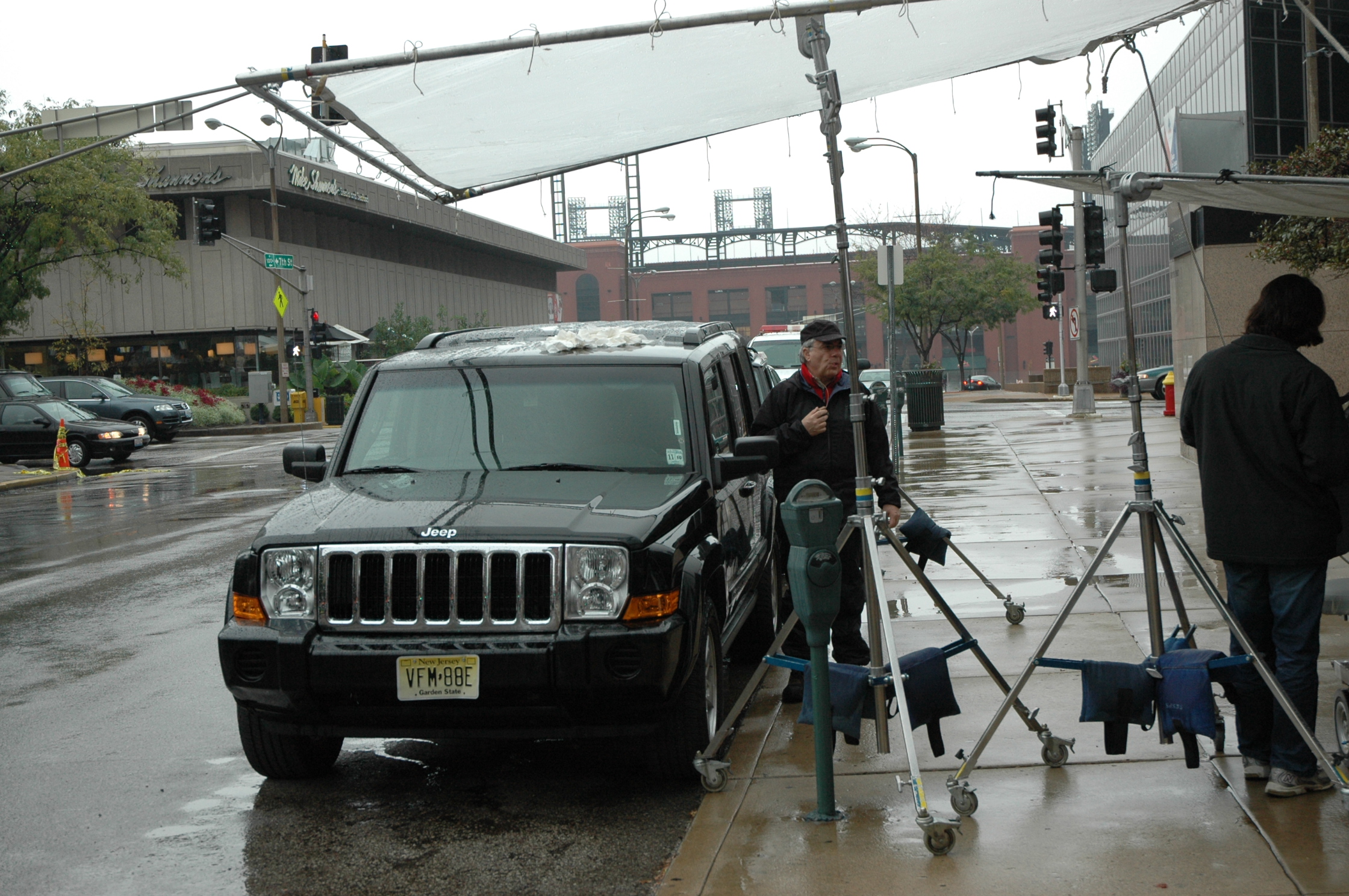
Pro Tip: Keep the interactions natural. Candid shots of genuine conversations often work better than posed or staged interactions, as they feel more authentic to the viewer.

4. Visual Metaphors or Symbols

Sometimes, using symbolic or metaphorical B-roll can enhance the themes of an interview. For instance, if the subject discusses overcoming challenges, you could film a time-lapse of a sunrise, a plant growing, or a bustling city to symbolize growth or resilience. These types of visuals add a layer of artistic storytelling that connects emotionally with the audience. Choosing the right metaphor can elevate your video to something more memorable.

Pro Tip: Be subtle with metaphors. Overuse of symbolic shots can detract from the interview’s core message, so make sure the metaphor aligns with the key takeaways.

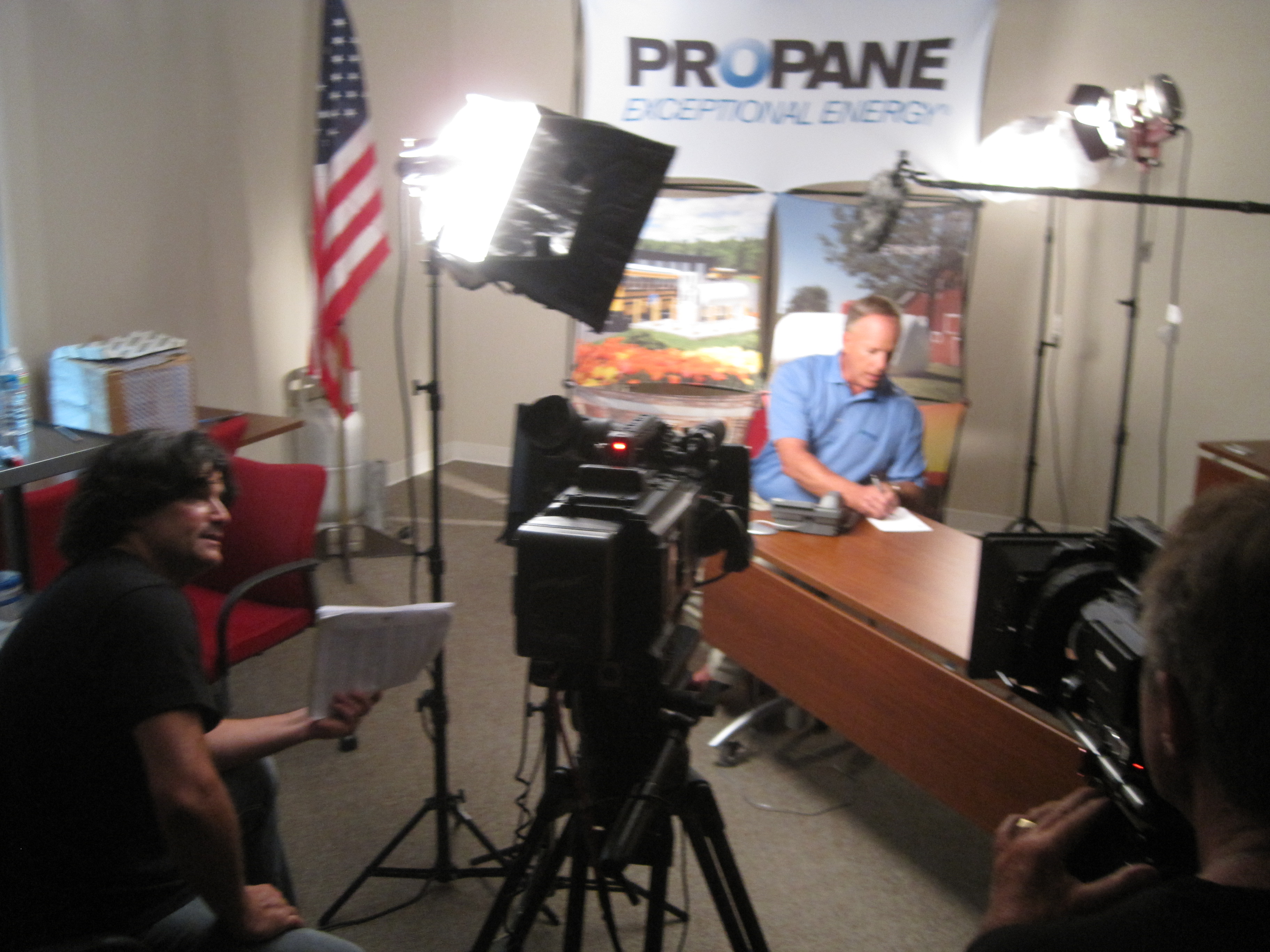
5. Behind-the-Scenes of the Production

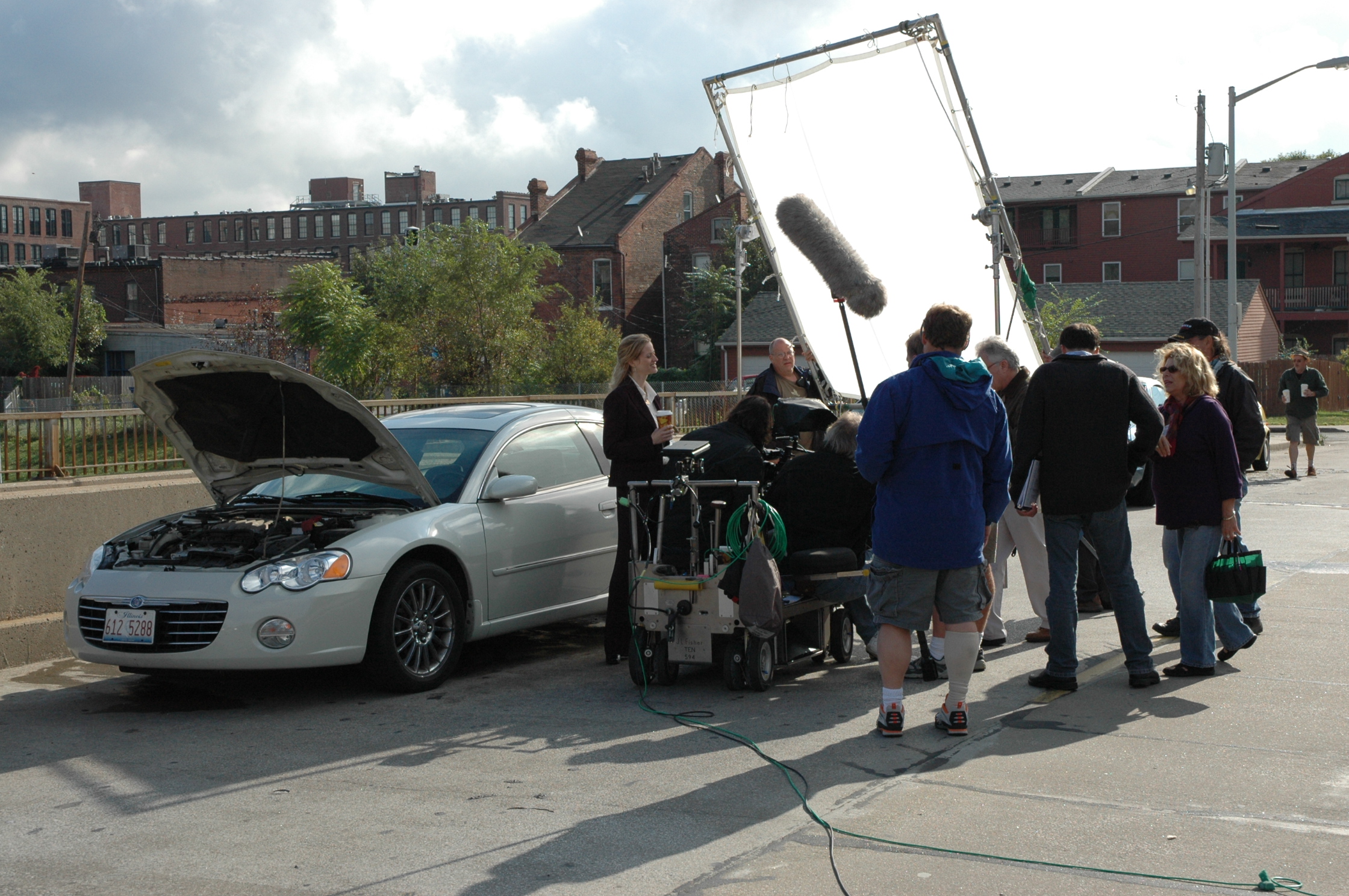
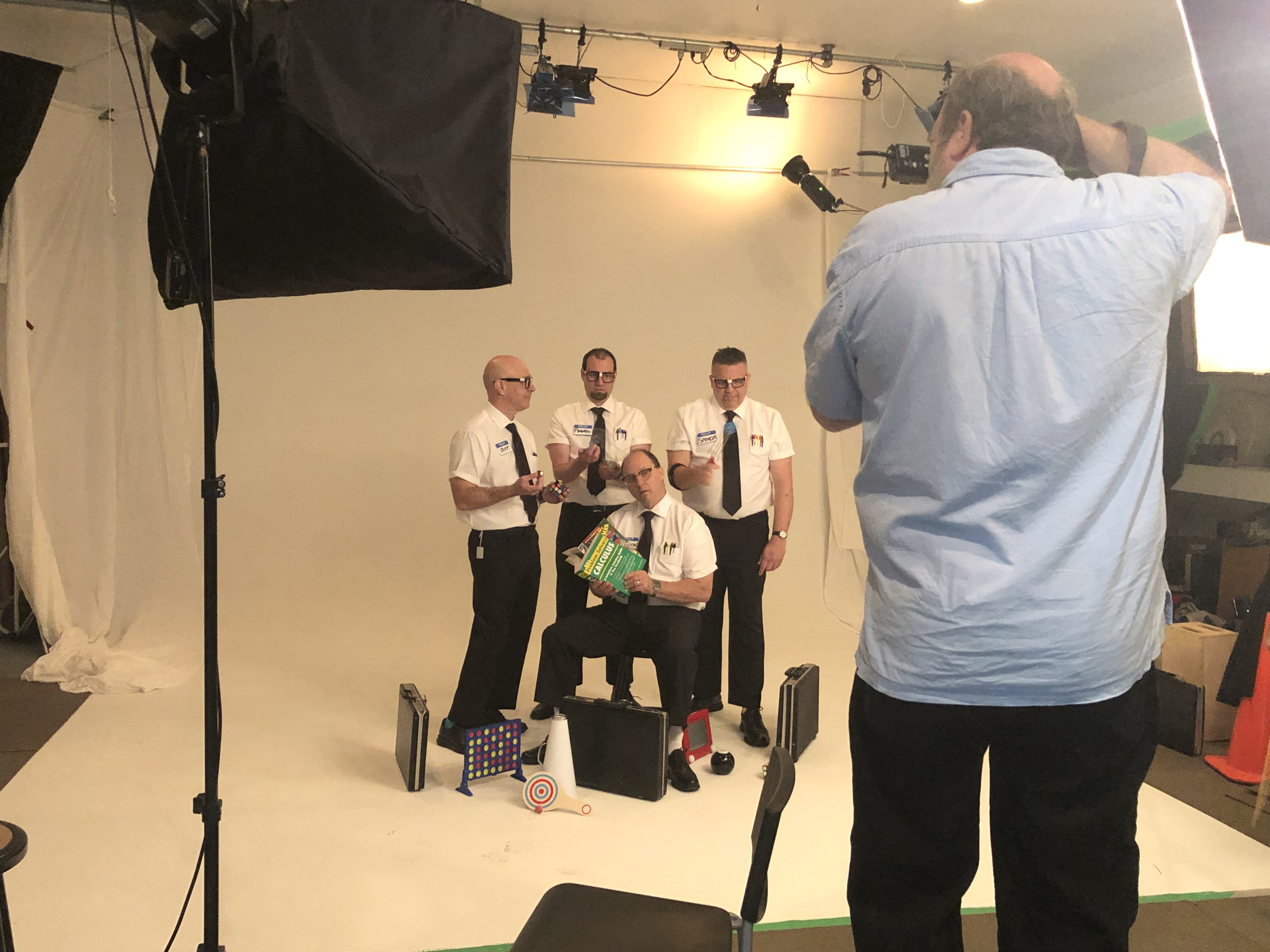
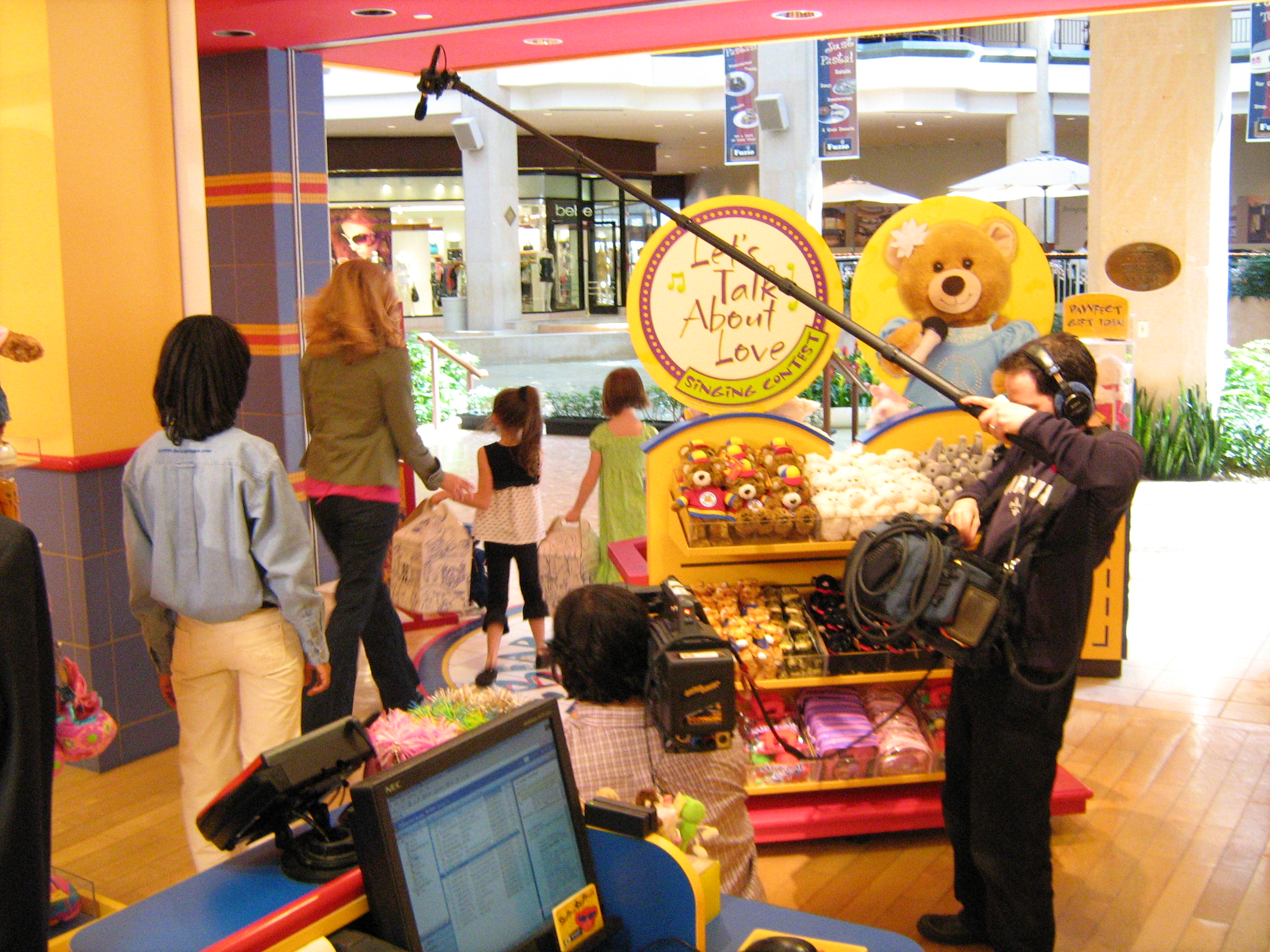
A unique way to add B-roll is by showcasing behind-the-scenes footage of the production itself. This could be shots of the team setting up equipment, adjusting lighting, or prepping for the shoot. Behind-the-scenes footage not only adds transparency to the production process but also helps to reinforce the professionalism and care that goes into making a high-quality video. This can be a nice touch, especially in interviews where the production values are part of the story.

Pro Tip: Keep the behind-the-scenes shots quick and purposeful. Too much behind-the-scenes footage can detract from the focus of the interview. Use it to add context to the production and highlight your team’s expertise.


Why Choose St. Louis Video Services for Your Next Project?

At St. Louis Video Services, we understand the importance of capturing the right B-roll to support and enhance your interview projects. As a full-service professional commercial photography and video production company, we offer a range of services, including studio and location video and photography, editing, post-production, and licensed drone pilots. We can customize your productions for diverse media requirements, from small productions with private studio setups to large-scale projects that involve intricate equipment and crew coordination.

We specialize in repurposing photography and video branding to help you gain more traction with your content. Our experienced team is well-versed in all file types and media styles, ensuring your final product meets the highest standards of quality. Our private studio lighting and visual setups are perfect for small productions, such as interviews, and our versatile space can accommodate props to enhance your set.

With extensive experience working with businesses, marketing firms, and agencies in the St. Louis area, St. Louis Video Services has everything you need to make your next video production a success. Whether you need sound and camera operators or specialized drone footage indoors, we are here to help at every step of the process. Since 1982, we’ve been committed to creating impactful video productions that engage and inspire audiences.
Let us bring your vision to life with creative B-roll, seamless production, and expert storytelling.

314-604-6544

stlouisvideoservices@gmail.com

Questions to Ask Before Choosing a Video Services Interview Style

When planning a corporate video project, the style of the interview can make or break the overall effectiveness of your content. Whether it’s for internal communications, marketing campaigns, or customer testimonials, the way you capture an interview plays a significant role in how your message is received by the audience. Choosing the right interview style can be daunting, but by asking the right questions, you can make a well-informed decision that suits your company’s needs. Here’s a comprehensive guide to the key questions you should ask before selecting an interview style for your next video production.

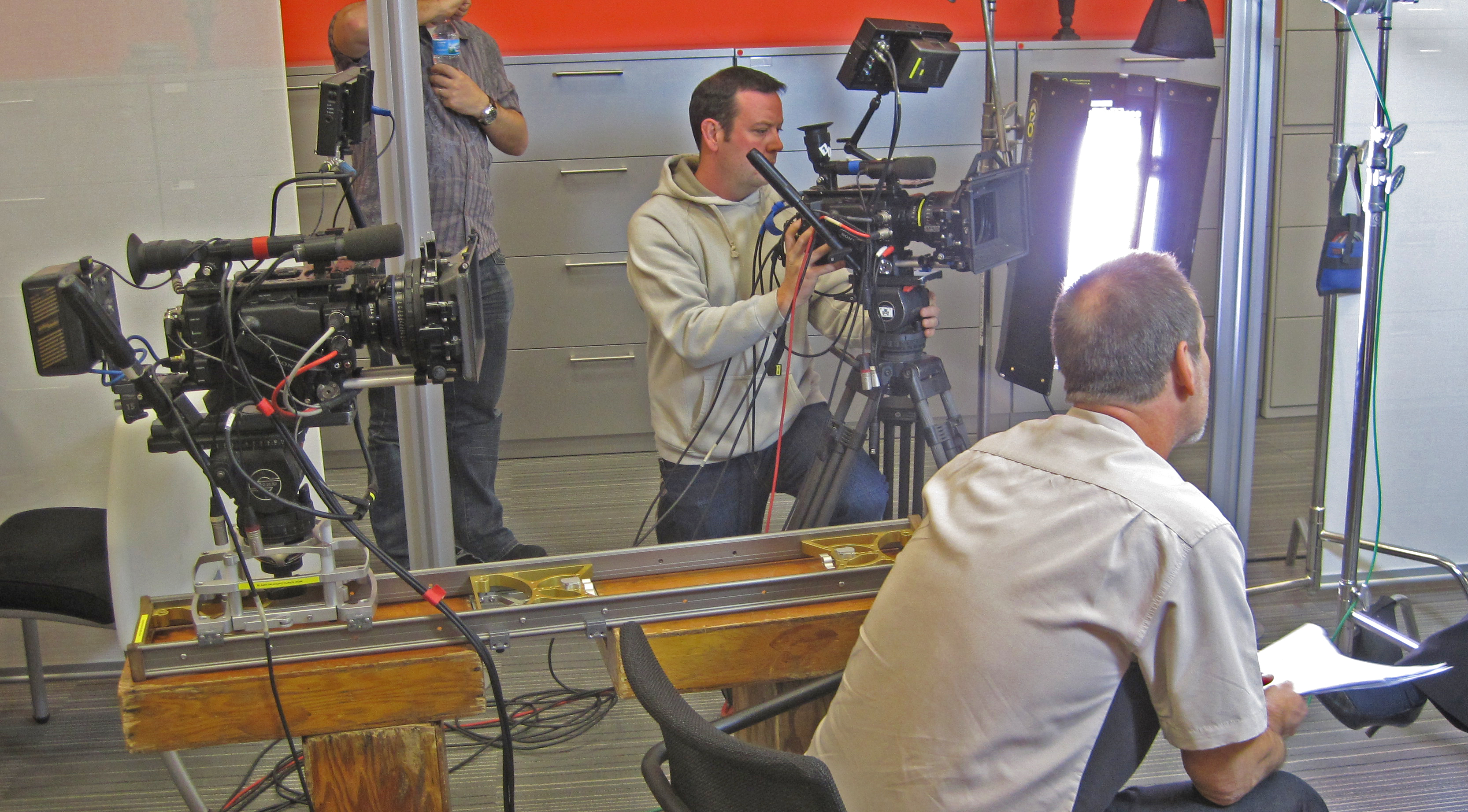
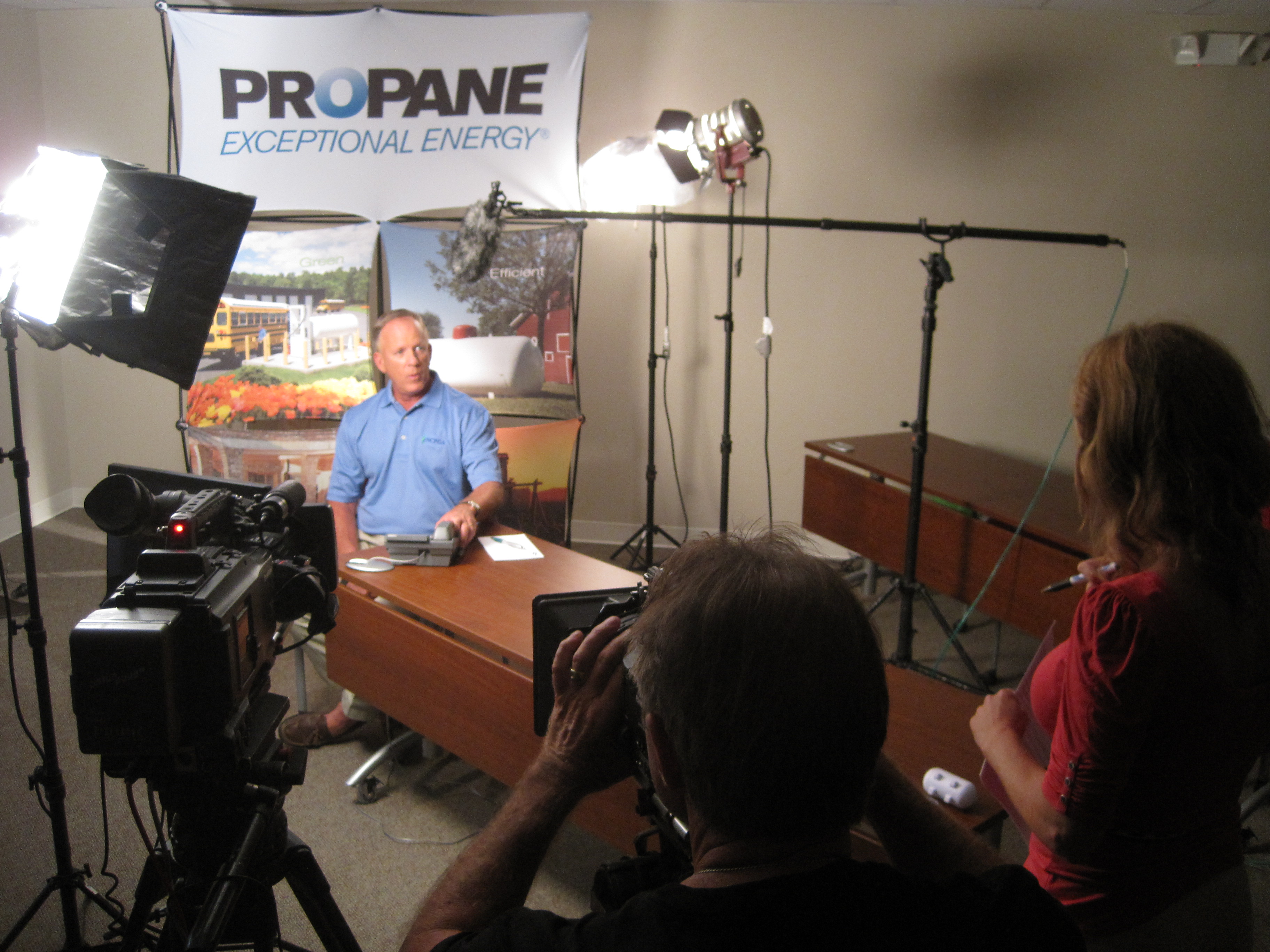
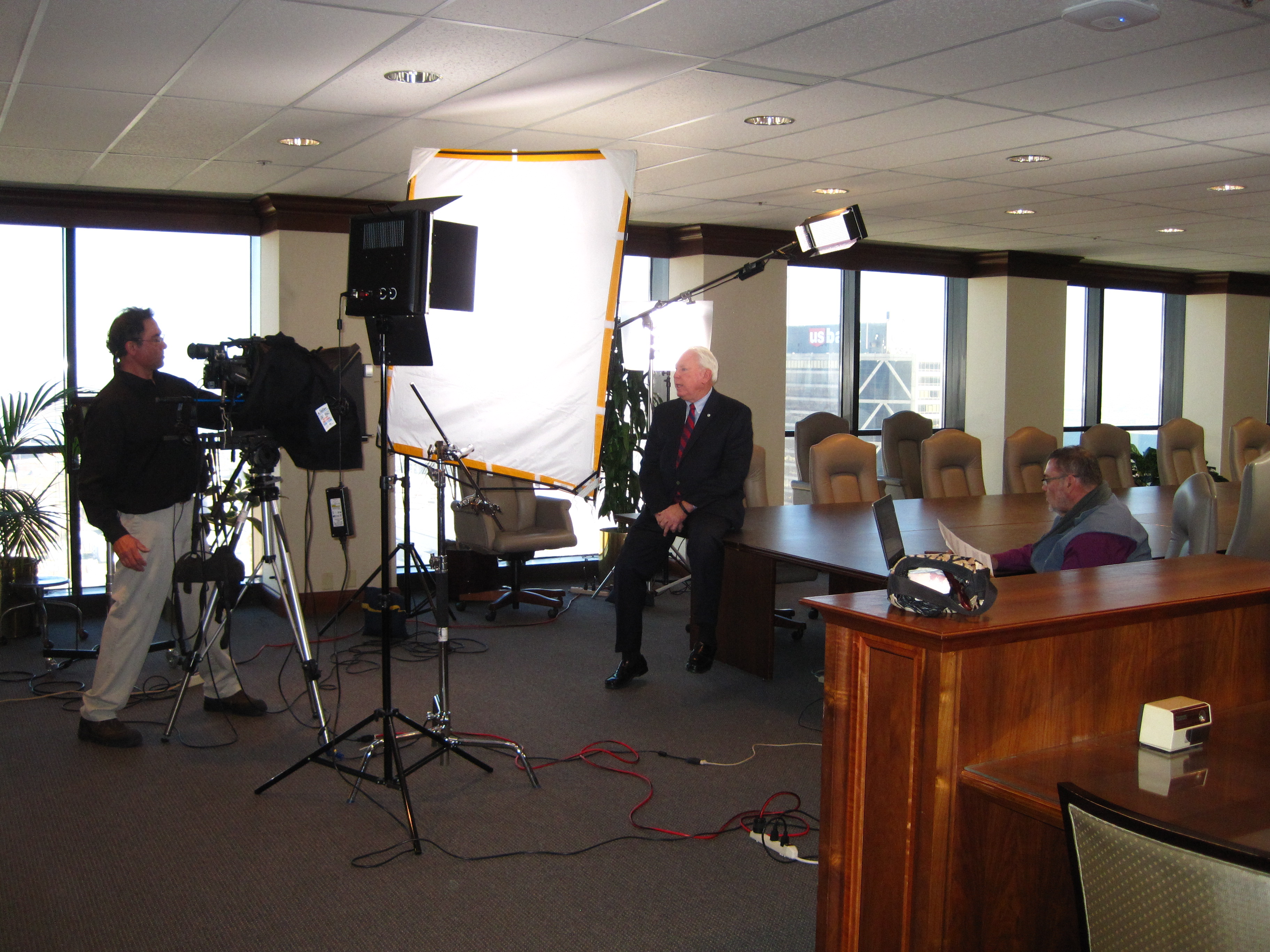
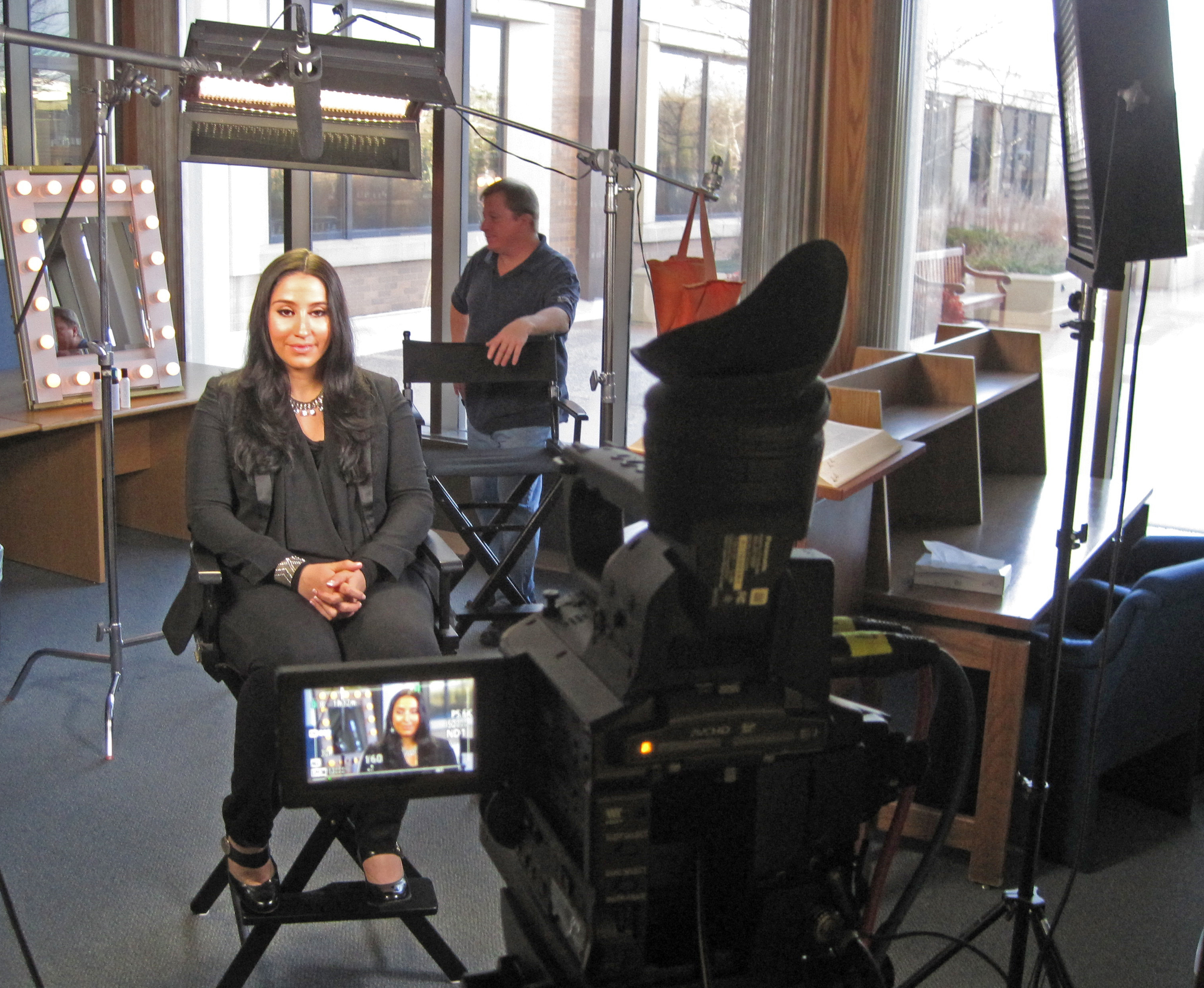
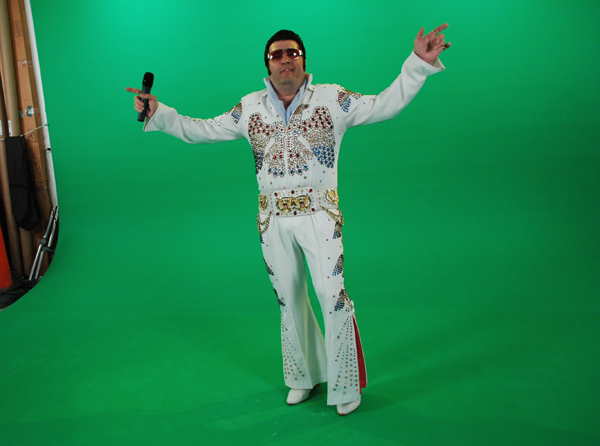
If the background or setting is not essential, then a studio interview with clean, controlled lighting can focus the audience’s attention solely on the subject.

1. What is the Objective of the Interview?

Before deciding on an interview style, it’s crucial to understand the purpose of the video. Are you showcasing an expert’s authority? Do you want to create an emotional connection with the audience? Or is your goal to inform or educate?

For example:

  • If you need a professional, polished presentation of an expert or executive, a traditional sit-down interview may work best.
  • If you aim to humanize your brand and create a relatable, storytelling atmosphere, an on-location or walking interview could be more effective.

2. What is the Tone of the Interview?

The tone of your interview will significantly influence the style you choose. Will the interview be formal, casual, or somewhere in between?

  • For a serious, authoritative tone, a traditional sit-down interview often delivers the best results.
  • If you want a more relaxed and conversational tone, walking interviews or roundtable discussions can help convey a more informal vibe.

3. How Will the Interview Be Presented to the Audience?

Consider how the final video will be distributed. Will it be shown at a corporate event, shared on social media, or embedded in a website?

  • Corporate events or formal presentations may require more traditional, clean styles like sit-down interviews or two-camera setups for a professional finish.
  • Social media or website use might benefit from more dynamic styles, like walking interviews or on-location shots, which offer a more engaging and personalized feel.

4. What is the Environment Like?

The location where the interview is filmed plays a major role in your choice of interview style. Will the interview take place in a controlled environment like a studio, or will it be on-location?

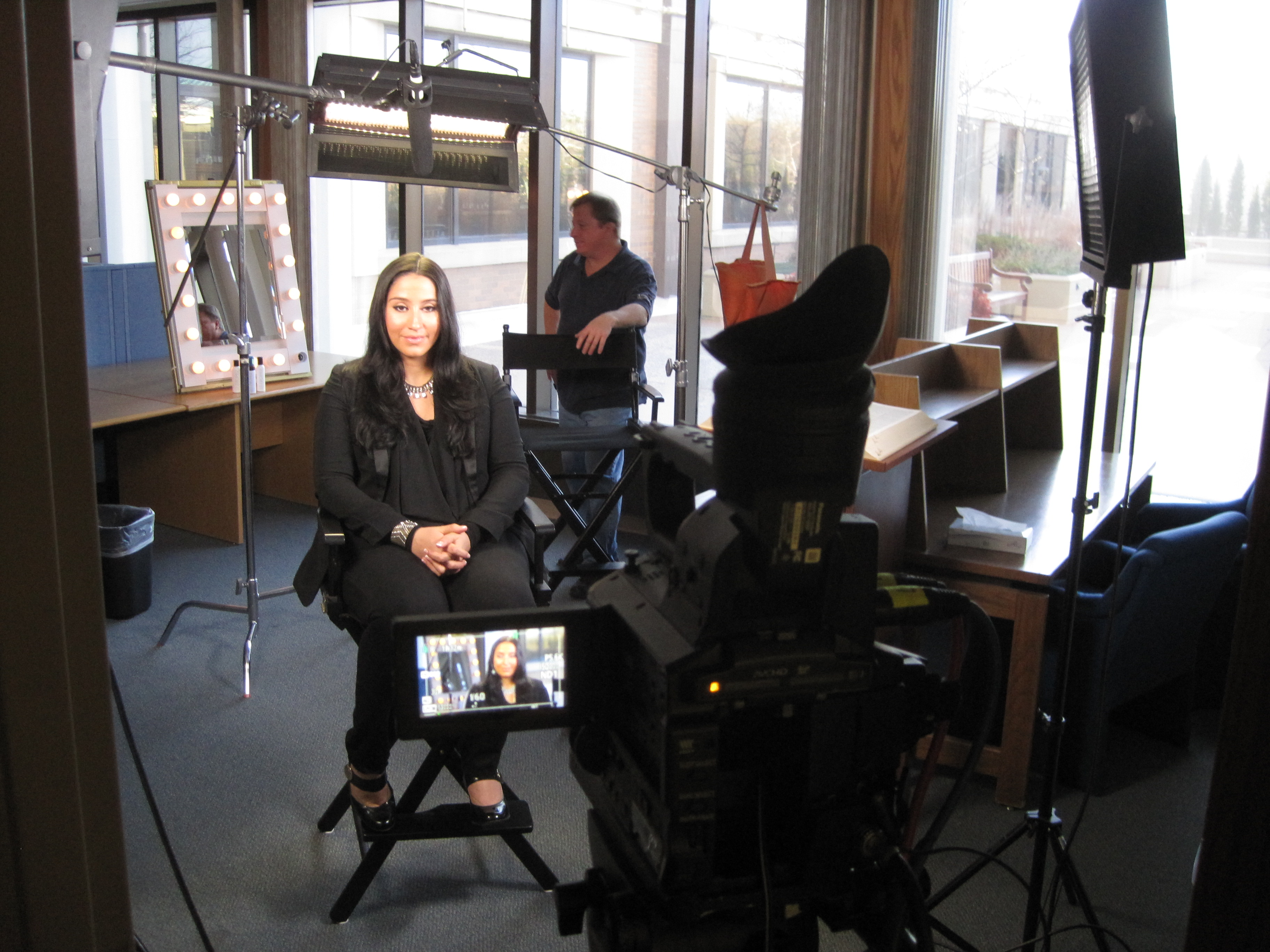
  • A private studio setup offers control over lighting, sound, and background, making it ideal for controlled interviews or corporate settings.
  • On-location interviews provide authenticity but can present challenges with lighting and noise, which may require additional equipment and preparation.

5. How Much Time Do You Have for Setup and Filming?

The amount of time available for filming will also influence your decision. More complex interview styles often require additional setup time.

  • Traditional sit-down interviews are relatively quick and easy to set up, requiring minimal equipment and crew.
  • Walking interviews or multi-camera setups may require more crew and time for adjustments, but can offer richer, more dynamic footage.
  • If you have limited time, you may opt for single-camera setups or green-screen interviews that allow for more flexibility in post-production.

6. How Important is Visual Appeal?

The visual elements of the interview are key to maintaining viewer engagement. Does the setting play an important role in conveying the message?

  • On-location interviews can visually reinforce your message, providing contextual clues that are highly engaging and visually dynamic.
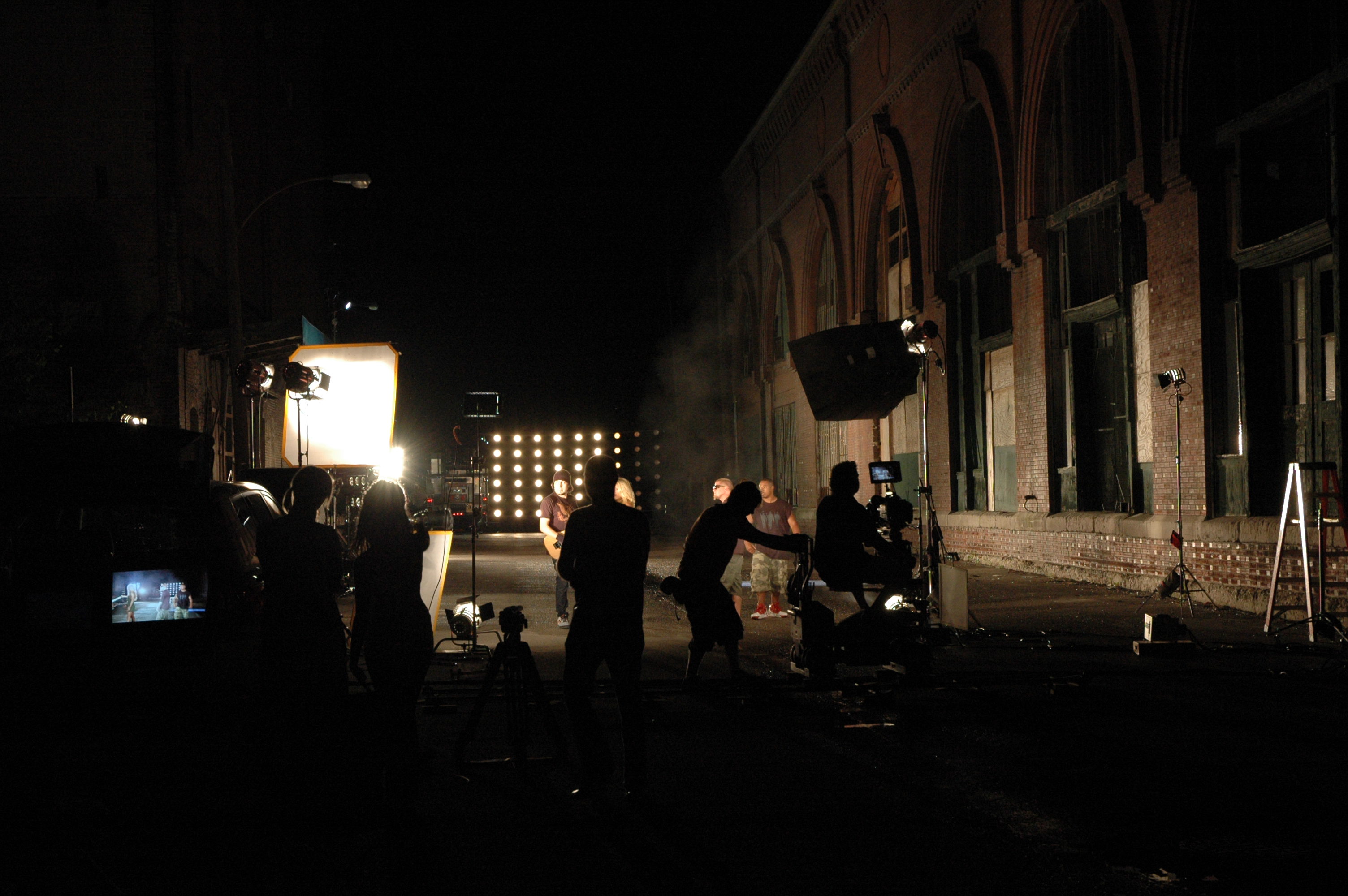
  • If the background or setting is not essential, then a studio interview with clean, controlled lighting can focus the audience’s attention solely on the subject.

7. What is the Length of the Interview?

Longer interviews may require more dynamic approaches to maintain viewer interest. Will the interview be a short soundbite, or a more in-depth conversation?

  • For shorter interviews, a traditional sit-down or two-camera setup can keep the content concise and impactful.
  • For longer interviews, a dynamic two-camera or walking interview style can help break up the footage and make it more engaging.

8. Do You Need to Repurpose the Content?

Repurposing video and photography is a powerful strategy for maximizing your investment. Will the footage need to be edited into multiple formats, or used across different platforms?

  • Two-camera interviews or green-screen setups offer great flexibility for repurposing content, giving you multiple angles or the ability to add backgrounds in post-production.
  • A multi-location or roundtable discussion might be ideal for creating a series of videos from one shoot, allowing you to break down content into bite-sized pieces for different channels.

Why St. Louis Video Services is Your Best Choice for Video Production Success

At St. Louis Video Services, we’ve been serving businesses, marketing firms, and agencies in the St. Louis area since 1982. We understand that each project is unique, and our team is dedicated to creating videos that meet your specific objectives. Whether you need a traditional sit-down interview, a dynamic walking interview, or a full-blown multi-camera shoot, we have the expertise and equipment to deliver.

Our team of experienced professionals is equipped with the right tools for the job, including full-service studio and location video and photography, editing, post-production, and licensed drone pilots. St. Louis Video Services excels at customizing video productions to meet your diverse media requirements, whether you’re looking to enhance your branding, repurpose content, or create a video that resonates with your audience.

Our private studio offers flexible lighting setups perfect for small productions and interviews, and we can accommodate larger sets for more complex shoots. We also specialize in flying drones indoors, providing unique and high-quality aerial shots for your video. From private interview studio setups to providing sound and camera operators, we offer everything you need to make your next video production flawless.

Choose St. Louis Video Services for your next project and experience how our expertise, equipment, and creative vision can help bring your ideas to life.

314-604-6544

stlouisvideoservices@gmail.com

How to Repurpose Old Content into Short Videos

In the fast-paced digital landscape, creating fresh content can often feel like a daunting task. However, many businesses overlook a treasure trove of existing material that can be revitalized and transformed into engaging short videos. Repurposing old content not only saves time and resources but also enhances your marketing strategy by maximizing the value of your previous investments. Here’s a guide on how to effectively convert your old content into captivating short videos that resonate with your audience.

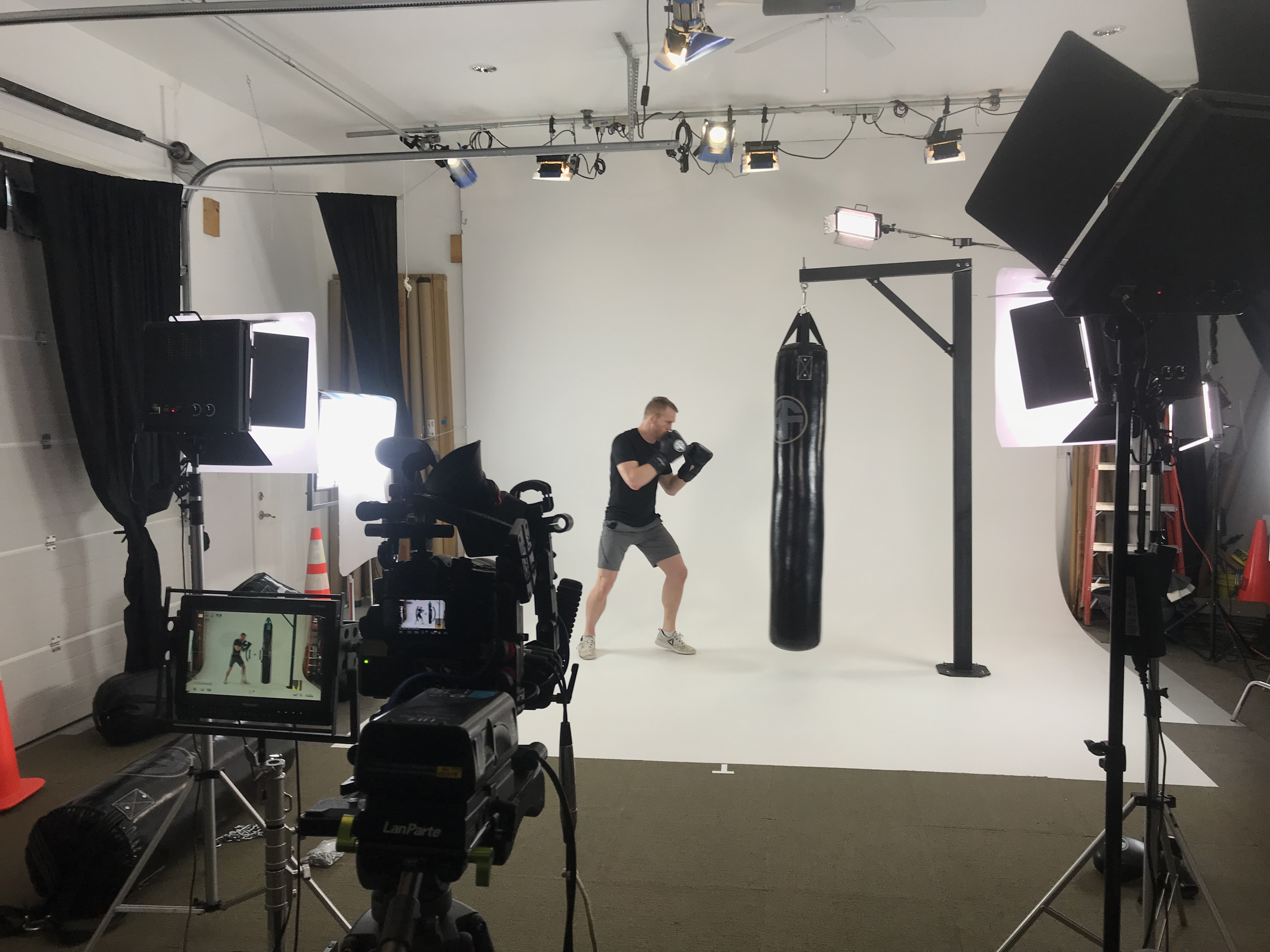
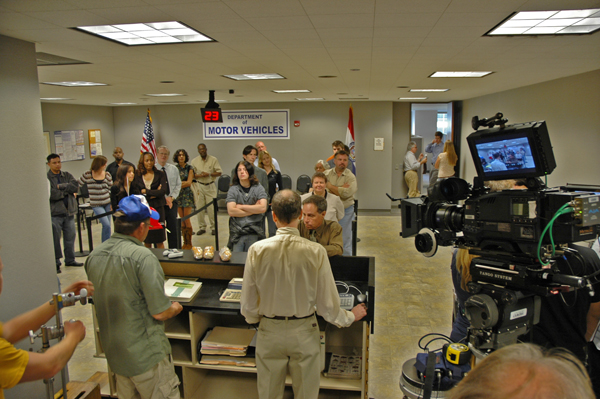
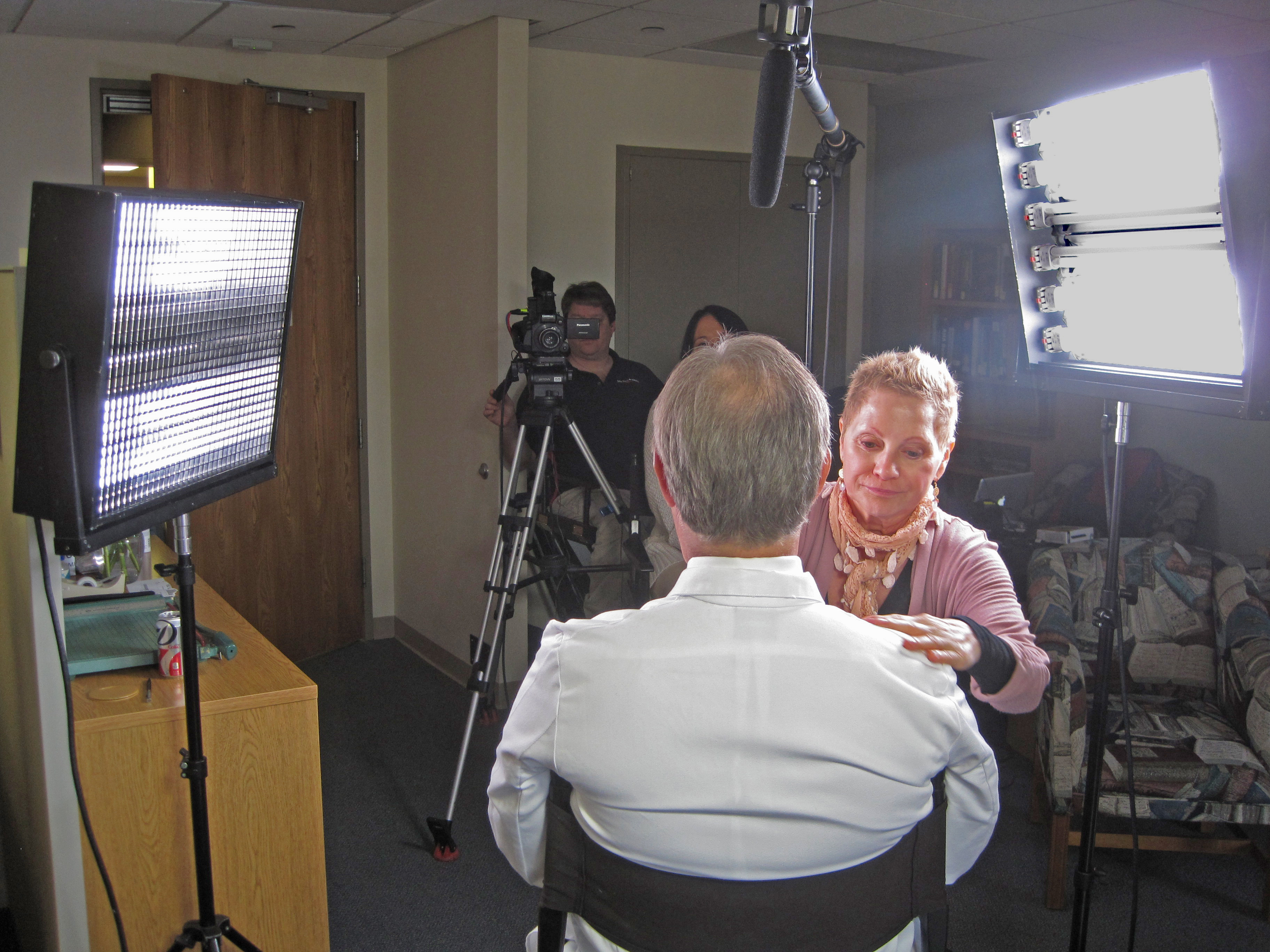
Cut out any unnecessary details, focusing instead on delivering the key message and call to action.

1. Identify Valuable Existing Content

Begin by reviewing your existing content library. This could include blog posts, white papers, webinars, interviews, or even older video footage. Look for content that performed well in the past, such as posts with high engagement rates or videos that garnered significant views. The key is to select material that still holds relevance for your current audience.

2. Determine Your Objective

What do you want to achieve with your short video? Whether it’s increasing brand awareness, driving traffic to your website, or generating leads, having a clear objective will guide the direction of your video. This focus will also help you choose which pieces of content to repurpose and how to present them.

3. Create a Compelling Narrative

Transforming written content into video requires a shift in how you present information. Instead of reading a script, think visually. Identify the core message of your content and develop a narrative that can be illustrated through visuals. Consider incorporating elements such as graphics, animations, or B-roll footage to enhance the storytelling experience.

4. Edit for Brevity

Short videos should be concise and to the point. Aim for a duration of 30 seconds to two minutes, depending on the platform and your audience’s preferences. Cut out any unnecessary details, focusing instead on delivering the key message and call to action. This brevity will keep viewers engaged and more likely to share your video.

5. Incorporate Branding Elements

Make sure to weave your brand identity into the video. This includes using your logo, brand colors, and consistent messaging. Reinforcing your brand will help ensure that your audience associates the repurposed content with your company, strengthening brand recognition.

6. Optimize for Different Platforms

Each social media platform has its own nuances, including video length and format preferences. Tailor your repurposed content for each platform to maximize its reach and engagement. For instance, Instagram favors vertical videos, while YouTube may allow for longer content. Be mindful of these differences to effectively engage your audience.

7. Promote Your New Video

Once your video is ready, promote it across your channels. Share it on social media, embed it in your email newsletters, and feature it on your website. Encourage your team and followers to share the video within their networks to broaden its reach.

Conclusion

Repurposing old content into short videos is a strategic approach to maximize your existing assets while enhancing your digital marketing efforts. By following these steps, you can breathe new life into your old content, making it more engaging and accessible to your audience.

At St. Louis Video Services, we understand the importance of effective video production and content repurposing. As a full-service professional commercial photography and video production company with over 40 years of experience, we have the right equipment and a creative crew with extensive service experience for successful image acquisition. We offer comprehensive studio and location video and photography, as well as expert editing, post-production, and licensed drone piloting services.

Our team specializes in customizing productions for diverse media requirements, ensuring that your photography and video branding gains maximum traction. We are well-versed in all file types, media styles, and accompanying software. Our private studio, equipped with professional lighting and visual setups, is perfect for small productions and interview scenes. Large enough to incorporate props, our studio can help you create the ideal backdrop for your next video project.

Whether you need a private custom interview studio setup, sound and camera operators, or specialized drone services, St. Louis Video Services is here to make your next video production perfect. Partner with us to unlock the potential of your old content and create impactful short videos that resonate with your audience.

314-604-6544

stlouisvideoservices@gmail.com

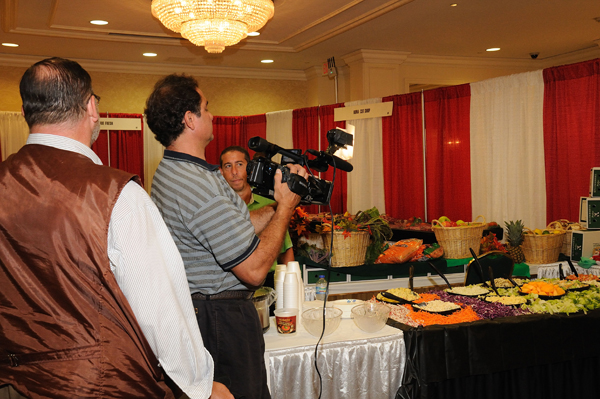
Crafting Compelling Questions for Video Interviews at Trade Shows

Trade shows are bustling hubs of activity where businesses showcase their products, services, and innovations. Amidst the flurry of networking and presentations, video interviews stand out as a powerful tool for capturing valuable insights and fostering meaningful connections. However, the success of these interviews hinges not only on the quality of equipment and technical prowess but also on the questions asked.

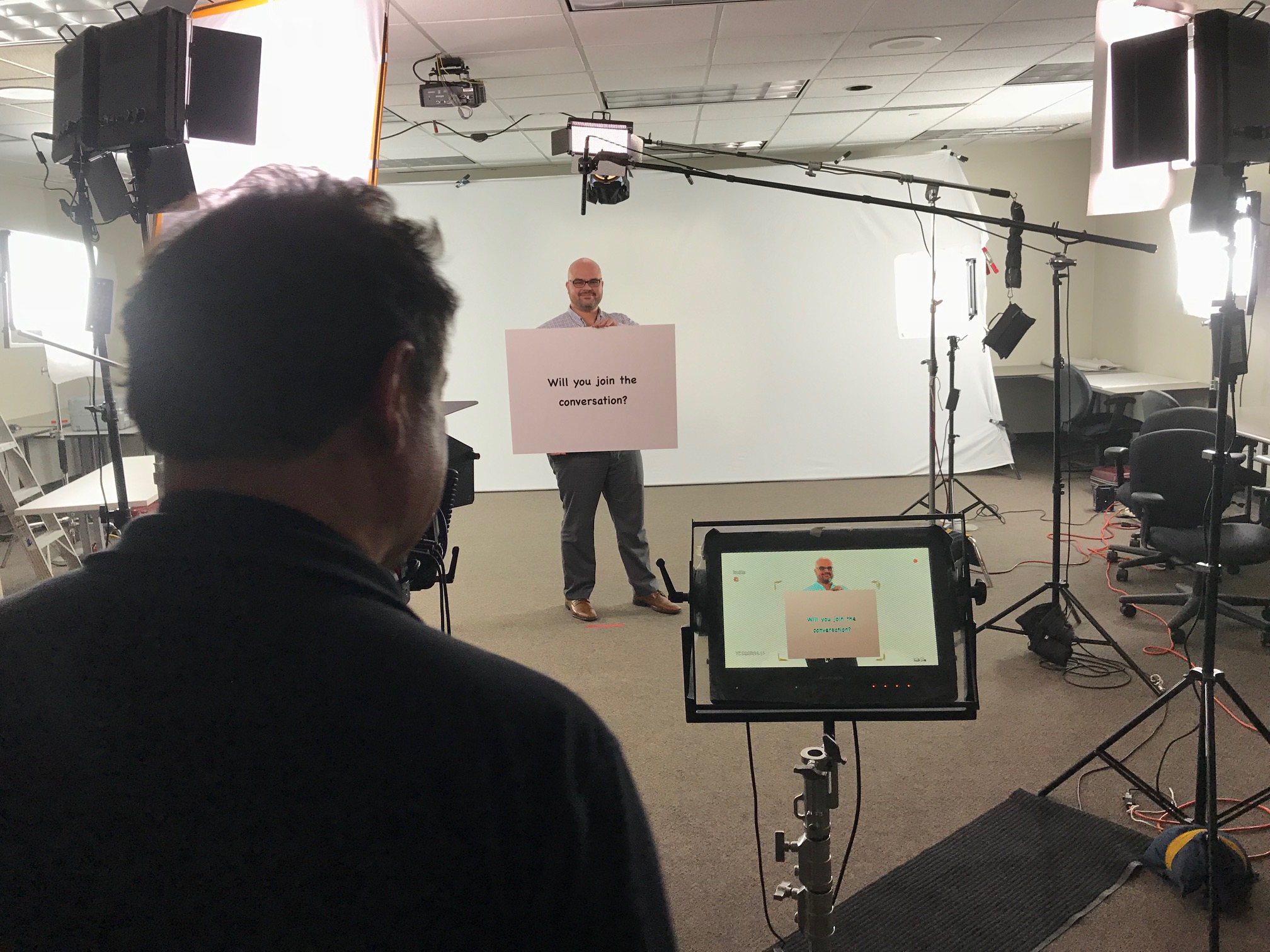
By striking the right balance, showcasing diversity, and leveraging technology, you can elevate your video interview strategy to new heights of success.

Understanding the Purpose

Before diving into crafting questions, it’s crucial to clarify the purpose of the video interviews. Are they aimed at gathering testimonials from satisfied clients, exploring industry trends, or highlighting key features of your own products/services? Understanding the overarching goal will guide the direction of your questions and ensure alignment with your business objectives.

Tailoring Questions to Your Audience

The attendees at trade shows come from diverse backgrounds, representing various interests and roles within their organizations. Tailoring questions to resonate with your target audience is paramount. Whether it’s addressing pain points, offering solutions, or sharing success stories, the questions should be relevant and engaging to elicit informative responses.

Striking the Right Balance

A successful video interview is like a dance between the interviewer and interviewee, where each step is carefully orchestrated to maintain rhythm and harmony. Striking the right balance between open-ended and specific questions is essential. Open-ended questions encourage elaboration and facilitate organic conversation, while specific questions provide clarity and focus.

Fostering Authenticity

In an era dominated by curated content and scripted responses, authenticity reigns supreme. Authenticity builds trust and credibility, making your video interviews more compelling and relatable. Encourage interviewees to speak from their own experiences and perspectives, allowing their authentic voice to shine through.

Showcasing Diversity

Diversity enriches the fabric of your video interviews, offering varied insights and viewpoints. Consider incorporating a mix of interviewees from different backgrounds, industries, and roles. This diversity not only broadens the scope of your content but also enhances its relevance and appeal to a wider audience.

Leveraging Technology

Technology plays a pivotal role in enhancing the quality and impact of your video interviews. Invest in high-quality cameras, microphones, and lighting equipment to ensure professional-grade production values. Additionally, embrace innovative tools such as live streaming and interactive elements to engage viewers in real-time.

Conclusion: Elevating Your Video Interview Strategy

Crafting compelling questions for video interviews at trade shows requires a strategic approach that aligns with your business objectives, resonates with your audience, and fosters authenticity. By striking the right balance, showcasing diversity, and leveraging technology, you can elevate your video interview strategy to new heights of success.

As a full-service video and photography production company, St Louis Video Services has worked with many businesses, marketing firms, and agencies in the St. Louis area for their corporate photography and video. Let us partner with you to customize your productions for diverse types of media requirements and repurpose your branding to gain more traction. Contact us today to learn more about our comprehensive services.

314-604-6544

stlouisvideoservices@gmail.com

Video Formatting Guide for Social Media

In today’s social media landscape, the influence of video content continues to surge. To harness its potential, it’s crucial to comprehend the art of formatting your videos for optimal reach and engagement. This guide delves into the world of video formatting, covering the ideal formats and dimensions for various social media platforms, along with strategies for enhancing searchability and accessibility.

We often reformat client training videos for social media.

Video Formatting When it comes to video formatting, MP4 stands out as the universally accepted format across all social media platforms. It boasts efficient compression, which ensures that video quality remains high while keeping file sizes manageable. While formats like AVI and MOV might also be compatible, it’s advisable to stick with MP4 for maximum compatibility.

Video Dimensions Different social media platforms prescribe distinct dimensions for video content. Here are the recommended dimensions for some of the most popular platforms:

  • Facebook: 1080 x 1920 pixels (landscape) or 1080 x 1080 pixels (square)
  • Instagram: 1080 x 1920 pixels (landscape) or 1080 x 1080 pixels (square)
  • Twitter: 720 x 720 pixels (square) or 1024 x 512 pixels (landscape)
  • YouTube: 1280 x 720 pixels (landscape) or 640 x 360 pixels (portrait)

It’s essential to note that these dimensions are recommendations, and videos can still be uploaded in other sizes. However, for the best viewer experience, adhering to these recommended dimensions is advisable.

Video Length The ideal video length varies depending on the platform and the nature of the content. Here are some general guidelines:

  • Facebook: 1-2 minutes
  • Instagram: 1-60 seconds
  • Twitter: 2 minutes and 20 seconds
  • YouTube: 15-20 minutes

Remember, these are general guidelines, and it’s wise to strive for concise and engaging video content regardless of the platform.

Video Captioning and Subtitles Incorporating captions and subtitles in your videos can significantly boost engagement and widen your reach, especially for users who are hearing impaired or have the sound turned off. While many social media platforms offer built-in captioning tools, you can also add captions and subtitles using video editing software.

Video Optimization for Search To maximize the visibility of your videos on social media, optimizing them for search is paramount. Here are some tips for optimizing your videos:

  • Utilize relevant keywords in the video title and description.
  • Add descriptive tags to your videos.
  • Include a transcript of the video.
  • Implement a call to action both in the video and the video description.

Meta Description This guide has provided insights into the best video formatting and dimensions for various social media platforms, as well as strategies for optimizing your videos for searchability and accessibility. By following these guidelines, you can ensure that your videos reach the widest possible audience and drive engagement with your brand.

Conclusion As video content gains prominence on social media, mastering video formatting is key to maximizing reach and engagement. By adhering to the recommendations in this guide, you can ensure that your videos are tailored for different social media platforms and resonate with a broader audience. Furthermore, optimizing your videos for searchability and accessibility can enhance engagement with your brand. If you need further information, don’t hesitate to ask!

314-604-6544

stlouisvideoservices@gmail.com