Monthly Archives: March 2023

Top Trends in Commercial Product Photography: What’s Hot and What’s Not

In today’s digital world, having high-quality product photos is essential for businesses. With the rise of eCommerce, social media, and online advertising, it’s more important than ever to stand out from the competition. In this article, we’ll explore the latest trends in commercial product photography to help you create stunning visuals that grab the attention of your target audience.

The Importance of Commercial Product Photography

Before we dive into the latest trends, let’s take a moment to discuss the importance of commercial product photography. Your product photos are often the first impression that potential customers have of your business. They can make or break a sale, as customers are more likely to purchase a product if it has high-quality images that showcase its features and benefits.

Furthermore, your product photos can help you stand out from the competition. In today’s crowded marketplace, businesses need to find ways to differentiate themselves. High-quality product photos can help you do just that by making your products look more appealing and professional than those of your competitors.

Trends in Product Photography

Now that we’ve established the importance of product photography, let’s dive into the latest trends. From minimalist backgrounds to interactive product photos, there are a variety of techniques that can help you create stunning visuals that grab the attention of your target audience.

Minimalistic Product Photography

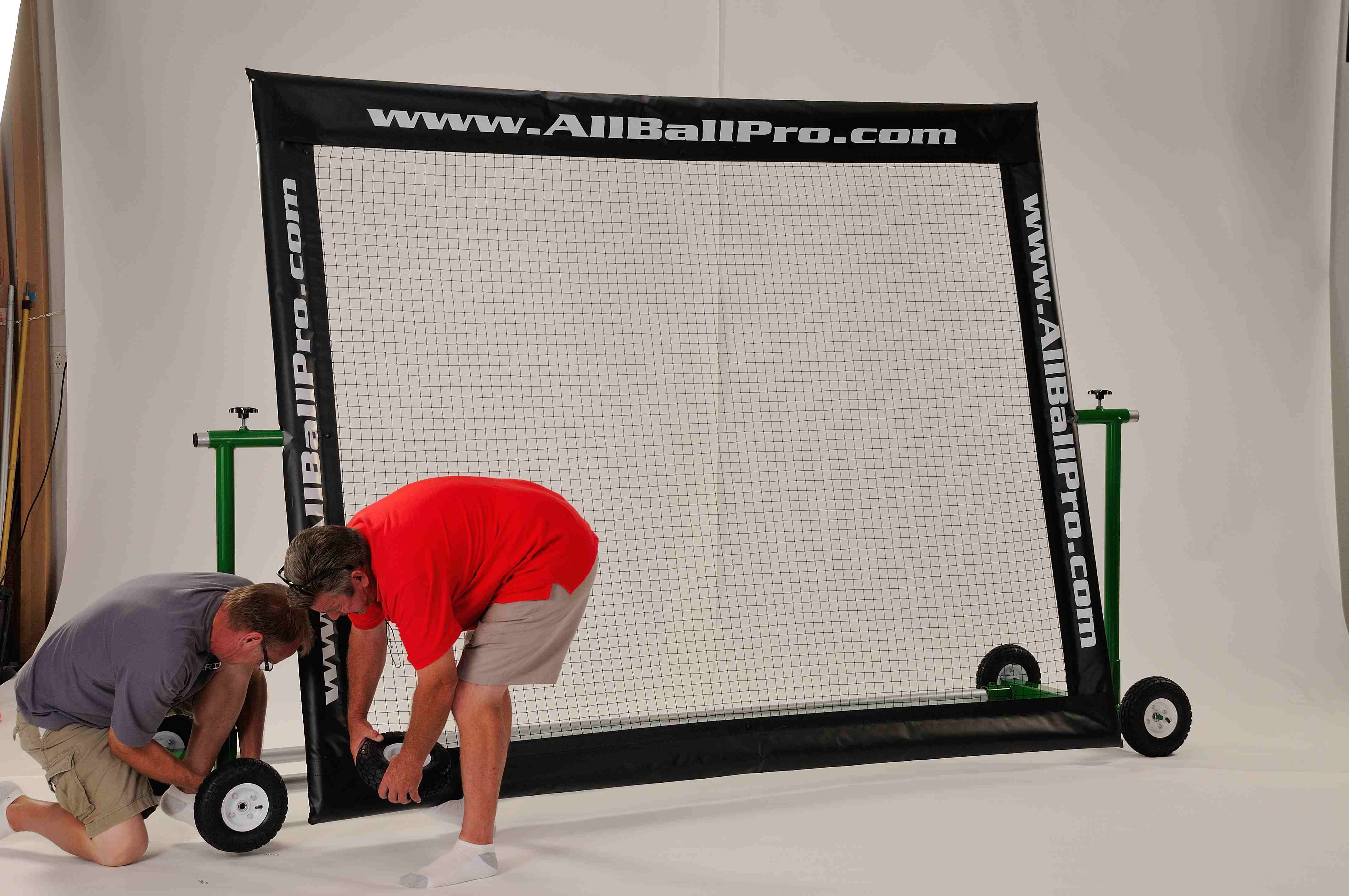
One of the hottest trends in product photography right now is the use of minimalist backgrounds. This technique involves using a simple, neutral background that doesn’t distract from the product itself. A white or light grey background is a popular choice, as it creates a clean and modern look that’s perfect for eCommerce websites and social media platforms.

Minimalistic product photography is all about simplicity. By removing clutter and distractions from the background, you can draw the viewer’s attention to the product itself. This technique works particularly well for products with intricate details or unique shapes that you want to highlight.

Creative Product Staging

Another trend in commercial product photography is the use of creative product staging. This involves setting up the product in a way that tells a story or creates a mood. For example, if you’re selling a beach chair, you might stage it on a sandy beach with a cold drink and a book nearby. This creates a sense of relaxation and escape, which can be appealing to potential customers.

Creative product staging is all about creating a lifestyle around your product. By showing your product in use or in a specific context, you can help potential customers visualize themselves using it in their own lives. This technique works particularly well for products that are associated with a certain lifestyle or demographic.

Interactive Product Photography

Another trend in commercial product photography is the use of interactive product photos. This involves creating photos that allow the viewer to interact with the product in some way. For example, you might create a 360-degree product photo that allows the viewer to see the product from all angles, or a photo that shows the product in use when the viewer hovers over it.

Interactive product photography is all about engaging the viewer and creating a sense of interactivity. By allowing the viewer to interact with the product in some way, you can create a more immersive experience that’s more likely to lead to a sale.


360-Degree Product Photography

Speaking of interactive product photography, 360-degree product photos are another hot trend in commercial product photography. This technique involves creating a series of photos that show the product from all angles, which are then stitched together to create a 360-degree view that the viewer can rotate and zoom in on.

360-degree product photography is all about giving the viewer a comprehensive view of the product. By showing the product from all angles, you can help potential customers get a better sense of its features and benefits. This technique works particularly well for products with unique shapes or intricate details, as it allows the viewer to see them from every angle.

Use of Vibrant Colors in Product Photography

Finally, the use of vibrant colors is another trend in commercial product photography. This involves using bold, eye-catching colors that grab the viewer’s attention and create a sense of energy and excitement. Bright colors like red, yellow, and orange are particularly effective at creating a sense of urgency and action.

Using vibrant colors in your product photos can help you stand out from the competition and create a sense of excitement around your products. This technique works particularly well for products that are associated with energy, action, or excitement, such as sports equipment or electronics.

Importance of Product Photography in eCommerce

Now that we’ve covered the latest trends in product photography, let’s take a moment to discuss the importance of product photography in eCommerce. As we mentioned earlier, your product photos are often the first impression that potential customers have of your business. This is particularly true for eCommerce websites, where customers can’t physically touch or see the product in person.

Furthermore, high-quality product photos can help you increase sales and conversions. Studies have shown that products with high-quality images have a higher conversion rate than those with low-quality images or no images at all. By investing in high-quality product photography, you can increase your chances of making a sale and growing your business.

Common Mistakes in Commercial Product Photography

Before we wrap up, let’s take a moment to discuss some common mistakes that businesses make in commercial product photography. These mistakes can undermine the effectiveness of your product photos and make it harder for you to stand out from the competition. Some common mistakes to avoid include:

  • Poor lighting: Make sure your product is well-lit and free from shadows or glare.
  • Lack of context: Make sure your product photos provide context and show the product in use or in a specific context.
  • Low resolution: Make sure your product photos are high-resolution and can be zoomed in on without losing quality.
  • Cluttered backgrounds: Make sure your product is the focus of the photo and that the background doesn’t distract from it.

By avoiding these common mistakes, you can create product photos that are more effective and help you stand out from the competition.

In conclusion, commercial product photography is more important than ever before in today’s digital world. By staying ahead of the latest trends and techniques, you can create stunning visuals that grab the attention of your target audience and help you stand out from the competition. Whether you’re using minimalist backgrounds, creative product staging, or interactive product photos, there are a variety of techniques that can help you create high-quality product photos that increase conversions and grow your business. So don’t be afraid to experiment and try new things – the world of product photography is constantly evolving, and there’s always something new to discover.

314-892-1233

Norm Krull, St Louis Video Producer

stlouisvideoservices@gmail.com

Creating a Compelling Storyline for Your Video Ad

Agriculture Marketing video clips for Bayer/Monsanto

The importance of storytelling in video advertising

At the heart of every successful video ad is a compelling story that resonates with the viewer. Storytelling is an essential tool for video advertising because it allows you to connect with your audience on a deeper level. A good story can evoke emotion, build trust, and ultimately drive conversions.

In today’s digital age, people are bombarded with information and advertisements. To stand out, you need to create a storyline that captures your audience’s attention and keeps them engaged. Storytelling allows you to do just that by creating a connection with your audience that goes beyond just selling a product or service.

Identifying your target audience

Before you can create a compelling storyline for your video ad, you need to know who your target audience is. Understanding your audience is essential because it helps you tailor your message and create a storyline that resonates with them.

To identify your target audience, consider factors such as age, gender, location, interests, and behaviors. Conducting market research, analyzing customer data, and gathering feedback from your audience are all effective ways to gain insights into your target audience.

By understanding your audience, you can create a storyline that speaks directly to their needs, desires, and pain points. This will help you create a video ad that resonates with your audience and drives conversions.

Medical and healthcare video ad production crew.

Developing a concept for your video ad

Once you have identified your target audience, it’s time to develop a concept for your video ad. A concept is the overall idea or theme that your video will communicate to your audience. It’s the foundation of your video ad and sets the tone for your storyline.

When developing a concept for your video ad, consider your brand message, the needs of your target audience, and how you can differentiate yourself from the competition. Your concept should be unique, memorable, and relevant to your audience.

Some effective ways to develop a concept for your video ad include brainstorming with your team, analyzing successful video ads in your industry, and gathering feedback from your audience.

The role of visuals and sound in creating a compelling storyline

Visuals and sound are essential components of a compelling storyline in video advertising. They work together to create an immersive experience that engages your audience and reinforces your message.

When selecting visuals and sound for your video ad, consider how they can enhance your storyline and evoke emotion in your audience. Visuals can include images, graphics, and animation, while sound can include music, sound effects, and voiceovers.

The key is to choose visuals and sound that complement your storyline and create a cohesive experience for your audience. Avoid using visuals and sound that distract from your message or undermine your brand message.

Crafting a narrative arc for your video ad

A narrative arc is the sequence of events that unfold in your video ad. It’s the structure that holds your storyline together and creates a sense of progression and resolution.

When crafting a narrative arc for your video ad, consider the following elements:

  • Introduction: The opening scene that grabs your audience’s attention and sets the stage for your story.
  • Conflict: The problem or challenge that your main character faces. This is where you create tension and build suspense.
  • Resolution: The moment when the conflict is resolved. This is where you deliver your brand message and provide a solution to your audience’s problem.
  • Conclusion: The closing scene that leaves a lasting impression on your audience.

By crafting a narrative arc for your video ad, you create a structure that guides your audience through your story and reinforces your brand message.

Tips for creating emotional connections with your audience

Creating an emotional connection with your audience is essential for a compelling storyline in video advertising. Emotions are a powerful tool that can help you connect with your audience on a deeper level and drive conversions.

Some effective ways to create emotional connections with your audience include:

  • Use storytelling: Tell a story that resonates with your audience and evokes emotion.
  • Use music: Music can evoke emotion and create a mood that reinforces your message.
  • Use humor: Humor can be an effective way to connect with your audience and make your video ad memorable.
  • Use testimonials: Use testimonials from satisfied customers to reinforce your brand message and create trust with your audience.

By creating emotional connections with your audience, you create a memorable experience that resonates with them and drives conversions.

The power of humor in video advertising

Humor is a powerful tool in video advertising. It can be an effective way to grab your audience’s attention, make your video ad memorable, and create an emotional connection with your audience.

When using humor in your video ad, consider your brand message and how you can use humor to reinforce it. Avoid using humor that is offensive, divisive, or undermines your brand message.

Humor should be used strategically and in a way that resonates with your audience. When used effectively, humor can be a powerful tool for creating a compelling storyline in video advertising.

Measuring the success of your video ad

Measuring the success of your video ad is essential for understanding its impact and improving your video advertising strategy. There are several metrics you can use to measure the success of your video ad, including:

  • Views: The number of times your video ad has been viewed.
  • Engagement: The level of engagement your video ad has received, including likes, shares, and comments.
  • Conversions: The number of conversions your video ad has driven, such as sales or sign-ups.
  • Retention: The percentage of viewers who watched your video ad to completion.

By measuring the success of your video ad, you can identify areas for improvement and make data-driven decisions to optimize your video advertising strategy.

Common mistakes to avoid in video advertising

While video advertising can be a powerful tool for reaching your target audience, there are several common mistakes that businesses make. These mistakes can undermine the effectiveness of your video ad and waste your advertising budget.

Some common mistakes to avoid in video advertising include:

  • Failing to understand your target audience: Without a clear understanding of your target audience, your video ad is unlikely to resonate with them.
  • Failing to tell a story: A compelling storyline is essential for creating a memorable video ad that resonates with your audience.
  • Failing to optimize for different platforms: Different platforms have different requirements and best practices for video ads. Failing to optimize your video ad for each platform can undermine its effectiveness.
  • Focusing too much on the product: While it’s essential to showcase your product or service, focusing too much on it can undermine the emotional connection with your audience.

By avoiding these common mistakes, you can create a video ad that resonates with your audience and drives conversions.

Conclusion: The impact of a compelling storyline on your video ad’s success

In conclusion, creating a compelling storyline is essential for a successful video ad. A storyline that resonates with your audience can capture their attention, evoke emotion, and drive conversions.

To create a compelling storyline, you need to understand your target audience, develop a concept that resonates with them, and use visuals and sound to create an immersive experience. Crafting a narrative arc, creating emotional connections with your audience, and using humor strategically can also help you create a compelling storyline.

By measuring the success of your video ad and avoiding common mistakes, you can optimize your video advertising strategy and create video ads that leave a lasting impression on your audience.

314-892-1233

Norm Krull, St Louis Video Producer

stlouisvideoservices@gmail.com