
Consulting is a trust business. Prospects don’t buy a “service package” first—they buy confidence: confidence in your judgment, your process, your ability to see around corners, and your ability to communicate clearly under pressure.
Short video is the fastest way to deliver that confidence at scale.
Not because it’s trendy. Not because “the algorithm likes it.” But because short video solves the three hardest problems in modern consulting marketing:
- You need to demonstrate expertise without writing a 20-page whitepaper.
- You need to build familiarity before a sales call, not during it.
- You need to stay visible and credible in a crowded market.
Done right, short videos don’t replace your long-form content or your sales process. They prime the buyer so your long-form assets and discovery calls land with more impact.
Below is a practical, production-minded breakdown of why short videos work for consultants—and how to build a system that generates consistent leads without turning your calendar into a full-time content job.
Short Video Is the Closest Thing to “Pre-Trust” You Can Produce
A prospective client is asking themselves a set of questions long before they fill out a form:
- Do you understand my problem?
- Do you speak plainly or hide behind jargon?
- Can you explain complex issues quickly?
- Do you feel like a safe choice internally? (Especially if they must justify hiring you.)

Short video answers those questions instantly because it delivers three trust signals simultaneously:
1) Competence: You can diagnose and explain
If you can articulate a problem in 20–45 seconds with clarity and structure, you signal mastery. Most consultants know their subject; fewer can teach it cleanly. Teaching is credibility.
2) Confidence: Your presence reduces perceived risk
Buyers are risk managers. Seeing you on camera reduces uncertainty. It creates familiarity—so the first call feels like a continuation, not a cold start.
3) Character: People hire people
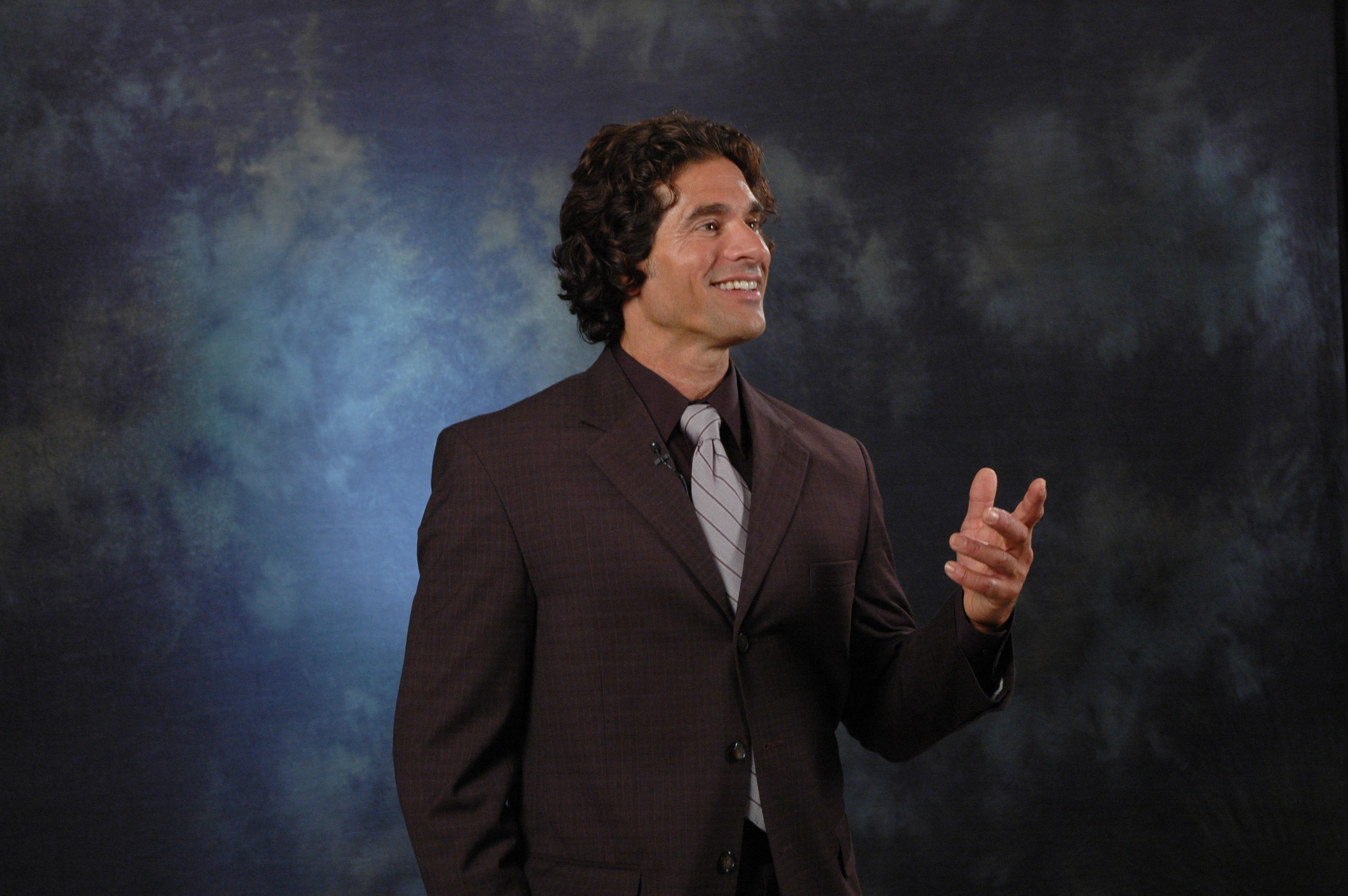
Tone, pacing, and demeanor communicate more than bullet points ever will. Your brand becomes human, which increases response rates and referral confidence.
Short Videos Compress Your Sales Cycle (Because They Do Your Explaining Up Front)
In many consulting sales cycles, the bottleneck isn’t demand. It’s education.
Short videos act as “micro-briefings” that handle the repetitive parts of pre-sales:
- common misconceptions
- early-stage decision criteria
- “how we work” expectations
- warning signs and pitfalls
- what success looks like
When you publish these consistently, you shift from answering the same questions repeatedly to having prospects arrive already aligned. The result:
- higher quality inbound leads
- shorter discovery calls
- fewer “price shoppers”
- smoother internal buy-in on the client side
Short video doesn’t just market your consulting. It qualifies and trains your future clients.
Short Videos Fit How Decision Makers Actually Consume Information
Decision makers rarely sit down to “research vendors” in a neat, uninterrupted block of time. They collect signals in fragments between meetings—on their phone, in the car, while scanning LinkedIn or email.
Short video wins because it matches modern attention reality:
- It’s easier to start than a PDF
- It’s faster to evaluate than a case study
- It’s more memorable than text
- It’s more shareable inside an organization
A 45-second clip that answers one hard question can travel internally faster than any proposal deck.

The Real Power Move: Short Video Turns Your Expertise Into a Repeatable Asset
Consulting is traditionally limited by two constraints:
- your time
- your availability
Short video turns knowledge into an asset that works while you’re doing paid work.
Each strong short video becomes:
- a landing-page embed
- a sales follow-up link
- a “here’s how we think” proof point
- a credibility snack before a meeting
- a trust-building touchpoint for leads who aren’t ready yet
In other words, short videos compound.
What to Say: 7 Short-Video Formats That Grow Consulting Revenue
Most consultants overthink content and underthink structure. Here are formats that consistently work because they’re built around buyer psychology:
1) The “One Mistake” Clip
“The biggest mistake companies make when ____ is…”
Use this to attract prospects who are already trying (and struggling).
2) The “3 Signs You Need ____” Clip
A diagnostic framework positions you as an expert and helps prospects self-identify.
3) The “90-Second Explainer”
Take one complex concept and make it simple. Clarity is authority.
4) The “Myth vs Reality” Clip
Bust a common misconception that keeps your buyers stuck.
5) The “Before You Hire” Clip
“Before you hire a consultant for X, make sure they can answer these questions…”
This filters out bad-fit leads and elevates your perceived standards.
6) The “Mini Case Study”
One situation, one constraint, one approach, one outcome—tight and memorable.
7) The “Behind the Process” Clip
Show how you think. Buyers don’t just want results; they want predictability and a reliable process.


Where Most Consulting Videos Go Wrong (And How to Fix It)
Mistake 1: Making a commercial instead of a tool
A short video should be useful even if the viewer never hires you. Utility builds trust faster than self-promotion.
Fix: Teach one thing. Solve one problem. Answer one question.
Mistake 2: Rambling instead of structuring
Consultants love nuance. Short video rewards structure.
Fix: Use a simple script pattern:
- Problem (1 sentence)
- Why it matters (1 sentence)
- The insight (1–2 sentences)
- Next step (1 sentence)
Mistake 3: Poor production that undermines credibility
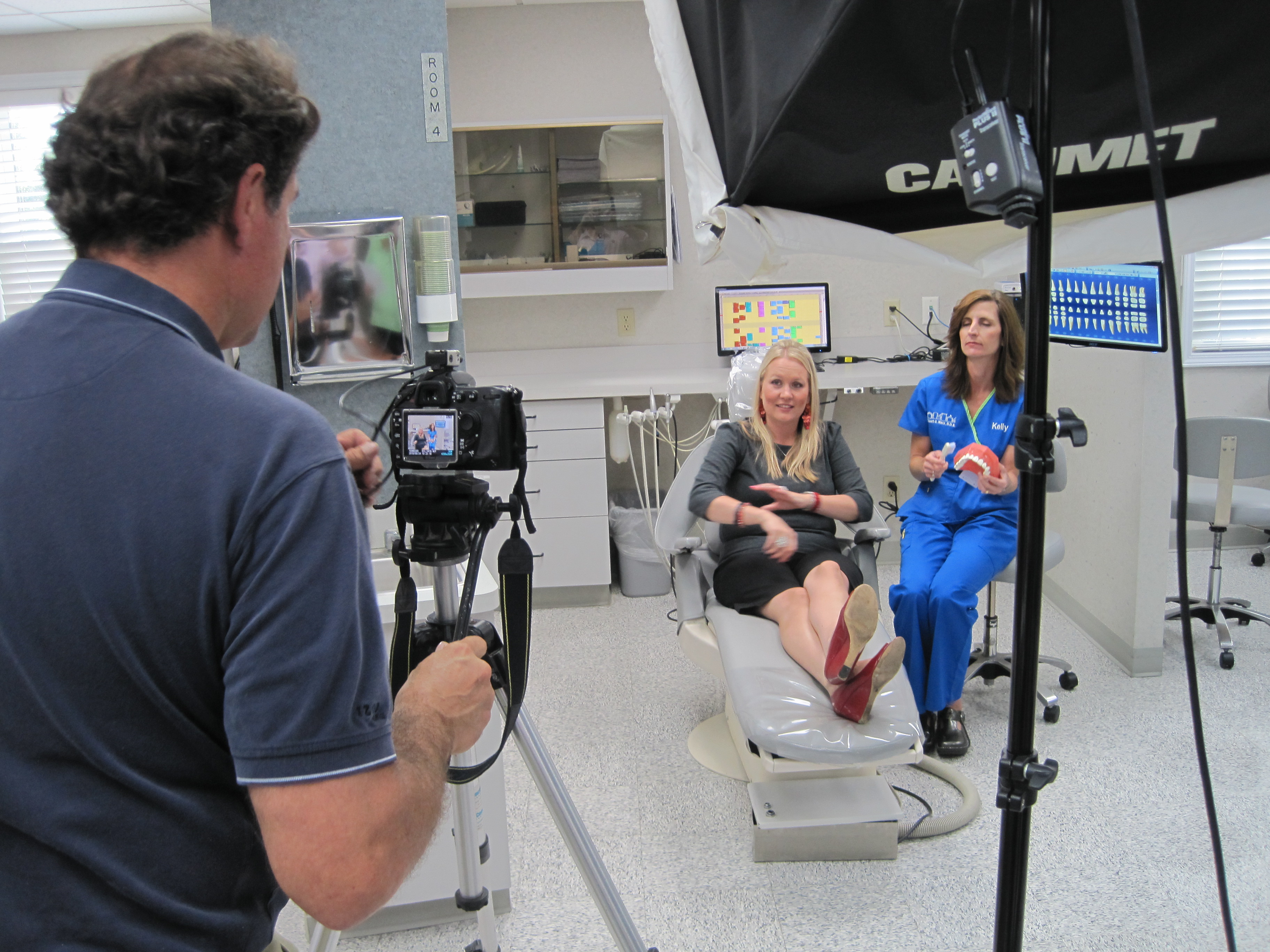
Decision makers may not say it out loud, but they feel it: bad audio, harsh lighting, cluttered backgrounds, shaky framing—all of it reduces trust.
Fix: Invest in clean sound, flattering lighting, and consistent visuals. It’s not about “Hollywood.” It’s about professionalism.
A Practical Publishing System That Doesn’t Eat Your Week
You don’t need to film daily. You need a workflow.
Here’s a sustainable consulting-video cadence:
Batch once per month
- Capture 10–20 short clips in one session
- Keep wardrobe and lighting consistent
- Maintain a clean, branded set
Repurpose each clip across channels
- LinkedIn short post + native video
- Website service page embed
- Email follow-up snippet
- YouTube Shorts / Instagram Reels (if relevant)
- Sales deck QR code / link for credibility
Build series, not one-offs
Series builds anticipation and makes you look established:
- “60-Second Consulting Fixes”
- “Executive Clarity: 1 Minute”
- “Stop Doing This in ____”
Why “Short” Still Needs Strategy
Short videos are small, but they’re not random. The highest-performing consulting clips do one of three things:
- reduce risk (“here’s what to watch for”)
- increase clarity (“here’s how this works”)
- create momentum (“here’s your next step”)
When your library covers the questions buyers ask at every stage—awareness, consideration, decision—you end up with a self-reinforcing lead engine.
Bringing It Home: Produce Short Videos That Look and Sound Like a Trusted Firm
Short videos grow your consulting business when they are:
- clear
- useful
- consistent
- professionally produced
- aligned with how you actually sell and deliver
This is where production matters. Your expertise should not be undermined by weak execution.
Why St Louis Video Services Is Built for This Work
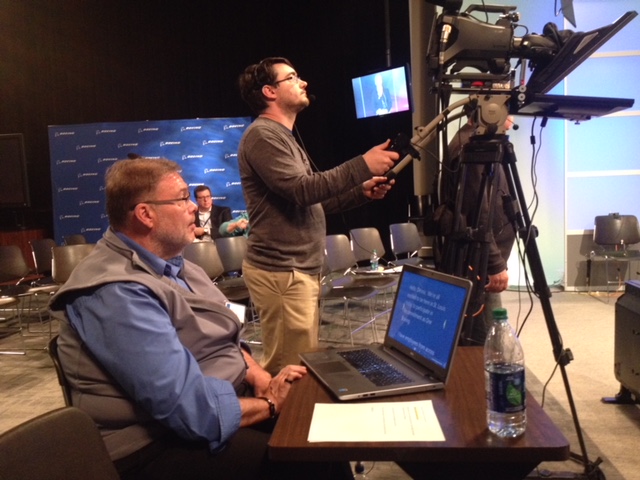
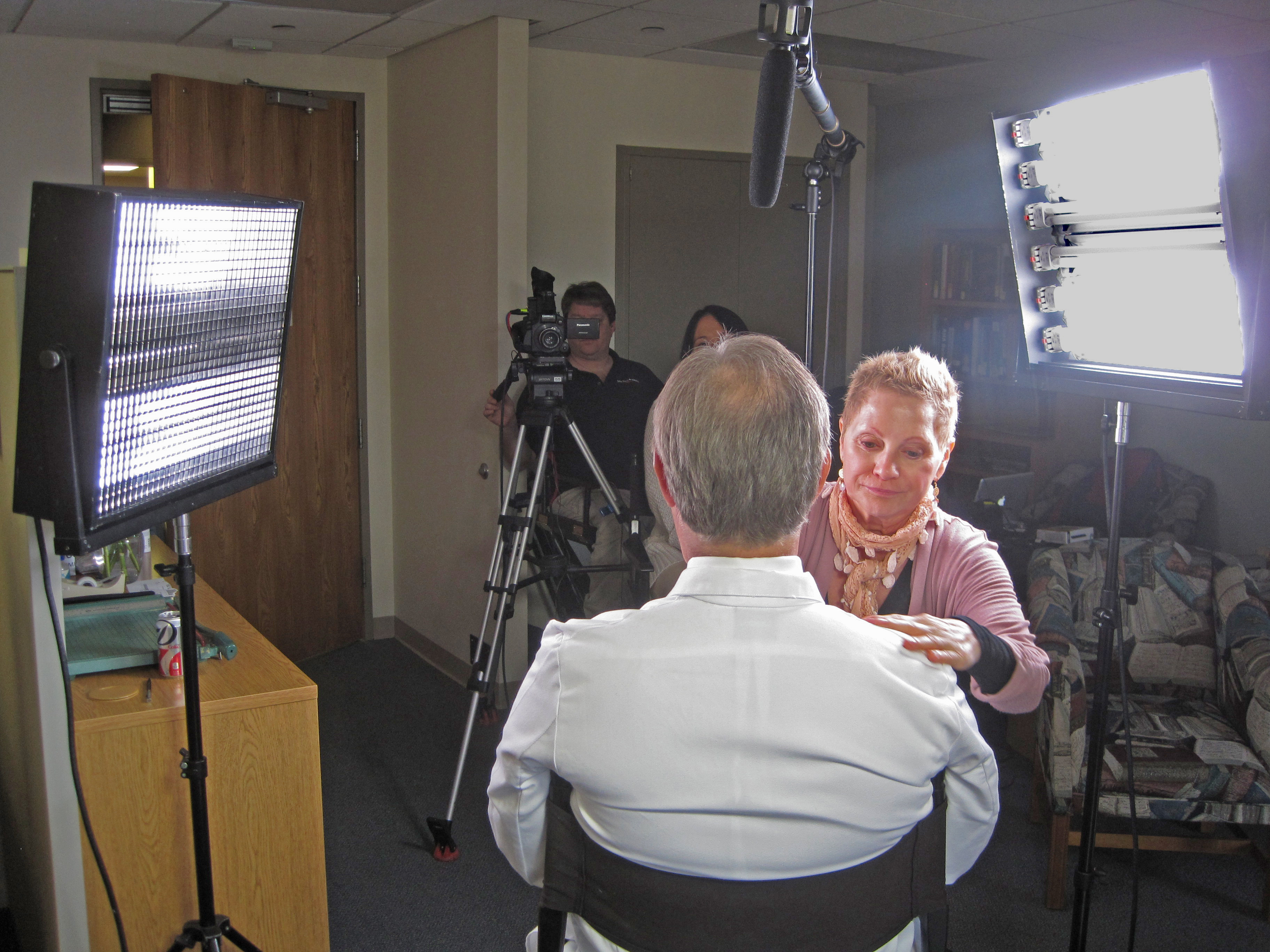
St Louis Video Services is a full-service professional commercial photography and video production company with the right equipment, crew, and real-world production experience to deliver successful image acquisition—without the chaos that often comes with content creation.
We provide:
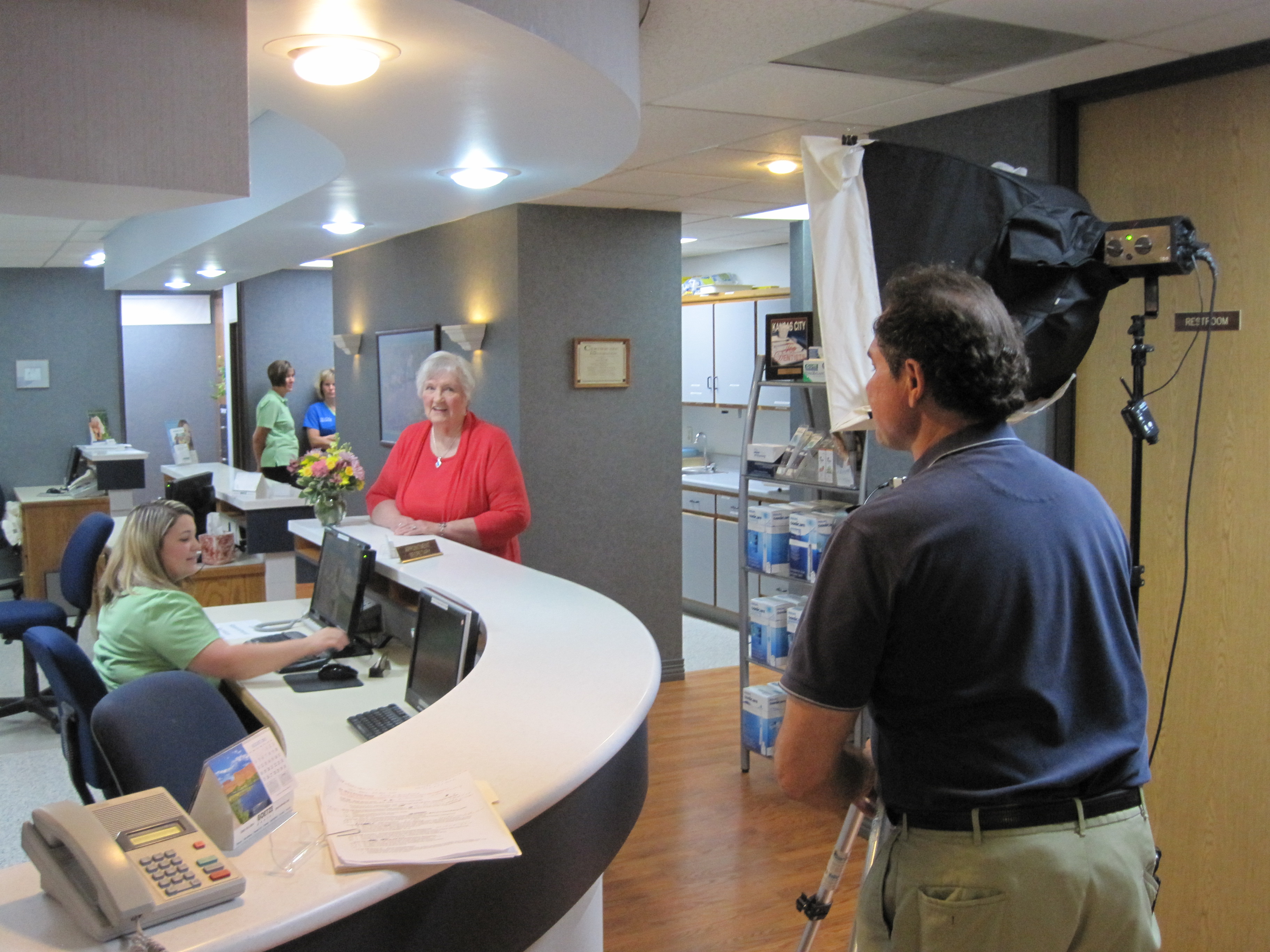
- Full-service studio and location video and photography
- Editing, post-production, and delivery in all required formats
- Licensed drone pilots for aerial and specialty applications
- The ability to fly specialized drones indoors when a project calls for it
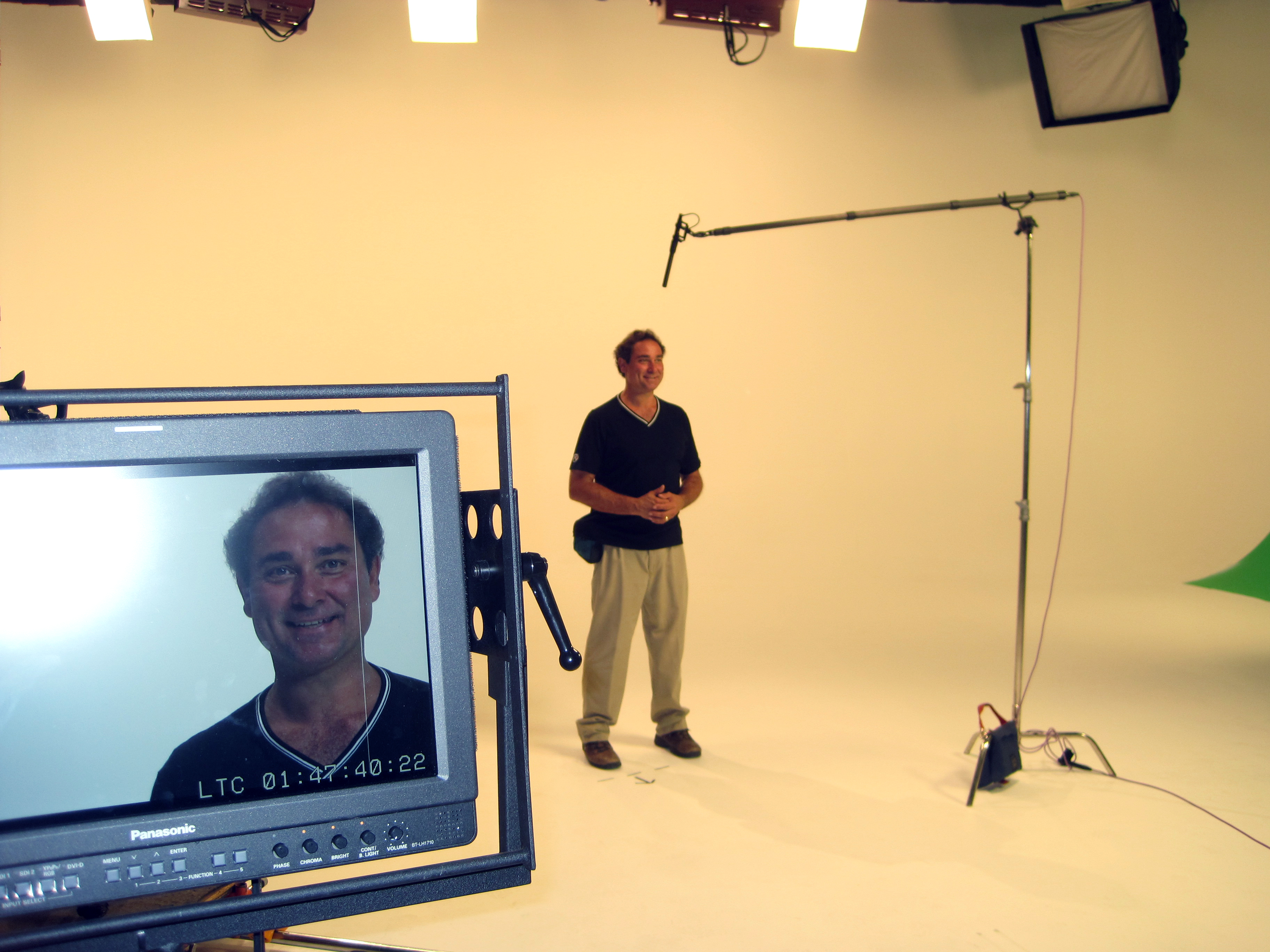
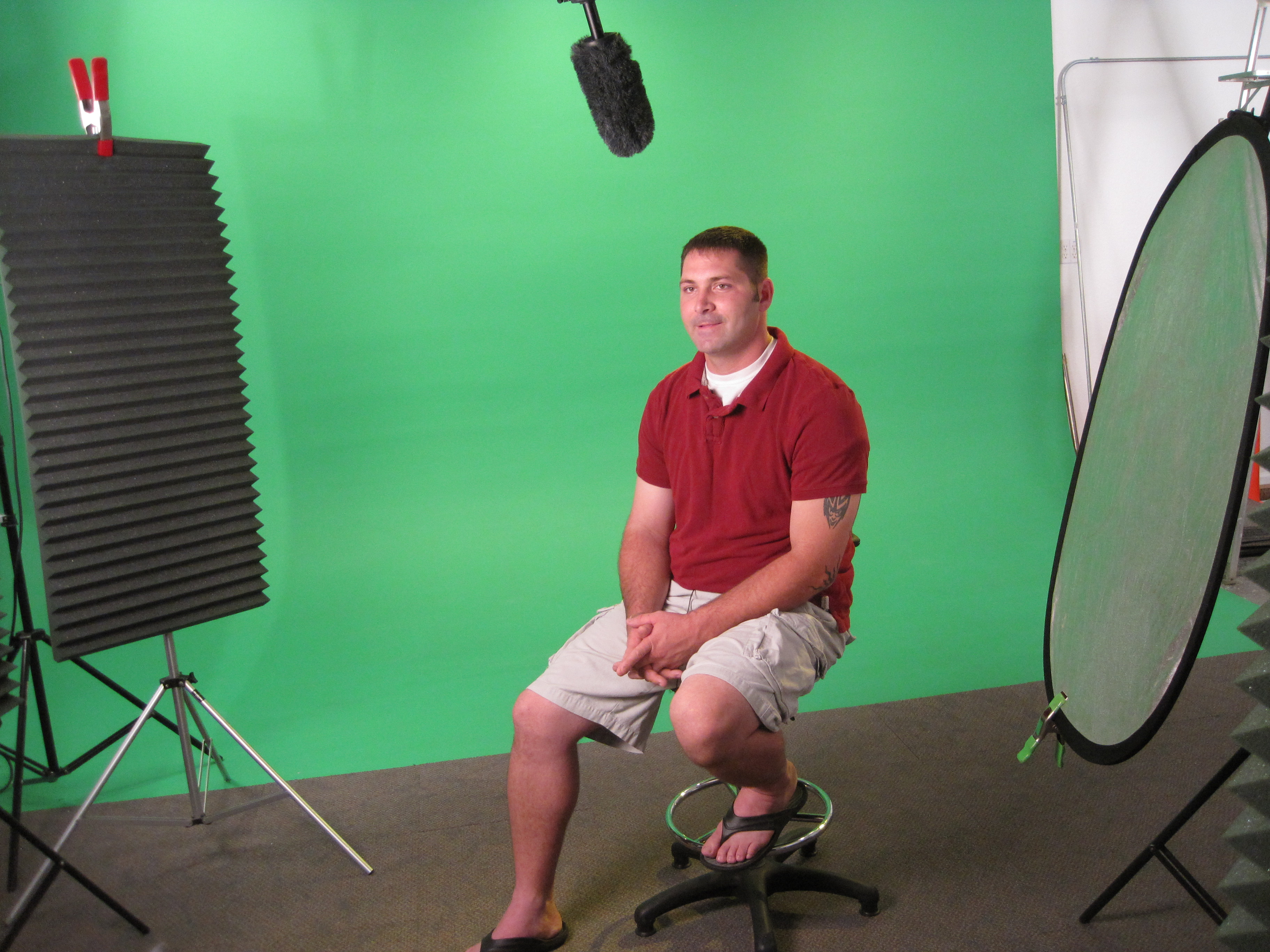
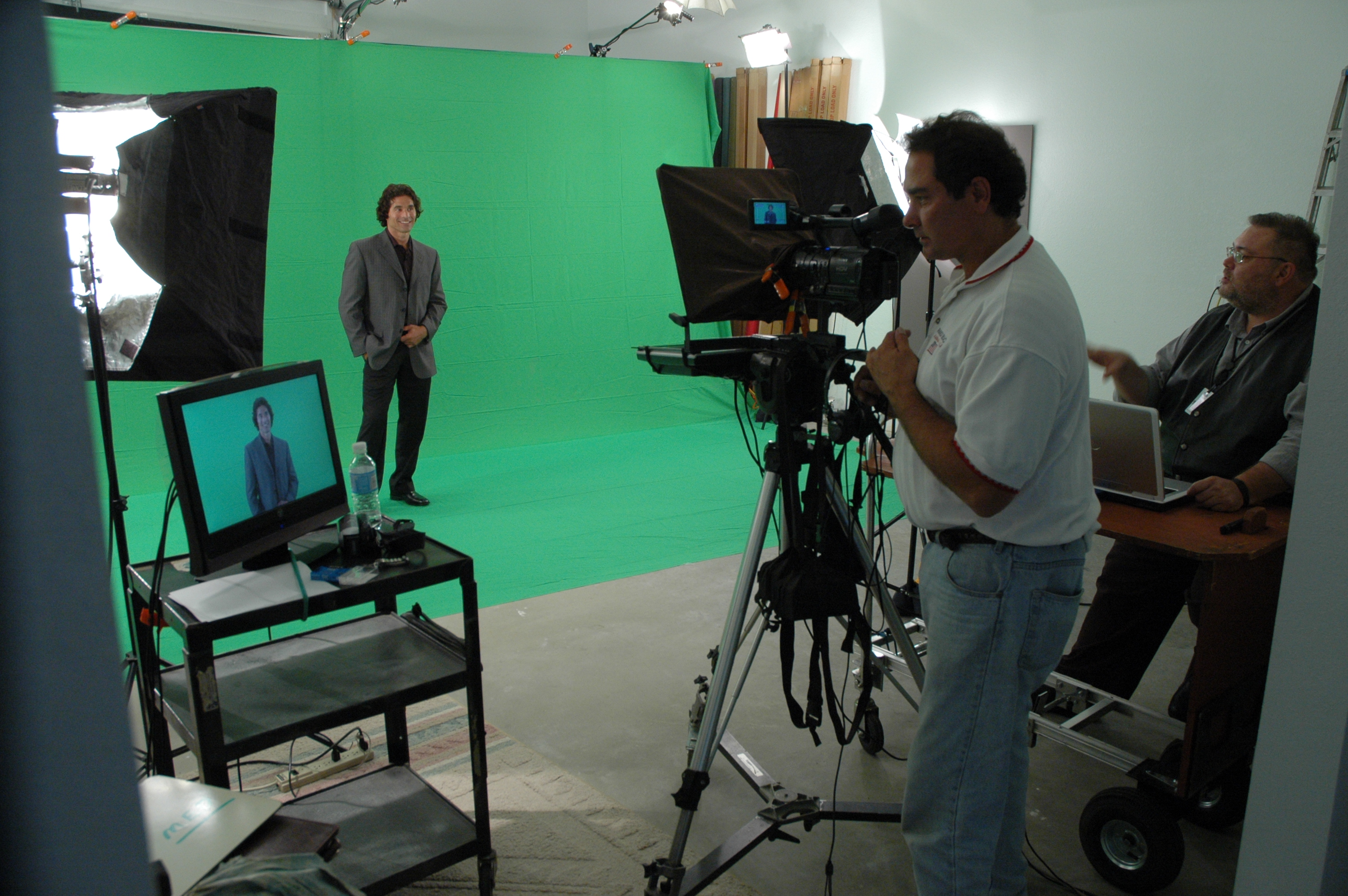
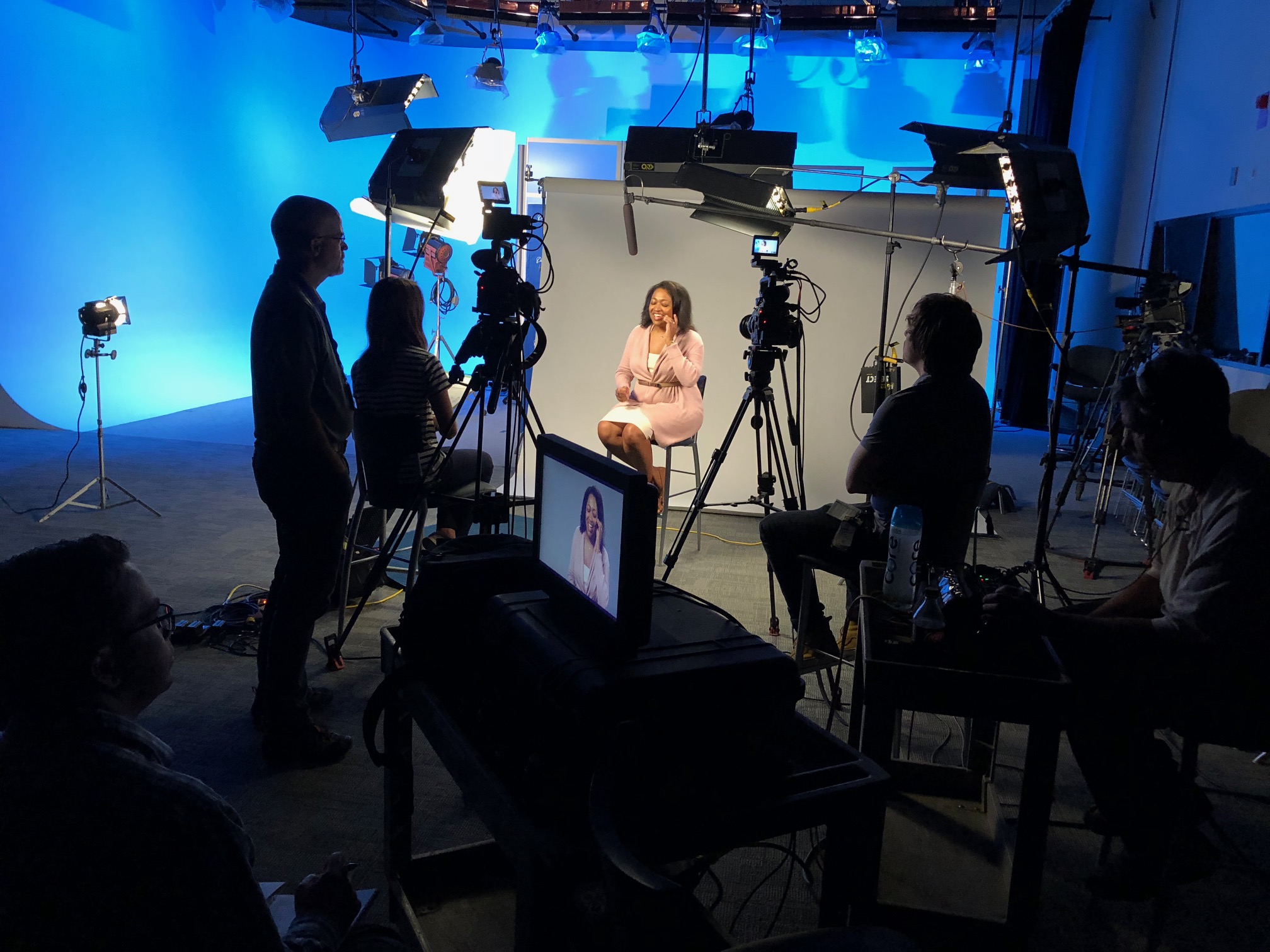
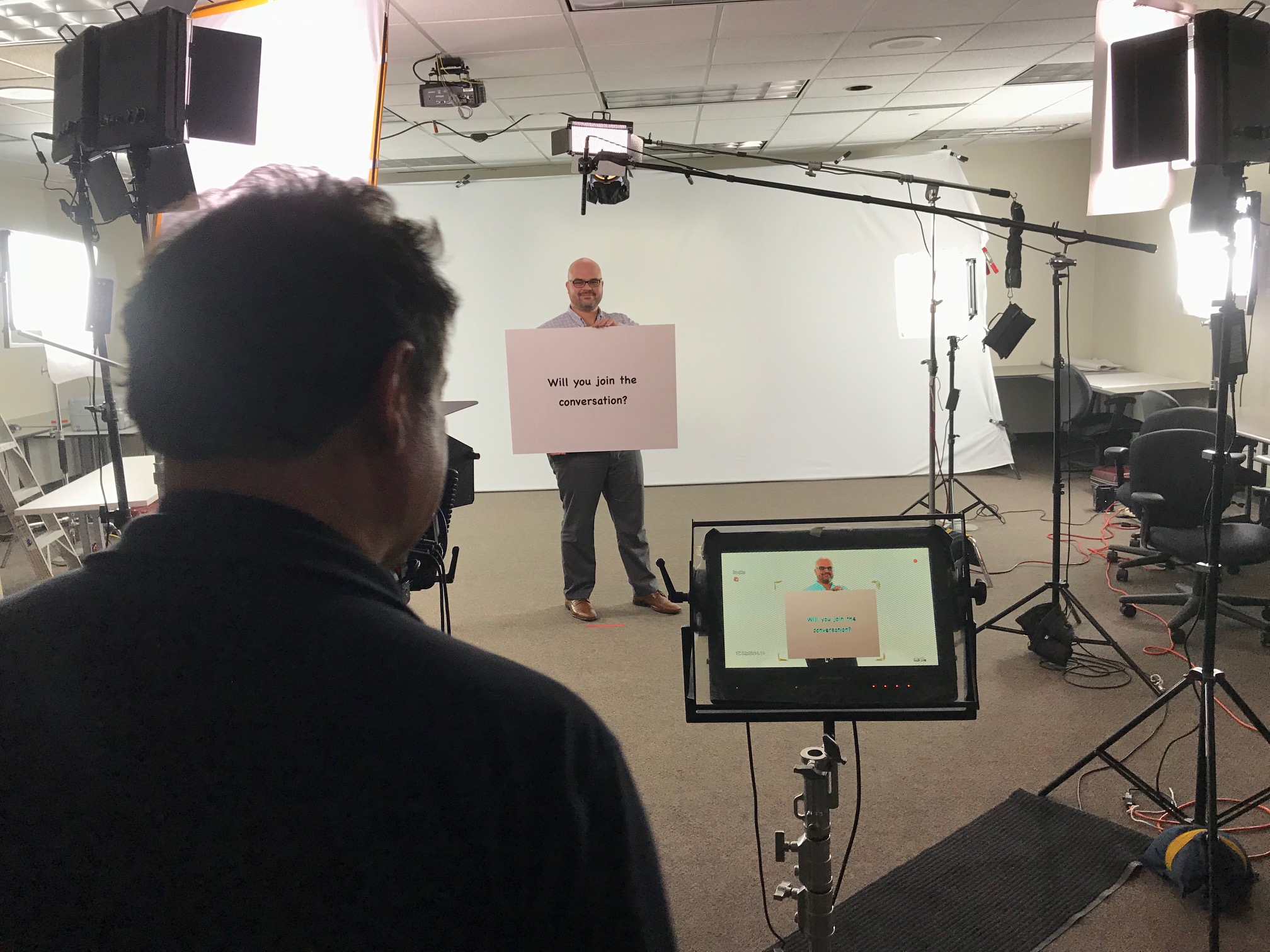
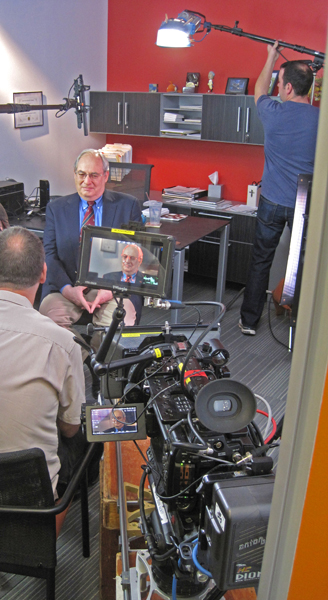
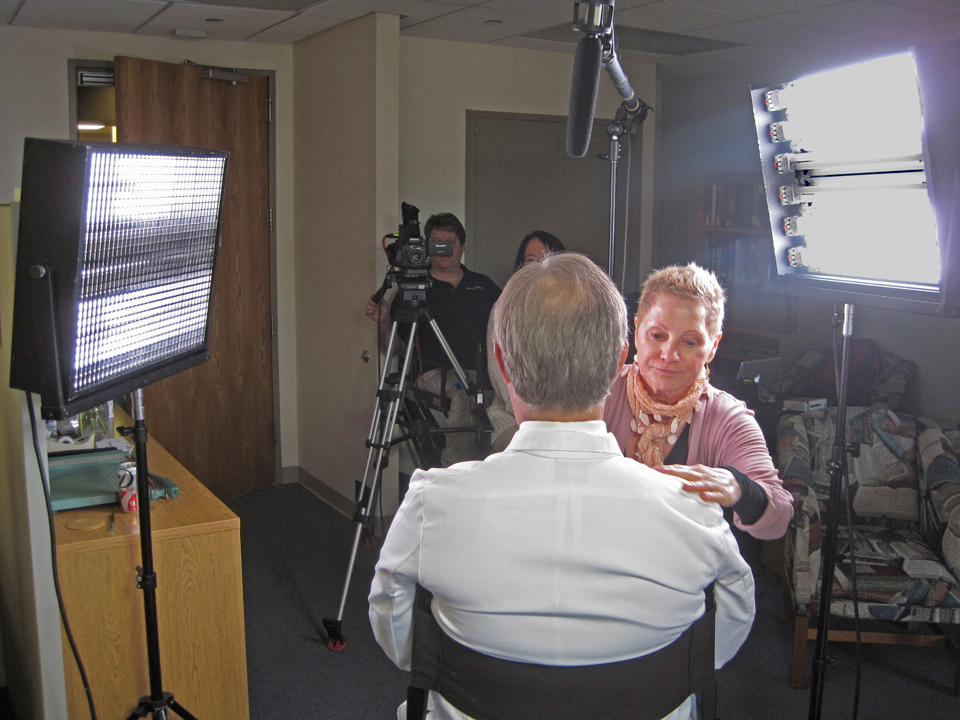
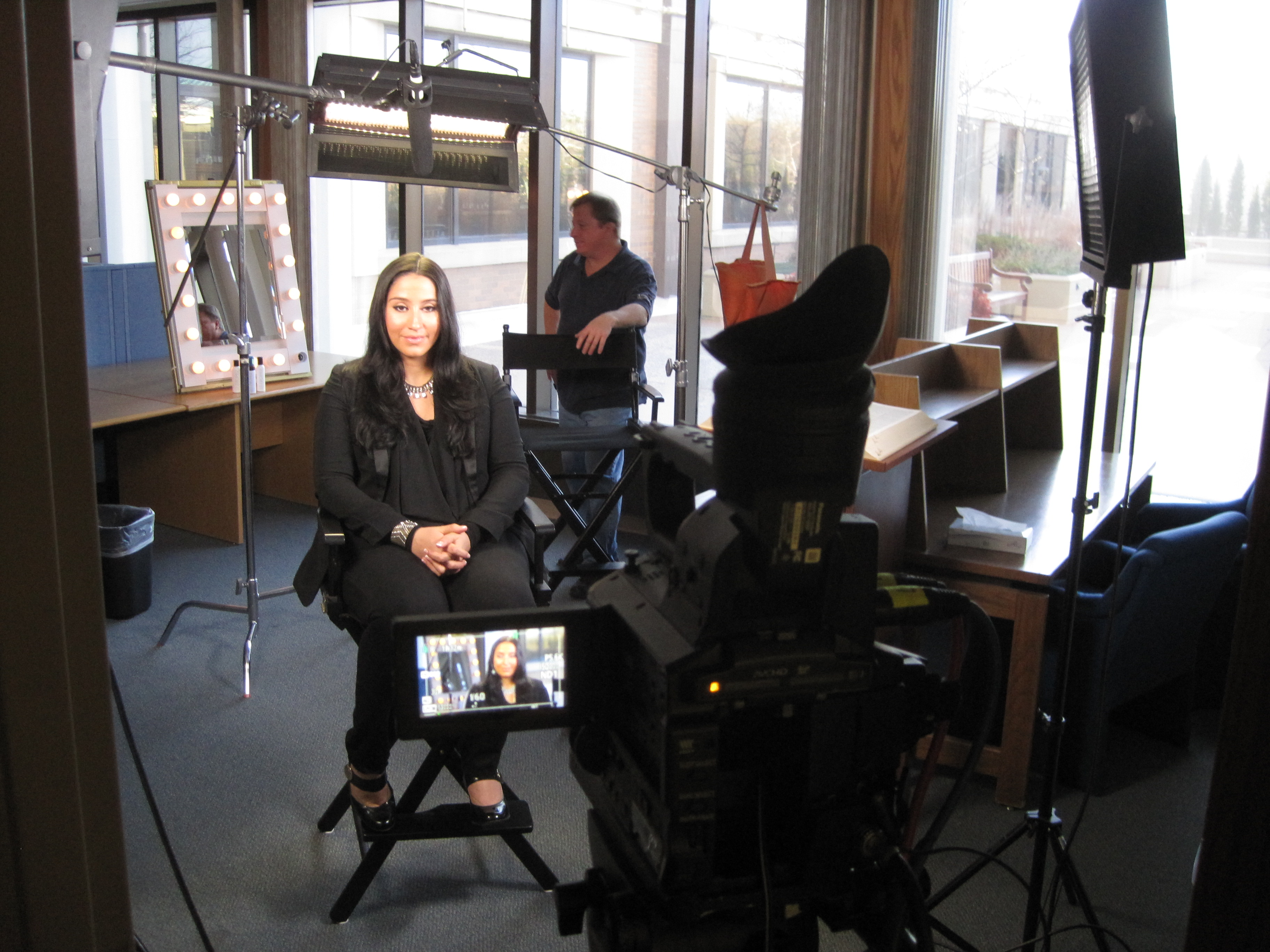
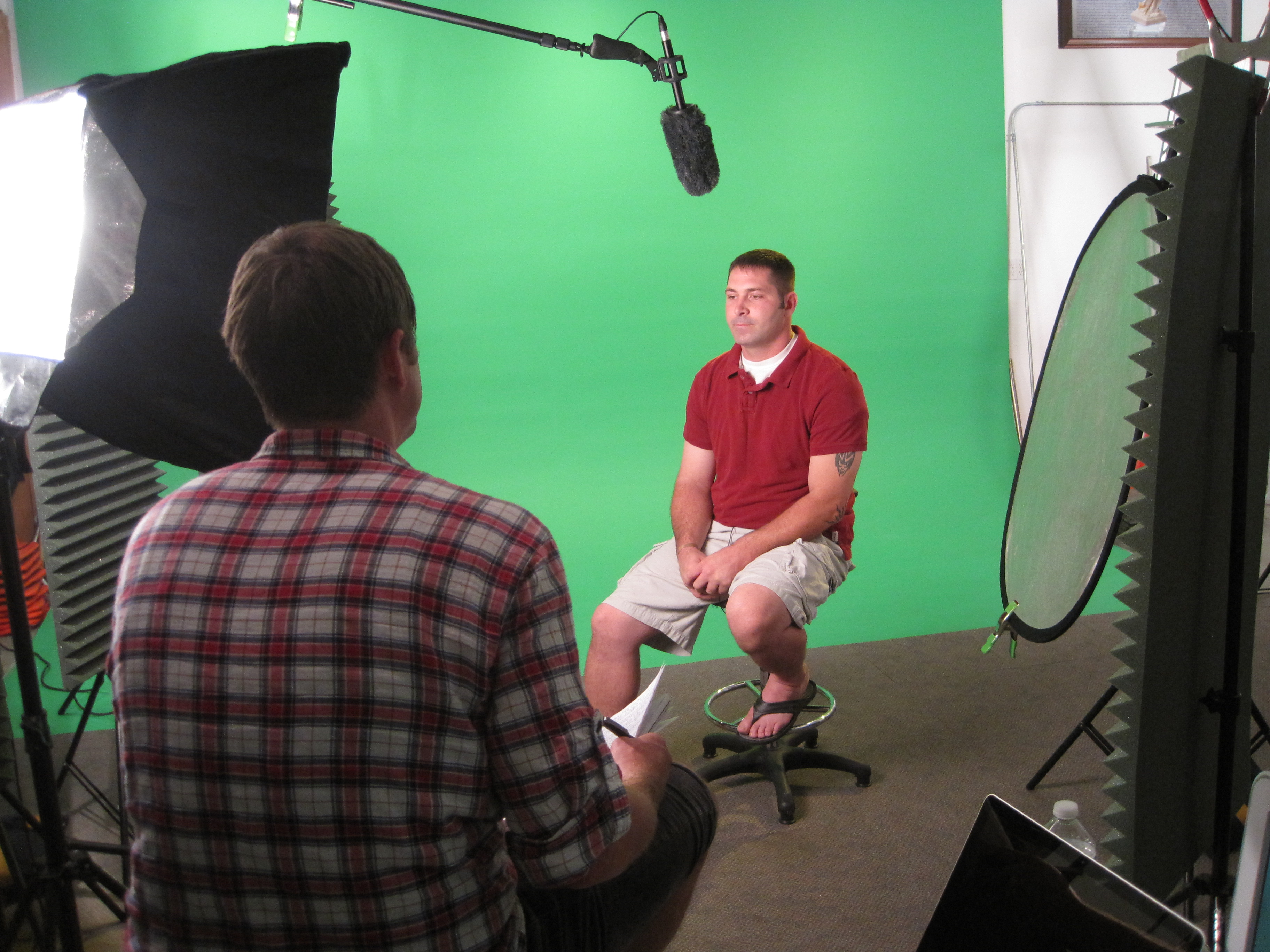
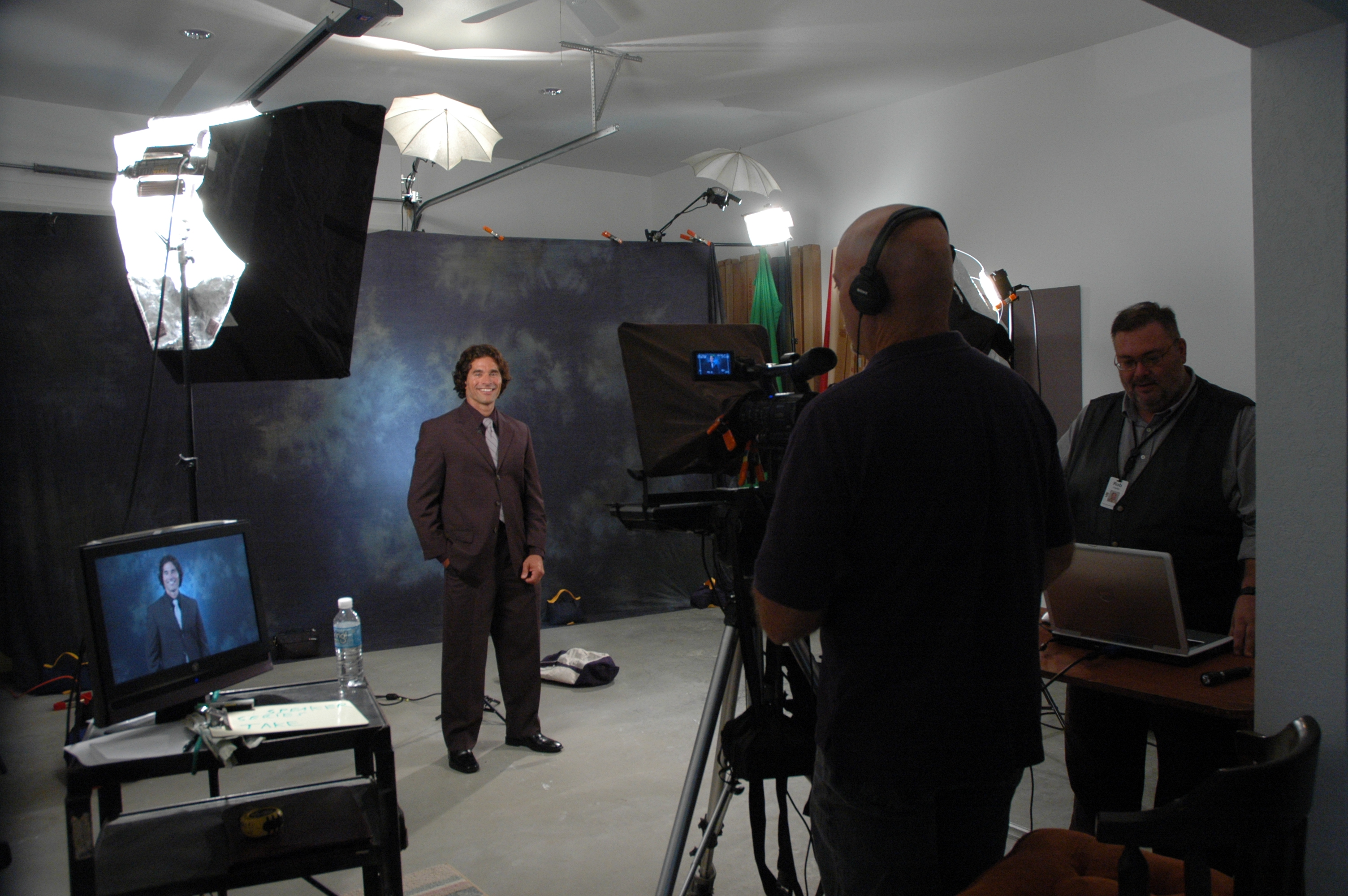
- A private studio with professional lighting and visual setup ideal for interview scenes and small productions—large enough to incorporate props and build out a set
- A team that’s well-versed in all file types, media styles, and the software ecosystems clients rely on
We also help clients repurpose photography and video branding so a single shoot day turns into weeks (or months) of usable marketing assets—especially short video content designed to drive traction.




And because modern production is inseparable from modern tools, we incorporate the latest Artificial Intelligence workflows where appropriate—speeding up editing, versioning, formatting, and content adaptation while keeping quality and brand consistency intact.
Since 1982, St Louis Video Services has partnered with businesses, marketing firms, and creative agencies across the St. Louis area. If you’re ready to build a short-video engine that looks polished, communicates expertise, and produces measurable momentum—our team can support every aspect of your production, from concept and scripting to a turnkey interview studio setup with professional camera and sound operators.



 St Louis Video Services