Tag Archives: technology

Commercial Building Certified Thermal Drone Inspections:The Smarter, Safer Way to See What Your Roof Is Really Doing

When you manage or market a commercial property, you’re constantly juggling risk, budgets, and tenant expectations. Roofing and exterior building issues sit right at the center of that triangle—quietly developing out of sight until they become leaks, interior damage, or even business interruptions.

Certified thermal drone inspections have changed that equation.

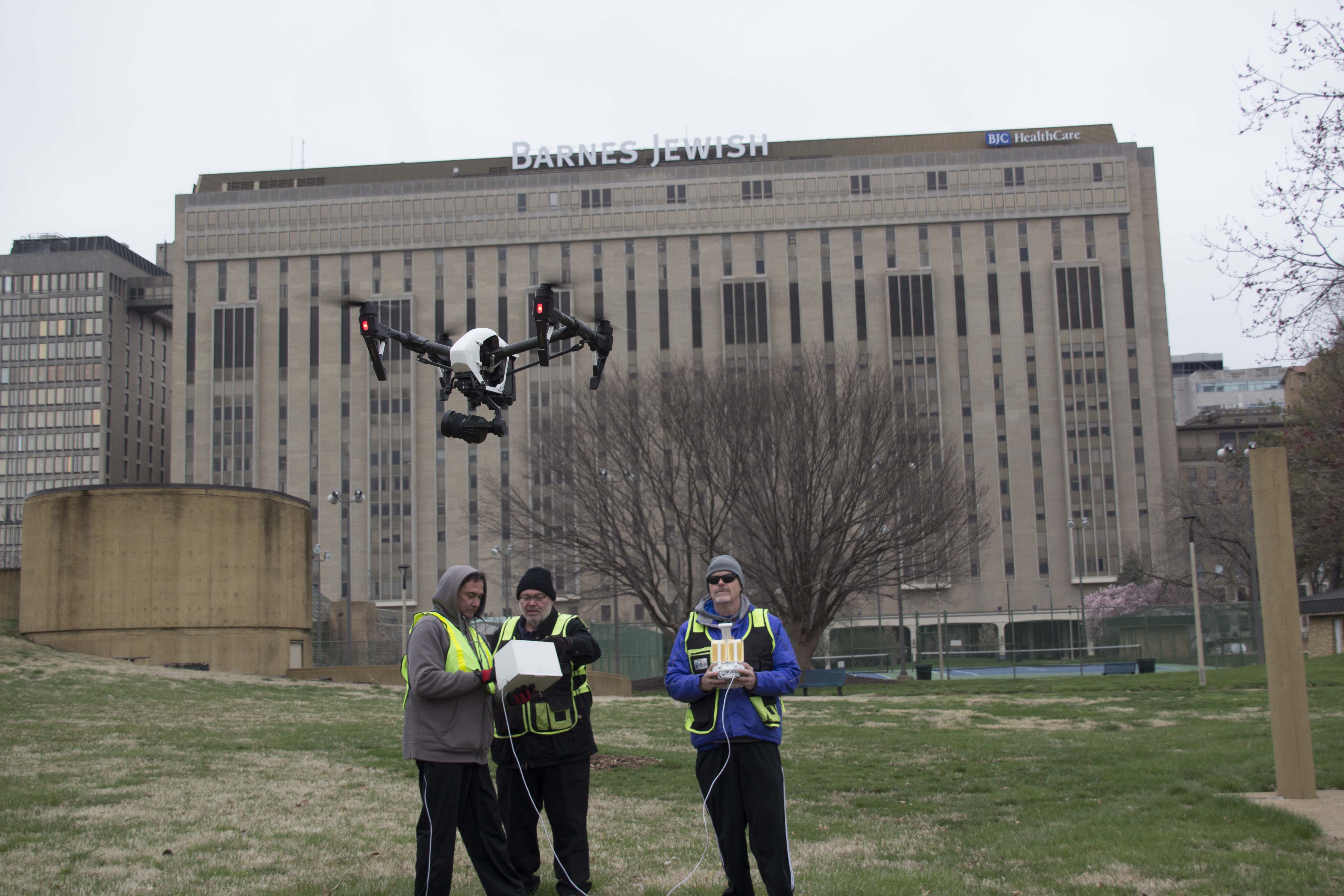
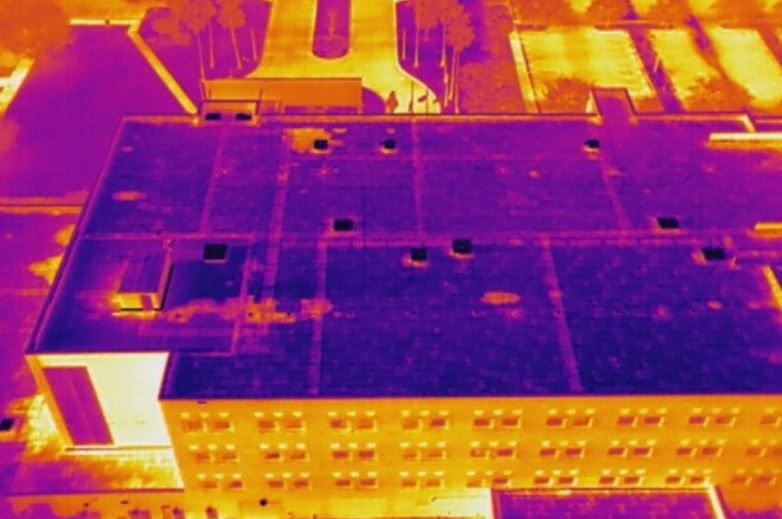
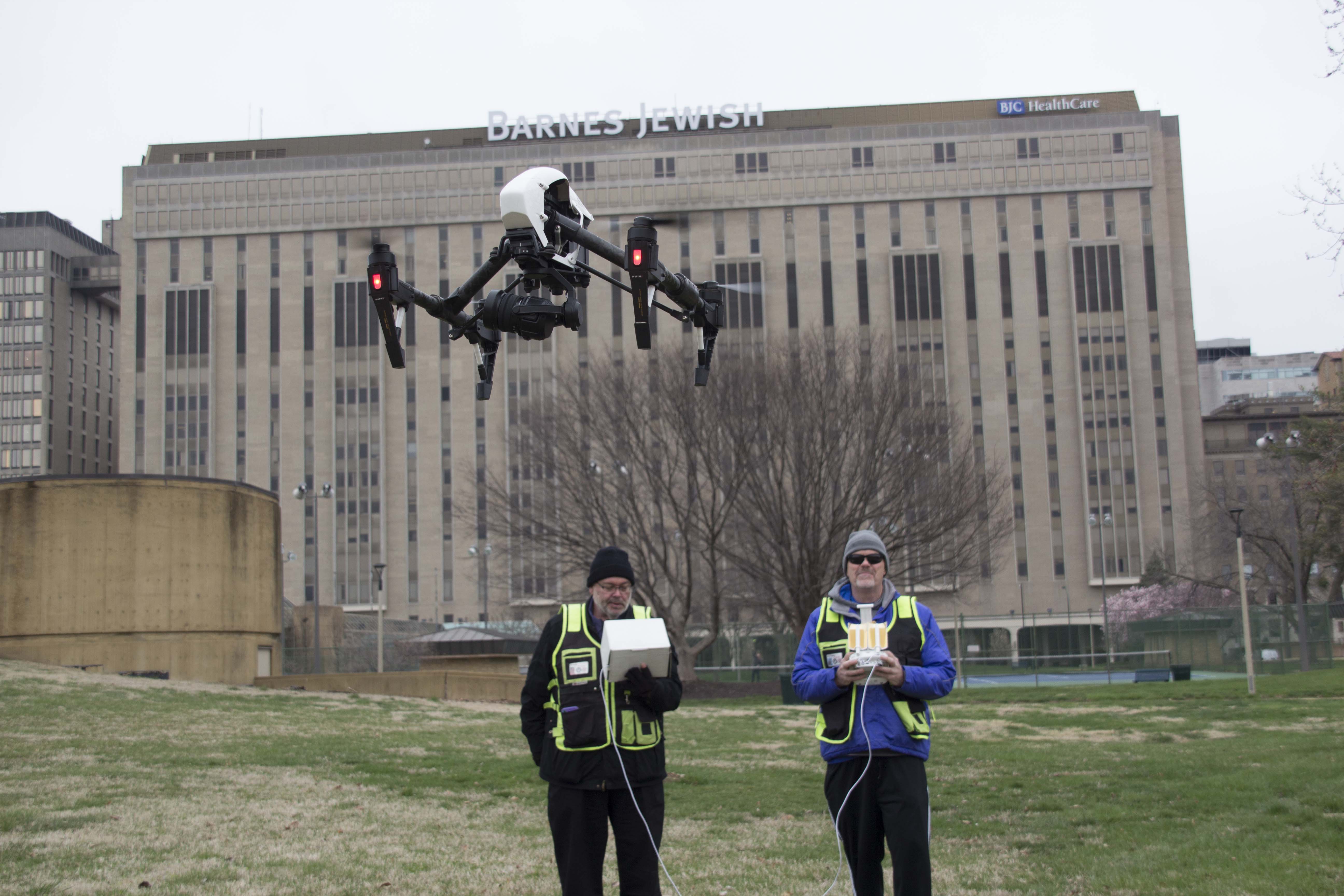
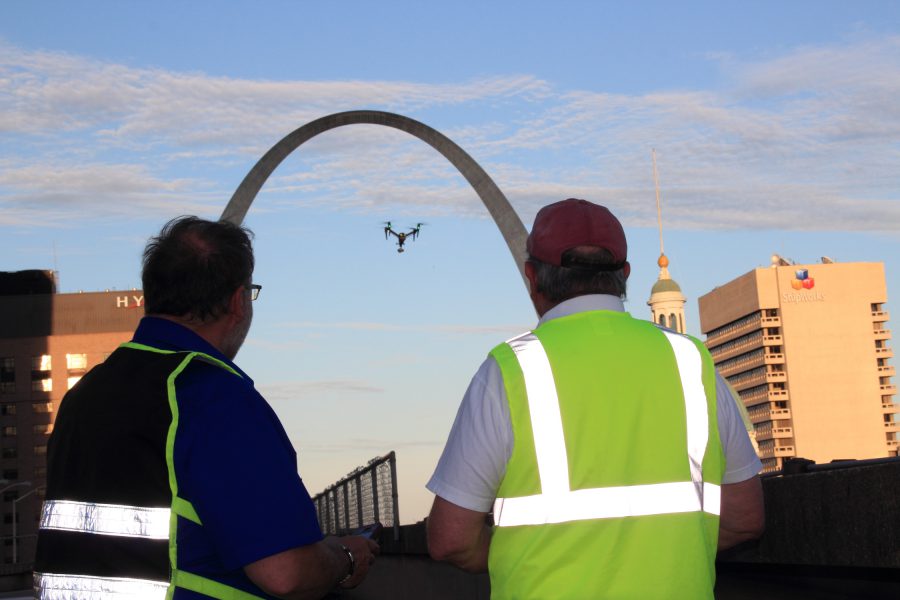
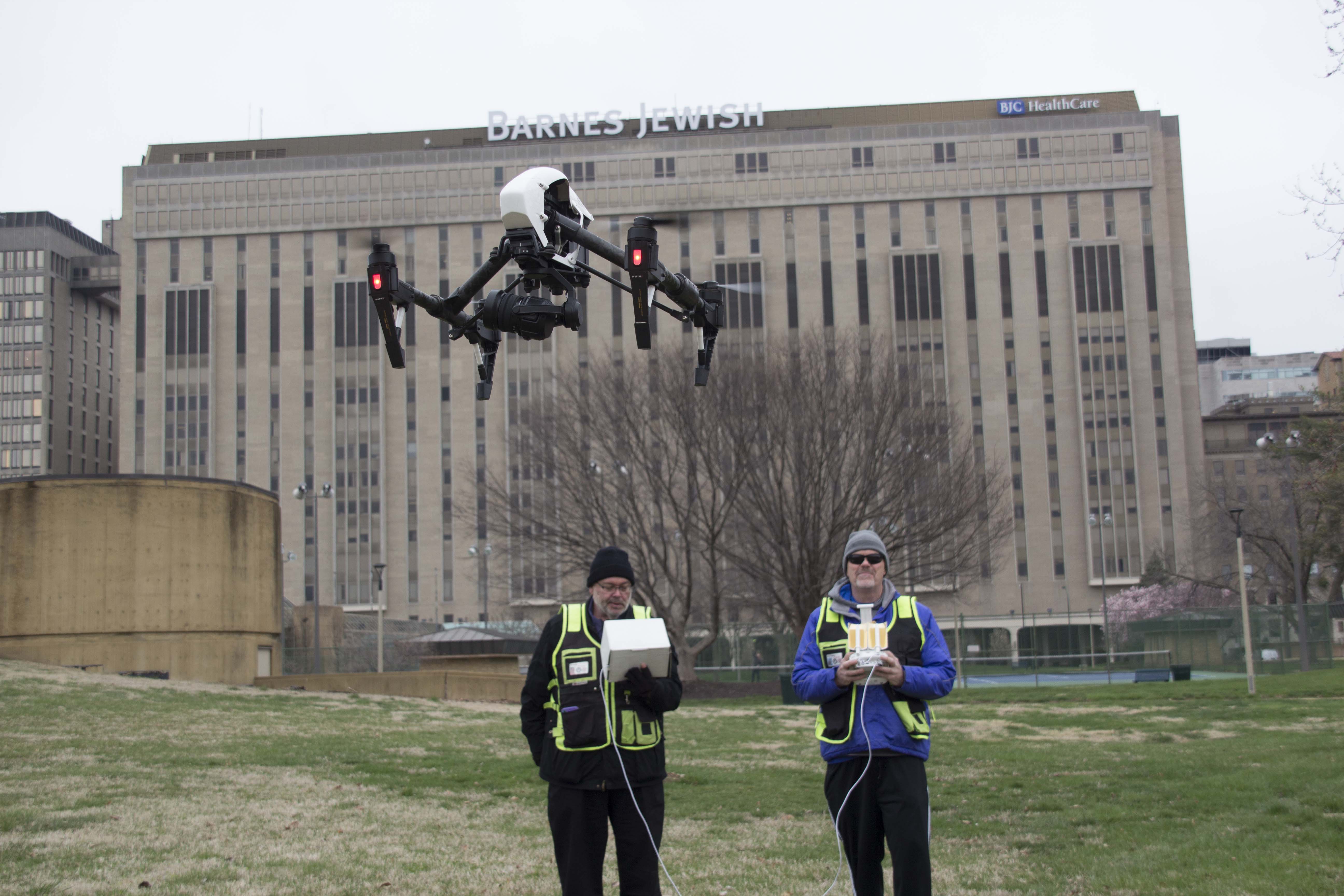
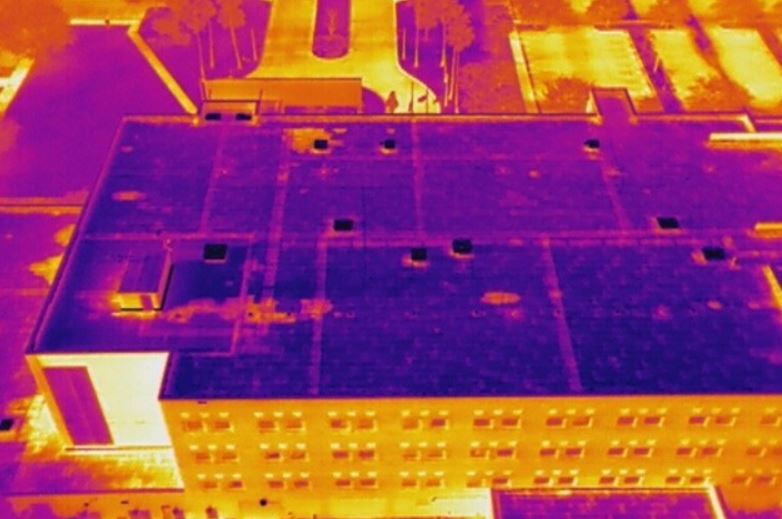
Instead of sending people up ladders and across aging roofs with clipboards, modern facilities teams are using high-resolution thermal imaging drones to scan entire buildings quickly, safely, and with far greater insight. In just a short flight, you can see heat loss, trapped moisture, failing insulation, and HVAC anomalies that would be nearly impossible to spot from the ground.

Below is an expert overview of how certified thermal drone inspections work, the type of insights you can expect, and why partnering with an experienced visual media team like St. Louis Video Services gives you a real advantage over “guy-with-a-drone” providers.


What Is a Certified Thermal Drone Inspection?

A commercial thermal drone inspection combines:

  • Commercial-grade drone platforms
  • Radiometric thermal imaging cameras (not just “pretty colors,” but measurable temperature data)
  • Visible-light photography and video
  • Licensed, insured pilots familiar with FAA regulations and local airspace
  • Interpretable reporting that non-engineers can actually use

For commercial buildings, this typically focuses on:

  • Flat or low-slope roofing systems
  • Mechanical penthouses and rooftop HVAC equipment
  • Exterior walls and facade systems
  • Exterior electrical and utility infrastructure

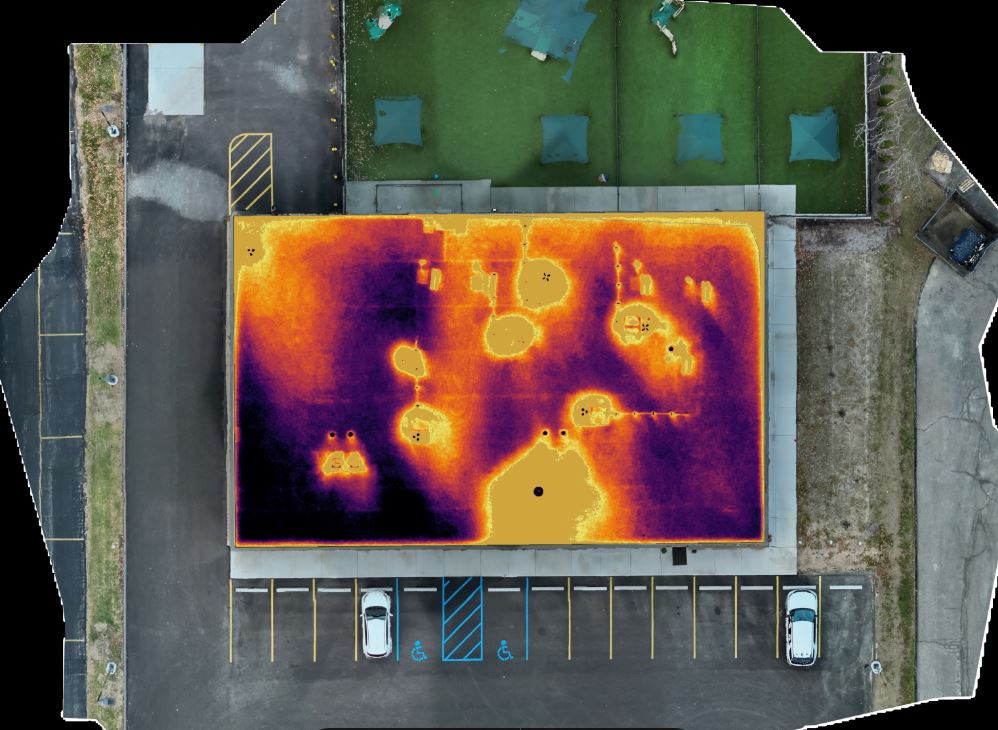
The result is a set of thermal maps, annotated images, and visual documentation that facilities, engineering, and ownership teams can use to plan maintenance, validate warranties, and document conditions for insurance and capital planning.


Why Thermal Drone Inspections Beat Traditional Roof Checks

1. Safety First (and Always)

Traditional inspections expose people to:

  • Fall hazards on wet, fragile, or deteriorated surfaces
  • Trip hazards around mechanical units, conduits, and roof penetrations
  • Wind, ice, heat, and other environmental risks

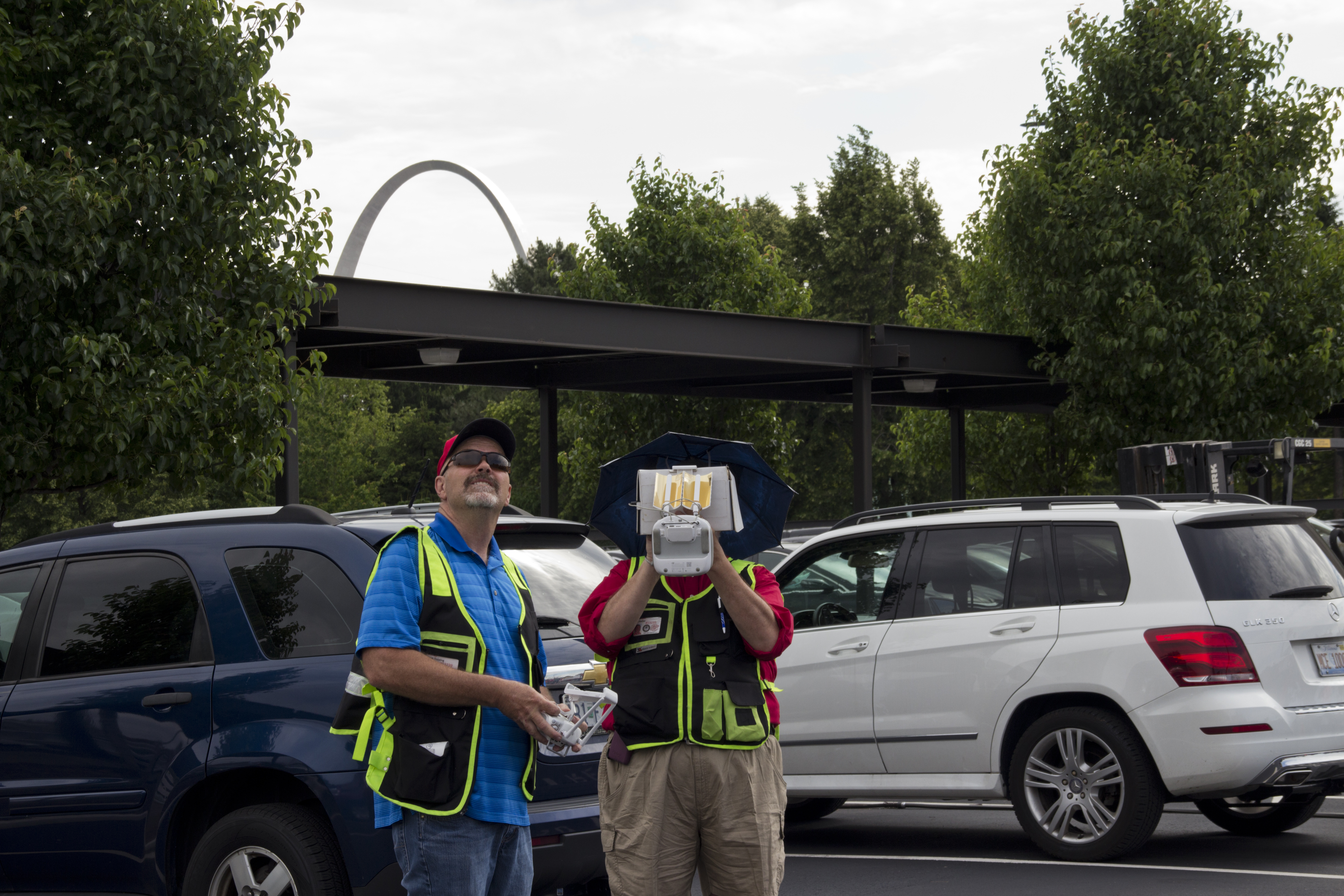
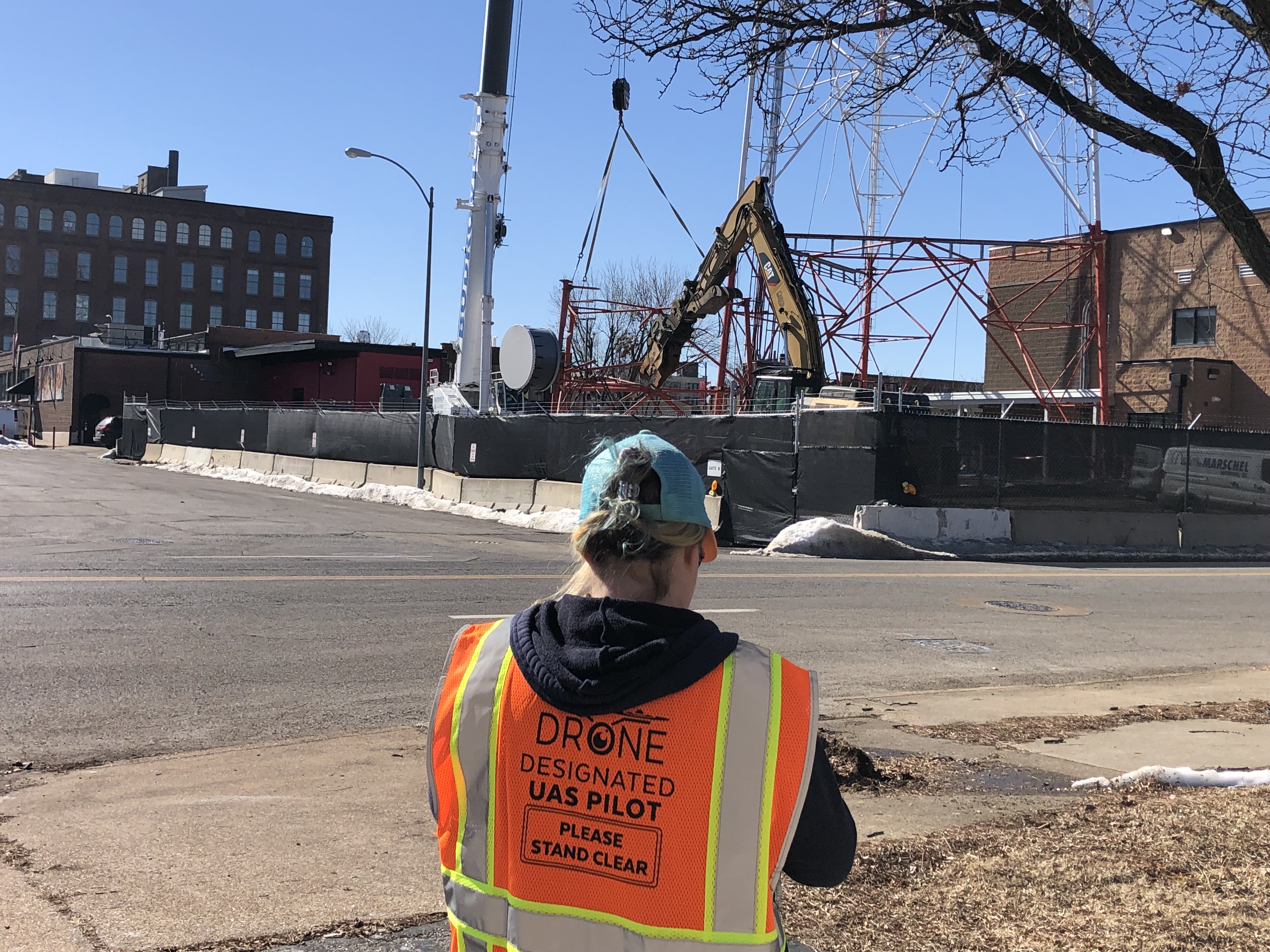
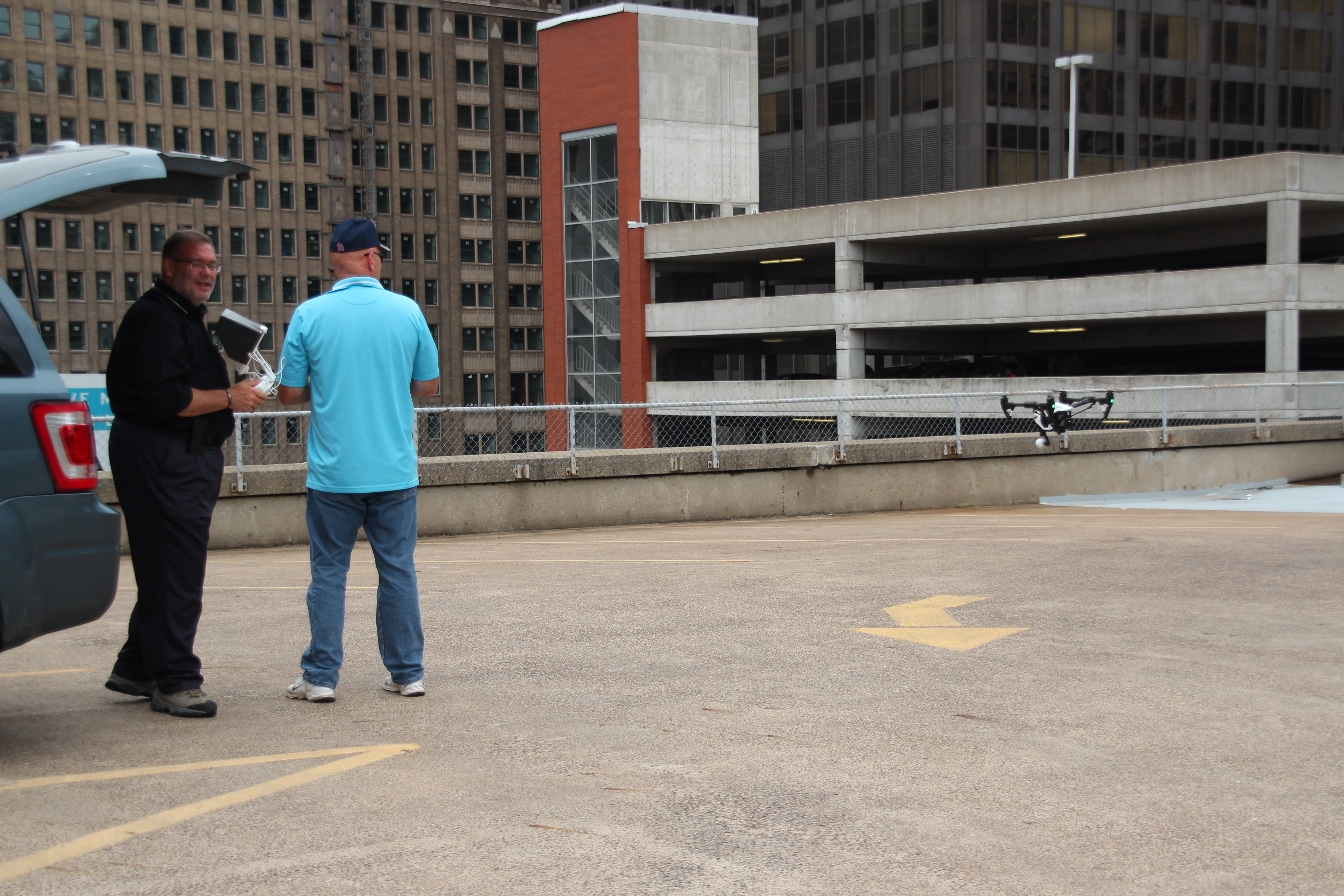
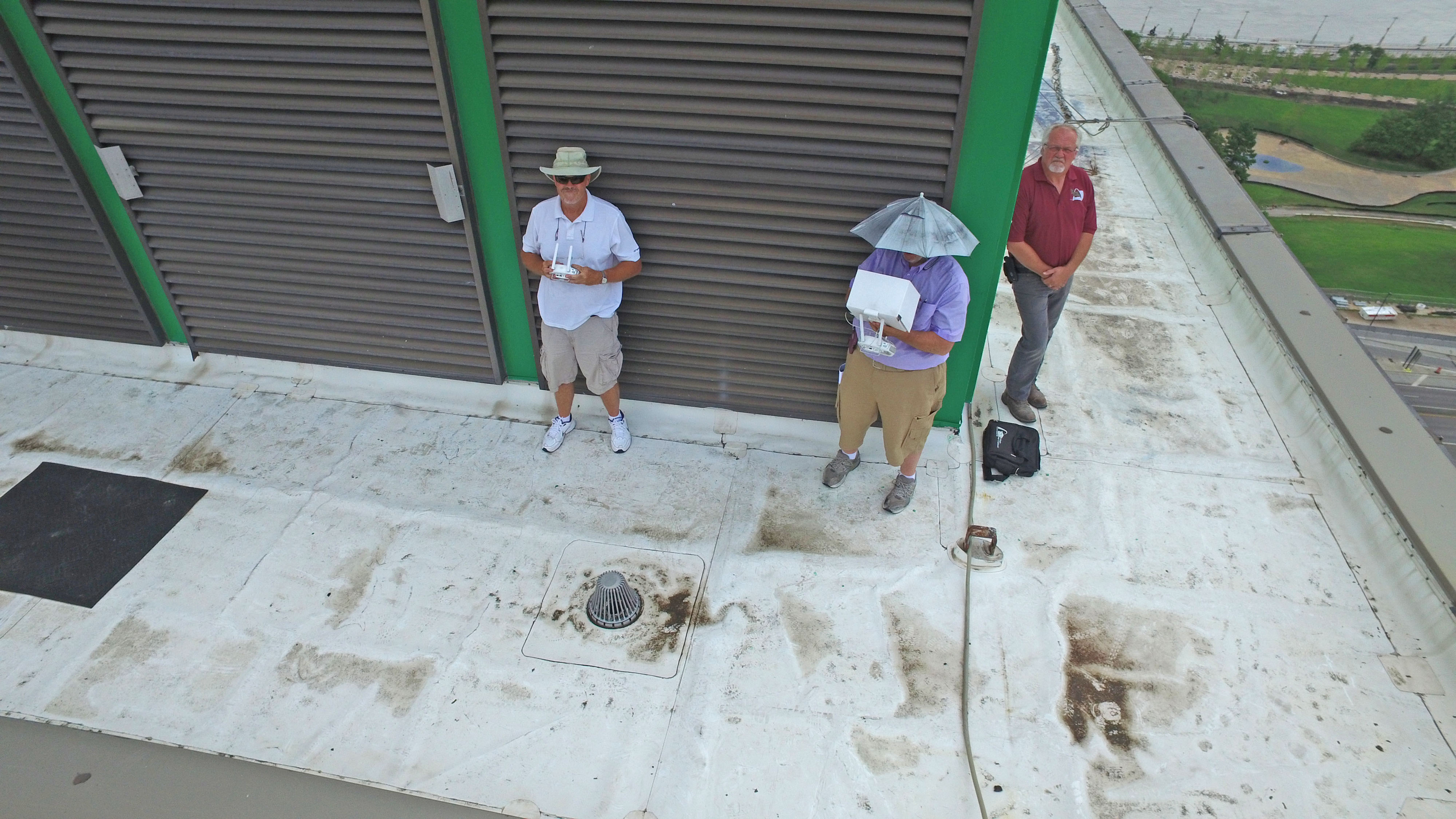
With a drone inspection, the pilot and crew remain safely on the ground while the aircraft does the risky work overhead. For safety-sensitive organizations and highly regulated sites, that reduction in exposure is a major win.

2. Speed and Coverage

A certified thermal drone can cover:

  • Large roof areas in minutes
  • Multiple buildings in a single flight plan
  • Complex shapes and hard-to-reach sections without special access or scaffolding

That speed means less disruption for tenants or operations and more frequent inspections throughout the year, instead of one high-risk visit after a problem appears.

3. Seeing What the Eye Can’t See

A visible-light photo shows you what the roof looks like.
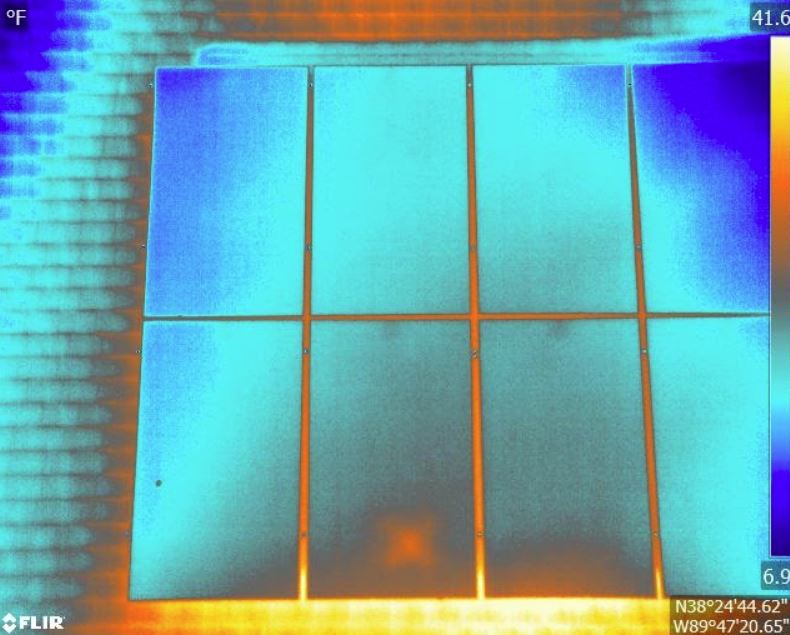
A thermal image shows you what the roof is doing.

Thermal imaging can reveal:

  • Trapped moisture in roofing systems
  • Insulation failures and missing or compressed insulation
  • Thermal bridging at penetrations and structural elements
  • Heat loss around doors, windows, and curtain walls
  • Overheating electrical components and mechanical equipment

By comparing thermal signatures across the roof and exterior, you can locate anomalies long before they translate into leaks, mold, or energy waste.

4. Objective, Visual Documentation

Unlike a handwritten inspection checklist, drone thermal inspections give you:

  • Time-stamped imagery and video
  • Repeatable flight paths for “before and after” comparisons
  • Visual documentation that can be shared across teams, vendors, and insurance carriers

This is especially powerful for:

  • Warranty claims
  • Insurance documentation after storms
  • Pre-purchase due diligence on acquisitions
  • Capital improvement planning and budget meetings

When everyone can literally see the problem, decision-making gets faster and less contentious.


Key Use Cases for Commercial Building Thermal Drone Inspections

1. Flat Roof Moisture and Leak Detection

Water intrusion is the enemy of every flat roof. Trapped moisture can:

  • Compromise insulation performance
  • Accelerate membrane deterioration
  • Add weight to structural systems
  • Lead to mold and interior damage

Thermal imaging identifies areas where moisture saturates the roof assembly, creating “hot” or “cold” signatures relative to dry areas. A certified thermal operator can flag these suspect zones so your roofing contractor can perform targeted core samples or repairs—focusing time and money where it counts.

2. Energy Loss and Building Envelope Performance

Marketing “sustainability” and “efficiency” is only credible if your building envelope actually performs. Thermal inspections help you:

  • Identify missing or damaged insulation in walls and roofs
  • Spot drafts and air leakage around fenestrations and curtain wall systems
  • Benchmark the performance of newly upgraded insulation or windows

This data supports ESG reporting, energy audits, and marketing narratives for “green” and high-performance buildings.

3. HVAC and Mechanical System Health

On a rooftop, thermal drones can quickly scan:

  • Packaged rooftop units (RTUs)
  • Chillers and condensers
  • Ductwork and refrigerant lines
  • Exhaust fans and intakes

Hot spots or unusual temperature patterns can signal:

  • Failing bearings or motors
  • Restricted airflow
  • Refrigerant issues
  • Heat rejection problems

Facilities staff can then prioritize preventive maintenance and avoid unexpected breakdowns that impact tenants and operations.

4. Post-Storm and Insurance Documentation

After hail, wind, or severe weather:

  • A thermal drone inspection can rapidly assess damage across multiple structures.
  • High-resolution visual and thermal documentation supports insurance claims.
  • You get an objective record of conditions shortly after the event.

That combination of speed, safety, and documentation is particularly valuable for property managers handling multiple sites or portfolios across the region.


What “Certified” Should Mean to You

Not all thermal drone providers operate at the same level. When you hear “certified,” you should be looking for:

  • FAA-licensed drone pilots with experience flying in urban and industrial environments
  • Training in thermography fundamentals and building science
  • Understanding of commercial roofing systems and building envelopes
  • Compliance with local regulations, site safety rules, and insurance requirements
  • Clear, actionable reporting instead of raw data dumps

At St. Louis Video Services, our background as a professional video production team matters here. We’re not just flying a drone—we’re planning reliable, repeatable image acquisition with clear storytelling in mind, whether the “audience” is your engineering staff, your insurer, or your executive team.


Turning Data Into Decisions: Deliverables You Can Actually Use

A strong commercial thermal drone inspection should deliver more than heat maps. Typical deliverables can include:

  • Overview report highlighting key findings, anomalies, and recommended next steps
  • Georeferenced still images of thermal and visible-light captures
  • Annotated callouts marking areas of concern with coordinates and photographs
  • Short interpretive video walking your stakeholders through the findings
  • Data files for engineers, roof consultants, or capital planners who need to dig deeper

Because our core business is visual communication, we ensure the output speaks to both technical and non-technical audiences. That’s critical when you’re presenting findings to ownership, boards, or non-engineering decision makers.


How Facility, Marketing, and Ownership Teams Benefit

For Facility Managers & Engineers

  • Faster, safer condition assessments
  • Better targeting for repairs and maintenance
  • Clear documentation for vendors and contractors

For Property & Asset Managers

  • Stronger documentation for lease negotiations and CAM discussions
  • Visual support for capital expenditure requests
  • Supporting evidence for insurance and warranty claims

For Marketing & Leasing Teams

  • Authentic visual content for “well-maintained,” “energy-efficient,” or “sustainability-focused” messaging
  • Before/after visuals to showcase improvements, retrofits, and upgrades
  • Confidence-building materials for prospective tenants or buyers

For Ownership & Investors

  • Reduced risk of surprise failures
  • Better information for long-term capital planning
  • Visual evidence that building systems are being proactively managed

Why Partner With a Full-Service Visual Production Team?

Certified thermal drone inspections live at the intersection of technology, building science, and communication. Many providers can handle one or two of those. Fewer can consistently deliver all three.

As an experienced videographer, photographer, and producer at St. Louis Video Services, we approach commercial building thermal inspections with the same discipline we bring to high-stakes corporate productions:

  • Pre-planning and scouting to understand your site, access, and regulatory needs
  • Shot planning and flight paths to ensure comprehensive coverage
  • Careful timing of flights for optimal thermal contrast (for example, after sufficient solar loading or at specific times of day)
  • Precise execution in the air and on the ground, coordinated with your operations
  • Professional post-production to turn raw data into clear, shareable visual reports

And because we are already embedded in corporate and industrial environments—shooting marketing content, training videos, and documentation—we understand how to work around your live operations with minimal disruption.


About St. Louis Video Services

St. Louis Video Services is a full-service professional commercial photography and video production company with the right equipment and creative crew experience for successful image acquisition. We offer full-service studio and location video and photography, as well as editing, post-production, and licensed drone pilots.

For commercial building projects, we can customize your productions and inspections for diverse types of media and documentation requirements—from technical thermal reporting for facility teams to polished visual content for marketing and investor presentations. Repurposing your photography and video branding to gain more traction is another specialty. We are well-versed in all file types, styles of media, and the accompanying software your teams already use.

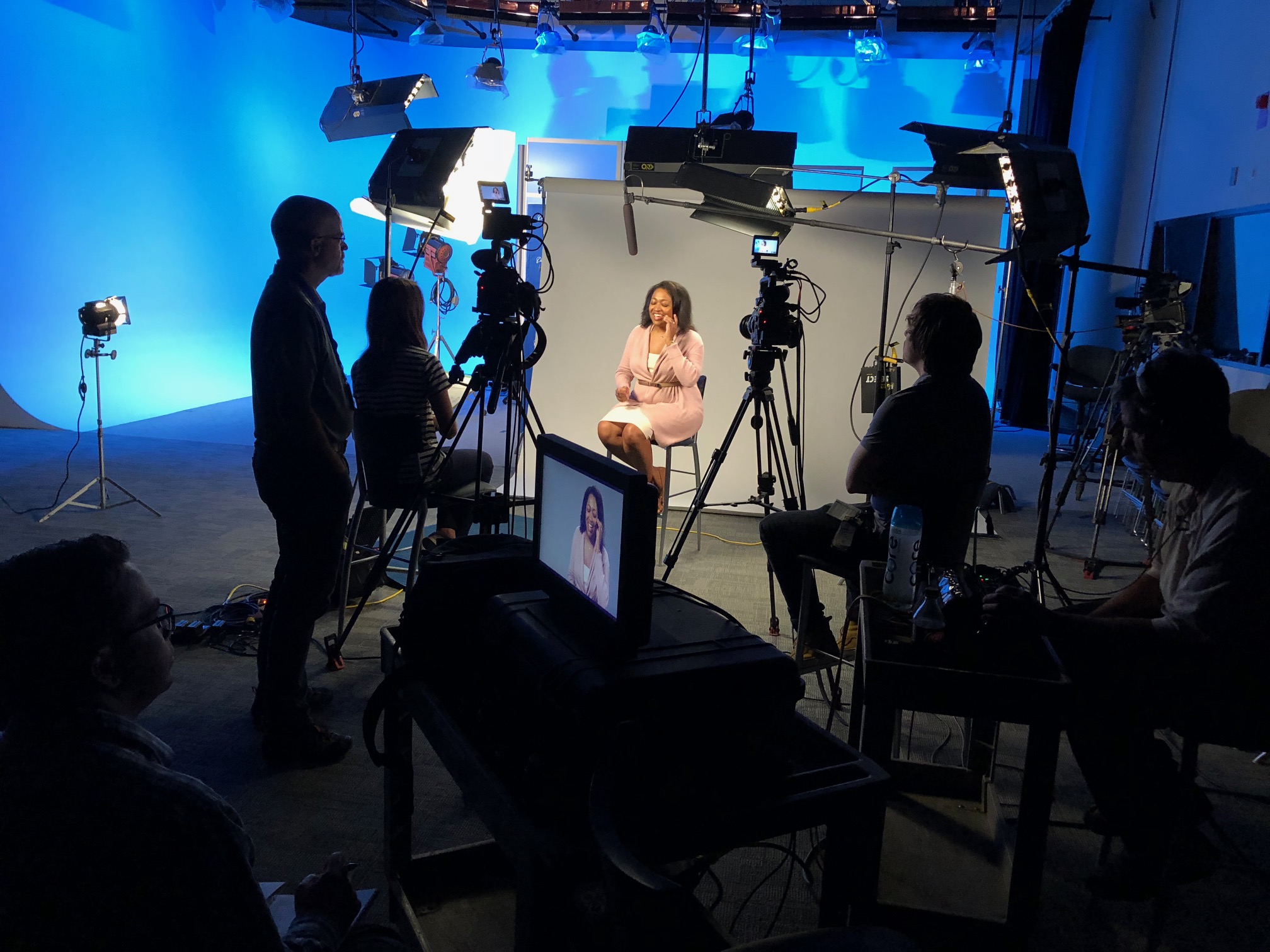
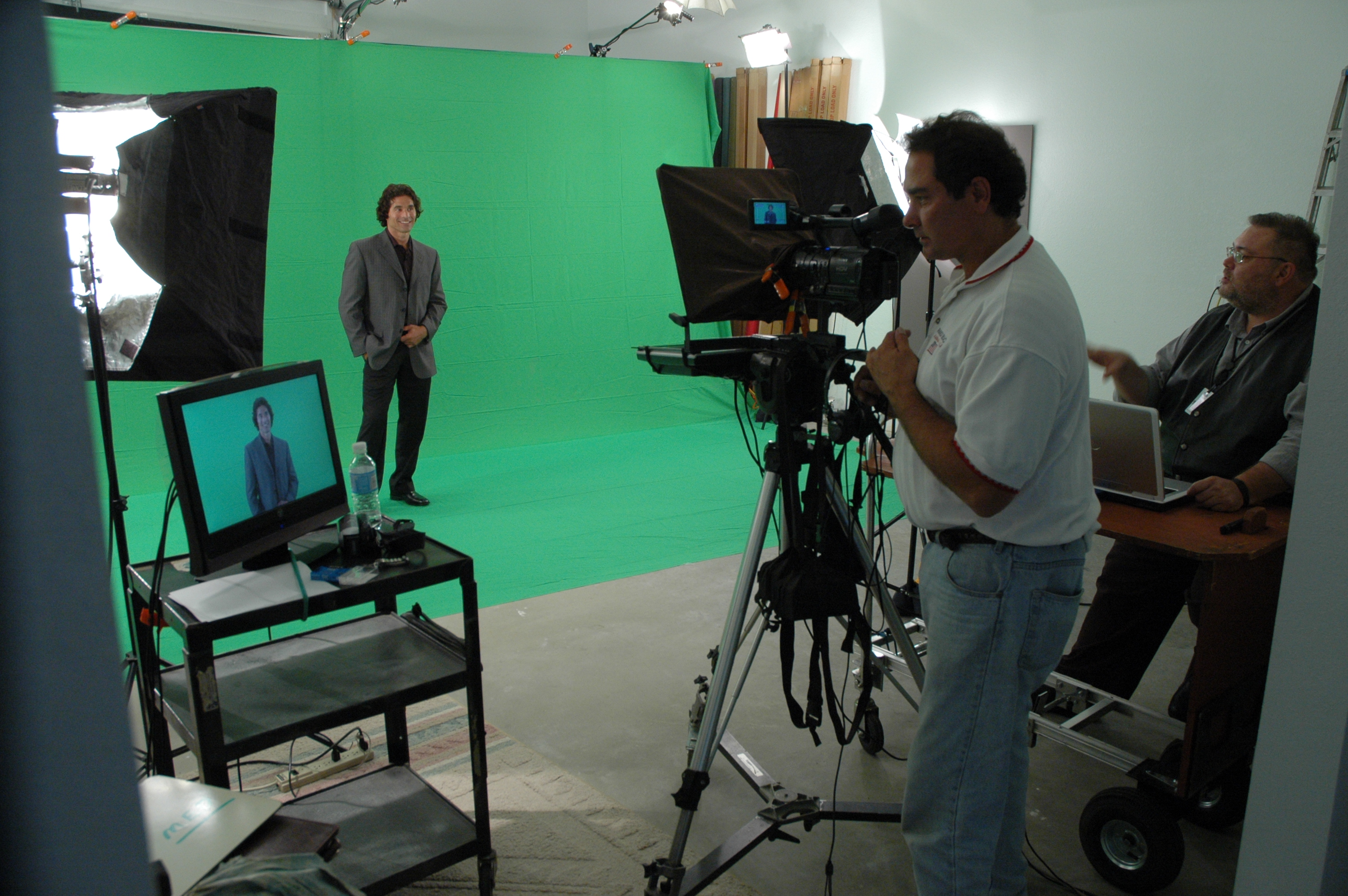
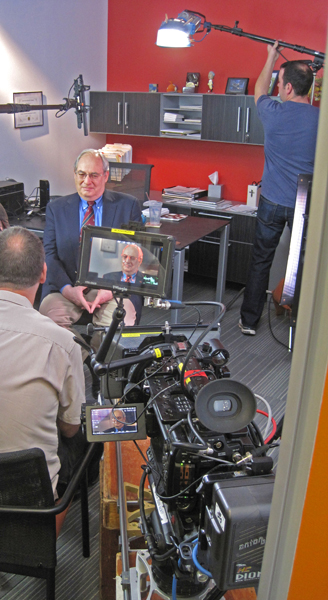
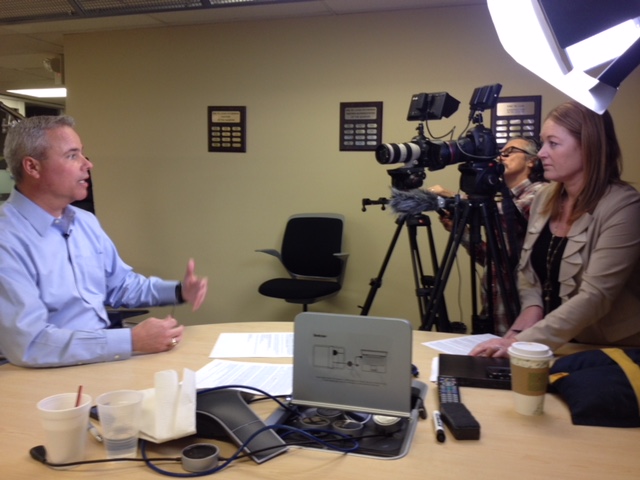
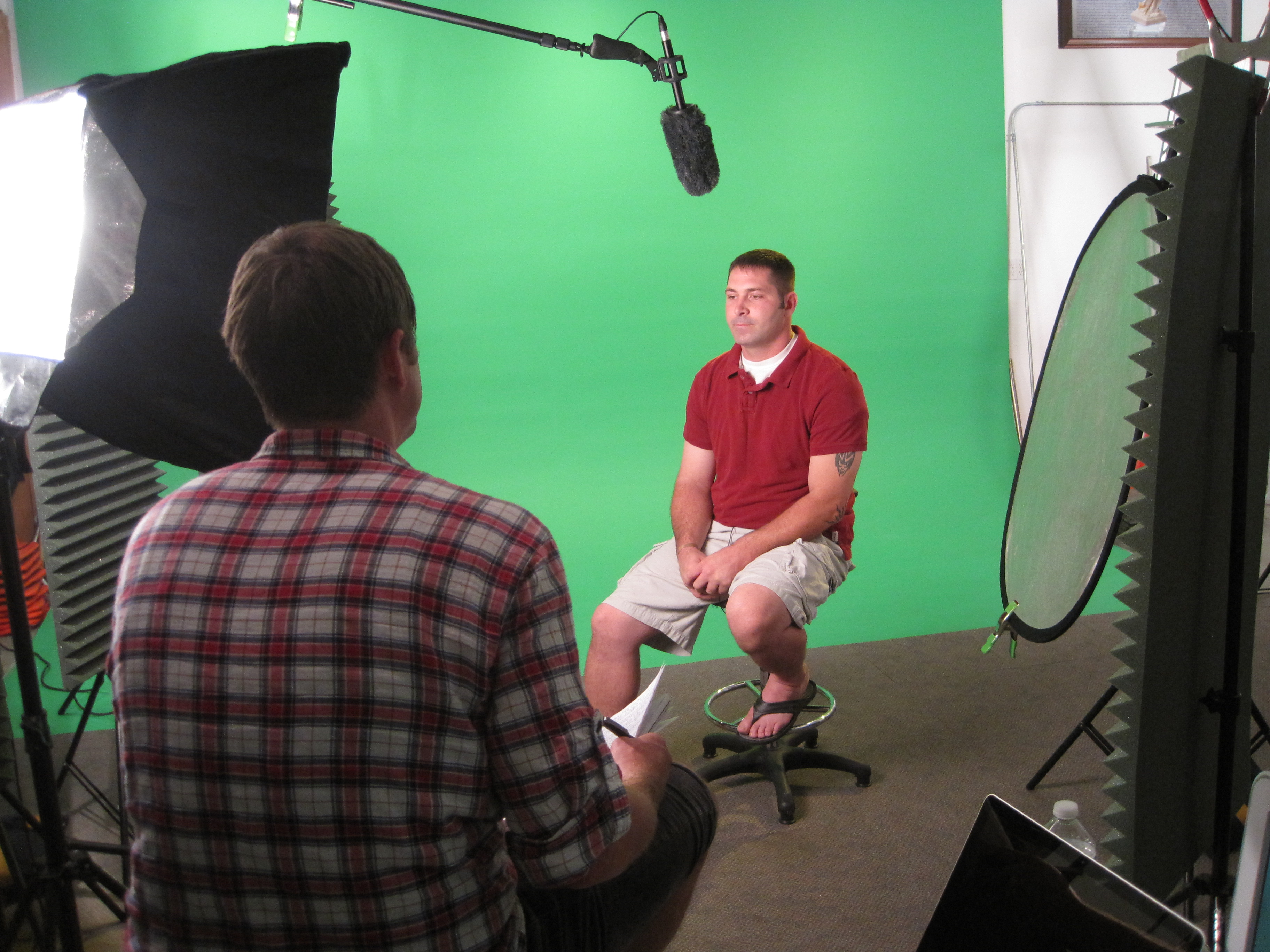
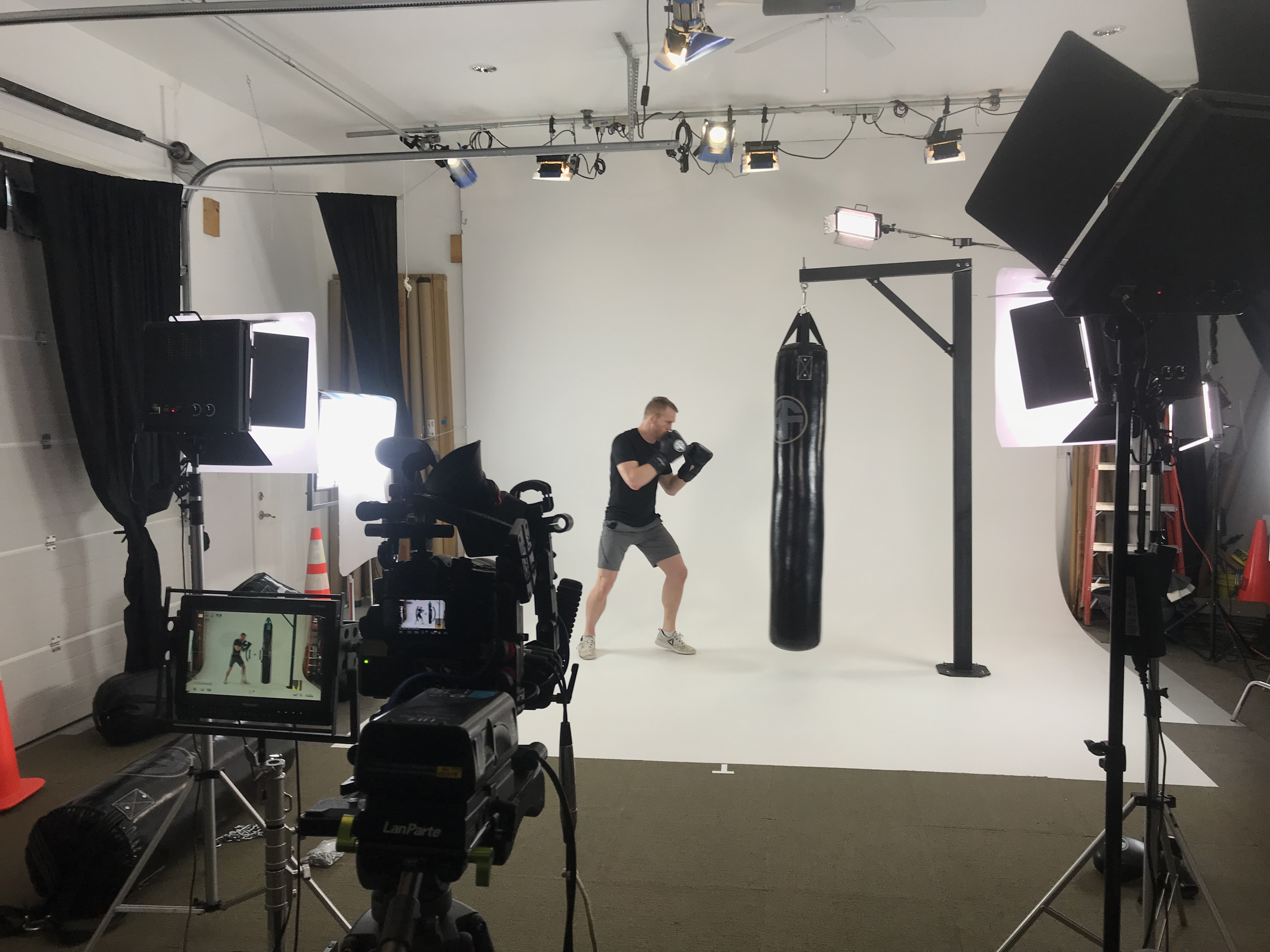
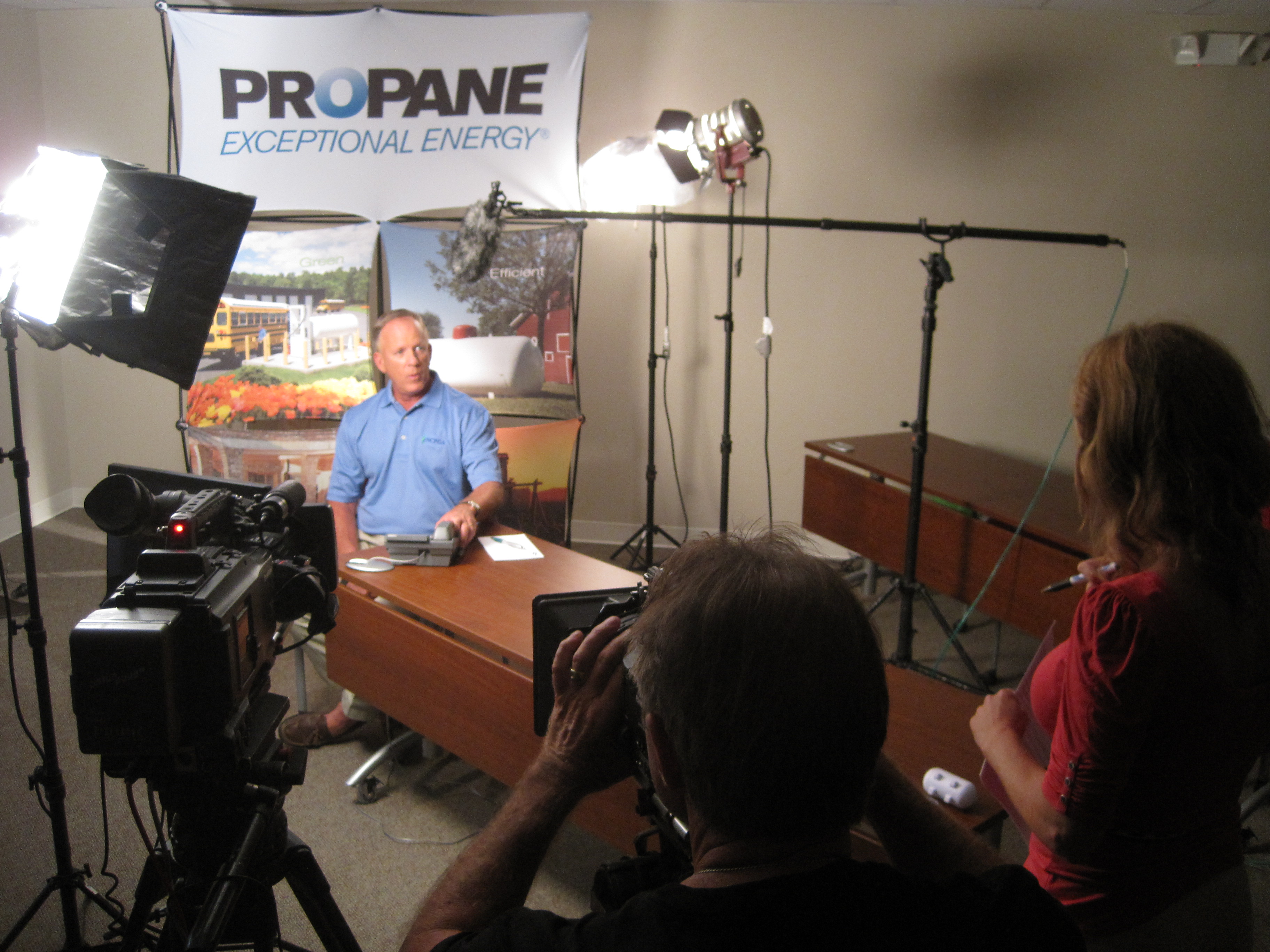
We leverage the latest in Artificial Intelligence across our media services to help analyze, organize, and enhance your visual assets—while keeping human expertise firmly in control of interpretation and storytelling. Our private studio lighting and visual setup is perfect for small productions and interview scenes, and our studio is large enough to incorporate props and environmental elements to round out your set.

We support every aspect of your production—from setting up a private, custom interview studio to supplying professional sound and camera operators, as well as providing the right equipment—ensuring your next video production or inspection-driven communication is seamless and successful. Our specialized drones can even be flown indoors for certain controlled environments, adding unique perspectives in warehouses, plants, and large interior spaces.

As a full-service video and photography production corporation since 1982, St. Louis Video Services has partnered with businesses, marketing firms, and creative agencies throughout the St. Louis area for their marketing photography, video, and now certified thermal drone inspection needs. If you’re ready to see what your buildings are really doing—and communicate that story clearly to every stakeholder—we’re ready to help.
314-604-6544

stlouisvideoservices@gmail.com

Smart B-Roll on a Budget: Pro Tips for Capturing Effective Supporting Footage Without Breaking the Bank

When producing a compelling marketing video, the story is often in the details—the quick cutaway shots, environment visuals, and insert clips that support your main interview or narrative. That’s where B-roll comes in. Well-captured B-roll adds context, reinforces messaging, and elevates overall production value. But for many businesses and agencies working with limited budgets, the challenge becomes: how do you shoot effective B-roll without inflating costs?
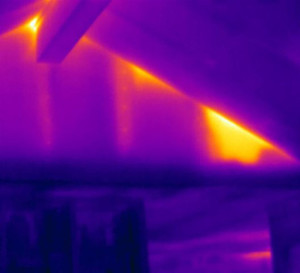
As seasoned producers, videographers, and photographers at St Louis Video Services, we’ve honed strategies that help deliver impactful B-roll even when time and budget are tight. Below are practical, professional-grade tips to help you make the most of your shoot.


1. Plan Your B-Roll Like a Storyboard

B-roll should never be an afterthought. Start with a visual checklist tied directly to your script or talking points. If someone mentions customer service? Film interactions at a front desk. Highlighting innovation? Capture devices, screens, or brainstorming sessions. Thoughtful planning ensures your B-roll supports the narrative rather than feeling generic.

2. Use Your Existing Location to Its Full Potential

You don’t need exotic settings—just creative framing. Office spaces, warehouses, conference rooms, lobbies, and even hallways can provide dynamic visuals when filmed with intention. Use available space to vary angles and create movement: shoot through doorways, around objects, or from low and high perspectives.

3. Leverage Natural Light (or a Simple Lighting Kit)

When budgets are tight, lighting can often make or break the quality of your footage. Use natural light strategically near windows or open doorways. If indoors, a basic LED panel light or even a bounce board can dramatically improve your results. Don’t underestimate how lighting direction, not just intensity, shapes the mood of a scene.

4. Capture Motion—Even If the Subject Is Static

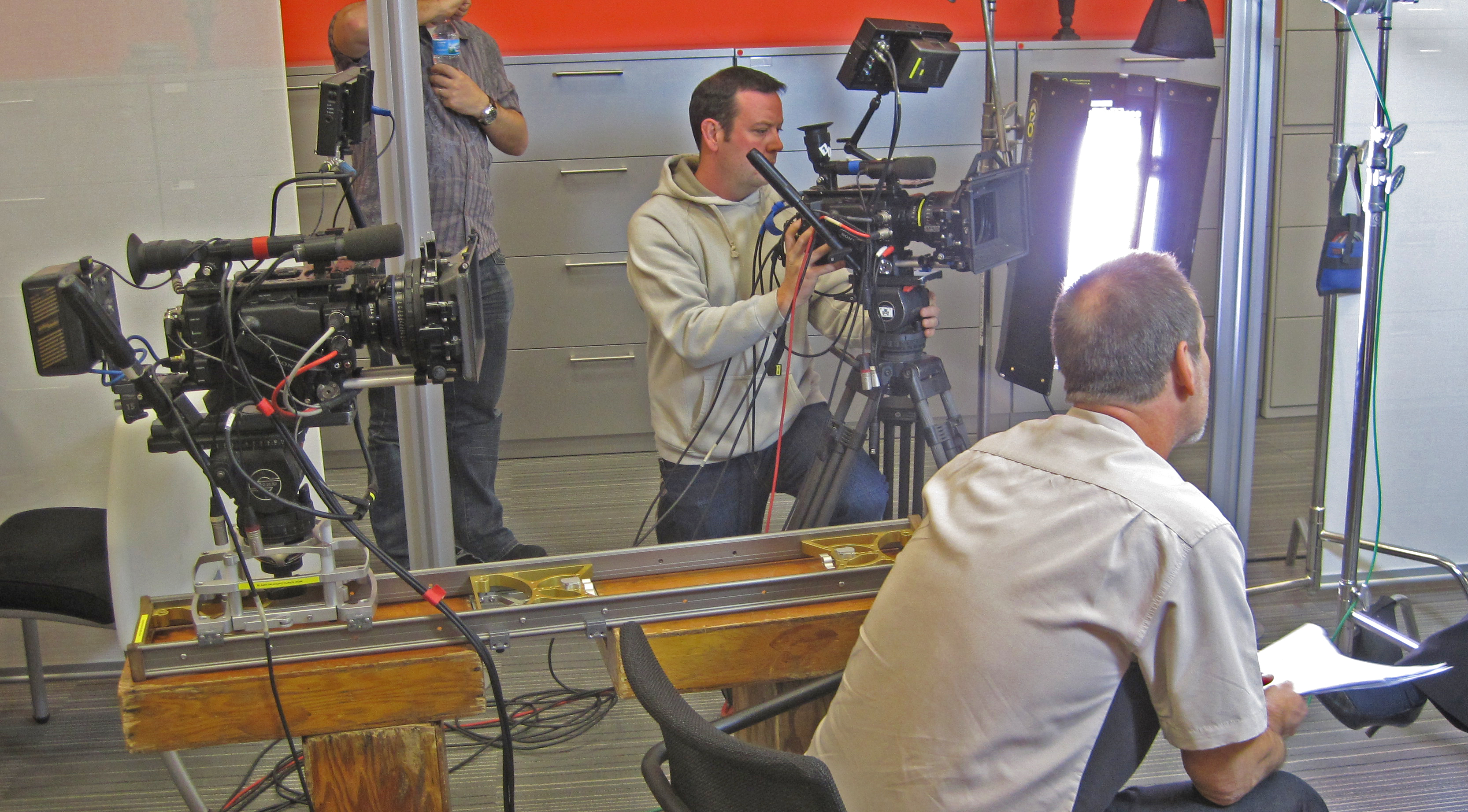
Movement adds life. If your subject is still, consider using camera motion. A slow pan, tilt, or slide (with a handheld stabilizer or even a tripod repositioned carefully) creates cinematic energy. Capturing hands typing, coffee being poured, or tools in use adds valuable texture.

5. Shoot in Sequences

Shoot wide, medium, and close-up angles of the same action. This not only gives your editor flexibility but also helps stretch your footage further across multiple projects or social edits. Simple sequence shooting can make one location feel like several.

6. Use Slow Motion for Emphasis

Many modern DSLR or mirrorless cameras offer high-frame-rate capabilities. Even a 60fps capture can be slowed down smoothly in post-production, giving everyday movements an elegant, professional feel. This trick works well for interactions, movement through space, or product demonstrations.

7. Get Creative with Insert Shots

Don’t overlook insert details—they’re fast to shoot and incredibly valuable. Think: a close-up of a logo on a shirt, a notepad with sketches, a hand swipe on a touchscreen, a doorknob turning. These shots ground your visuals and reinforce branding subtly.

8. Always Overshoot

Even if you’re tight on time, take a few more variations than you think you’ll need. One of the biggest pain points in post is realizing you don’t have enough coverage. Extra footage = more flexibility.


Why B-Roll Matters More Than Ever

In the world of short attention spans and fast-paced content, strong B-roll can keep viewers engaged longer. It turns static interviews into dynamic stories. It also gives marketers the flexibility to repurpose content across web, social, and broadcast platforms.

At St Louis Video Services, we specialize in producing rich, engaging B-roll that matches your message—whether it’s a tight-budget shoot in your office or a high-end production at multiple locations. With decades of experience and deep familiarity with how supporting visuals elevate a brand, we ensure your footage tells a story worth watching.


Why Choose St Louis Video Services?

Since 1982, St Louis Video Services has worked with businesses, marketing firms, and creative agencies throughout the St. Louis region to deliver impactful photography and video. As a full-service commercial production company, we provide:

  • Studio and on-location shoots for interviews and B-roll
  • Licensed drone pilots, including for indoor aerials
  • AI-assisted media services for editing and content repurposing
  • Custom lighting setups for a polished, professional look
  • Repurposing strategies to maximize your content’s lifespan
  • Experienced crews who know how to keep projects efficient and cost-effective

Whether you’re building your brand library, launching a campaign, or filming for internal communications, we’re your partner for smart, strategic video.

Let’s make your next production seamless—and successful.
Contact St Louis Video Services today to learn how we can bring your vision to life.

314-604-6544

stlouisvideoservices@gmail.com

Mastering the Shot: How to Plan a Shoot That Seamlessly Combines Ground and Drone Cameras

In today’s fast-paced content landscape, businesses and agencies are constantly seeking ways to elevate their visual storytelling. Combining ground and drone cameras within a single production has become one of the most powerful ways to capture dynamic perspectives and produce visually engaging content. Whether you’re producing a commercial, a corporate overview, or a marketing promo, a well-planned hybrid shoot maximizes your creative potential—if executed strategically.

At St Louis Video Services, we’ve spent decades perfecting the art of synchronized ground and aerial video production. Here’s how to plan your next shoot for maximum efficiency and visual impact.


1. Define the Story—and How Aerial Footage Enhances It

Start by identifying the purpose of the video and the role each type of footage will play. Ask:

  • What scenes benefit from aerial context?
  • Where will ground-level storytelling or close-up detail drive emotional connection?

Drone shots often work best for:

  • Establishing locations (exteriors of buildings, campuses, or job sites)
  • Following motion (vehicles, people walking)
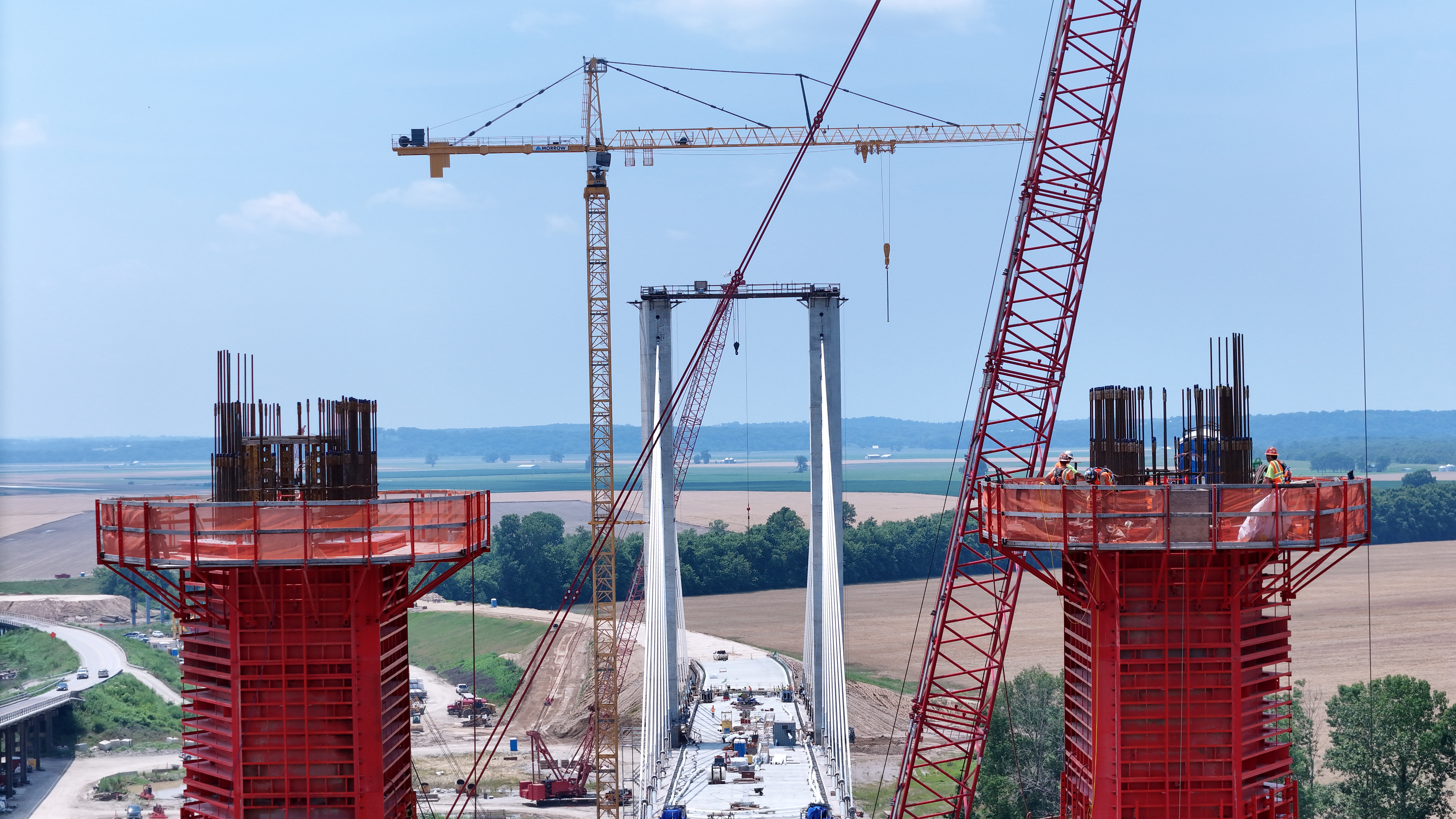
  • Providing scale (construction projects, outdoor events)

Meanwhile, ground cameras shine with:

  • Interviews and close-ups
  • Product demonstrations
  • Interior walkthroughs

By clarifying the purpose of each shot type early on, you reduce overlap and ensure every frame has a defined role in the final edit.


2. Map Out a Unified Shot List

Efficiency starts with planning. A joint drone/ground shoot must be carefully scheduled to avoid unnecessary resets or downtime. Create a master shot list that groups aerial and ground footage by location and time of day.

Pro tip: Don’t forget to consider sun position and weather when timing drone flights. You’ll want to fly during golden hour for cinematic light, but avoid harsh midday sun for interviews or interior shots.

Use mapping tools or location-scouting photos to plan each shot with precision—particularly for drone sequences, where altitude, line of sight, and FAA compliance must be factored in.


3. Synchronize Crew Roles and Communication

When working with both drone and ground units, clear crew communication is essential. Assign specific roles:

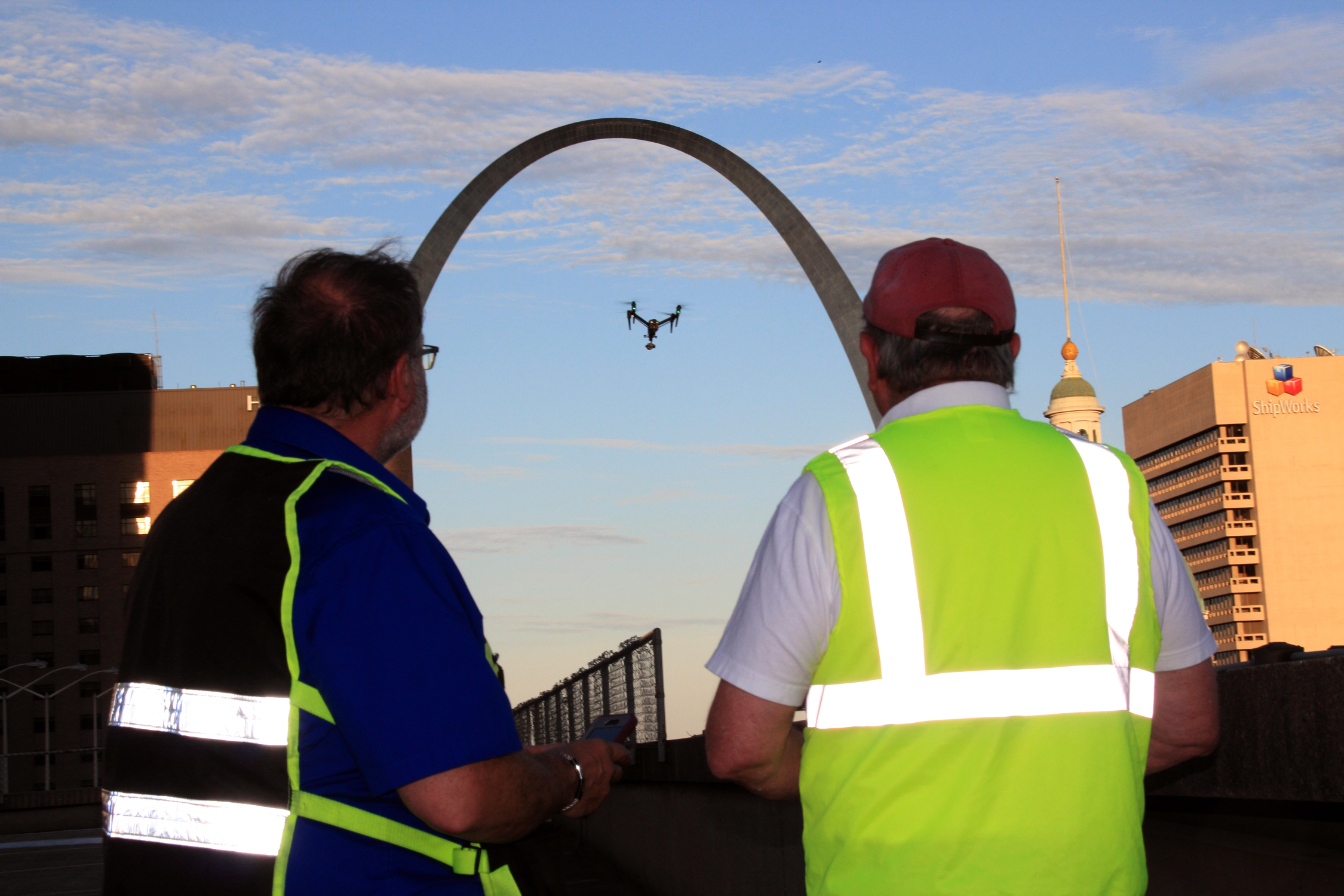
  • Drone Pilot (Part 107 certified)
  • Visual Observer (for drone safety)
  • Ground Camera Operator
  • Director or Producer to coordinate timing and transitions

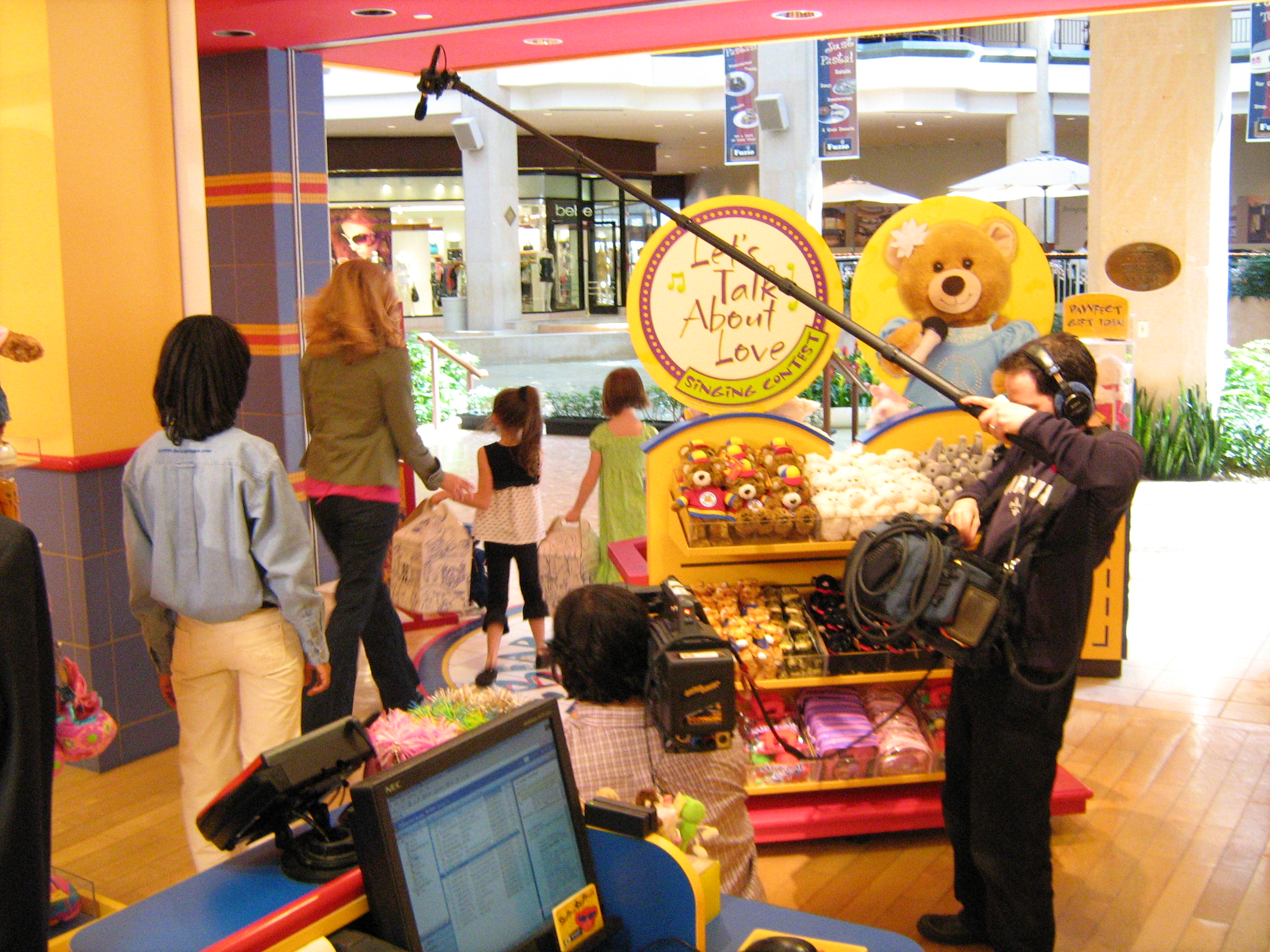
Invest in communication tools like walkie-talkies or wireless headsets. This allows the drone team and ground crew to sync timing, especially when planning seamless transitions (e.g., drone rising from ground-level action or transitioning from an overhead shot into a close-up).


4. Use Matching Gear Settings and Frame Rates

Consistency in image quality is key when blending footage. Both drone and ground cameras should match in:

  • Resolution (e.g., 4K)
  • Frame rate (e.g., 24fps for cinematic, 30fps for corporate)
  • Color profile (shoot in log or flat for more grading flexibility)

At St Louis Video Services, we calibrate all cameras—whether mounted on tripods or flying drones—to ensure a seamless color grade in post. This prevents jarring shifts in contrast, saturation, or sharpness between clips.


5. Plan for Post-Production Integration

Efficient hybrid shoots think ahead to the edit. Capturing enough B-roll and transition footage helps editors bridge aerial and ground sequences smoothly. Consider movement direction, timing, and subject continuity. For example:

  • A drone shot following a subject walking into a building pairs well with a ground-level shot of them entering
  • A rising drone shot can transition into a ground-level scene panning across the same subject

Also, use markers or notes during the shoot for syncing audio and visual cues. Our post-production team uses advanced AI tools and editing software to streamline integration and enhance continuity between formats.


6. Ensure Legal and Safety Compliance

For drone footage, you must always:

  • Fly under FAA Part 107 regulations
  • Secure airspace clearance (especially in urban or restricted zones)
  • Respect privacy laws and no-fly zones
  • Use licensed and insured drone pilots

At St Louis Video Services, our drone operations are fully licensed, insured, and experienced in navigating both urban and rural airspace—including indoor drone flights, which require specialized skill and equipment.


Why Partner with St Louis Video Services?

Since 1982, St Louis Video Services has provided full-service professional video and photography production for businesses, marketing agencies, and organizations throughout the St. Louis area. Our team has the expertise and the gear to deliver seamless ground-and-drone integrated productions.

We offer:

  • Studio and on-location video and photography
  • Advanced post-production and editing services
  • FAA-certified drone pilots
  • Custom lighting setups for small productions and interview scenes
  • Repurposing services to extend the value of your branded content
  • AI-enhanced workflows for faster, more dynamic output

Whether you need a powerful aerial establishing shot or a cinematic interview setup, we bring the right equipment, creative vision, and crew coordination to make your next hybrid shoot a success.

Let us help you plan your next multi-dimensional production—with efficiency, safety, and creative clarity.


Ready to elevate your brand with a dual-perspective video production? Contact St Louis Video Services today to schedule a consultation.

314-604-6544

stlouisvideoservices@gmail.com

B-Roll on a Budget: Tips for Awesome Video

When it comes to creating compelling video content, B-roll is an essential element that enhances storytelling, keeps viewers engaged, and adds a layer of professionalism to your production. However, acquiring high-quality B-roll doesn’t have to break the bank. Whether you’re a business looking to elevate your marketing videos or a creative agency aiming for high-impact content, mastering budget-friendly B-roll strategies can help you achieve professional results without overspending.

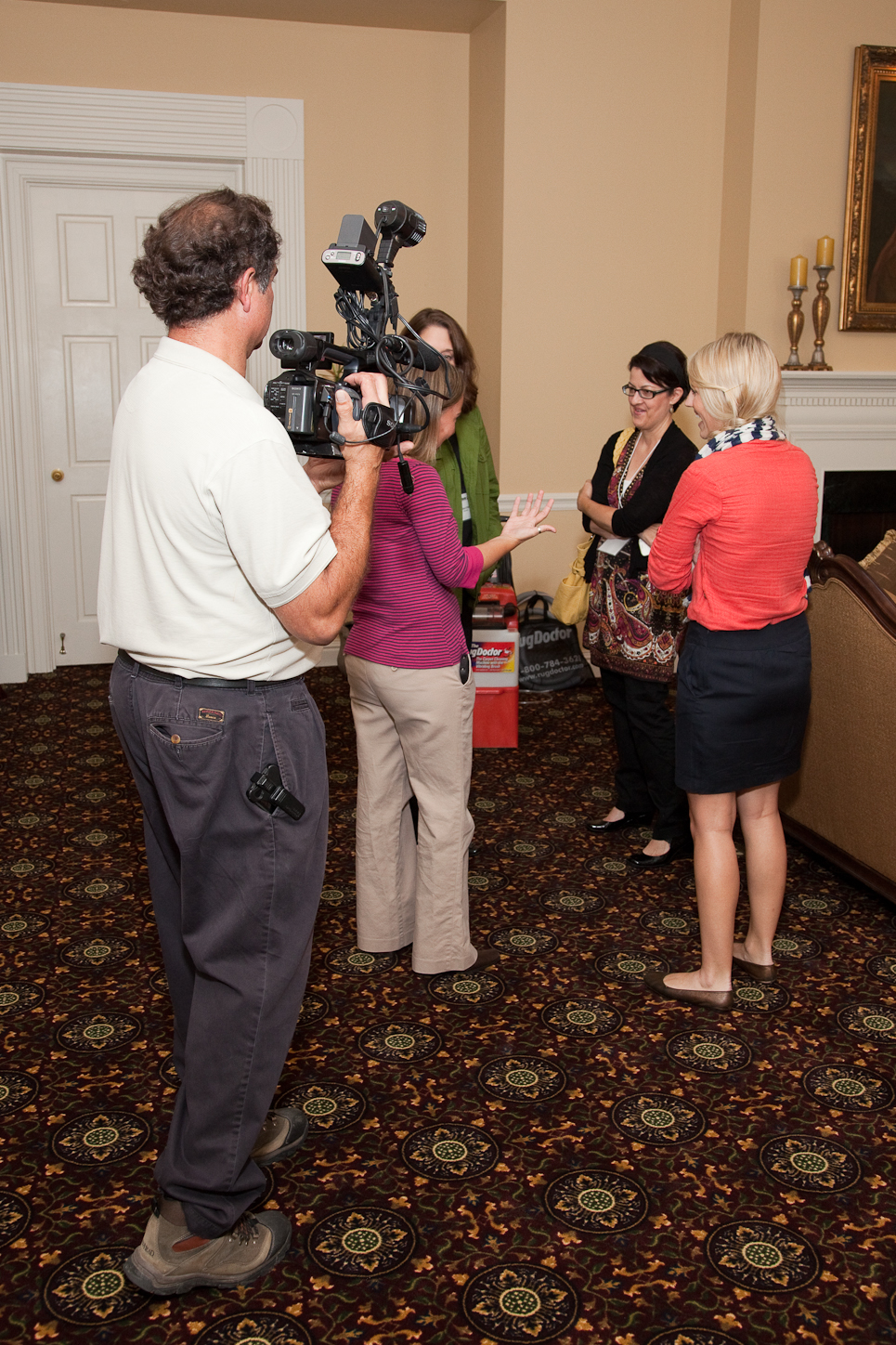
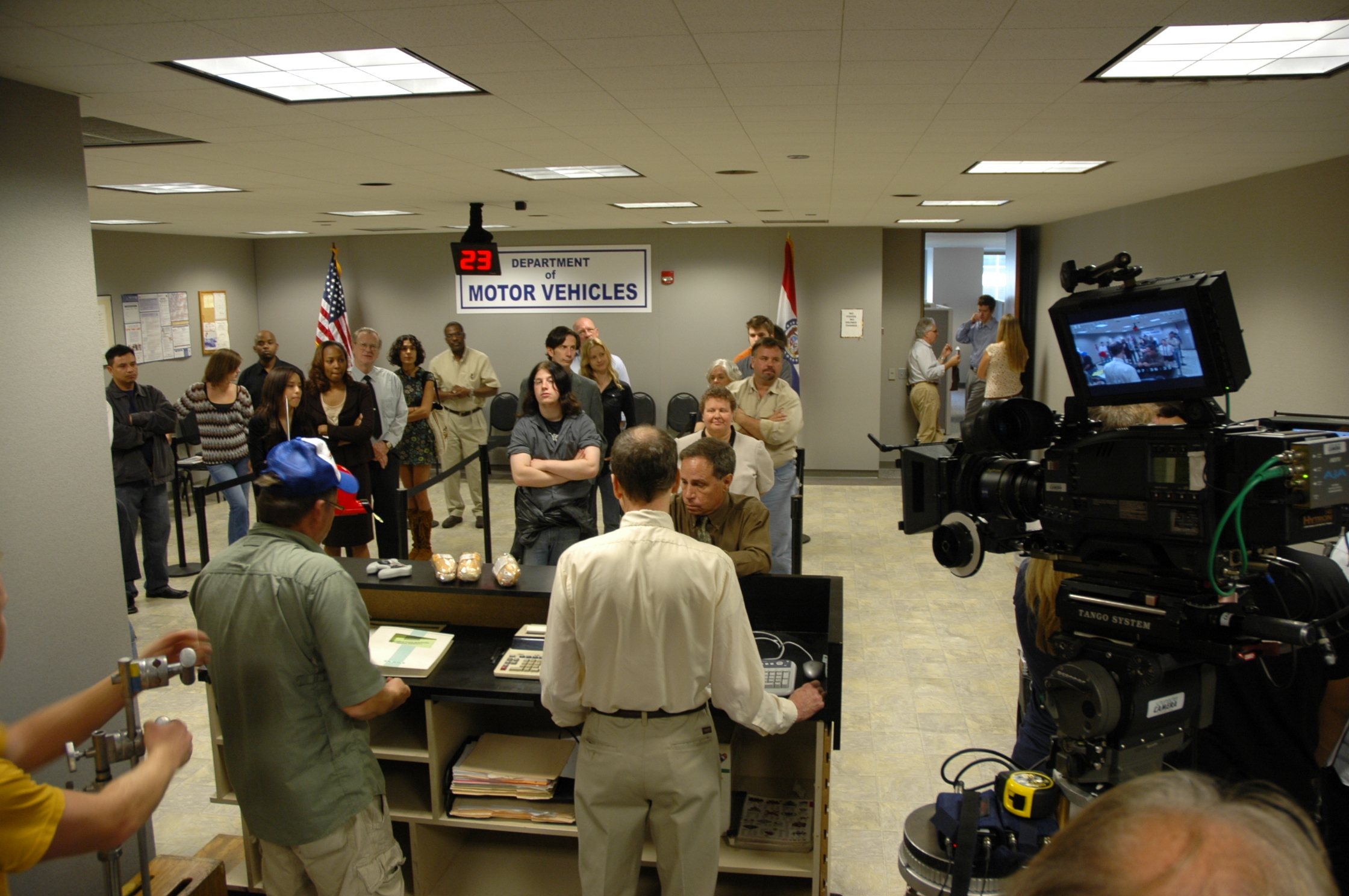
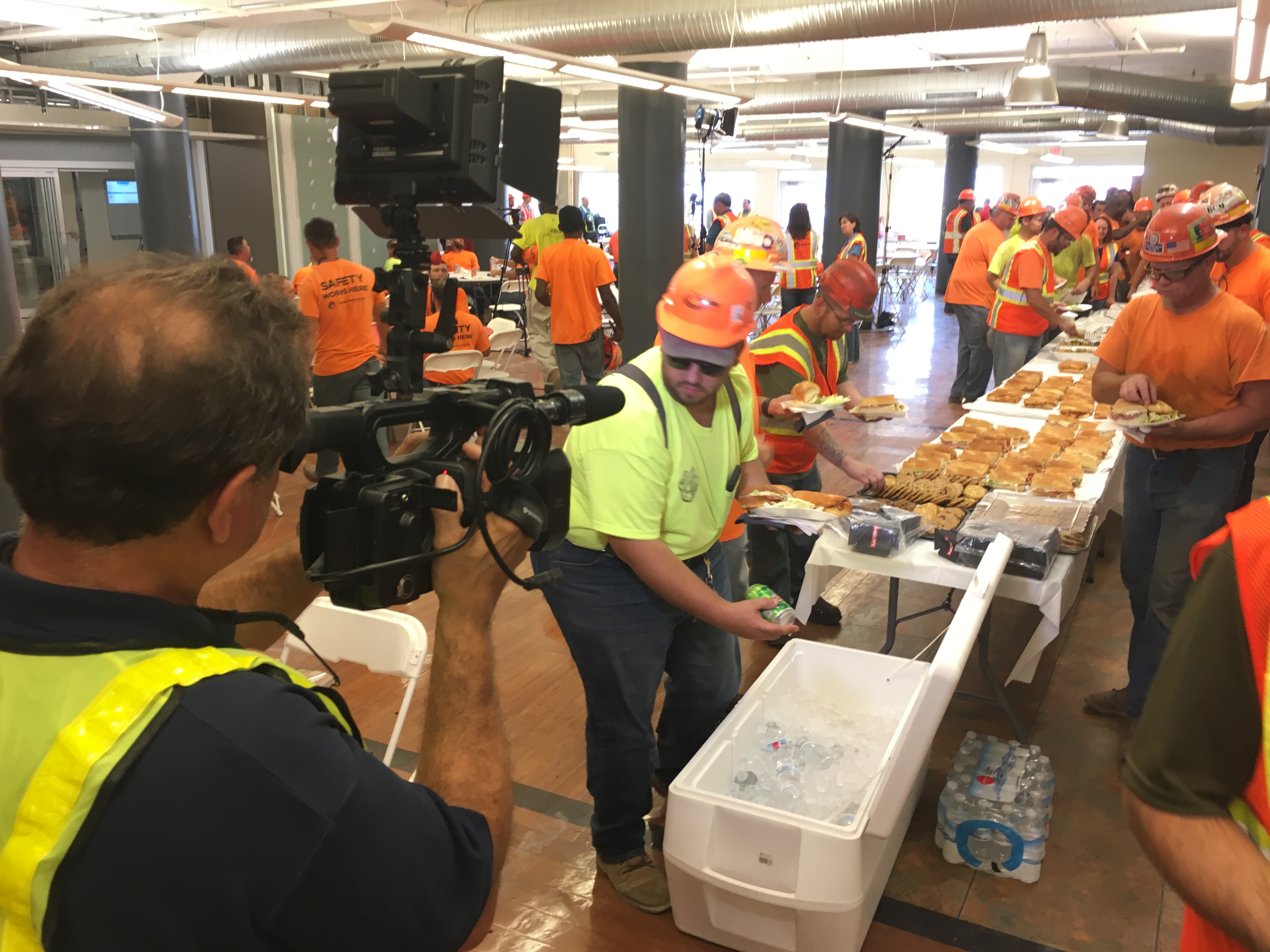
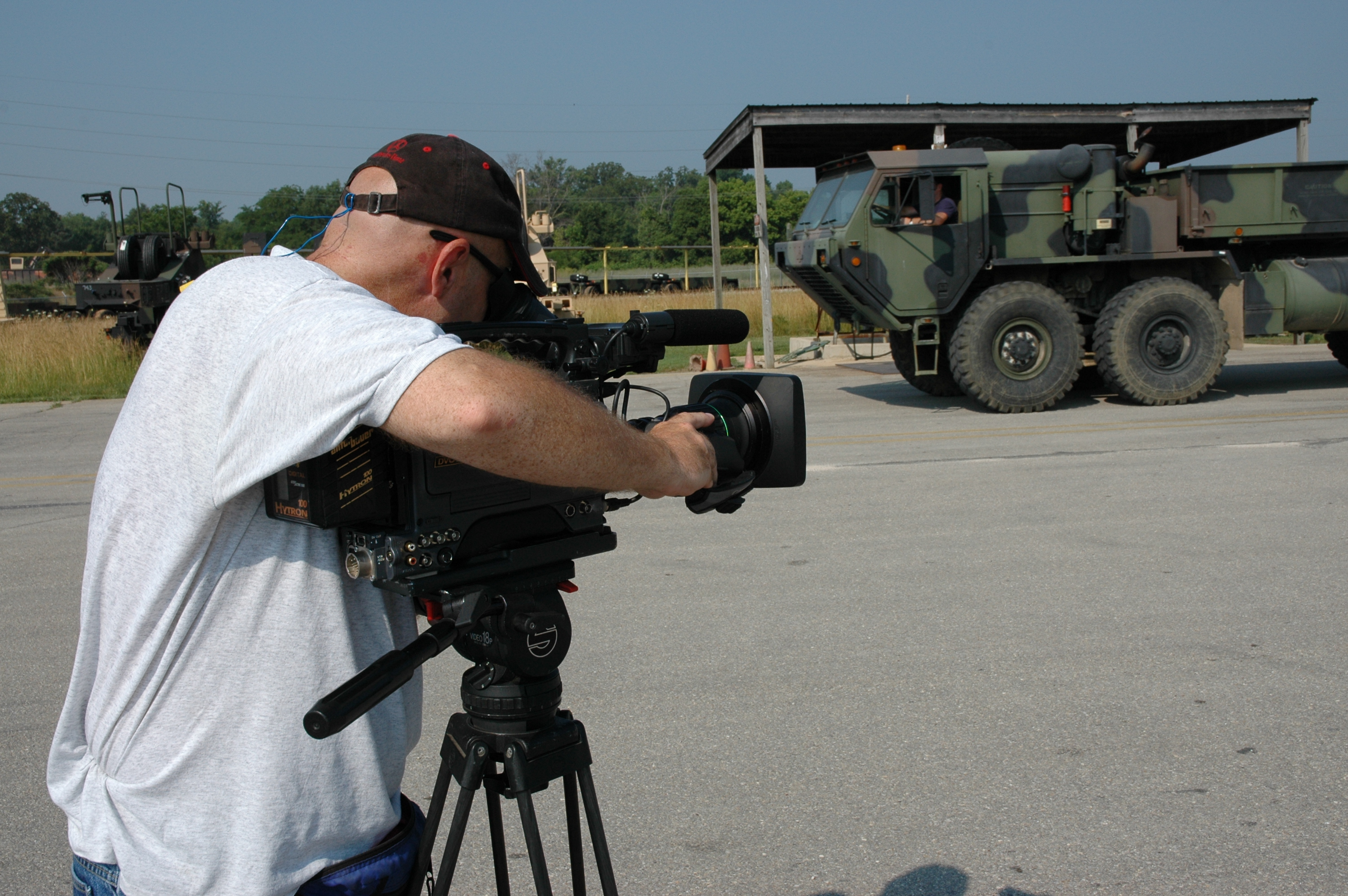
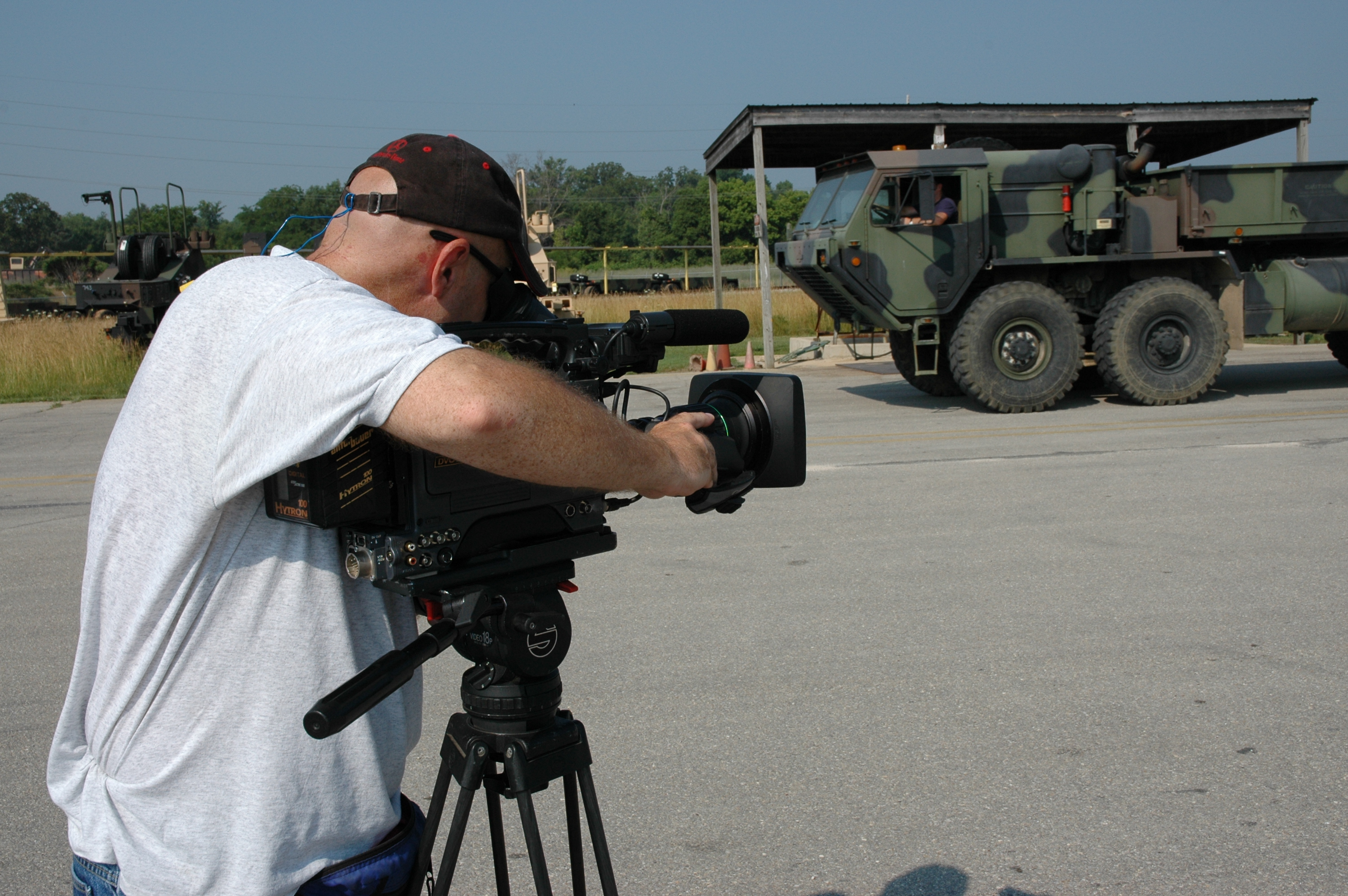
Capture multiple angles, different focal lengths.

Understanding the Power of B-Roll

B-roll refers to the supplemental footage that supports the primary (A-roll) content, such as interviews or scripted scenes. It helps create seamless transitions, illustrates key points, and provides visual interest. Well-executed B-roll makes videos more dynamic, engaging, and visually appealing. Without it, even the most well-spoken on-camera subject can result in a monotonous presentation.

Budget-Friendly B-Roll Strategies

1. Plan Ahead and Storyboard

Before you shoot, outline what B-roll footage you’ll need. Storyboarding or creating a shot list ensures you capture essential visuals efficiently, reducing unnecessary reshoots and wasted time. Knowing what to film in advance allows you to maximize your time on set and minimize costs.

2. Use In-House Resources

Rather than renting expensive locations, leverage in-house spaces, office environments, or outdoor settings that align with your brand’s message. Many businesses already have interesting visual assets such as product displays, employees at work, or branded office interiors that can serve as impactful B-roll.

3. Shoot More Than You Need

Extra footage can be a lifesaver during post-production. Capture multiple angles, different focal lengths, and variations of movements to ensure you have enough material to work with. This avoids the need for costly reshoots.

4. Utilize Stock Footage Wisely

If live shooting isn’t an option, stock video can be an affordable alternative. Choose clips that match your brand’s visual style and integrate them seamlessly with your original footage. Many stock footage platforms offer budget-friendly options with high-quality visuals.

5. Get Creative with Camera Movements

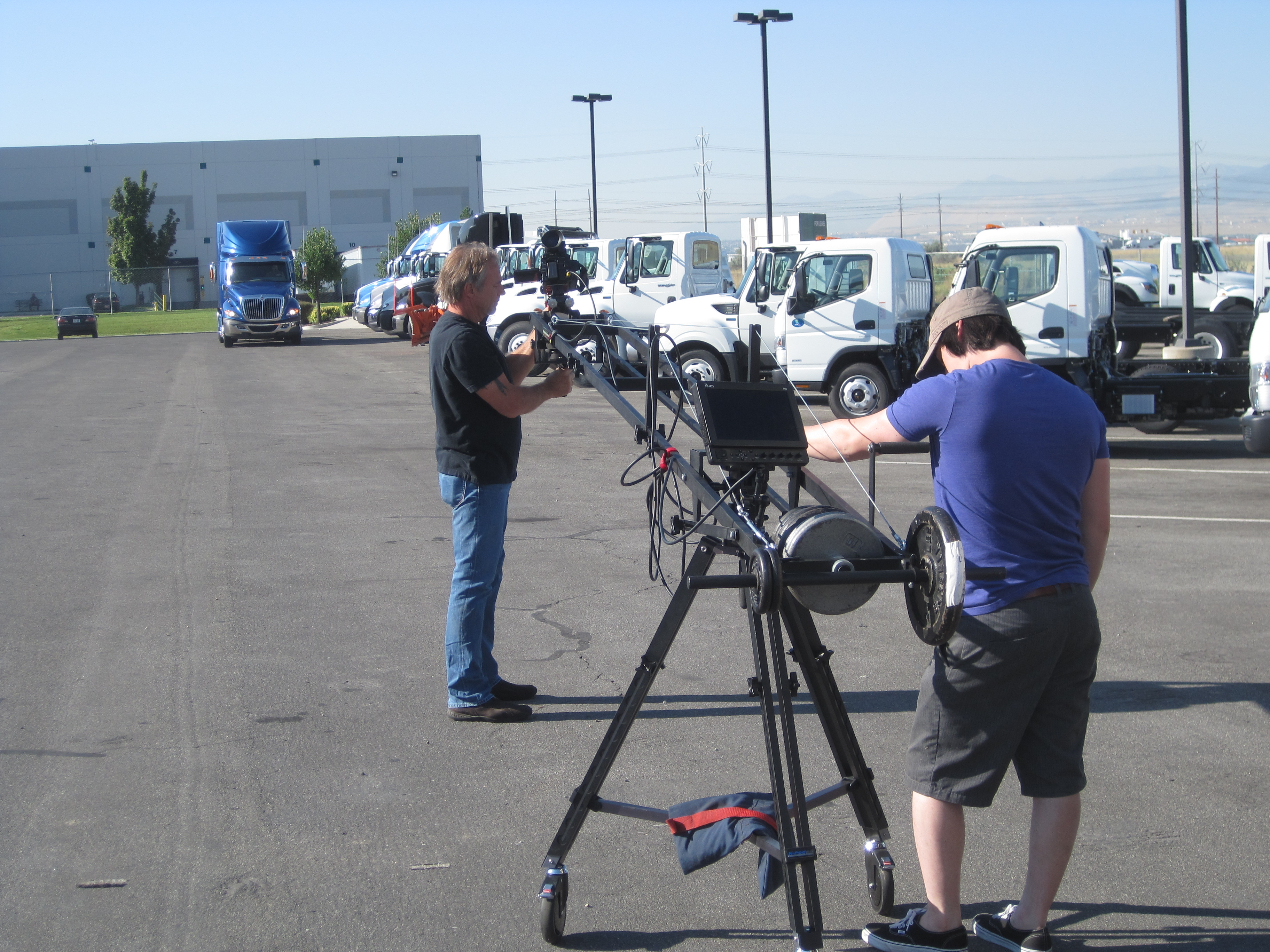
Even with a basic camera setup, dynamic movements can enhance the production value of your B-roll. Handheld shots, slow motion, and panning can add variety and professionalism. If you have access to a stabilizer or a slider, these tools can elevate the quality even further.

6. Leverage Natural Light

Lighting can make or break a video. If studio lights are outside your budget, take advantage of natural light. Positioning subjects near large windows or shooting outdoors during golden hour can yield stunning results without the need for costly lighting setups.

7. Use Drones for High-Impact Shots

Aerial footage can add a cinematic feel to your B-roll. While hiring a drone operator can be expensive, some production companies, like St Louis Video Services, offer licensed drone pilots at a reasonable cost. Drone footage can be particularly effective for showcasing large spaces, events, and scenic backdrops.

8. Optimize Editing Techniques

Post-production is where B-roll truly comes to life. Use transitions, color grading, and slow-motion effects to enhance the footage. Editing software such as Adobe Premiere Pro or DaVinci Resolve offers tools that can refine your B-roll without requiring expensive additional shoots.

The St Louis Video Services Advantage

At St Louis Video Services, we understand the importance of high-quality B-roll in video production. As a full-service professional commercial photography and video production company, we have the right equipment, experienced crew, and creative expertise to ensure successful image acquisition.

We offer full-service studio and location video and photography, as well as editing, post-production, and licensed drone pilots. Whether you need a private custom interview studio setup, sound and camera operators, or high-quality B-roll that aligns with your brand, we have you covered. Our specialized drones can even fly indoors to capture unique perspectives.

Since 1982, we’ve worked with businesses, marketing firms, and creative agencies across the St. Louis area, helping them produce visually compelling content that resonates with their audiences. Contact us today to see how we can bring your next video production to life, even on a budget.

314-604-6544

stlouisvideoservices@gmail.com