In the realm of marketing, video has become a powerful tool to engage audiences, convey messages, and establish brand identity. One of the most effective formats is the video interview, where key people within your organization share insights, explain products, or deliver key messaging in a professional setting. But for these interviews to truly resonate with your audience, preparation is key. Here are the steps to ensure a successful marketing video interview.
The visual environment of the interview can have a huge impact on its effectiveness. You want a setting that reflects your brand, yet is neutral enough to keep the focus on the person speaking.
1. Define Your Goals and Audience
Before stepping in front of the camera, it’s essential to be clear on your goals. What message do you want to communicate? Are you introducing a new product, sharing customer testimonials, or discussing your company’s mission? Understanding your goals will help shape the interview’s content and tone.
Equally important is understanding your audience. Are they potential clients, partners, or industry peers? Knowing who will watch the video helps you tailor the language, tone, and style of the interview to make it more relatable and impactful.
2. Craft the Right Questions
The foundation of a great interview is great questions. These should be carefully crafted to elicit meaningful responses while keeping the audience engaged. Instead of simple yes/no questions, focus on open-ended ones that encourage detailed and thoughtful answers.
For example:
Instead of asking, “Do you think this product will succeed?” ask, “How do you see this product transforming the market?”
Instead of asking, “Can you explain your role?” ask, “What aspects of your role drive the company’s success?”
This approach ensures the interview remains dynamic and informative, offering viewers valuable insights.
3. Prepare the Interviewee
Even the most experienced professionals can become nervous when the camera starts rolling. To avoid stilted responses, it’s essential that interviewees are well-prepared.
Rehearse: Allow interviewees time to practice their responses. Encourage them to stay natural but remind them to hit key points.
Confidence-building: Brief the interviewee on camera techniques, such as maintaining eye contact, speaking clearly, and staying calm.
Focus on key messages: Make sure they understand the main message or points that need to come across.
An interviewee who feels prepared will appear more confident, relaxed, and authentic on camera.
4. Set the Scene
The visual environment of the interview can have a huge impact on its effectiveness. You want a setting that reflects your brand, yet is neutral enough to keep the focus on the person speaking.
Here are key considerations for setting the scene:
Background: Choose a clean, uncluttered background that complements the tone of the interview. Avoid distractions or elements that can steal focus.
Lighting: Proper lighting is crucial for professional-quality video. Aim for soft, even lighting to avoid harsh shadows. At St Louis Video Services, we provide private studio lighting setups tailored to small productions and interview scenes.
Props and Set Design: Depending on the theme, props or set elements can enhance the video. A large enough studio space, like ours, offers the flexibility to incorporate relevant props that complement the interview.
5. Pay Attention to Sound Quality
A high-quality video interview depends as much on sound as it does on visuals. Clear, crisp audio ensures your audience can fully engage with the content. We recommend using professional microphones, as the built-in microphones in cameras may not deliver the best sound quality.
At St Louis Video Services, we provide professional sound operators who ensure the perfect audio setup for interviews. Whether it’s reducing background noise or ensuring the right levels, proper audio will make a big difference in how your video is perceived.
6. Timing and Pacing
A successful interview video is concise yet thorough. While you want to dive deep into key points, avoid lengthy rambling answers. Keep responses focused and to the point. A well-timed and paced interview will keep the audience engaged while still delivering all necessary information.
7. Post-Production and Editing
The post-production phase is where the magic happens. Editing ensures the interview flows smoothly, trimming unnecessary segments and highlighting key moments. It’s also where branding elements, captions, and graphics can be added to reinforce your message.
At St Louis Video Services, our post-production experts will craft the final product to align with your brand’s vision. We can incorporate graphics, add captions, and ensure that the final video reflects a polished and professional look.
Why Choose St Louis Video Services for Your Next Interview Production?
At St Louis Video Services, we understand the importance of getting every element of your video interview just right. As a full-service professional commercial photography and video production company, we offer top-tier equipment and a highly experienced creative crew to ensure successful image and video acquisition.
Our services extend beyond basic production. We provide:
Full-service studio and location video and photography: Whether you’re shooting in our studio or on location, we have the right tools and skills.
Editing and post-production: Your video will go through meticulous editing to ensure the highest quality.
Licensed drone pilots: We can elevate your production with dynamic aerial footage and even fly drones indoors.
Custom productions: We tailor each production to your specific media requirements, ensuring your message is clear and impactful.
Repurposing photography and video branding: We help you get more traction from your media assets by repurposing them across platforms.
Studio lighting and setup: Our private studio lighting and set designs are perfect for small productions or interviews, and our large studio space allows for versatile set designs that can include props to round out your visual story.
Since 1982, we have worked with businesses, marketing firms, and agencies across the St. Louis area. Whether you need a custom interview setup, camera operators, sound engineers, or cutting-edge equipment, St Louis Video Services has everything you need to make your next video production perfect.
Let us help you tell your story through a successful marketing video interview. Contact us today to get started.
In the ever-evolving landscape of visual storytelling, understanding the varying sizes and types of video production crews is crucial for decision-makers in businesses and organizations seeking to make informed choices. Whether you’re planning a high-end commercial, a corporate training video, or a product launch, the crew you assemble will directly impact the quality, efficiency, and success of your production.
Add a drone pilot to your video crew.
1. Small Production Crews
Small production crews typically consist of 1-4 members and are ideal for projects requiring agility and minimal setups. These crews are perfect for:
Interviews and Testimonials: A small team can handle lighting, sound, and camera operations efficiently, making them ideal for capturing candid interviews or client testimonials.
Corporate Training Videos: When simplicity and direct communication are key, a small crew can focus on delivering clear, concise content without the need for elaborate setups.
Product Demos: For product demonstrations, where focus and clarity are essential, a small crew can ensure that every detail is captured effectively.
Roles in Small Production Crews:
Director/Producer: Often wearing multiple hats, the director/producer oversees the project from concept to completion.
Cinematographer: The cinematographer handles camera operations and often lighting.
Sound Technician: Ensures high-quality audio, which is crucial for interviews and testimonials.
Production Assistant (PA): Assists with various tasks, ensuring smooth operation on set.
2. Medium Production Crews
Medium-sized crews, consisting of 5-10 members, strike a balance between efficiency and creativity. These crews are suitable for more complex projects, such as:
Corporate Commercials: When your brand needs a polished, professional commercial, a medium crew can manage the demands of multiple locations, lighting setups, and talent.
Event Coverage: For events like conferences or corporate gatherings, a medium crew can capture a wide range of footage, from keynote speeches to attendee interactions.
Branded Content: Creating content that resonates with your audience often requires a more creative approach, which a medium crew can provide through diverse camera angles, lighting techniques, and post-production effects.
Roles in Medium Production Crews:
Director/Producer: Focuses on the creative vision and overall production management.
Cinematographer: Manages the camera crew and lighting design.
Camera Operators: Operate multiple cameras to capture different angles.
Gaffer: Handles the lighting setup, ensuring the right mood and tone.
Grip: Manages equipment, rigging, and other technical aspects.
Editor: Works closely with the director to assemble the footage into the final product.
3. Large Production Crews
Large production crews, often exceeding 10 members, are necessary for high-budget, complex productions such as:
Feature Films: For cinematic productions, a large crew is essential to handle the extensive demands of locations, special effects, and large casts.
High-End Commercials: When your brand requires a production that rivals Hollywood standards, a large crew can provide the expertise and manpower needed to achieve this.
Live Broadcasts: Covering live events with multiple cameras, real-time editing, and dynamic audio requires a well-coordinated large crew.
Roles in Large Production Crews:
Director/Producer: Oversees the entire production, often supported by assistant directors.
Director of Photography (DP): Responsible for the visual style and quality, working closely with the director.
Camera Operators: Operate various cameras, including specialized rigs like cranes or drones.
Sound Department: Includes a sound mixer, boom operator, and other audio professionals.
Lighting Department: Led by the gaffer, with a team of electricians and grips.
Art Department: Handles set design, props, and costumes to create the desired environment.
Post-Production Team: Editors, colorists, and special effects artists work to finalize the visual and audio aspects of the production.
The Importance of Choosing the Right Crew
Selecting the appropriate crew size is not just about budget; it’s about matching the crew’s capabilities with your project’s needs. A well-balanced crew ensures that your production is completed on time, within budget, and to the highest standard of quality.
Why St Louis Video Services is the Right Choice for Your Production
At St Louis Video Services, we understand the nuances of video production and tailor our crews to meet the specific needs of your project. As a full-service professional commercial photography and video production company, we bring over four decades of experience to the table. Our team is equipped with the right tools and creative expertise to ensure successful image acquisition, whether it’s a small, agile crew for intimate interviews or a large, sophisticated team for a high-end commercial.
We offer comprehensive services, from studio and location video and photography to editing, post-production, and licensed drone pilots. Our ability to customize productions for diverse media requirements, combined with our expertise in repurposing photography and video branding, ensures your content gains maximum traction. We are proficient in all file types and media styles, and our private studio is perfect for small productions and interview scenes, complete with the space to incorporate props and create a dynamic set.
Since 1982, we have been the trusted partner for businesses, marketing firms, and agencies in the St. Louis area, delivering top-tier corporate photography and video. Let St Louis Video Services make your next video production perfect, from custom studio setups to specialized indoor drone operations. Trust our experienced team to bring your vision to life with professionalism, creativity, and precision.
In today’s digital age, testimonial videos have become a cornerstone of marketing strategies for businesses and organizations. These powerful tools provide authentic, relatable content that can significantly influence potential customers. However, creating compelling testimonial videos is an art that requires expertise, the right equipment, and a deep understanding of storytelling. In this blog post, we will explore the key elements of mastering testimonial video interview productions and how St Louis Video Services can elevate your brand through professional video production.
Incorporate text overlays, graphics, and background music to enhance the video’s appeal and reinforce key points.
The Importance of Testimonial Videos
Testimonial videos serve as social proof, showcasing real customers or clients who vouch for your product or service. They build trust and credibility, offering prospective clients an inside look at the positive experiences of others. These videos are particularly effective because they:
Humanize your brand: Real people sharing genuine experiences resonate more with audiences than traditional advertisements.
Boost credibility: Hearing positive feedback from satisfied customers can significantly influence buying decisions.
Enhance engagement: Testimonial videos are more engaging and memorable than text-based reviews.
Planning Your Testimonial Video
The success of a testimonial video starts with meticulous planning. Here are the steps to ensure your production is seamless and impactful:
Identify the Right Participants: Choose clients or customers who are enthusiastic and articulate about their positive experiences with your brand. Their stories should align with your target audience’s interests and pain points.
Craft a Compelling Story: Develop a narrative that highlights the problem your client faced, the solution your product or service provided, and the positive outcomes they experienced. This structure creates a clear and relatable storyline.
Prepare Interview Questions: Prepare open-ended questions that encourage detailed responses. Questions should be designed to elicit emotional and specific feedback rather than simple yes or no answers.
Setting Up the Perfect Interview
Creating a visually appealing and acoustically sound environment is crucial for testimonial videos. Here’s how to achieve it:
Choose the Right Location: A quiet, well-lit space is ideal. Our private studio at St Louis Video Services is perfect for small productions and interview scenes, offering the flexibility to incorporate props to enhance the set.
Lighting: Proper lighting is essential to create a professional look. Use soft, diffused light to avoid harsh shadows. Our studio is equipped with professional lighting setups to ensure your subject looks their best.
Sound Quality: Clear audio is just as important as high-quality visuals. Use lavalier or shotgun microphones to capture crisp, clear sound. Our team includes experienced sound operators to ensure top-notch audio quality.
Conducting the Interview
During the interview, it’s important to make your subjects feel comfortable and at ease. Here are some tips:
Build Rapport: Spend a few minutes chatting with your interviewee before filming to help them relax.
Encourage Authenticity: Encourage them to speak naturally and share their genuine experiences.
Capture B-Roll Footage: B-roll footage of your interviewee using your product or service adds depth to the narrative and makes the video more engaging.
Post-Production Magic
Editing is where your testimonial video truly comes to life. Here’s what to focus on during post-production:
Select the Best Clips: Choose the most compelling and authentic moments from the interview to include in the final video.
Add Visual and Audio Enhancements: Incorporate text overlays, graphics, and background music to enhance the video’s appeal and reinforce key points.
Ensure Consistency: Maintain a consistent visual and auditory style that aligns with your brand’s identity.
Why Choose St Louis Video Services
At St Louis Video Services, we are a full-service professional commercial photography and video production company with the expertise and equipment needed for successful image acquisition. Since 1982, we have worked with numerous businesses, marketing firms, and agencies in the St. Louis area, providing custom productions for various media requirements.
Our comprehensive services include:
Studio and Location Video and Photography: We offer both in-studio and on-location shoots, ensuring versatility for any production need.
Editing and Post-Production: Our skilled editors transform raw footage into polished, professional videos.
Licensed Drone Pilots: Our specialized drones can capture stunning aerial shots, even indoors.
Customized Productions: We tailor each project to meet specific branding and marketing goals, repurposing your content to maximize traction.
Expertise in Media and Software: We are well-versed in all file types, styles of media, and accompanying software, ensuring seamless integration with your marketing platforms.
Private Studio: Our studio is equipped with professional lighting and visual setups, perfect for small productions and interview scenes.
From sound and camera operators to state-of-the-art equipment, we provide everything needed to make your next video production perfect. Whether it’s a private custom interview studio setup or a large-scale production, St Louis Video Services has the experience and creative crew to bring your vision to life. Partner with us to create testimonial videos that not only tell your story but also drive results for your business.
Everything You Need to Know About Your Next Interview Video Production
Our private studio lighting and visual setup is perfect for small productions and interview scenes, and our studio is large enough to incorporate props to round out your set.
Professional Interview Videos
Creating impactful and professional interview videos is an art form that requires expertise, creativity, and attention to detail. At St Louis Video Services, our experienced team of videographers and editors work closely with you to capture authentic and compelling interview videos that resonate with your audience. Whether it’s a heartfelt endorsement, a success story, or a case study, we ensure that your clients’ stories are told in a captivating and engaging manner.
Interviews and Storytelling
We believe that storytelling is at the heart of every great interview video. Our process begins with conducting in-depth interviews with your satisfied clients to uncover their experiences and insights. Our team then skillfully crafts these stories into powerful interview videos that highlight the unique benefits and value of your products or services. Through meticulous editing and post-production, we ensure that each video effectively communicates your message and engages your audience.
Customization Options
At St Louis Video Services, we understand that every business has unique needs and objectives. That’s why we offer customizable packages for your interview videos. Whether you need individual interview videos for each of your clients or a compilation video showcasing multiple interviews, we can tailor our services to suit your specific requirements. We also incorporate branding elements and messaging to ensure that your interview videos align seamlessly with your overall marketing strategy.
High-Quality Production
Quality is our hallmark. Utilizing state-of-the-art equipment and cutting-edge techniques, we guarantee that your interview videos are of the highest caliber. From expert lighting and sound to meticulous editing and post-production, we pay attention to every detail to deliver professional and polished videos that leave a lasting impression. Our private studio lighting and visual setup is perfect for small productions and interview scenes, and our studio is large enough to incorporate props to round out your set.
Frequently Asked Questions
What are the most frequently asked questions of a video production company for a video interview production?
What is the typical process for creating an interview video?
Answer: Our process begins with a consultation to understand your goals and objectives. We then plan the shoot, conduct the interviews, and capture the footage. Post-production involves editing, adding any necessary graphics or branding elements, and finalizing the video for distribution.
How long does it take to produce an interview video?
Answer: The timeline can vary depending on the complexity and length of the video, but typically, the entire process from planning to final delivery takes between 2 to 4 weeks.
What kind of equipment do you use?
Answer: We use state-of-the-art cameras, lighting, and audio equipment to ensure the highest quality production. Our equipment is suitable for both studio and on-location shoots.
Can you help with scripting and question preparation?
Answer: Yes, we offer full support with scripting and preparing questions to ensure that the interview flows smoothly and covers all necessary points.
Do you offer post-production services?
Answer: Absolutely. Our post-production services include editing, color correction, sound design, and adding any graphics or branding elements to ensure a polished final product.
What if we need multiple interview videos?
Answer: We offer customizable packages to meet your needs, whether you require multiple individual interview videos or a compilation video.
Why Choose St Louis Video Services
St Louis Video Services is a full-service professional commercial photography and video production company with the right equipment and creative crew service experience for successful image acquisition. We offer comprehensive studio and location video and photography, as well as editing, post-production, and licensed drone pilots.
We specialize in customizing your productions for diverse types of media requirements, ensuring that your photography and video branding gain more traction. Our expertise extends to all file types and styles of media and accompanying software. Our private studio is perfect for small productions and interview scenes, providing a versatile space large enough to incorporate props to enhance your set.
From providing sound and camera operators to flying specialized drones indoors, we have everything you need to make your next video production perfect. St Louis Video Services has a proven track record of working with numerous businesses, marketing firms, and agencies in the St. Louis area for their corporate photography and video needs.
With our commitment to quality and customer satisfaction, we are your trusted partner for all your interview video production needs. Let us help you tell your story in the most compelling and professional way possible.
Sit-down interviews are a powerful tool in any video production arsenal. They provide an opportunity to capture genuine moments, share compelling stories, and convey important messages directly from the source. However, executing a successful sit-down interview requires careful planning and attention to detail. As experienced photographers and video producers at St Louis Video Services, we’ve seen our fair share of interview mishaps. Here are five common mistakes to avoid when working with camera crews for sit-down interviews:
Sit-down interviews capture genuine moments, share compelling stories, and convey important messages directly from the source. However, executing a successful sit-down interview requires careful planning and attention to detail.
1. Poor Lighting
Good lighting is essential for capturing high-quality video footage and ensuring your subject looks their best. One common mistake is relying solely on natural light, which can be unpredictable and inconsistent. Instead, invest in professional lighting equipment to control the brightness and ambiance of the interview setting. Properly positioned lights can help eliminate shadows and create a flattering glow, enhancing the overall look of your video.
2. Inadequate Sound Quality
Clear audio is just as important as crisp visuals in a sit-down interview. Poor sound quality can detract from the message being conveyed and make it difficult for viewers to engage with the content. To avoid this mistake, use high-quality microphones and audio recording equipment. Consider factors such as background noise and echo, and take steps to minimize any potential disruptions during the interview.
3. Lack of Preparation
Effective interviews require thorough preparation on the part of both the interviewer and the interviewee. One common mistake is diving into the conversation without a clear plan or agenda. Take the time to research the topic beforehand, prepare a list of questions, and establish the overall tone and direction of the interview. This will help keep the conversation focused and ensure you capture the most relevant and compelling content.
4. Overlooking Visual Composition
The visual composition of your interview footage plays a crucial role in conveying emotion and meaning to your audience. One common mistake is neglecting elements such as framing, camera angles, and background aesthetics. Pay attention to the placement of the camera, the positioning of the subject within the frame, and the overall visual balance of the shot. Incorporating visually appealing elements can enhance the storytelling aspect of your interview and capture the viewer’s attention.
5. Ignoring Post-Production
The work doesn’t end once the interview is over. Post-production editing is a critical step in refining your footage and ensuring it meets your desired standards. One common mistake is rushing through the editing process or neglecting key aspects such as color correction, audio enhancement, and pacing. Take the time to carefully review and fine-tune your footage, paying attention to details such as transitions, graphics, and overall continuity. This will help elevate the final product and create a polished and professional end result.
By avoiding these common mistakes, you can ensure that your sit-down interviews are engaging, impactful, and visually stunning. At St Louis Video Services, we understand the importance of flawless execution in every aspect of video production. With our extensive experience, state-of-the-art equipment, and creative expertise, we’re committed to helping you achieve your vision and captivate your audience.
St Louis Video Services is a full-service professional commercial photography and video production company with the right equipment and creative crew service experience for successful image acquisition. We offer full-service studio and location video and photography, as well as editing, post-production, and licensed drone pilots. St Louis Video Services can customize your productions for diverse types of media requirements. Repurposing your photography and video branding to gain more traction is another specialty. We are well-versed in all file types and styles of media and accompanying software. Our private studio lighting and visual setup are perfect for small productions and interview scenes. Our studio is large enough to incorporate props to round out your set. We can help with every part of your production, from a private custom interview studio setup to providing sound and camera operators to equipment. We have everything to make your next video production perfect. We can even fly our specialized drones indoors. As a full-service video and photography production company, St Louis Video Services has worked with many businesses, marketing firms, and agencies in the St. Louis area for their corporate photography and video needs.
Trade shows are bustling hubs of activity where businesses showcase their products, services, and innovations. Amidst the flurry of networking and presentations, video interviews stand out as a powerful tool for capturing valuable insights and fostering meaningful connections. However, the success of these interviews hinges not only on the quality of equipment and technical prowess but also on the questions asked.
By striking the right balance, showcasing diversity, and leveraging technology, you can elevate your video interview strategy to new heights of success.
Understanding the Purpose
Before diving into crafting questions, it’s crucial to clarify the purpose of the video interviews. Are they aimed at gathering testimonials from satisfied clients, exploring industry trends, or highlighting key features of your own products/services? Understanding the overarching goal will guide the direction of your questions and ensure alignment with your business objectives.
Tailoring Questions to Your Audience
The attendees at trade shows come from diverse backgrounds, representing various interests and roles within their organizations. Tailoring questions to resonate with your target audience is paramount. Whether it’s addressing pain points, offering solutions, or sharing success stories, the questions should be relevant and engaging to elicit informative responses.
Striking the Right Balance
A successful video interview is like a dance between the interviewer and interviewee, where each step is carefully orchestrated to maintain rhythm and harmony. Striking the right balance between open-ended and specific questions is essential. Open-ended questions encourage elaboration and facilitate organic conversation, while specific questions provide clarity and focus.
Fostering Authenticity
In an era dominated by curated content and scripted responses, authenticity reigns supreme. Authenticity builds trust and credibility, making your video interviews more compelling and relatable. Encourage interviewees to speak from their own experiences and perspectives, allowing their authentic voice to shine through.
Showcasing Diversity
Diversity enriches the fabric of your video interviews, offering varied insights and viewpoints. Consider incorporating a mix of interviewees from different backgrounds, industries, and roles. This diversity not only broadens the scope of your content but also enhances its relevance and appeal to a wider audience.
Leveraging Technology
Technology plays a pivotal role in enhancing the quality and impact of your video interviews. Invest in high-quality cameras, microphones, and lighting equipment to ensure professional-grade production values. Additionally, embrace innovative tools such as live streaming and interactive elements to engage viewers in real-time.
Conclusion: Elevating Your Video Interview Strategy
Crafting compelling questions for video interviews at trade shows requires a strategic approach that aligns with your business objectives, resonates with your audience, and fosters authenticity. By striking the right balance, showcasing diversity, and leveraging technology, you can elevate your video interview strategy to new heights of success.
As a full-service video and photography production company, St Louis Video Services has worked with many businesses, marketing firms, and agencies in the St. Louis area for their corporate photography and video. Let us partner with you to customize your productions for diverse types of media requirements and repurpose your branding to gain more traction. Contact us today to learn more about our comprehensive services.
In today’s digitally-driven world, the power of video content in marketing cannot be overstated. From engaging potential customers to enhancing brand identity, videos have become an indispensable tool for businesses of all sizes and industries. As decision-makers in photography and video production services for businesses and organizations, it’s crucial to understand the types of videos that can elevate your marketing efforts and drive results. Here are some must-have videos that every business should consider incorporating into their marketing strategy:
Customer testimonials provide social proof and validation for your business. Hearing satisfied customers share their positive experiences can be incredibly persuasive for potential buyers.
1. Brand Introduction Video
A brand introduction video serves as a powerful way to introduce your business to your target audience. It should effectively communicate your brand’s values, mission, and unique selling points in a compelling and memorable way. By showcasing what sets your brand apart, you can establish a strong connection with potential customers right from the start.
2. Product or Service Showcase
Showcasing your products or services through video allows potential customers to see them in action. Whether it’s a demonstration of how your product works or a walkthrough of your service offerings, this type of video can help build trust and confidence in what you have to offer.
3. Customer Testimonials
Customer testimonials provide social proof and validation for your business. Hearing satisfied customers share their positive experiences can be incredibly persuasive for potential buyers. Consider featuring authentic testimonials in video format to add credibility to your brand and inspire trust in your audience.
4. Educational Content
Creating educational videos related to your industry or niche can position your brand as a thought leader and authority in the field. Whether it’s how-to guides, tutorials, or informational videos, providing valuable content that addresses the pain points of your target audience can help attract and retain customers.
5. Behind-the-Scenes
Offering a glimpse behind the scenes of your business humanizes your brand and fosters a sense of transparency. Whether it’s showcasing your team at work, giving a tour of your facilities, or sharing the process behind product development, behind-the-scenes videos can help forge a deeper connection with your audience.
Conclusion
Incorporating these must-have videos into your marketing strategy can help you effectively engage your target audience, build brand awareness, and drive conversions. As a full-service video and photography production company, St Louis Video Services has the expertise and resources to bring your vision to life. With our experienced creative crew, state-of-the-art equipment, and commitment to excellence, we can customize productions to meet diverse media requirements and ensure successful image acquisition. Let us help you elevate your marketing efforts with compelling video content that resonates with your audience.
Call to Action: As a full-service video and photography production company, St Louis Video Services has worked with many businesses, marketing firms, and agencies in the St. Louis area for their corporate photography and video. Contact us today to discuss how we can help you achieve your marketing goals.
With St Louis Video Services, your brand’s story is in capable hands.
St Louis Video Services is a full-service professional commercial photography and video production company with the right equipment and creative crew service experience for successful image acquisition. We offer full-service studio and location video and photography, as well as editing, post-production, and licensed drone pilots. St Louis Video Services can customize your productions for diverse types of media requirements. Repurposing your photography and video branding to gain more traction is another specialty. We are well-versed in all file types and styles of media and accompanying software.
6:00 AM: Rise and Shine My day as a video director specializing in business testimonials begins early. I kick-start my morning with a nutritious breakfast, knowing that it’s essential to fuel up for the day ahead.
7:00 AM: Equipment Check Before setting out for the shoot location, I meticulously review and pack all the necessary gear. Alongside the cameras, lenses, and lighting equipment, I ensure we have backup batteries, memory cards, and any specialized tools needed for the day’s shoot.
8:00 AM: Arrival at the Location Upon reaching the client’s premises, I touch base with the team and the client to discuss the shooting plan. We review the script and storyboard, making any necessary adjustments to align with the client’s objectives and ensure a smooth production process.
9:00 AM: Set Preparation With everyone on the same page, we dive into setting up the shoot environment. This involves arranging the backdrop, adjusting lighting for optimal visibility and aesthetics, and fine-tuning camera angles to capture the testimonials in the best possible light.
Mike Haller, Videographer / Photographer at St Louis Soccer Stadium
10:00 AM: Interview Sessions As the director, I lead the interview sessions, guiding each participant through the process with professionalism and empathy. I ask probing questions that encourage genuine responses, fostering an atmosphere of authenticity and trust.
12:00 PM: Lunch Break After completing a series of interviews, we break for lunch. It’s a chance to recharge and review the footage captured so far, ensuring we’re on track to meet the client’s expectations.
1:00 PM: Continued Filming After lunch, we dive back into filming, capturing additional testimonials and B-roll footage to enrich the storytelling. I pay close attention to details, ensuring consistency in tone and messaging across all segments.
3:00 PM: B-Roll and Additional Shots In addition to the testimonials, we capture supplementary footage to provide context and visual interest. Whether it’s showcasing the business environment, products in action, or team interactions, every shot is carefully planned to enhance the narrative.
5:00 PM: Wrap-Up and Equipment Breakdown As the shooting day winds down, we wrap up the final interviews and begin breaking down the equipment. I ensure that everything is packed securely and accounted for before bidding farewell to the client and the team.
6:00 PM: Post-Production Planning Back at the studio, I dive into post-production planning. This involves reviewing the footage, selecting the best takes, and outlining the editing process. I collaborate with the editing team to brainstorm creative ideas and establish a timeline for delivering the final product.
8:00 PM: Wind Down and Reflection With the day’s work behind me, I take a moment to unwind and reflect on the day’s successes and challenges. I jot down any insights or lessons learned, knowing that they’ll inform my approach to future projects.
10:00 PM: Rest and Recharge As the day comes to a close, I head to bed, grateful for the opportunity to do what I love. Tomorrow holds new possibilities, and I look forward to continuing to create impactful video content for businesses and organizations.
As a full-service video and photography production company, St Louis Video Services has worked with many businesses, marketing firms, and agencies in the St. Louis area for their corporate photography and video needs. With our extensive experience, state-of-the-art equipment, and creative crew, we specialize in successful conference documentation, offering full-service studio and location video and photography, as well as editing and post-production services. Our expertise extends to customizing productions for diverse media requirements and repurposing branding materials to gain more traction. Trust St Louis Video Services to deliver professional results tailored to your specific goals. Contact us today to discuss how we can bring your vision to life!
In today’s social media landscape, the influence of video content continues to surge. To harness its potential, it’s crucial to comprehend the art of formatting your videos for optimal reach and engagement. This guide delves into the world of video formatting, covering the ideal formats and dimensions for various social media platforms, along with strategies for enhancing searchability and accessibility.
We often reformat client training videos for social media.
Video Formatting When it comes to video formatting, MP4 stands out as the universally accepted format across all social media platforms. It boasts efficient compression, which ensures that video quality remains high while keeping file sizes manageable. While formats like AVI and MOV might also be compatible, it’s advisable to stick with MP4 for maximum compatibility.
Video Dimensions Different social media platforms prescribe distinct dimensions for video content. Here are the recommended dimensions for some of the most popular platforms:
Facebook: 1080 x 1920 pixels (landscape) or 1080 x 1080 pixels (square)
Instagram: 1080 x 1920 pixels (landscape) or 1080 x 1080 pixels (square)
Twitter: 720 x 720 pixels (square) or 1024 x 512 pixels (landscape)
YouTube: 1280 x 720 pixels (landscape) or 640 x 360 pixels (portrait)
It’s essential to note that these dimensions are recommendations, and videos can still be uploaded in other sizes. However, for the best viewer experience, adhering to these recommended dimensions is advisable.
Video Length The ideal video length varies depending on the platform and the nature of the content. Here are some general guidelines:
Facebook: 1-2 minutes
Instagram: 1-60 seconds
Twitter: 2 minutes and 20 seconds
YouTube: 15-20 minutes
Remember, these are general guidelines, and it’s wise to strive for concise and engaging video content regardless of the platform.
Video Captioning and Subtitles Incorporating captions and subtitles in your videos can significantly boost engagement and widen your reach, especially for users who are hearing impaired or have the sound turned off. While many social media platforms offer built-in captioning tools, you can also add captions and subtitles using video editing software.
Video Optimization for Search To maximize the visibility of your videos on social media, optimizing them for search is paramount. Here are some tips for optimizing your videos:
Utilize relevant keywords in the video title and description.
Add descriptive tags to your videos.
Include a transcript of the video.
Implement a call to action both in the video and the video description.
Meta Description This guide has provided insights into the best video formatting and dimensions for various social media platforms, as well as strategies for optimizing your videos for searchability and accessibility. By following these guidelines, you can ensure that your videos reach the widest possible audience and drive engagement with your brand.
Conclusion As video content gains prominence on social media, mastering video formatting is key to maximizing reach and engagement. By adhering to the recommendations in this guide, you can ensure that your videos are tailored for different social media platforms and resonate with a broader audience. Furthermore, optimizing your videos for searchability and accessibility can enhance engagement with your brand. If you need further information, don’t hesitate to ask!
In the world of video production, talking head videos are a staple. They are a popular format for a wide range of purposes, from corporate interviews to educational content and marketing messages. While they may seem straightforward, producing high-quality talking head videos comes with its fair share of challenges. As an experienced video producer at St. Louis Video Services, a full-service video production company, I’ve encountered and overcome these challenges many times. In this comprehensive guide, we’ll delve into the common challenges faced when shooting talking head videos and provide expert insights and solutions to ensure your productions are a success.
Use soft, diffused lighting to eliminate harsh shadows on the speaker’s face. Properly position key lights, fill lights, and backlights to create depth and dimension.
Introduction
St. Louis Video Services: Your Trusted Partner for Video Production
Before we dive into the intricacies of shooting talking head videos, allow me to introduce St. Louis Video Services. We are a full-service video production company with a team of creative experts, state-of-the-art equipment, and a wealth of experience in crafting impactful creative productions. Whether you require studio or location shooting, post-production editing, or still photography services, we’ve got you covered. Our versatility allows us to tailor videos to meet diverse creative needs, and we excel at repurposing your content for maximum traction. With expertise in all file types and media styles, St. Louis Video Services is your go-to partner for all things video and photography.
As a full-service video creation company, St. Louis Video Services has had the privilege of working with numerous businesses and organizations in the St. Louis area to bring their visions to life. Our team of experienced videographers, directors, and producers is dedicated to delivering exceptional results for every project.
Now, let’s delve into the world of talking head videos and explore the challenges you might encounter.
The Significance of Talking Head Videos
Talking head videos involve a person speaking directly to the camera, typically explaining or discussing a particular topic. They are widely used for various purposes, including:
Corporate Communications: CEOs and executives use talking head videos to convey important messages to employees, stakeholders, and the public.
Marketing: Brands often employ talking head videos to establish a personal connection with their audience, whether through product demonstrations, testimonials, or expert insights.
Educational Content: Instructors and trainers use this format to engage students and learners by providing information in a personable manner.
Interviews: Interviews and panel discussions often feature talking head shots to focus on the speaker’s commentary.
Documentaries: Documentaries often include interviews with experts and witnesses to tell a compelling story.
While talking head videos may seem simple, they require careful planning and execution to be effective. Let’s explore the challenges associated with producing them and how to address them.
Challenges in Shooting Talking Head Videos
1. Scripting and Content Delivery
Challenge:
One of the primary challenges in producing talking head videos is creating compelling and coherent scripts. The speaker must engage the audience, convey information effectively, and maintain a natural flow.
Solution:
Scriptwriting: Invest time in crafting a well-structured script that addresses the intended message concisely. Focus on clarity and brevity.
Teleprompters: Consider using a teleprompter to help the speaker maintain eye contact with the camera while delivering lines smoothly.
2. Lighting and Set Design
Challenge:
Achieving optimal lighting and set design is crucial for a professional-looking talking head video. Poor lighting can lead to unflattering shadows and distract from the message.
Solution:
Lighting Setup: Use soft, diffused lighting to eliminate harsh shadows on the speaker’s face. Properly position key lights, fill lights, and backlights to create depth and dimension.
Background: Choose a suitable background that complements the subject matter and ensures the speaker stands out without distractions.
3. Camera Equipment and Framing
Challenge:
Selecting the right camera equipment and framing the shot correctly are vital for a polished talking head video. Subpar equipment can result in grainy or blurry footage, while improper framing can detract from the speaker’s presence.
Solution:
Camera Selection: Use high-quality cameras with suitable lenses for sharp and clear footage.
Framing: Follow the rule of thirds to frame the speaker effectively. Maintain eye-level camera positioning for a natural perspective.
4. Audio Quality
Challenge:
Poor audio quality can ruin an otherwise excellent talking head video. Background noise, echo, or low-quality microphones can distract viewers from the message.
Solution:
Microphone Choice: Invest in high-quality microphones, such as lavalier or shotgun microphones, to capture clear and crisp audio.
Soundproofing: Minimize background noise by choosing a quiet location or using soundproofing materials.
5. Performance and Body Language
Challenge:
Engaging the audience through performance and body language is essential for the success of a talking head video. Monotone delivery or distracting gestures can undermine the message.
Solution:
Practice: Encourage the speaker to practice their delivery and body language before shooting. Offer constructive feedback to improve their performance.
Coaching: Consider enlisting the help of a professional coach to enhance the speaker’s delivery and confidence on camera.
6. Post-Production Editing
Challenge:
The editing process is critical in refining the talking head video. It involves tasks such as removing mistakes, enhancing visuals, and adding graphics or captions.
Solution:
Video Editing: Use professional video editing software to refine the footage, add transitions, and improve overall quality.
Color Correction: Adjust colors to ensure consistency and a pleasing visual aesthetic.
Graphics and Captions: Incorporate graphics, lower thirds, and captions as needed to enhance viewer engagement.
7. Distribution and Repurposing
Challenge:
Once your talking head video is ready, the challenge shifts to effectively distributing it and repurposing the content for maximum reach and impact.
Solution:
Content Strategy: Develop a content distribution strategy that includes sharing the video on relevant platforms, such as YouTube, social media, and your website.
Repurposing: Extract shorter clips or quotes from the video to share as teasers or promotional content on social media. Consider transcribing the video for accessibility and SEO benefits.
Conclusion
Producing compelling talking head videos may present various challenges, but with the right approach and expertise, you can overcome them and create impactful content. Whether you’re a corporation seeking to communicate with your audience, a marketer aiming to engage customers, an educator imparting knowledge, or a documentarian sharing stories, St. Louis Video Services is here to help.
As a full-service video creation company, St. Louis Video Services has a proven track record of working with businesses and organizations in the St. Louis area to bring their creative visions to life. Our experienced videographers, directors, and producers are dedicated to crafting videos and photography that meet your specific needs.
Don’t let the challenges of talking head videos hold you back. Contact St. Louis Video Services today to discuss your project and discover how we can transform your ideas into captivating visual content that resonates with your audience.
Remember, your message is important, and we have the expertise to ensure it’s delivered effectively.
In the realm of marketing and branding, testimonials hold a special place. They are a powerful tool that can build trust and credibility for your business, making potential customers more likely to choose your products or services. However, creating effective testimonial videos requires more than just capturing a few kind words from satisfied clients. It involves a meticulous process of editing and storytelling that transforms raw footage and B-roll into impactful narratives. As an experienced video producer and editor at St. Louis Video Services, I’m here to take you through the ins and outs of testimonial video editing.
Prepare a set of thoughtful and open-ended questions that will encourage participants to share their experiences in detail.
The Power of Testimonial Videos
Before delving into the editing process, let’s first understand why testimonial videos are so effective. Testimonials are essentially real-life success stories that resonate with your target audience on a personal level. When done right, they can:
Build Trust: Hearing genuine feedback from satisfied customers can help potential clients trust your brand. It’s like getting a recommendation from a friend.
Humanize Your Brand: Testimonial videos put faces and voices behind your brand, making it more relatable and approachable.
Showcase Benefits: Testimonials allow you to highlight the specific benefits and features of your products or services through the experiences of your customers.
Boost Conversion Rates: A well-crafted testimonial video can significantly increase your conversion rates and drive sales.
Now that we’ve established the importance of testimonial videos, let’s dive into the nitty-gritty of creating them.
Preparing for the Shoot
A successful testimonial video starts with a well-planned shoot. Here are some key steps to consider:
1. Identify the Right Participants
Selecting the right individuals to provide testimonials is crucial. Look for clients who have had a positive and memorable experience with your brand and are willing to share their stories on camera. Authenticity is key.
2. Plan the Questions
Prepare a set of thoughtful and open-ended questions that will encourage participants to share their experiences in detail. Avoid leading questions and aim for candid responses.
3. Choose the Location
Select a suitable location that aligns with your brand and the message you want to convey. Whether it’s at your client’s office, your own studio, or an outdoor setting, the backdrop should complement the story.
4. Gather B-roll Footage
In addition to interviews, capture relevant B-roll footage that can be used to enhance the storytelling. This could include shots of your product or service in action, behind-the-scenes footage, or images of the client’s workplace.
The Editing Process
Now, let’s move on to the heart of the matter – the editing process. This is where raw footage and B-roll are transformed into a compelling narrative.
1. Review and Select the Best Takes
Start by reviewing all the interview footage and selecting the best takes. Look for moments of authenticity, emotional depth, and clarity in their expressions. These will be the foundation of your video.
2. Craft a Compelling Story
Every good testimonial video tells a story. It should have a clear beginning, middle, and end. Begin with an introduction that sets the stage, then delve into the client’s experience, and conclude with a strong call to action.
3. Smooth Transitions
Ensure that the transitions between clips are seamless. Use cutaways, overlays, or B-roll footage to cover any awkward pauses or jumps in the conversation.
4. Music and Graphics
Select appropriate background music to set the tone and mood of the video. Add graphics, such as text overlays or captions, to highlight key points and testimonials.
5. Keep it Concise
While it’s essential to tell a complete story, it’s equally important to keep the video concise. Aim for a length of around 2-3 minutes, as viewers tend to lose interest in longer videos.
6. Testimonials Should Shine
Remember that the focus of the video is the client’s testimonial. Don’t overshadow it with flashy effects or distracting visuals. Let their words take center stage.
7. Professional Editing Software
To achieve the highest quality results, make use of professional video editing software like Adobe Premiere Pro, Final Cut Pro, or DaVinci Resolve. These tools offer advanced features for precise editing and color correction.
8. Color Grading
Ensure consistent color grading throughout the video to maintain visual harmony. This step can greatly enhance the overall look and feel of your testimonial video.
Adding the Final Touches
Once the editing process is complete, there are a few final touches that can elevate your testimonial video to the next level.
1. Sound Design
Pay attention to the audio quality. Remove background noise, balance audio levels, and use sound effects where appropriate to enhance the viewing experience.
2. SEO Optimization
To make your testimonial video discoverable online, optimize it for search engines. Use relevant keywords in the video title, description, and tags. Consider creating a transcript and subtitles for accessibility and SEO purposes.
3. Thumbnail and Metadata
Create an eye-catching thumbnail for your video that reflects its content. Write a compelling video description and add relevant metadata to improve search engine rankings.
4. Testing
Before publishing your testimonial video, conduct thorough testing on various devices to ensure it looks and sounds great everywhere.
St. Louis Video Services: Your Full-Service Video Production Partner
At St. Louis Video Services, we understand the art and science of testimonial video editing like no other. With extensive experience in the field, our team of skilled professionals is equipped with the latest technology and software to transform your raw footage into impactful narratives that resonate with your audience.
As a full-service video production company, we have access to a wide range of equipment, from high-quality cameras to professional audio gear, to ensure that your testimonial videos are of the highest quality. Our talented crew members have diverse backgrounds and expertise, allowing us to adapt to any project’s unique needs.
In addition to testimonial editing, we offer full-service studio and location production, giving you the flexibility to choose the setting that best suits your brand’s identity. Our team can also customize your personal brand identity for all of your diverse media platforms, ensuring that your testimonial videos align with your overall marketing strategy. We understand the importance of SEO and can help you optimize your video content for maximum visibility and engagement.
Furthermore, we are well-versed in all file types and styles of media, making us the ideal partner for all your video production needs. Whether you need to create compelling testimonial videos, engaging promotional content, or informative tutorials, St. Louis Video Services has the expertise and resources to bring your vision to life.
As a full-service image creation company, St. Louis Video Services has worked with many businesses in the St. Louis area to create impactful professional testimonials. Our commitment to excellence and dedication to storytelling make us the go-to choice for businesses looking to harness the power of testimonial videos. Contact us today, and let us help you transform your raw footage and B-roll into impactful narratives that boost your brand’s credibility and drive results. Your success is our mission.
In conclusion, testimonial video editing is a specialized skill that requires careful planning, meticulous editing, and a deep understanding of storytelling. When done correctly, testimonial videos can be a game-changer for your marketing efforts, building trust and credibility with your audience. If you’re looking for a partner who can take your testimonial videos to the next level, look no further than St. Louis Video Services. With our extensive experience, state-of-the-art equipment, and a talented crew, we are your trusted full-service video production company in St. Louis. Contact us today, and let’s create impactful testimonial videos that leave a lasting impression on your audience.
In today’s digital age, the financial advisory industry is more competitive than ever. With numerous financial experts vying for the attention of potential clients, it’s essential to stand out from the crowd. One powerful way to do this is through the strategic use of video. Video content can effectively convey your expertise, establish trust, and engage your audience in a way that text or static images simply cannot. In this comprehensive guide, we will explore the various ways financial advisers can leverage the power of video to grow their business and connect with clients.
People are naturally curious about the professionals they entrust with their financial well-being. By offering a behind-the-scenes look at your daily operations, you can humanize your business and create a more personal connection with your audience.
The Power of Video Marketing
Before diving into the specifics of video production and marketing for financial advisers, let’s first understand why video is such a compelling medium.
1. Visual Engagement
Humans are inherently visual creatures, and video content appeals directly to this aspect of our nature. The combination of moving images and sound not only captures our attention but also holds it for longer periods. This engagement can be a game-changer when it comes to conveying complex financial concepts and advice effectively.
2. Demonstrating Expertise
As a financial adviser, your knowledge and expertise are your biggest assets. Video allows you to showcase your skills and insights in a dynamic and authentic manner. You can use video to break down intricate financial ideas, offer investment tips, and explain market trends with clarity, making it easier for your audience to understand and trust your advice.
3. Building Trust
Trust is the cornerstone of any successful financial advisory relationship. Video allows you to humanize your services, giving potential clients a face and a voice to connect with. By appearing in videos and sharing your knowledge, you can build a personal connection with your audience, which can be invaluable in a field as sensitive as finance.
4. Expanding Your Reach
In today’s digital world, video content is highly shareable. Your viewers can easily share your videos with their friends and connections, significantly expanding your reach. Additionally, video platforms like YouTube and social media offer discoverability features, helping you tap into a larger audience.
Now that we understand the power of video marketing, let’s explore the various ways financial advisers can incorporate video into their marketing strategy effectively.
Leveraging Video for Financial Advisers
1. Educational Videos
One of the most powerful ways to use video as a financial adviser is to create educational content. Financial literacy is a significant concern for many people, and they often turn to experts for guidance. By creating informative videos on topics such as budgeting, investing, retirement planning, and tax strategies, you can position yourself as a trusted source of knowledge.
Here are some ideas for educational video content:
Explainer Videos: Create videos that break down complex financial concepts into easy-to-understand terms. For example, you can explain how compound interest works or the basics of diversification.
Market Analysis: Offer regular updates on the financial markets and investment trends. Analyze recent events and their potential impact on investments.
Retirement Planning Guides: Guide your viewers through the steps to create a comprehensive retirement plan. Discuss various retirement account options, savings strategies, and common mistakes to avoid.
2. Client Testimonials
Another powerful form of video content for financial advisers is client testimonials. These videos provide social proof of your expertise and the value you bring to your clients. Happy clients sharing their success stories can be incredibly persuasive to potential clients.
When creating client testimonial videos:
Ensure your clients are comfortable in front of the camera and speak genuinely about their experiences.
Include before-and-after narratives to demonstrate the positive impact of your services.
Highlight a diverse range of clients and financial situations to appeal to a broader audience.
3. Webinars and Live Streams
Webinars and live streams are excellent for demonstrating your expertise in real-time. They allow you to engage directly with your audience, answer questions, and provide up-to-the-minute information on financial topics. These live events can be highly interactive, fostering a sense of community and trust among your viewers.
Consider the following when planning webinars or live streams:
Choose a topic that’s relevant and timely.
Promote your event in advance through various channels, such as social media, email newsletters, and your website.
Encourage participation by allowing viewers to ask questions and provide feedback during the event.
Record the session and make it available for those who couldn’t attend live.
4. Video Series
Creating a series of videos on a specific financial topic can be an effective way to keep your audience engaged over time. These series can cover a wide range of subjects, from debt management to investment strategies.
Some tips for creating a successful video series:
Plan the series in advance, outlining the topics and the order in which you’ll cover them.
Keep the videos concise and focused on a single aspect of the broader topic.
Promote the upcoming videos in the current ones to encourage viewers to stay engaged.
Allow viewers to subscribe to the series, ensuring they receive notifications when new videos are released.
5. Behind-the-Scenes Content
People are naturally curious about the professionals they entrust with their financial well-being. By offering a behind-the-scenes look at your daily operations, you can humanize your business and create a more personal connection with your audience.
Consider sharing:
Office tours and introductions to your team.
A day in the life of a financial adviser, showing the challenges and rewards of your profession.
Insights into how you stay updated on market trends and financial news.
6. Personal Branding Videos
Your personal brand as a financial adviser is crucial. People want to work with professionals they like and trust. Personal branding videos can help you establish a strong online presence and convey your unique personality and values.
Here are some ideas for personal branding videos:
Your story: Share your journey, including what inspired you to become a financial adviser.
Your philosophy: Explain your approach to financial advising and the principles that guide your work.
Client interactions: Capture the moments when you’re working with clients, demonstrating your expertise and commitment.
7. Case Studies
Case studies are a powerful tool for showcasing your ability to deliver real results. Present detailed narratives of specific clients’ financial situations, the challenges they faced, and how you helped them achieve their goals. These videos can be a compelling way to prove your expertise.
When creating case study videos:
Focus on the transformation from the initial challenge to the successful outcome.
Include interviews with the clients, allowing them to express their satisfaction with your services.
Use graphics and data to illustrate the financial improvements achieved.
The Art of Video Production
Creating high-quality video content requires more than just recording with a smartphone. To make your videos look and sound professional, consider the following aspects of video production.
1. Equipment and Software
Invest in good-quality equipment, including a high-definition camera, tripod, microphone, and lighting. Additionally, video editing software is essential to polish your footage and add professional touches. Popular options include Adobe Premiere Pro, Final Cut Pro, and iMovie for more straightforward editing.
2. Script and Storyboard
Before shooting, plan your video content meticulously. Write a script to ensure your message is clear and concise. Develop a storyboard that outlines the visuals, transitions, and any supporting graphics or animations.
3. Lighting and Sound
Proper lighting is critical for clear and attractive visuals. Natural light or soft, diffused artificial light can work well. Ensure your audio is of high quality, using an external microphone if possible to minimize background noise and capture clear dialogue.
4. Filming and Editing Techniques
When filming, use a tripod or a stable surface to prevent shaky footage. Pay attention to composition, framing, and camera angles. In the editing phase, cut out unnecessary content, add captions, and incorporate relevant graphics or animations.
5. Consistency
Maintain a consistent style and branding across your video content. Use the same intro and outro in all your videos, and adhere to a consistent color scheme and visual style.
Promoting Your Financial Advisory Videos
Creating high-quality videos is just the first step. To ensure your videos reach your target audience and drive results, you need a robust promotion strategy.
1. YouTube
YouTube is the second-largest search engine in the world, making it an ideal platform for sharing your financial advisory videos. Create a dedicated channel for your content, optimize your video titles and descriptions with relevant keywords, and engage with your audience by responding to comments.
2. Social Media
Leverage your social media platforms to promote your videos. Share snippets, behind-the-scenes content, and announcements of upcoming videos. Use relevant hashtags to increase visibility.
3. Email Marketing
Include video content in your email marketing campaigns. Videos can increase email open rates and engagement significantly. Embed videos directly in your emails or provide links to your video content.
4. Website Integration
Integrate your videos into your website. Create a dedicated video section, embed videos on relevant service or blog pages, and offer easy navigation for your visitors to discover your video content.
5. Paid Advertising
Consider using paid advertising to boost the visibility of your videos. Platforms like YouTube and Facebook offer targeted advertising options that can help you reach your desired audience.
Measuring Success
To gauge the effectiveness of your video marketing efforts, it’s essential to track key performance metrics. The following are some crucial indicators of success:
View Count: This metric provides a basic indication of how many people have seen your videos.
Watch Time: The total amount of time people have spent watching your videos is an important metric, as it demonstrates engagement.
Engagement Rate: Analyze the number of likes, shares, comments, and click-through rates to measure viewer engagement.
Conversion Rate: Determine how many viewers take the desired action after watching your videos, whether it’s signing up for a newsletter or scheduling a consultation.
Client Acquisition: Track the number of new clients or leads generated through your video content.
St Louis Video Services: Your Full-Service Video Production Partner
At St Louis Video Services, we understand the power of video and how it can transform your financial advisory business. We are a full-service video production company based in St. Louis, and we are dedicated to helping you harness the potential of video for marketing growth.
With years of experience in the field, we can accommodate all your video recording and editing requirements. Our expertise spans all aspects of location and studio production, ensuring that your videos are of the highest quality. We offer a range of services tailored to your needs, including scriptwriting, filming, editing, and post-production.
As a full-service video producer, St Louis Video Services has worked with businesses of all sizes in the St. Louis area. We are experts at coming to you to shoot your marketing video, and our experienced team is equipped with the latest tools and technology to make your videos stand out.
Are you ready to leverage the power of video to grow as a financial adviser? Contact us today, and let us help you create compelling video content that will set you apart in the industry. Whether you’re looking to start a video series, produce client testimonials, or engage your audience with educational content, St Louis Video Services has the expertise and resources to make it happen. Don’t miss out on the opportunity to connect with your audience on a whole new level—partner with us and unlock the full potential of video marketing for your financial advisory business.
Contact us today to discuss your video production needs and take the first step toward greater marketing success.
Agriculture Marketing video clips for Bayer/Monsanto
The importance of storytelling in video advertising
At the heart of every successful video ad is a compelling story that resonates with the viewer. Storytelling is an essential tool for video advertising because it allows you to connect with your audience on a deeper level. A good story can evoke emotion, build trust, and ultimately drive conversions.
In today’s digital age, people are bombarded with information and advertisements. To stand out, you need to create a storyline that captures your audience’s attention and keeps them engaged. Storytelling allows you to do just that by creating a connection with your audience that goes beyond just selling a product or service.
Identifying your target audience
Before you can create a compelling storyline for your video ad, you need to know who your target audience is. Understanding your audience is essential because it helps you tailor your message and create a storyline that resonates with them.
To identify your target audience, consider factors such as age, gender, location, interests, and behaviors. Conducting market research, analyzing customer data, and gathering feedback from your audience are all effective ways to gain insights into your target audience.
By understanding your audience, you can create a storyline that speaks directly to their needs, desires, and pain points. This will help you create a video ad that resonates with your audience and drives conversions.
Medical and healthcare video ad production crew.
Developing a concept for your video ad
Once you have identified your target audience, it’s time to develop a concept for your video ad. A concept is the overall idea or theme that your video will communicate to your audience. It’s the foundation of your video ad and sets the tone for your storyline.
When developing a concept for your video ad, consider your brand message, the needs of your target audience, and how you can differentiate yourself from the competition. Your concept should be unique, memorable, and relevant to your audience.
Some effective ways to develop a concept for your video ad include brainstorming with your team, analyzing successful video ads in your industry, and gathering feedback from your audience.
The role of visuals and sound in creating a compelling storyline
Visuals and sound are essential components of a compelling storyline in video advertising. They work together to create an immersive experience that engages your audience and reinforces your message.
When selecting visuals and sound for your video ad, consider how they can enhance your storyline and evoke emotion in your audience. Visuals can include images, graphics, and animation, while sound can include music, sound effects, and voiceovers.
The key is to choose visuals and sound that complement your storyline and create a cohesive experience for your audience. Avoid using visuals and sound that distract from your message or undermine your brand message.
Crafting a narrative arc for your video ad
A narrative arc is the sequence of events that unfold in your video ad. It’s the structure that holds your storyline together and creates a sense of progression and resolution.
When crafting a narrative arc for your video ad, consider the following elements:
Introduction: The opening scene that grabs your audience’s attention and sets the stage for your story.
Conflict: The problem or challenge that your main character faces. This is where you create tension and build suspense.
Resolution: The moment when the conflict is resolved. This is where you deliver your brand message and provide a solution to your audience’s problem.
Conclusion: The closing scene that leaves a lasting impression on your audience.
By crafting a narrative arc for your video ad, you create a structure that guides your audience through your story and reinforces your brand message.
Tips for creating emotional connections with your audience
Creating an emotional connection with your audience is essential for a compelling storyline in video advertising. Emotions are a powerful tool that can help you connect with your audience on a deeper level and drive conversions.
Some effective ways to create emotional connections with your audience include:
Use storytelling: Tell a story that resonates with your audience and evokes emotion.
Use music: Music can evoke emotion and create a mood that reinforces your message.
Use humor: Humor can be an effective way to connect with your audience and make your video ad memorable.
Use testimonials: Use testimonials from satisfied customers to reinforce your brand message and create trust with your audience.
By creating emotional connections with your audience, you create a memorable experience that resonates with them and drives conversions.
The power of humor in video advertising
Humor is a powerful tool in video advertising. It can be an effective way to grab your audience’s attention, make your video ad memorable, and create an emotional connection with your audience.
When using humor in your video ad, consider your brand message and how you can use humor to reinforce it. Avoid using humor that is offensive, divisive, or undermines your brand message.
Humor should be used strategically and in a way that resonates with your audience. When used effectively, humor can be a powerful tool for creating a compelling storyline in video advertising.
Measuring the success of your video ad
Measuring the success of your video ad is essential for understanding its impact and improving your video advertising strategy. There are several metrics you can use to measure the success of your video ad, including:
Views: The number of times your video ad has been viewed.
Engagement: The level of engagement your video ad has received, including likes, shares, and comments.
Conversions: The number of conversions your video ad has driven, such as sales or sign-ups.
Retention: The percentage of viewers who watched your video ad to completion.
By measuring the success of your video ad, you can identify areas for improvement and make data-driven decisions to optimize your video advertising strategy.
Common mistakes to avoid in video advertising
While video advertising can be a powerful tool for reaching your target audience, there are several common mistakes that businesses make. These mistakes can undermine the effectiveness of your video ad and waste your advertising budget.
Some common mistakes to avoid in video advertising include:
Failing to understand your target audience: Without a clear understanding of your target audience, your video ad is unlikely to resonate with them.
Failing to tell a story: A compelling storyline is essential for creating a memorable video ad that resonates with your audience.
Failing to optimize for different platforms: Different platforms have different requirements and best practices for video ads. Failing to optimize your video ad for each platform can undermine its effectiveness.
Focusing too much on the product: While it’s essential to showcase your product or service, focusing too much on it can undermine the emotional connection with your audience.
By avoiding these common mistakes, you can create a video ad that resonates with your audience and drives conversions.
Conclusion: The impact of a compelling storyline on your video ad’s success
In conclusion, creating a compelling storyline is essential for a successful video ad. A storyline that resonates with your audience can capture their attention, evoke emotion, and drive conversions.
To create a compelling storyline, you need to understand your target audience, develop a concept that resonates with them, and use visuals and sound to create an immersive experience. Crafting a narrative arc, creating emotional connections with your audience, and using humor strategically can also help you create a compelling storyline.
By measuring the success of your video ad and avoiding common mistakes, you can optimize your video advertising strategy and create video ads that leave a lasting impression on your audience.
When it comes to finding the right talent for your company, the recruitment process can be a daunting task. It often involves long hours of searching for potential candidates, interviewing them, and then making a final decision. But what if you could streamline the process and make it more efficient and engaging?
Video recruitment has become an increasingly popular way for companies to find the best talent. By leveraging video content, companies can showcase their company culture, benefits, and opportunities in a way that is more engaging than a traditional job listing.
In this article, we will explore the benefits of video recruitment, some statistics on its effectiveness, strategies for creating an engaging video, and how to distribute it to get the best results. Let’s get started!
Benefits of Video Recruitment
The biggest benefit of video recruitment is that it allows companies to showcase their company culture, benefits, and opportunities in a way that is more engaging than a traditional job listing. Videos allow companies to showcase their brand in an engaging way, which helps to attract more qualified candidates.
Videos also allow companies to communicate their recruitment message more effectively and quickly. Job postings can be long, dull, and difficult to read, while videos offer a more dynamic and engaging way to deliver the same message.
Another benefit of video recruitment is that it allows employers to target a more specific candidate pool. By using video recruitment, employers can target candidates based on their interests, experience, and location. This helps to narrow the candidate pool, making it easier for employers to find the best talent for the job.
Finally, video recruitment can help to reduce the time to hire. By leveraging video recruitment, employers can reduce the time it takes to fill a position, as they can quickly review and assess potential candidates. This can help to save time and money by reducing the recruitment process.
Statistics on Video Recruitment
Video recruitment is becoming increasingly popular, and the statistics show that it can be an effective way to find the best talent. According to CareerBuilder, video interviews can reduce the time to hire by 44%. Additionally, a survey by Jobvite found that employers who use video interviews are twice as likely to hire a candidate as those who don’t.
These numbers show just how effective video recruitment can be when it comes to finding the best talent. Additionally, it can help to reduce the cost of recruitment and the time to hire, making it an attractive option for employers.
Video Recruitment Strategies
Once you’ve decided to use video recruitment, there are a few key strategies that you should keep in mind.
The first is to make sure that your video recruitment video is engaging. This means creating a video that is entertaining, informative, and that speaks to the qualities that you are looking for in a candidate.
The second is to keep your video recruitment video short. The average video recruitment video should be no more than two minutes long. This will ensure that your video is engaging and that the candidate has enough time to watch the entire video.
Finally, make sure to include an “apply now” button at the end of the video. This will give interested candidates an easy way to get in touch and apply for the position.
How to Create an Engaging Video Recruitment Video
Creating an engaging video recruitment video can be a challenge, but it’s not impossible. The key is to make sure that your video is engaging, informative, and speaks to the qualities that you are looking for in a candidate.
The first step is to create a script for your video. This should include the message that you want to convey, as well as any other important information. Once you have a script, you can begin to create the video.
The next step is to choose the right video format. For video recruitment videos, it’s best to use a combination of live-action footage, animation, and motion graphics. This will help to make the video more engaging and visually appealing.
Finally, make sure to include a call to action at the end of the video. This could be something like “apply now” or “learn more”. This will give interested candidates an easy way to get in touch and apply for the position.
Distributing Your Video Recruitment Content
Once you’ve created your video recruitment video, the next step is to distribute it. The best way to distribute your video is to post it on your website, social media accounts, and job boards.
Posting your video on your website will help to make it more visible to potential candidates. Additionally, you can also embed the video on your career page, as this will help to make it more accessible.
Social media is also a great way to distribute your video recruitment content. Posting the video on your company’s social media accounts will help to increase its visibility and reach a wider audience. You can also make use of job boards like CareerBuilder, which will help to get your video in front of potential candidates.
Conclusion
Video recruitment is becoming an increasingly popular way for companies to find the best talent. By leveraging video content, companies can showcase their company culture, benefits, and opportunities in a way that is more engaging than a traditional job listing. Additionally, video recruitment can help to reduce the time to hire and the cost of recruitment.
If you’re looking to use video recruitment, the key is to make sure that your video is engaging, informative, and speaks to the qualities that you are looking for in a candidate. Additionally, make sure to post your video on your website, social media accounts, and job boards to get the best results.
Video recruitment is a great way to showcase your company and attract the best talent. With the right strategies, you can make sure that your video recruitment content is engaging and effective. Good luck!
Our creative goal with every video production is to clearly understand your business objectives and to develop video content that resonates with your target audiences. We will challenge you and your team. Our unique production process and relentless commitment toward cinematic excellence helps your video stand out.
We are a full-scale production company that offer one-man-bands to full turnkey productions with a full crew. We have in house crews and full live-streaming capabilities for remote monitoring and directing.
Event Video Production Company. Events put everyone interested in your brand – customers, clients, sponsors, and advocates, all in the same room together. Whether that is a physical room at an in-person event or a virtual room in Zoom. We help your events and conferences to create unique opportunities to capture an extraordinary volume of compelling video content that can be used for months to come.

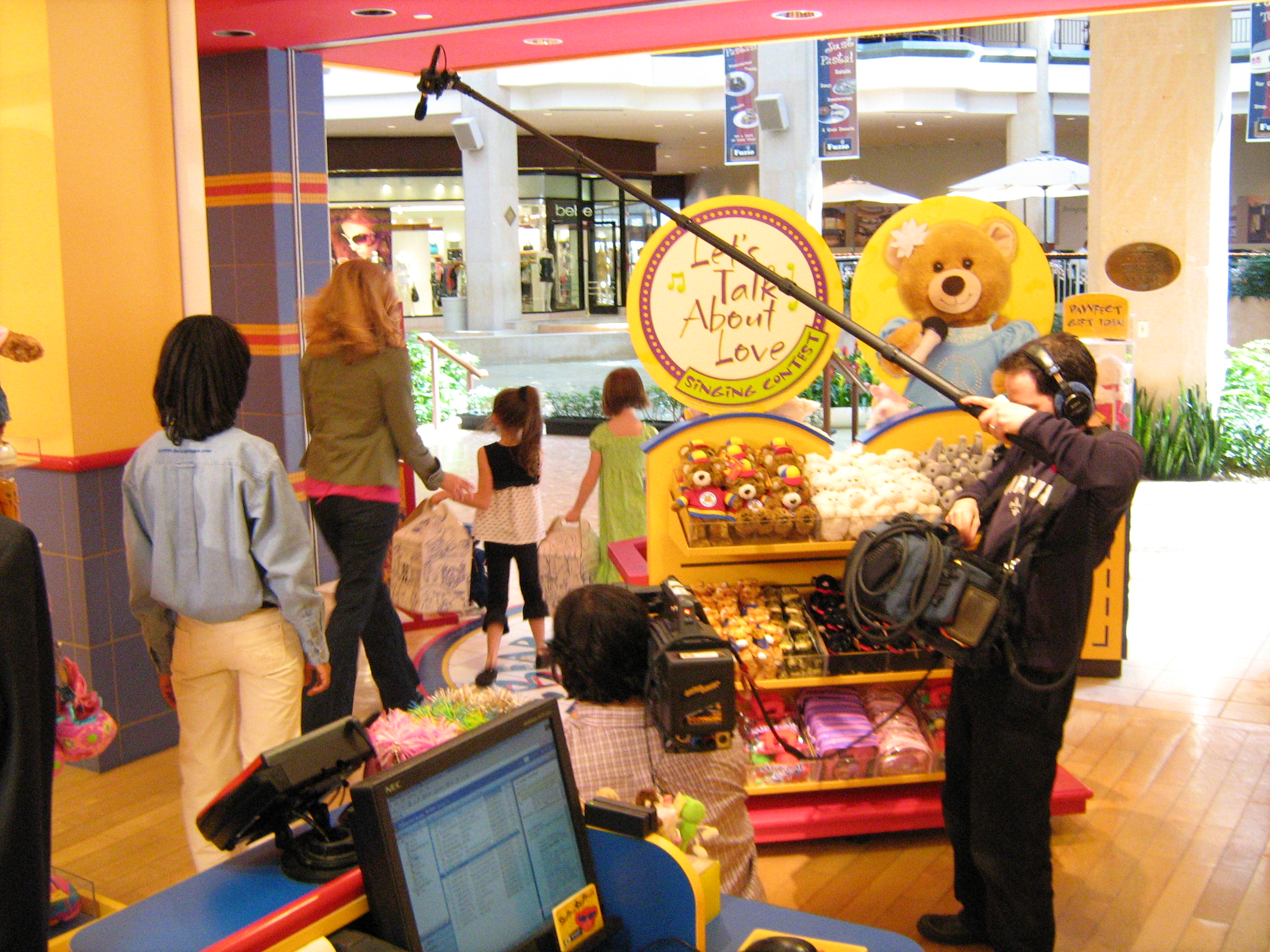

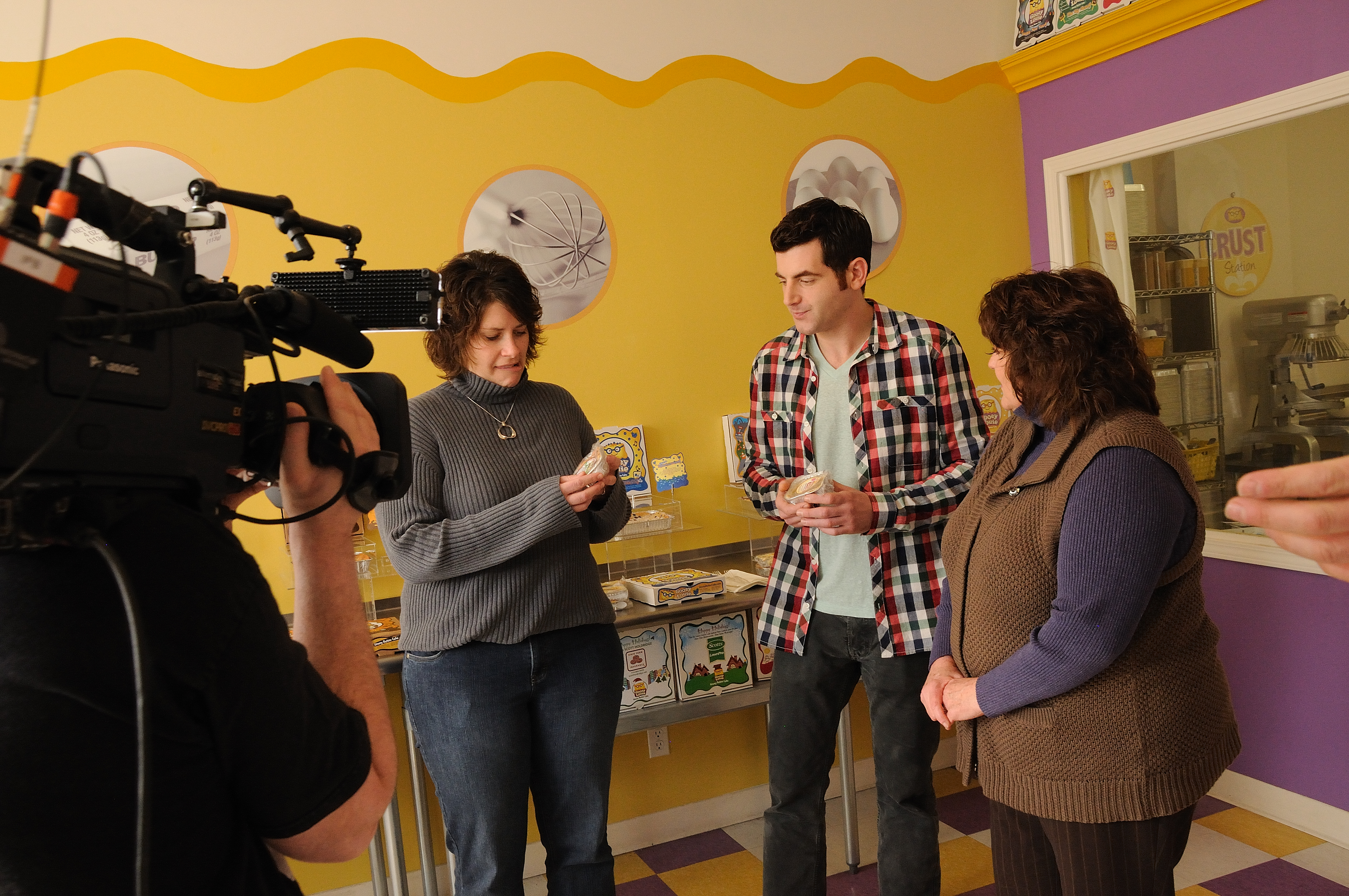
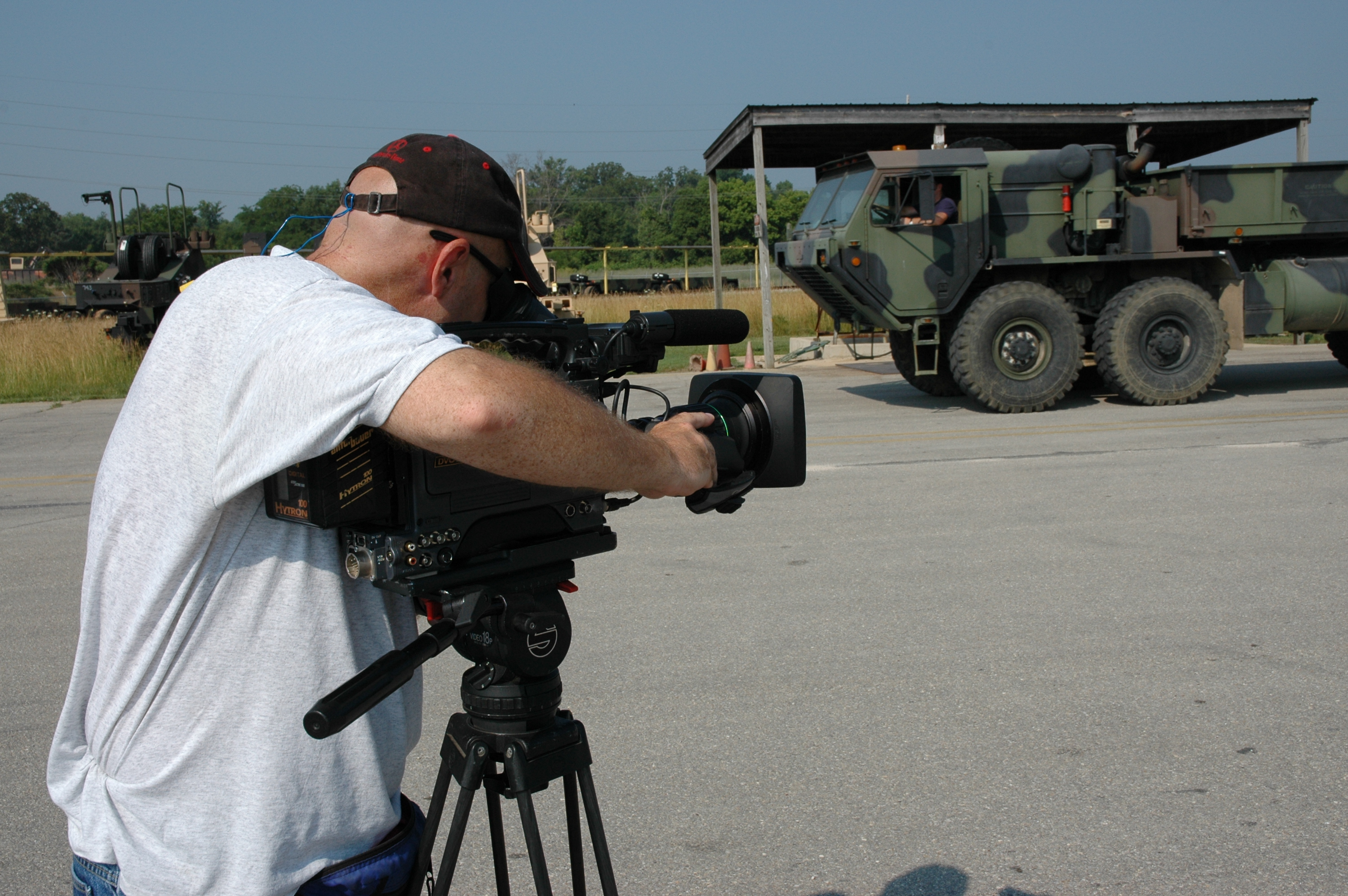
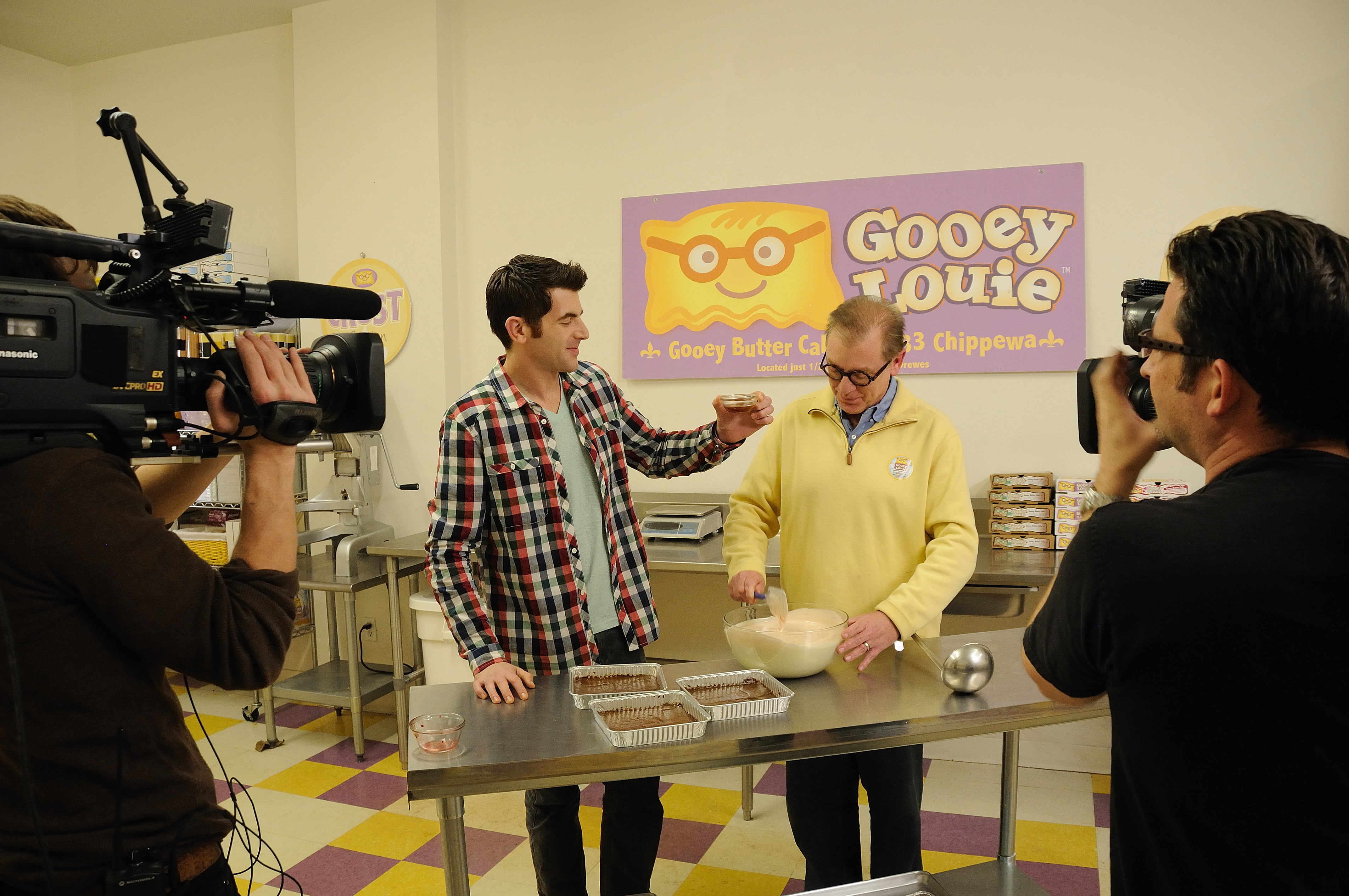
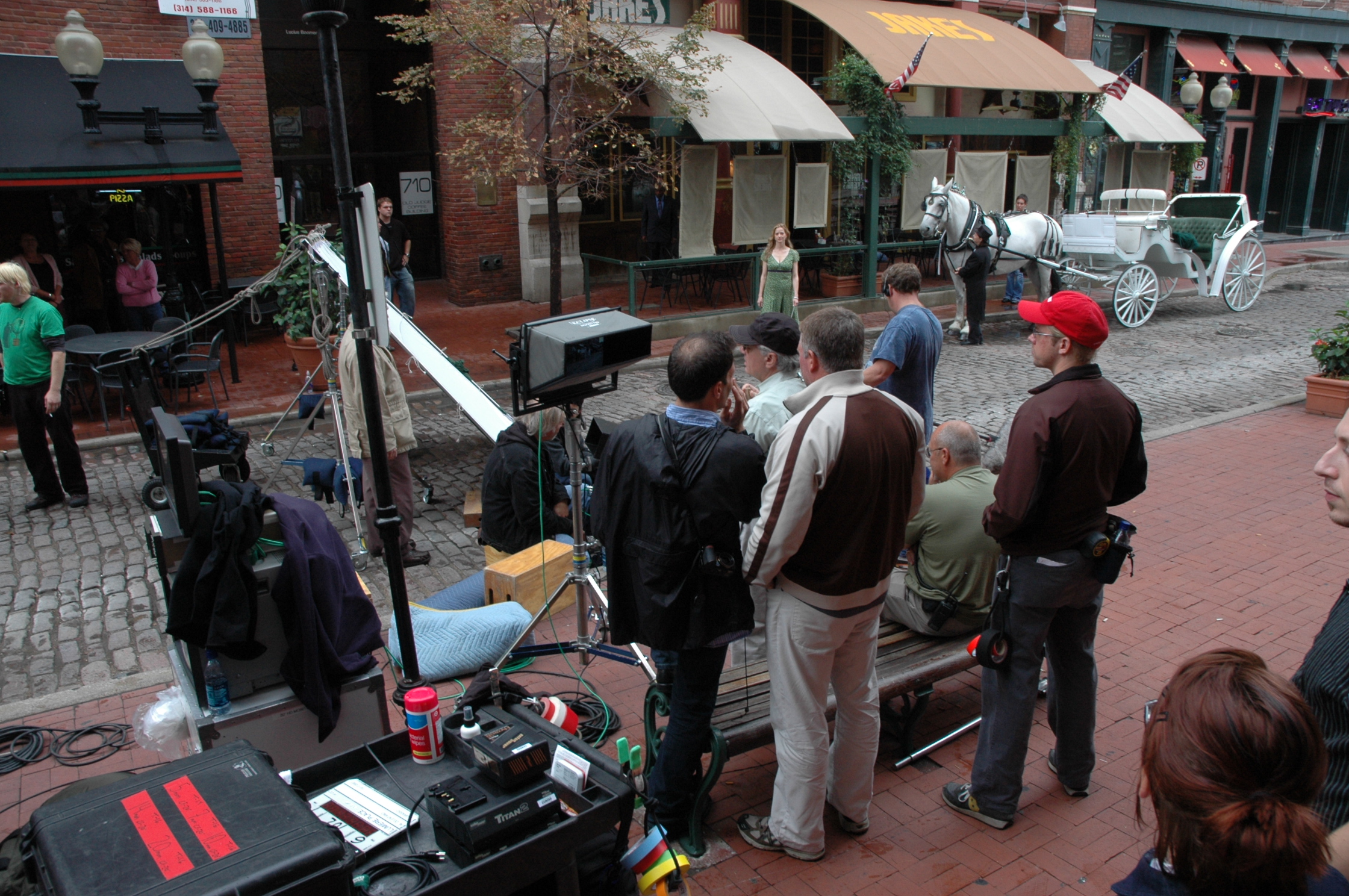
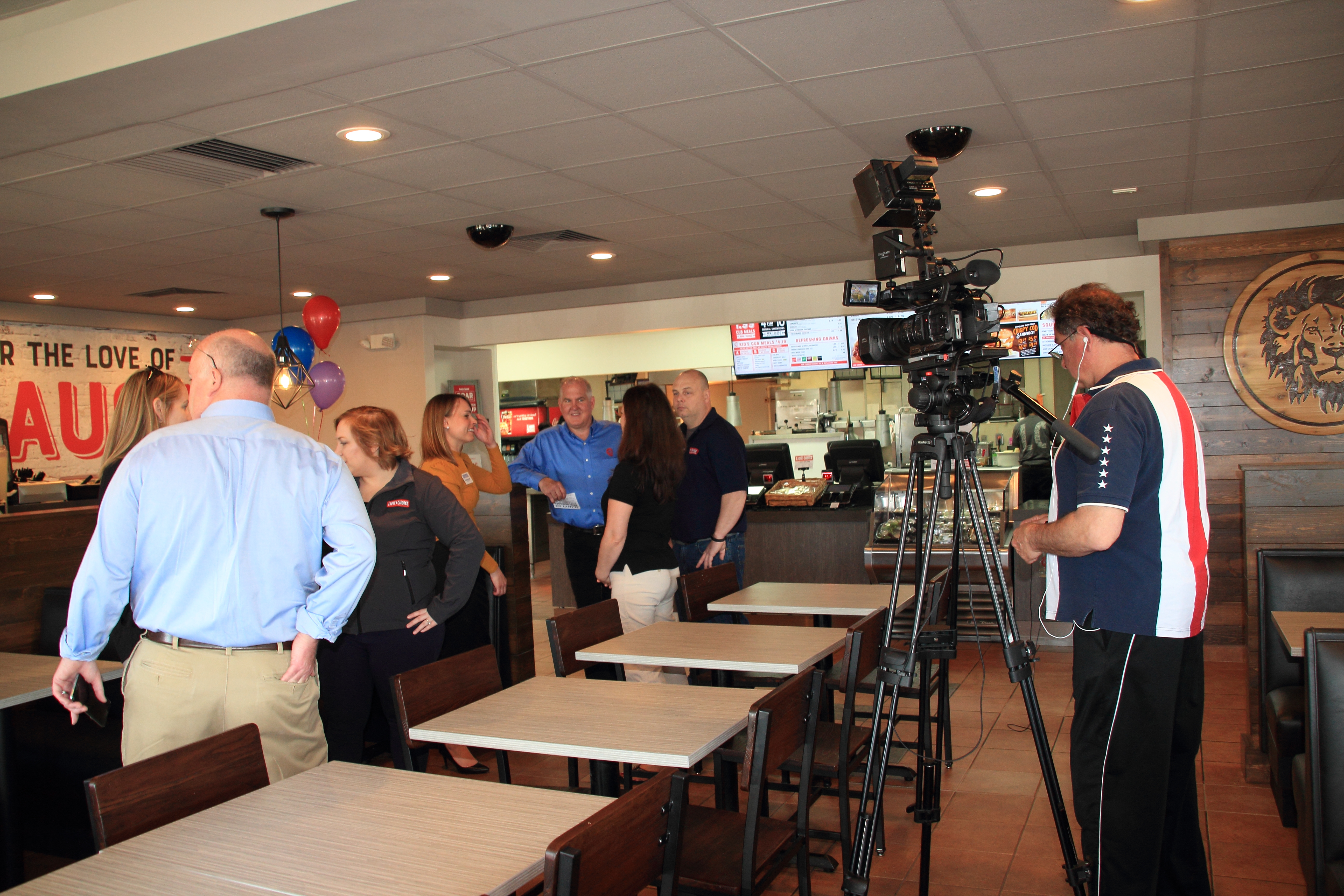
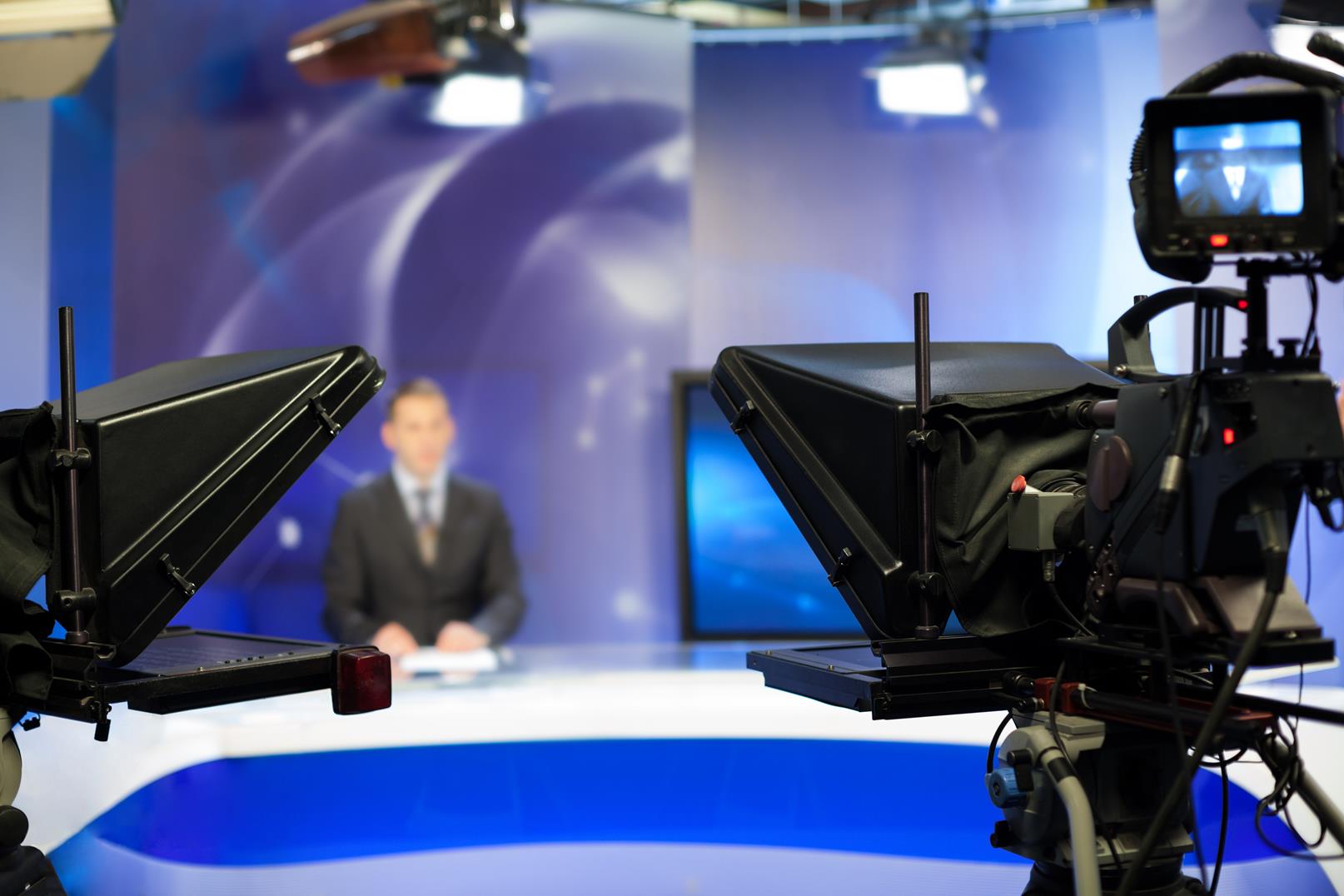
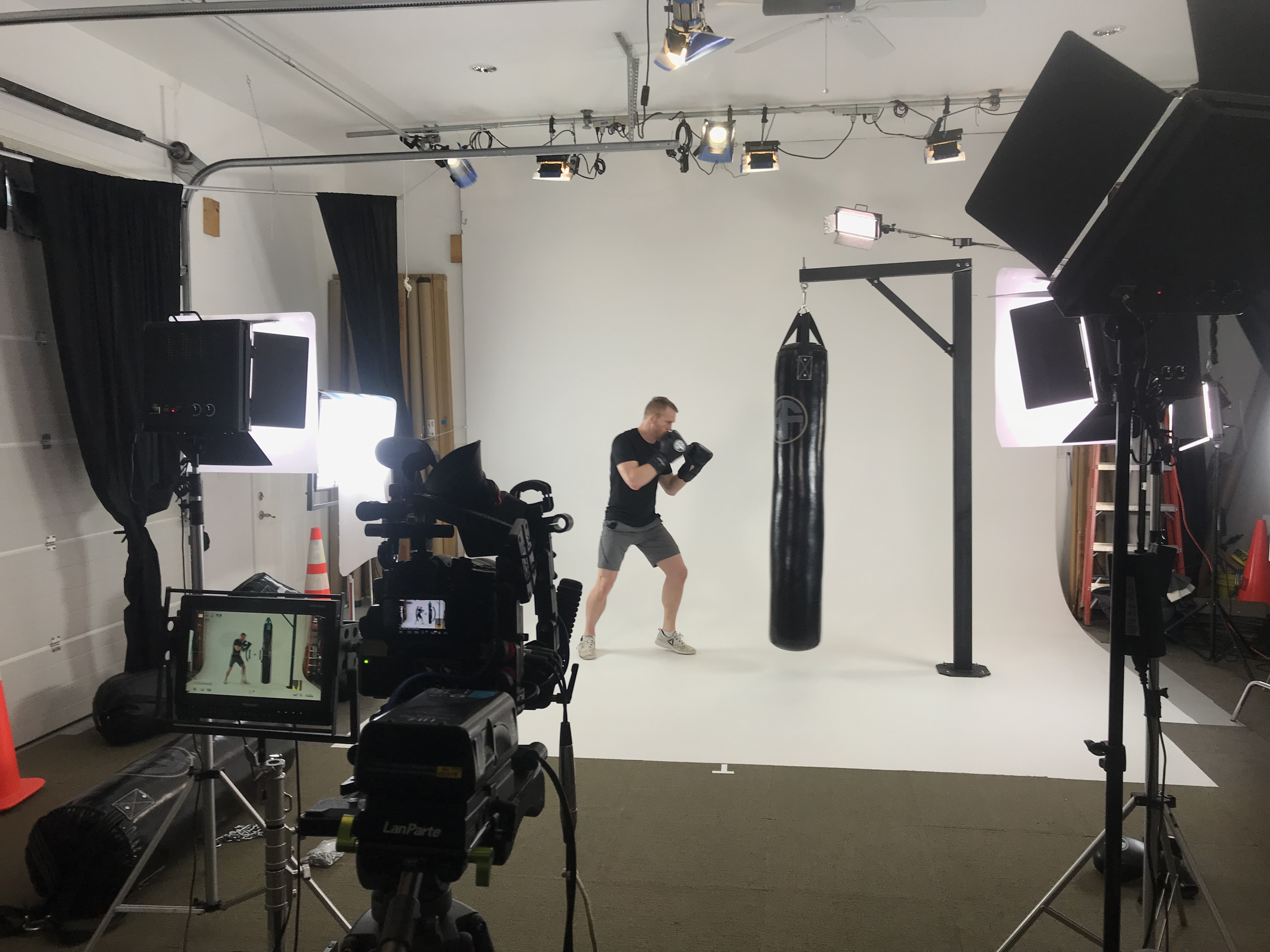

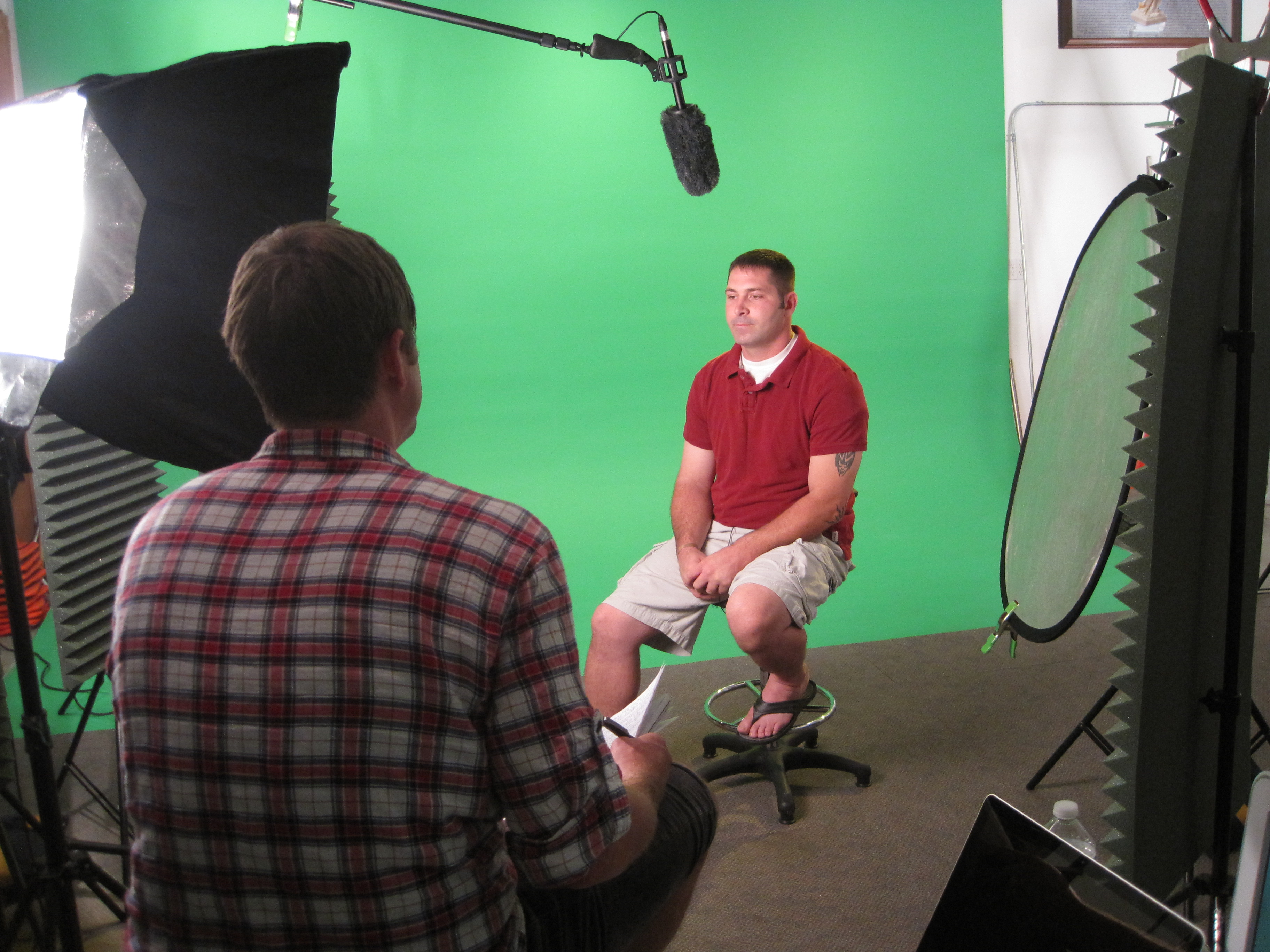
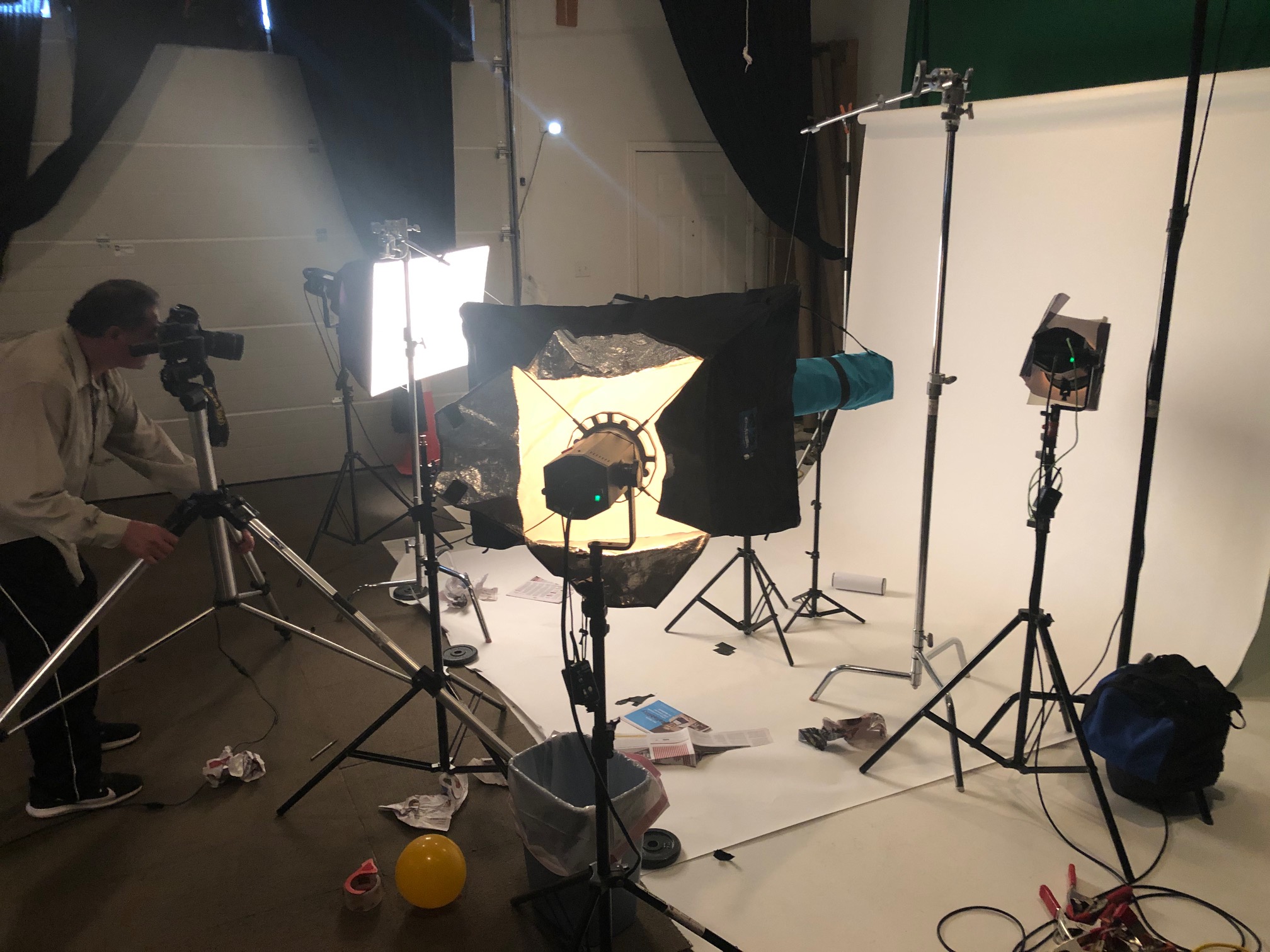
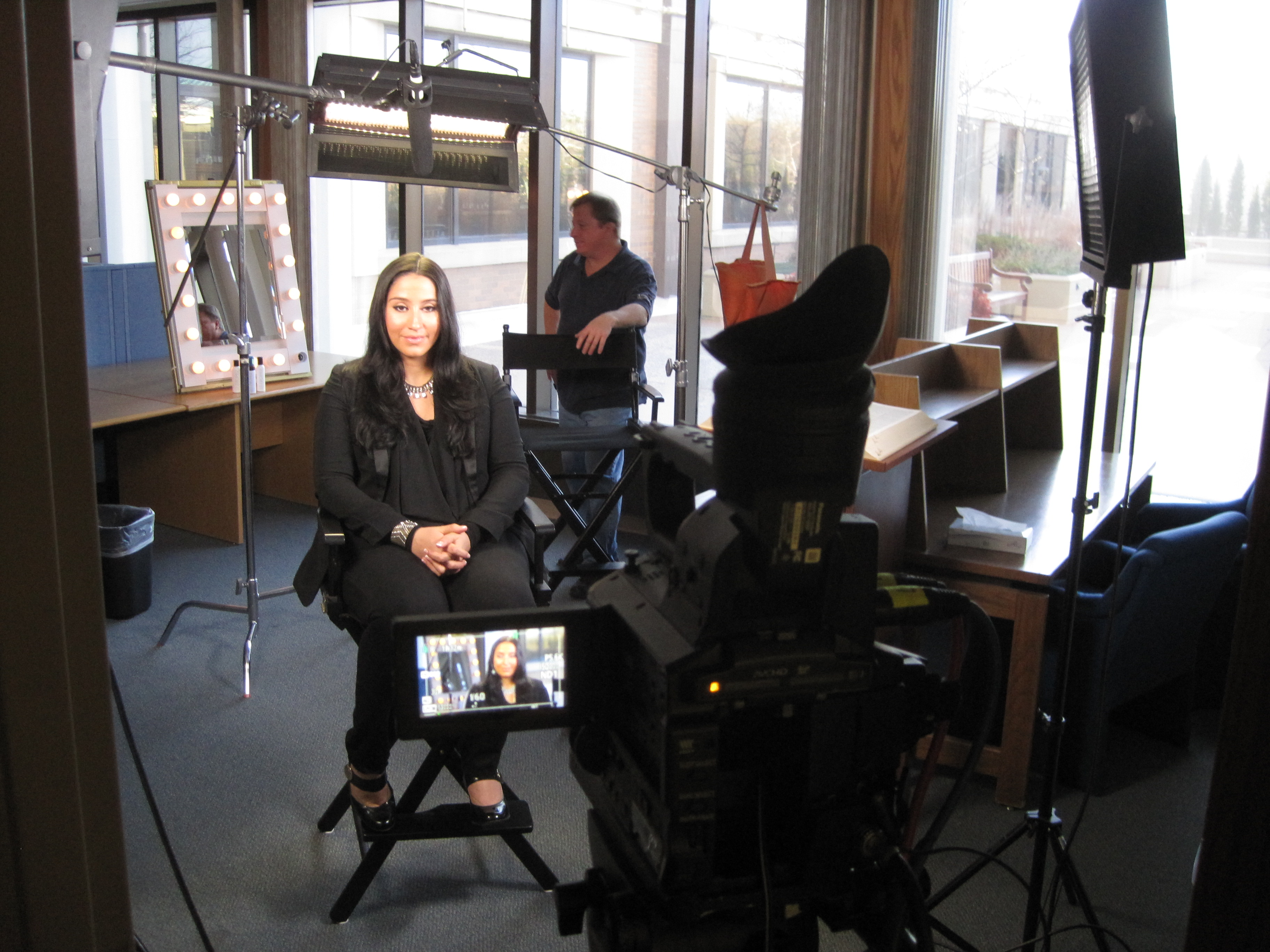
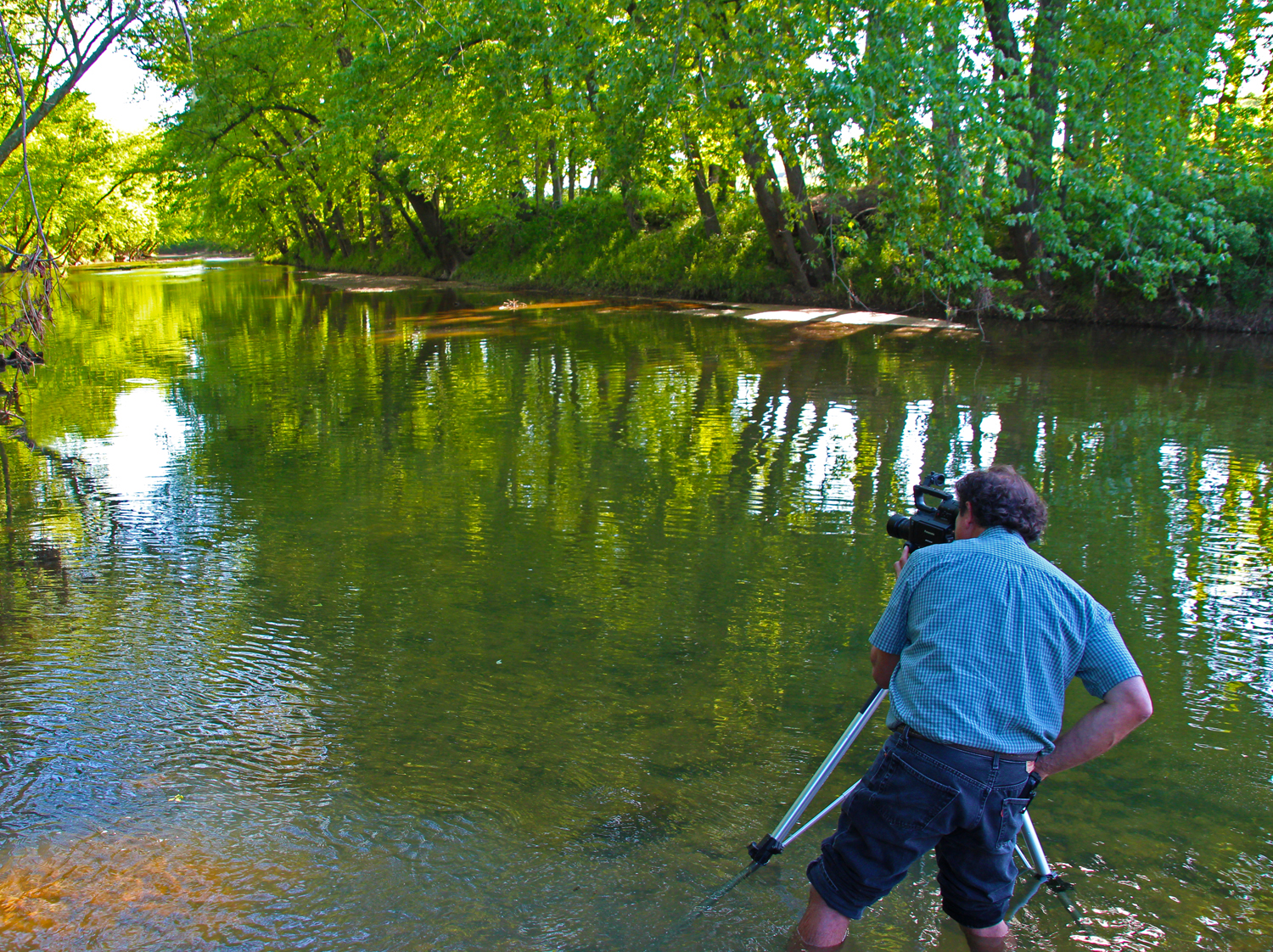
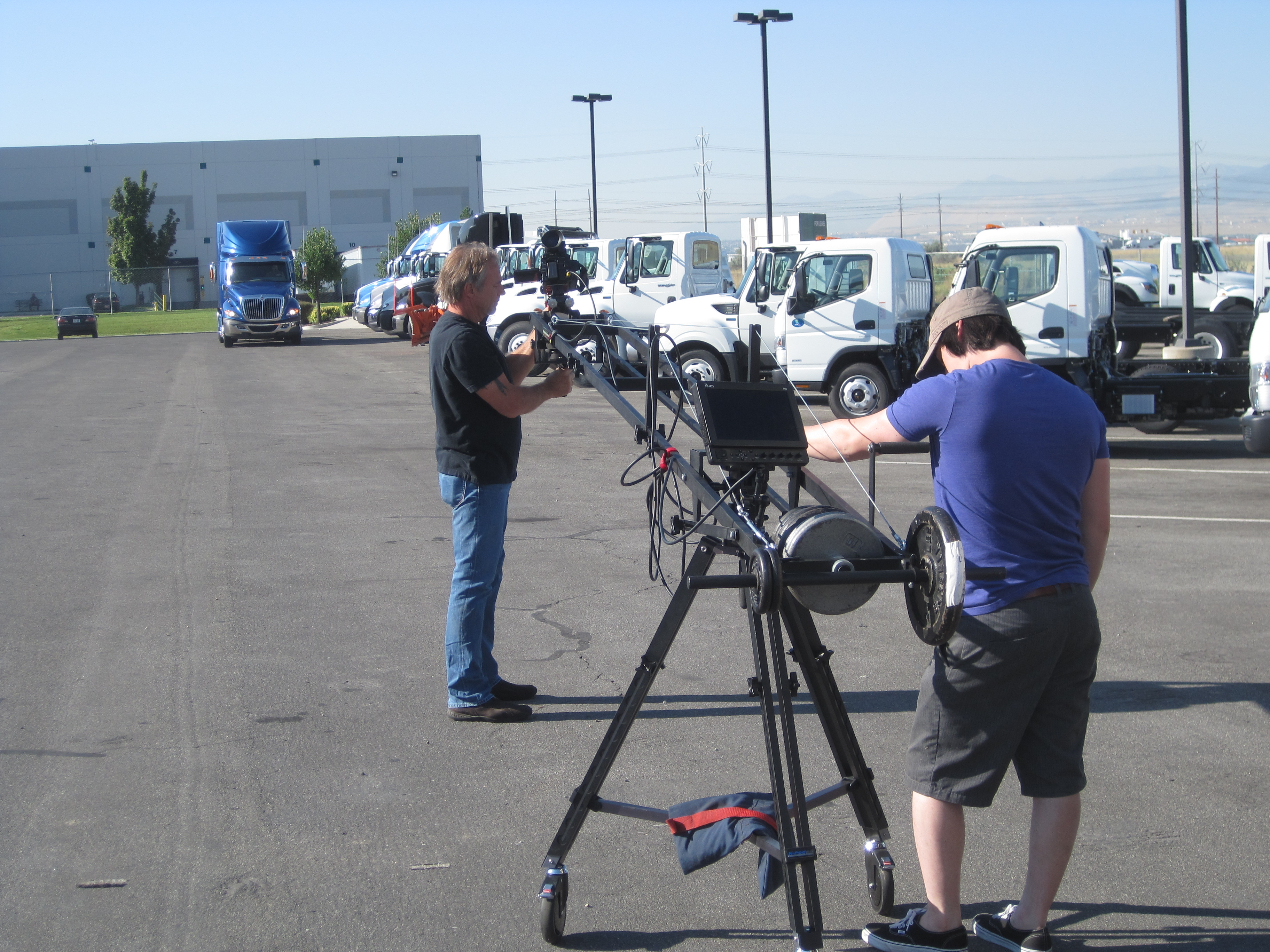


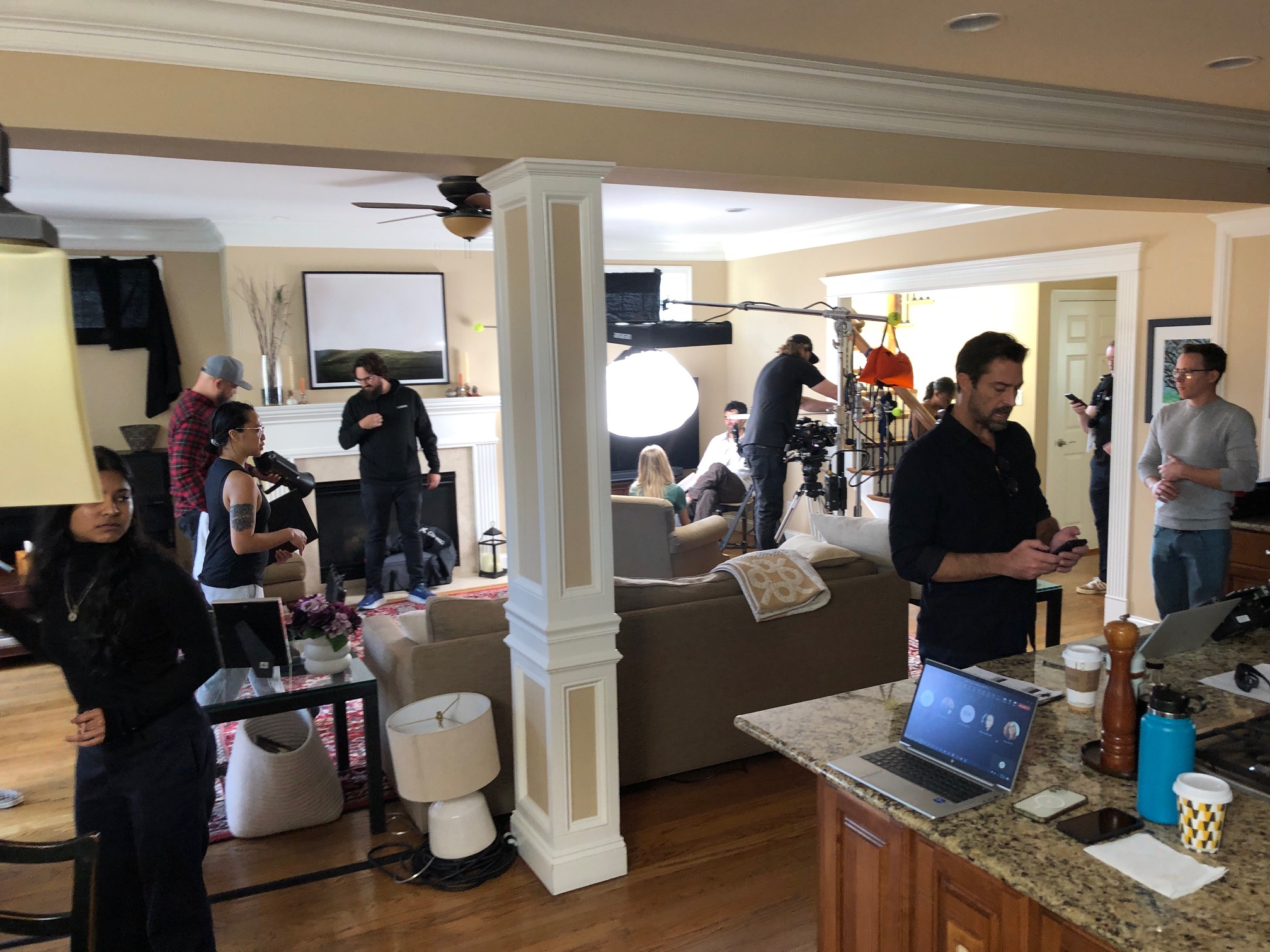
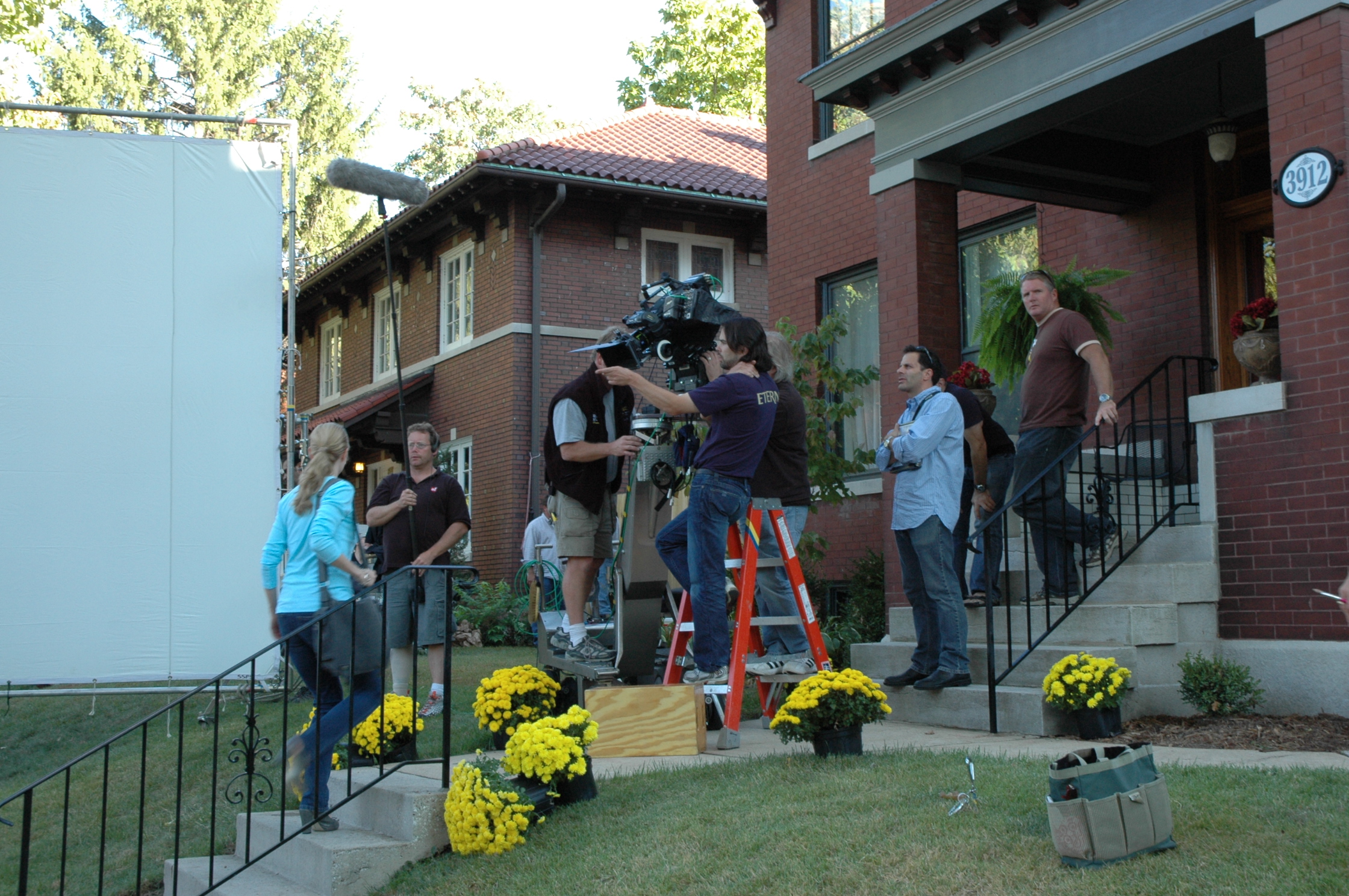
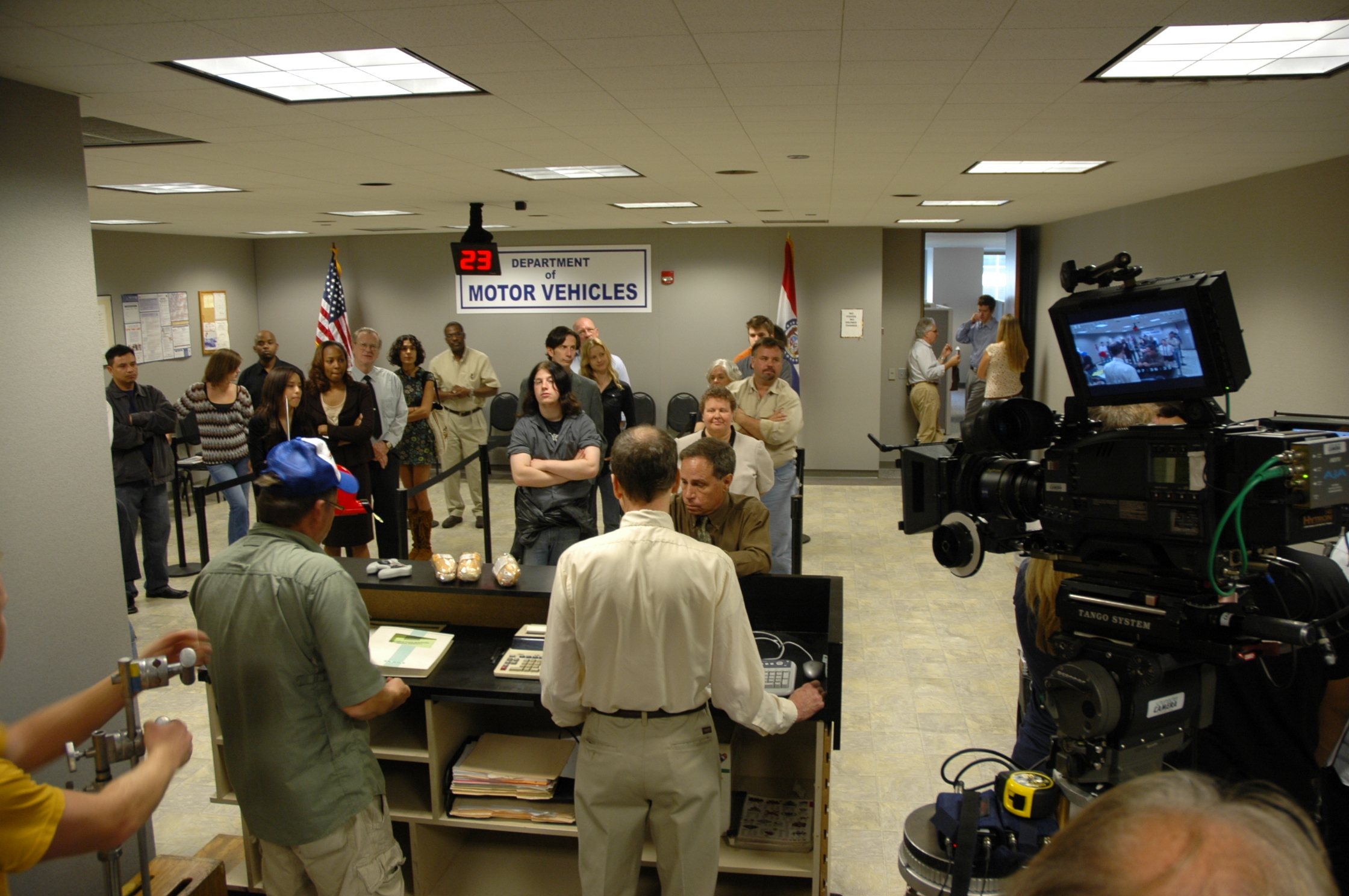
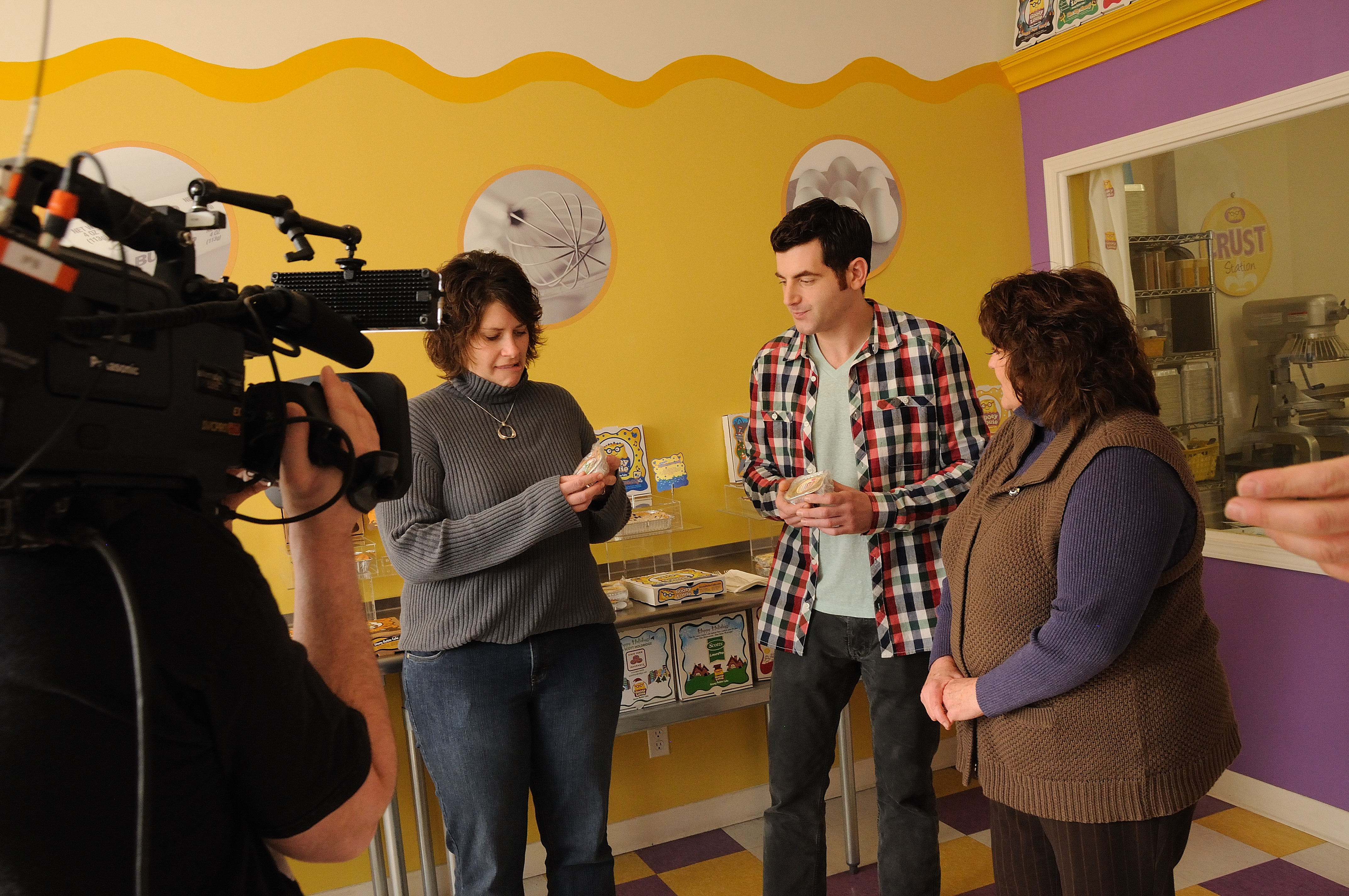
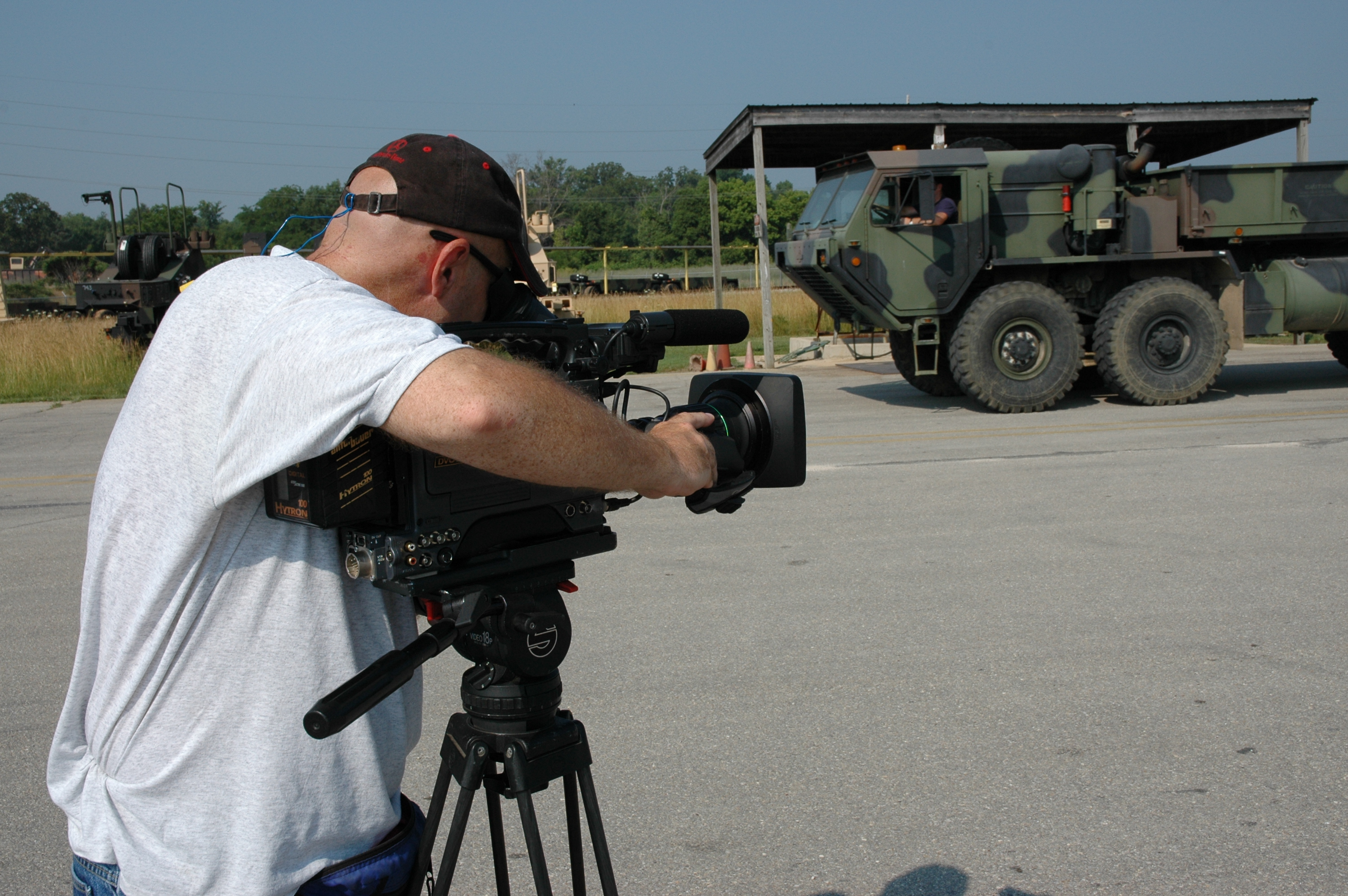
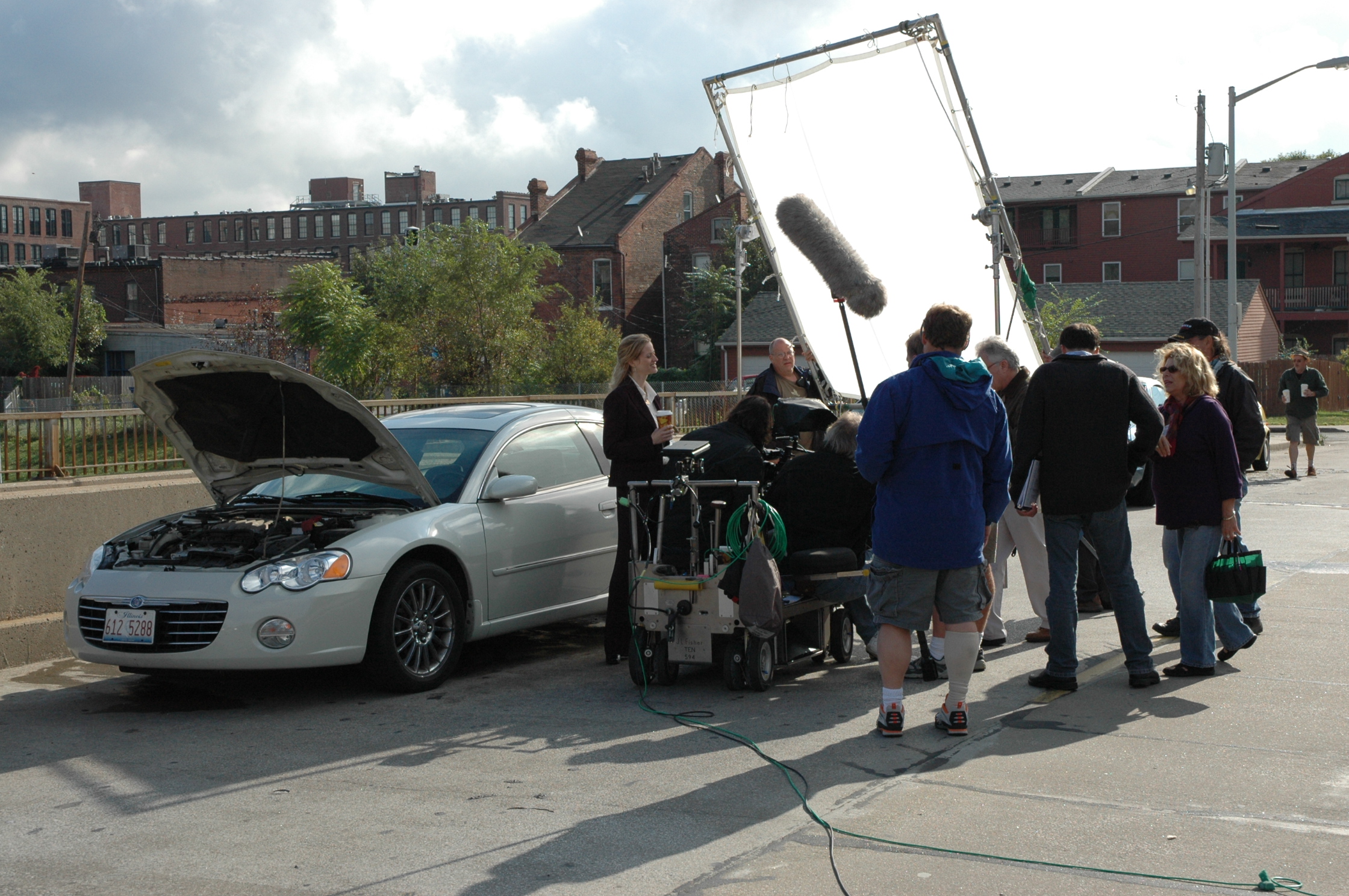
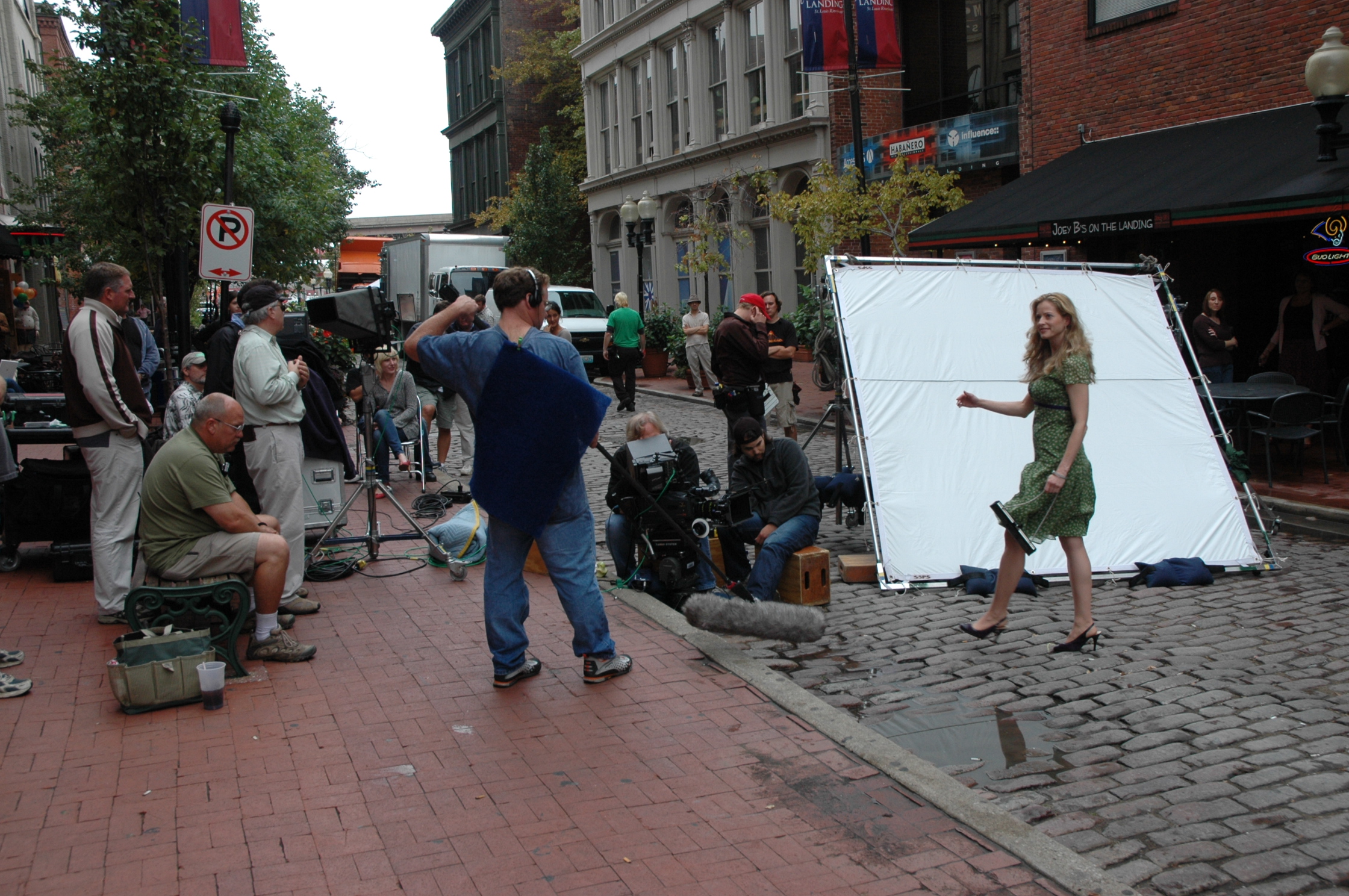
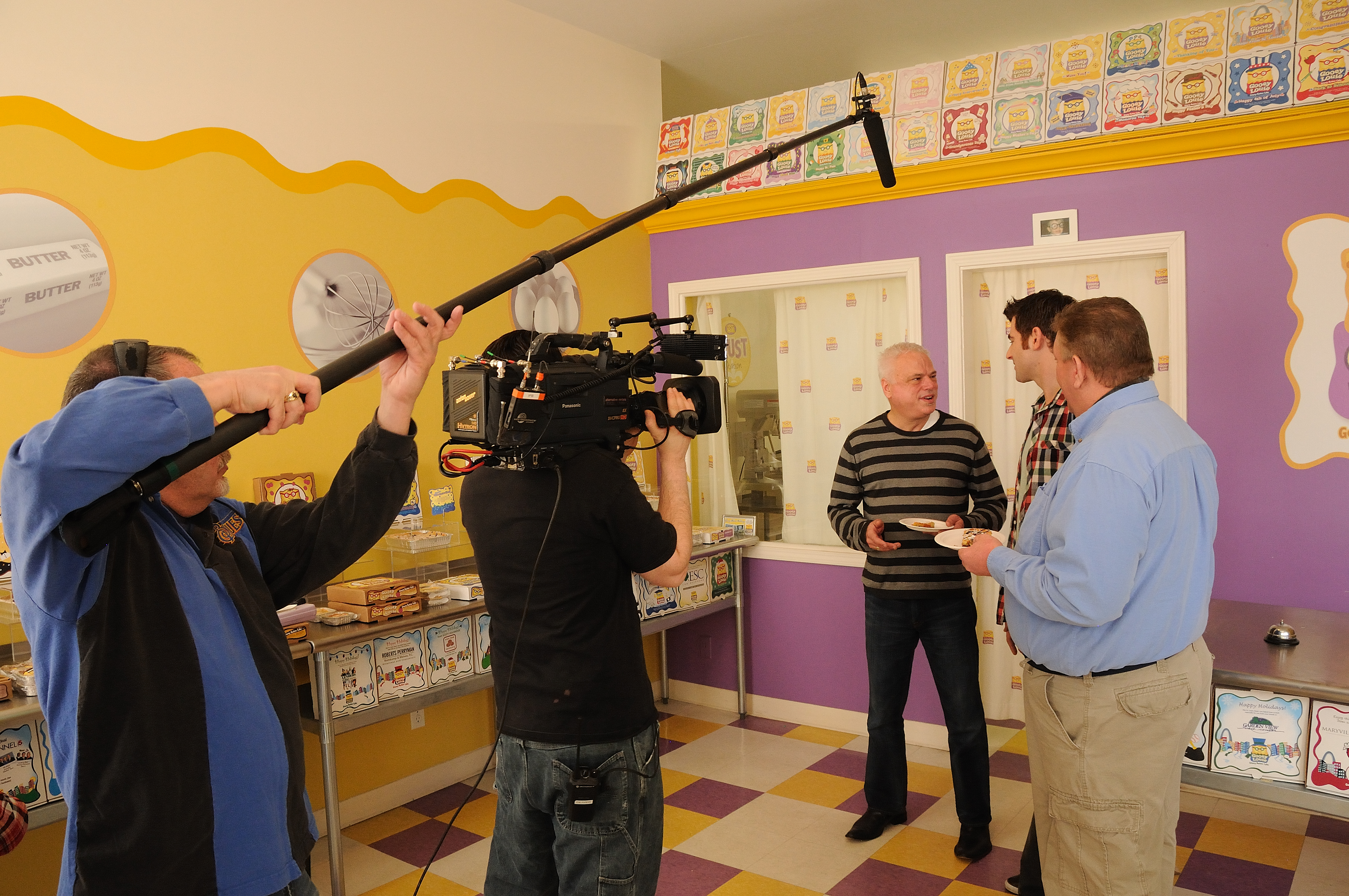
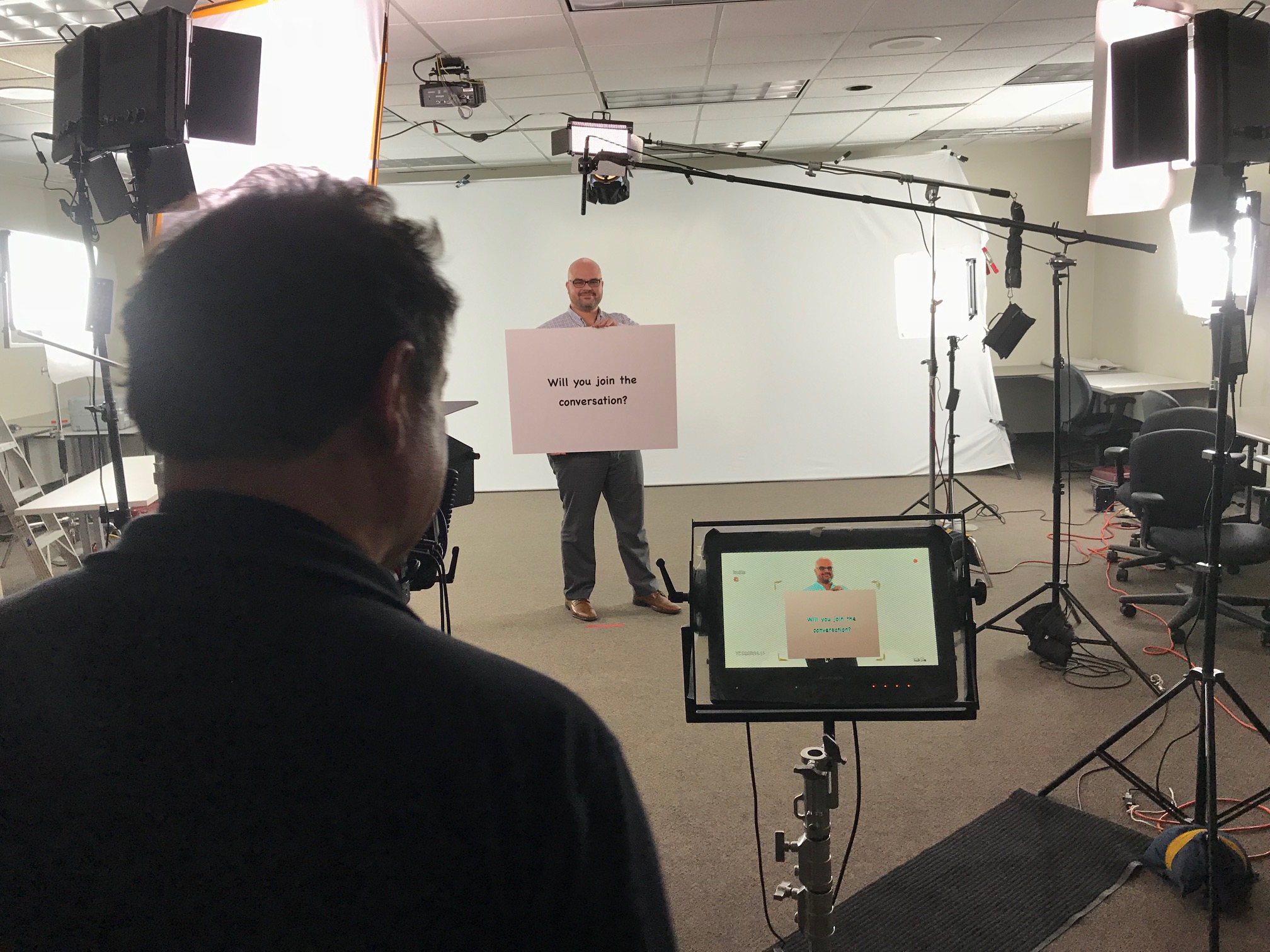
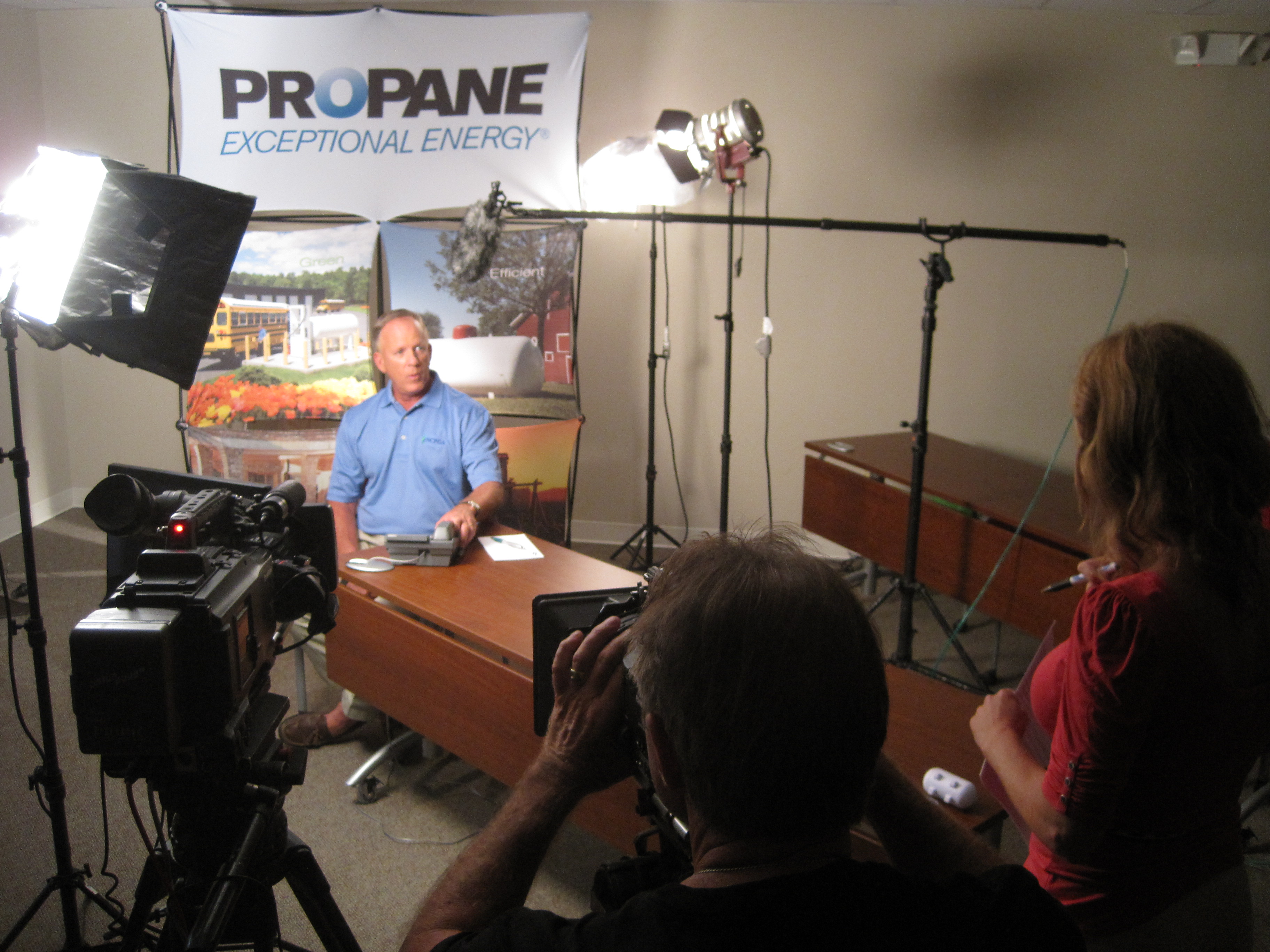


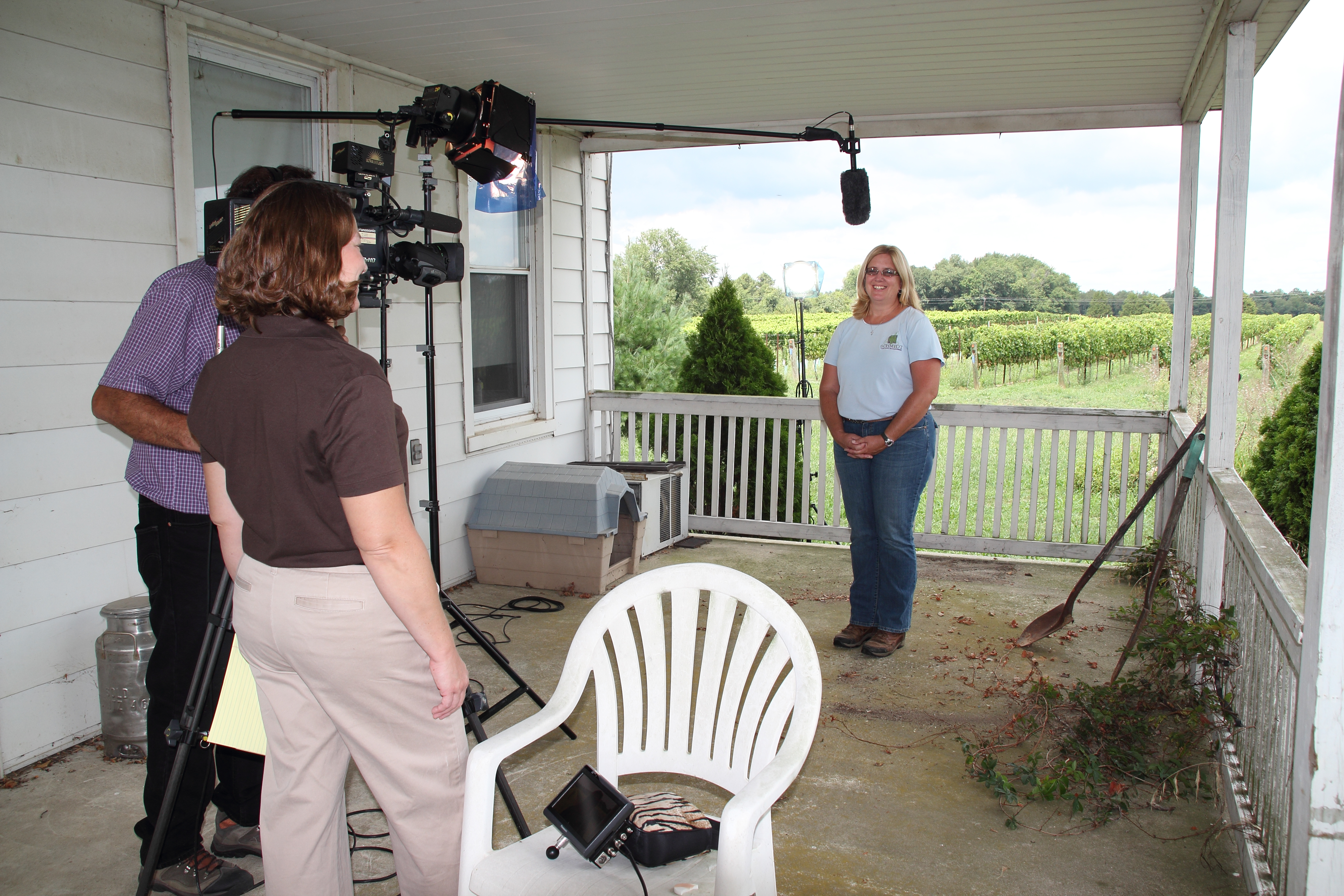

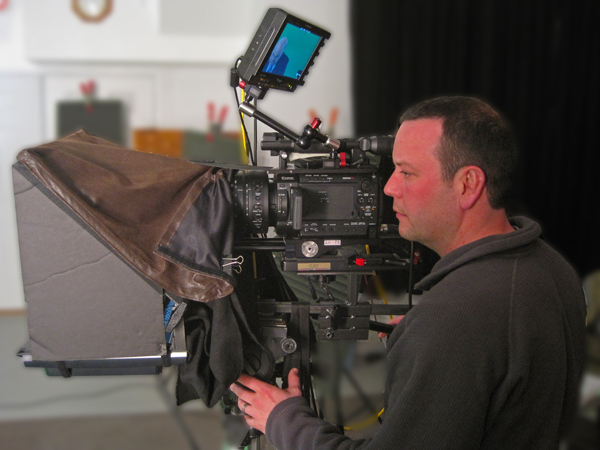
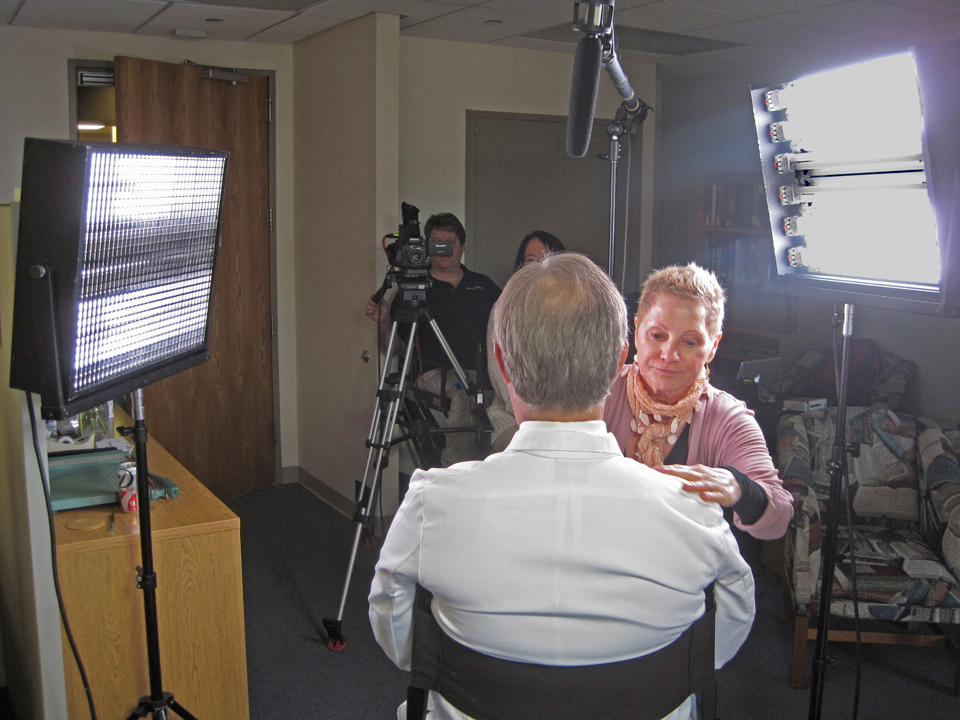


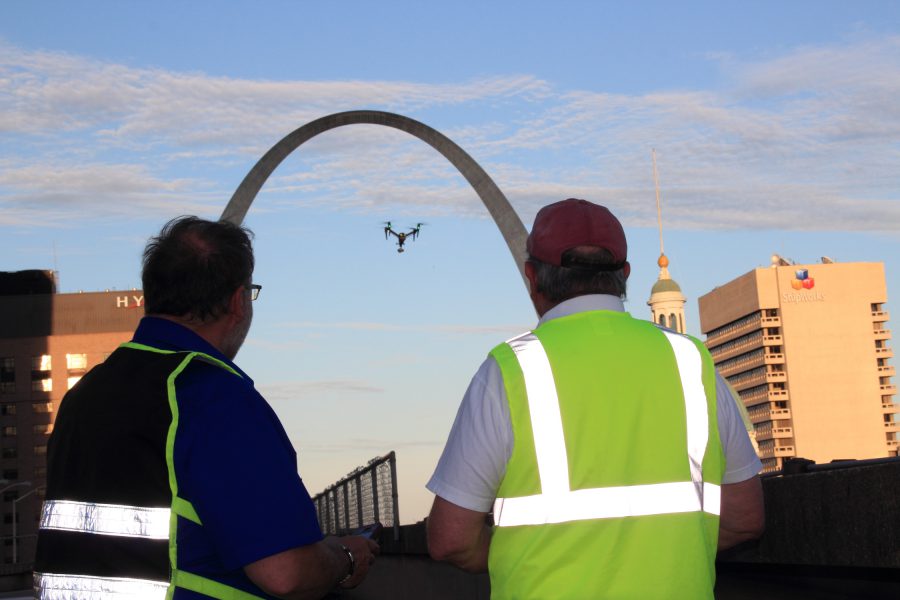

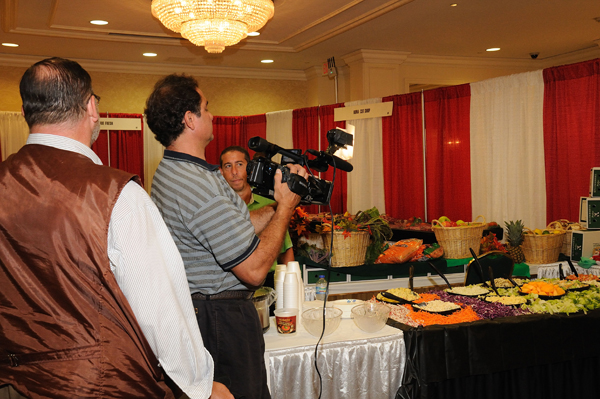

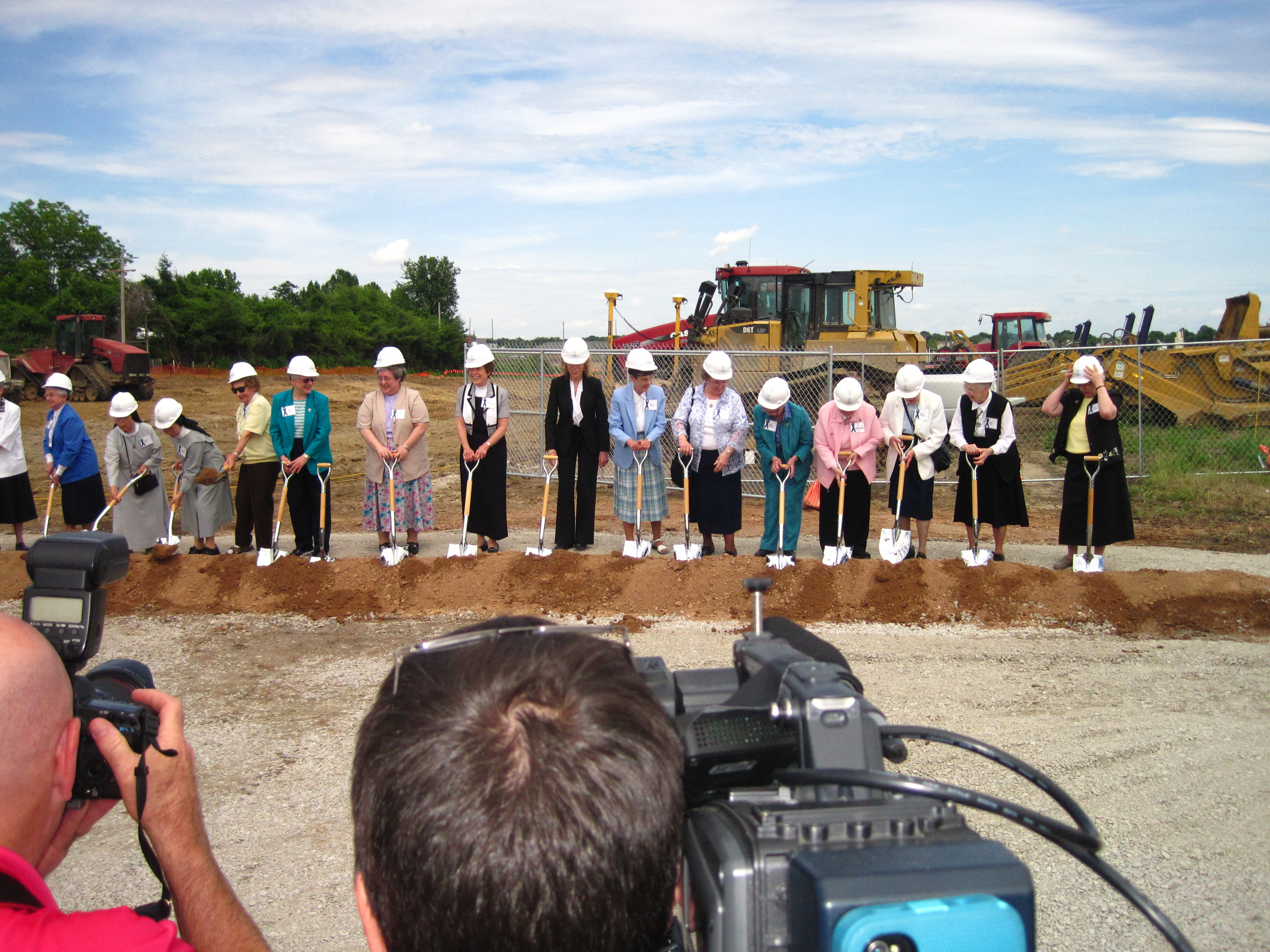


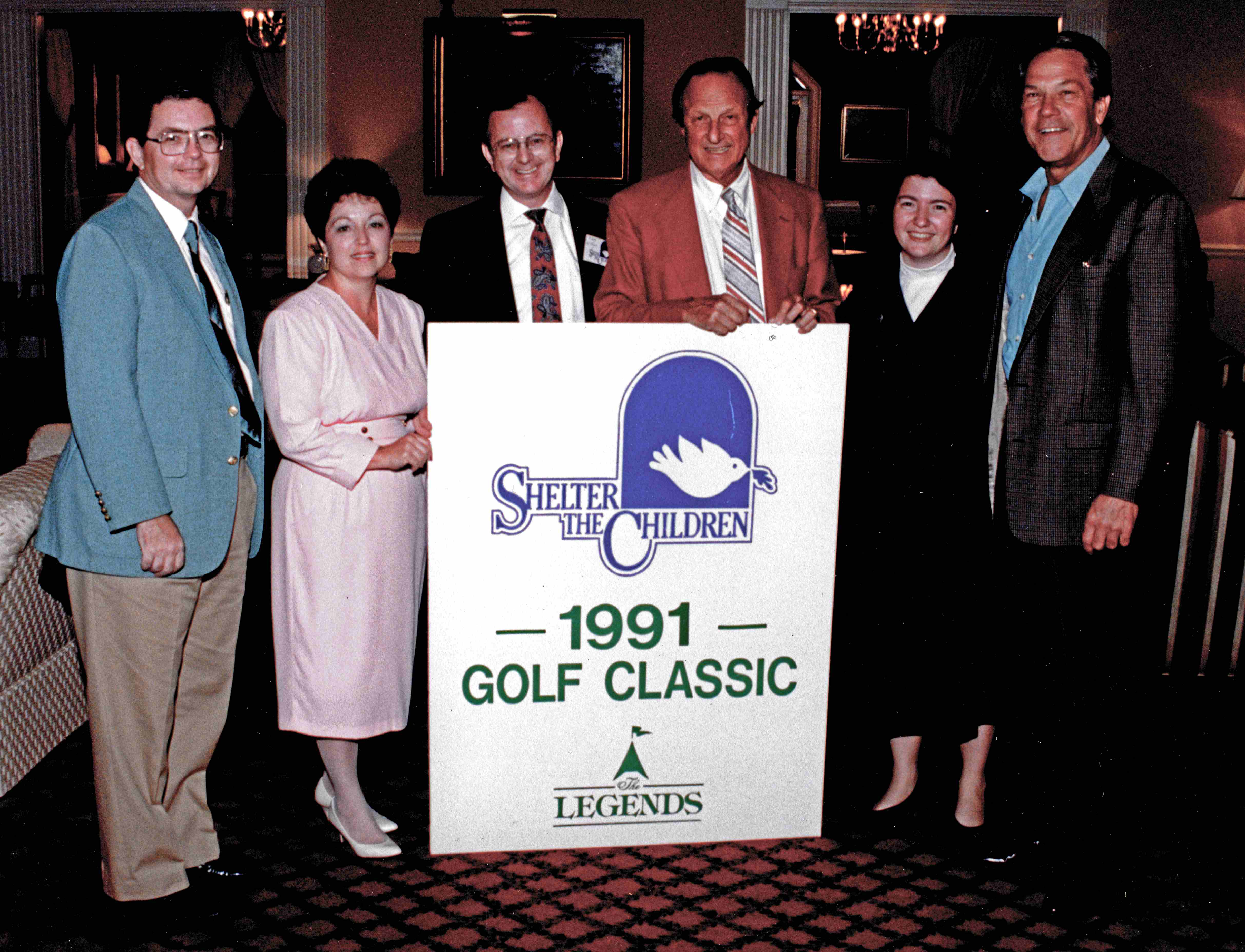


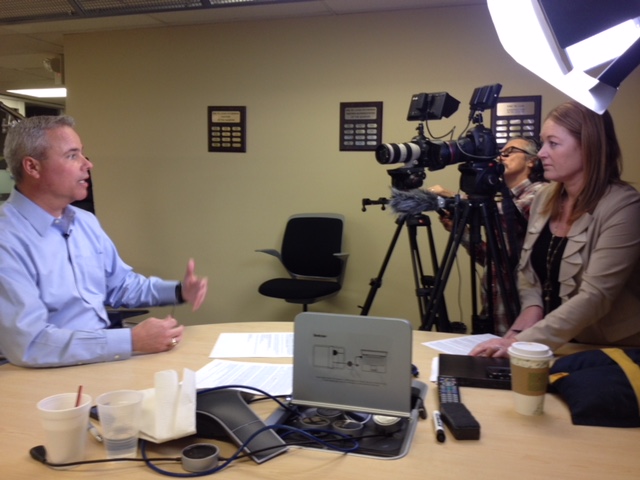
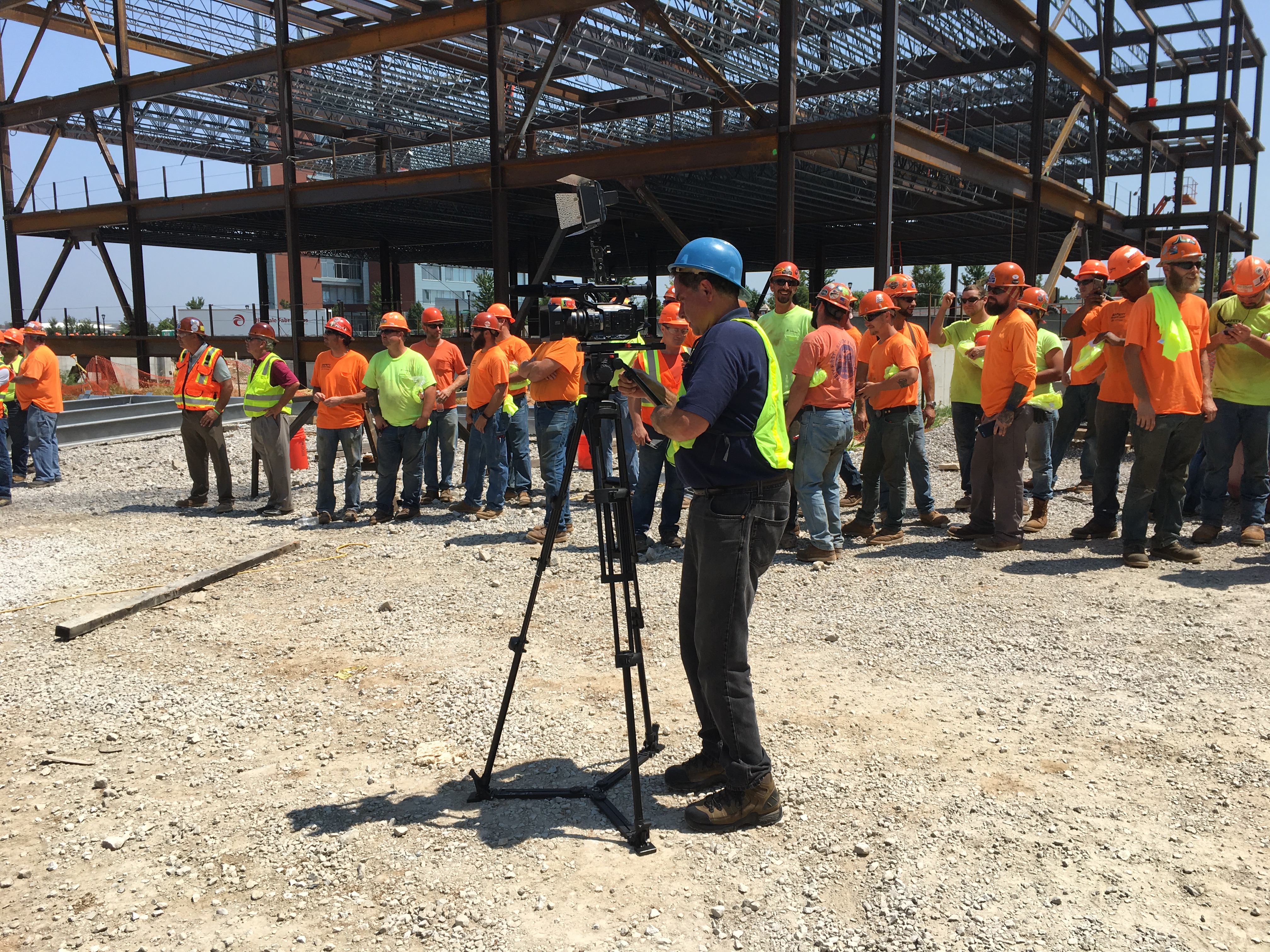
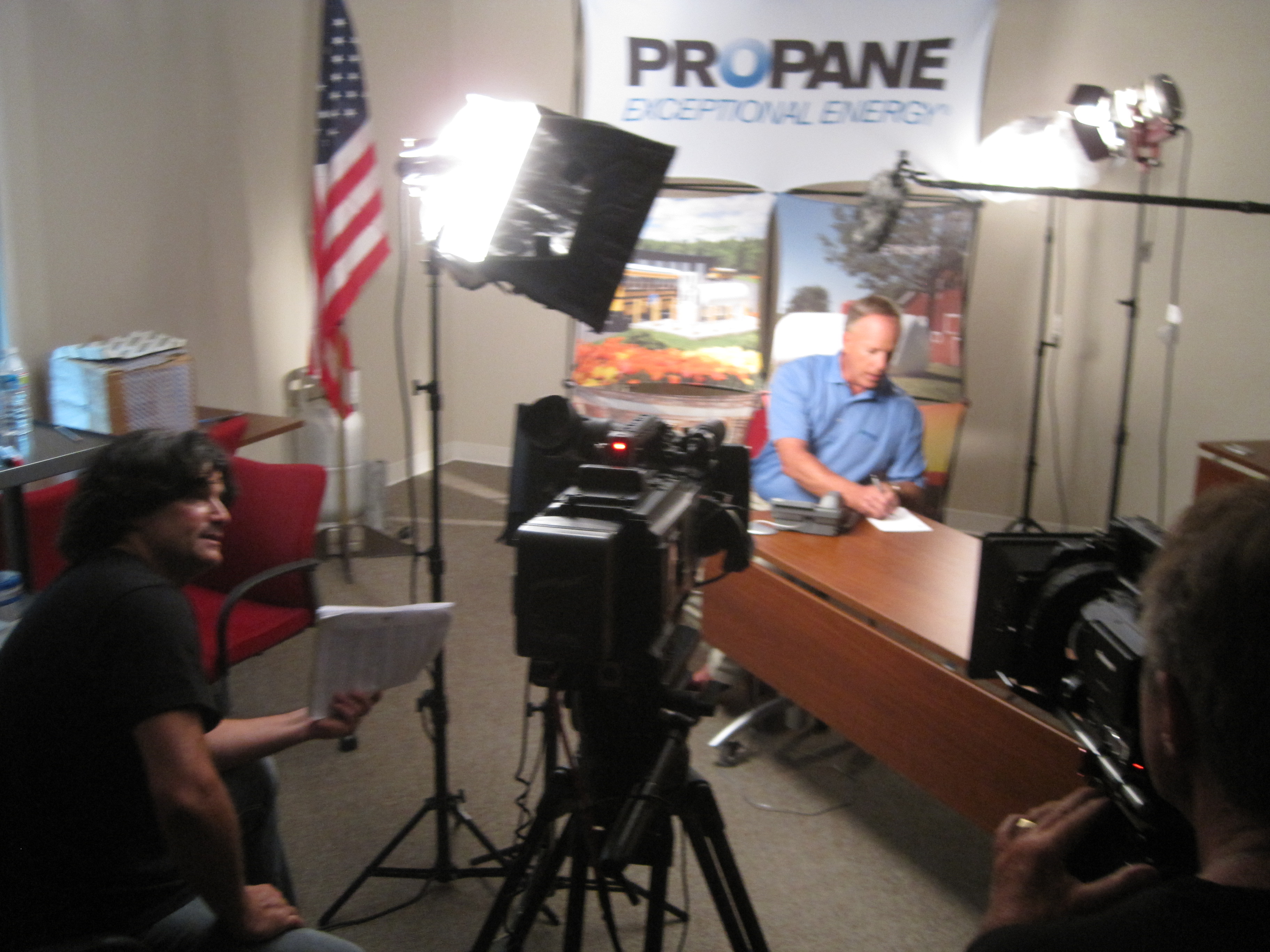

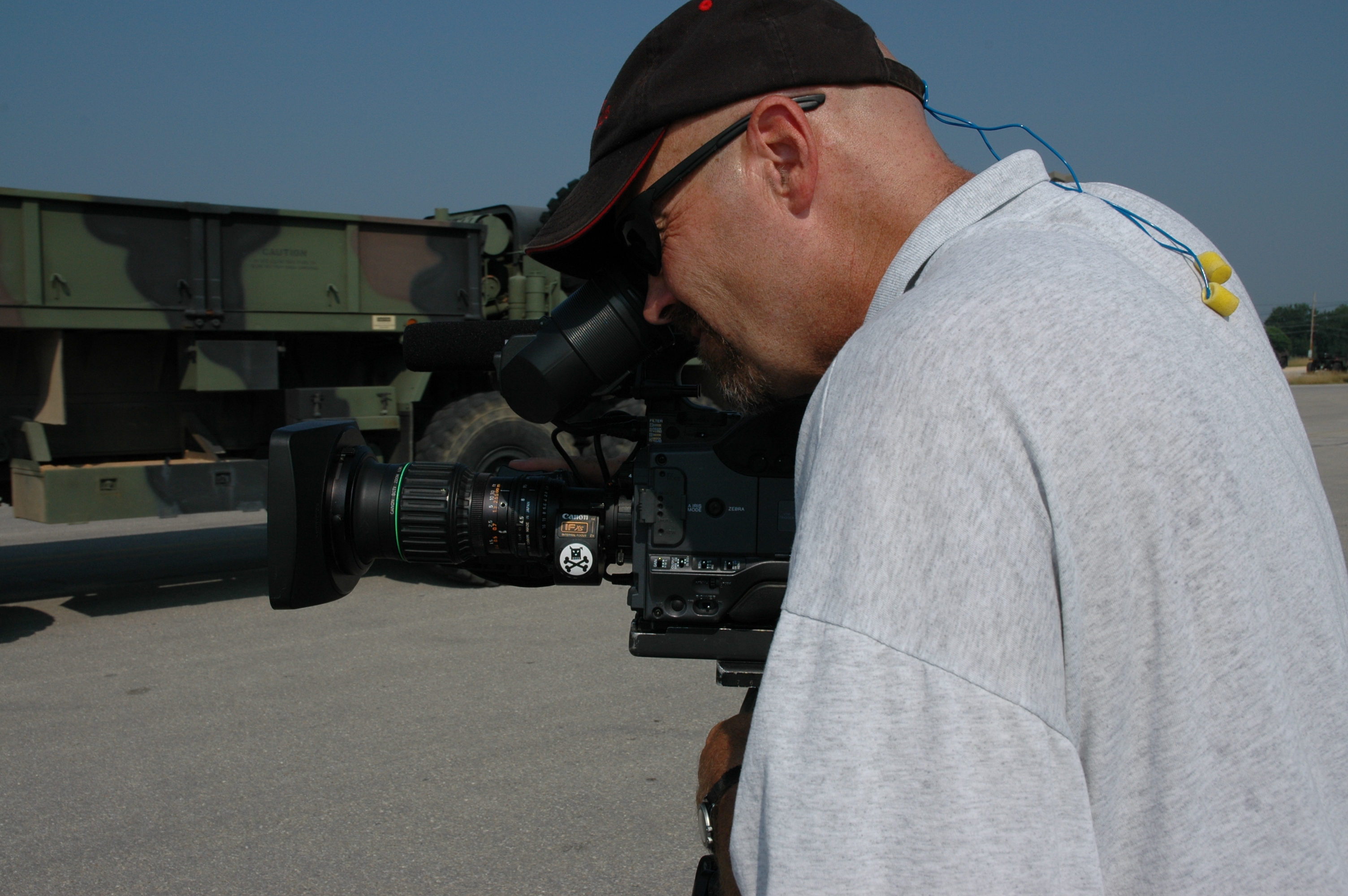
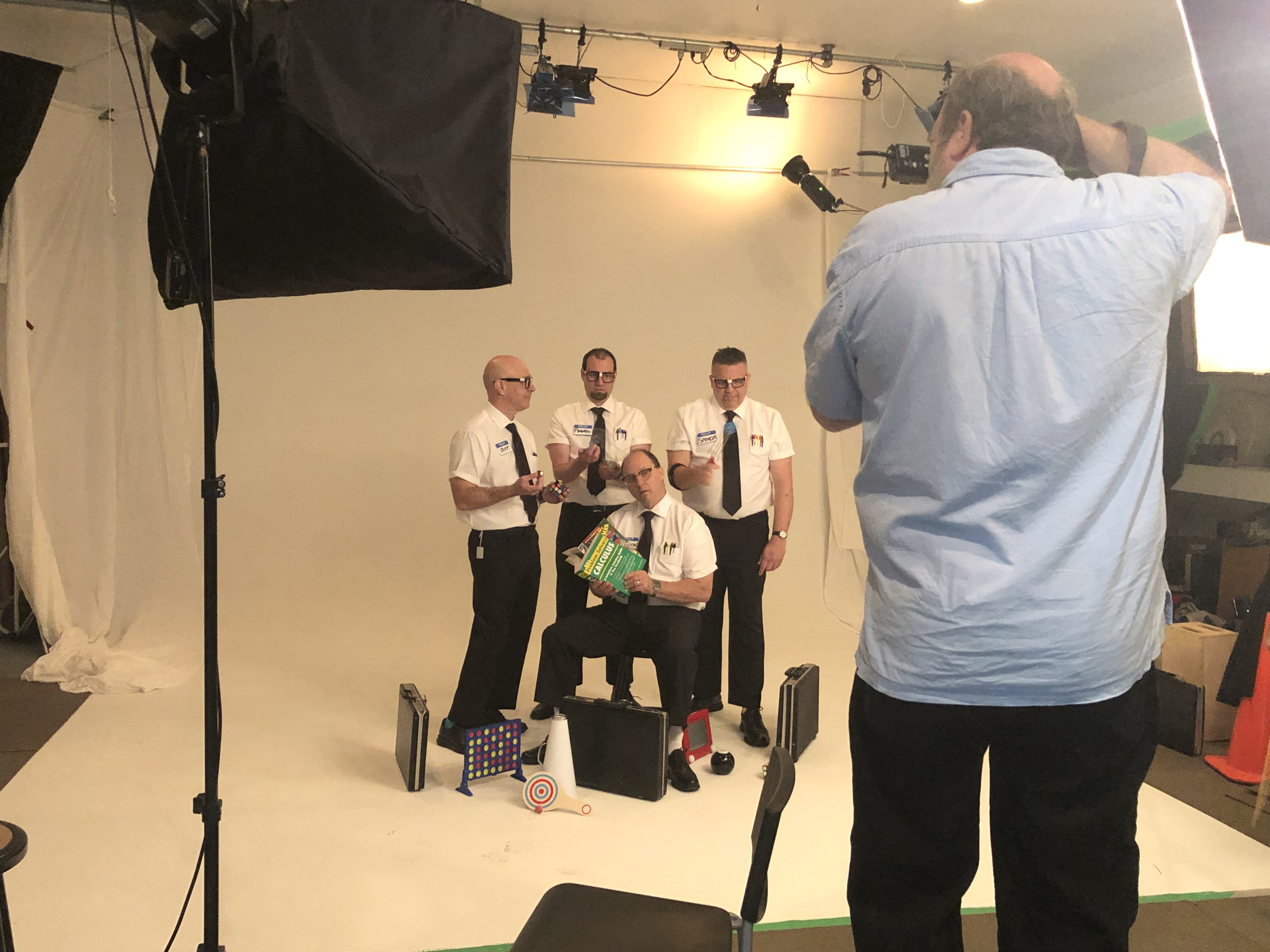


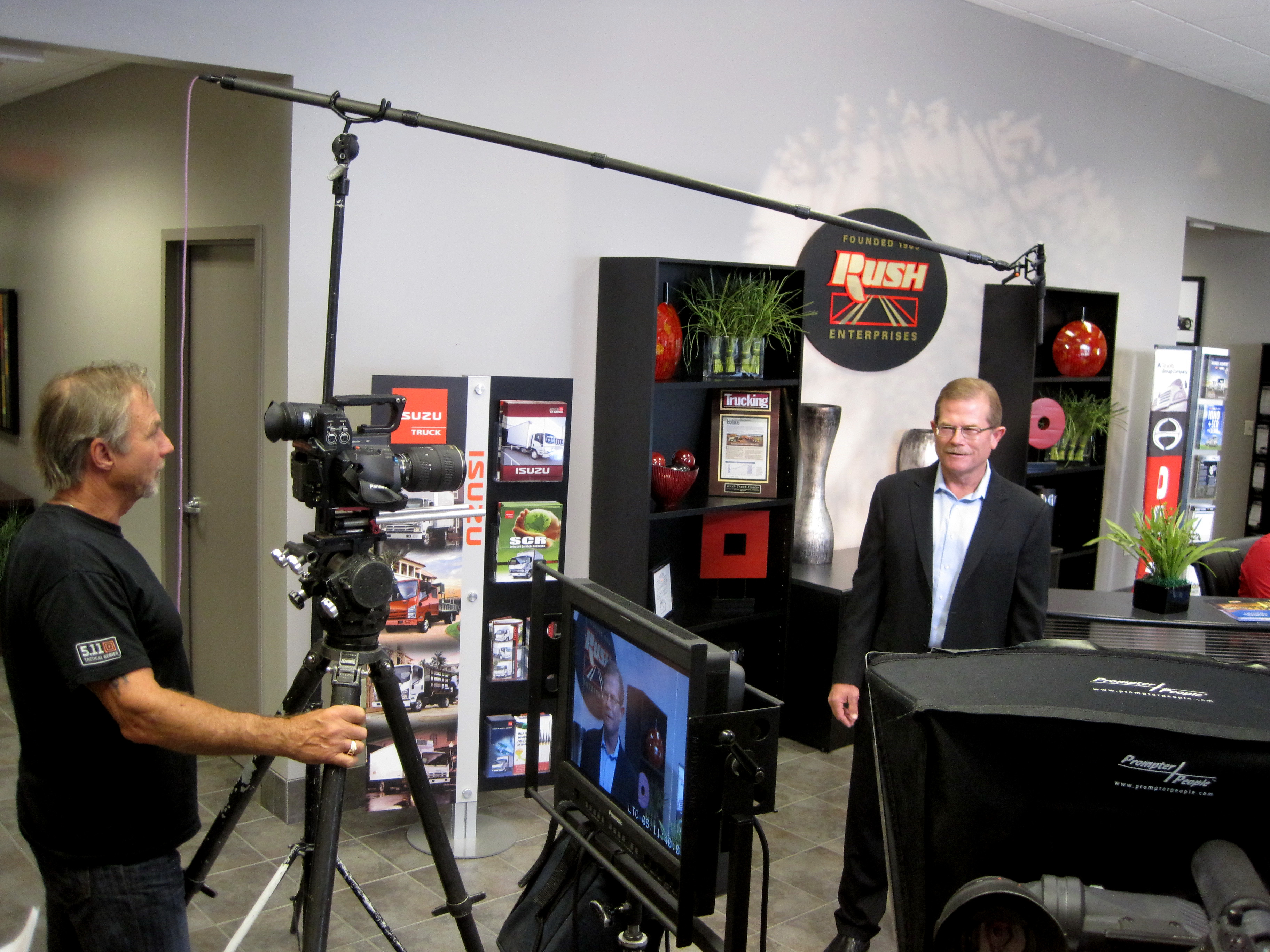

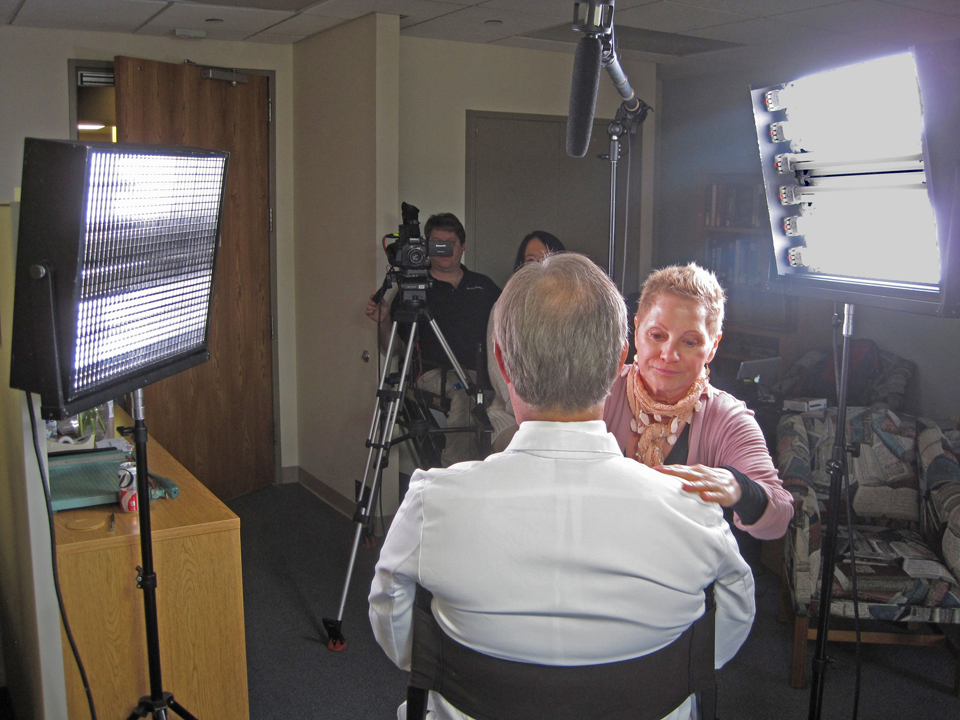
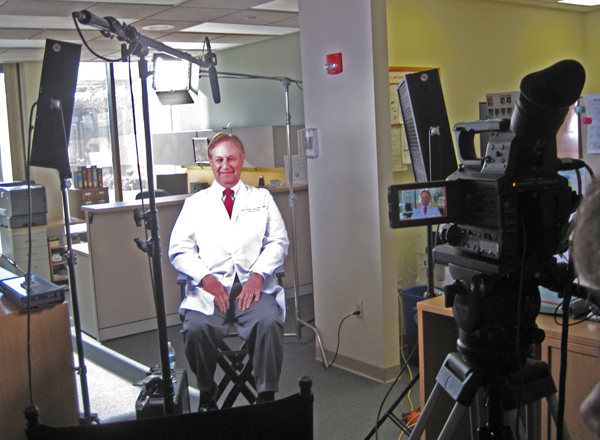
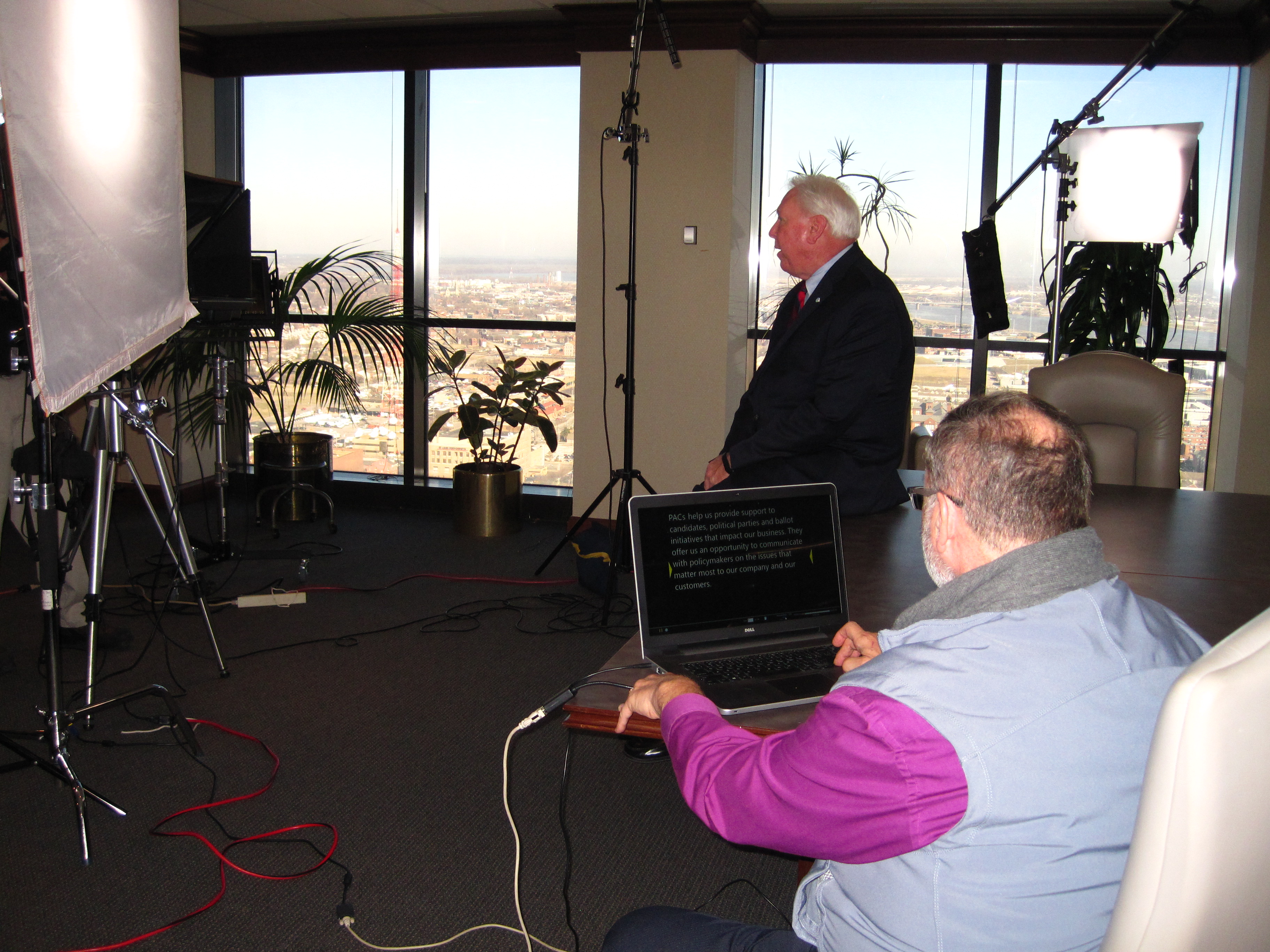





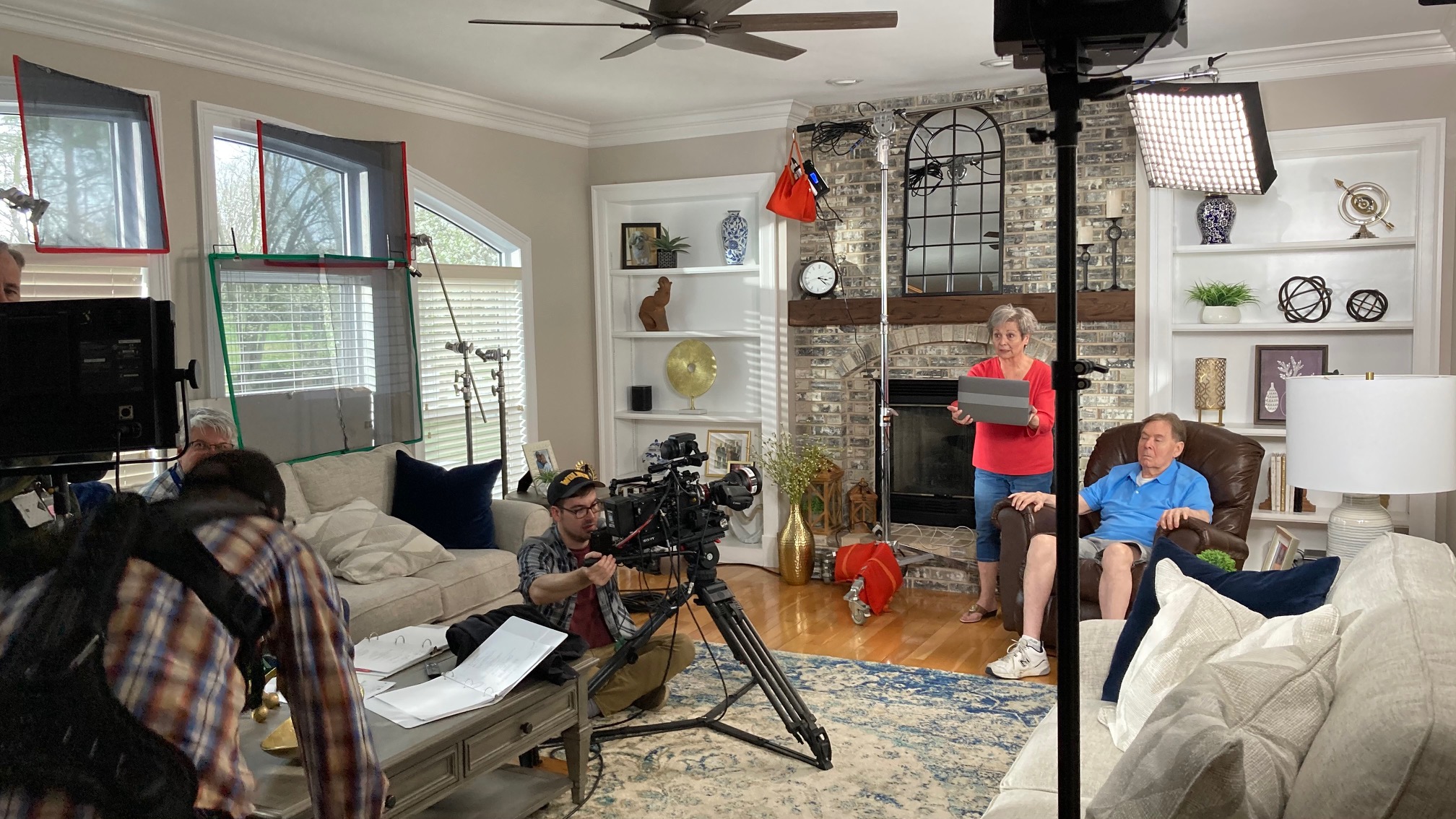
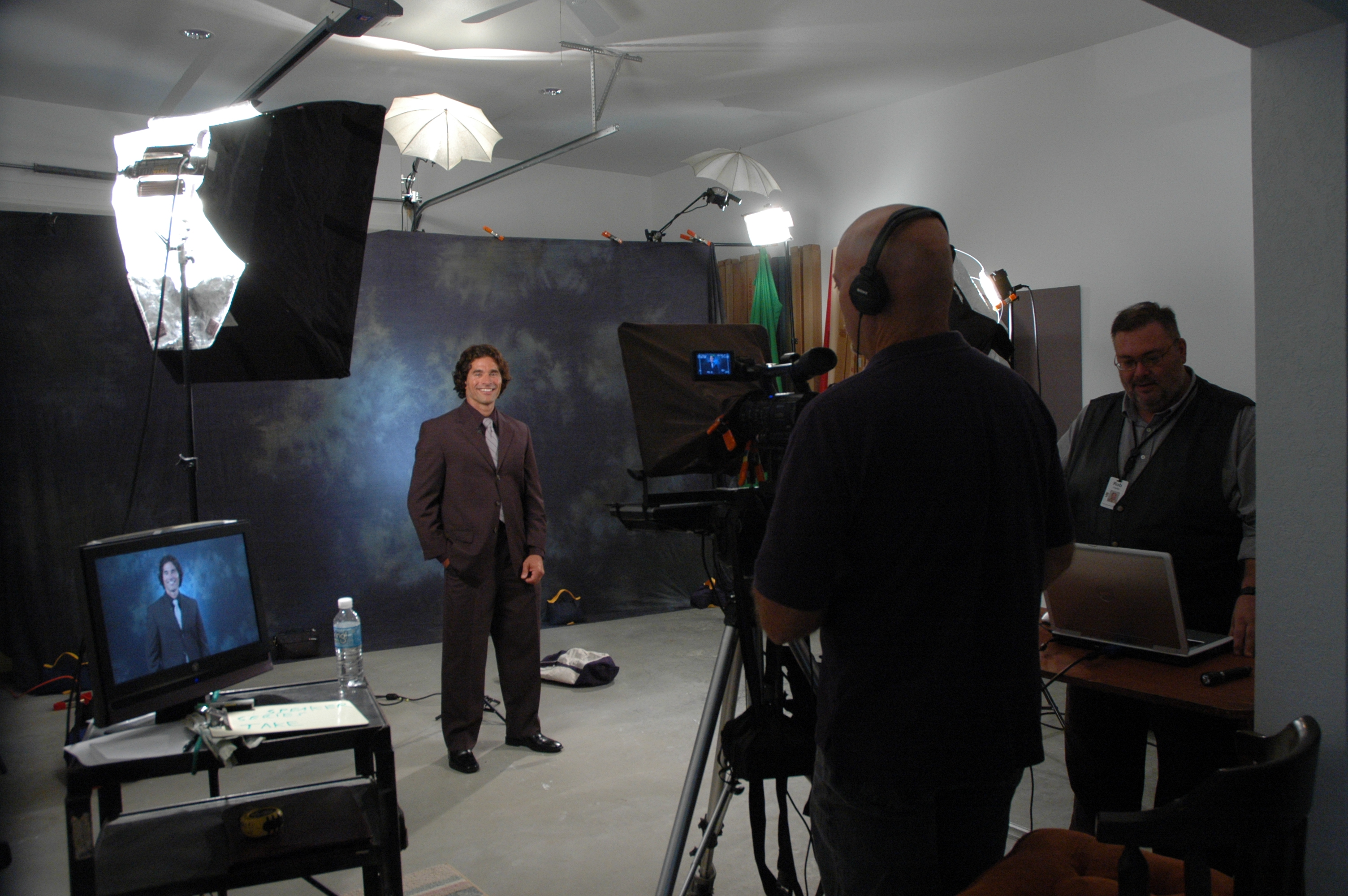
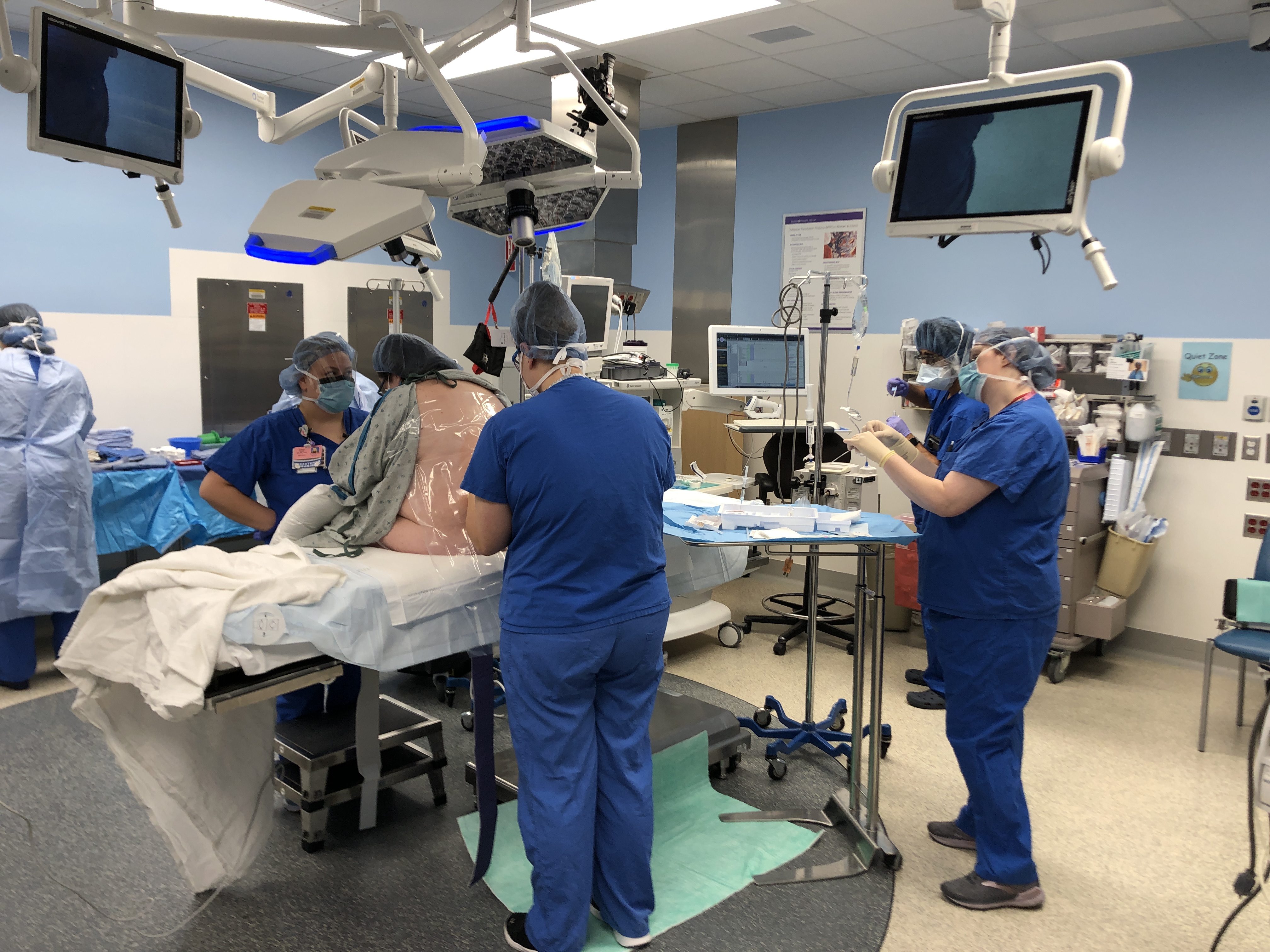
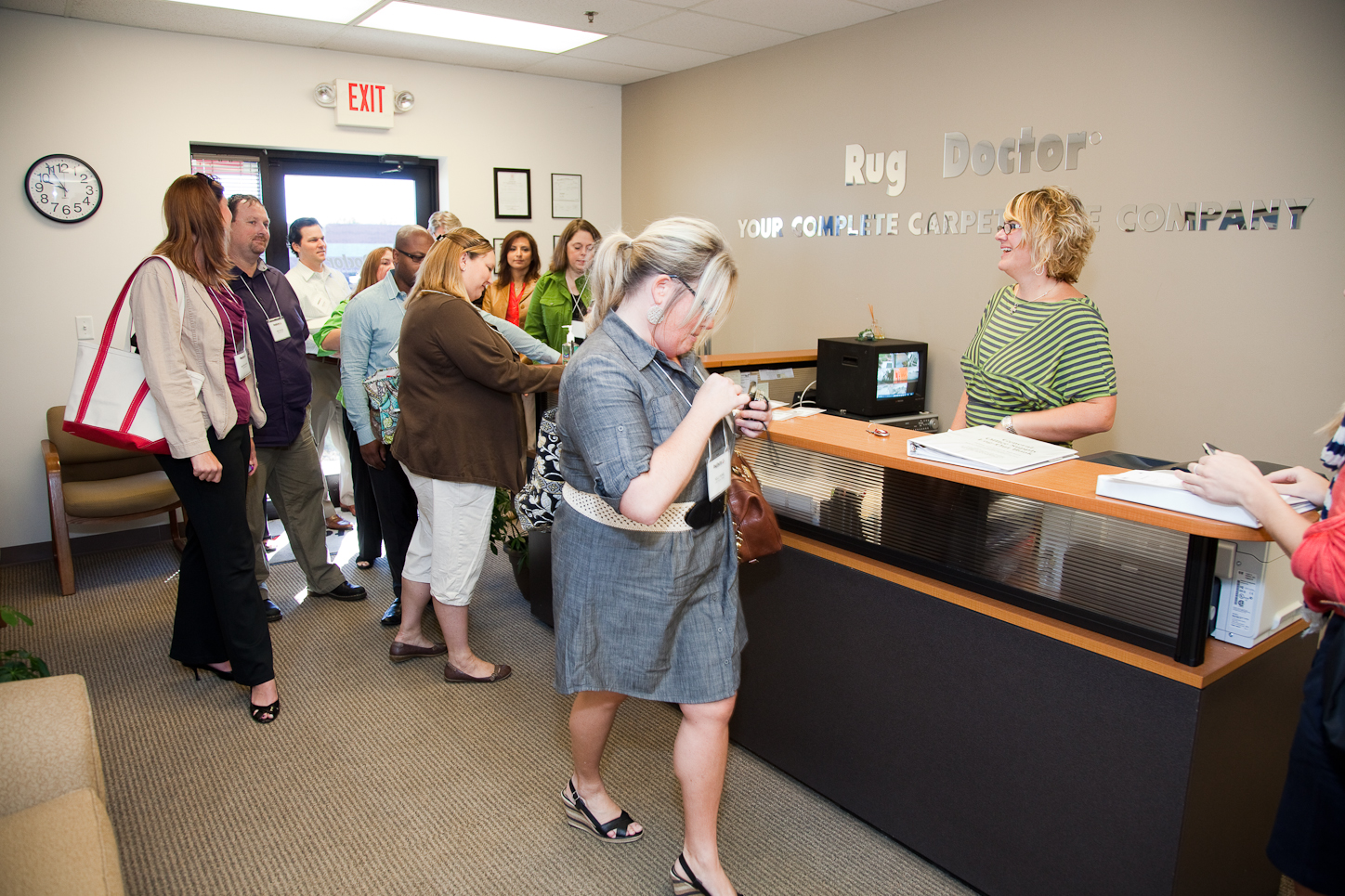
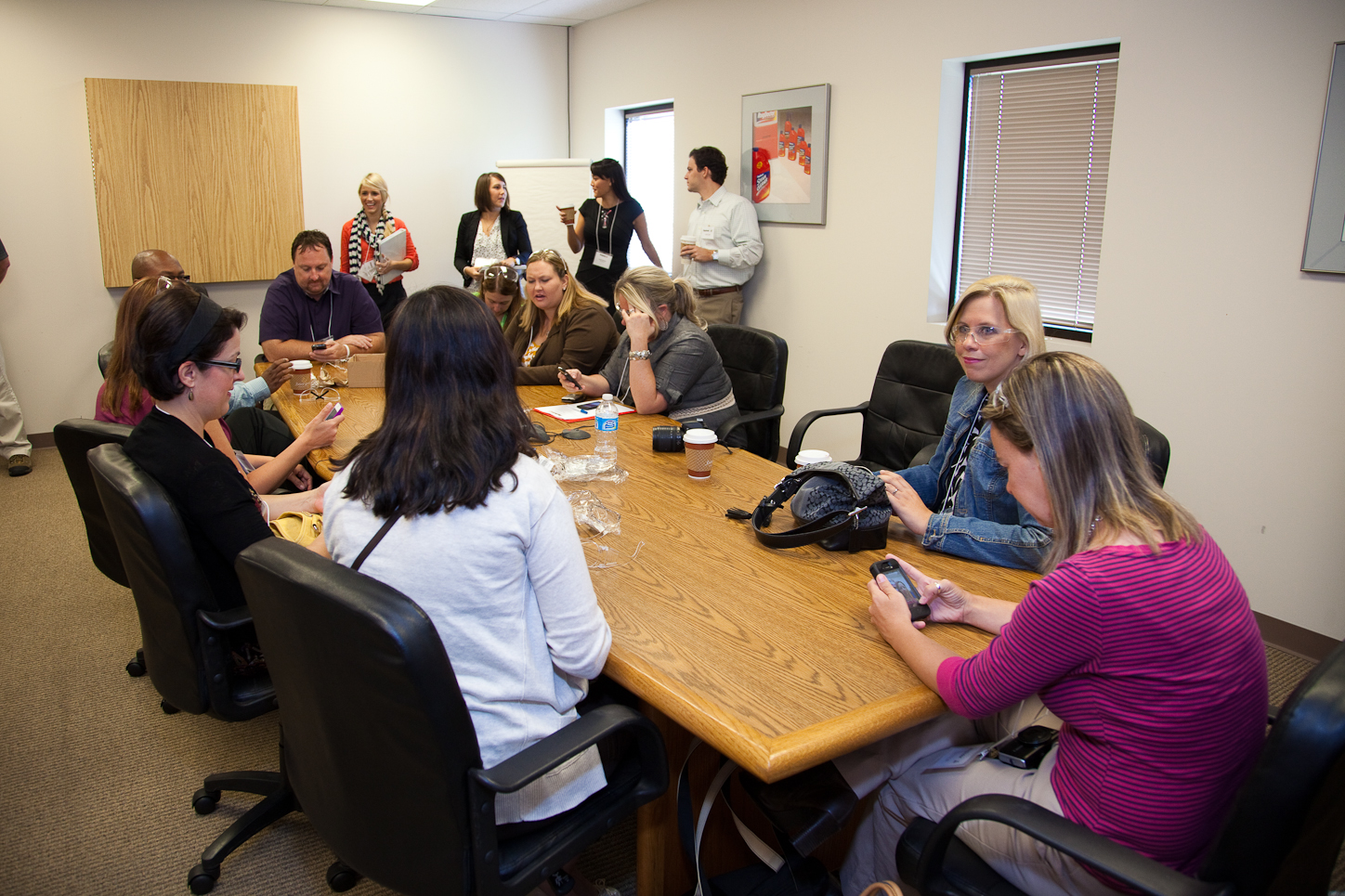
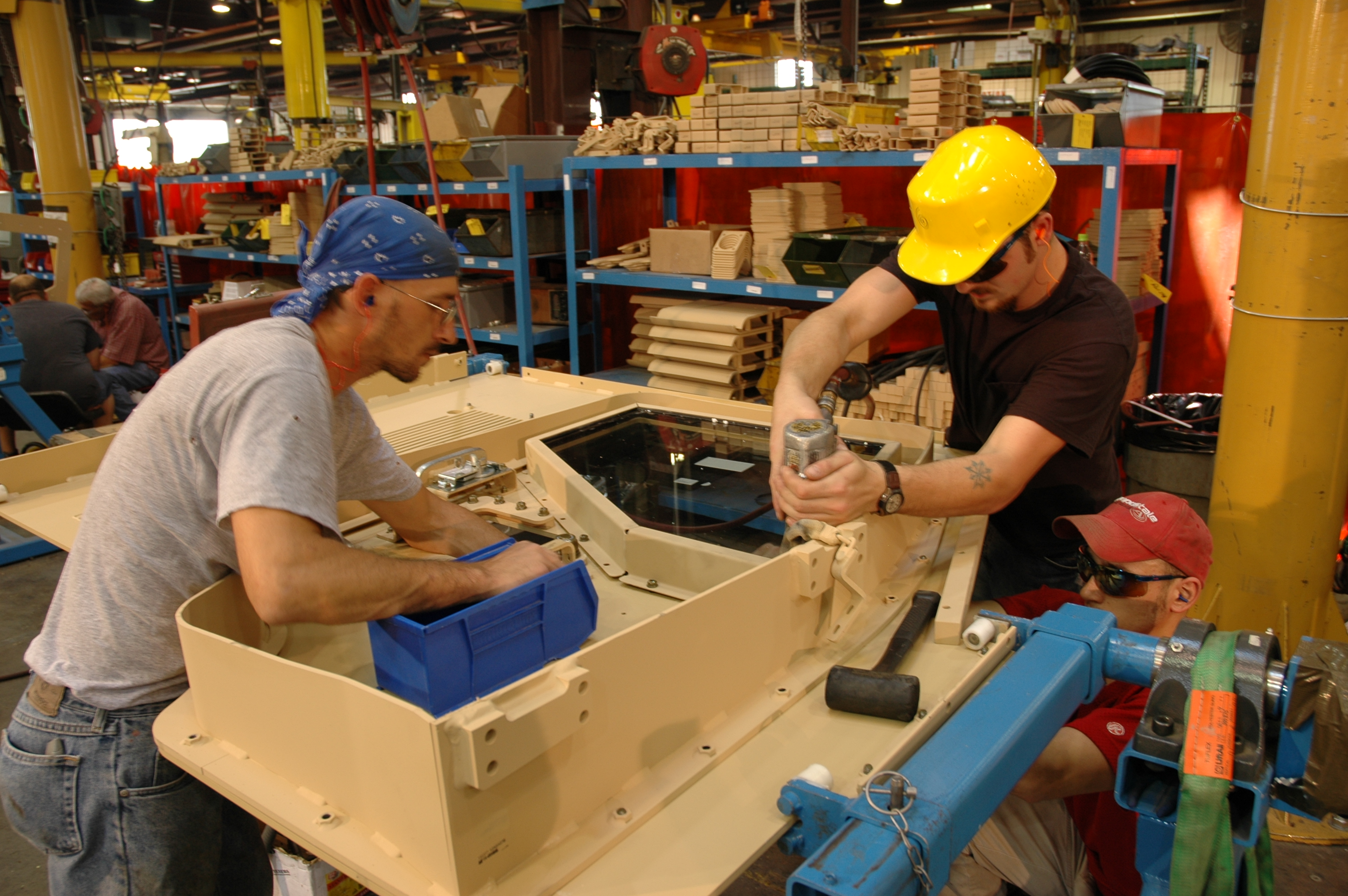
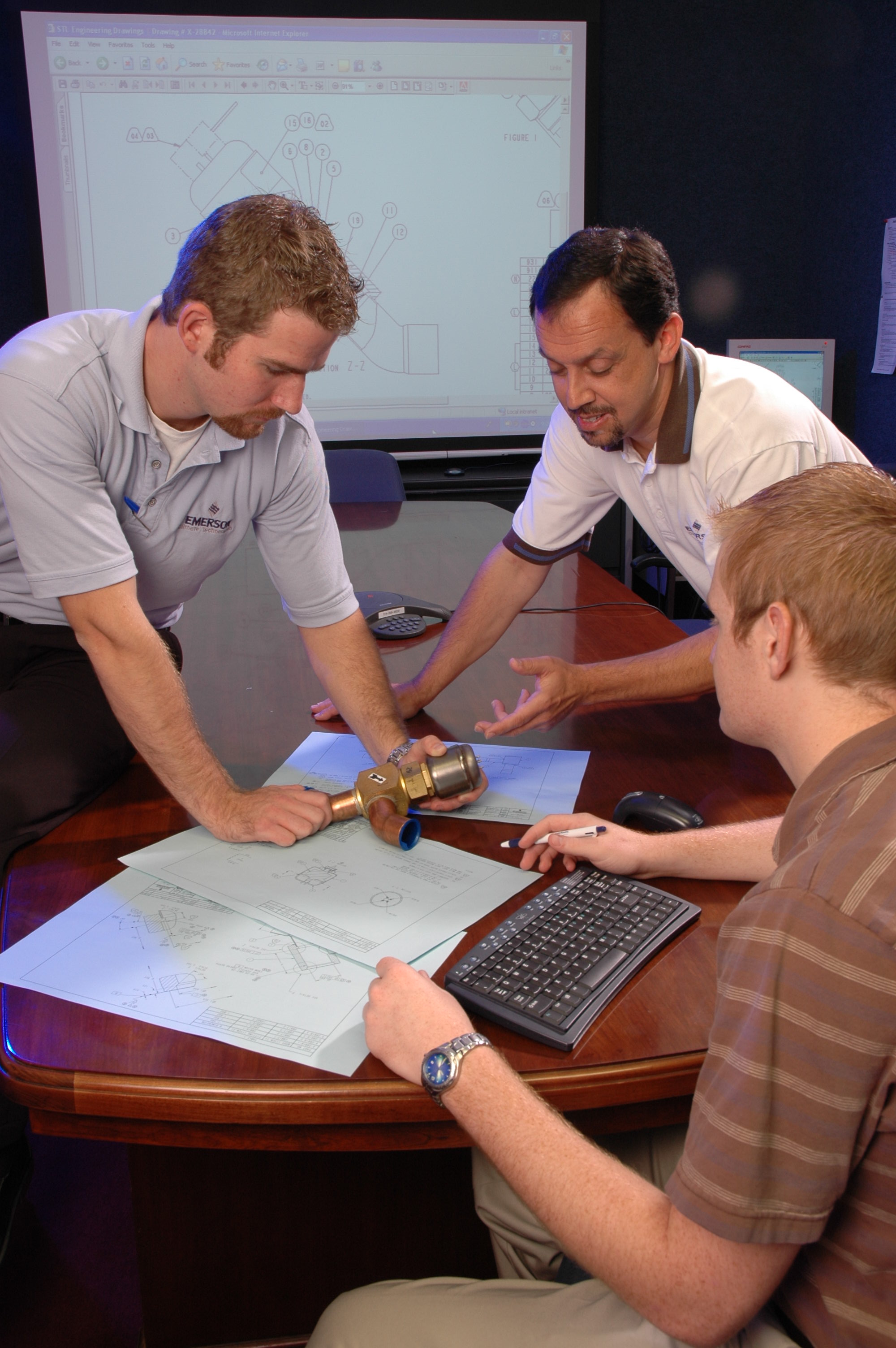
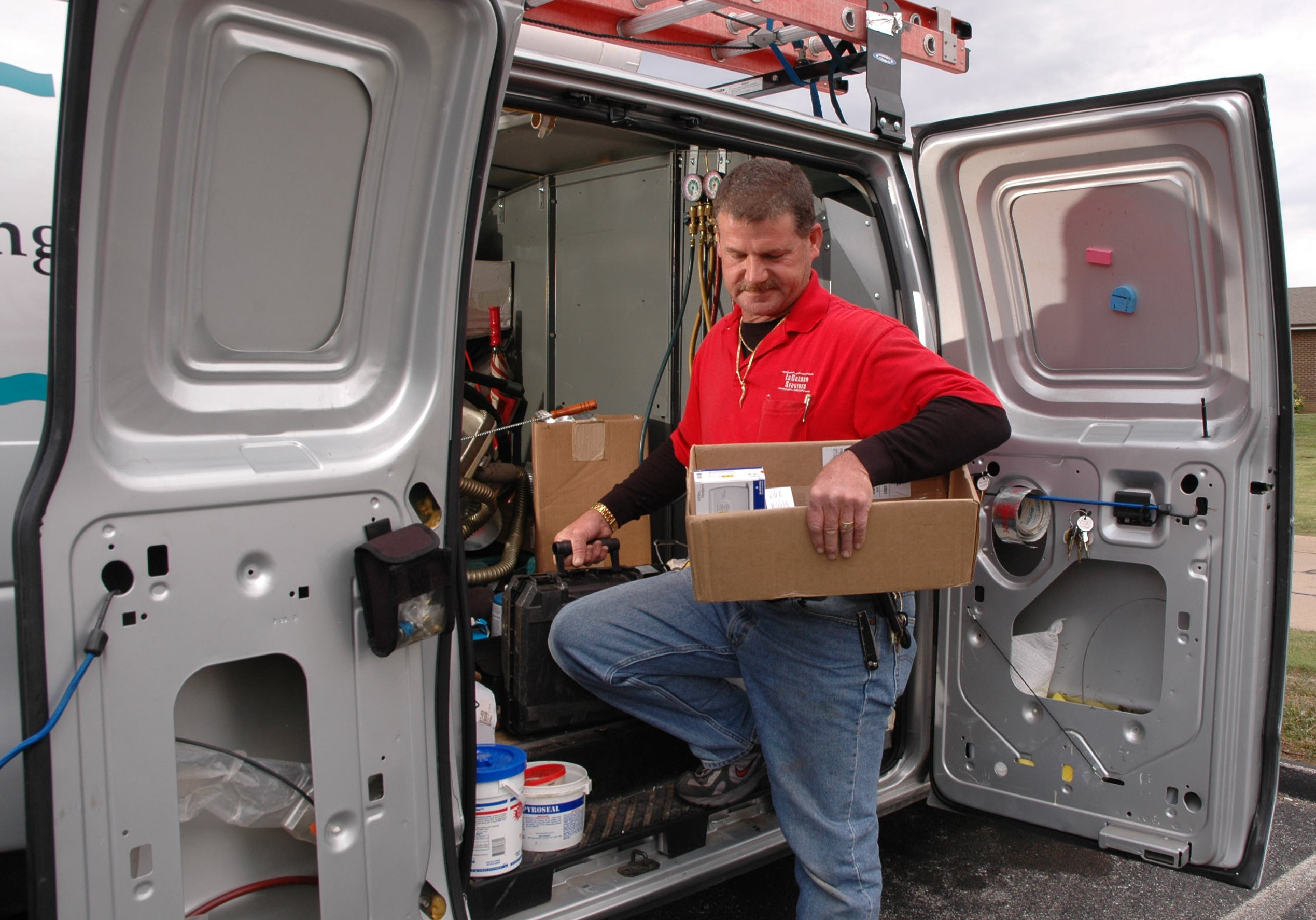

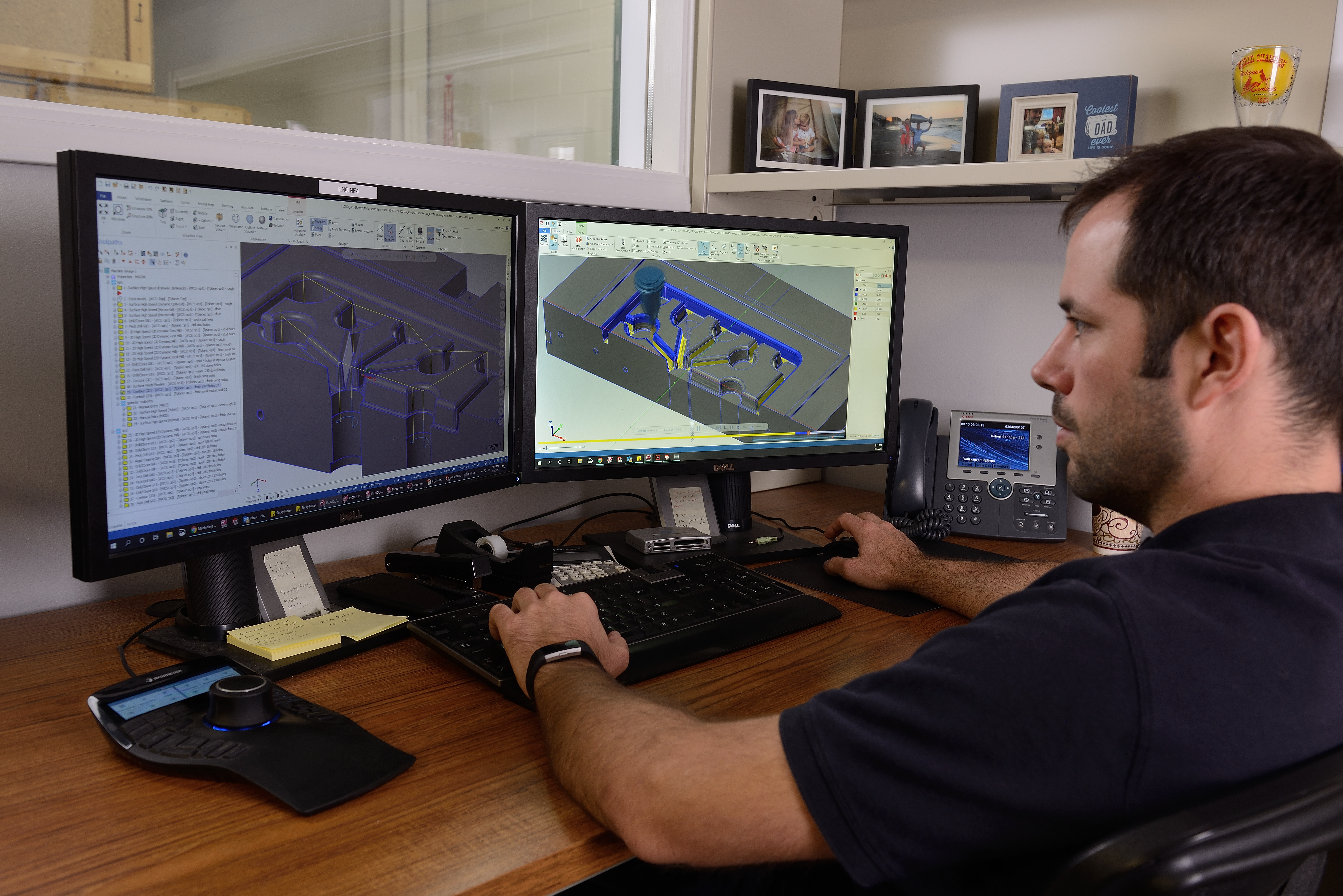
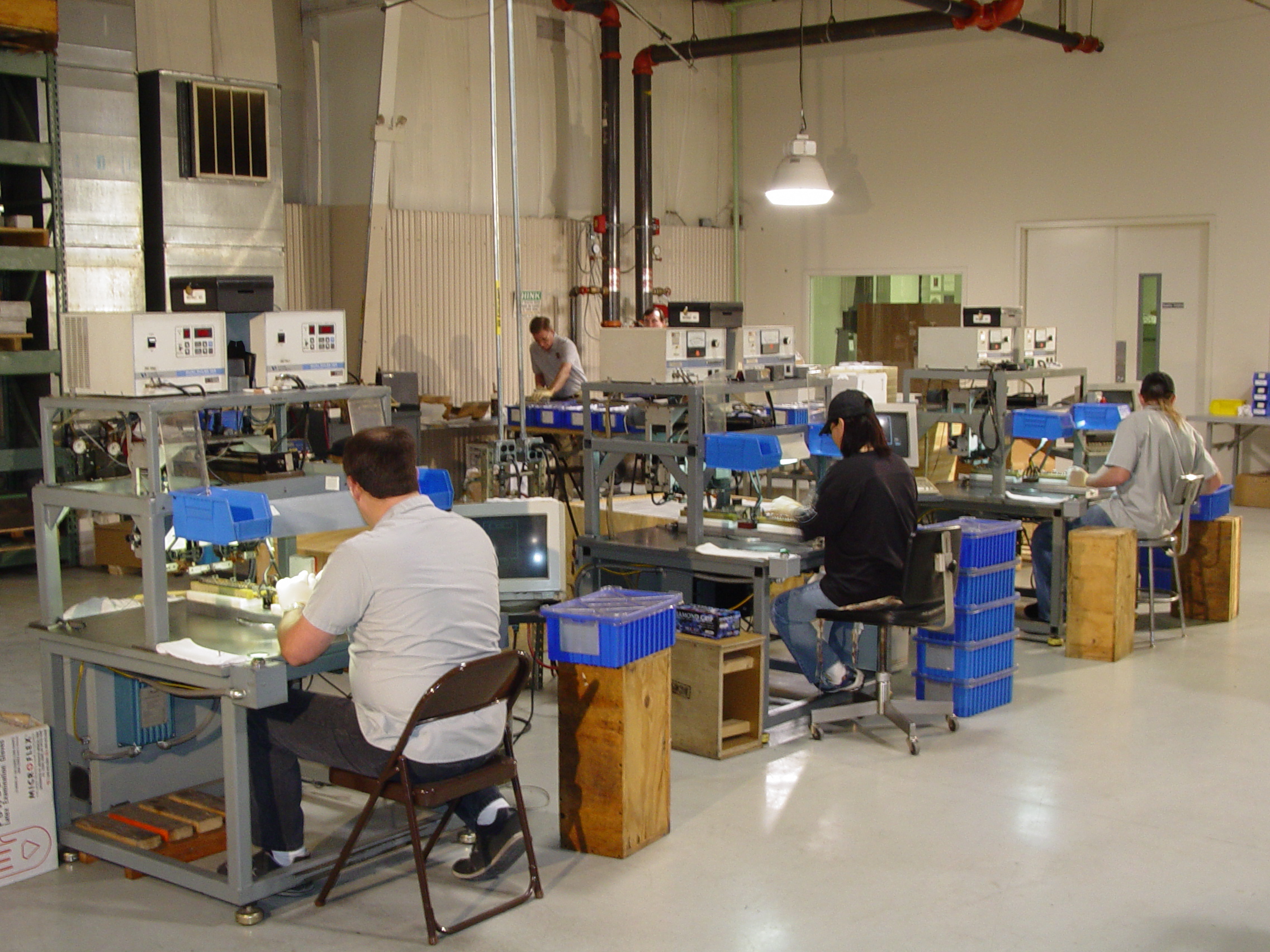
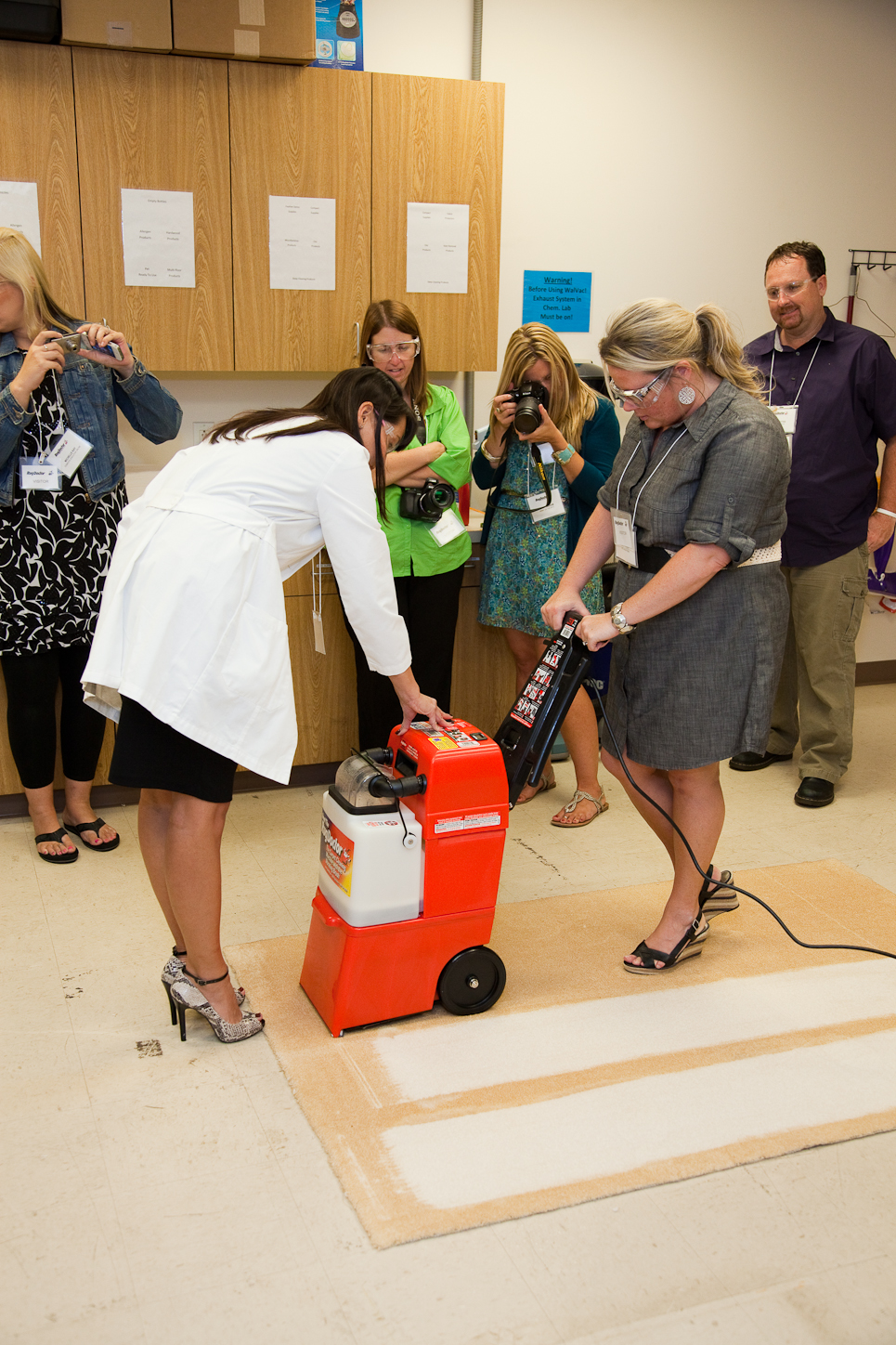

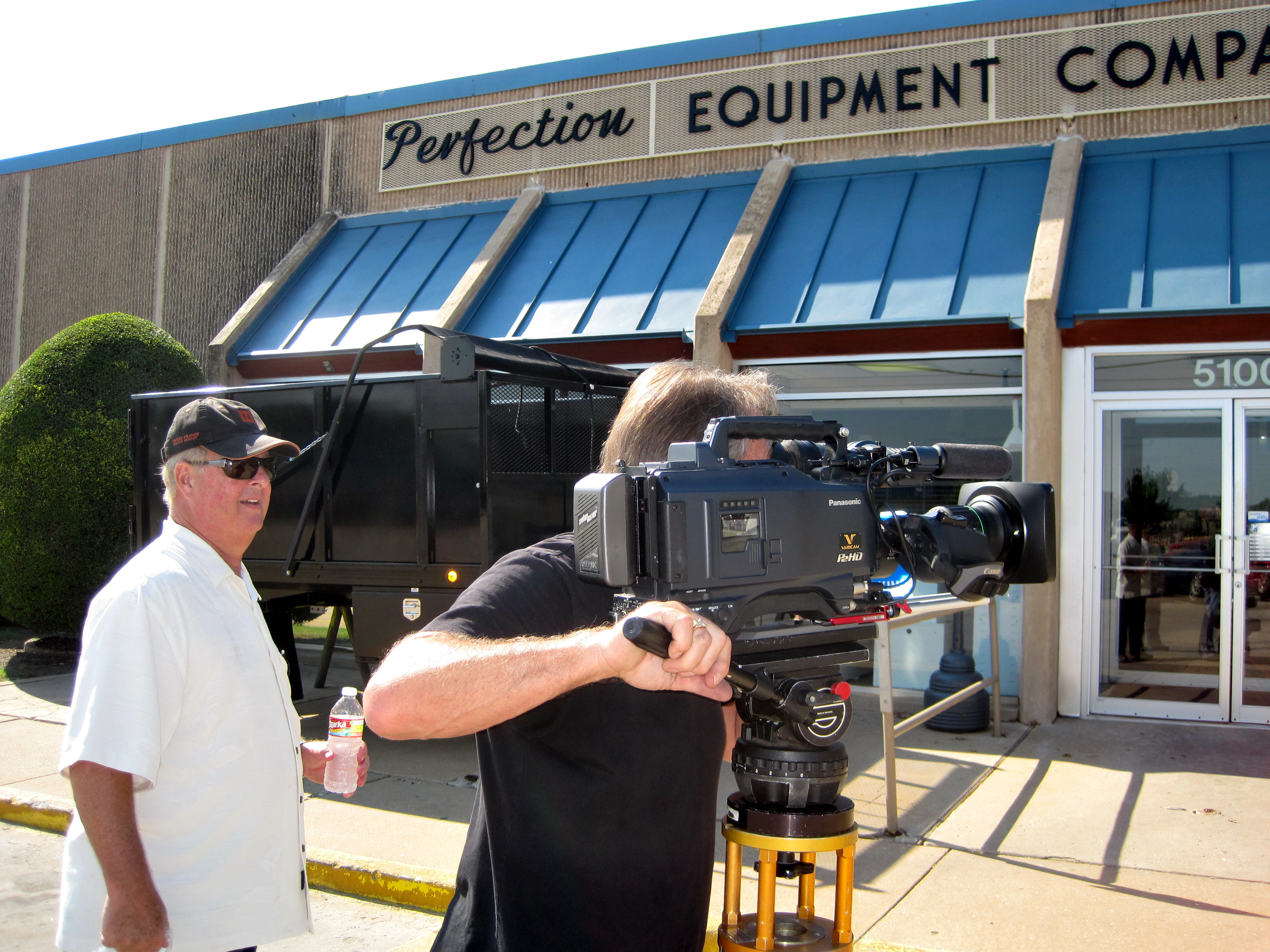

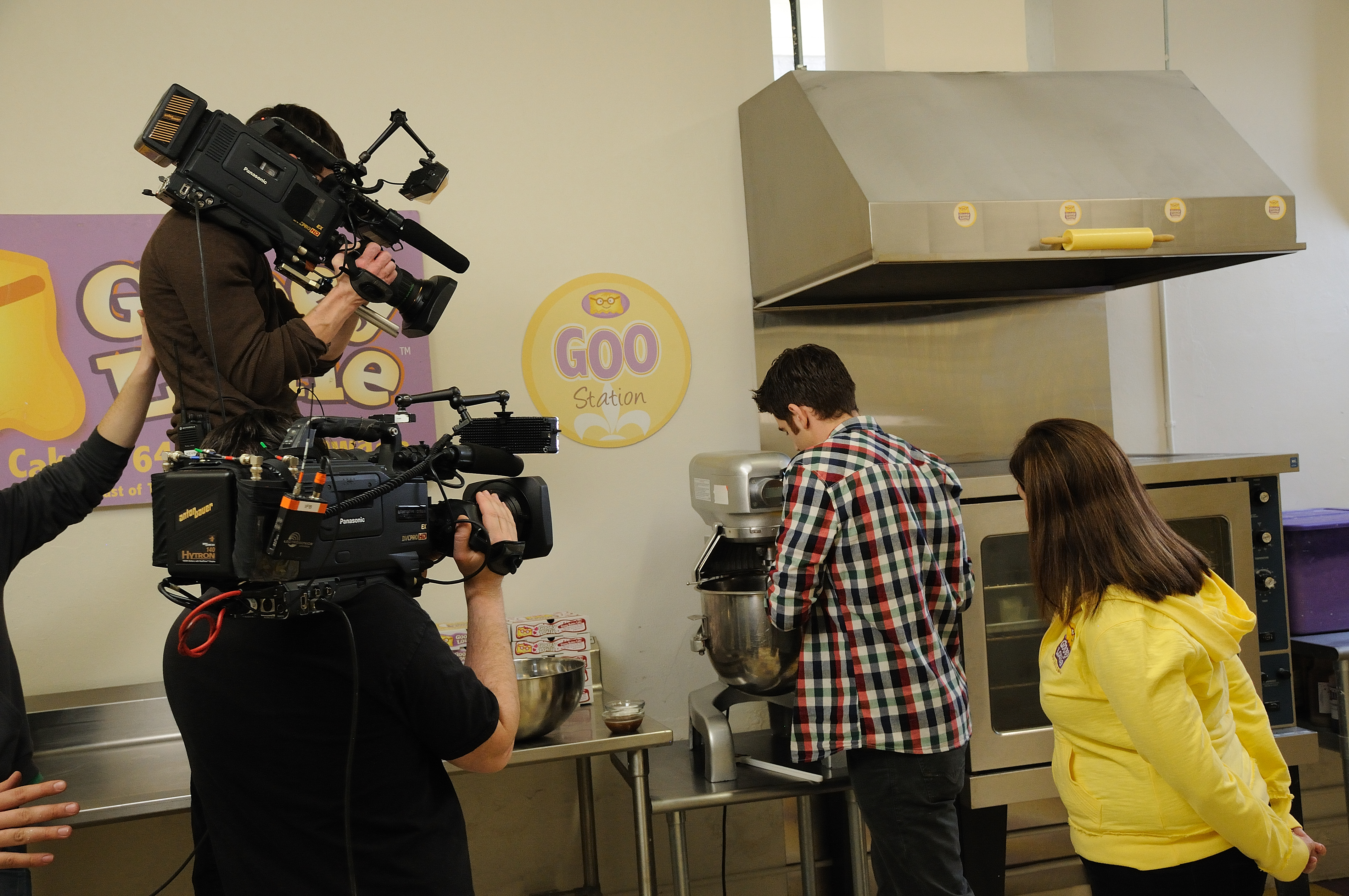
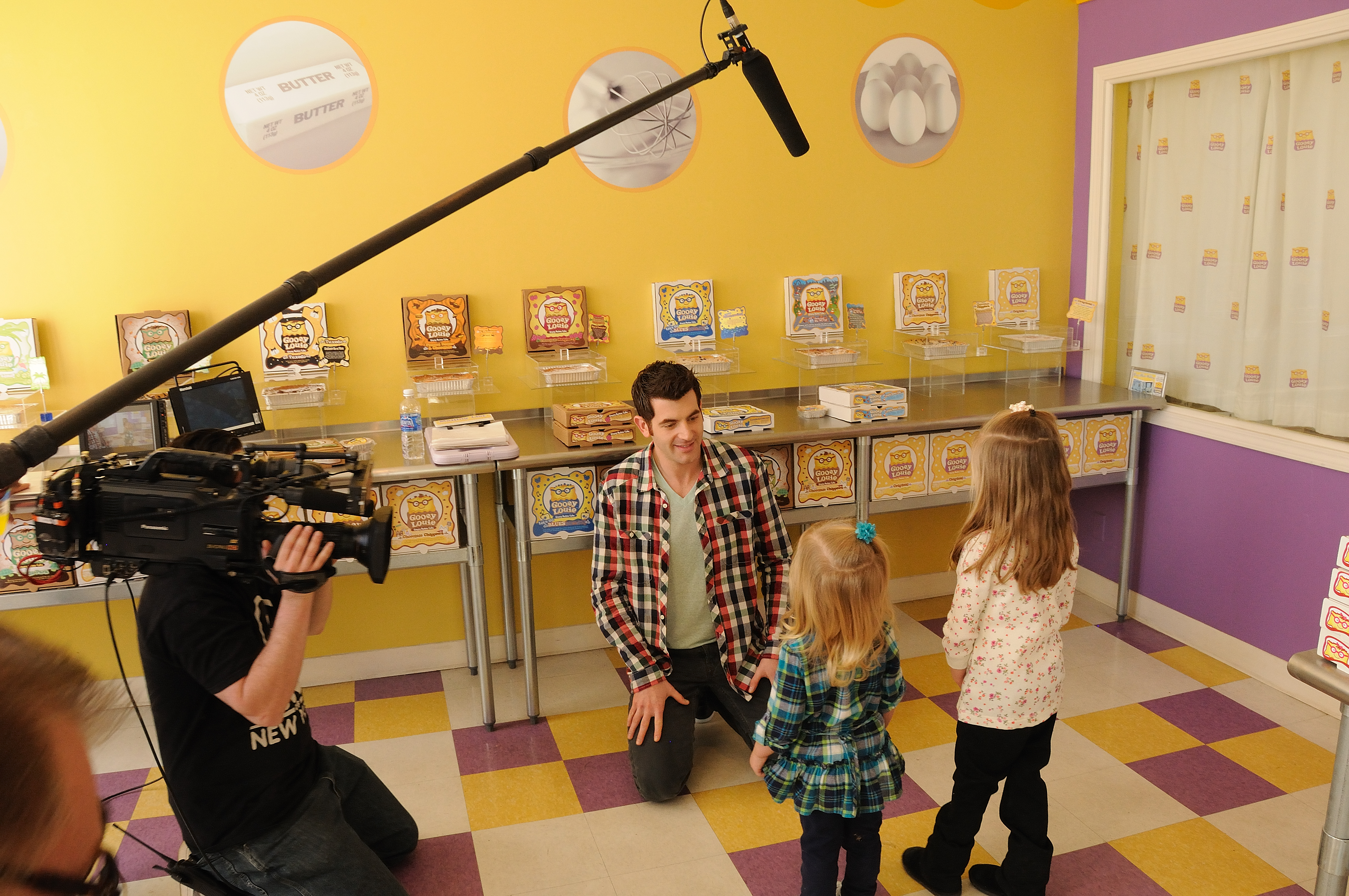

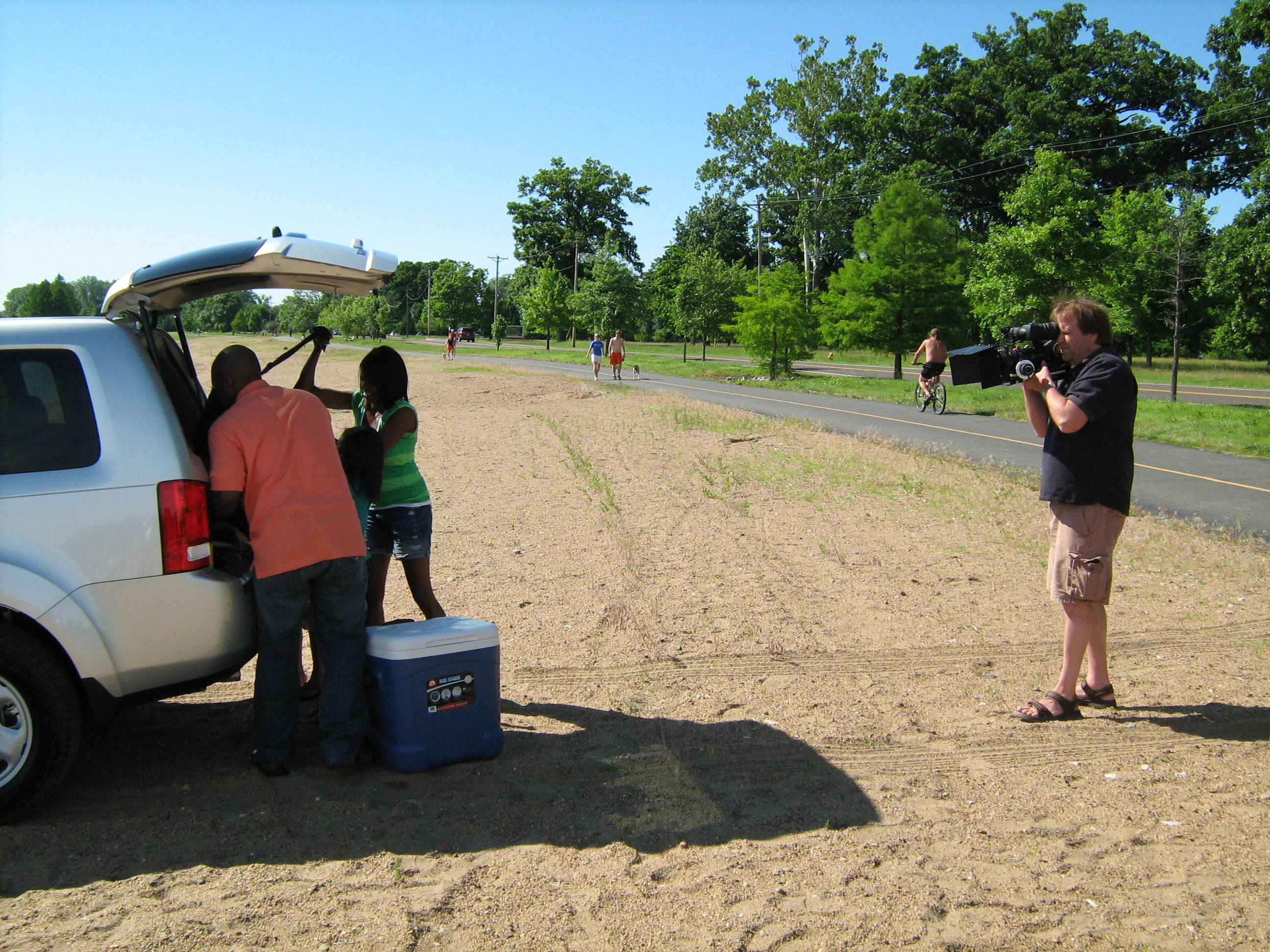
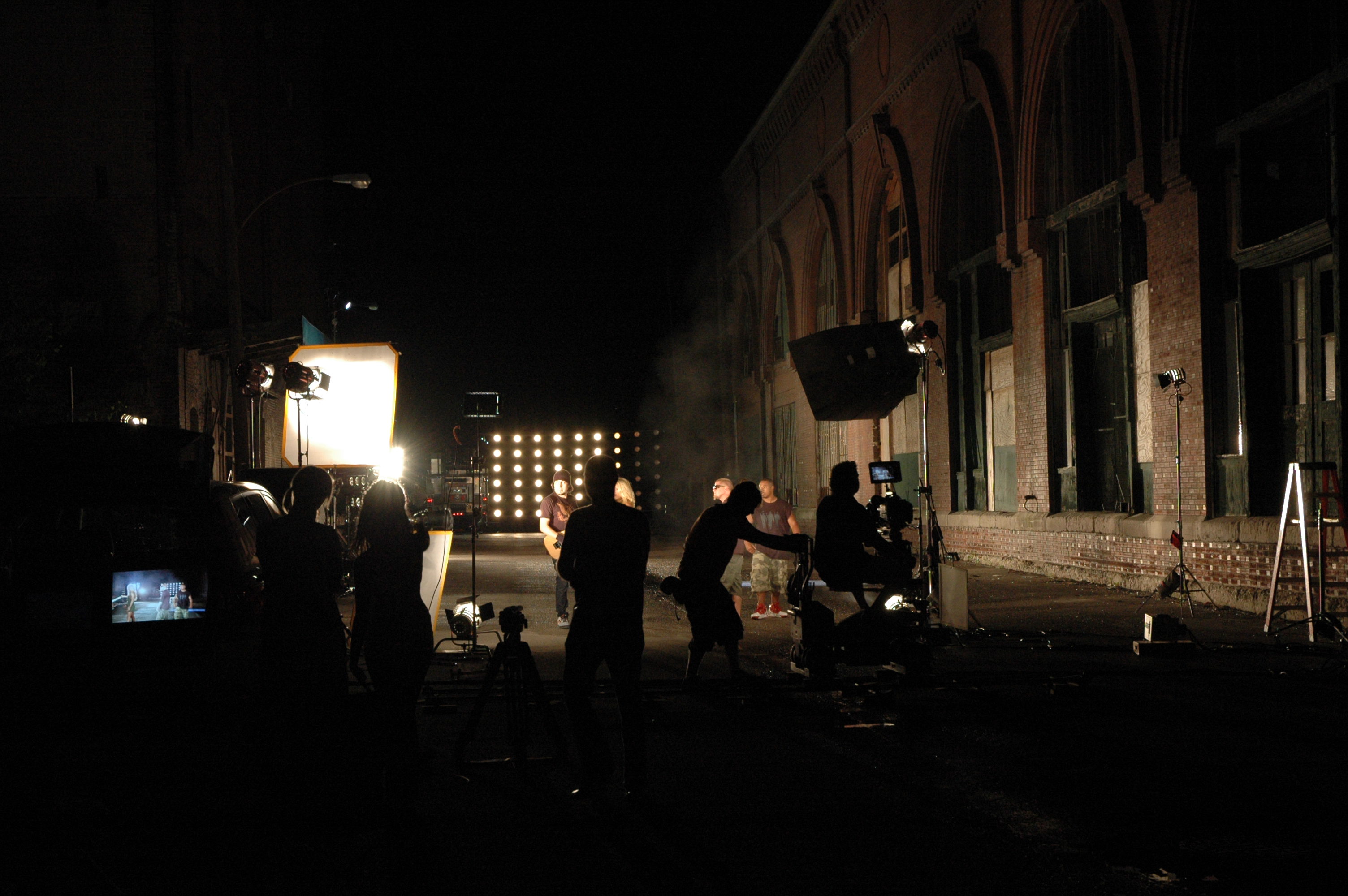

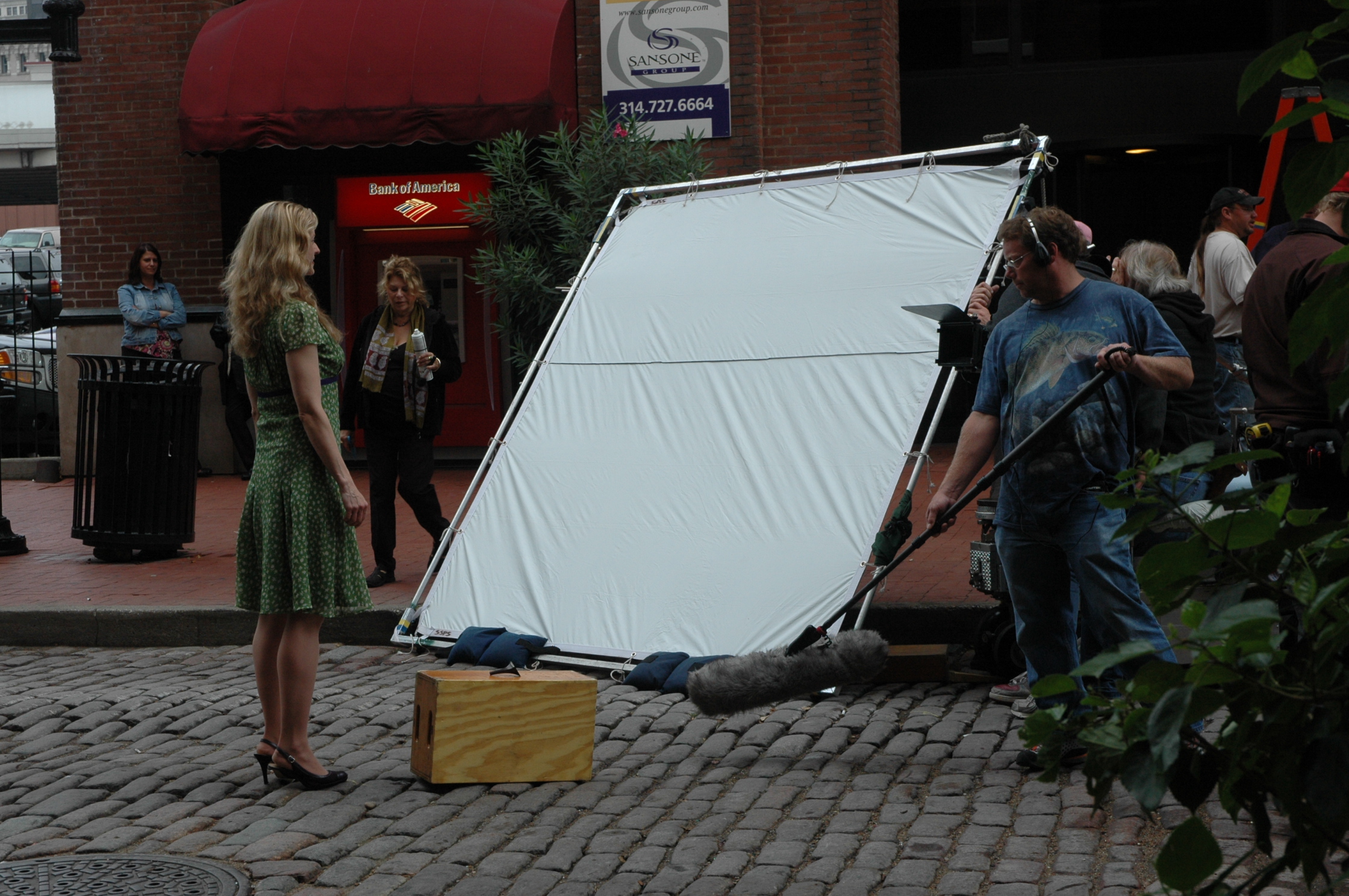
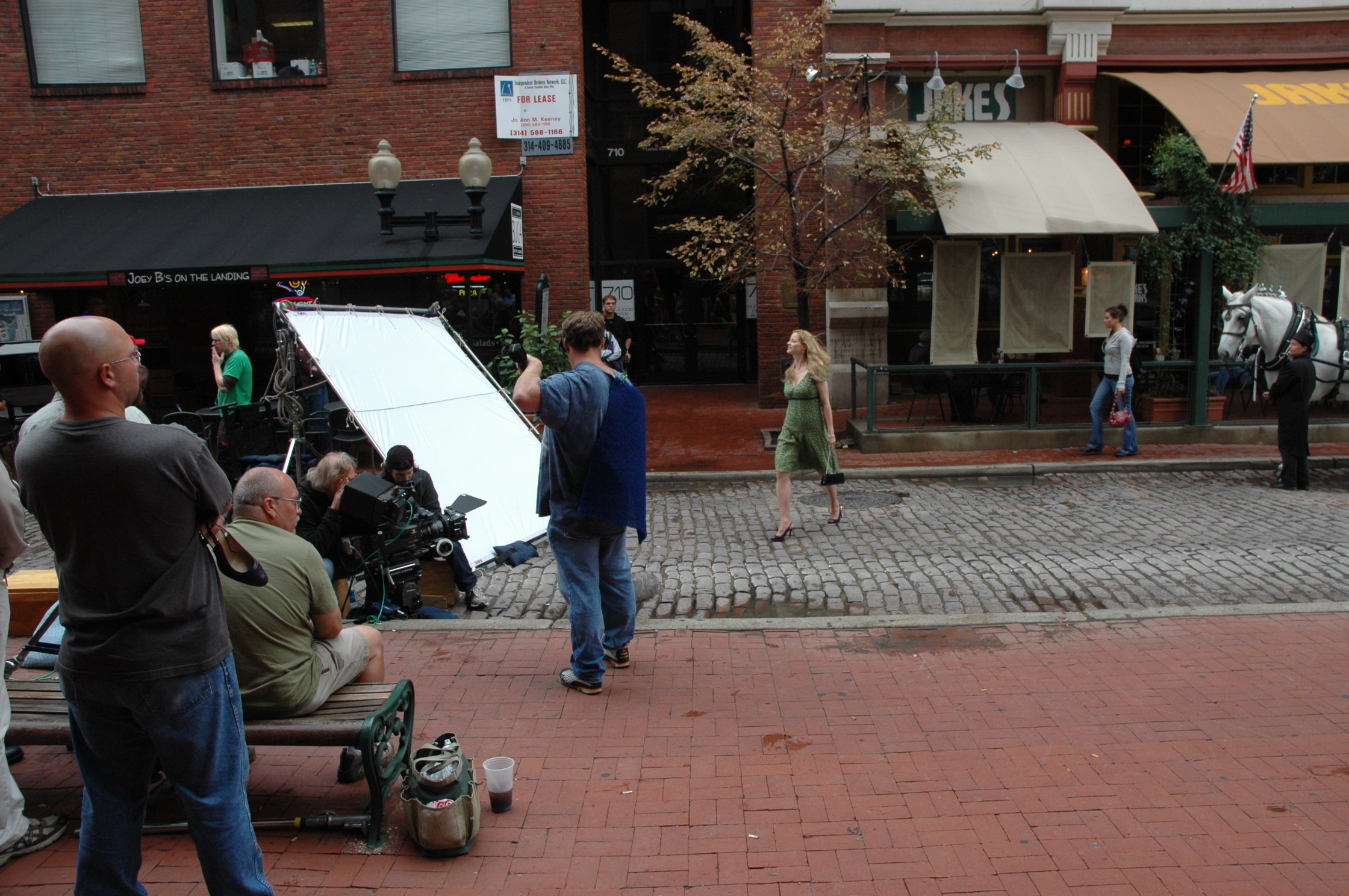
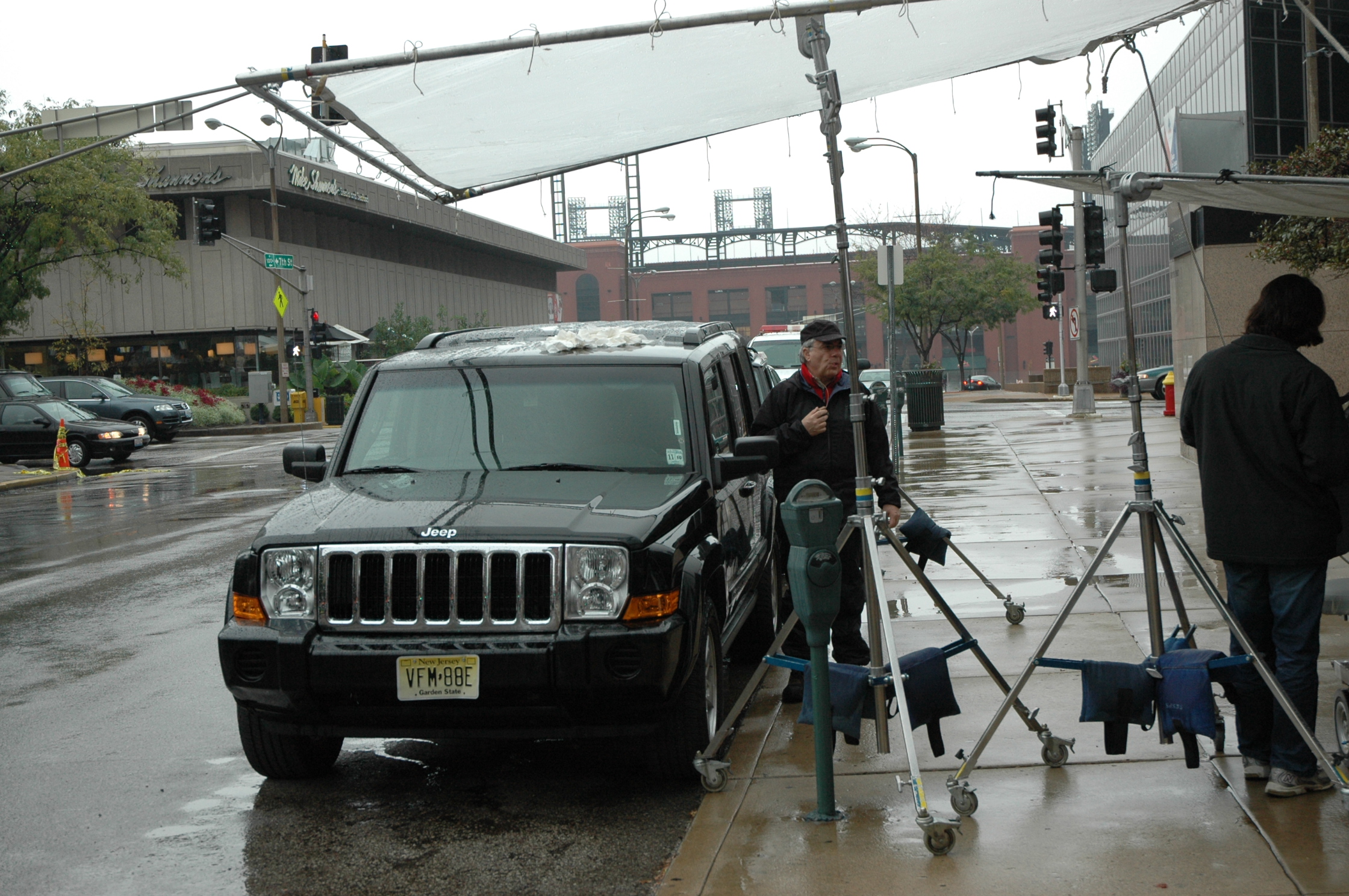
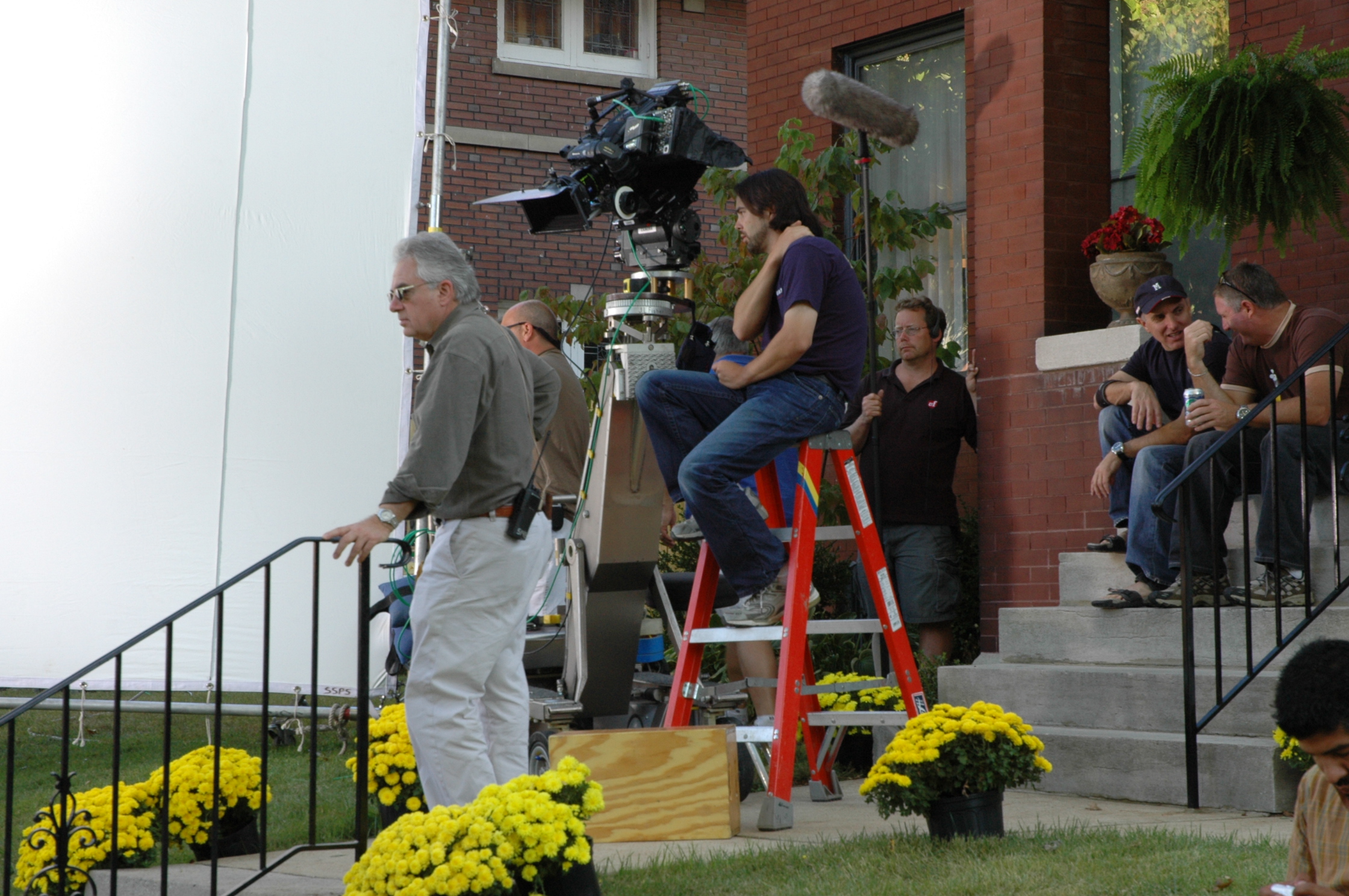
 St Louis Video Services