Tag Archives: st louis video post production

Mastering the Shot: How to Plan a Shoot That Seamlessly Combines Ground and Drone Cameras

In today’s fast-paced content landscape, businesses and agencies are constantly seeking ways to elevate their visual storytelling. Combining ground and drone cameras within a single production has become one of the most powerful ways to capture dynamic perspectives and produce visually engaging content. Whether you’re producing a commercial, a corporate overview, or a marketing promo, a well-planned hybrid shoot maximizes your creative potential—if executed strategically.

At St Louis Video Services, we’ve spent decades perfecting the art of synchronized ground and aerial video production. Here’s how to plan your next shoot for maximum efficiency and visual impact.


1. Define the Story—and How Aerial Footage Enhances It

Start by identifying the purpose of the video and the role each type of footage will play. Ask:

  • What scenes benefit from aerial context?
  • Where will ground-level storytelling or close-up detail drive emotional connection?

Drone shots often work best for:

  • Establishing locations (exteriors of buildings, campuses, or job sites)
  • Following motion (vehicles, people walking)
  • Providing scale (construction projects, outdoor events)

Meanwhile, ground cameras shine with:

  • Interviews and close-ups
  • Product demonstrations
  • Interior walkthroughs

By clarifying the purpose of each shot type early on, you reduce overlap and ensure every frame has a defined role in the final edit.


2. Map Out a Unified Shot List

Efficiency starts with planning. A joint drone/ground shoot must be carefully scheduled to avoid unnecessary resets or downtime. Create a master shot list that groups aerial and ground footage by location and time of day.

Pro tip: Don’t forget to consider sun position and weather when timing drone flights. You’ll want to fly during golden hour for cinematic light, but avoid harsh midday sun for interviews or interior shots.


Use mapping tools or location-scouting photos to plan each shot with precision—particularly for drone sequences, where altitude, line of sight, and FAA compliance must be factored in.


3. Synchronize Crew Roles and Communication

When working with both drone and ground units, clear crew communication is essential. Assign specific roles:

  • Drone Pilot (Part 107 certified)
  • Visual Observer (for drone safety)
  • Ground Camera Operator
  • Director or Producer to coordinate timing and transitions

Invest in communication tools like walkie-talkies or wireless headsets. This allows the drone team and ground crew to sync timing, especially when planning seamless transitions (e.g., drone rising from ground-level action or transitioning from an overhead shot into a close-up).

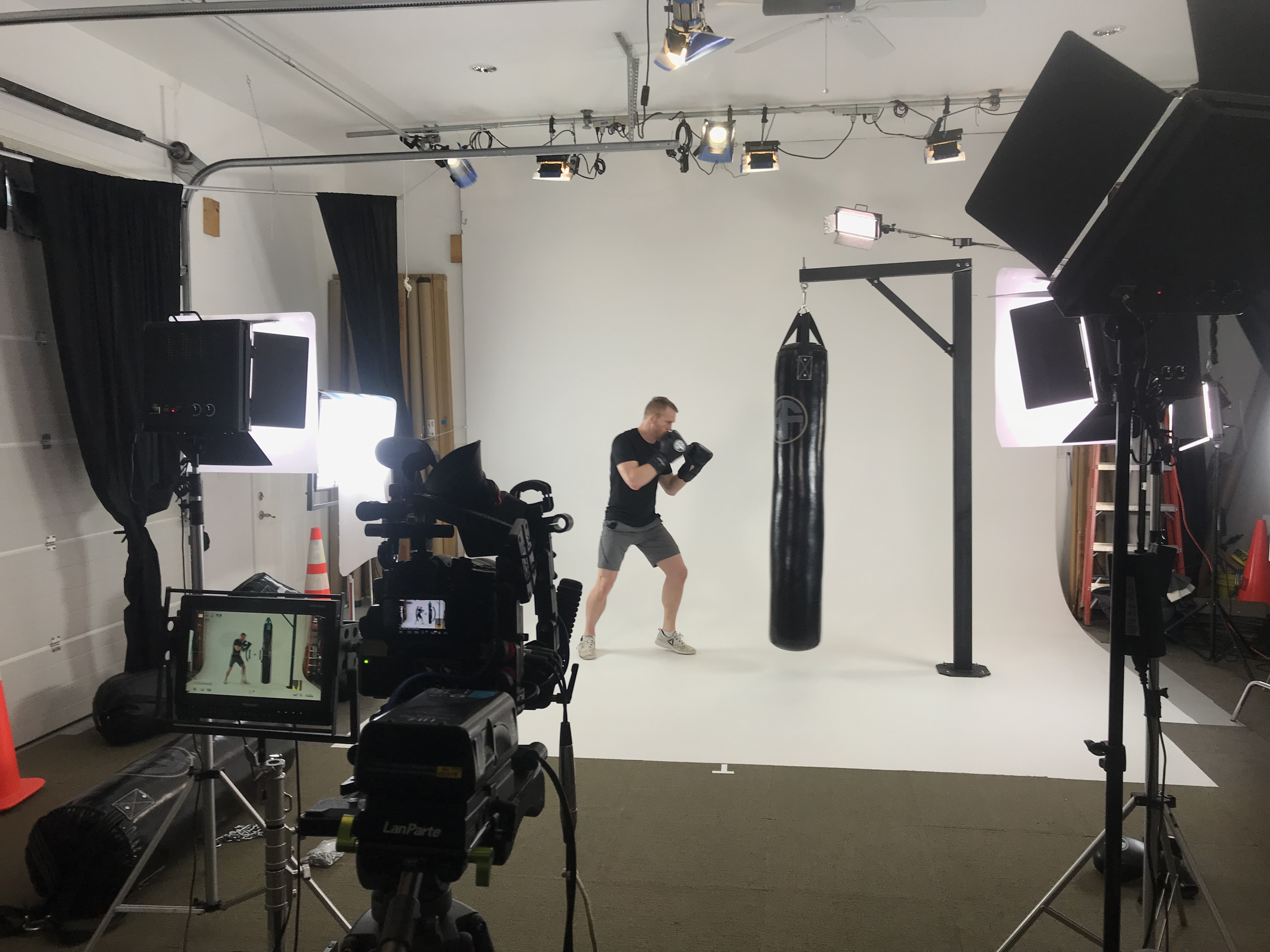
4. Use Matching Gear Settings and Frame Rates

Consistency in image quality is key when blending footage. Both drone and ground cameras should match in:

  • Resolution (e.g., 4K)
  • Frame rate (e.g., 24fps for cinematic, 30fps for corporate)
  • Color profile (shoot in log or flat for more grading flexibility)

At St Louis Video Services, we calibrate all cameras—whether mounted on tripods or flying drones—to ensure a seamless color grade in post. This prevents jarring shifts in contrast, saturation, or sharpness between clips.


5. Plan for Post-Production Integration

Efficient hybrid shoots think ahead to the edit. Capturing enough B-roll and transition footage helps editors bridge aerial and ground sequences smoothly. Consider movement direction, timing, and subject continuity. For example:

  • A drone shot following a subject walking into a building pairs well with a ground-level shot of them entering
  • A rising drone shot can transition into a ground-level scene panning across the same subject

Also, use markers or notes during the shoot for syncing audio and visual cues. Our post-production team uses advanced AI tools and editing software to streamline integration and enhance continuity between formats.


6. Ensure Legal and Safety Compliance

For drone footage, you must always:

  • Fly under FAA Part 107 regulations
  • Secure airspace clearance (especially in urban or restricted zones)
  • Respect privacy laws and no-fly zones
  • Use licensed and insured drone pilots

At St Louis Video Services, our drone operations are fully licensed, insured, and experienced in navigating both urban and rural airspace—including indoor drone flights, which require specialized skill and equipment.


Why Partner with St Louis Video Services?

Since 1982, St Louis Video Services has provided full-service professional video and photography production for businesses, marketing agencies, and organizations throughout the St. Louis area. Our team has the expertise and the gear to deliver seamless ground-and-drone integrated productions.

We offer:

  • Studio and on-location video and photography
  • Advanced post-production and editing services
  • FAA-certified drone pilots
  • Custom lighting setups for small productions and interview scenes
  • Repurposing services to extend the value of your branded content
  • AI-enhanced workflows for faster, more dynamic output

Whether you need a powerful aerial establishing shot or a cinematic interview setup, we bring the right equipment, creative vision, and crew coordination to make your next hybrid shoot a success.

Let us help you plan your next multi-dimensional production—with efficiency, safety, and creative clarity.


Ready to elevate your brand with a dual-perspective video production? Contact St Louis Video Services today to schedule a consultation.
314-604-6544

stlouisvideoservices@gmail.com

Video Formatting Guide for Social Media

In today’s social media landscape, the influence of video content continues to surge. To harness its potential, it’s crucial to comprehend the art of formatting your videos for optimal reach and engagement. This guide delves into the world of video formatting, covering the ideal formats and dimensions for various social media platforms, along with strategies for enhancing searchability and accessibility.

We often reformat client training videos for social media.

Video Formatting When it comes to video formatting, MP4 stands out as the universally accepted format across all social media platforms. It boasts efficient compression, which ensures that video quality remains high while keeping file sizes manageable. While formats like AVI and MOV might also be compatible, it’s advisable to stick with MP4 for maximum compatibility.

Video Dimensions Different social media platforms prescribe distinct dimensions for video content. Here are the recommended dimensions for some of the most popular platforms:

  • Facebook: 1080 x 1920 pixels (landscape) or 1080 x 1080 pixels (square)
  • Instagram: 1080 x 1920 pixels (landscape) or 1080 x 1080 pixels (square)
  • Twitter: 720 x 720 pixels (square) or 1024 x 512 pixels (landscape)
  • YouTube: 1280 x 720 pixels (landscape) or 640 x 360 pixels (portrait)

It’s essential to note that these dimensions are recommendations, and videos can still be uploaded in other sizes. However, for the best viewer experience, adhering to these recommended dimensions is advisable.

Video Length The ideal video length varies depending on the platform and the nature of the content. Here are some general guidelines:

  • Facebook: 1-2 minutes
  • Instagram: 1-60 seconds
  • Twitter: 2 minutes and 20 seconds
  • YouTube: 15-20 minutes

Remember, these are general guidelines, and it’s wise to strive for concise and engaging video content regardless of the platform.

Video Captioning and Subtitles Incorporating captions and subtitles in your videos can significantly boost engagement and widen your reach, especially for users who are hearing impaired or have the sound turned off. While many social media platforms offer built-in captioning tools, you can also add captions and subtitles using video editing software.

Video Optimization for Search To maximize the visibility of your videos on social media, optimizing them for search is paramount. Here are some tips for optimizing your videos:

  • Utilize relevant keywords in the video title and description.
  • Add descriptive tags to your videos.
  • Include a transcript of the video.
  • Implement a call to action both in the video and the video description.

Meta Description This guide has provided insights into the best video formatting and dimensions for various social media platforms, as well as strategies for optimizing your videos for searchability and accessibility. By following these guidelines, you can ensure that your videos reach the widest possible audience and drive engagement with your brand.

Conclusion As video content gains prominence on social media, mastering video formatting is key to maximizing reach and engagement. By adhering to the recommendations in this guide, you can ensure that your videos are tailored for different social media platforms and resonate with a broader audience. Furthermore, optimizing your videos for searchability and accessibility can enhance engagement with your brand. If you need further information, don’t hesitate to ask!

314-604-6544

stlouisvideoservices@gmail.com

Creating a Compelling Storyline for Your Video Ad

Agriculture Marketing video clips for Bayer/Monsanto

The importance of storytelling in video advertising

At the heart of every successful video ad is a compelling story that resonates with the viewer. Storytelling is an essential tool for video advertising because it allows you to connect with your audience on a deeper level. A good story can evoke emotion, build trust, and ultimately drive conversions.

In today’s digital age, people are bombarded with information and advertisements. To stand out, you need to create a storyline that captures your audience’s attention and keeps them engaged. Storytelling allows you to do just that by creating a connection with your audience that goes beyond just selling a product or service.

Identifying your target audience

Before you can create a compelling storyline for your video ad, you need to know who your target audience is. Understanding your audience is essential because it helps you tailor your message and create a storyline that resonates with them.

To identify your target audience, consider factors such as age, gender, location, interests, and behaviors. Conducting market research, analyzing customer data, and gathering feedback from your audience are all effective ways to gain insights into your target audience.

By understanding your audience, you can create a storyline that speaks directly to their needs, desires, and pain points. This will help you create a video ad that resonates with your audience and drives conversions.

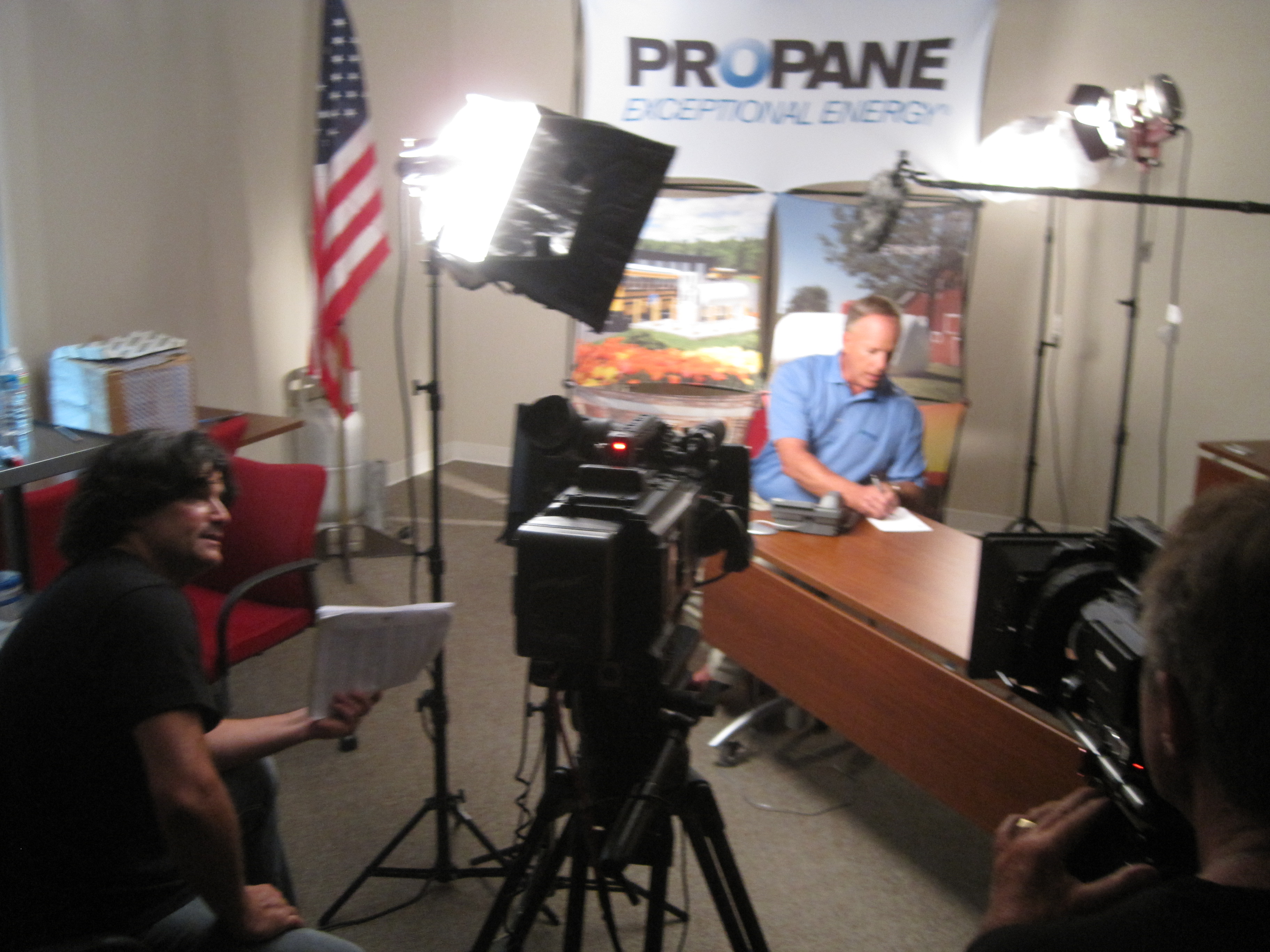
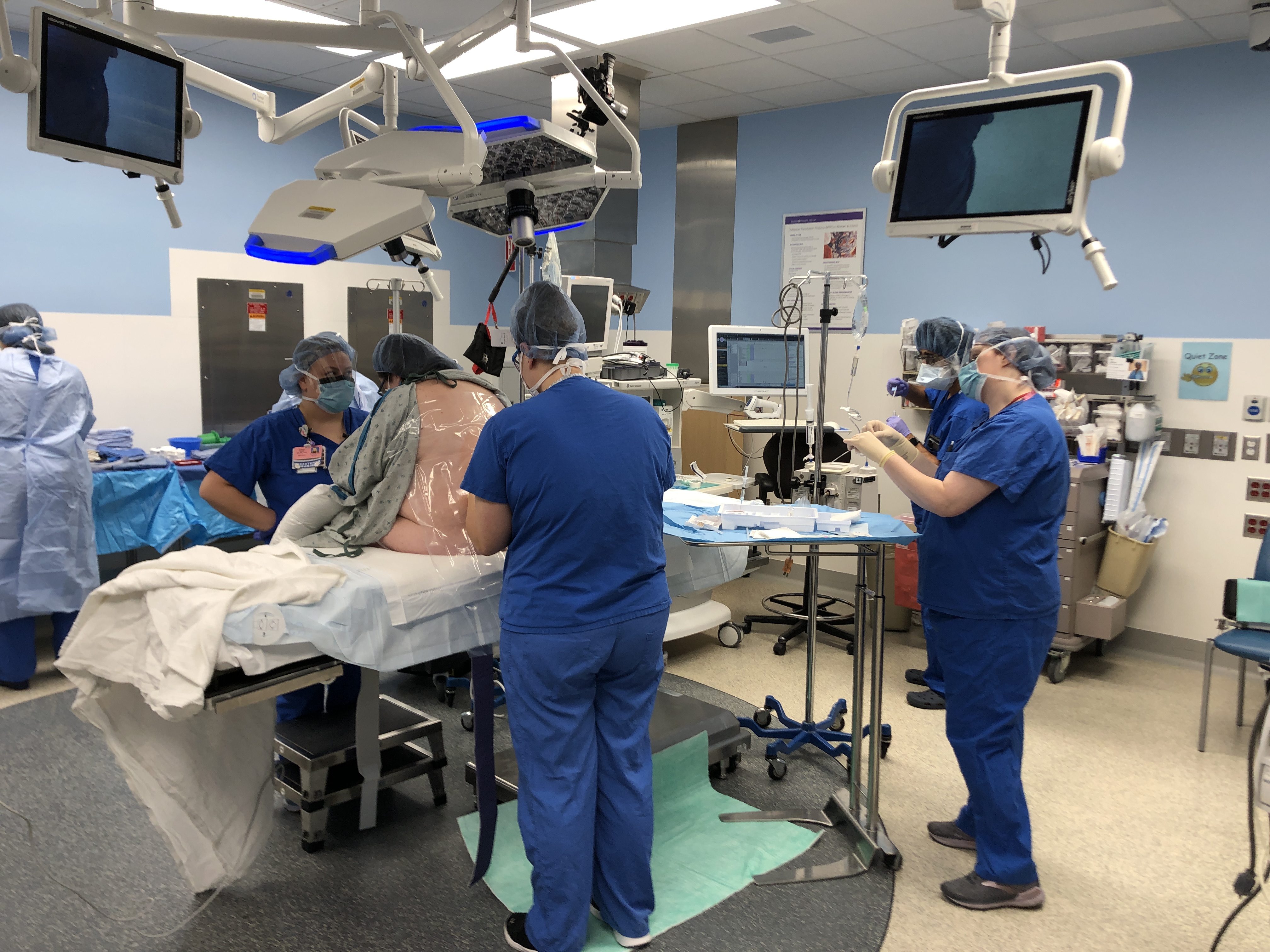
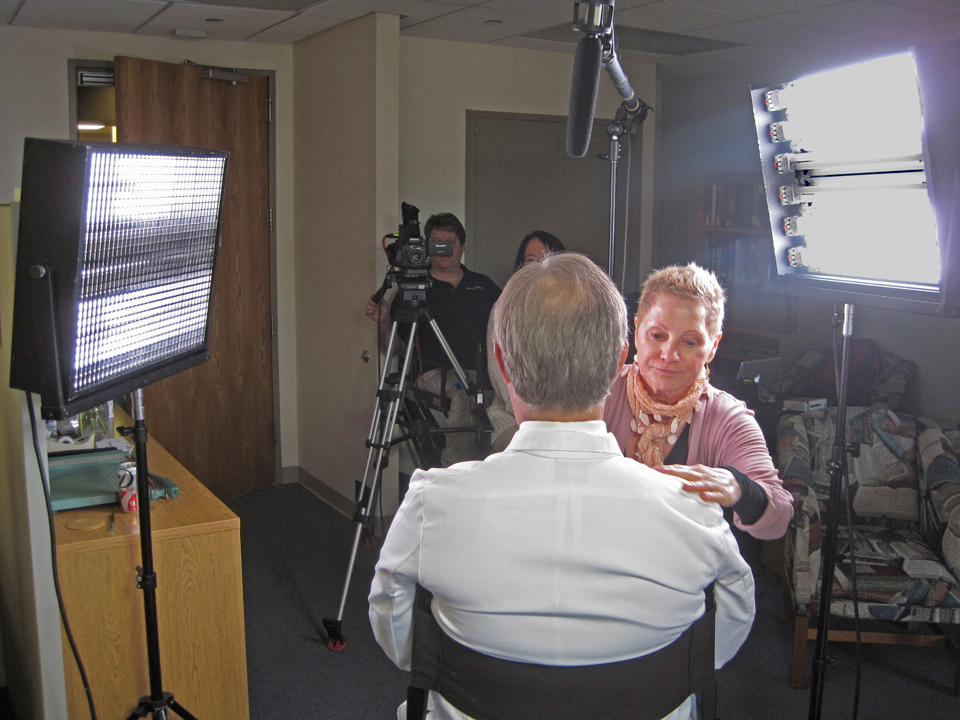
Medical and healthcare video ad production crew.

Developing a concept for your video ad

Once you have identified your target audience, it’s time to develop a concept for your video ad. A concept is the overall idea or theme that your video will communicate to your audience. It’s the foundation of your video ad and sets the tone for your storyline.

When developing a concept for your video ad, consider your brand message, the needs of your target audience, and how you can differentiate yourself from the competition. Your concept should be unique, memorable, and relevant to your audience.

Some effective ways to develop a concept for your video ad include brainstorming with your team, analyzing successful video ads in your industry, and gathering feedback from your audience.

The role of visuals and sound in creating a compelling storyline

Visuals and sound are essential components of a compelling storyline in video advertising. They work together to create an immersive experience that engages your audience and reinforces your message.

When selecting visuals and sound for your video ad, consider how they can enhance your storyline and evoke emotion in your audience. Visuals can include images, graphics, and animation, while sound can include music, sound effects, and voiceovers.

The key is to choose visuals and sound that complement your storyline and create a cohesive experience for your audience. Avoid using visuals and sound that distract from your message or undermine your brand message.

Crafting a narrative arc for your video ad

A narrative arc is the sequence of events that unfold in your video ad. It’s the structure that holds your storyline together and creates a sense of progression and resolution.

When crafting a narrative arc for your video ad, consider the following elements:

  • Introduction: The opening scene that grabs your audience’s attention and sets the stage for your story.
  • Conflict: The problem or challenge that your main character faces. This is where you create tension and build suspense.
  • Resolution: The moment when the conflict is resolved. This is where you deliver your brand message and provide a solution to your audience’s problem.
  • Conclusion: The closing scene that leaves a lasting impression on your audience.

By crafting a narrative arc for your video ad, you create a structure that guides your audience through your story and reinforces your brand message.

Tips for creating emotional connections with your audience

Creating an emotional connection with your audience is essential for a compelling storyline in video advertising. Emotions are a powerful tool that can help you connect with your audience on a deeper level and drive conversions.

Some effective ways to create emotional connections with your audience include:

  • Use storytelling: Tell a story that resonates with your audience and evokes emotion.
  • Use music: Music can evoke emotion and create a mood that reinforces your message.
  • Use humor: Humor can be an effective way to connect with your audience and make your video ad memorable.
  • Use testimonials: Use testimonials from satisfied customers to reinforce your brand message and create trust with your audience.

By creating emotional connections with your audience, you create a memorable experience that resonates with them and drives conversions.

The power of humor in video advertising

Humor is a powerful tool in video advertising. It can be an effective way to grab your audience’s attention, make your video ad memorable, and create an emotional connection with your audience.

When using humor in your video ad, consider your brand message and how you can use humor to reinforce it. Avoid using humor that is offensive, divisive, or undermines your brand message.

Humor should be used strategically and in a way that resonates with your audience. When used effectively, humor can be a powerful tool for creating a compelling storyline in video advertising.

Measuring the success of your video ad

Measuring the success of your video ad is essential for understanding its impact and improving your video advertising strategy. There are several metrics you can use to measure the success of your video ad, including:

  • Views: The number of times your video ad has been viewed.
  • Engagement: The level of engagement your video ad has received, including likes, shares, and comments.
  • Conversions: The number of conversions your video ad has driven, such as sales or sign-ups.
  • Retention: The percentage of viewers who watched your video ad to completion.

By measuring the success of your video ad, you can identify areas for improvement and make data-driven decisions to optimize your video advertising strategy.

Common mistakes to avoid in video advertising

While video advertising can be a powerful tool for reaching your target audience, there are several common mistakes that businesses make. These mistakes can undermine the effectiveness of your video ad and waste your advertising budget.

Some common mistakes to avoid in video advertising include:

  • Failing to understand your target audience: Without a clear understanding of your target audience, your video ad is unlikely to resonate with them.
  • Failing to tell a story: A compelling storyline is essential for creating a memorable video ad that resonates with your audience.
  • Failing to optimize for different platforms: Different platforms have different requirements and best practices for video ads. Failing to optimize your video ad for each platform can undermine its effectiveness.
  • Focusing too much on the product: While it’s essential to showcase your product or service, focusing too much on it can undermine the emotional connection with your audience.

By avoiding these common mistakes, you can create a video ad that resonates with your audience and drives conversions.

Conclusion: The impact of a compelling storyline on your video ad’s success

In conclusion, creating a compelling storyline is essential for a successful video ad. A storyline that resonates with your audience can capture their attention, evoke emotion, and drive conversions.

To create a compelling storyline, you need to understand your target audience, develop a concept that resonates with them, and use visuals and sound to create an immersive experience. Crafting a narrative arc, creating emotional connections with your audience, and using humor strategically can also help you create a compelling storyline.

By measuring the success of your video ad and avoiding common mistakes, you can optimize your video advertising strategy and create video ads that leave a lasting impression on your audience.

314-892-1233

Norm Krull, St Louis Video Producer

stlouisvideoservices@gmail.com

Video Services St. Louis

St. Louis Video Services takes the guesswork out of your video production and aligns creativity with sound marketing strategy.

We understand each client requires a different degree of creativity and video production services, but every client requires our highest degree of professionalism.

That’s why our video production process is driven by clear marketing communications, precise planning, and timely delivery.

We would welcome you to visit our offices where we can show you our services that we use every day to better our clients video production results.  We have a track record of successful video marketing results.

Come visit us to discuss your production services in further detail.

314-892-1233

Robert Haller, St Louis Video Producer

St Louis Video Production

stlouisvideoproduction@gmail.com

video production st louis | video companies | editing and animation

We handle it all in St. Louis video production so you don’t have to.

We are a full service video & post production company located in Saint Louis, Missouri.  We creates concepts that motivate and a final product that moves an audience with a lasting impression. Our team of creative individuals writes, produces, directs, shoots, animates, and edits.

We are a full-service video production facility whose goal is to take your message to the masses.

314-892-1233 Mike Haller St Louis Video Producer mikeh@hallerconcepts.com St Louis, Missouri, USA  | Video Production


st louis video services | video production companies

St Louis Video Services is the corporate video production company that can creatively shoot, edit, produce and duplicate your company’s promotional and training videos.

We’ll create a video for your business using high definition video cameras with professional lighting and audio.

Once we have all the digital images, we’ll take it back to our all-digital editing suite where we’ll transform it into an exciting, persuasive and professional looking video production that educates and sells to your target markets.

We also can help you with DVD authoring, duplication, boxes and labeling… even live event web streaming.

Trade show and convention videos

Television commercials

Infomercials

Video News Releases

Public Service Announcements

Product demonstration videos

Staff training videos


Norm Krull, StL Video Producer

stlouisvideoservices@gmail.com

314-892-1233

st louis video services | video production | teleprompters

We work with professional and non-professional talent everyday!

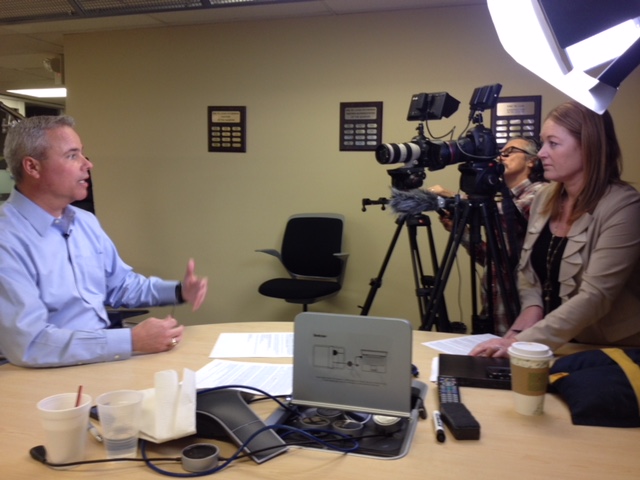
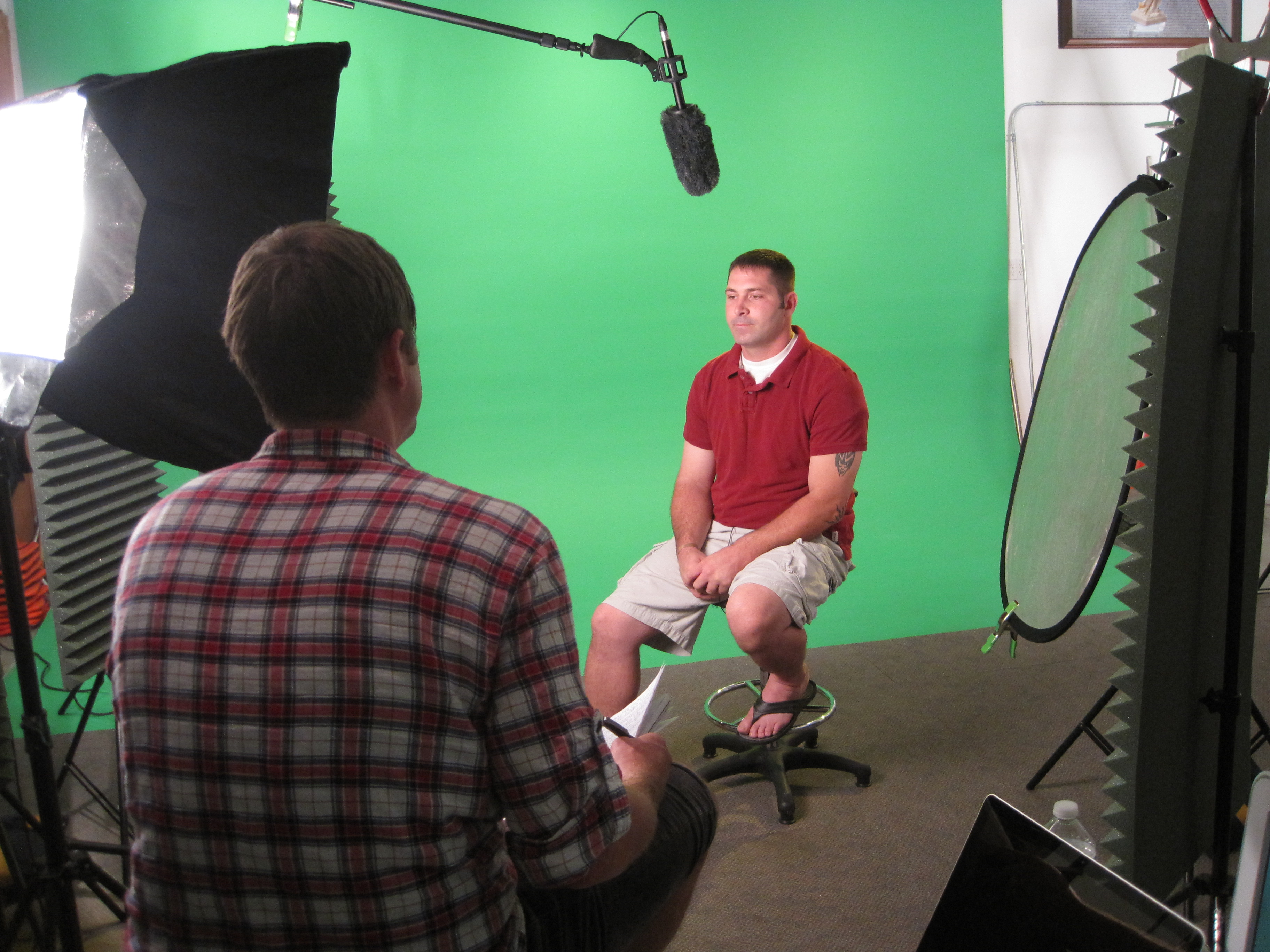
St LouisVideo Production – Interview with Steve

Our clients also appreciate our teleprompter services in st louis because it eliminates the need to memorize scripts. The camera shoots through the teleprompter, so when you’re reading the script, you are looking directly into the camera. When you use our teleprompter, you will be able to speak with greater confidence and better connect to your viewers without worrying about getting your lines right.

Helping you do it right the first time!

Norm Krull, StL Video Producer

stlouisvideoservices@gmail.com

314-892-1233

st louis video services

As a full service st louis video production company, we specialize in marketing video production for small businesses, law firms, the healthcare industry, non profits, entrepreneurs, and corporations. We are one of the leading video marketing production companies in st louis.

HD video production

web videos

video editing services

video press releases

public relations videos

convention and tradeshow videos

medical videos

seminar videotaping

meetings

corporate videos

award ceremonies

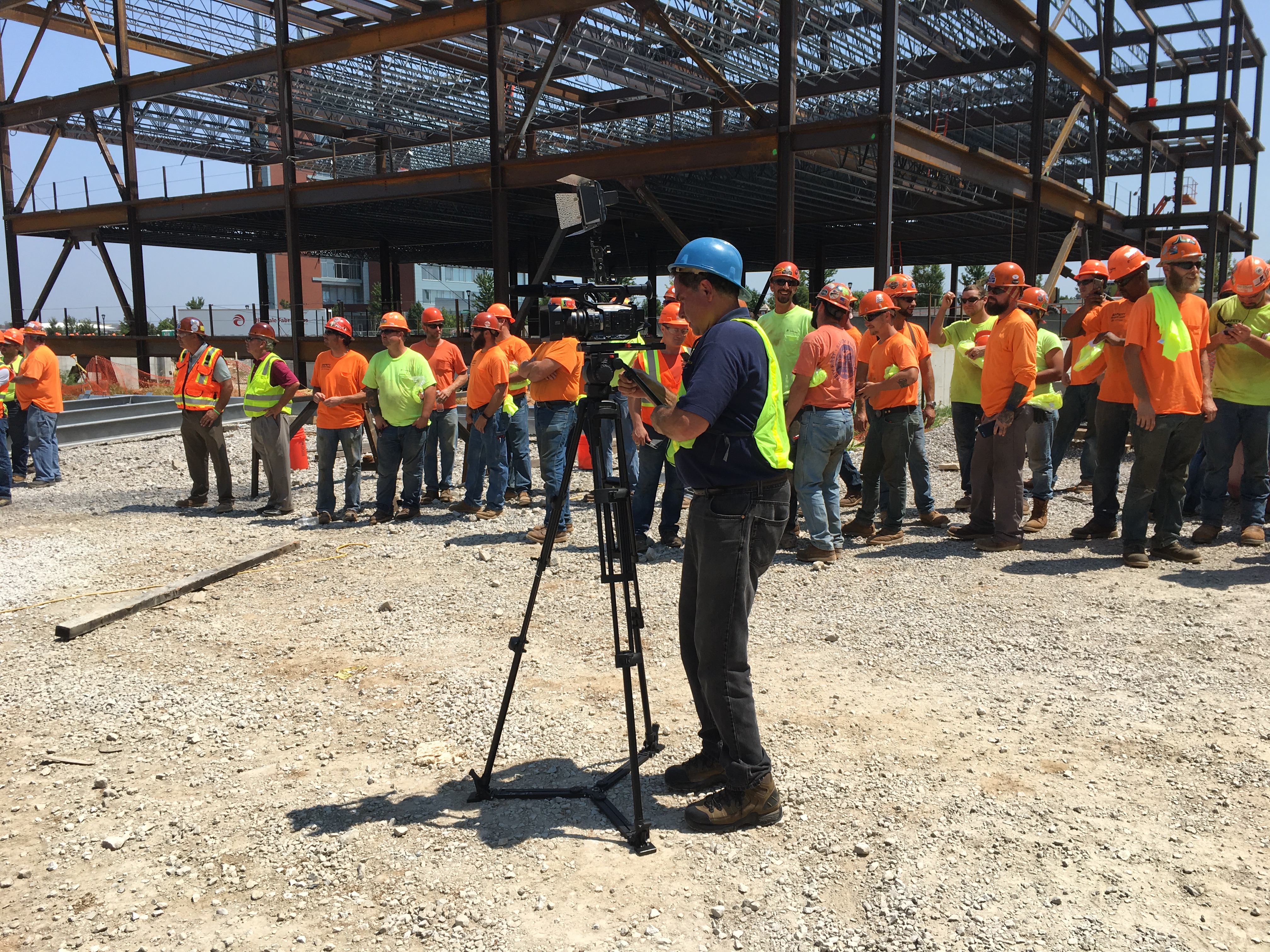
ground breaking’s

golf events

video brochures

check presentations

ribbon cuttings

st louis video production company

st louis video production company

Norm Krull, StL Video Producer

stlouisvideoservices@gmail.com

314-892-1233

st louis video production services

Video Production Services St Louis, Missouri, USA

st louis video production services

st louis video production services

Video Training
Training videos
Hands-on instructional videos
Virtual studios and PowerPoint presentation green screen videos

Video Marketing
Corporate marketing and promotional videos
Motion graphics and digital animation
Video newsletters and video branding
Video optimization for the internet and mobile devices
YouTube and Other video uploads for search and advertising

Custom Video Production
Video crews for video production
Video post-production editing, motion graphics, and audio
Non profit videos
Live video event coverage

Norm Krull, StL Video Producer

stlouisvideoservices@gmail.com

314-892-1233