Tag Archives: photography

Commercial Building Certified Thermal Drone Inspections:The Smarter, Safer Way to See What Your Roof Is Really Doing

When you manage or market a commercial property, you’re constantly juggling risk, budgets, and tenant expectations. Roofing and exterior building issues sit right at the center of that triangle—quietly developing out of sight until they become leaks, interior damage, or even business interruptions.

Certified thermal drone inspections have changed that equation.

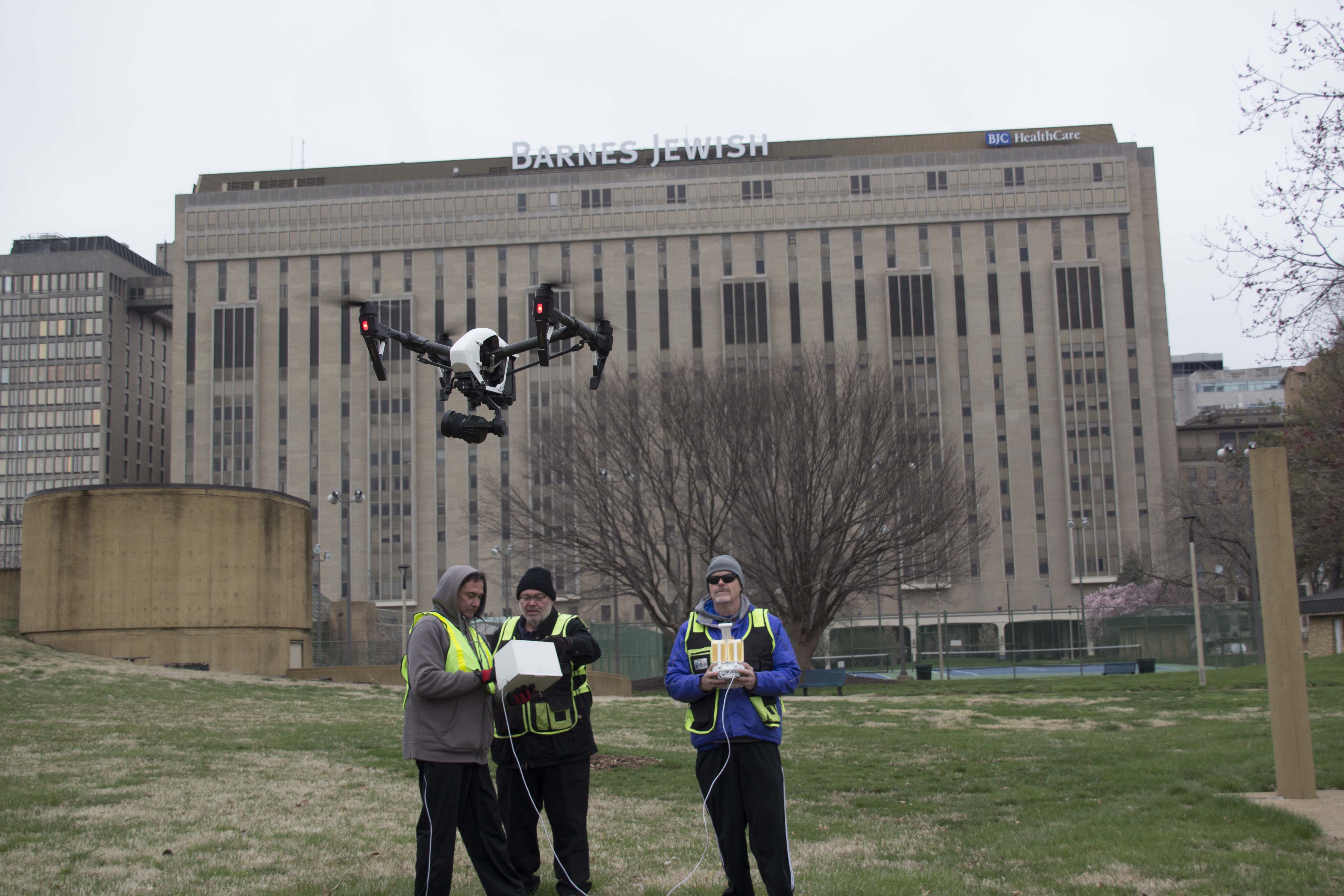
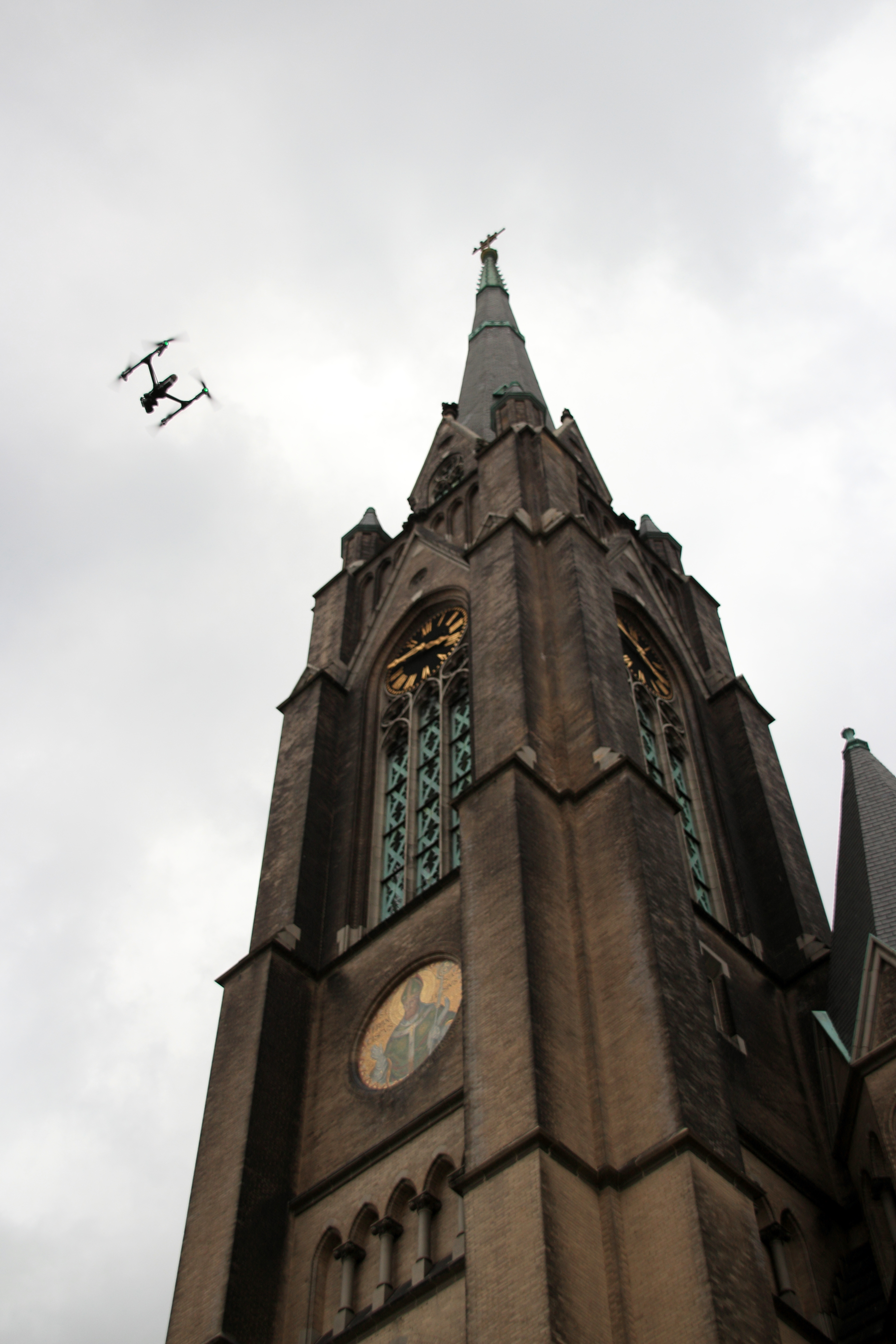
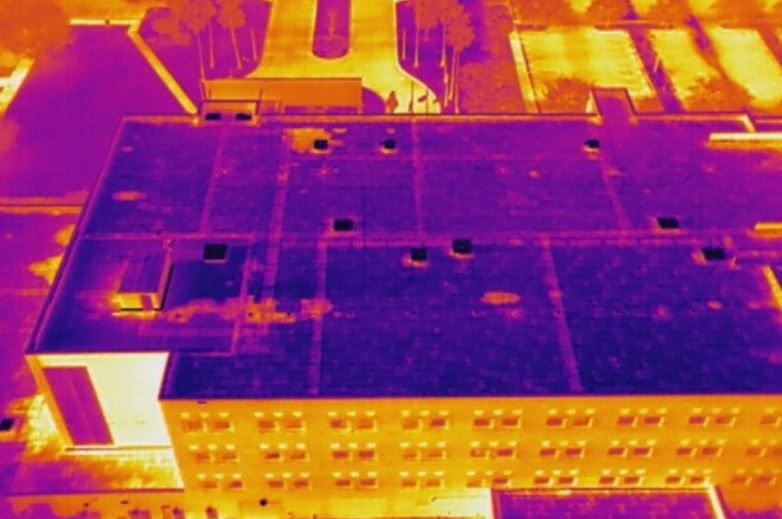
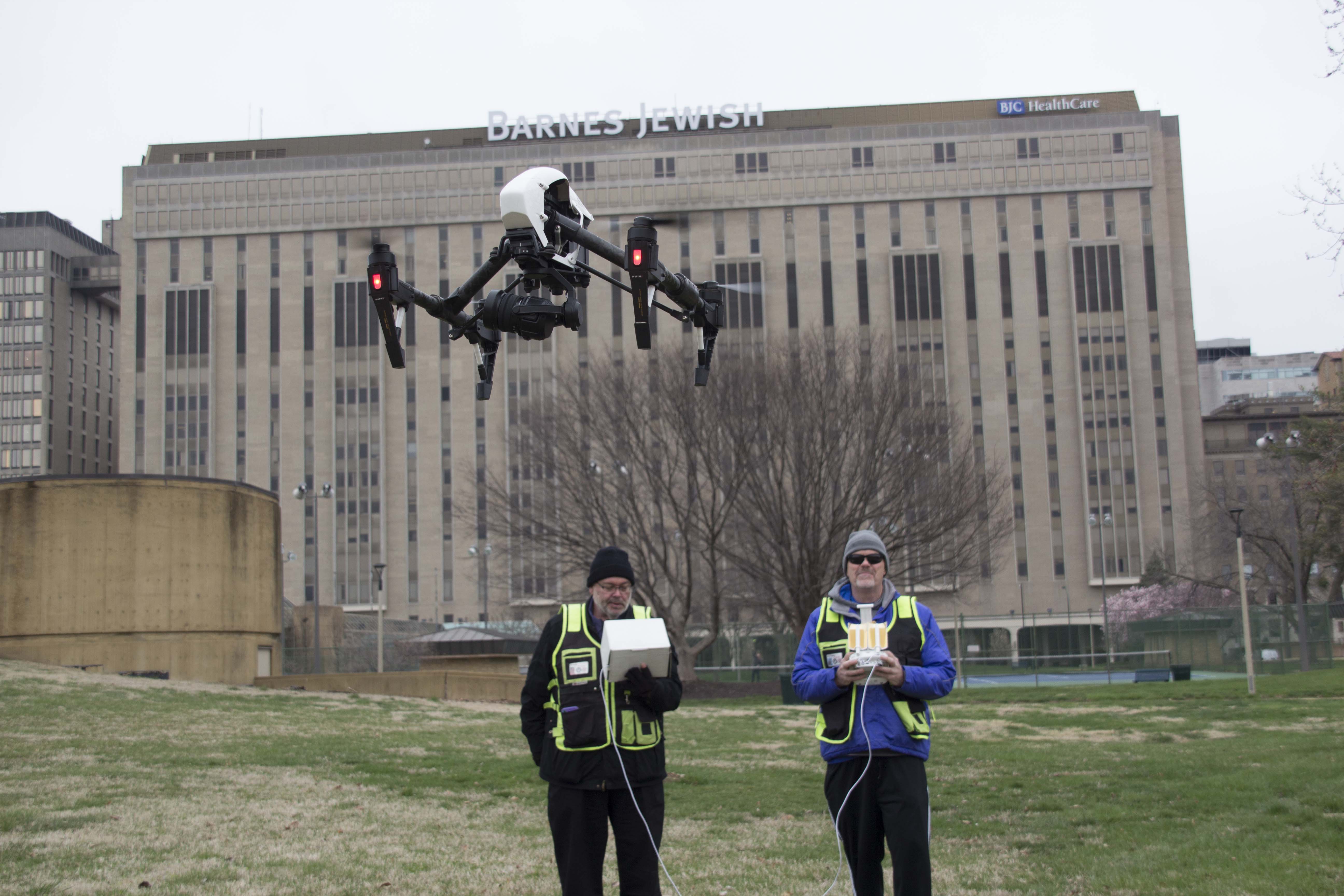
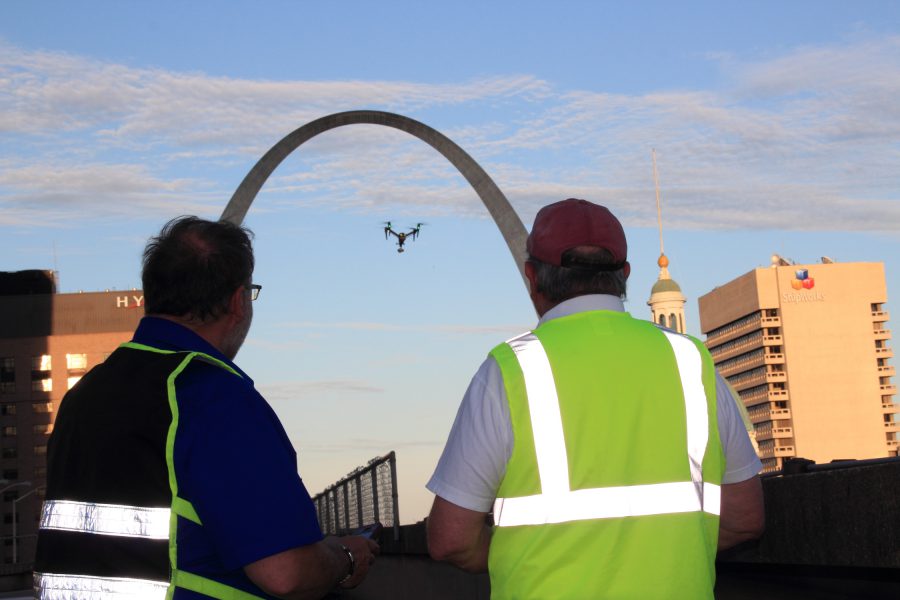
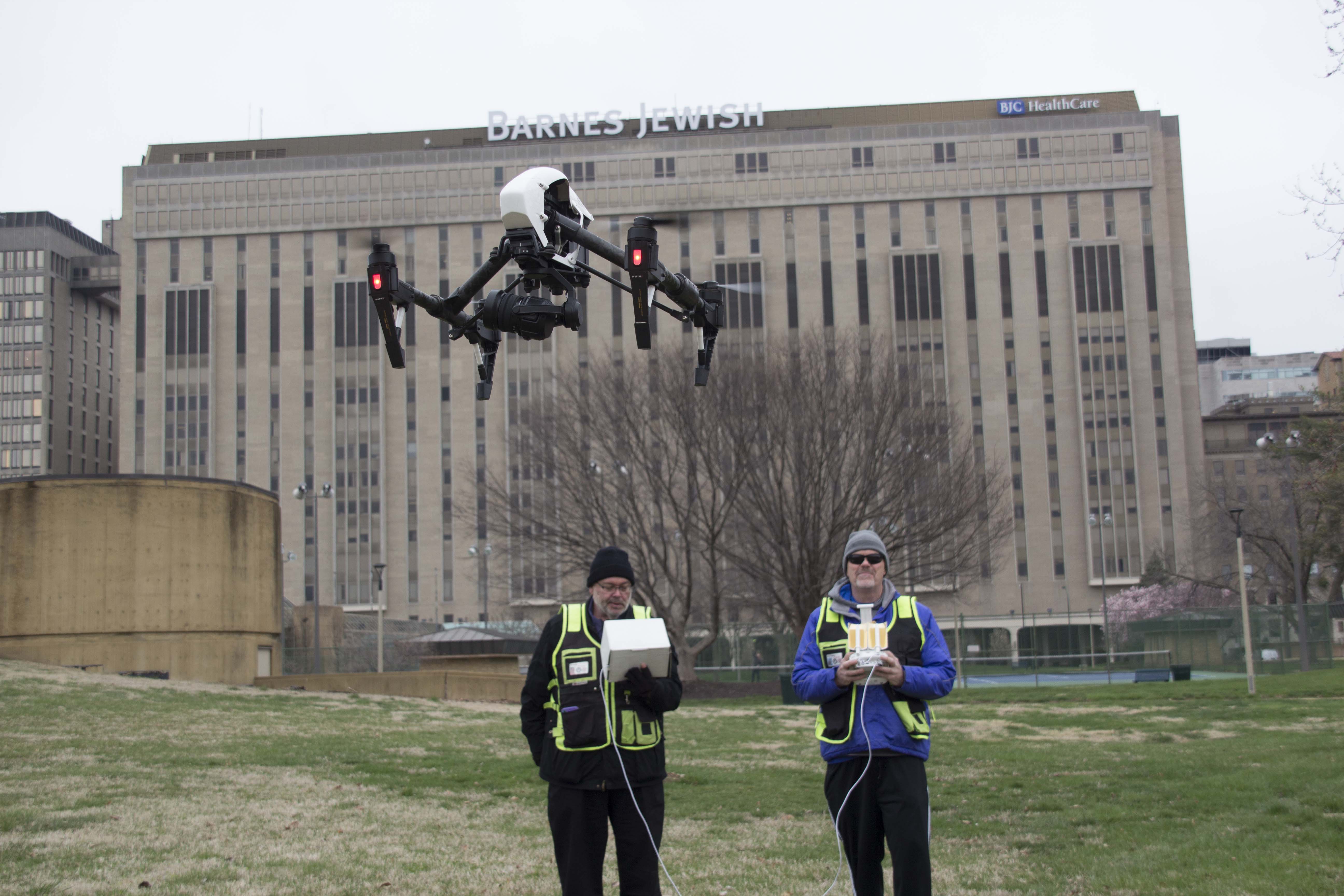
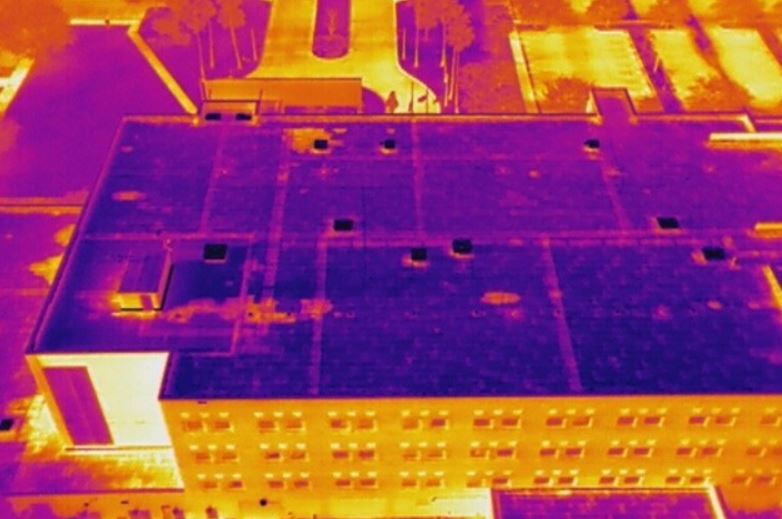
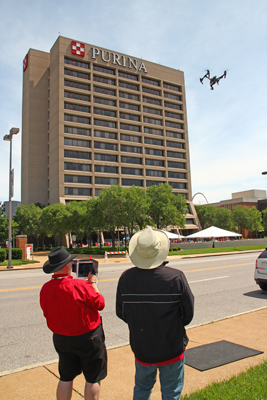
Instead of sending people up ladders and across aging roofs with clipboards, modern facilities teams are using high-resolution thermal imaging drones to scan entire buildings quickly, safely, and with far greater insight. In just a short flight, you can see heat loss, trapped moisture, failing insulation, and HVAC anomalies that would be nearly impossible to spot from the ground.

Below is an expert overview of how certified thermal drone inspections work, the type of insights you can expect, and why partnering with an experienced visual media team like St. Louis Video Services gives you a real advantage over “guy-with-a-drone” providers.


What Is a Certified Thermal Drone Inspection?

A commercial thermal drone inspection combines:

  • Commercial-grade drone platforms
  • Radiometric thermal imaging cameras (not just “pretty colors,” but measurable temperature data)
  • Visible-light photography and video
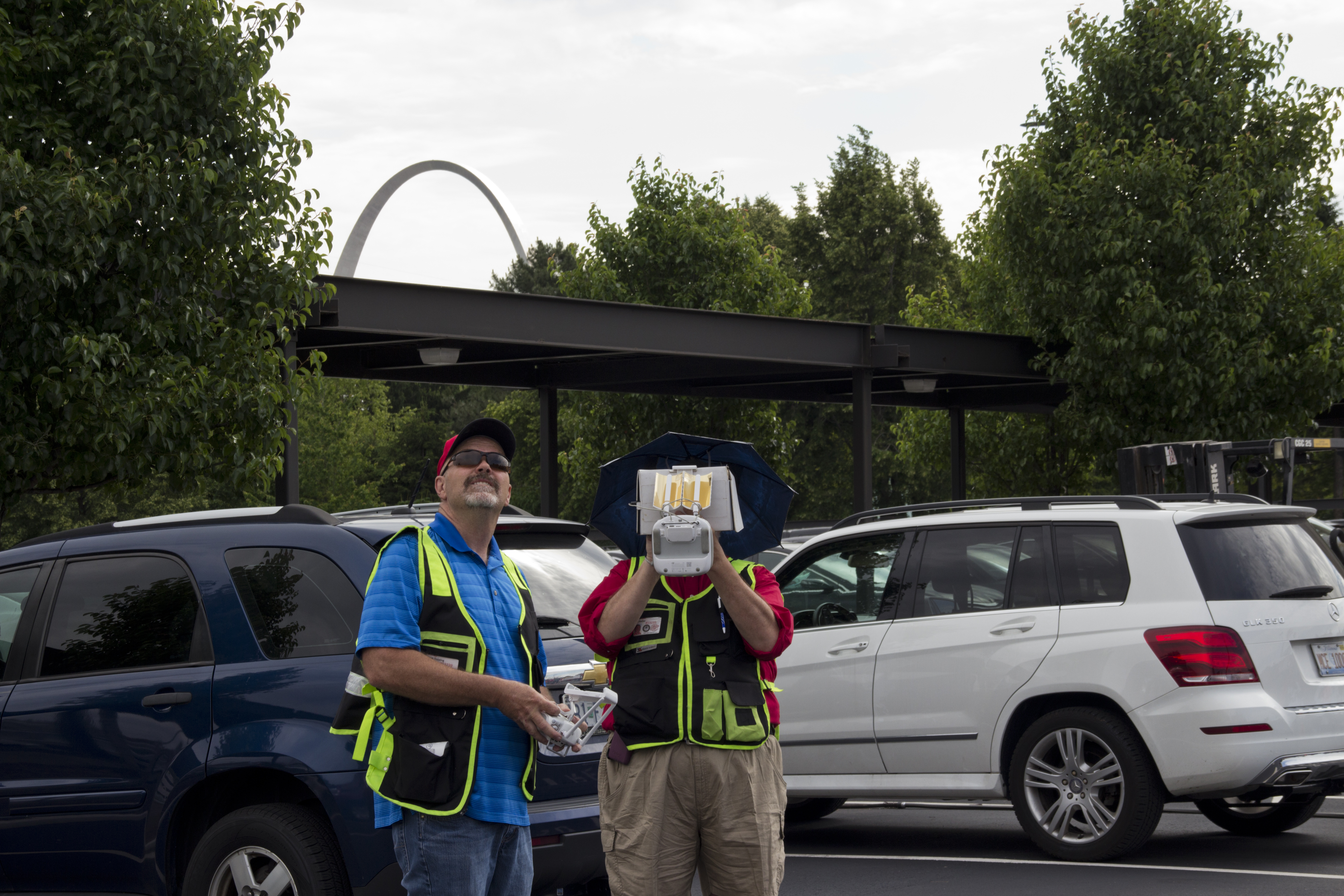
  • Licensed, insured pilots familiar with FAA regulations and local airspace
  • Interpretable reporting that non-engineers can actually use

For commercial buildings, this typically focuses on:

  • Flat or low-slope roofing systems
  • Mechanical penthouses and rooftop HVAC equipment
  • Exterior walls and facade systems
  • Exterior electrical and utility infrastructure

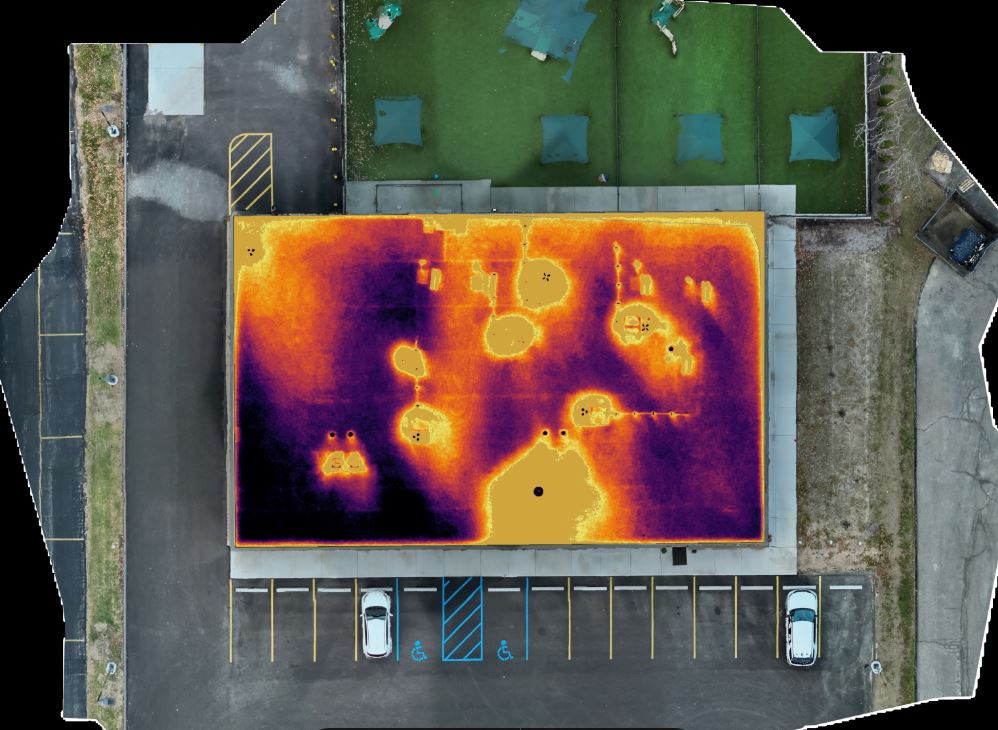
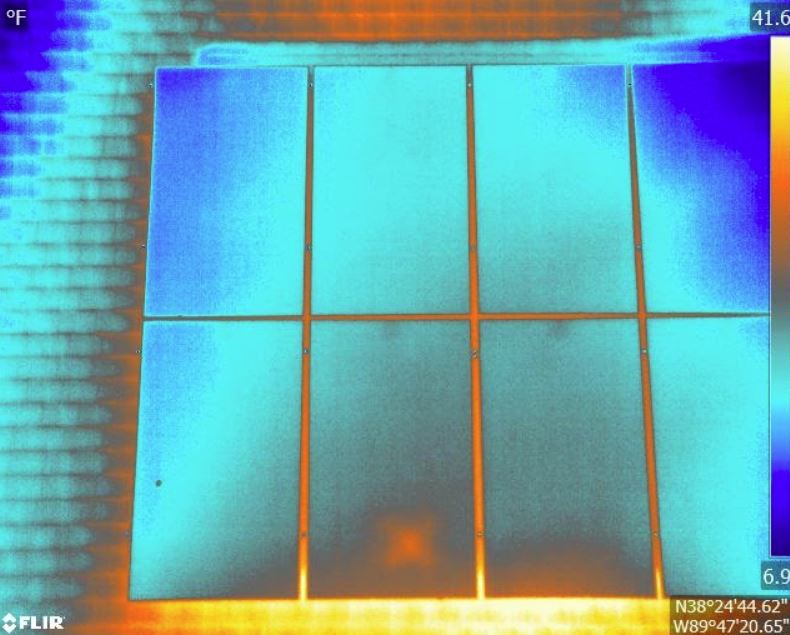
The result is a set of thermal maps, annotated images, and visual documentation that facilities, engineering, and ownership teams can use to plan maintenance, validate warranties, and document conditions for insurance and capital planning.


Why Thermal Drone Inspections Beat Traditional Roof Checks

1. Safety First (and Always)

Traditional inspections expose people to:

  • Fall hazards on wet, fragile, or deteriorated surfaces
  • Trip hazards around mechanical units, conduits, and roof penetrations
  • Wind, ice, heat, and other environmental risks

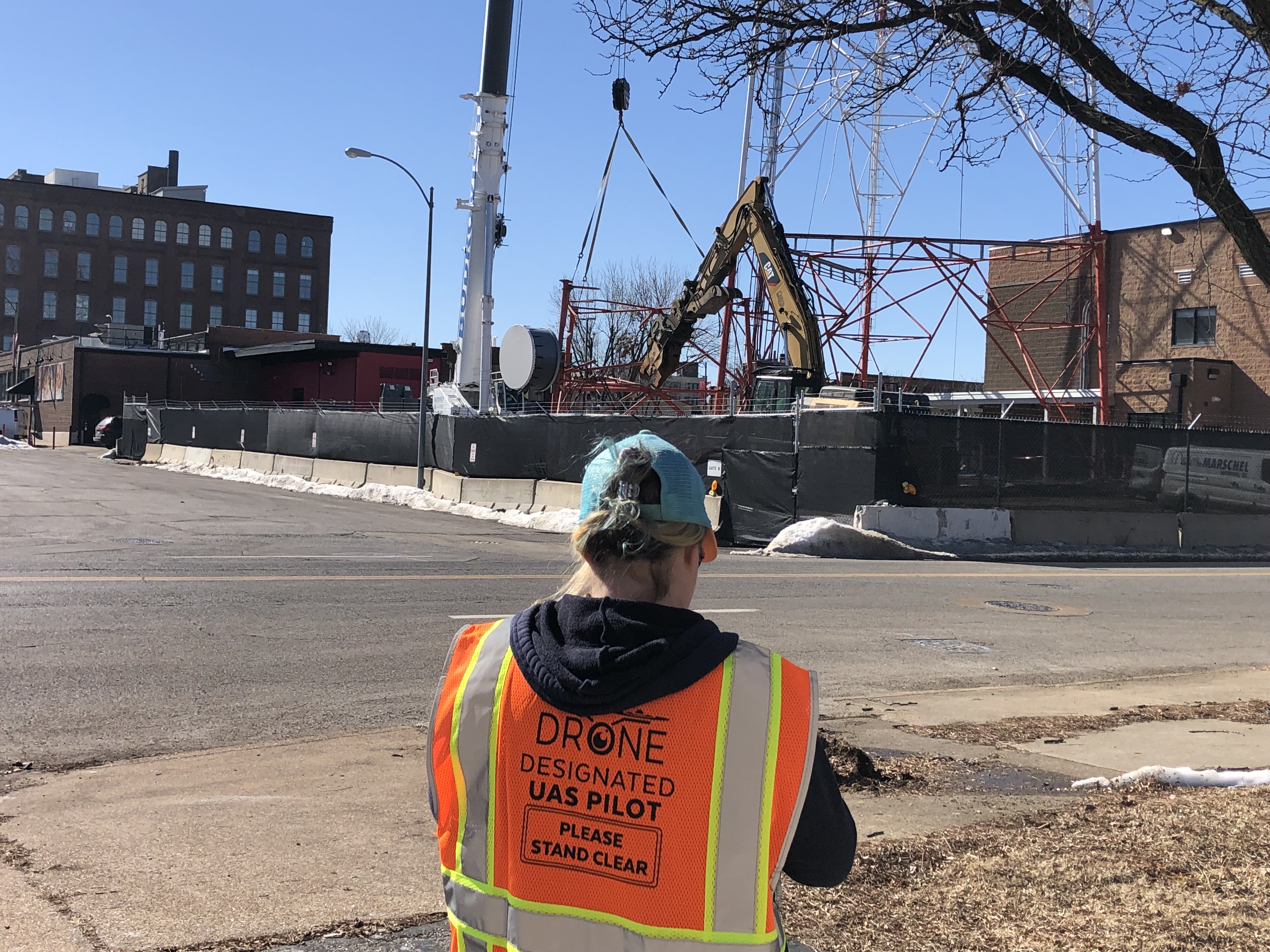
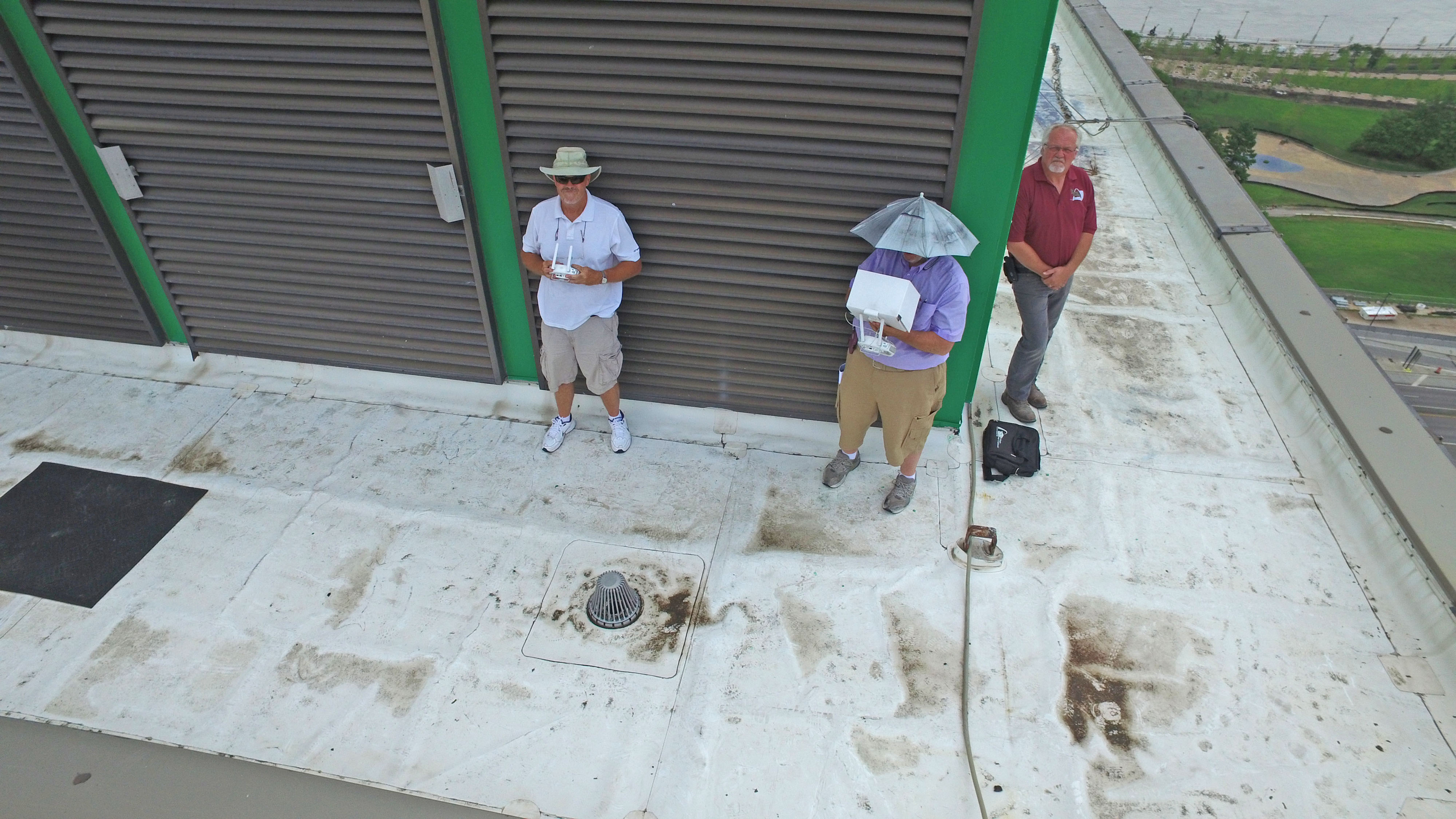
With a drone inspection, the pilot and crew remain safely on the ground while the aircraft does the risky work overhead. For safety-sensitive organizations and highly regulated sites, that reduction in exposure is a major win.

2. Speed and Coverage

A certified thermal drone can cover:

  • Large roof areas in minutes
  • Multiple buildings in a single flight plan
  • Complex shapes and hard-to-reach sections without special access or scaffolding

That speed means less disruption for tenants or operations and more frequent inspections throughout the year, instead of one high-risk visit after a problem appears.

3. Seeing What the Eye Can’t See

A visible-light photo shows you what the roof looks like.
A thermal image shows you what the roof is doing.

Thermal imaging can reveal:

  • Trapped moisture in roofing systems
  • Insulation failures and missing or compressed insulation
  • Thermal bridging at penetrations and structural elements
  • Heat loss around doors, windows, and curtain walls
  • Overheating electrical components and mechanical equipment

By comparing thermal signatures across the roof and exterior, you can locate anomalies long before they translate into leaks, mold, or energy waste.

4. Objective, Visual Documentation

Unlike a handwritten inspection checklist, drone thermal inspections give you:

  • Time-stamped imagery and video
  • Repeatable flight paths for “before and after” comparisons
  • Visual documentation that can be shared across teams, vendors, and insurance carriers

This is especially powerful for:

  • Warranty claims
  • Insurance documentation after storms
  • Pre-purchase due diligence on acquisitions
  • Capital improvement planning and budget meetings

When everyone can literally see the problem, decision-making gets faster and less contentious.


Key Use Cases for Commercial Building Thermal Drone Inspections

1. Flat Roof Moisture and Leak Detection

Water intrusion is the enemy of every flat roof. Trapped moisture can:

  • Compromise insulation performance
  • Accelerate membrane deterioration
  • Add weight to structural systems
  • Lead to mold and interior damage

Thermal imaging identifies areas where moisture saturates the roof assembly, creating “hot” or “cold” signatures relative to dry areas. A certified thermal operator can flag these suspect zones so your roofing contractor can perform targeted core samples or repairs—focusing time and money where it counts.

2. Energy Loss and Building Envelope Performance

Marketing “sustainability” and “efficiency” is only credible if your building envelope actually performs. Thermal inspections help you:

  • Identify missing or damaged insulation in walls and roofs
  • Spot drafts and air leakage around fenestrations and curtain wall systems
  • Benchmark the performance of newly upgraded insulation or windows

This data supports ESG reporting, energy audits, and marketing narratives for “green” and high-performance buildings.

3. HVAC and Mechanical System Health

On a rooftop, thermal drones can quickly scan:

  • Packaged rooftop units (RTUs)
  • Chillers and condensers
  • Ductwork and refrigerant lines
  • Exhaust fans and intakes

Hot spots or unusual temperature patterns can signal:

  • Failing bearings or motors
  • Restricted airflow
  • Refrigerant issues
  • Heat rejection problems

Facilities staff can then prioritize preventive maintenance and avoid unexpected breakdowns that impact tenants and operations.

4. Post-Storm and Insurance Documentation

After hail, wind, or severe weather:

  • A thermal drone inspection can rapidly assess damage across multiple structures.
  • High-resolution visual and thermal documentation supports insurance claims.
  • You get an objective record of conditions shortly after the event.

That combination of speed, safety, and documentation is particularly valuable for property managers handling multiple sites or portfolios across the region.


What “Certified” Should Mean to You

Not all thermal drone providers operate at the same level. When you hear “certified,” you should be looking for:

  • FAA-licensed drone pilots with experience flying in urban and industrial environments
  • Training in thermography fundamentals and building science
  • Understanding of commercial roofing systems and building envelopes
  • Compliance with local regulations, site safety rules, and insurance requirements
  • Clear, actionable reporting instead of raw data dumps

At St. Louis Video Services, our background as a professional video production team matters here. We’re not just flying a drone—we’re planning reliable, repeatable image acquisition with clear storytelling in mind, whether the “audience” is your engineering staff, your insurer, or your executive team.


Turning Data Into Decisions: Deliverables You Can Actually Use

A strong commercial thermal drone inspection should deliver more than heat maps. Typical deliverables can include:

  • Overview report highlighting key findings, anomalies, and recommended next steps
  • Georeferenced still images of thermal and visible-light captures
  • Annotated callouts marking areas of concern with coordinates and photographs
  • Short interpretive video walking your stakeholders through the findings
  • Data files for engineers, roof consultants, or capital planners who need to dig deeper

Because our core business is visual communication, we ensure the output speaks to both technical and non-technical audiences. That’s critical when you’re presenting findings to ownership, boards, or non-engineering decision makers.


How Facility, Marketing, and Ownership Teams Benefit

For Facility Managers & Engineers

  • Faster, safer condition assessments
  • Better targeting for repairs and maintenance
  • Clear documentation for vendors and contractors

For Property & Asset Managers

  • Stronger documentation for lease negotiations and CAM discussions
  • Visual support for capital expenditure requests
  • Supporting evidence for insurance and warranty claims

For Marketing & Leasing Teams

  • Authentic visual content for “well-maintained,” “energy-efficient,” or “sustainability-focused” messaging
  • Before/after visuals to showcase improvements, retrofits, and upgrades
  • Confidence-building materials for prospective tenants or buyers

For Ownership & Investors

  • Reduced risk of surprise failures
  • Better information for long-term capital planning
  • Visual evidence that building systems are being proactively managed

Why Partner With a Full-Service Visual Production Team?

Certified thermal drone inspections live at the intersection of technology, building science, and communication. Many providers can handle one or two of those. Fewer can consistently deliver all three.

As an experienced videographer, photographer, and producer at St. Louis Video Services, we approach commercial building thermal inspections with the same discipline we bring to high-stakes corporate productions:

  • Pre-planning and scouting to understand your site, access, and regulatory needs
  • Shot planning and flight paths to ensure comprehensive coverage
  • Careful timing of flights for optimal thermal contrast (for example, after sufficient solar loading or at specific times of day)
  • Precise execution in the air and on the ground, coordinated with your operations
  • Professional post-production to turn raw data into clear, shareable visual reports

And because we are already embedded in corporate and industrial environments—shooting marketing content, training videos, and documentation—we understand how to work around your live operations with minimal disruption.


About St. Louis Video Services

St. Louis Video Services is a full-service professional commercial photography and video production company with the right equipment and creative crew experience for successful image acquisition. We offer full-service studio and location video and photography, as well as editing, post-production, and licensed drone pilots.

For commercial building projects, we can customize your productions and inspections for diverse types of media and documentation requirements—from technical thermal reporting for facility teams to polished visual content for marketing and investor presentations. Repurposing your photography and video branding to gain more traction is another specialty. We are well-versed in all file types, styles of media, and the accompanying software your teams already use.

We leverage the latest in Artificial Intelligence across our media services to help analyze, organize, and enhance your visual assets—while keeping human expertise firmly in control of interpretation and storytelling. Our private studio lighting and visual setup is perfect for small productions and interview scenes, and our studio is large enough to incorporate props and environmental elements to round out your set.

We support every aspect of your production—from setting up a private, custom interview studio to supplying professional sound and camera operators, as well as providing the right equipment—ensuring your next video production or inspection-driven communication is seamless and successful. Our specialized drones can even be flown indoors for certain controlled environments, adding unique perspectives in warehouses, plants, and large interior spaces.

As a full-service video and photography production corporation since 1982, St. Louis Video Services has partnered with businesses, marketing firms, and creative agencies throughout the St. Louis area for their marketing photography, video, and now certified thermal drone inspection needs. If you’re ready to see what your buildings are really doing—and communicate that story clearly to every stakeholder—we’re ready to help.
314-604-6544

stlouisvideoservices@gmail.com

Stop Wasting B-Roll: 12 Ways to Repurpose One Shoot into a 6-Month Content Engine

As seasoned professionals in the world of commercial photography and video production, we’ve witnessed countless businesses invest significant resources into high-quality shoots, only to underutilize the resulting assets. The raw footage and images – especially that invaluable B-roll – often contain a goldmine of content waiting to be unleashed. The truth is, with a strategic approach, a single well-planned shoot can become a powerful, six-month content engine, driving engagement and reinforcing your brand message across diverse platforms.

Here at St Louis Video Services, we understand the critical importance of maximizing your media investment. It’s not just about capturing stunning visuals; it’s about smart, efficient content repurposing. Let’s delve into 12 actionable strategies to transform one shoot into a continuous stream of compelling material:

  1. The Cornerstone Hero Video: Every shoot needs its flagship. This is your primary marketing video, typically 2-3 minutes, designed for your homepage, key landing pages, and primary campaign focus. It establishes your brand’s core message and visual identity.
  2. Short-Form Social Media Snippets: Extract 15-30 second dynamic clips from your hero video and B-roll. These are perfect for Instagram Reels, TikTok, YouTube Shorts, and Facebook stories. Focus on visually striking moments, quick tips, or compelling soundbites.
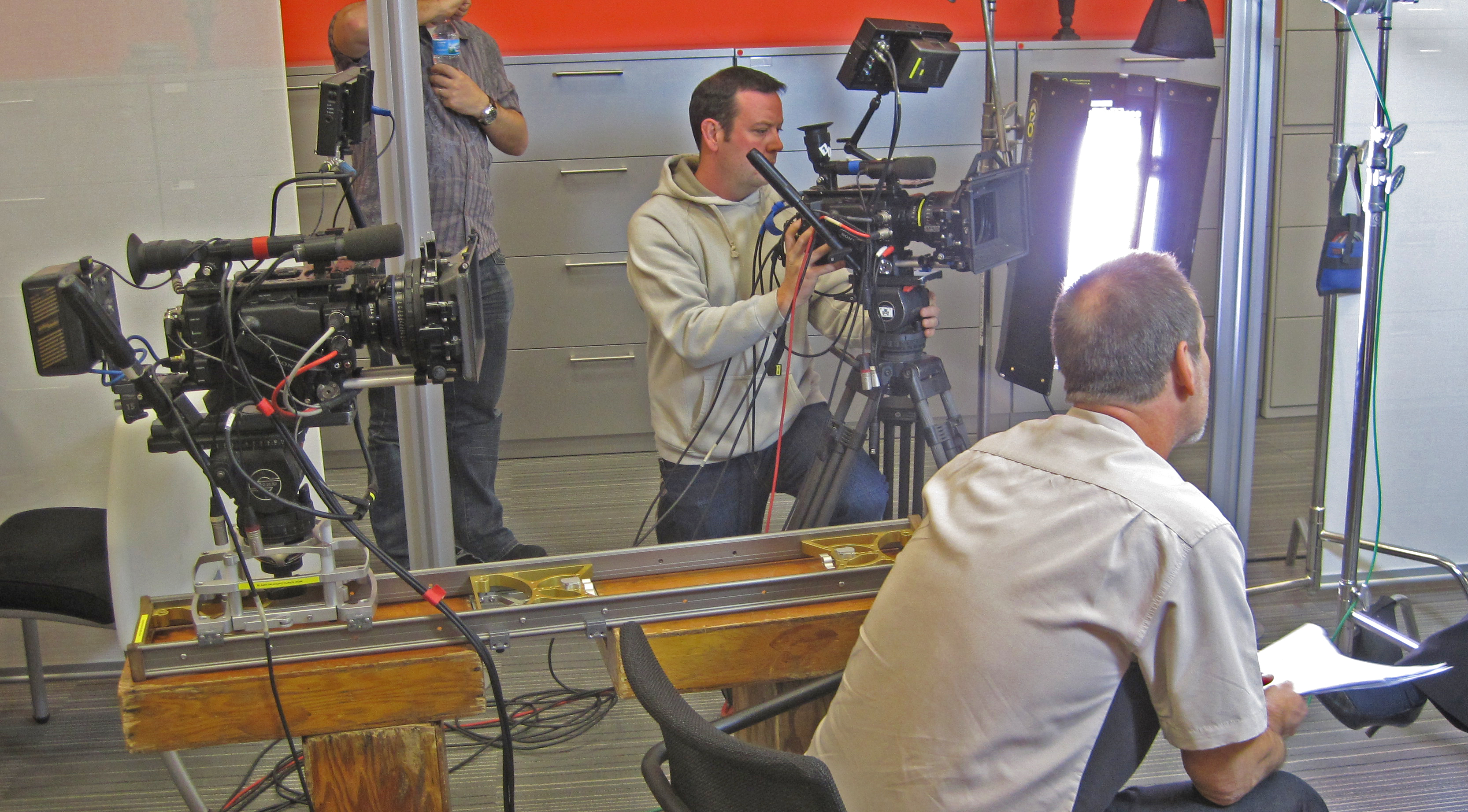
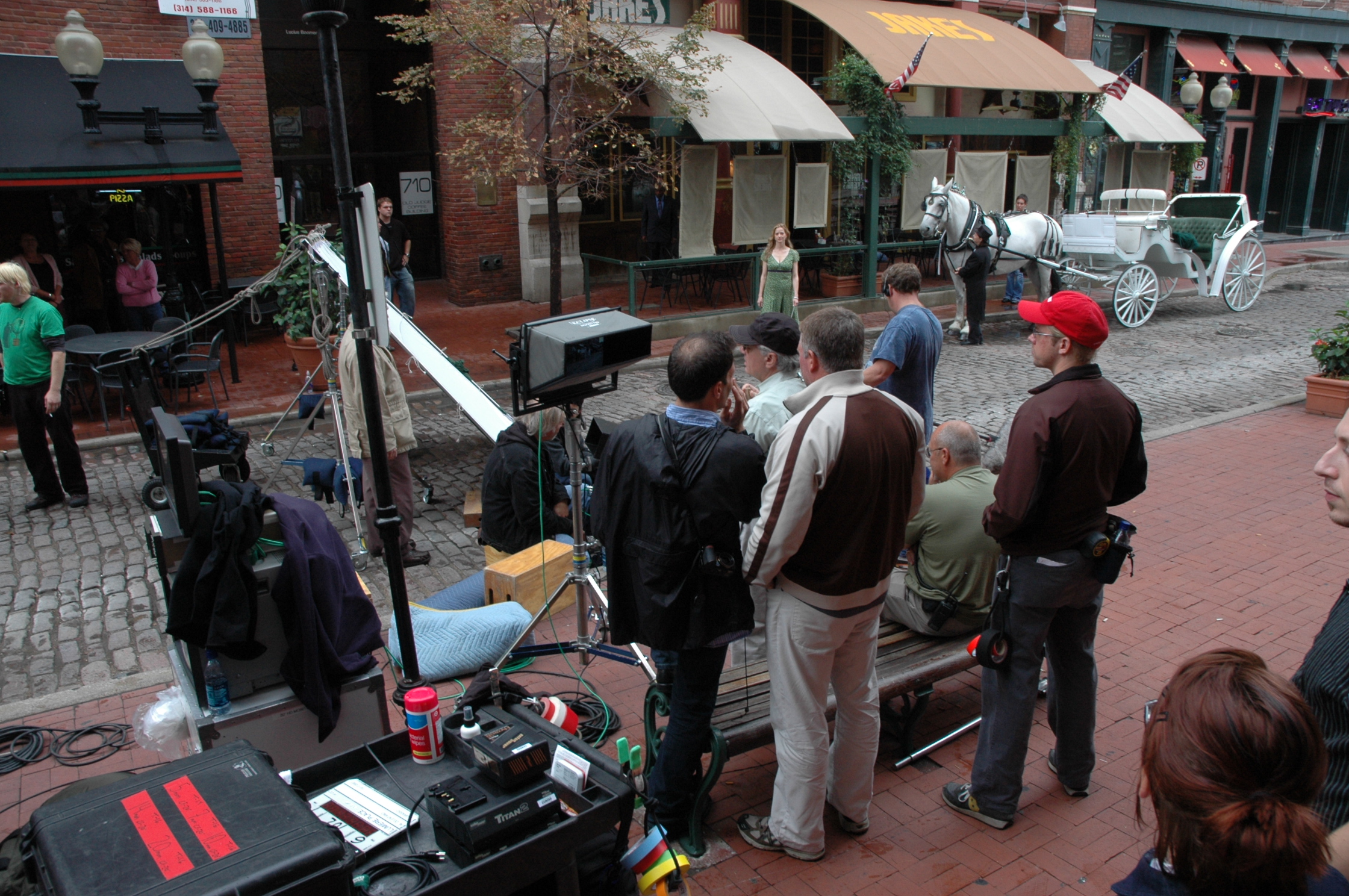
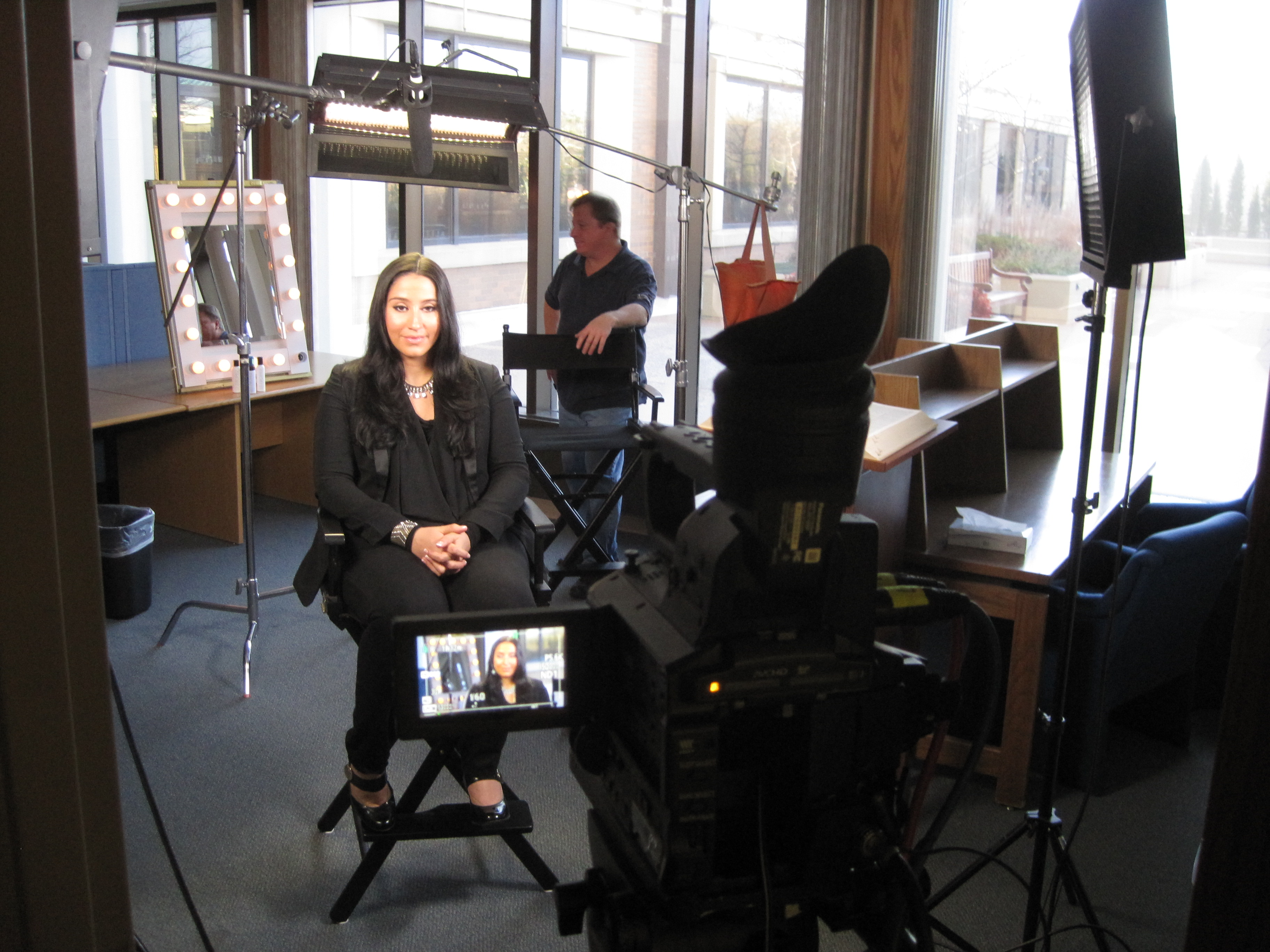
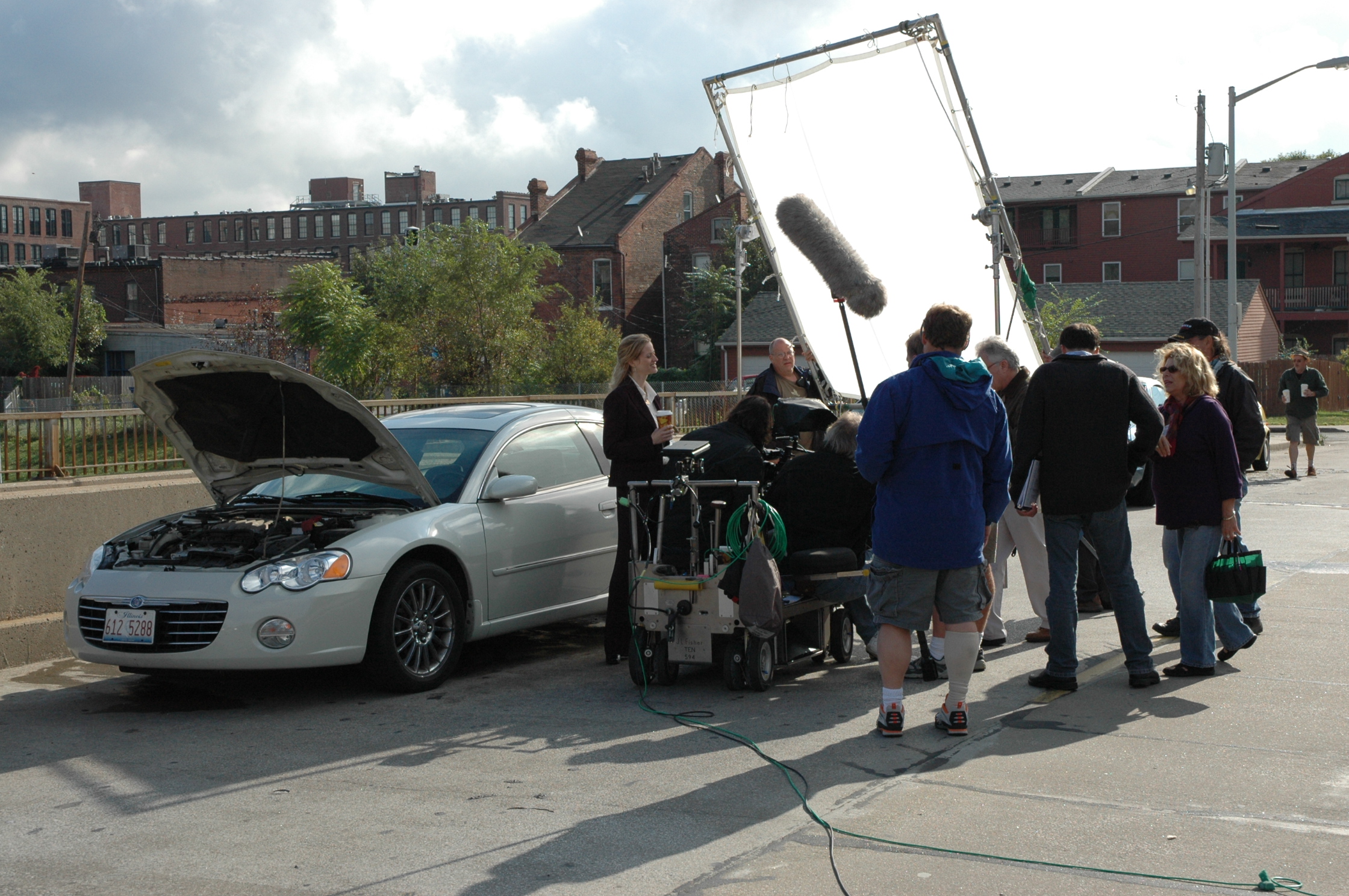
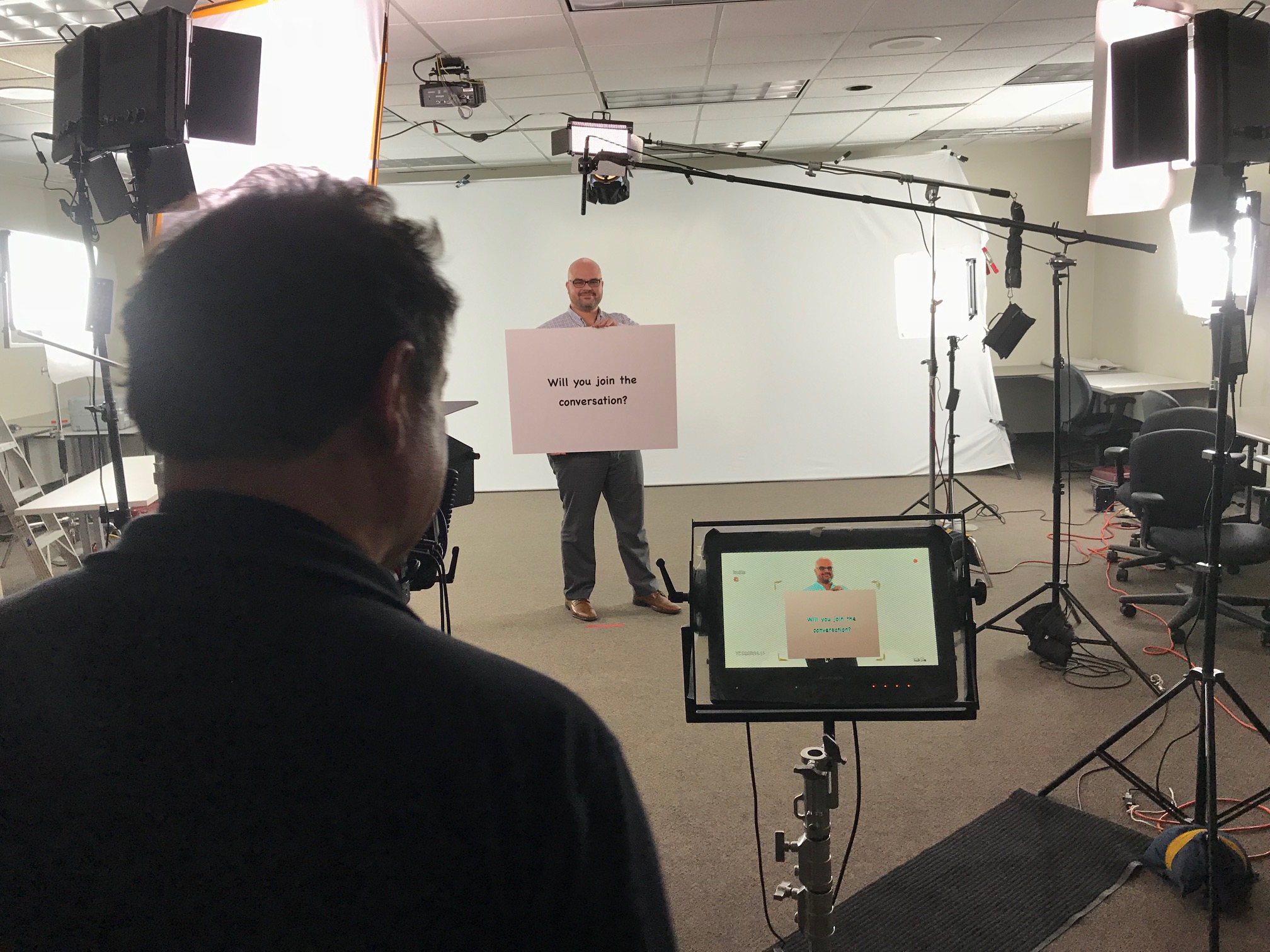
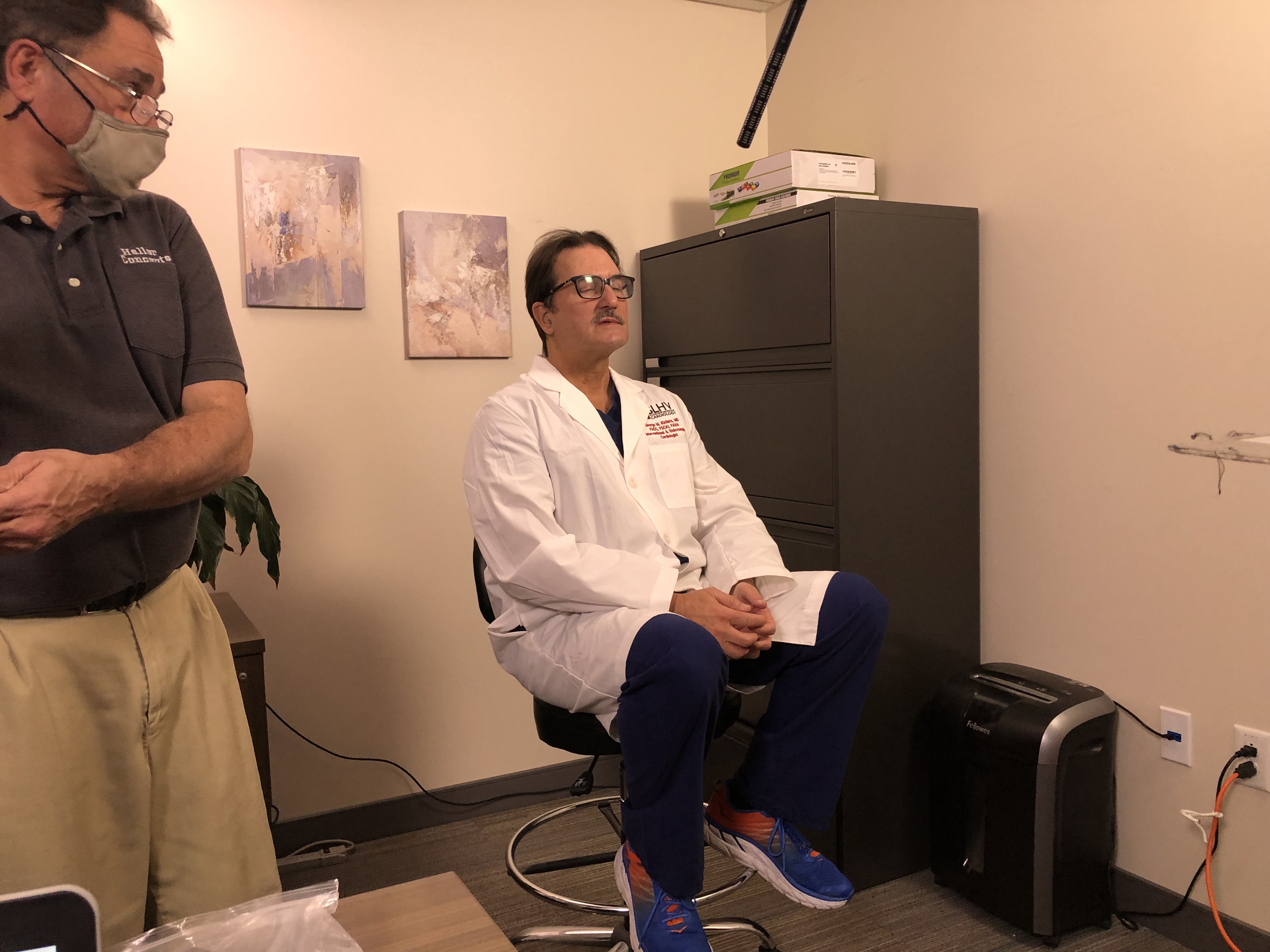
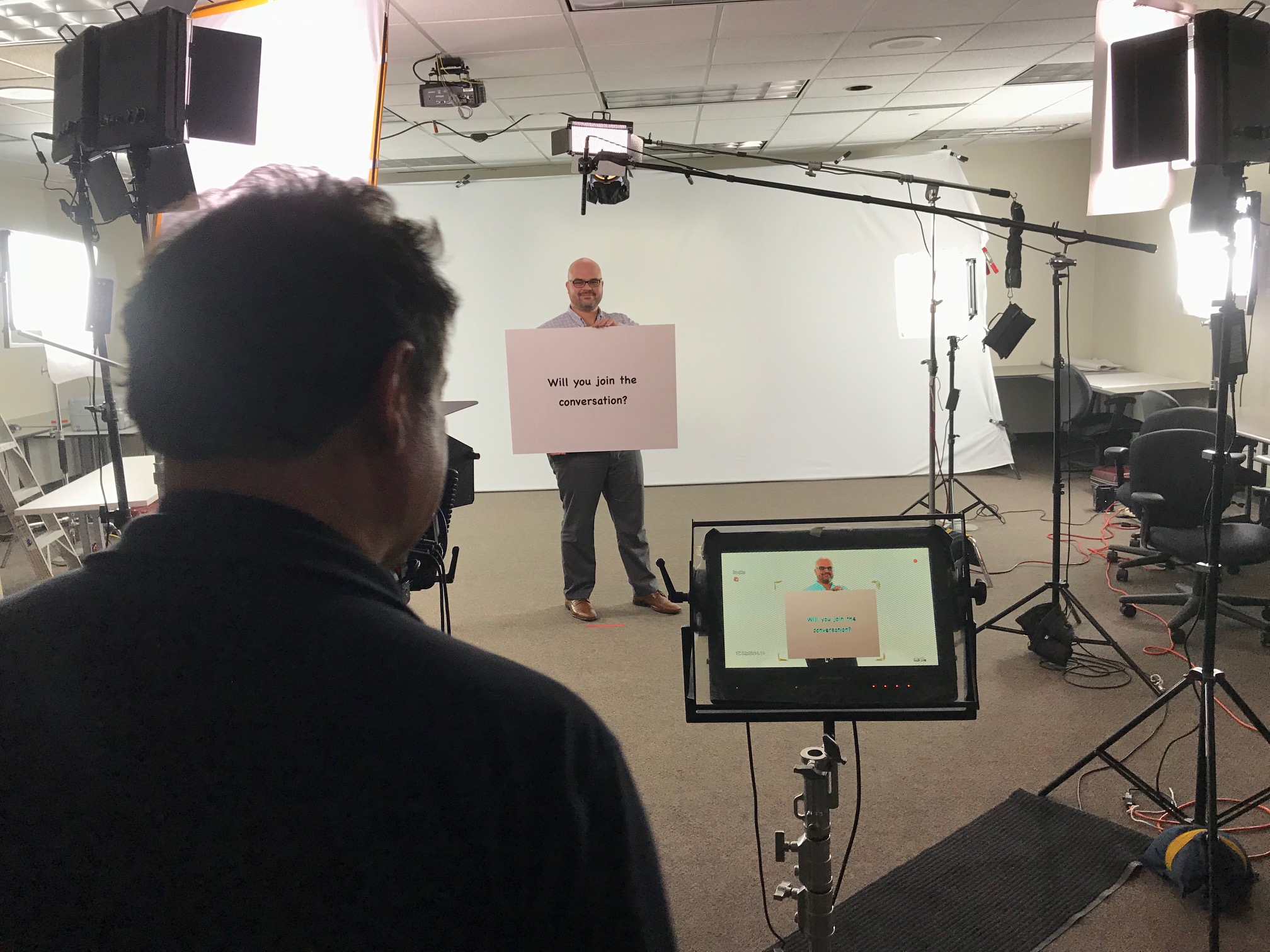
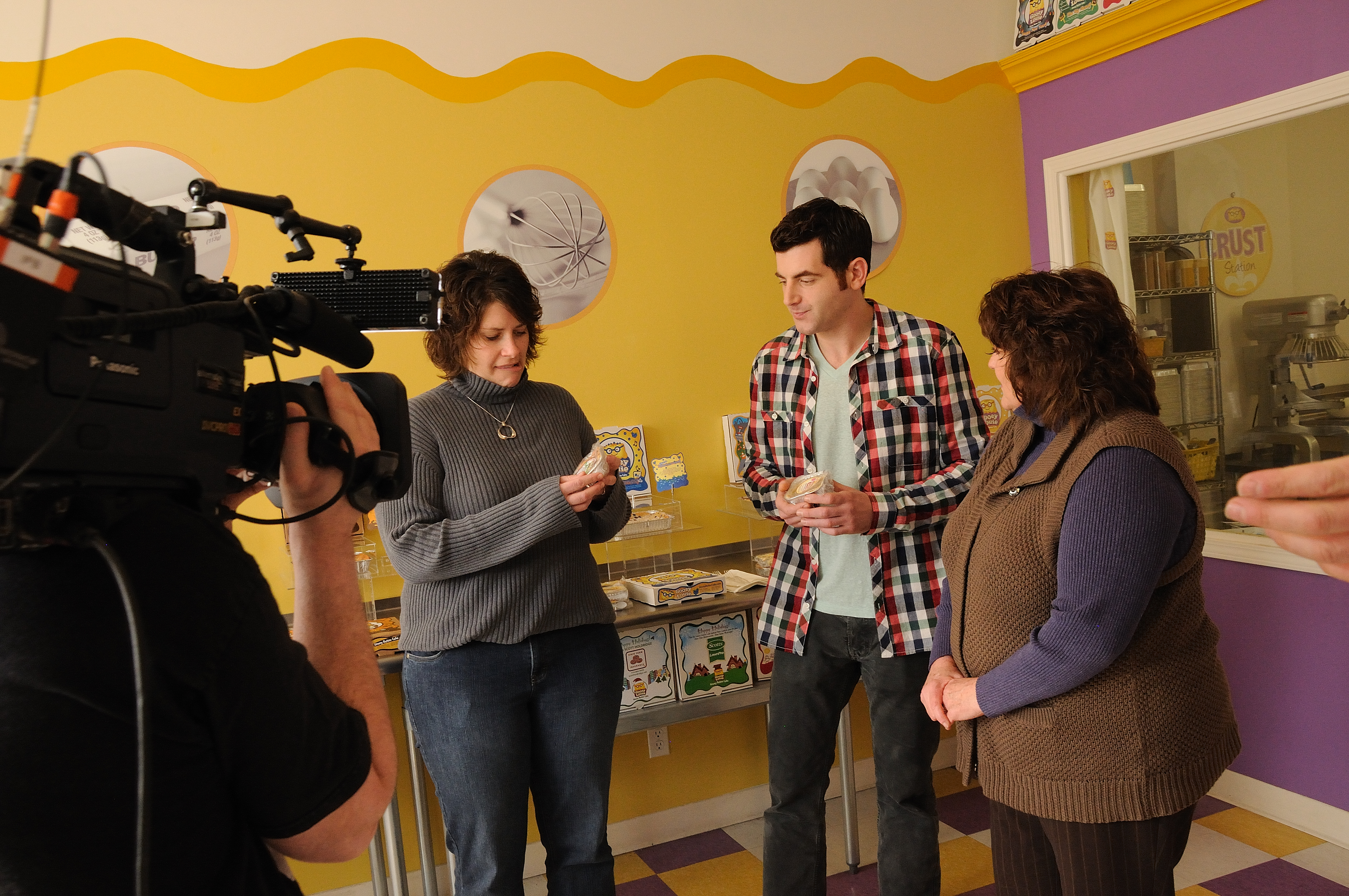
  3. Behind-the-Scenes (BTS) Content: Don’t underestimate the power of showing your process. Use candid shots and short video clips of your team at work, the setup, or even a humorous blooper reel. This humanizes your brand and builds authenticity.Image of
  4. Testimonial & Interview Excerpts: If your shoot included interviews or testimonials, pull out individual soundbites and pair them with relevant B-roll. These micro-stories are incredibly persuasive and ideal for social proof.
  5. Still Photography for Web & Print: Beyond just extracting stills from video, ensure your shoot includes dedicated high-resolution photography. These images are crucial for your website, brochures, press kits, and digital ads. A single shoot can yield dozens of unique photos.
  6. Blog Post Visuals: Every blog post needs engaging imagery. Instead of relying on stock photos, use your custom photography and stills from your video. This creates a cohesive brand experience and makes your content more memorable.
  7. Animated GIFs & Cinemagraphs: Take short, looping video clips or slightly animated still images to create eye-catching GIFs and cinemagraphs. These are fantastic for social media, email marketing, and even presentations to add a dynamic touch without sound.
  8. Website Headers & Banner Imagery: Your website’s visual appeal is paramount. Utilize the strongest, most compelling still images or short video loops as hero headers and banners to immediately grab visitor attention.
  9. Email Marketing Assets: From compelling imagery within your newsletters to short video clips embedded in promotional emails, your shoot assets can significantly boost open rates and click-throughs.
  10. Presentation Slides & Backgrounds: For internal and external presentations, leverage your high-quality visuals as backgrounds or illustrative elements. This elevates your professionalism and reinforces your brand identity.
  11. Podcast Visualizers/Audiograms: If you have a podcast, combine audio excerpts with captivating B-roll or still images to create visually engaging audiograms for social media promotion.
  12. Paid Advertising Creative: The diverse range of assets from a single shoot provides an arsenal for A/B testing in your paid ad campaigns. Test different video lengths, image styles, and messaging to optimize performance and maximize your ROI.

At St Louis Video Services, we’ve been helping businesses and organizations tell their stories through exceptional visual media since 1982. As a full-service professional commercial photography and video production company, we bring the right equipment, creative crew, and extensive service experience to ensure successful image acquisition every time. We offer comprehensive studio and location video and photography, complemented by expert editing, post-production, and licensed drone pilots – yes, we can even fly our specialized drones indoors!

We pride ourselves on customizing productions for diverse types of media requirements. Repurposing your photography and video branding to gain more traction is another one of our core specialties. We are well-versed in all file types and styles of media and accompanying software, staying ahead of the curve by utilizing the latest in Artificial Intelligence for all our media services. Our private studio offers perfect lighting and visual setups for small productions and interview scenes, with ample space to incorporate props to round out your set.

We support every aspect of your production—from setting up a private, custom interview studio to supplying professional sound and camera operators, as well as providing the right equipment—ensuring your next video production is seamless and successful. Having worked with numerous businesses, marketing firms, and creative agencies in the St. Louis area for over four decades, St Louis Video Services is your trusted partner for marketing photography and video that truly performs.

314-604-6544

stlouisvideoservices@gmail.com

Smart B-Roll on a Budget: Pro Tips for Capturing Effective Supporting Footage Without Breaking the Bank

When producing a compelling marketing video, the story is often in the details—the quick cutaway shots, environment visuals, and insert clips that support your main interview or narrative. That’s where B-roll comes in. Well-captured B-roll adds context, reinforces messaging, and elevates overall production value. But for many businesses and agencies working with limited budgets, the challenge becomes: how do you shoot effective B-roll without inflating costs?

As seasoned producers, videographers, and photographers at St Louis Video Services, we’ve honed strategies that help deliver impactful B-roll even when time and budget are tight. Below are practical, professional-grade tips to help you make the most of your shoot.


1. Plan Your B-Roll Like a Storyboard

B-roll should never be an afterthought. Start with a visual checklist tied directly to your script or talking points. If someone mentions customer service? Film interactions at a front desk. Highlighting innovation? Capture devices, screens, or brainstorming sessions. Thoughtful planning ensures your B-roll supports the narrative rather than feeling generic.

2. Use Your Existing Location to Its Full Potential

You don’t need exotic settings—just creative framing. Office spaces, warehouses, conference rooms, lobbies, and even hallways can provide dynamic visuals when filmed with intention. Use available space to vary angles and create movement: shoot through doorways, around objects, or from low and high perspectives.

3. Leverage Natural Light (or a Simple Lighting Kit)

When budgets are tight, lighting can often make or break the quality of your footage. Use natural light strategically near windows or open doorways. If indoors, a basic LED panel light or even a bounce board can dramatically improve your results. Don’t underestimate how lighting direction, not just intensity, shapes the mood of a scene.

4. Capture Motion—Even If the Subject Is Static

Movement adds life. If your subject is still, consider using camera motion. A slow pan, tilt, or slide (with a handheld stabilizer or even a tripod repositioned carefully) creates cinematic energy. Capturing hands typing, coffee being poured, or tools in use adds valuable texture.

5. Shoot in Sequences

Shoot wide, medium, and close-up angles of the same action. This not only gives your editor flexibility but also helps stretch your footage further across multiple projects or social edits. Simple sequence shooting can make one location feel like several.

6. Use Slow Motion for Emphasis

Many modern DSLR or mirrorless cameras offer high-frame-rate capabilities. Even a 60fps capture can be slowed down smoothly in post-production, giving everyday movements an elegant, professional feel. This trick works well for interactions, movement through space, or product demonstrations.

7. Get Creative with Insert Shots

Don’t overlook insert details—they’re fast to shoot and incredibly valuable. Think: a close-up of a logo on a shirt, a notepad with sketches, a hand swipe on a touchscreen, a doorknob turning. These shots ground your visuals and reinforce branding subtly.

8. Always Overshoot

Even if you’re tight on time, take a few more variations than you think you’ll need. One of the biggest pain points in post is realizing you don’t have enough coverage. Extra footage = more flexibility.


Why B-Roll Matters More Than Ever

In the world of short attention spans and fast-paced content, strong B-roll can keep viewers engaged longer. It turns static interviews into dynamic stories. It also gives marketers the flexibility to repurpose content across web, social, and broadcast platforms.

At St Louis Video Services, we specialize in producing rich, engaging B-roll that matches your message—whether it’s a tight-budget shoot in your office or a high-end production at multiple locations. With decades of experience and deep familiarity with how supporting visuals elevate a brand, we ensure your footage tells a story worth watching.


Why Choose St Louis Video Services?

Since 1982, St Louis Video Services has worked with businesses, marketing firms, and creative agencies throughout the St. Louis region to deliver impactful photography and video. As a full-service commercial production company, we provide:

  • Studio and on-location shoots for interviews and B-roll
  • Licensed drone pilots, including for indoor aerials
  • AI-assisted media services for editing and content repurposing
  • Custom lighting setups for a polished, professional look
  • Repurposing strategies to maximize your content’s lifespan
  • Experienced crews who know how to keep projects efficient and cost-effective

Whether you’re building your brand library, launching a campaign, or filming for internal communications, we’re your partner for smart, strategic video.

Let’s make your next production seamless—and successful.
Contact St Louis Video Services today to learn how we can bring your vision to life.

314-604-6544

stlouisvideoservices@gmail.com

Mastering the Shot: How to Plan a Shoot That Seamlessly Combines Ground and Drone Cameras

In today’s fast-paced content landscape, businesses and agencies are constantly seeking ways to elevate their visual storytelling. Combining ground and drone cameras within a single production has become one of the most powerful ways to capture dynamic perspectives and produce visually engaging content. Whether you’re producing a commercial, a corporate overview, or a marketing promo, a well-planned hybrid shoot maximizes your creative potential—if executed strategically.

At St Louis Video Services, we’ve spent decades perfecting the art of synchronized ground and aerial video production. Here’s how to plan your next shoot for maximum efficiency and visual impact.


1. Define the Story—and How Aerial Footage Enhances It

Start by identifying the purpose of the video and the role each type of footage will play. Ask:

  • What scenes benefit from aerial context?
  • Where will ground-level storytelling or close-up detail drive emotional connection?

Drone shots often work best for:

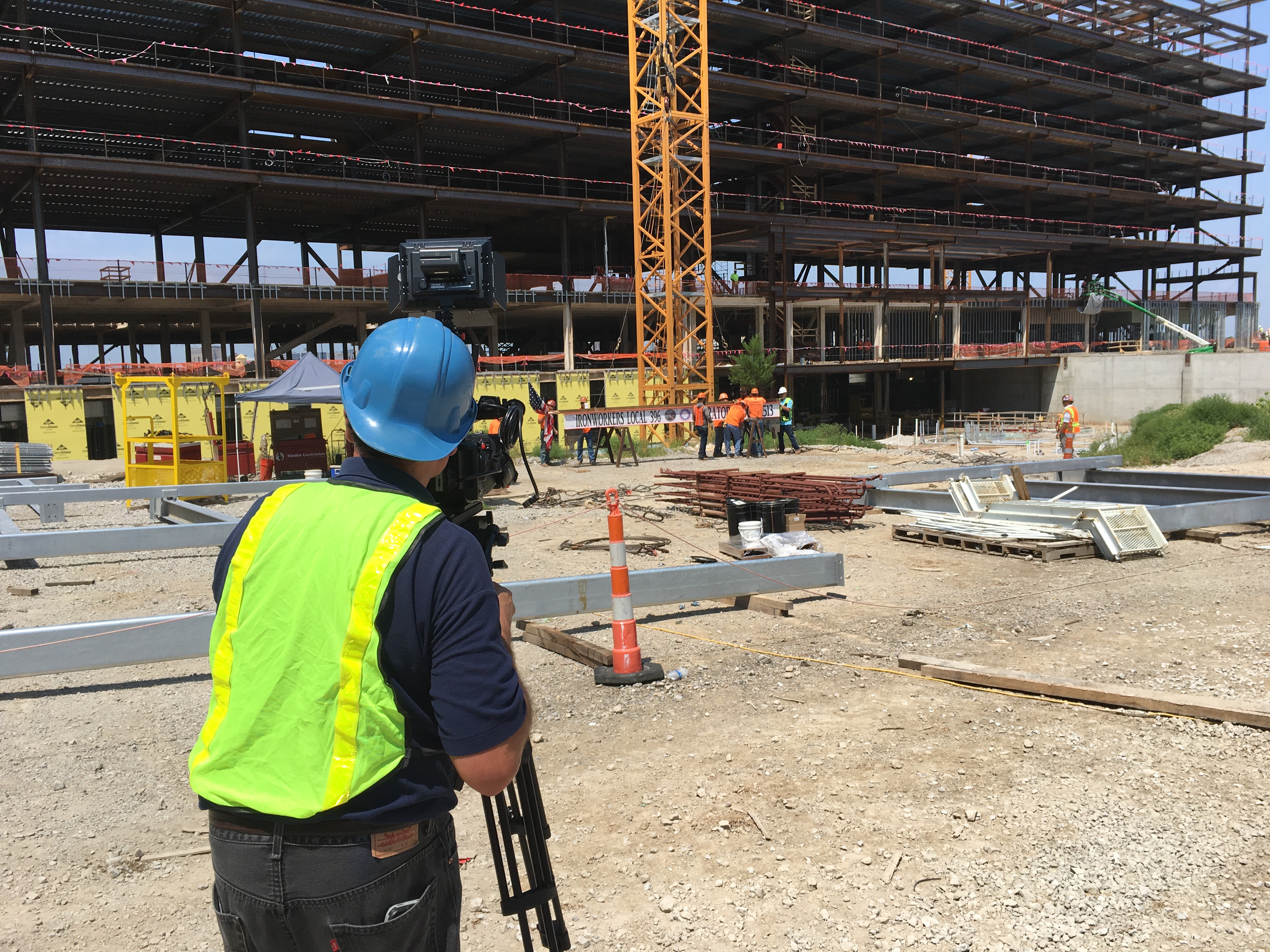
  • Establishing locations (exteriors of buildings, campuses, or job sites)
  • Following motion (vehicles, people walking)
  • Providing scale (construction projects, outdoor events)

Meanwhile, ground cameras shine with:

  • Interviews and close-ups
  • Product demonstrations
  • Interior walkthroughs

By clarifying the purpose of each shot type early on, you reduce overlap and ensure every frame has a defined role in the final edit.


2. Map Out a Unified Shot List

Efficiency starts with planning. A joint drone/ground shoot must be carefully scheduled to avoid unnecessary resets or downtime. Create a master shot list that groups aerial and ground footage by location and time of day.

Pro tip: Don’t forget to consider sun position and weather when timing drone flights. You’ll want to fly during golden hour for cinematic light, but avoid harsh midday sun for interviews or interior shots.

Use mapping tools or location-scouting photos to plan each shot with precision—particularly for drone sequences, where altitude, line of sight, and FAA compliance must be factored in.


3. Synchronize Crew Roles and Communication

When working with both drone and ground units, clear crew communication is essential. Assign specific roles:

  • Drone Pilot (Part 107 certified)
  • Visual Observer (for drone safety)
  • Ground Camera Operator
  • Director or Producer to coordinate timing and transitions

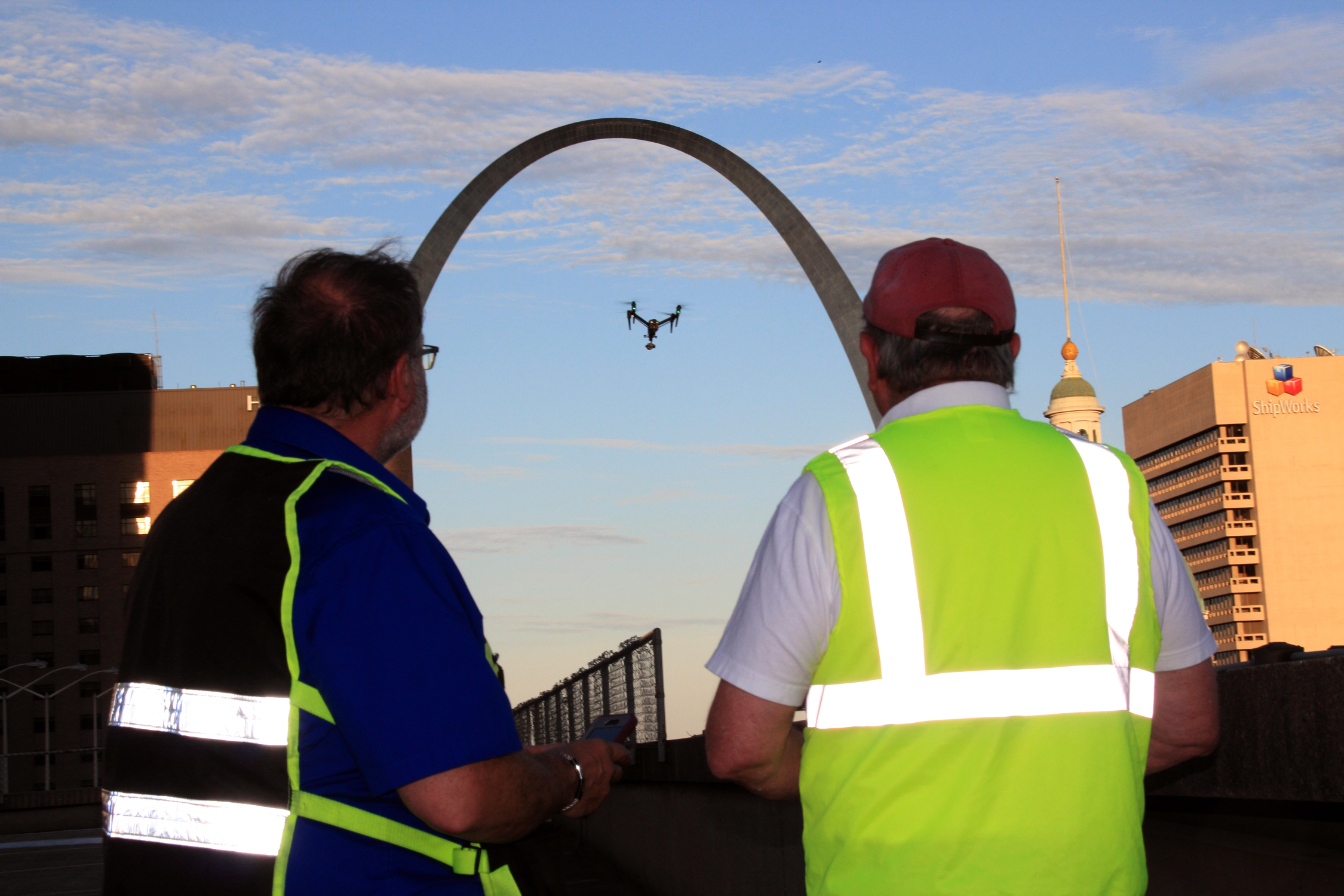
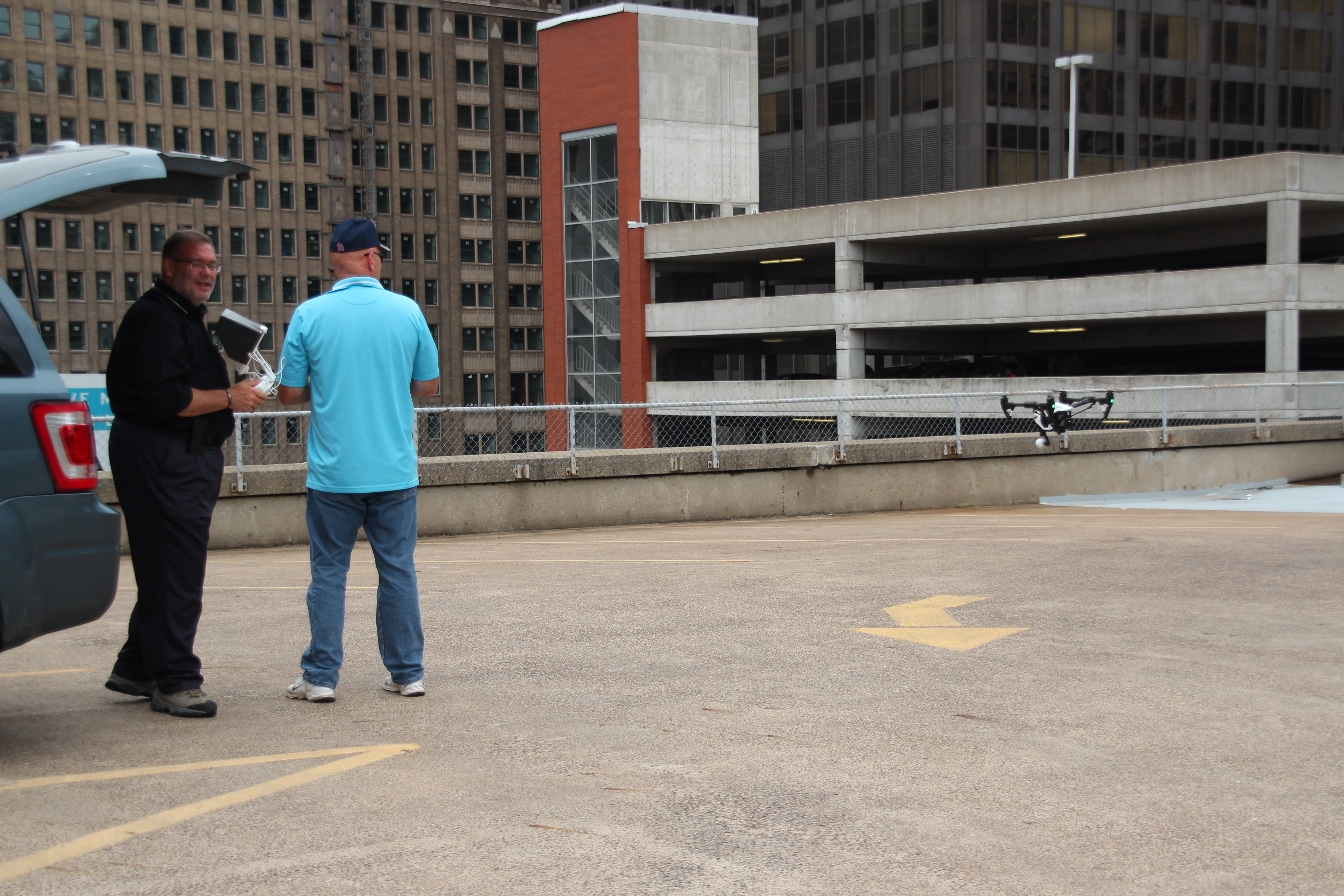
Invest in communication tools like walkie-talkies or wireless headsets. This allows the drone team and ground crew to sync timing, especially when planning seamless transitions (e.g., drone rising from ground-level action or transitioning from an overhead shot into a close-up).


4. Use Matching Gear Settings and Frame Rates

Consistency in image quality is key when blending footage. Both drone and ground cameras should match in:

  • Resolution (e.g., 4K)
  • Frame rate (e.g., 24fps for cinematic, 30fps for corporate)
  • Color profile (shoot in log or flat for more grading flexibility)

At St Louis Video Services, we calibrate all cameras—whether mounted on tripods or flying drones—to ensure a seamless color grade in post. This prevents jarring shifts in contrast, saturation, or sharpness between clips.


5. Plan for Post-Production Integration

Efficient hybrid shoots think ahead to the edit. Capturing enough B-roll and transition footage helps editors bridge aerial and ground sequences smoothly. Consider movement direction, timing, and subject continuity. For example:

  • A drone shot following a subject walking into a building pairs well with a ground-level shot of them entering
  • A rising drone shot can transition into a ground-level scene panning across the same subject

Also, use markers or notes during the shoot for syncing audio and visual cues. Our post-production team uses advanced AI tools and editing software to streamline integration and enhance continuity between formats.


6. Ensure Legal and Safety Compliance

For drone footage, you must always:

  • Fly under FAA Part 107 regulations
  • Secure airspace clearance (especially in urban or restricted zones)
  • Respect privacy laws and no-fly zones
  • Use licensed and insured drone pilots

At St Louis Video Services, our drone operations are fully licensed, insured, and experienced in navigating both urban and rural airspace—including indoor drone flights, which require specialized skill and equipment.


Why Partner with St Louis Video Services?

Since 1982, St Louis Video Services has provided full-service professional video and photography production for businesses, marketing agencies, and organizations throughout the St. Louis area. Our team has the expertise and the gear to deliver seamless ground-and-drone integrated productions.

We offer:

  • Studio and on-location video and photography
  • Advanced post-production and editing services
  • FAA-certified drone pilots
  • Custom lighting setups for small productions and interview scenes
  • Repurposing services to extend the value of your branded content
  • AI-enhanced workflows for faster, more dynamic output

Whether you need a powerful aerial establishing shot or a cinematic interview setup, we bring the right equipment, creative vision, and crew coordination to make your next hybrid shoot a success.

Let us help you plan your next multi-dimensional production—with efficiency, safety, and creative clarity.


Ready to elevate your brand with a dual-perspective video production? Contact St Louis Video Services today to schedule a consultation.

314-604-6544

stlouisvideoservices@gmail.com

B-Roll on a Budget: Tips for Awesome Video

When it comes to creating compelling video content, B-roll is an essential element that enhances storytelling, keeps viewers engaged, and adds a layer of professionalism to your production. However, acquiring high-quality B-roll doesn’t have to break the bank. Whether you’re a business looking to elevate your marketing videos or a creative agency aiming for high-impact content, mastering budget-friendly B-roll strategies can help you achieve professional results without overspending.

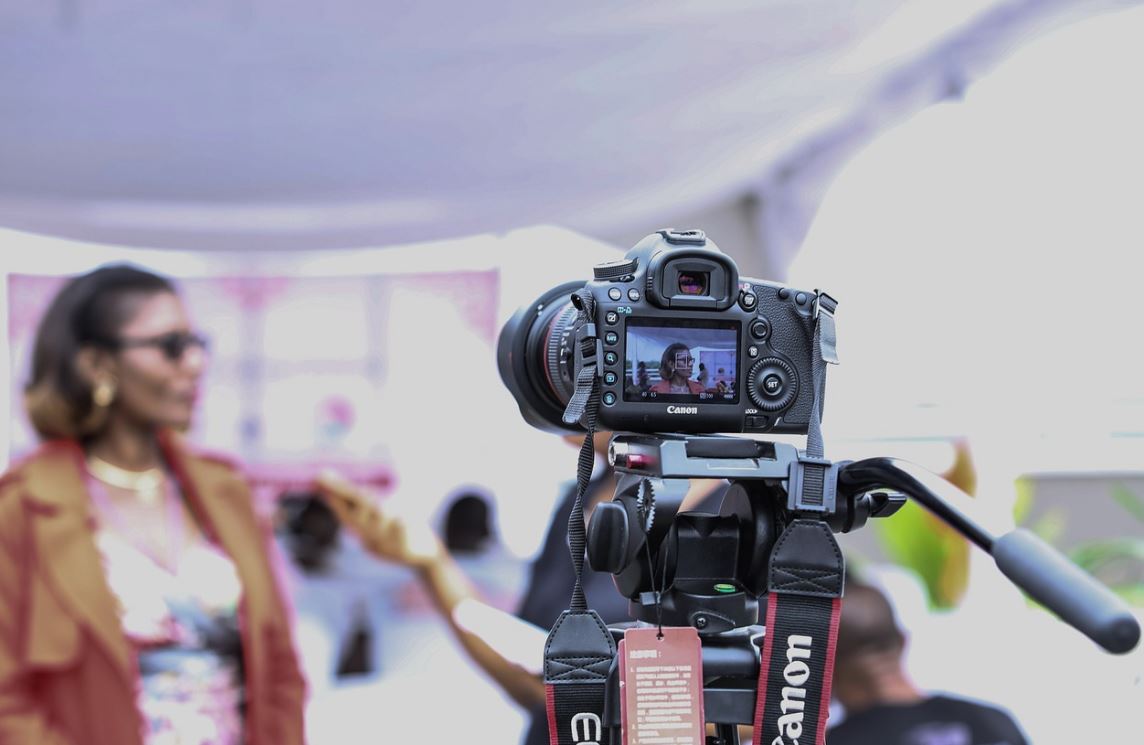
Capture multiple angles, different focal lengths.

Understanding the Power of B-Roll

B-roll refers to the supplemental footage that supports the primary (A-roll) content, such as interviews or scripted scenes. It helps create seamless transitions, illustrates key points, and provides visual interest. Well-executed B-roll makes videos more dynamic, engaging, and visually appealing. Without it, even the most well-spoken on-camera subject can result in a monotonous presentation.

Budget-Friendly B-Roll Strategies

1. Plan Ahead and Storyboard

Before you shoot, outline what B-roll footage you’ll need. Storyboarding or creating a shot list ensures you capture essential visuals efficiently, reducing unnecessary reshoots and wasted time. Knowing what to film in advance allows you to maximize your time on set and minimize costs.

2. Use In-House Resources

Rather than renting expensive locations, leverage in-house spaces, office environments, or outdoor settings that align with your brand’s message. Many businesses already have interesting visual assets such as product displays, employees at work, or branded office interiors that can serve as impactful B-roll.

3. Shoot More Than You Need

Extra footage can be a lifesaver during post-production. Capture multiple angles, different focal lengths, and variations of movements to ensure you have enough material to work with. This avoids the need for costly reshoots.

4. Utilize Stock Footage Wisely

If live shooting isn’t an option, stock video can be an affordable alternative. Choose clips that match your brand’s visual style and integrate them seamlessly with your original footage. Many stock footage platforms offer budget-friendly options with high-quality visuals.

5. Get Creative with Camera Movements

Even with a basic camera setup, dynamic movements can enhance the production value of your B-roll. Handheld shots, slow motion, and panning can add variety and professionalism. If you have access to a stabilizer or a slider, these tools can elevate the quality even further.

6. Leverage Natural Light

Lighting can make or break a video. If studio lights are outside your budget, take advantage of natural light. Positioning subjects near large windows or shooting outdoors during golden hour can yield stunning results without the need for costly lighting setups.

7. Use Drones for High-Impact Shots

Aerial footage can add a cinematic feel to your B-roll. While hiring a drone operator can be expensive, some production companies, like St Louis Video Services, offer licensed drone pilots at a reasonable cost. Drone footage can be particularly effective for showcasing large spaces, events, and scenic backdrops.

8. Optimize Editing Techniques

Post-production is where B-roll truly comes to life. Use transitions, color grading, and slow-motion effects to enhance the footage. Editing software such as Adobe Premiere Pro or DaVinci Resolve offers tools that can refine your B-roll without requiring expensive additional shoots.

The St Louis Video Services Advantage

At St Louis Video Services, we understand the importance of high-quality B-roll in video production. As a full-service professional commercial photography and video production company, we have the right equipment, experienced crew, and creative expertise to ensure successful image acquisition.

We offer full-service studio and location video and photography, as well as editing, post-production, and licensed drone pilots. Whether you need a private custom interview studio setup, sound and camera operators, or high-quality B-roll that aligns with your brand, we have you covered. Our specialized drones can even fly indoors to capture unique perspectives.

Since 1982, we’ve worked with businesses, marketing firms, and creative agencies across the St. Louis area, helping them produce visually compelling content that resonates with their audiences. Contact us today to see how we can bring your next video production to life, even on a budget.

314-604-6544

stlouisvideoservices@gmail.com

5 Creative B-Roll Ideas for Interview Projects: Enhancing Your Storytelling

B-roll footage is a crucial component in interview-based video projects. It’s the supplementary footage that enriches the story and creates a more immersive and engaging viewing experience. While the interview itself is the focal point, B-roll serves as a tool to visually support the key messages and add context, helping to bring your narrative to life. As an experienced videographer and producer at St. Louis Video Services, I’ve had the opportunity to work with a wide range of clients to craft compelling interview videos that stand out. Below are five creative B-roll ideas that can elevate your interview projects and engage your audience more effectively.

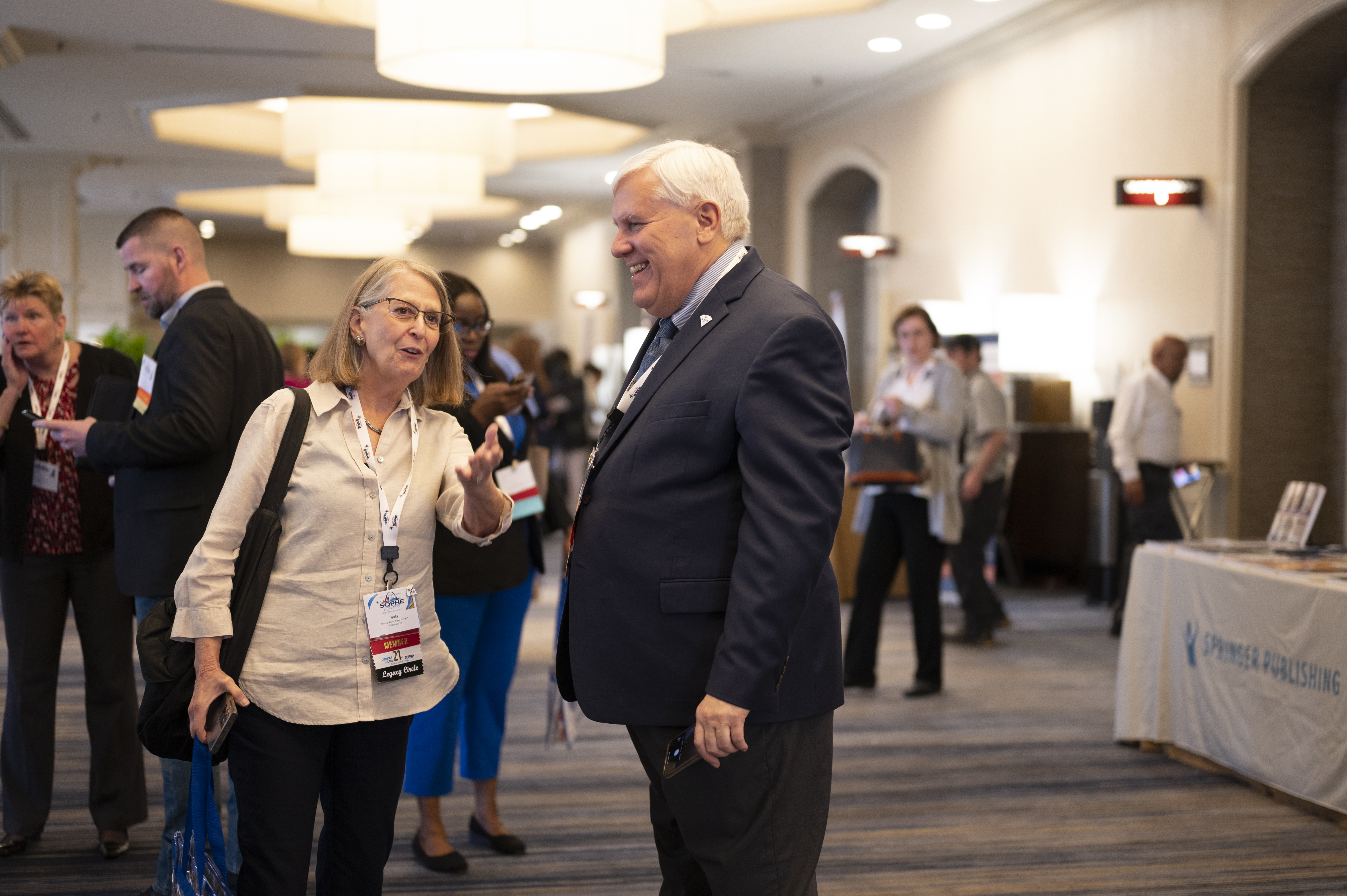
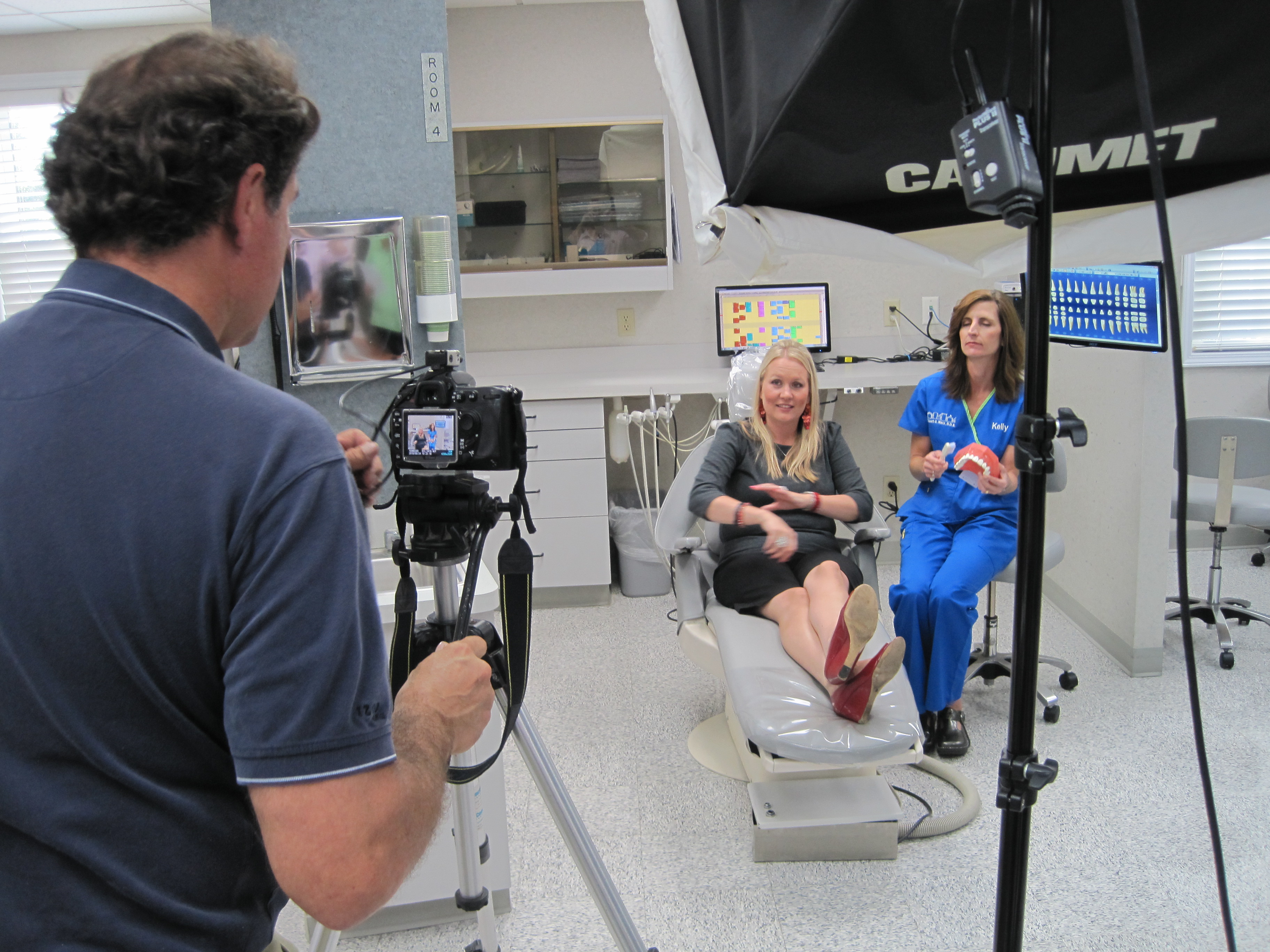
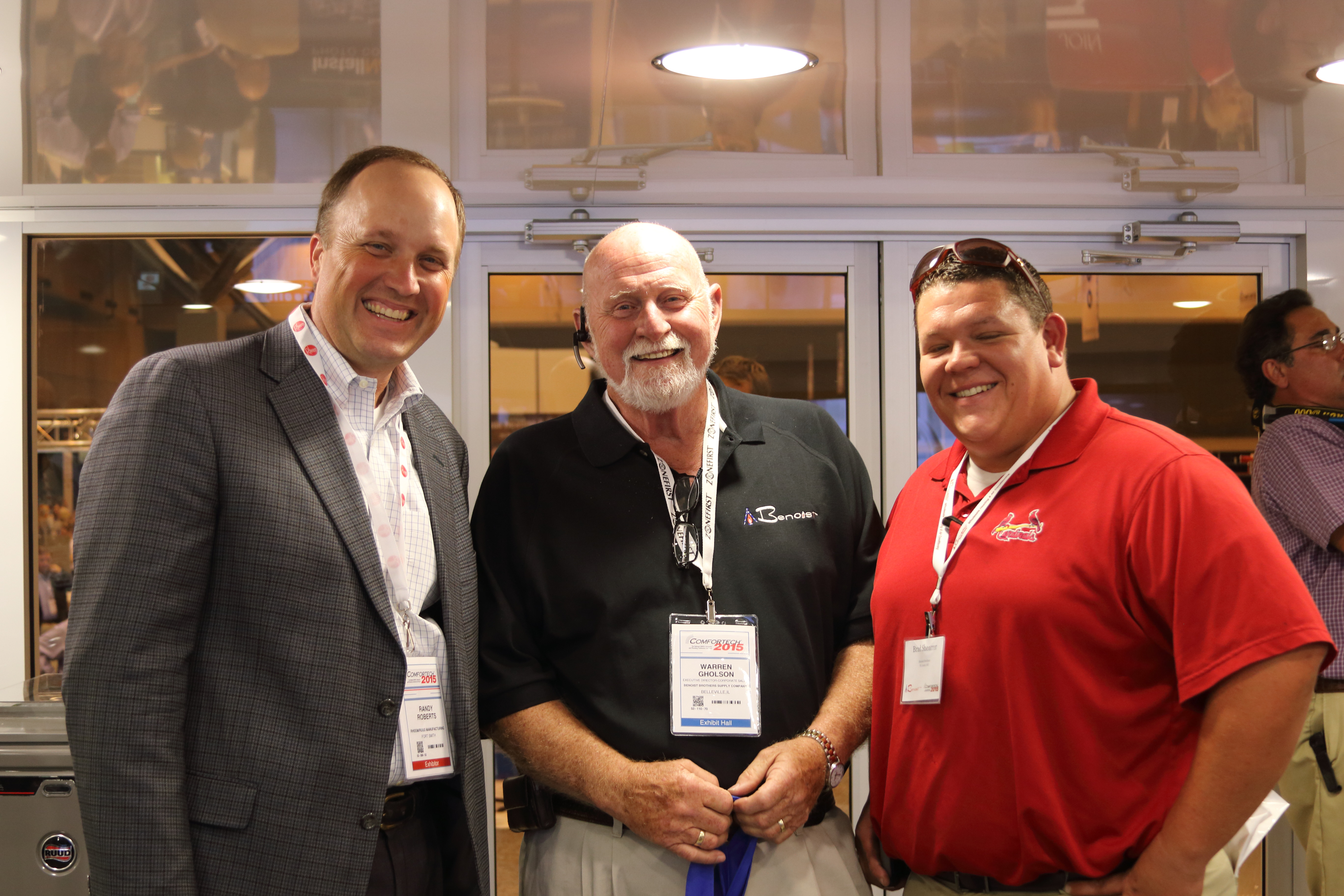
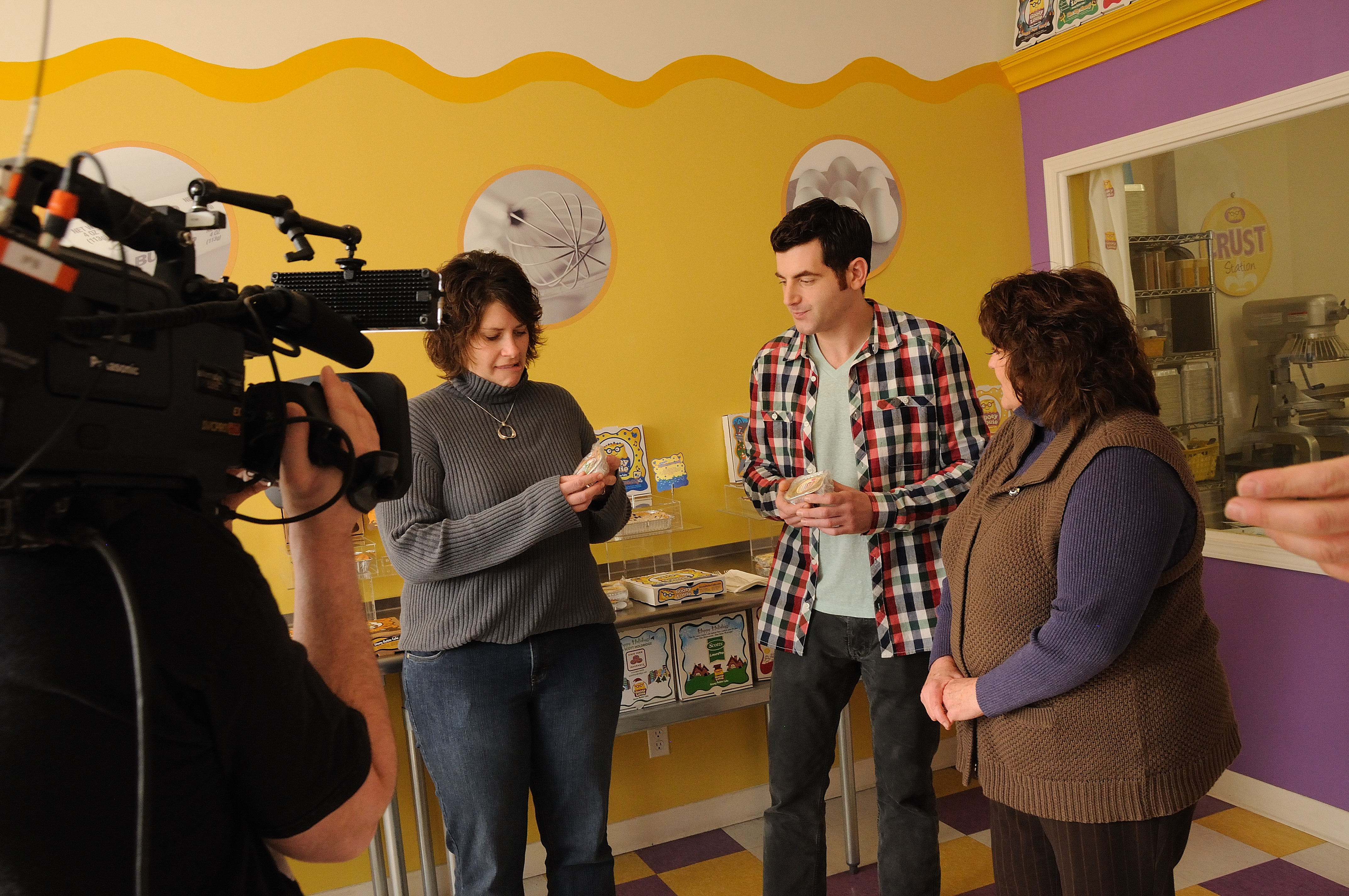
Keep the interactions natural. Candid shots of genuine conversations often work better than posed or staged interactions, as they feel more authentic to the viewer.

1. Action Shots of the Subject in Their Environment

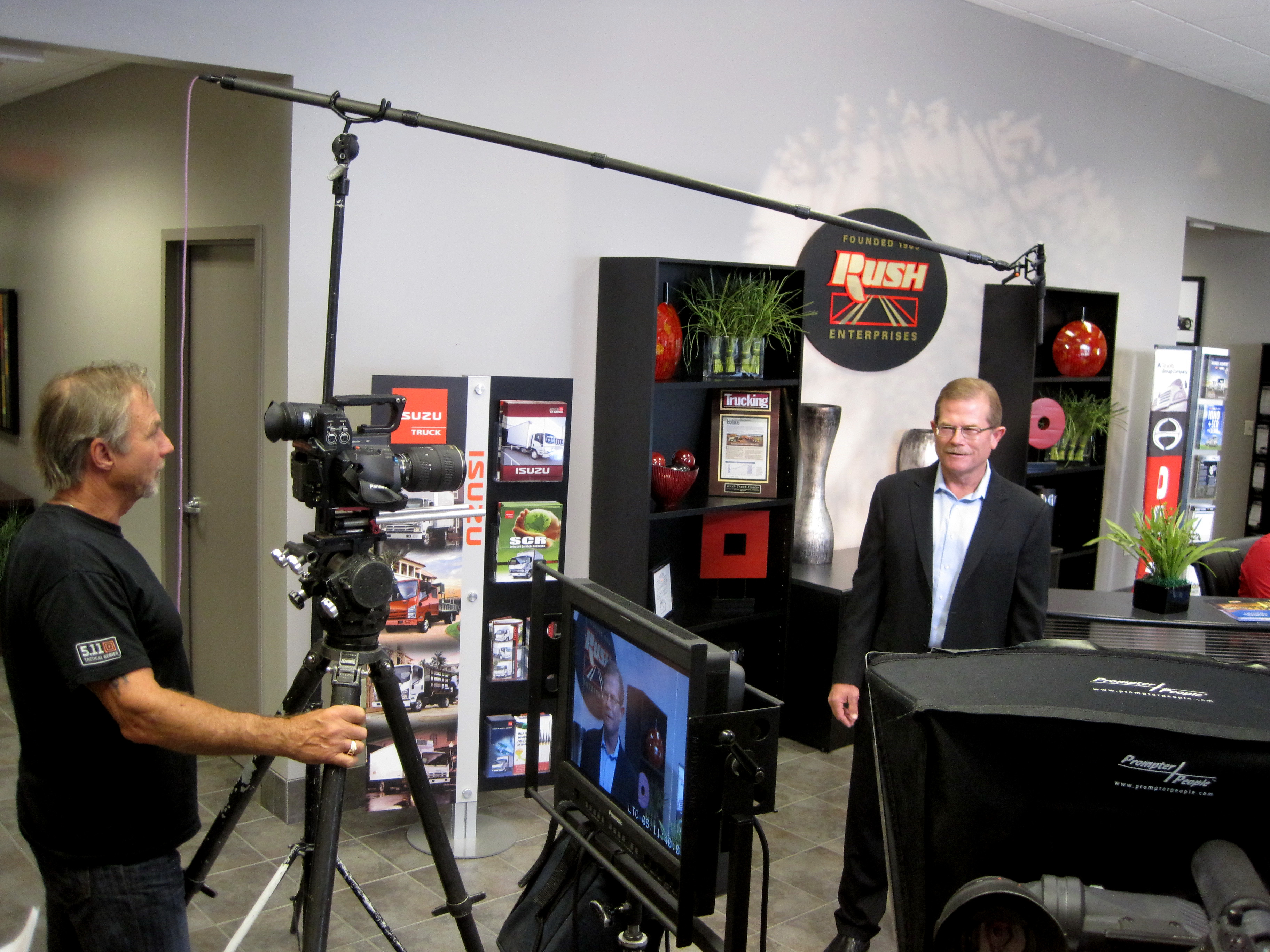
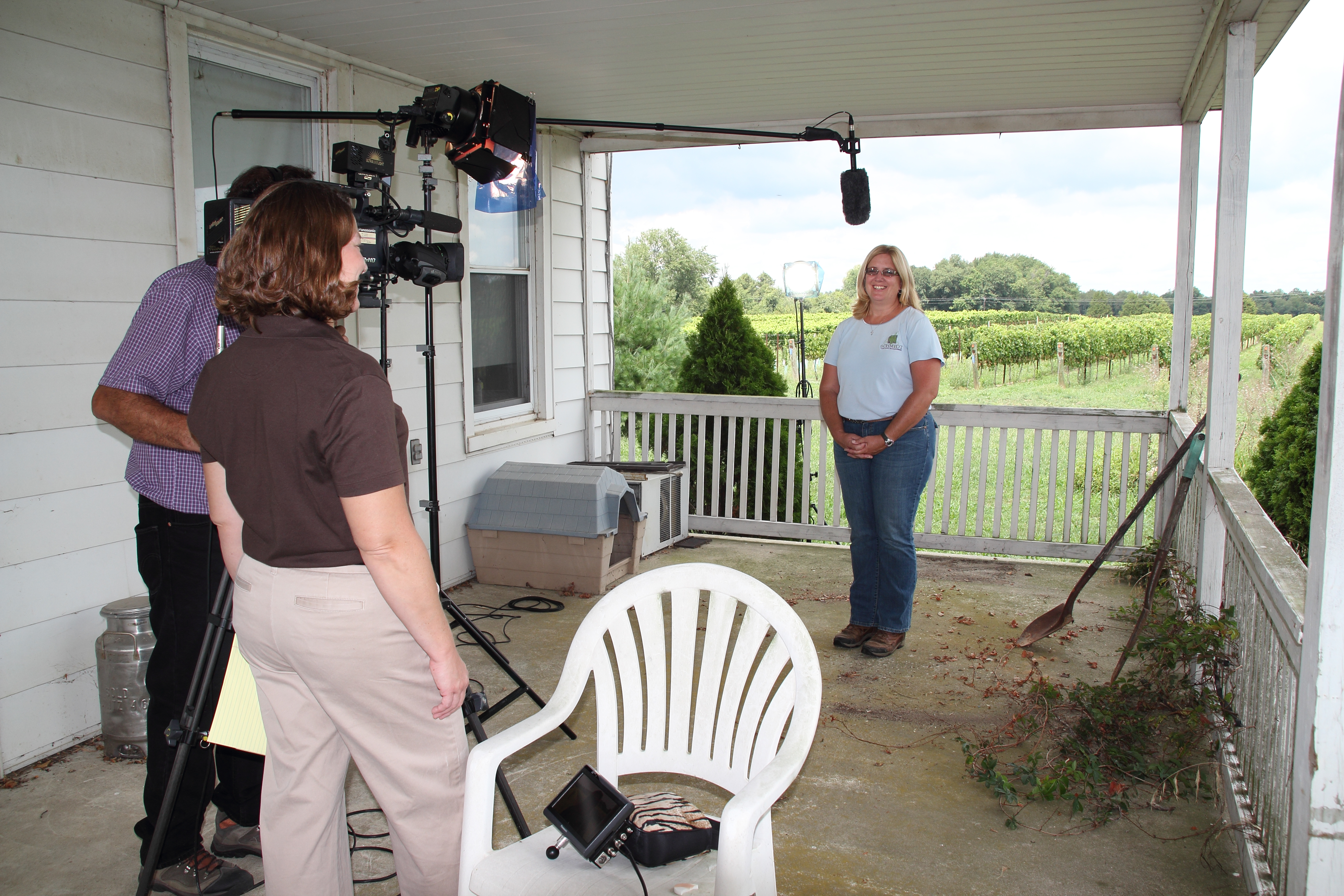
One of the most powerful ways to incorporate B-roll is by capturing the subject actively engaged in their environment or performing their work. For example, if you’re interviewing a CEO, showing them in their office, leading a meeting, or interacting with their team can give the audience insight into their role and personality. This adds context and makes the interview feel more grounded in the real world. Whether it’s an office, a factory floor, or a creative studio, action shots create a dynamic atmosphere that complements the spoken words.

Pro Tip: Ensure the lighting and angles match the tone of the interview. A busy environment might require a wide shot, while a more personal setting could benefit from tighter framing to maintain intimacy.

2. Cutaways to Products or Services

A great way to showcase a business’s offerings is to include close-up shots of products or services in action. For example, if you’re interviewing a product designer, you can film the process of them working on their design, adjusting details, or interacting with the product. This type of B-roll adds depth to the story by visually demonstrating the subject’s expertise or highlighting the key elements of their work. Product demonstrations are powerful storytelling tools in interviews, allowing you to show rather than just tell.

Pro Tip: When filming products, pay attention to lighting to highlight texture, features, and movement. Use a macro lens for extreme close-ups or slow-motion to draw attention to intricate details.

3. Interaction with Clients or Colleagues

Including shots of the subject interacting with colleagues, clients, or customers helps to humanize the story and gives a sense of community or teamwork. These moments not only provide a visual break from the interview but also reinforce the subject’s role in a larger narrative. Whether it’s a handshake, a conversation, or a collaboration, capturing these moments can add authenticity and highlight the relationships that drive a business.

Pro Tip: Keep the interactions natural. Candid shots of genuine conversations often work better than posed or staged interactions, as they feel more authentic to the viewer.

4. Visual Metaphors or Symbols

Sometimes, using symbolic or metaphorical B-roll can enhance the themes of an interview. For instance, if the subject discusses overcoming challenges, you could film a time-lapse of a sunrise, a plant growing, or a bustling city to symbolize growth or resilience. These types of visuals add a layer of artistic storytelling that connects emotionally with the audience. Choosing the right metaphor can elevate your video to something more memorable.

Pro Tip: Be subtle with metaphors. Overuse of symbolic shots can detract from the interview’s core message, so make sure the metaphor aligns with the key takeaways.

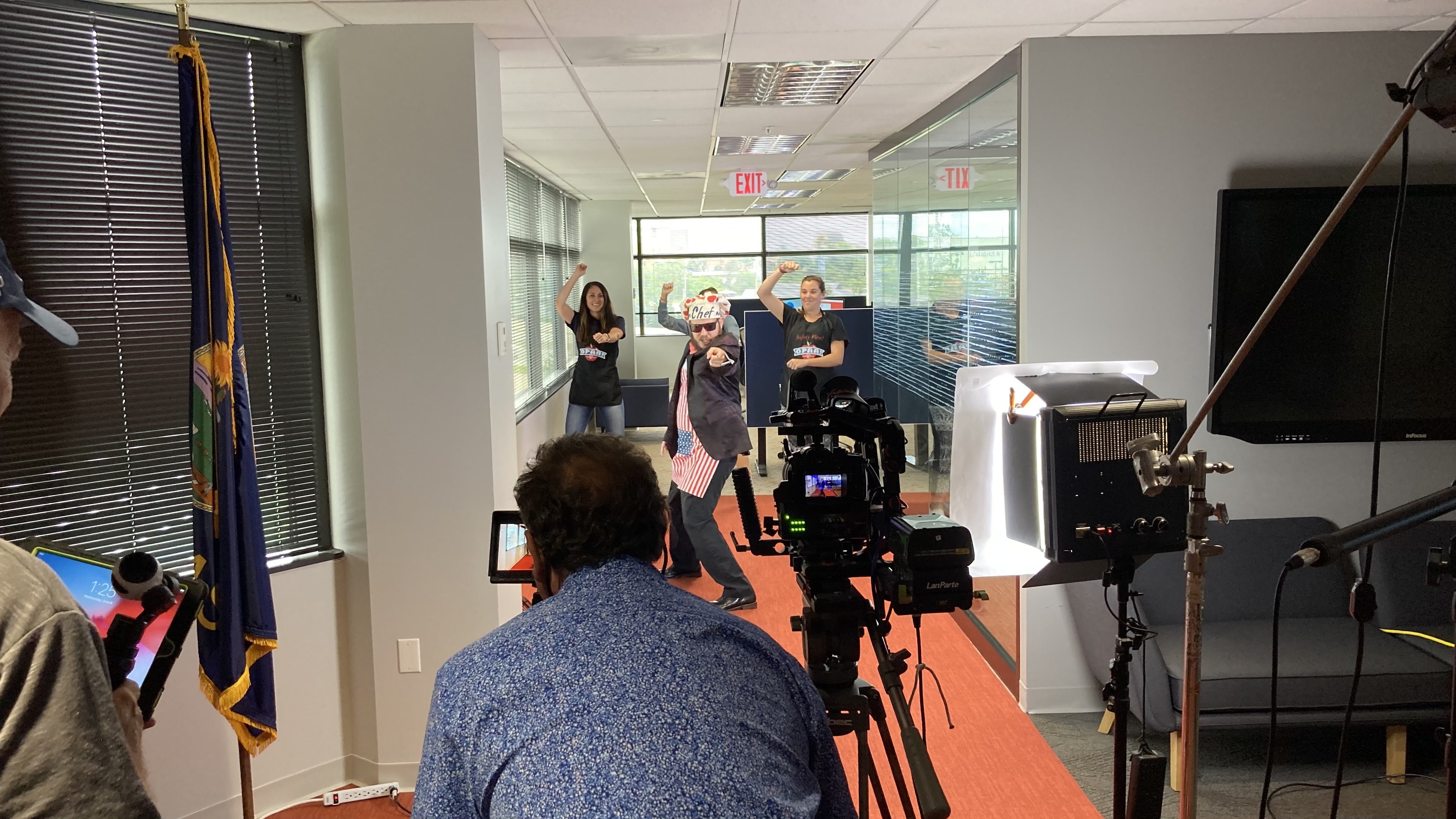
5. Behind-the-Scenes of the Production

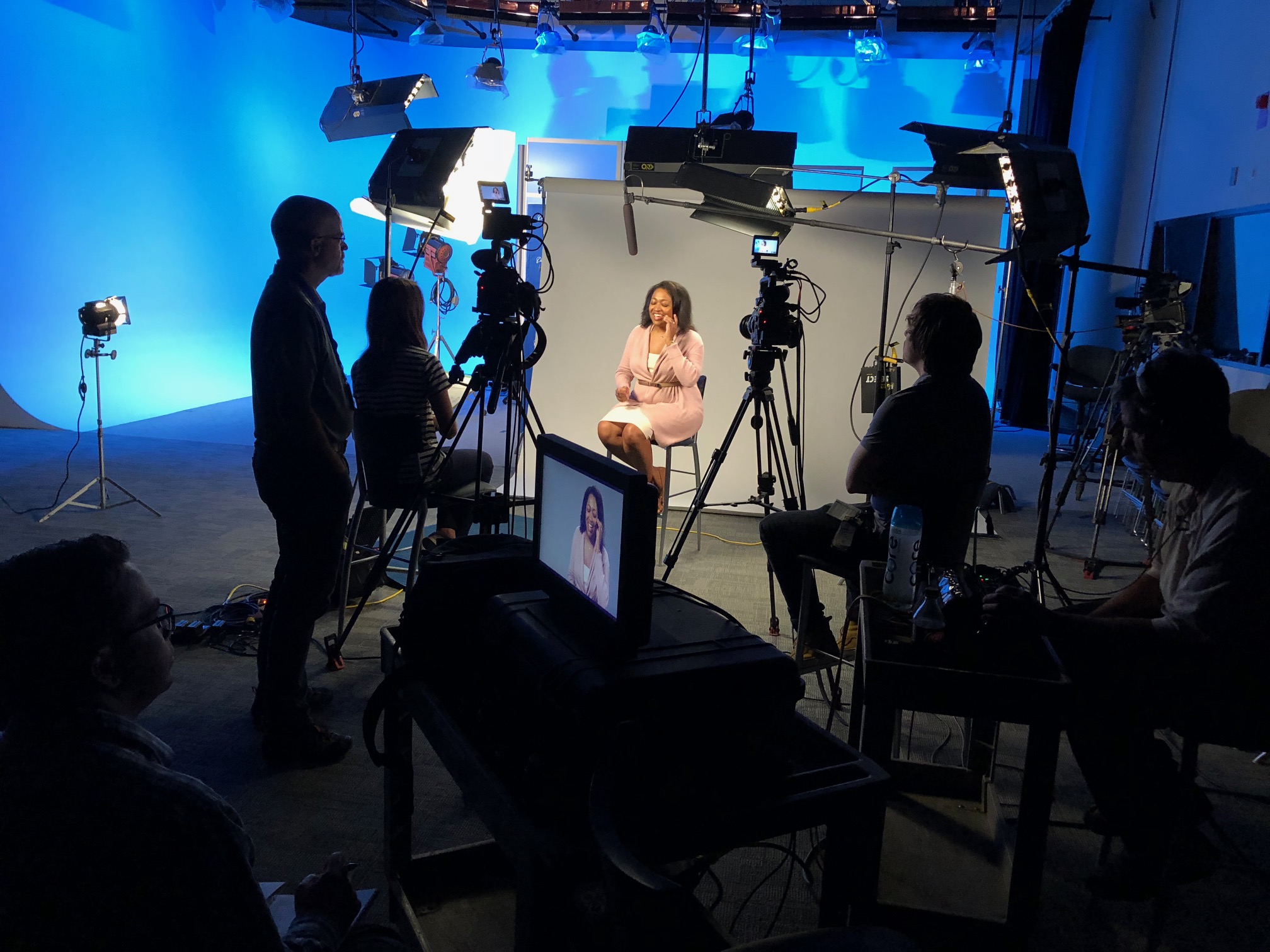
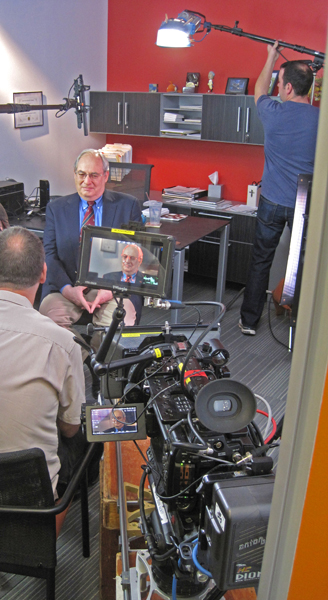
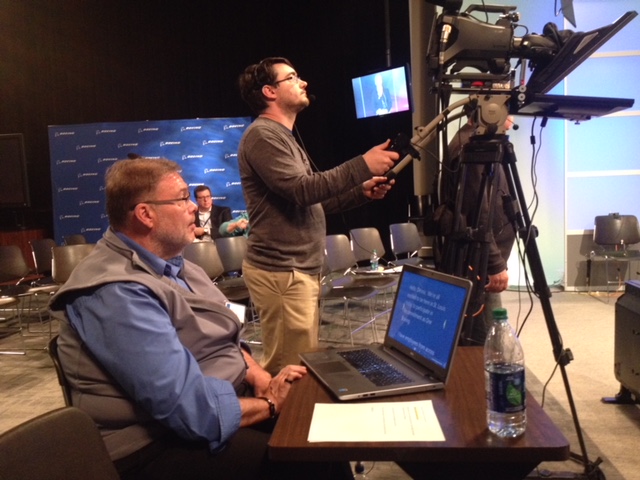
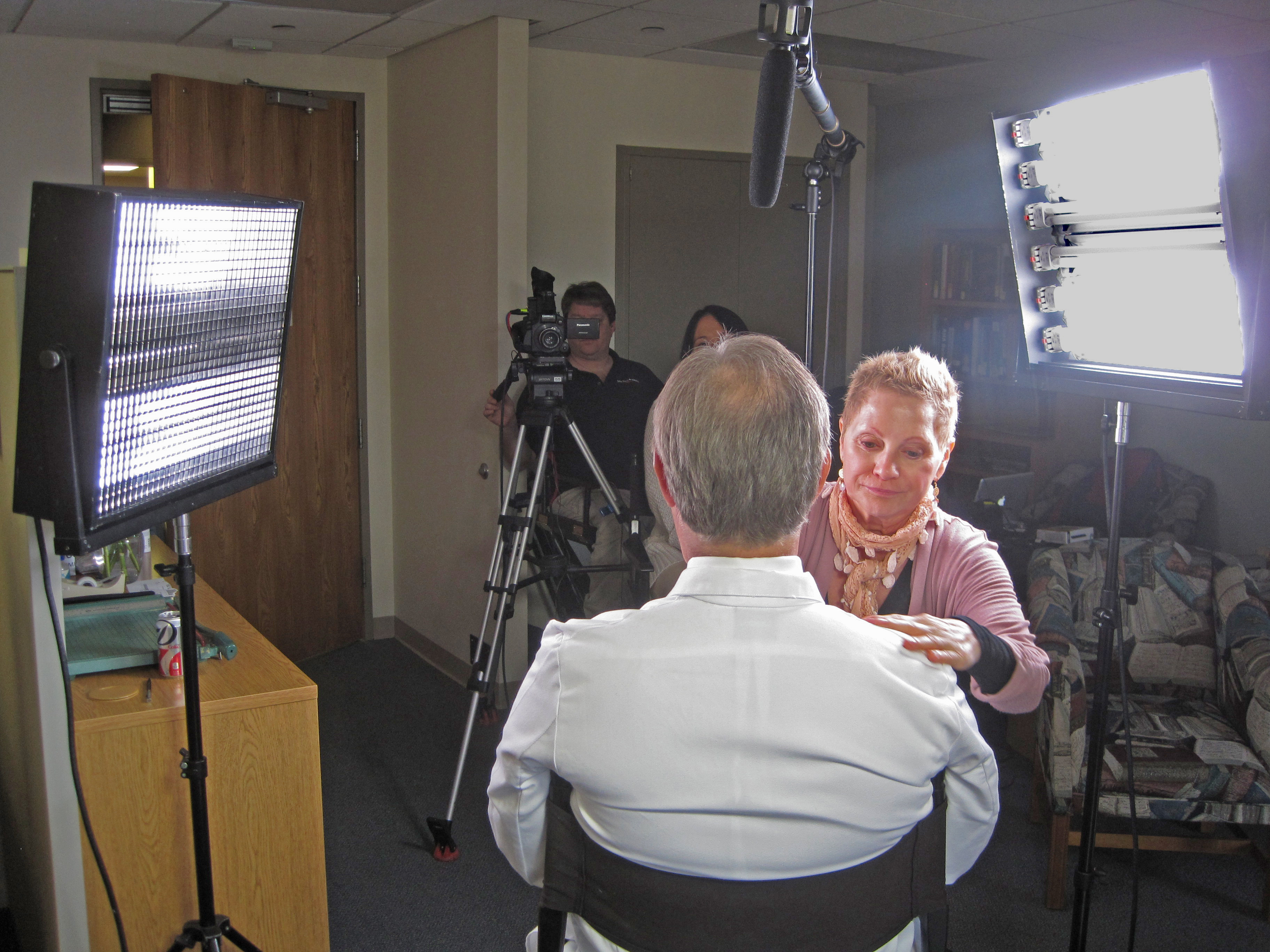
A unique way to add B-roll is by showcasing behind-the-scenes footage of the production itself. This could be shots of the team setting up equipment, adjusting lighting, or prepping for the shoot. Behind-the-scenes footage not only adds transparency to the production process but also helps to reinforce the professionalism and care that goes into making a high-quality video. This can be a nice touch, especially in interviews where the production values are part of the story.

Pro Tip: Keep the behind-the-scenes shots quick and purposeful. Too much behind-the-scenes footage can detract from the focus of the interview. Use it to add context to the production and highlight your team’s expertise.


Why Choose St. Louis Video Services for Your Next Project?

At St. Louis Video Services, we understand the importance of capturing the right B-roll to support and enhance your interview projects. As a full-service professional commercial photography and video production company, we offer a range of services, including studio and location video and photography, editing, post-production, and licensed drone pilots. We can customize your productions for diverse media requirements, from small productions with private studio setups to large-scale projects that involve intricate equipment and crew coordination.

We specialize in repurposing photography and video branding to help you gain more traction with your content. Our experienced team is well-versed in all file types and media styles, ensuring your final product meets the highest standards of quality. Our private studio lighting and visual setups are perfect for small productions, such as interviews, and our versatile space can accommodate props to enhance your set.

With extensive experience working with businesses, marketing firms, and agencies in the St. Louis area, St. Louis Video Services has everything you need to make your next video production a success. Whether you need sound and camera operators or specialized drone footage indoors, we are here to help at every step of the process. Since 1982, we’ve been committed to creating impactful video productions that engage and inspire audiences.

Let us bring your vision to life with creative B-roll, seamless production, and expert storytelling.

314-604-6544

stlouisvideoservices@gmail.com

Common Mistakes in Training Videos and How to Fix Them

Creating an engaging, informative, and effective training video is no small task. Done right, a training video can serve as a valuable resource for onboarding new employees, demonstrating product usage, or educating clients. However, there are common pitfalls that can diminish the impact of your training content. In this post, we’ll highlight these frequent mistakes and provide actionable solutions to help decision-makers produce exceptional training videos.

1. Lack of a Clear Structure

The Mistake: One of the most common errors is failing to organize the content into a logical sequence. Without a clear structure, your audience may struggle to follow the information, leading to confusion and disengagement.

The Fix: Start with a well-thought-out script and outline. Divide the content into sections with clear headings and objectives. Use visual cues, transitions, and title slides to break up the information and reinforce key points. Working with a professional production company, like St. Louis Video Services, ensures that your video follows a cohesive narrative.

2. Overloading with Information

The Mistake: Packing too much information into a single training video can overwhelm viewers and reduce retention.

The Fix: Keep your videos concise and focused on specific learning objectives. If the subject matter is complex, consider creating a series of shorter videos instead of one long, information-heavy video. Our team at St. Louis Video Services can help you plan and repurpose content into digestible segments that resonate with your audience.

3. Poor Audio and Visual Quality

The Mistake: Nothing diminishes credibility faster than poor lighting, muffled sound, or low-resolution visuals. Subpar production quality can make your brand appear unprofessional and cause viewers to lose interest.

The Fix: Invest in high-quality equipment and experienced crew members. Our private studio at St. Louis Video Services is equipped with professional-grade lighting and sound setups, perfect for creating crisp, polished content. Whether you need on-location shoots or indoor interviews, our team has the expertise to deliver exceptional quality every time.

4. Monotonous Delivery

The Mistake: If the presenter speaks in a flat tone or the visuals remain static for too long, viewers may lose focus.

The Fix: Incorporate dynamic visuals, such as cutaways, graphics, and animations, to keep viewers engaged. Choose presenters who are comfortable on camera, or consider voiceovers paired with visuals for variety. Our custom interview setups and post-production enhancements can bring life and energy to your training videos.

5. Inadequate Branding and Visual Consistency

The Mistake: Failing to incorporate consistent branding elements can make your training video feel disconnected from your company’s overall visual identity.

The Fix: Maintain consistency by including branded colors, logos, and fonts throughout your videos. Our experienced editors at St. Louis Video Services can seamlessly integrate branding elements to ensure your video reinforces your company’s identity.

6. Neglecting Audience Interaction

The Mistake: A training video that only provides information without engaging the audience can feel impersonal.

The Fix: Add interactive elements, such as questions, prompts, or quizzes, to encourage viewers to engage with the content. In post-production, we can add on-screen prompts, captions, and calls to action that foster interaction and boost comprehension.

7. Ignoring Accessibility Needs

The Mistake: Many training videos fail to consider viewers who may need captions, alternative audio descriptions, or visual accommodations.

The Fix: Include closed captions and ensure your video adheres to accessibility standards. St. Louis Video Services is well-versed in editing software and file formats that allow for easy integration of accessibility features to make your training content inclusive for all.

8. Not Repurposing Content for Multiple Platforms

The Mistake: Creating a training video solely for internal use without considering repurposing options limits its potential reach.

The Fix: Repurpose training content into shorter clips for social media, email campaigns, or client demonstrations. Our team specializes in reformatting and optimizing video content for various platforms, ensuring you maximize your investment.

9. Inadequate Testing Before Release

The Mistake: Releasing a training video without thorough testing can result in mistakes being discovered after distribution.

The Fix: Conduct multiple rounds of review and testing to identify any errors. We recommend pilot testing your video with a small group before full release. Our production team offers comprehensive editing and revision services to ensure your final product is flawless.

How St. Louis Video Services Can Help

At St. Louis Video Services, we understand that creating a successful training video requires more than just a camera and a script. Our full-service commercial photography and video production company has the right equipment and experienced crew to support every stage of your production. From concept development and storyboarding to studio shoots and post-production, we provide tailored solutions that meet your unique needs.

We offer:

  • Full-service studio and location video and photography
  • Editing, post-production, and licensed drone pilots
  • Custom interview setups and sound/camera operators
  • Indoor drone filming for dynamic shots
  • Expertise in all media styles, formats, and software

Our private studio lighting and visual setup are ideal for small productions and interview scenes, and our space is large enough to incorporate props and set designs. Since 1982, St. Louis Video Services has worked with businesses, marketing firms, and agencies across the St. Louis area to create impactful training videos, corporate films, and branded content.

By partnering with us, you can rest assured that your training video will not only avoid common pitfalls but will also stand out as a valuable asset for your organization. Let us help you achieve your vision and deliver professional results that drive engagement and learning.

Contact St. Louis Video Services today to make your next training video a success.

314-604-6544

stlouisvideoservices@gmail.com

Questions to Ask Before Choosing a Video Services Interview Style

When planning a corporate video project, the style of the interview can make or break the overall effectiveness of your content. Whether it’s for internal communications, marketing campaigns, or customer testimonials, the way you capture an interview plays a significant role in how your message is received by the audience. Choosing the right interview style can be daunting, but by asking the right questions, you can make a well-informed decision that suits your company’s needs. Here’s a comprehensive guide to the key questions you should ask before selecting an interview style for your next video production.

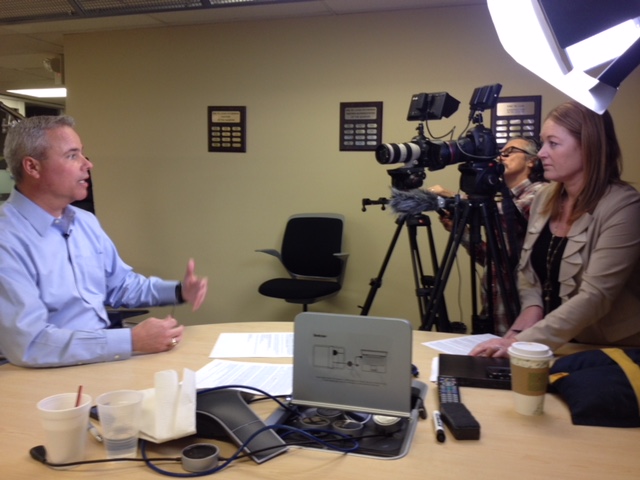
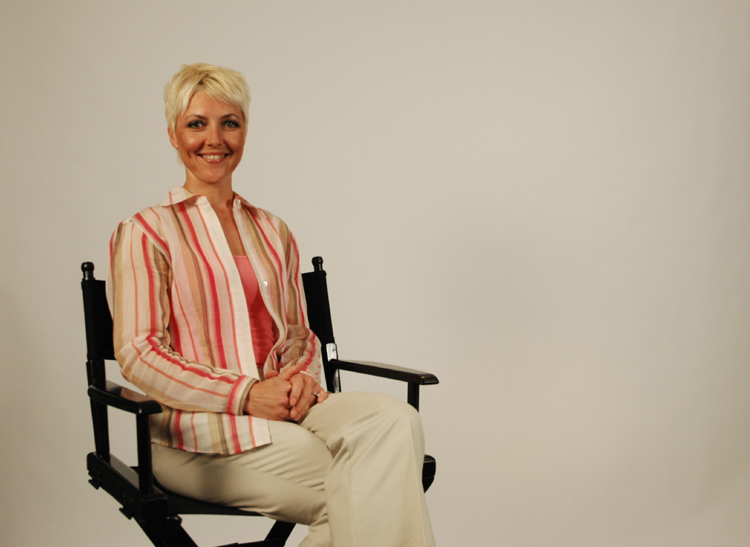
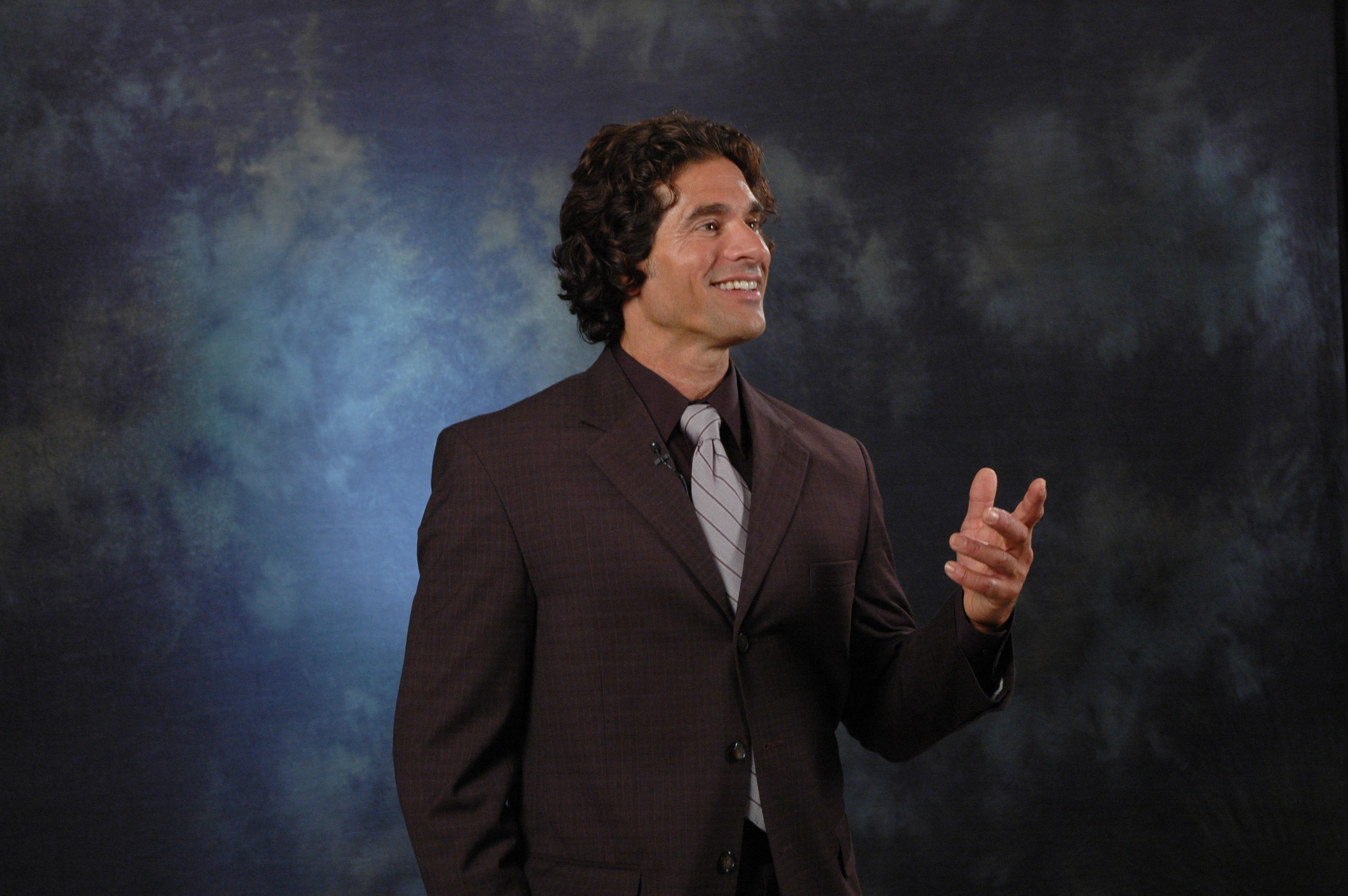
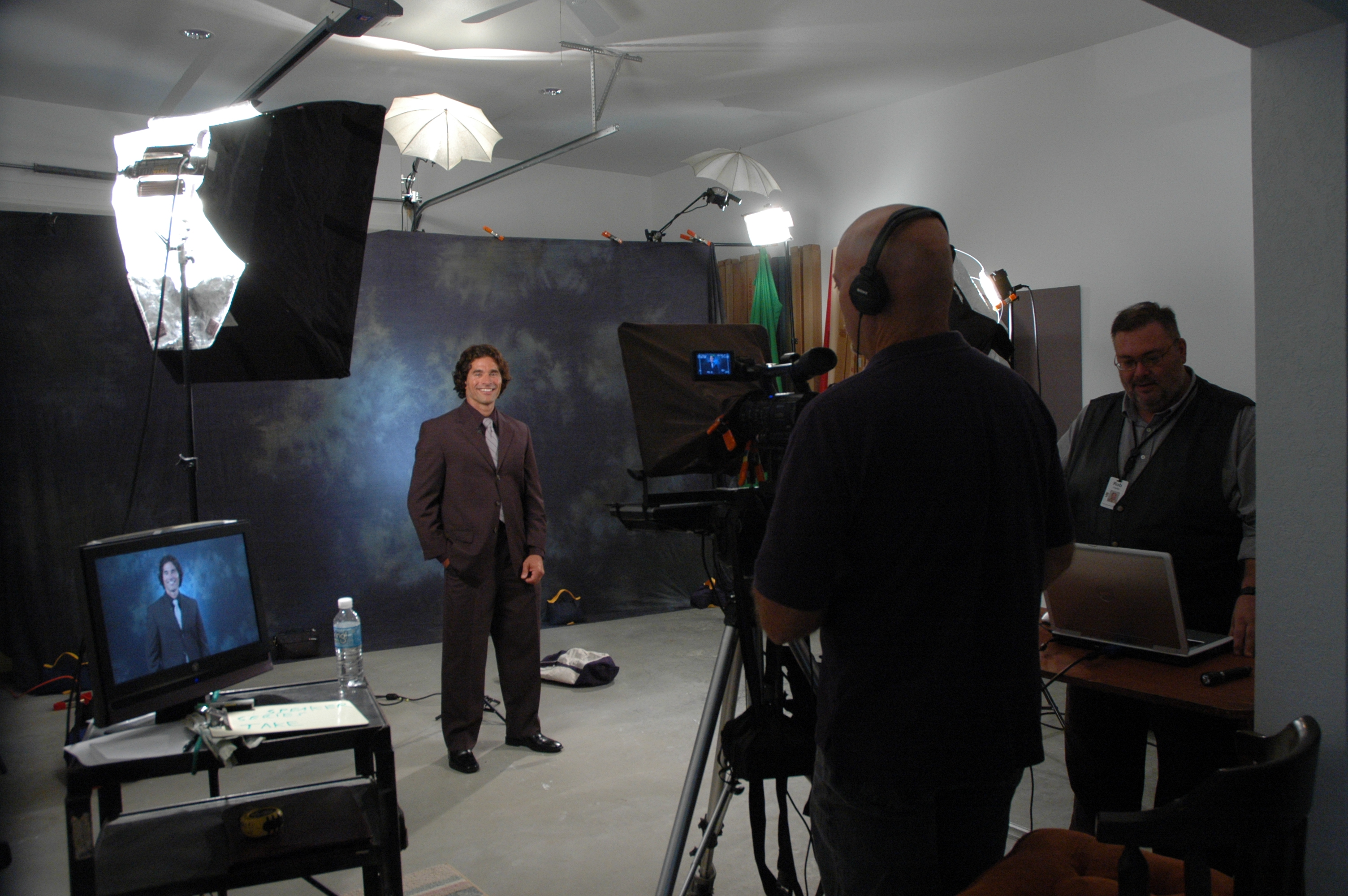
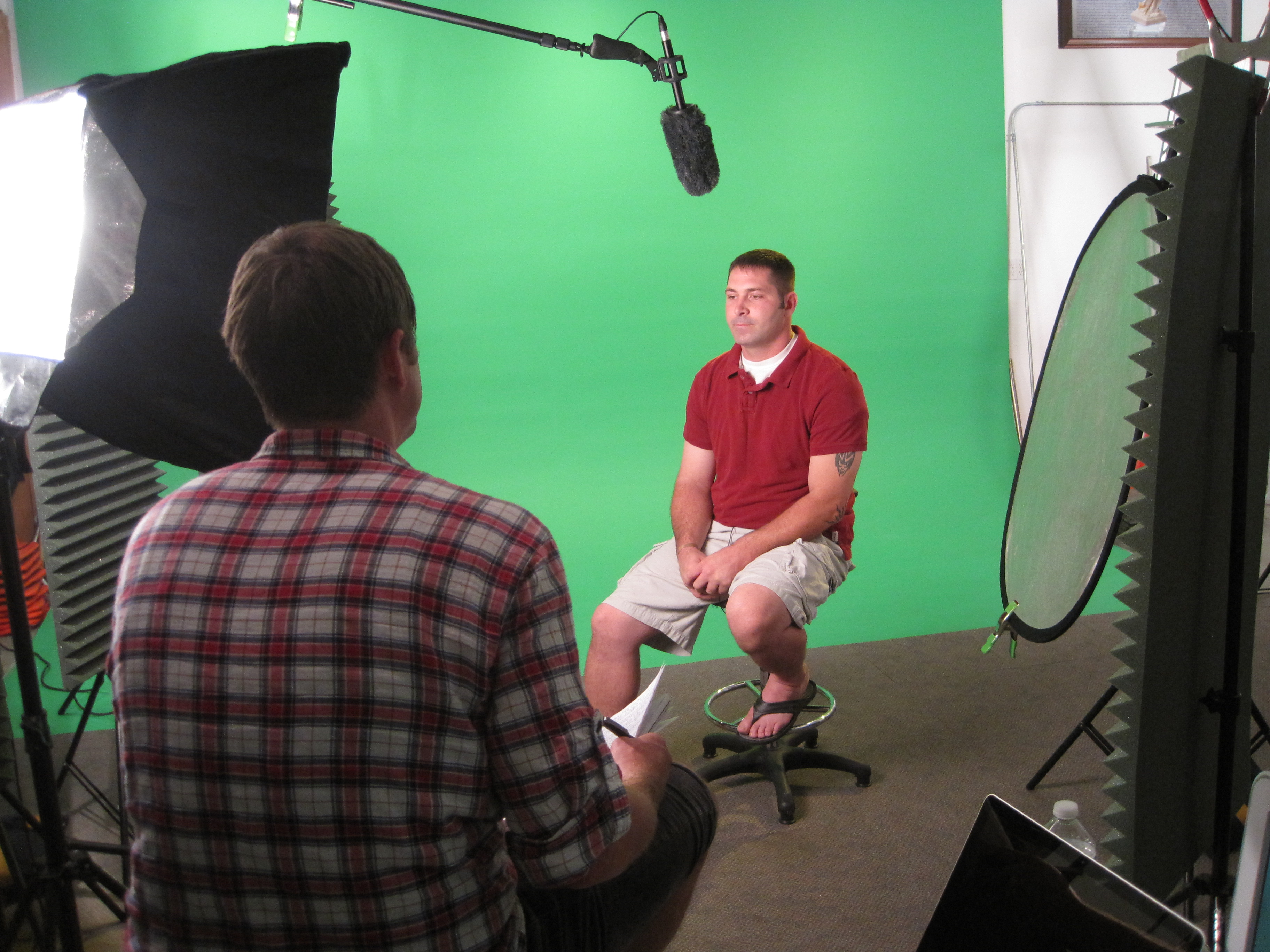
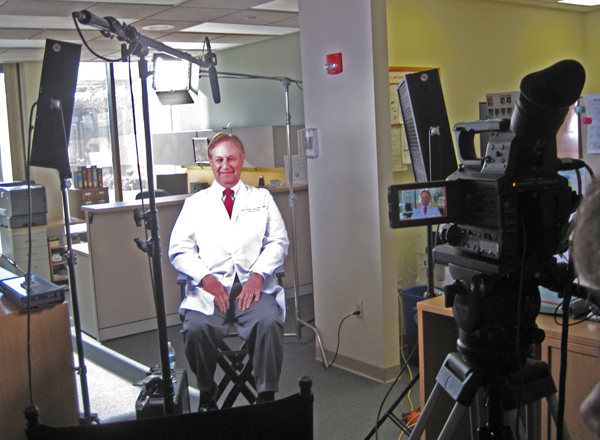
If the background or setting is not essential, then a studio interview with clean, controlled lighting can focus the audience’s attention solely on the subject.

1. What is the Objective of the Interview?

Before deciding on an interview style, it’s crucial to understand the purpose of the video. Are you showcasing an expert’s authority? Do you want to create an emotional connection with the audience? Or is your goal to inform or educate?

For example:

  • If you need a professional, polished presentation of an expert or executive, a traditional sit-down interview may work best.
  • If you aim to humanize your brand and create a relatable, storytelling atmosphere, an on-location or walking interview could be more effective.

2. What is the Tone of the Interview?

The tone of your interview will significantly influence the style you choose. Will the interview be formal, casual, or somewhere in between?

  • For a serious, authoritative tone, a traditional sit-down interview often delivers the best results.
  • If you want a more relaxed and conversational tone, walking interviews or roundtable discussions can help convey a more informal vibe.

3. How Will the Interview Be Presented to the Audience?

Consider how the final video will be distributed. Will it be shown at a corporate event, shared on social media, or embedded in a website?

  • Corporate events or formal presentations may require more traditional, clean styles like sit-down interviews or two-camera setups for a professional finish.
  • Social media or website use might benefit from more dynamic styles, like walking interviews or on-location shots, which offer a more engaging and personalized feel.

4. What is the Environment Like?

The location where the interview is filmed plays a major role in your choice of interview style. Will the interview take place in a controlled environment like a studio, or will it be on-location?

  • A private studio setup offers control over lighting, sound, and background, making it ideal for controlled interviews or corporate settings.
  • On-location interviews provide authenticity but can present challenges with lighting and noise, which may require additional equipment and preparation.

5. How Much Time Do You Have for Setup and Filming?

The amount of time available for filming will also influence your decision. More complex interview styles often require additional setup time.

  • Traditional sit-down interviews are relatively quick and easy to set up, requiring minimal equipment and crew.
  • Walking interviews or multi-camera setups may require more crew and time for adjustments, but can offer richer, more dynamic footage.
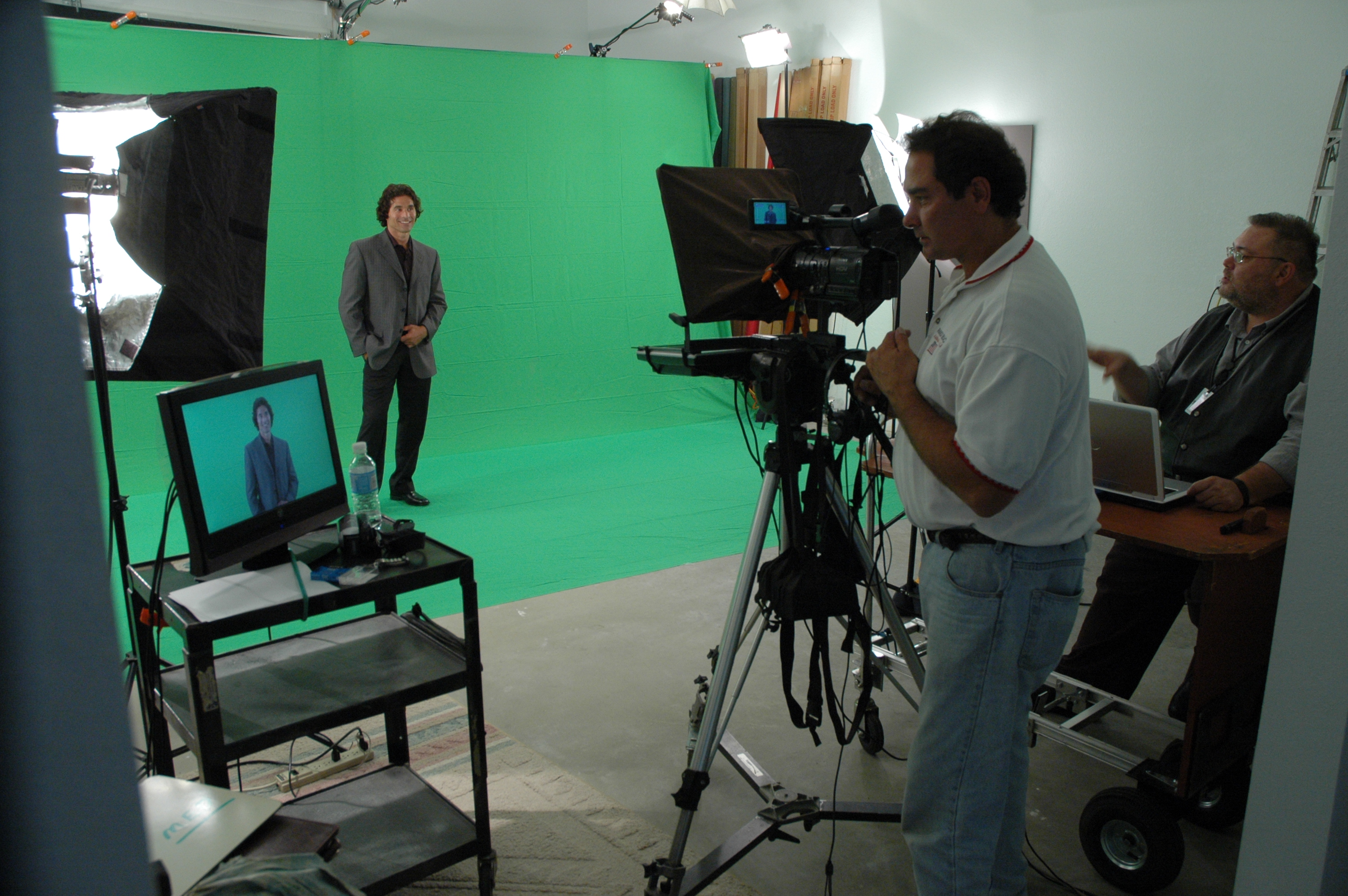
  • If you have limited time, you may opt for single-camera setups or green-screen interviews that allow for more flexibility in post-production.

6. How Important is Visual Appeal?

The visual elements of the interview are key to maintaining viewer engagement. Does the setting play an important role in conveying the message?

  • On-location interviews can visually reinforce your message, providing contextual clues that are highly engaging and visually dynamic.
  • If the background or setting is not essential, then a studio interview with clean, controlled lighting can focus the audience’s attention solely on the subject.

7. What is the Length of the Interview?

Longer interviews may require more dynamic approaches to maintain viewer interest. Will the interview be a short soundbite, or a more in-depth conversation?

  • For shorter interviews, a traditional sit-down or two-camera setup can keep the content concise and impactful.
  • For longer interviews, a dynamic two-camera or walking interview style can help break up the footage and make it more engaging.

8. Do You Need to Repurpose the Content?

Repurposing video and photography is a powerful strategy for maximizing your investment. Will the footage need to be edited into multiple formats, or used across different platforms?

  • Two-camera interviews or green-screen setups offer great flexibility for repurposing content, giving you multiple angles or the ability to add backgrounds in post-production.
  • A multi-location or roundtable discussion might be ideal for creating a series of videos from one shoot, allowing you to break down content into bite-sized pieces for different channels.

Why St. Louis Video Services is Your Best Choice for Video Production Success

At St. Louis Video Services, we’ve been serving businesses, marketing firms, and agencies in the St. Louis area since 1982. We understand that each project is unique, and our team is dedicated to creating videos that meet your specific objectives. Whether you need a traditional sit-down interview, a dynamic walking interview, or a full-blown multi-camera shoot, we have the expertise and equipment to deliver.

Our team of experienced professionals is equipped with the right tools for the job, including full-service studio and location video and photography, editing, post-production, and licensed drone pilots. St. Louis Video Services excels at customizing video productions to meet your diverse media requirements, whether you’re looking to enhance your branding, repurpose content, or create a video that resonates with your audience.

Our private studio offers flexible lighting setups perfect for small productions and interviews, and we can accommodate larger sets for more complex shoots. We also specialize in flying drones indoors, providing unique and high-quality aerial shots for your video. From private interview studio setups to providing sound and camera operators, we offer everything you need to make your next video production flawless.

Choose St. Louis Video Services for your next project and experience how our expertise, equipment, and creative vision can help bring your ideas to life.

314-604-6544

stlouisvideoservices@gmail.com