
In today’s fast-paced content landscape, businesses and agencies are constantly seeking ways to elevate their visual storytelling. Combining ground and drone cameras within a single production has become one of the most powerful ways to capture dynamic perspectives and produce visually engaging content. Whether you’re producing a commercial, a corporate overview, or a marketing promo, a well-planned hybrid shoot maximizes your creative potential—if executed strategically.
At St Louis Video Services, we’ve spent decades perfecting the art of synchronized ground and aerial video production. Here’s how to plan your next shoot for maximum efficiency and visual impact.
1. Define the Story—and How Aerial Footage Enhances It
Start by identifying the purpose of the video and the role each type of footage will play. Ask:
- What scenes benefit from aerial context?
- Where will ground-level storytelling or close-up detail drive emotional connection?

Drone shots often work best for:
- Establishing locations (exteriors of buildings, campuses, or job sites)
- Following motion (vehicles, people walking)
- Providing scale (construction projects, outdoor events)
Meanwhile, ground cameras shine with:
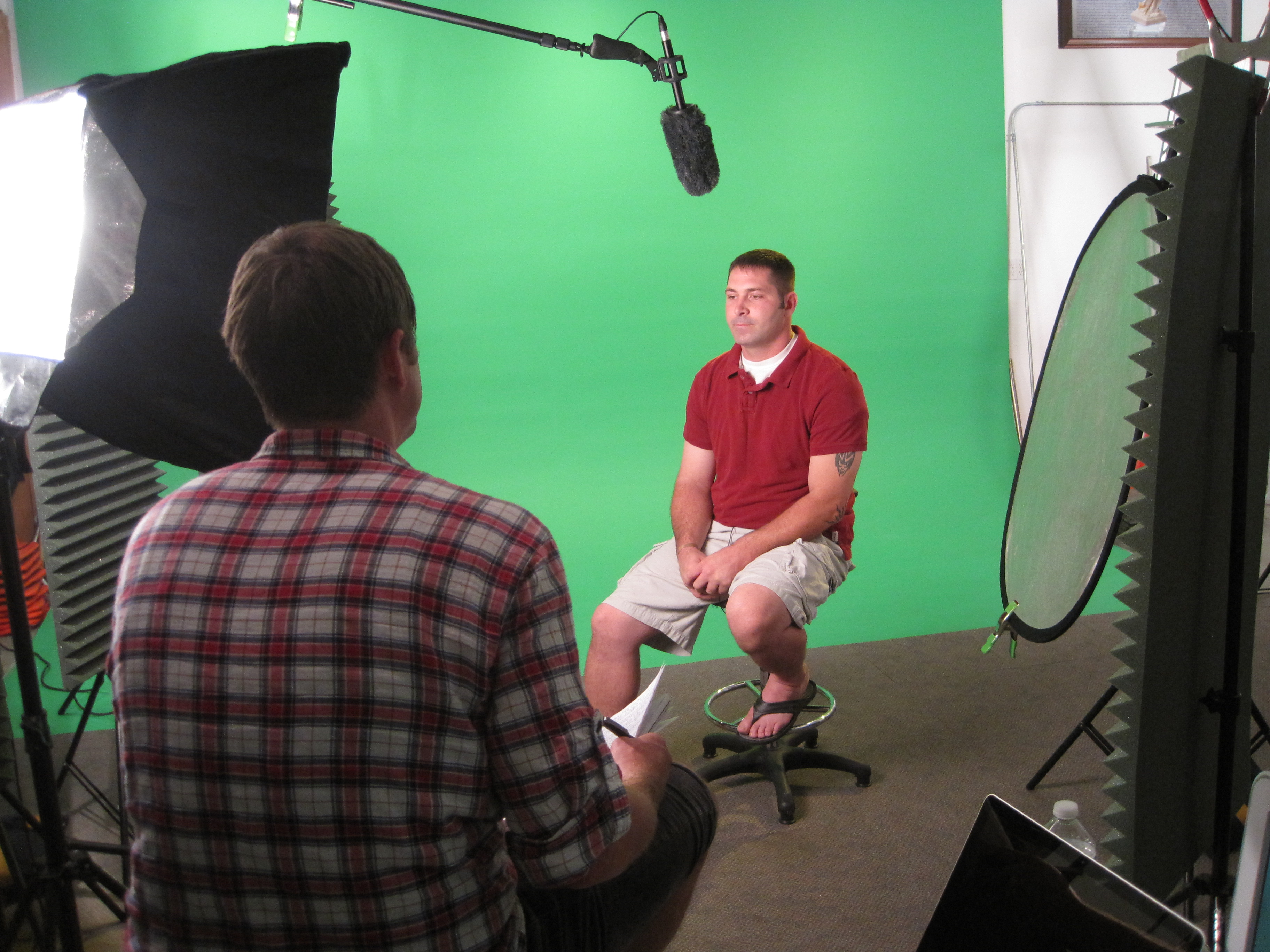
- Interviews and close-ups
- Product demonstrations
- Interior walkthroughs
By clarifying the purpose of each shot type early on, you reduce overlap and ensure every frame has a defined role in the final edit.
2. Map Out a Unified Shot List
Efficiency starts with planning. A joint drone/ground shoot must be carefully scheduled to avoid unnecessary resets or downtime. Create a master shot list that groups aerial and ground footage by location and time of day.
Pro tip: Don’t forget to consider sun position and weather when timing drone flights. You’ll want to fly during golden hour for cinematic light, but avoid harsh midday sun for interviews or interior shots.
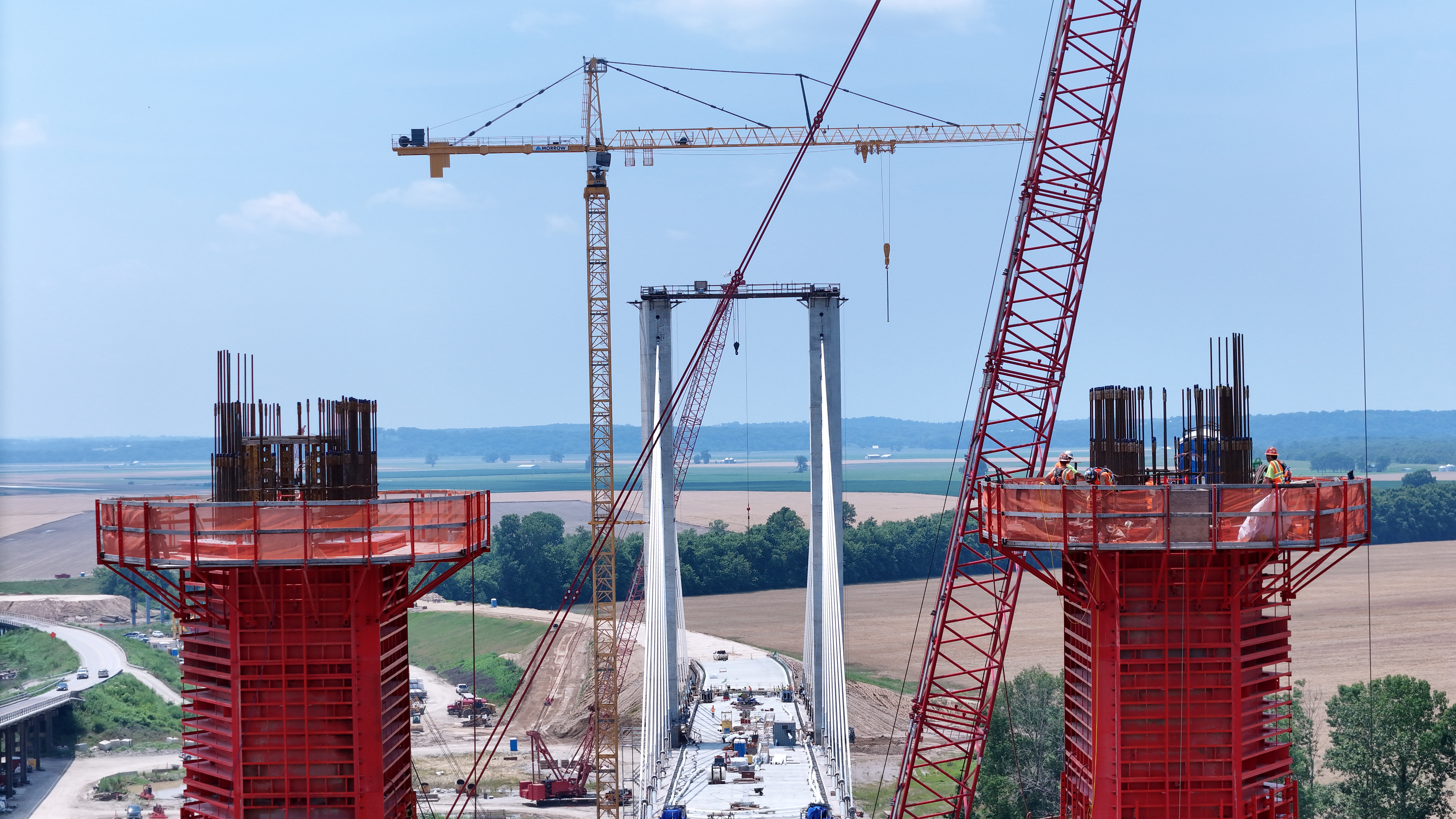
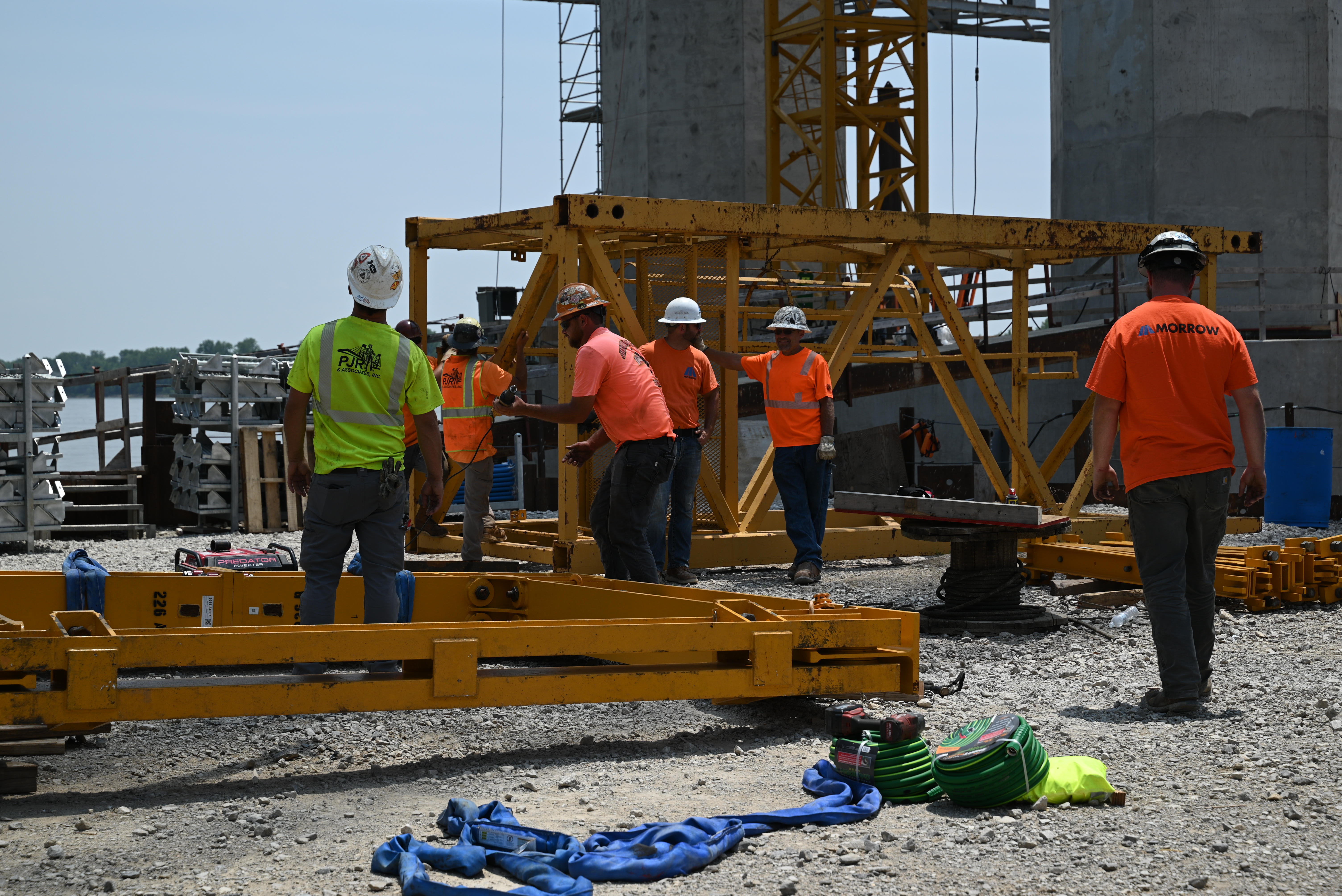

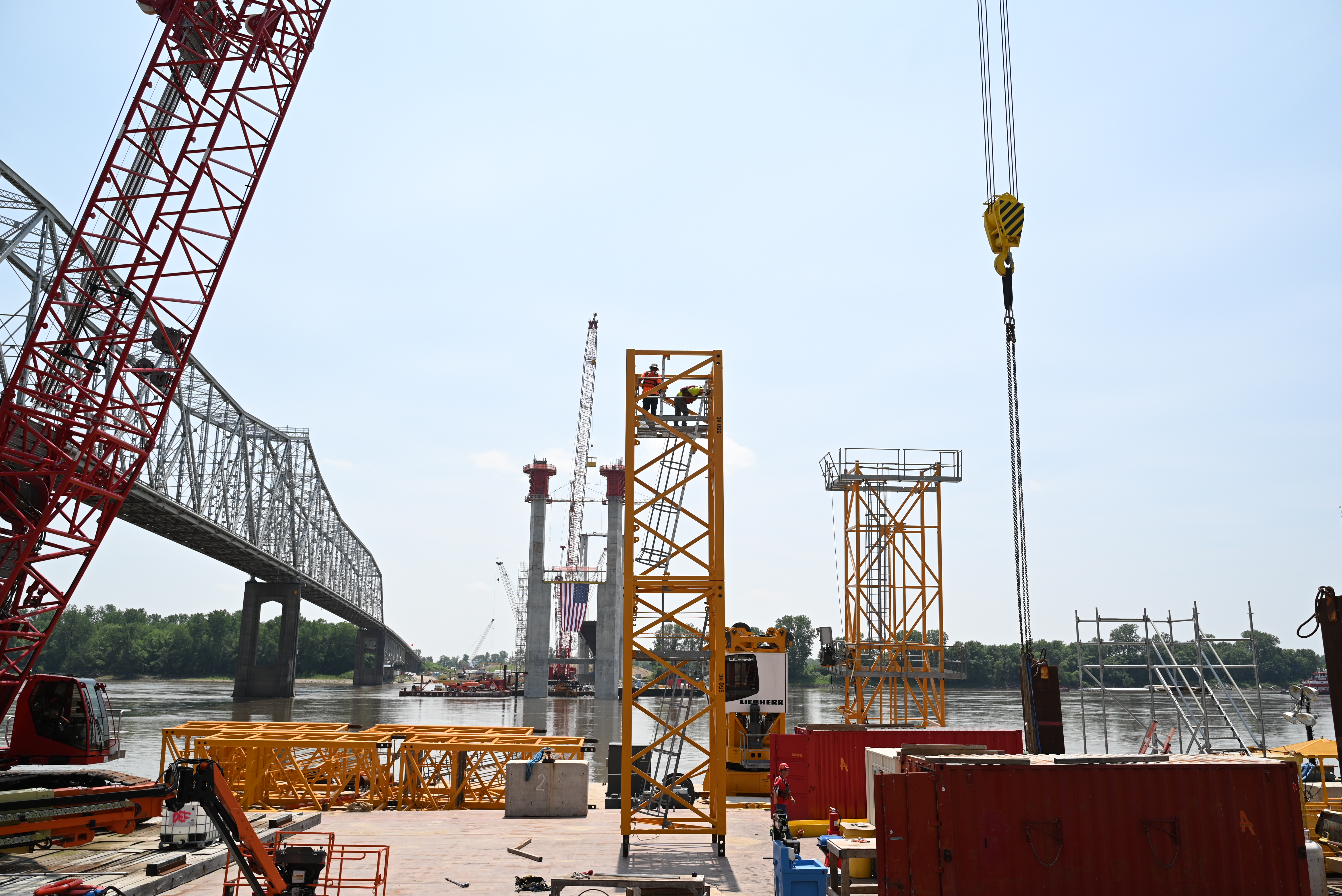
Use mapping tools or location-scouting photos to plan each shot with precision—particularly for drone sequences, where altitude, line of sight, and FAA compliance must be factored in.
3. Synchronize Crew Roles and Communication
When working with both drone and ground units, clear crew communication is essential. Assign specific roles:
- Drone Pilot (Part 107 certified)
- Visual Observer (for drone safety)
- Ground Camera Operator
- Director or Producer to coordinate timing and transitions
Invest in communication tools like walkie-talkies or wireless headsets. This allows the drone team and ground crew to sync timing, especially when planning seamless transitions (e.g., drone rising from ground-level action or transitioning from an overhead shot into a close-up).



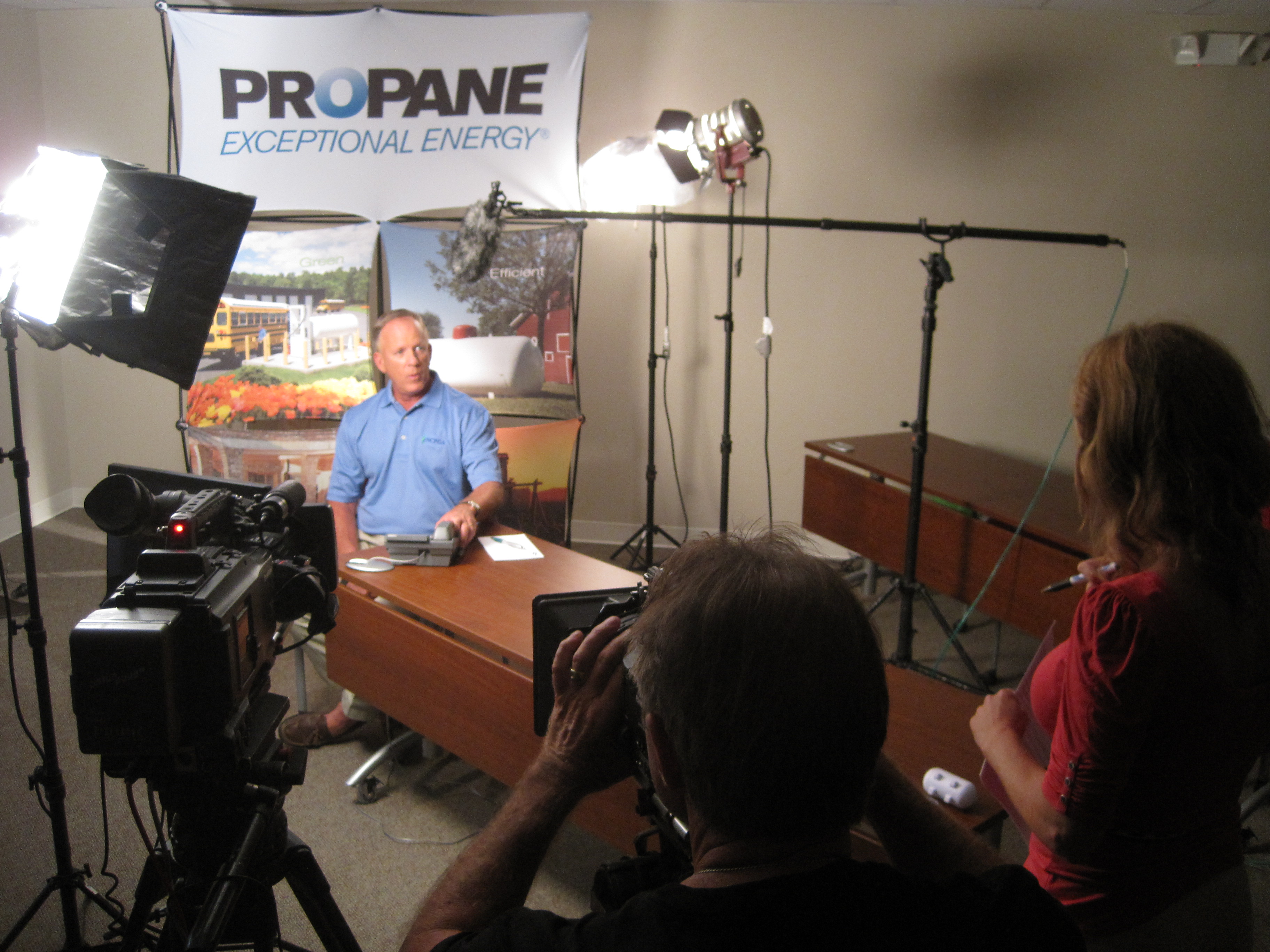


4. Use Matching Gear Settings and Frame Rates
Consistency in image quality is key when blending footage. Both drone and ground cameras should match in:
- Resolution (e.g., 4K)
- Frame rate (e.g., 24fps for cinematic, 30fps for corporate)
- Color profile (shoot in log or flat for more grading flexibility)
At St Louis Video Services, we calibrate all cameras—whether mounted on tripods or flying drones—to ensure a seamless color grade in post. This prevents jarring shifts in contrast, saturation, or sharpness between clips.
5. Plan for Post-Production Integration
Efficient hybrid shoots think ahead to the edit. Capturing enough B-roll and transition footage helps editors bridge aerial and ground sequences smoothly. Consider movement direction, timing, and subject continuity. For example:
- A drone shot following a subject walking into a building pairs well with a ground-level shot of them entering
- A rising drone shot can transition into a ground-level scene panning across the same subject
Also, use markers or notes during the shoot for syncing audio and visual cues. Our post-production team uses advanced AI tools and editing software to streamline integration and enhance continuity between formats.
6. Ensure Legal and Safety Compliance
For drone footage, you must always:
- Fly under FAA Part 107 regulations
- Secure airspace clearance (especially in urban or restricted zones)
- Respect privacy laws and no-fly zones
- Use licensed and insured drone pilots
At St Louis Video Services, our drone operations are fully licensed, insured, and experienced in navigating both urban and rural airspace—including indoor drone flights, which require specialized skill and equipment.
Why Partner with St Louis Video Services?
Since 1982, St Louis Video Services has provided full-service professional video and photography production for businesses, marketing agencies, and organizations throughout the St. Louis area. Our team has the expertise and the gear to deliver seamless ground-and-drone integrated productions.
We offer:
- Studio and on-location video and photography
- Advanced post-production and editing services
- FAA-certified drone pilots
- Custom lighting setups for small productions and interview scenes
- Repurposing services to extend the value of your branded content
- AI-enhanced workflows for faster, more dynamic output
Whether you need a powerful aerial establishing shot or a cinematic interview setup, we bring the right equipment, creative vision, and crew coordination to make your next hybrid shoot a success.
Let us help you plan your next multi-dimensional production—with efficiency, safety, and creative clarity.
Ready to elevate your brand with a dual-perspective video production? Contact St Louis Video Services today to schedule a consultation.
 St Louis Video Services