
Decision makers in marketing and communications have a recurring challenge: you need credible, human storytelling on a predictable budget—often on short timelines—without sacrificing quality. The good news is that “economical” does not have to mean “cheap-looking.”
When video interviews and b-roll are planned correctly, you can capture a library of usable assets in a single production day, extend campaign life for months, and build a repeatable workflow your team can rely on. Below is a field-tested approach to producing efficient interview-driven videos in St. Louis that still feel premium and on-brand.
Why interviews + b-roll are the most cost-effective content strategy
Video interviews do something that most marketing assets can’t: they create trust quickly. A well-lit, well-recorded interview with a subject who feels comfortable and confident becomes the anchor for multiple deliverables:
- A brand story video
- Customer testimonials
- Recruiting and culture clips
- Training and internal comms segments
- Short social cutdowns
- Thought-leadership content for executives
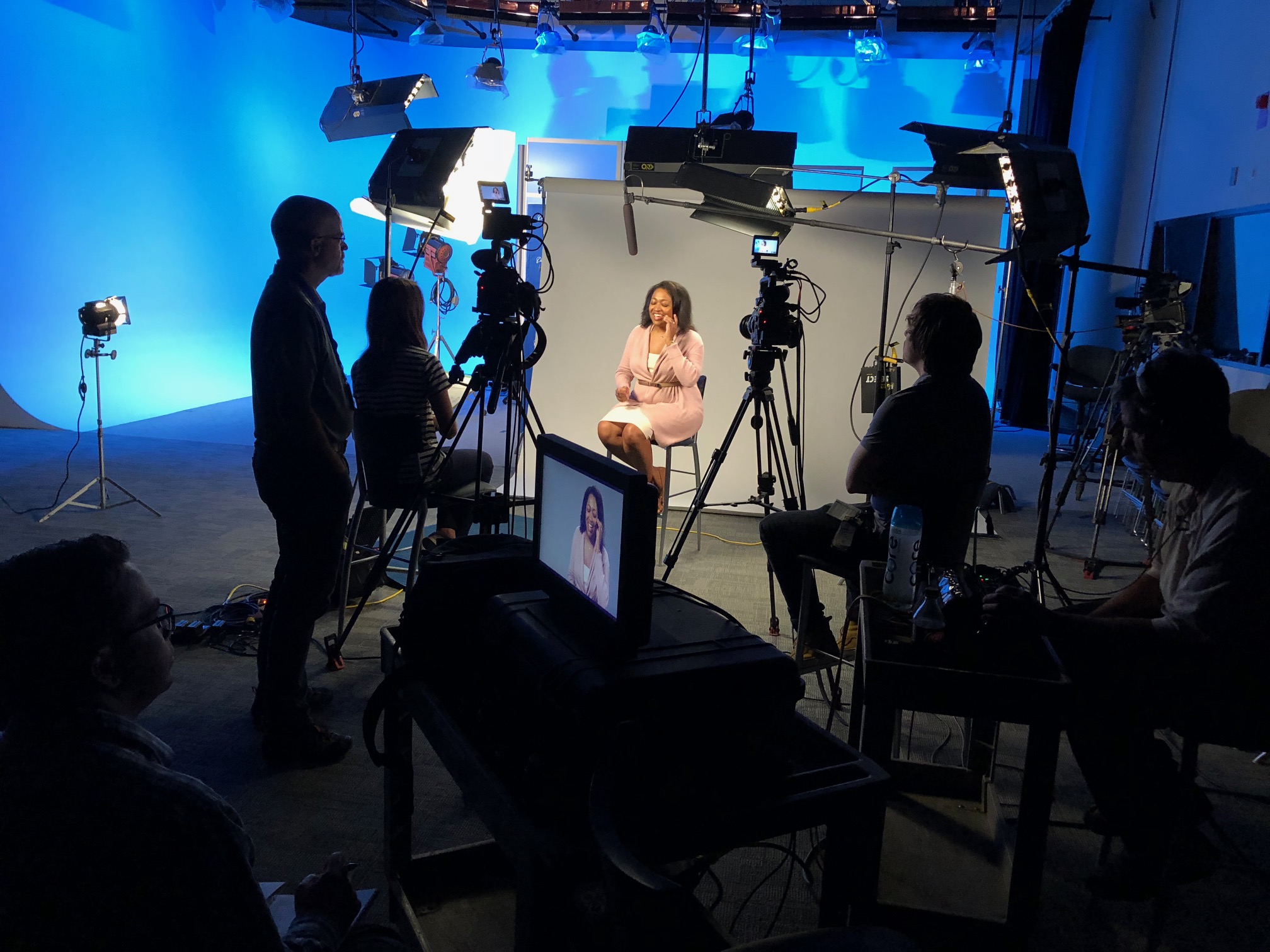
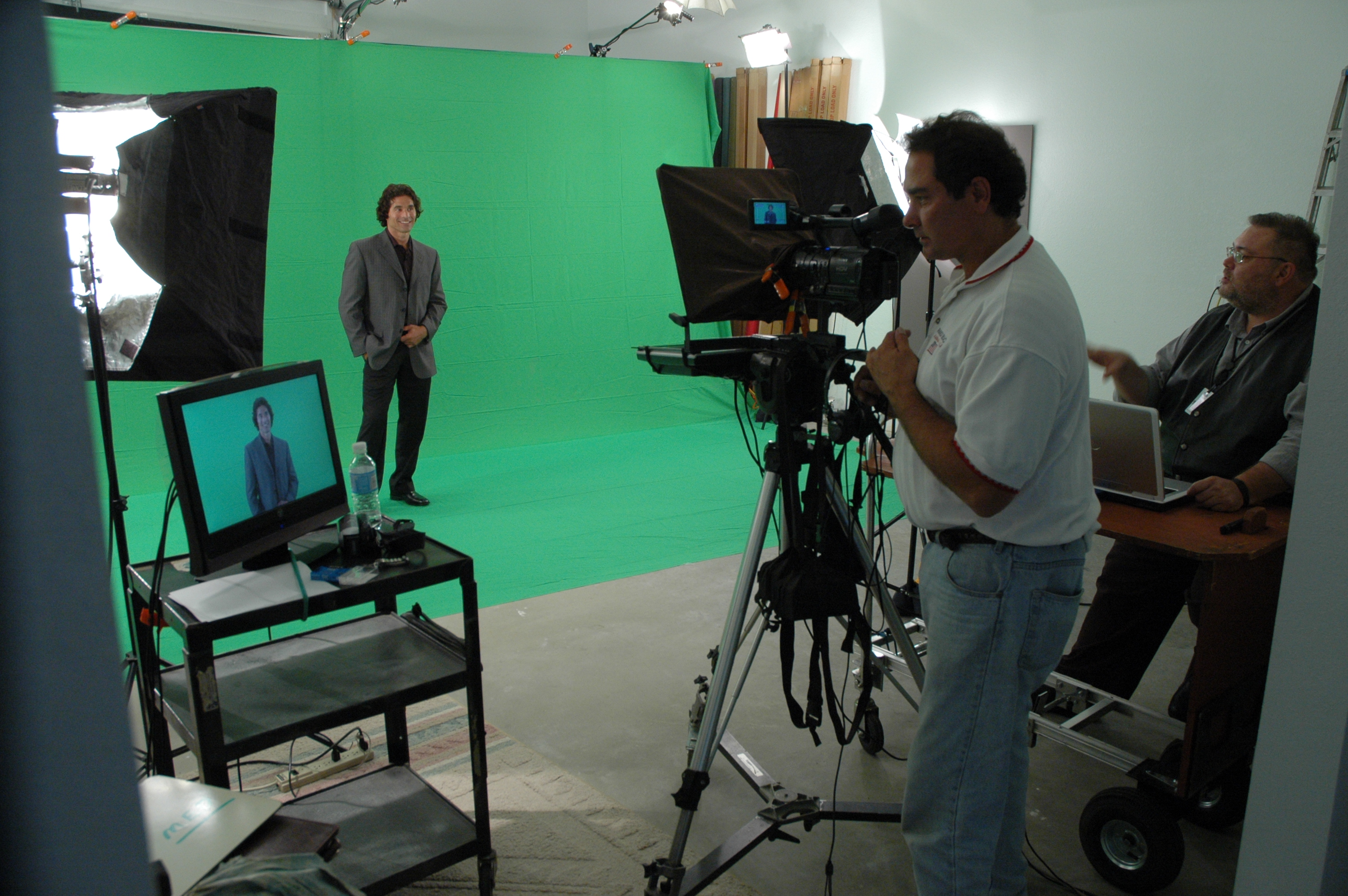

Then b-roll does the heavy lifting: it illustrates what’s being said, covers edits cleanly, and turns one interview into a polished narrative.
Economy comes from efficiency—capturing the right interview structure and the right b-roll coverage so edits are fast and revisions are painless.
The biggest budget-killer: unclear goals and unclear distribution
Most interview projects go over budget for one of two reasons:
- The purpose is fuzzy. Are you selling? Recruiting? Explaining? Building credibility for a proposal?
- Distribution isn’t defined. A 16:9 web video, a square social cutdown, and vertical reels are not the same deliverable—even if they share footage.
The fix is simple: define outcomes before cameras roll.
A practical goal framework
Pick one “primary job” the video must do:
- Convert: move prospects to a call or demo
- Recruit: attract the right candidates
- Reassure: reduce perceived risk and build credibility
- Explain: make something complex feel simple
If you want all four, you can still do that—just plan the shoot so you’re not reinventing the wheel during editing.

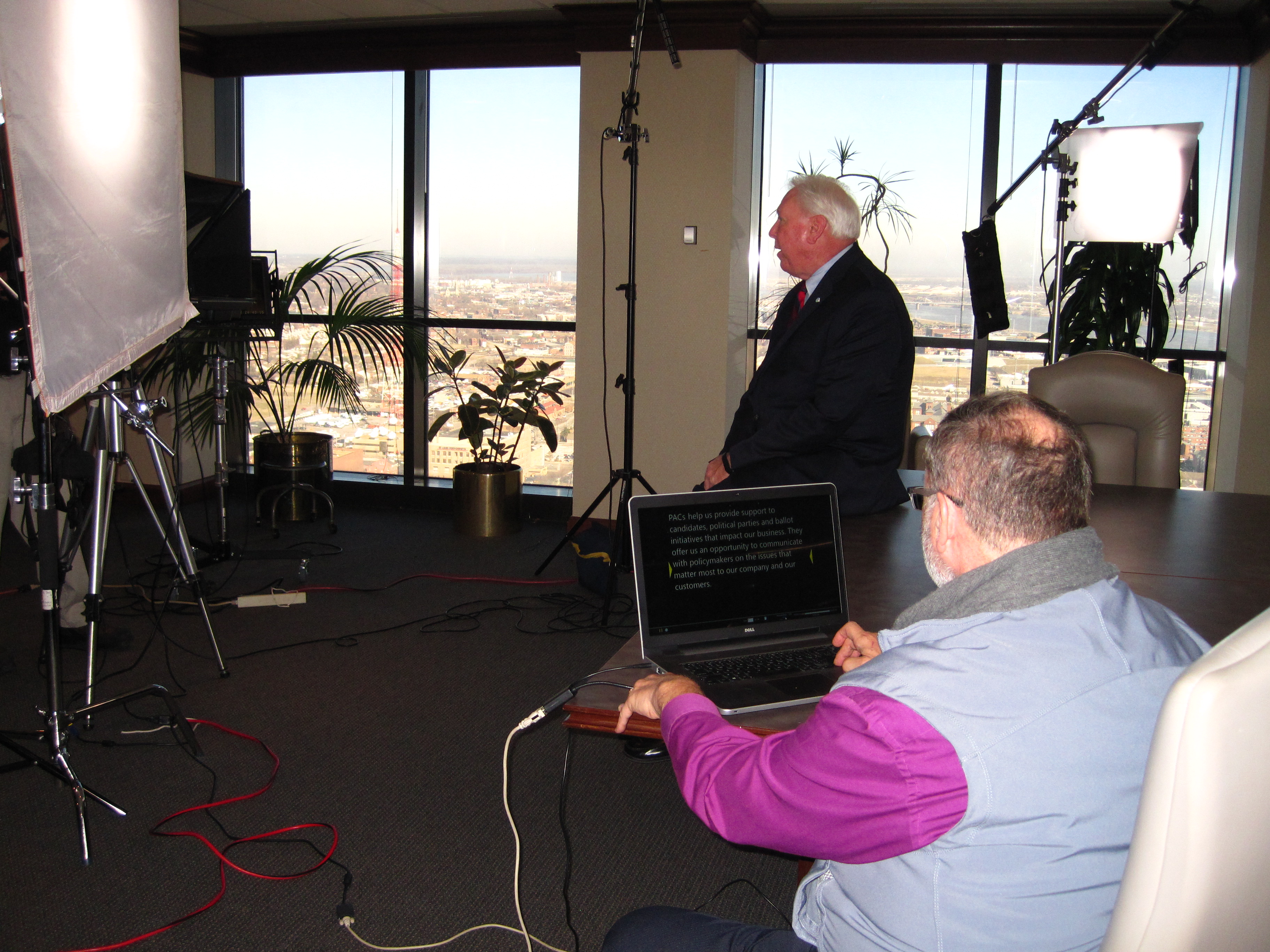
Interview formats that stay efficient (and look expensive)
1) The single-subject “hero interview”
One key spokesperson, carefully lit and framed, speaking to the brand narrative. This is the most economical path to a flagship piece.
Best for: leadership messages, mission/vision, big announcements
Economy lever: one setup, high output
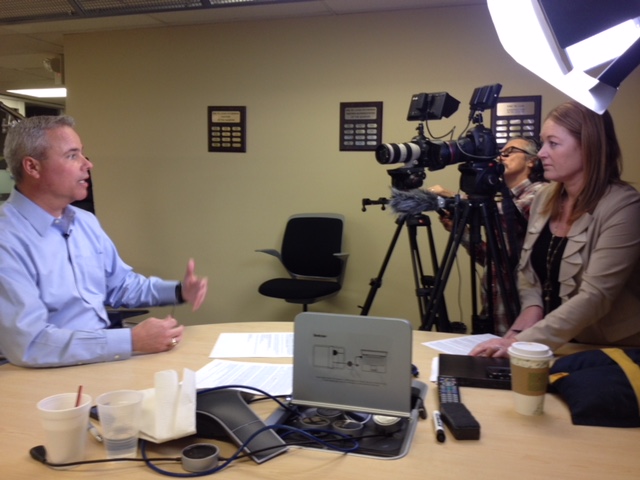
2) Two-chair “conversational interview”
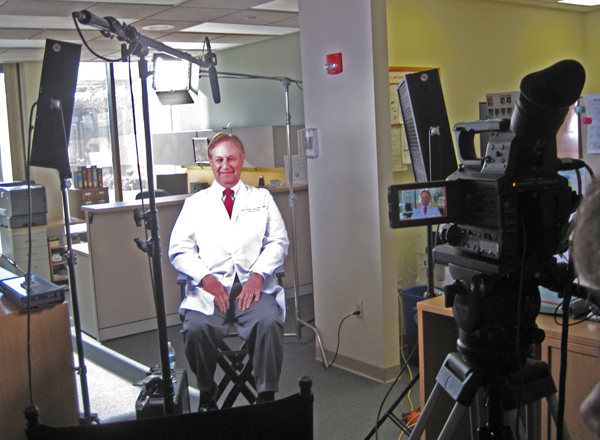
A guided conversation between an interviewer and the subject (or two internal leaders). This usually yields more natural sound bites and less nervous energy.
Best for: professional services, healthcare, complex B2B
Economy lever: fewer retakes, faster editing
3) Testimonial “prompted interview”
Your team asks structured questions that reliably produce quote-worthy answers.
Best for: customer stories, case studies, community impact
Economy lever: predictable, repeatable answers = quicker cutdowns
How to get better sound bites (and fewer retakes)
A lot of “wasted time” on interview shoots is really wasted confidence. People ramble when they’re unsure what you want.
Use question design that produces clean, editable answers:
- Ask for complete sentences (“Tell me why you chose…” vs. “Why?”)
- Get a problem → solution → result structure
- Ask for specific examples, not generalities
- Keep questions short and neutral
And if your subject isn’t media-trained, plan for a warm-up section that won’t be used in the final edit. The performance improves dramatically once the camera becomes “normal.”
B-roll that actually supports editing (instead of just looking nice)
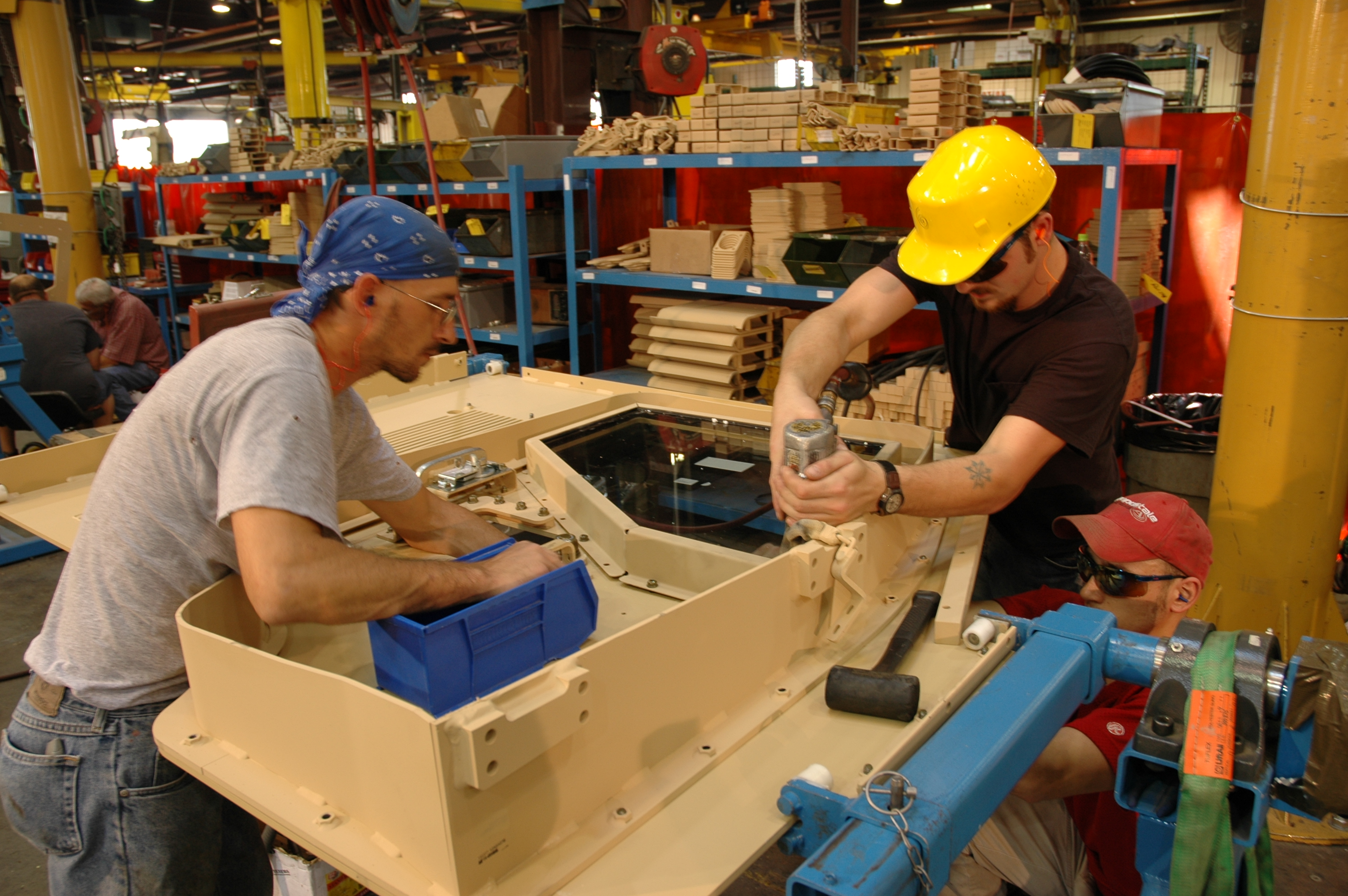
B-roll is not “pretty footage.” It’s story coverage. When it’s captured intentionally, it reduces editing time and makes revisions easy.
Capture b-roll in three layers
- Establishing: where we are, what this place feels like
- Process: how work gets done (hands, tools, collaboration)
- Outcome: results—happy customers, finished work, deliverables in action
The “sequence” trick that saves edits
Don’t film random shots. Film short sequences:
- Wide shot of an action
- Medium shot of the same action
- Close-up detail
- Reaction or interaction
That gives editors continuity and options—so you’re not forced into jump cuts or awkward transitions.

Lighting and set design: the “economical” way to look premium
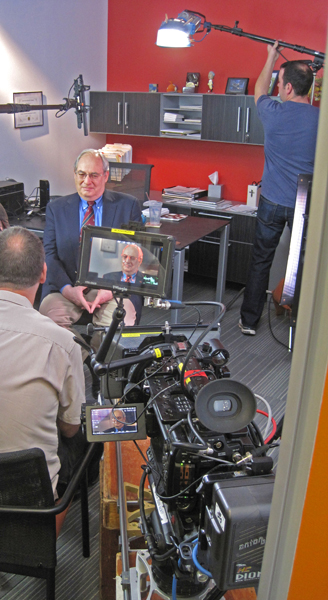
You don’t need a massive lighting package to get a cinematic look. You need control.
- Use a clean, intentional background
- Separate subject from background with depth and light
- Keep skin tones natural (no mixed lighting temperature chaos)
- Add simple practical elements (props, brand-appropriate set pieces) to “round out” the frame
The most economical shoots are often the ones that happen in a controlled environment—either a consistent office location or a studio—because you spend less time fighting reflections, overhead fluorescents, and noisy spaces.
The hidden ROI multiplier: capturing “content modules” for repurposing
A single interview day can power weeks or months of posts—if you plan to repurpose from the start.
What “repurposing” really means
It’s not just chopping up a long video. It’s capturing modular content:
- A 60–90 second core story segment
- 5–10 short “insight clips” (10–25 seconds)
- A few vertical-friendly segments for reels/stories
- Still photos pulled from the same lighting setup (when appropriate)
- A-roll sound bites that can support multiple campaign angles
When production is designed for modular outputs, editing becomes assembly—not reinvention.
Artificial Intelligence: where it saves time (and where it doesn’t)
AI can make economical production even more economical when used correctly:
High-value AI use cases
- Faster transcription and searchable interviews
- Rough-cut creation from transcripts for producer review
- Versioning for different runtimes and aspect ratios
- Automated captions and caption styling
- Metadata tagging and b-roll matching suggestions
- Cleaner workflows for review, notes, and revisions
Where AI still needs human oversight
- Brand voice and compliance-sensitive messaging
- Story logic and emotional pacing
- Visual continuity and “taste” decisions
- Final color, audio finishing, and quality control
Used responsibly, AI reduces time spent on busywork and increases time spent on creative decisions that matter.


A proven economical production plan (that doesn’t feel rushed)
Here’s a practical structure for a single-day interview + b-roll shoot that stays efficient:
- Pre-production planning (brief but focused)
- define primary goal + distribution
- confirm interview questions
- plan b-roll list aligned with story
- Interview capture (1–2 setups)
- prioritize the main spokesperson first
- capture additional voices only if they add distinct value
- B-roll sequences (guided coverage)
- shoot process, interactions, environment, outcomes
- capture extra “cutaway insurance” for edits
- Optional add-ons (if budget allows)
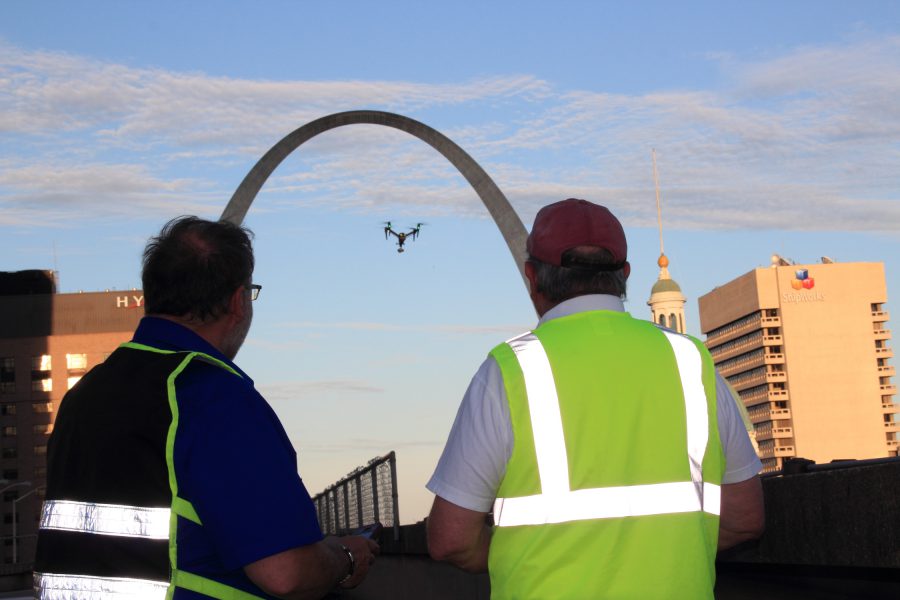
- drone exteriors (or indoor drone where appropriate)
- quick portrait stills in same lighting
- vertical “direct-to-camera” clips for social
This approach keeps crew time tight and post-production predictable.
Bringing it all together with St Louis Video Crew
At St Louis Video Crew, we’ve built our process around economical, repeatable production—without compromising professional results. Since 1982, we’ve worked with businesses, marketing firms, and creative agencies across the St. Louis area, which means we understand how to move quickly while protecting quality.
We’re a full-service professional commercial photography and video production company with the equipment and experienced crew services needed for successful image acquisition. We provide:
- Full-service studio and location video and photography
- Editing and post-production designed for fast reviews and clean revisions
- Licensed drone services—including specialized drones that can fly indoors
- Custom production setups for diverse media requirements
- Expertise across file types, media styles, and the software ecosystems teams actually use
- The latest Artificial Intelligence tools integrated into our workflow where they save time and add value
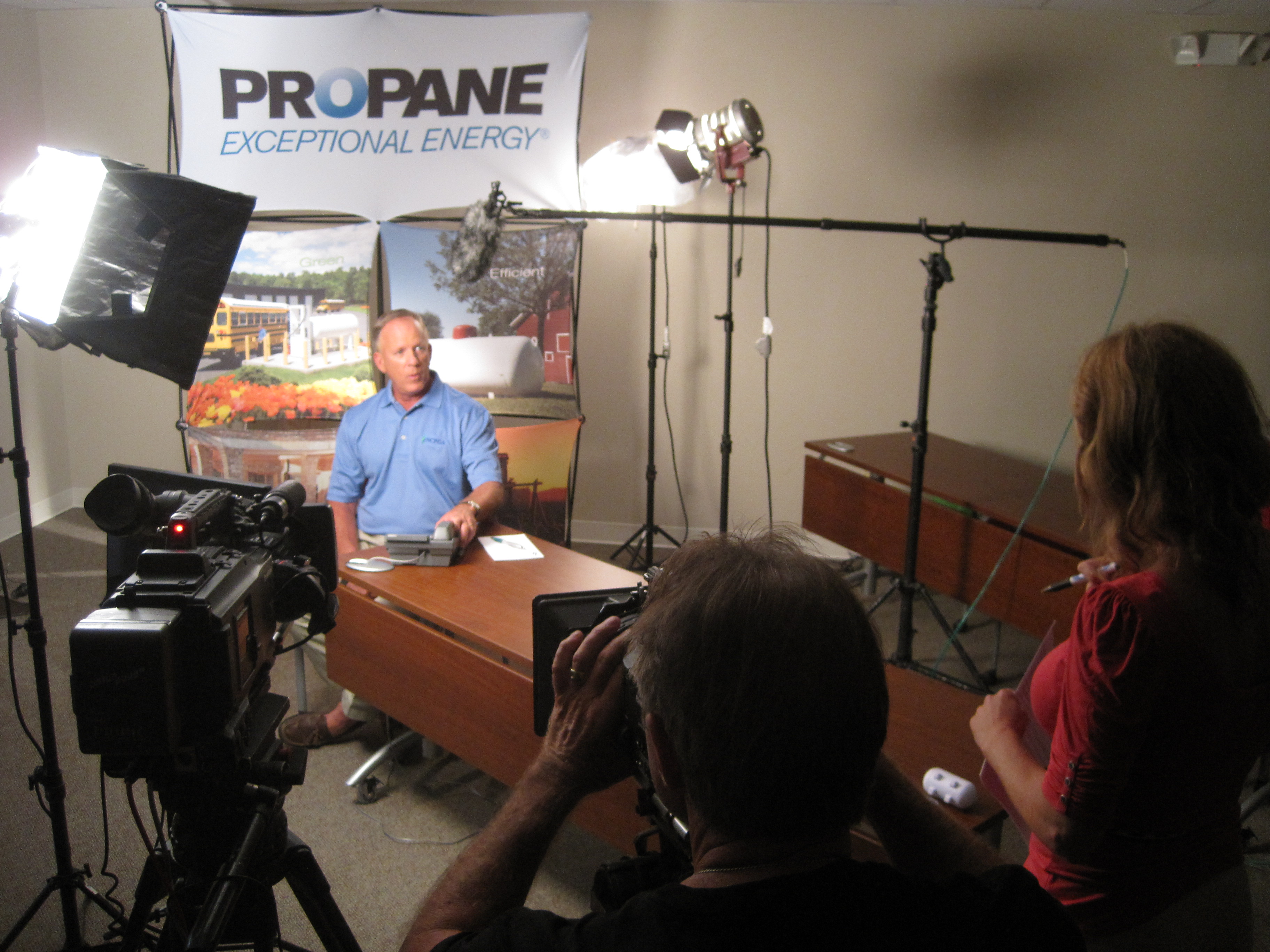
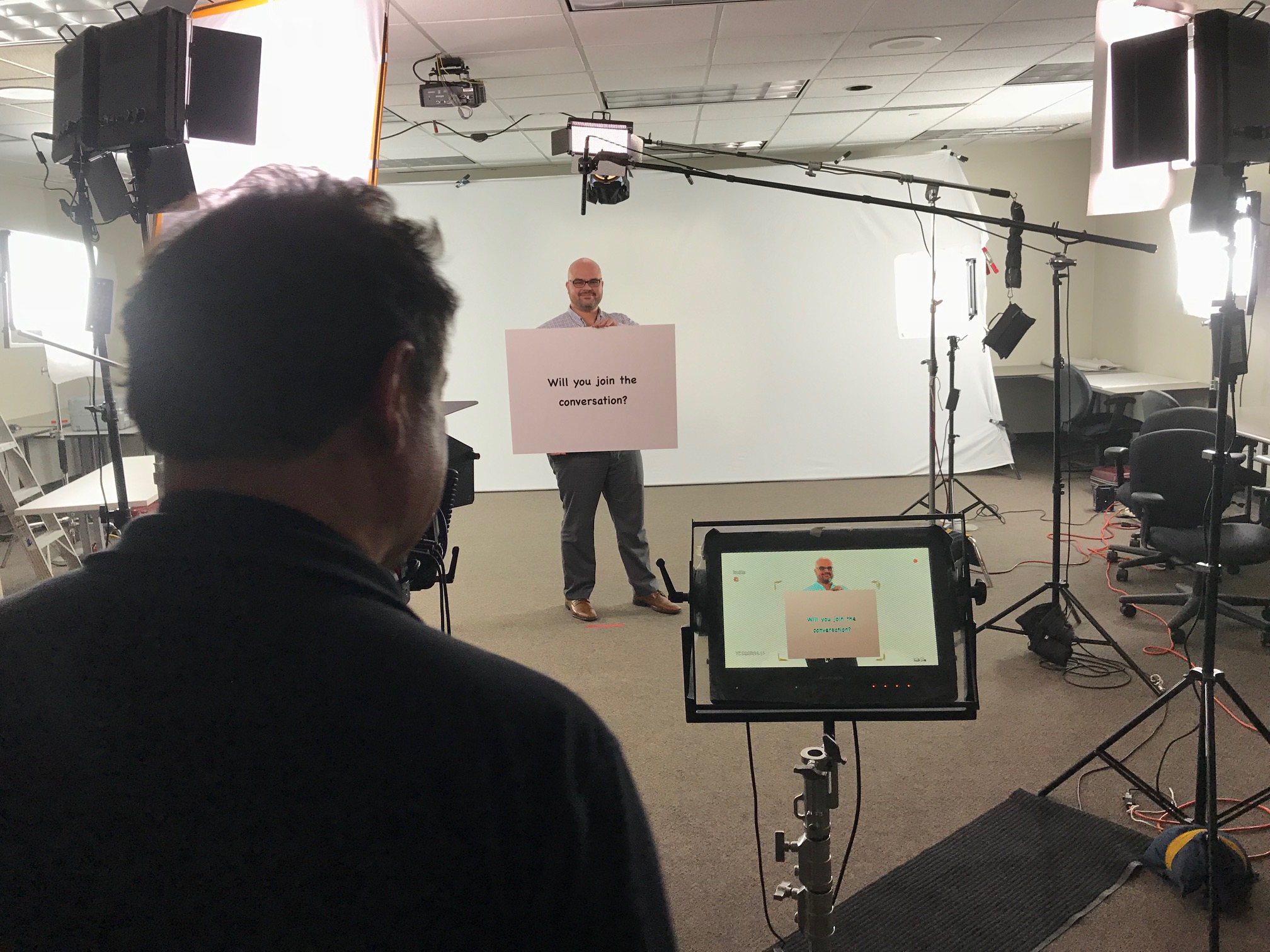
- A private studio lighting and visual setup that’s ideal for small productions and interview scenes—large enough to incorporate props and build a set that supports your brand
- End-to-end support: from building a private custom interview studio to supplying professional sound and camera operators and the right equipment for a seamless production day
If your goal is economical video interviews and b-roll in St. Louis that still look polished, intentional, and on-brand, our approach is built for exactly that—efficient capture, smooth post-production, and assets you can repurpose for real marketing traction.
Rewrite the article for new company St Louis Video Services
I’ll keep the structure and strategy the same, but rewrite everything so the company branding, positioning, and closing section are for St Louis Video Services.
Economical Video Interviews and B-Roll in St. Louis: How to Get High-End Results on a Practical Budget
Decision makers in marketing and communications face a familiar constraint: you need credible, human storytelling—fast—on a predictable budget. The mistake is assuming “economical” has to look economical.
When video interviews and b-roll are planned and captured correctly, you can build a library of usable assets in a single shoot, extend campaign life for months, and create a repeatable workflow that reduces costs every time you produce.
This guide breaks down how to produce efficient, interview-driven videos in St. Louis that still feel premium, intentional, and on-brand.
Why interviews + b-roll are the most cost-effective content combination
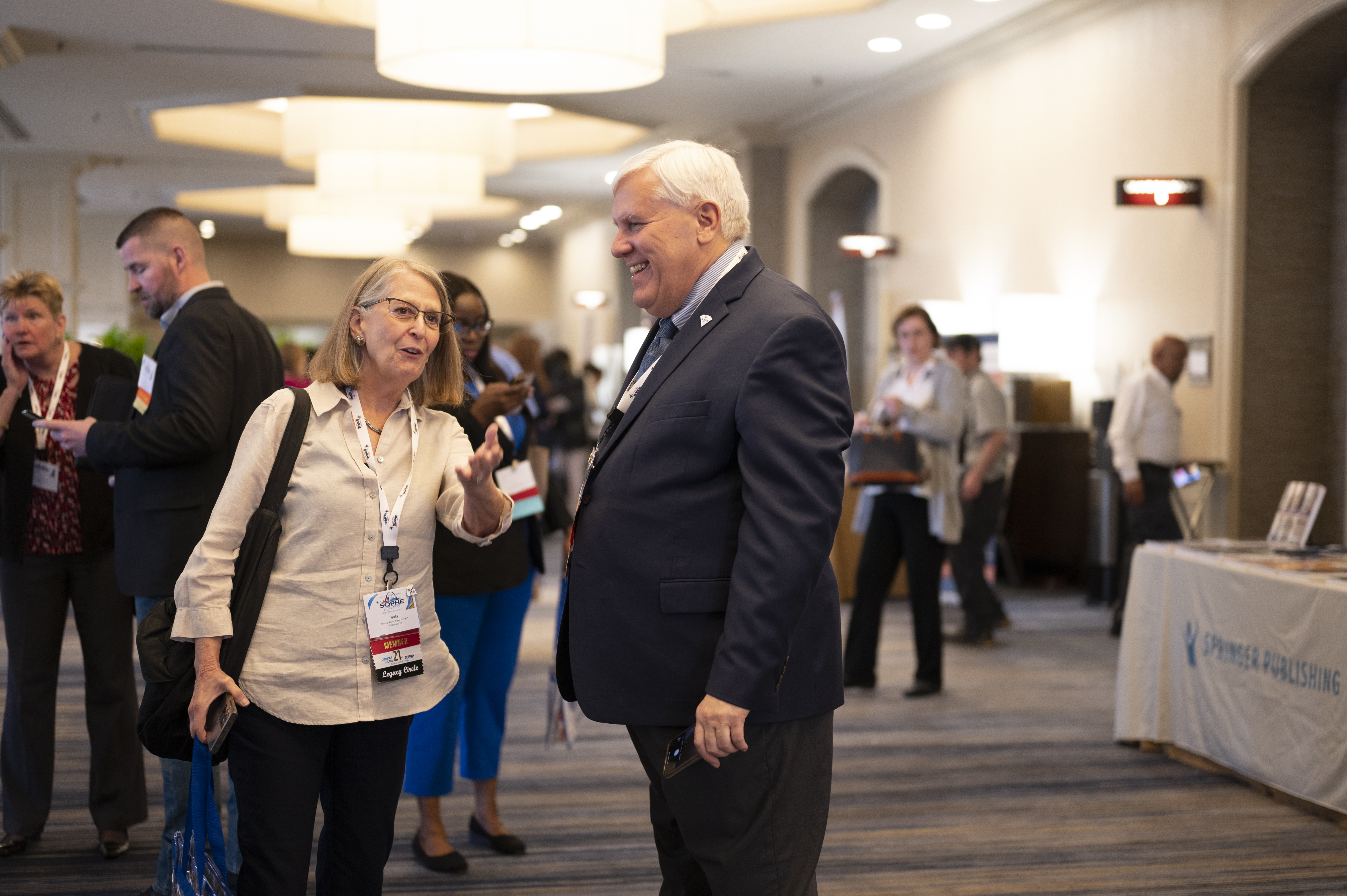
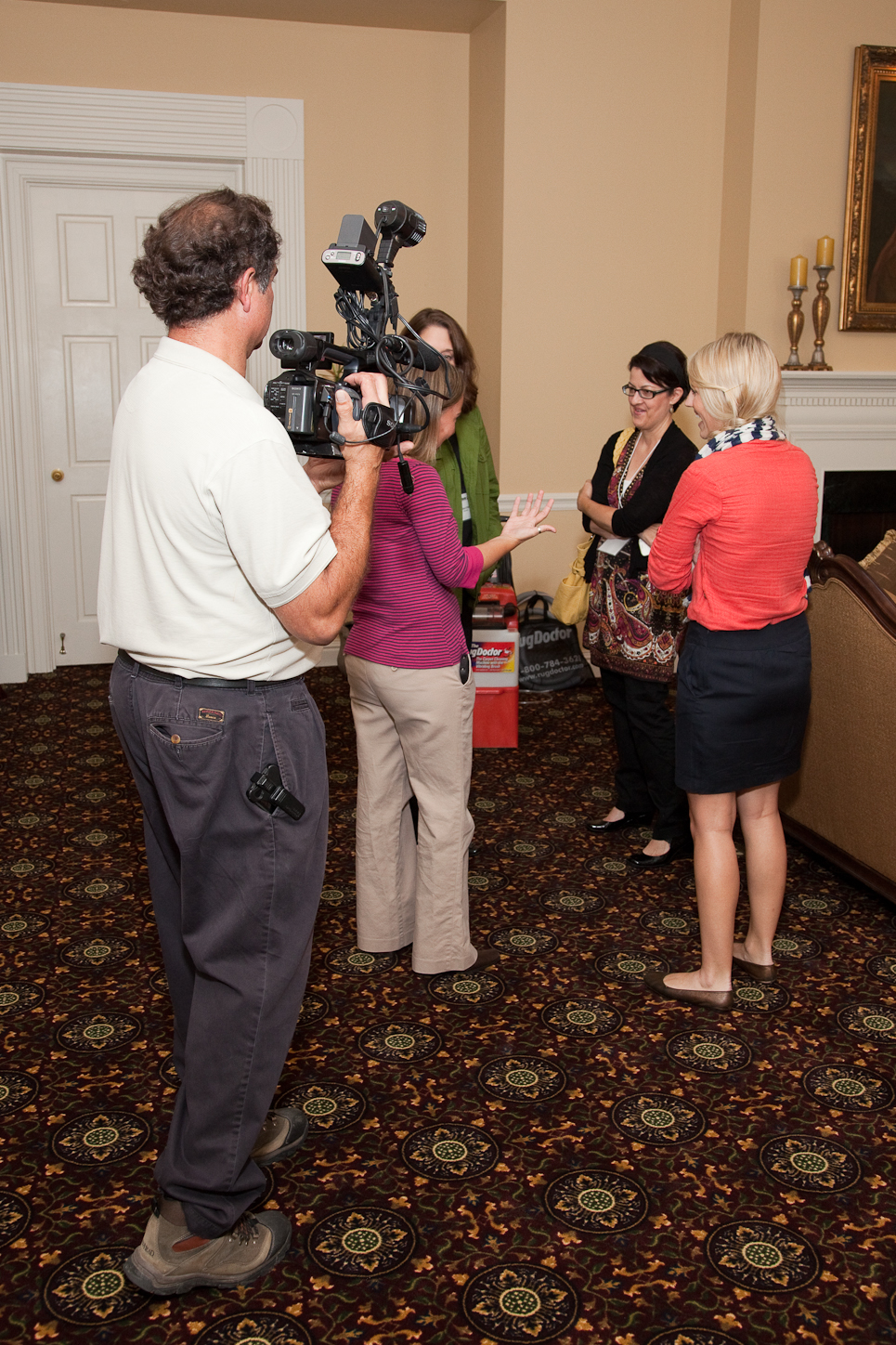
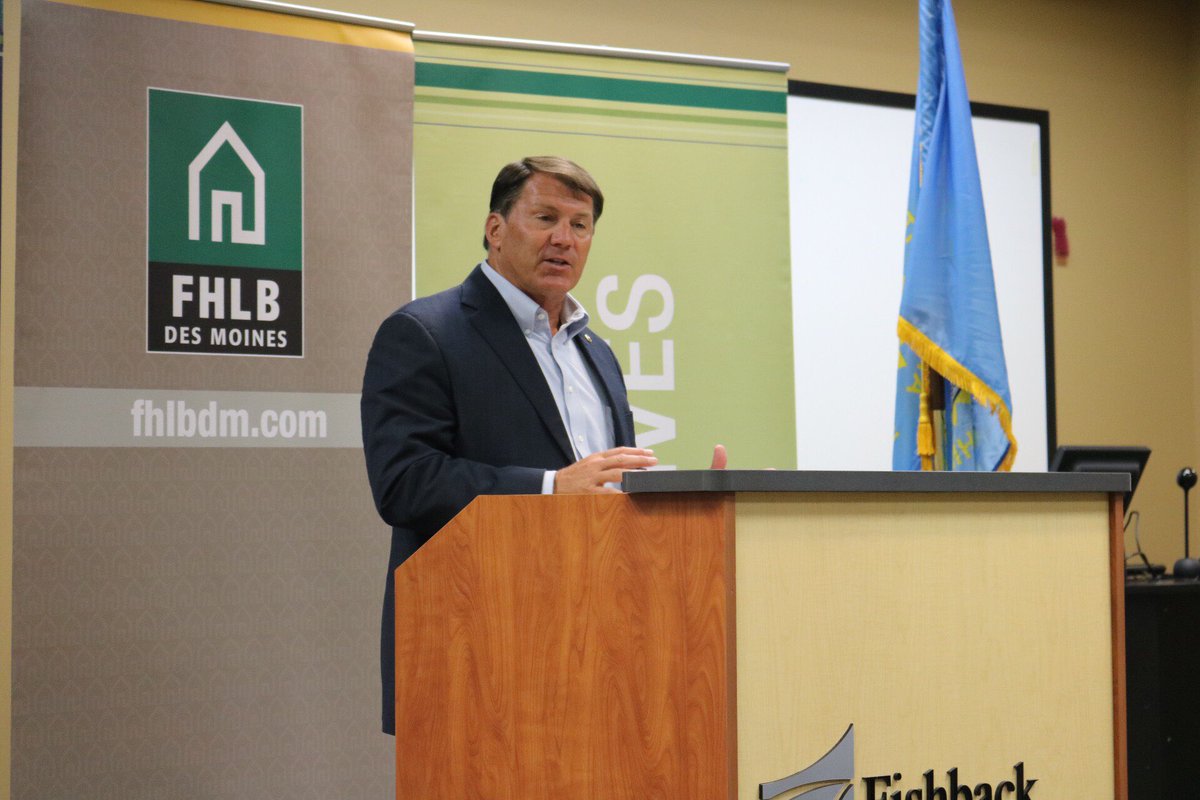
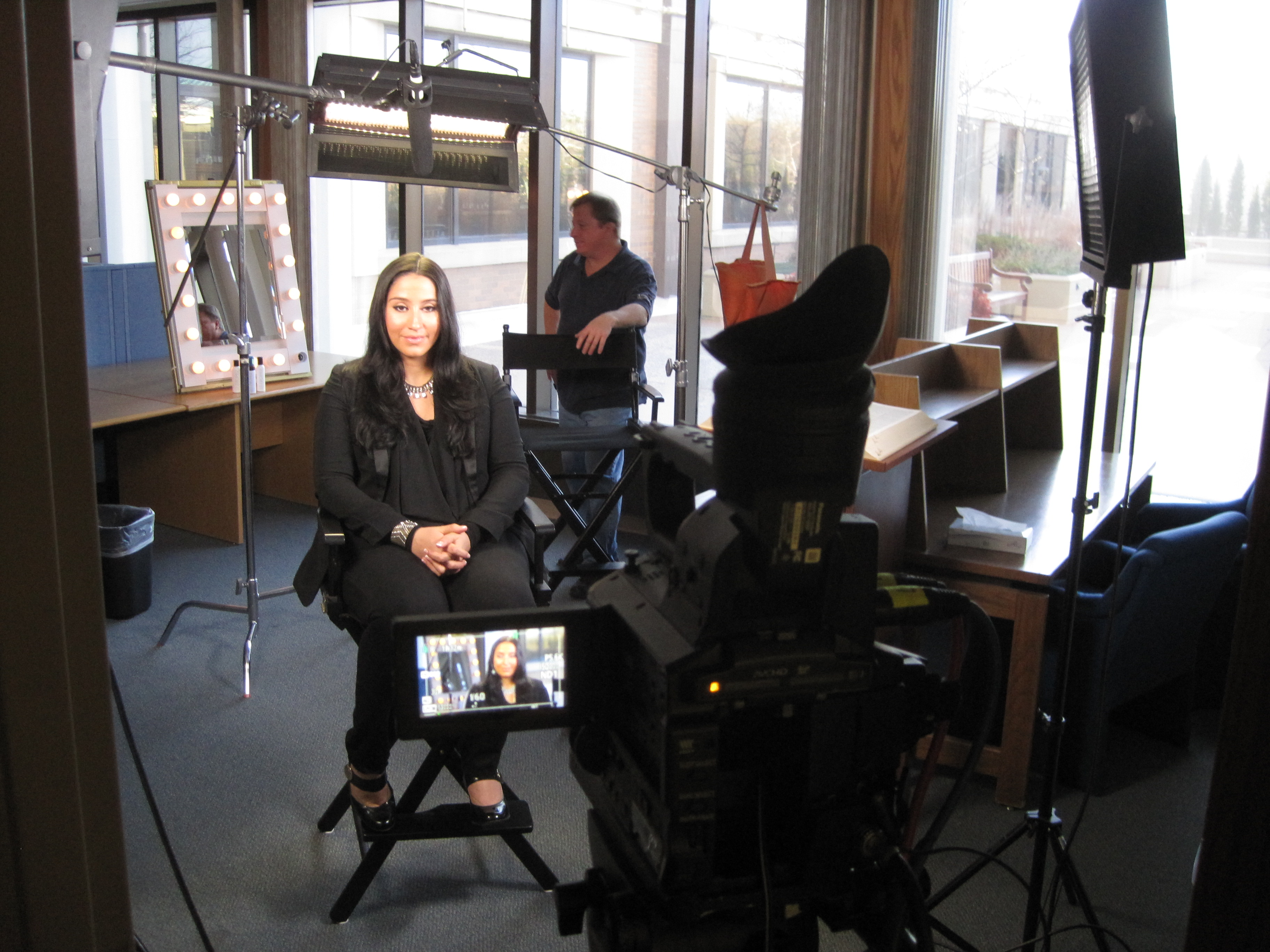
Video interviews earn trust quickly. A confident on-camera subject, recorded with clean audio and professional lighting, becomes the anchor for multiple deliverables:
- Brand story and “about us” videos
- Client testimonials and case studies
- Recruiting and culture content
- Executive thought-leadership clips
- Training and internal communication videos
- Short social cutdowns for LinkedIn, Instagram, and YouTube Shorts
Then b-roll does the work that makes editing efficient: it illustrates what’s being said, covers transitions, smooths revisions, and turns a single interview into multiple polished outputs.
Economy comes from strategy—not shortcuts.
The most common budget problem: unclear purpose and unclear distribution
Most interview projects get expensive because the goals are vague or the deliverables multiply late in the process.
Two classic cost drivers
- Fuzzy intent: Is this video meant to convert prospects, recruit talent, reassure stakeholders, or explain something complex?
- Undefined platforms: A 16:9 web video, square social clips, and vertical reels are not the same deliverable—even if they share footage.
The fix is to define success before the shoot. That’s how you prevent reshoots, re-edits, and revision loops.
A practical outcome framework
Choose the primary job the video must do:
- Convert: encourage calls, demos, consultations
- Recruit: attract qualified candidates
- Reassure: reduce perceived risk, build credibility
- Explain: simplify complex services or processes
You can support more than one goal—but you should prioritize one so the shoot plan stays clean and efficient.
Interview formats that stay efficient while still looking expensive
1) The single-subject “hero interview”
One key spokesperson, one strong setup, and a clear narrative. This is often the most economical path to a flagship video.
Best for: leadership messages, brand story, mission/vision
Efficiency advantage: one setup can produce many deliverables
2) The conversational two-person interview
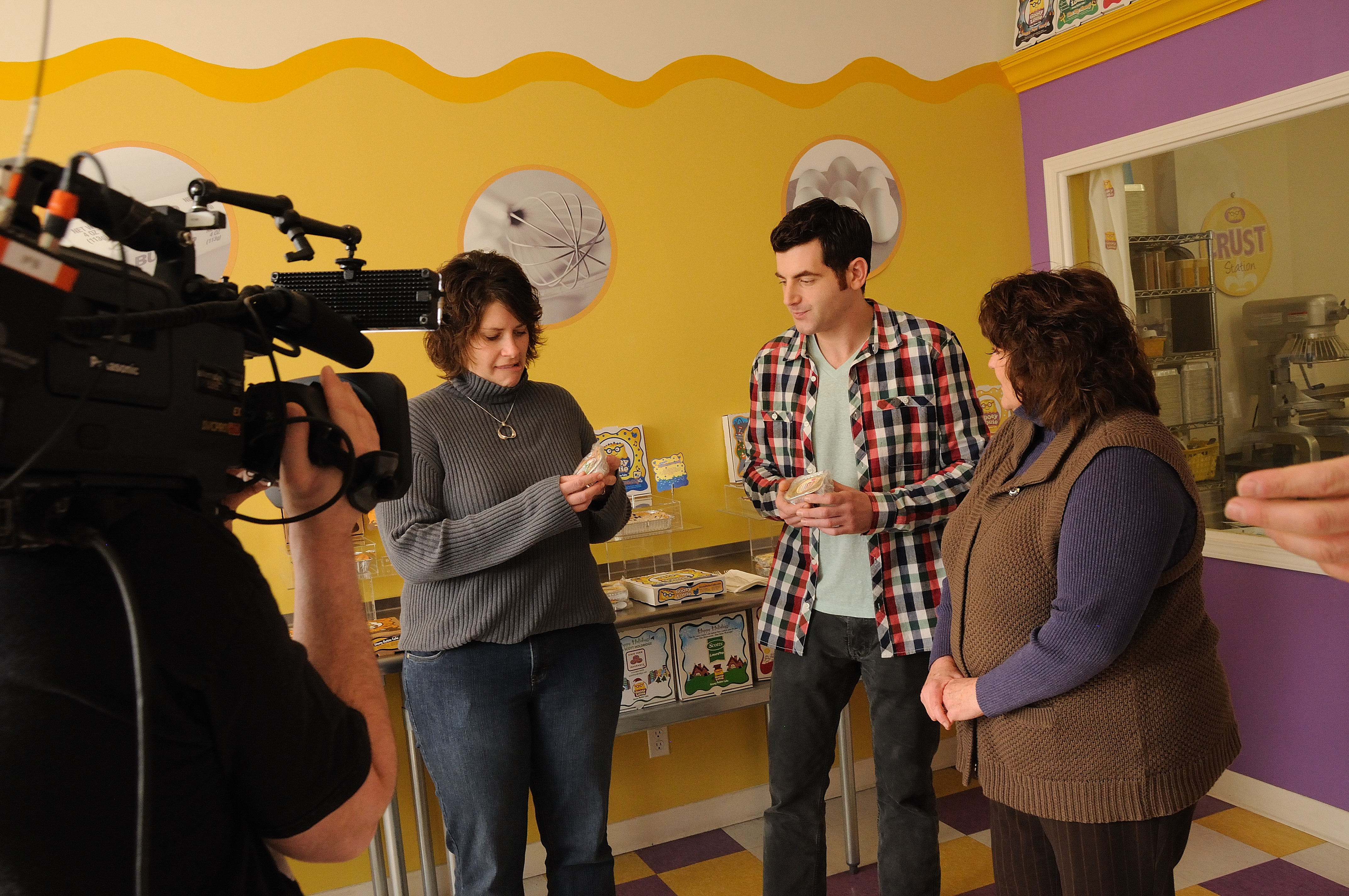
A guided discussion between two people can feel more natural and reduce nervous delivery.
Best for: professional services, healthcare, technical B2B
Efficiency advantage: fewer retakes, better sound bites
3) The testimonial prompt format
Structured questions that reliably generate usable answers.
Best for: client stories, community impact, success narratives
Efficiency advantage: predictable editing and faster cutdowns
How to capture better sound bites (and reduce retakes)
Retakes happen when people are unsure what you want—or when questions produce incomplete, hard-to-edit answers.
Use question design that produces clean, quotable, editable responses:
- Ask for complete sentences (“Tell me why you chose…” vs. “Why?”)
- Guide subjects into a problem → solution → result structure
- Ask for specific examples (numbers, moments, outcomes)
- Keep prompts short and neutral—then let them talk
Also plan a warm-up section that won’t be used. Once the subject settles in, the quality of delivery improves dramatically.
B-roll that helps editing instead of just looking nice
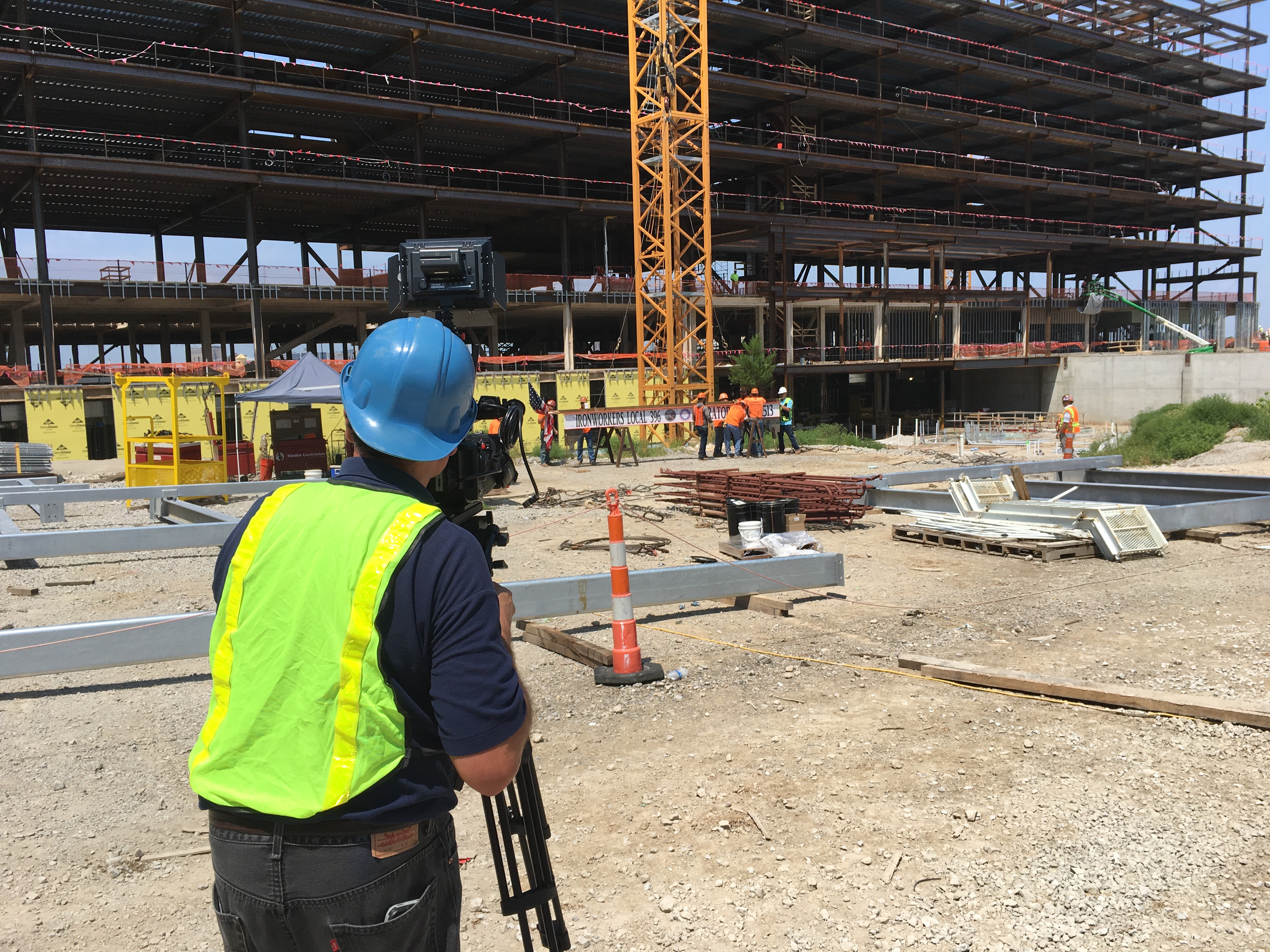
B-roll isn’t “extra footage.” It’s story coverage that saves time in post.
Capture b-roll in three layers
- Establishing: where we are, what this environment feels like
- Process: how the work is done—hands, tools, collaboration
- Outcome: results—deliverables, service moments, satisfied clients
The “sequence” technique that makes edits easy
Shoot b-roll as short sequences instead of isolated clips:
- Wide shot of an action
- Medium shot of the same action
- Close-up detail
- Reaction or interaction
This gives editors continuity and options—so you aren’t forced into jump cuts or awkward transitions.
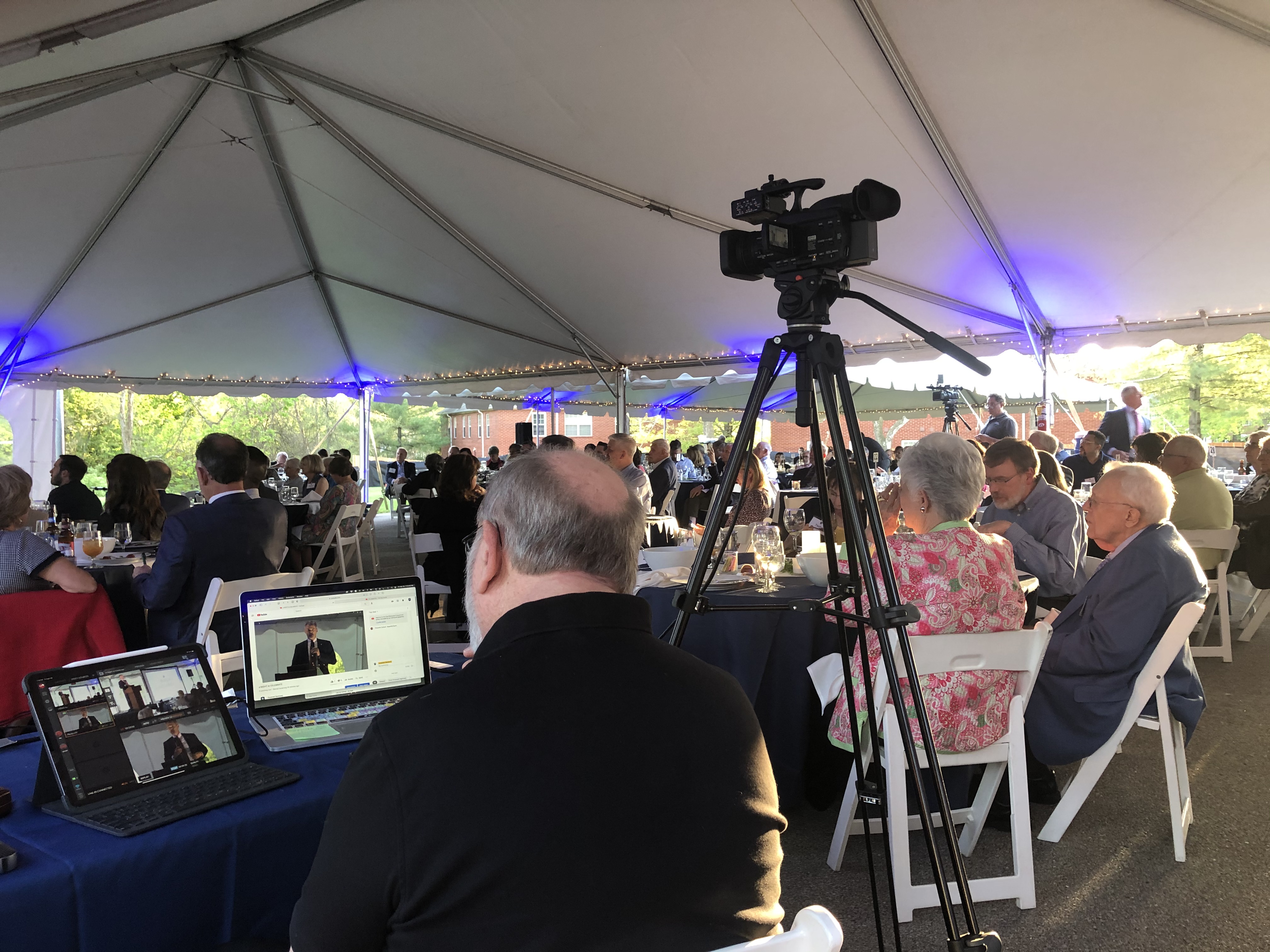
Lighting and set design: the economical way to look premium
High-end results come from control, not extravagance.
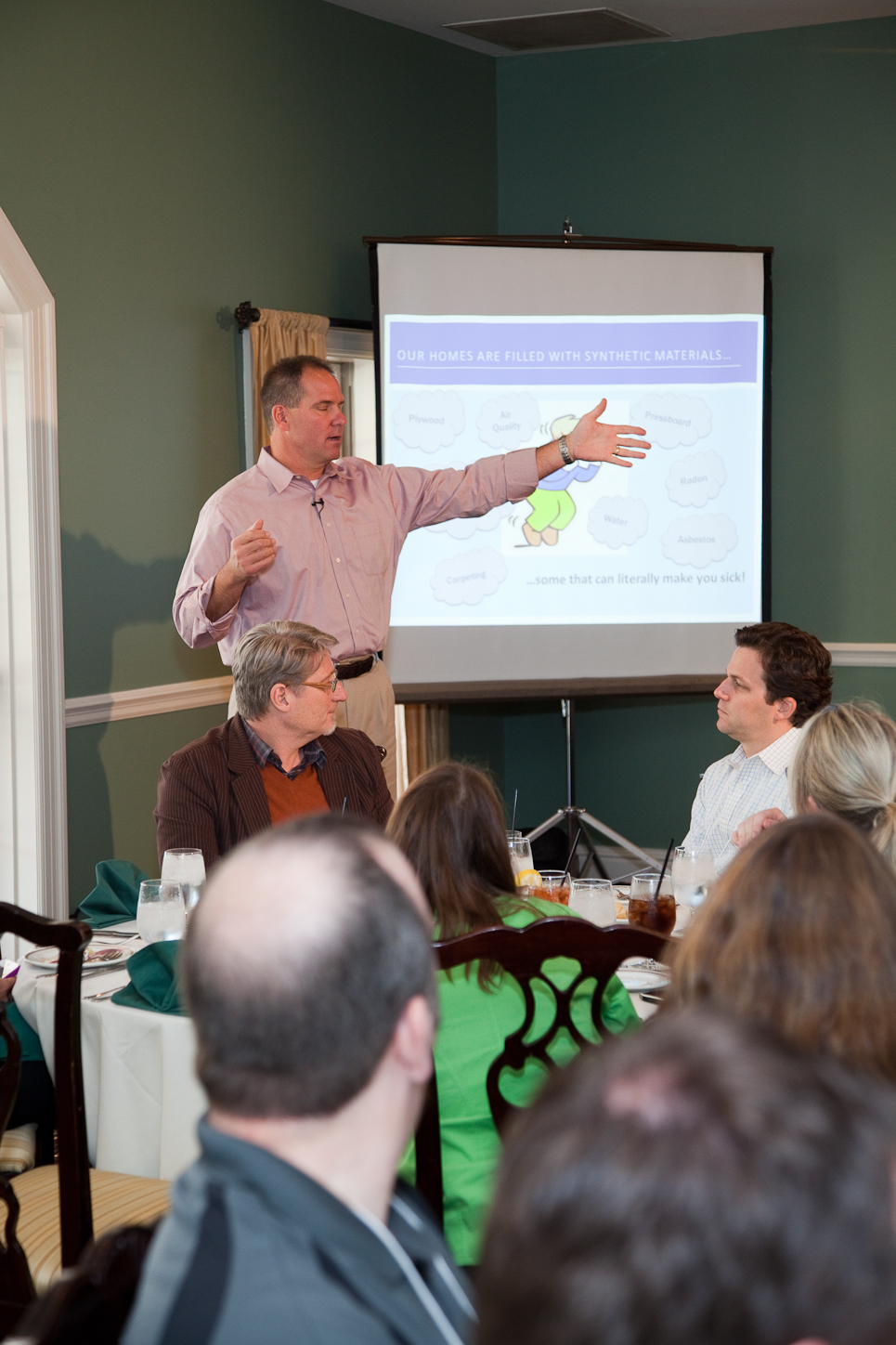
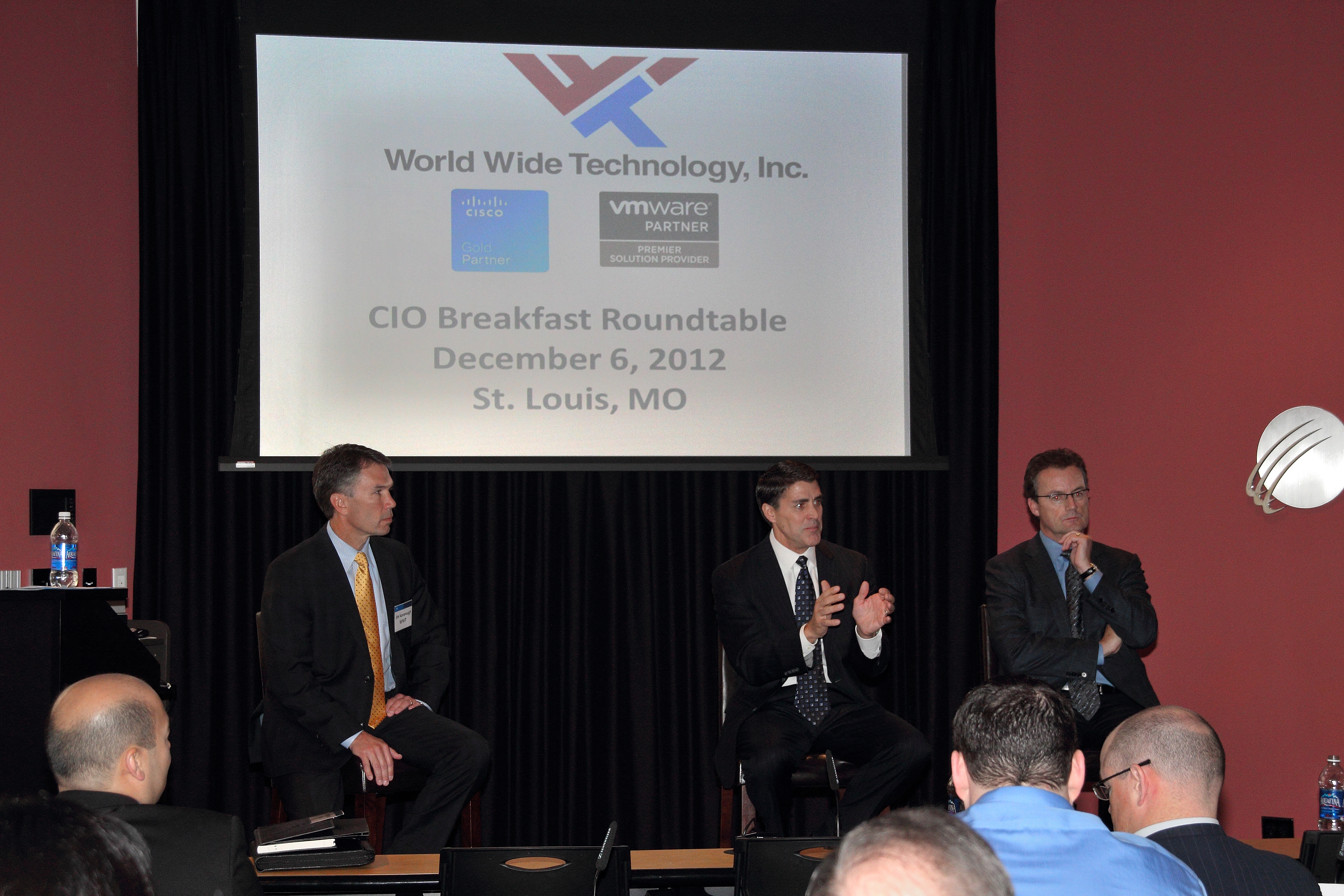
A clean, professional interview look usually requires:
- An intentional background (not visual clutter)
- Separation of subject from background using light and depth
- Consistent color temperature (avoid mixed lighting)
- Simple set elements or props that support brand identity
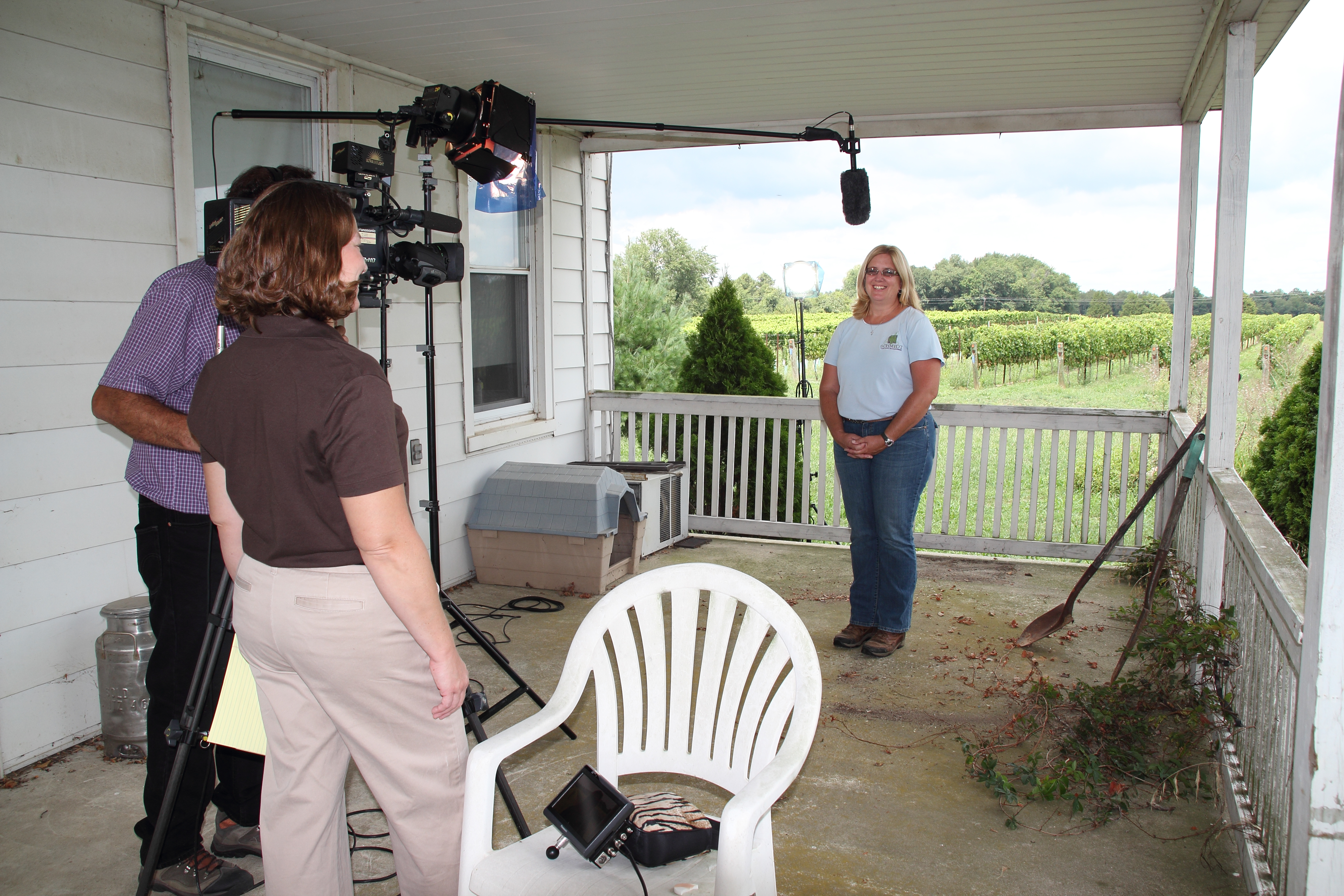
Economical shoots often benefit from controlled environments—an office space that can be shaped for a set, or a studio—because you spend less time fighting fluorescents, reflections, and distracting noise.
The ROI multiplier: planning for repurposing from day one
If the project is designed for repurposing, one interview day can fuel weeks or months of content.
What smart repurposing actually looks like
It’s not just trimming a long video. It’s capturing modular content:
- A 60–90 second core story segment
- 5–10 short “insight clips” (10–25 seconds)
- Vertical-friendly segments for reels and stories
- Multiple intros/outros for different audiences
- Optional still frames or photos captured in the same lighting setup
When shoots are planned for modular outputs, editing becomes assembly—not reinvention.
AI in video production: where it saves money (and where it still needs humans)
Used correctly, AI reduces time spent on repetitive tasks and speeds delivery.
High-impact AI applications
- Fast transcription and searchable interviews
- Producer-friendly rough cuts from transcripts
- Automated captions and caption styling
- Versioning for different runtimes and platforms
- Metadata tagging and smarter b-roll organization
Where professional oversight remains essential
- Brand voice, compliance, and messaging nuance
- Story structure and emotional pacing
- Color, audio finishing, and final QC
- Visual continuity and “taste” decisions
AI is a tool. Experience is what makes the final product feel intentional.
A practical economical shoot plan (that doesn’t feel rushed)
A cost-effective interview + b-roll production day typically follows this structure:
- Pre-production planning (focused, not bloated)
- define primary goal + distribution formats
- finalize interview questions
- create a b-roll plan aligned with story
- Interview capture (1–2 setups)
- prioritize the main voice first
- add secondary voices only if they bring distinct value
- B-roll coverage (guided sequences)
- capture process, environment, interactions, outcomes
- shoot “cutaway insurance” to support edits and revisions
- Optional upgrades (if useful to the strategy)
- drone footage (including specialized indoor drone when appropriate)
- additional vertical-first content
- quick stills for thumbnails or web use
This keeps crew time tight and post-production predictable.
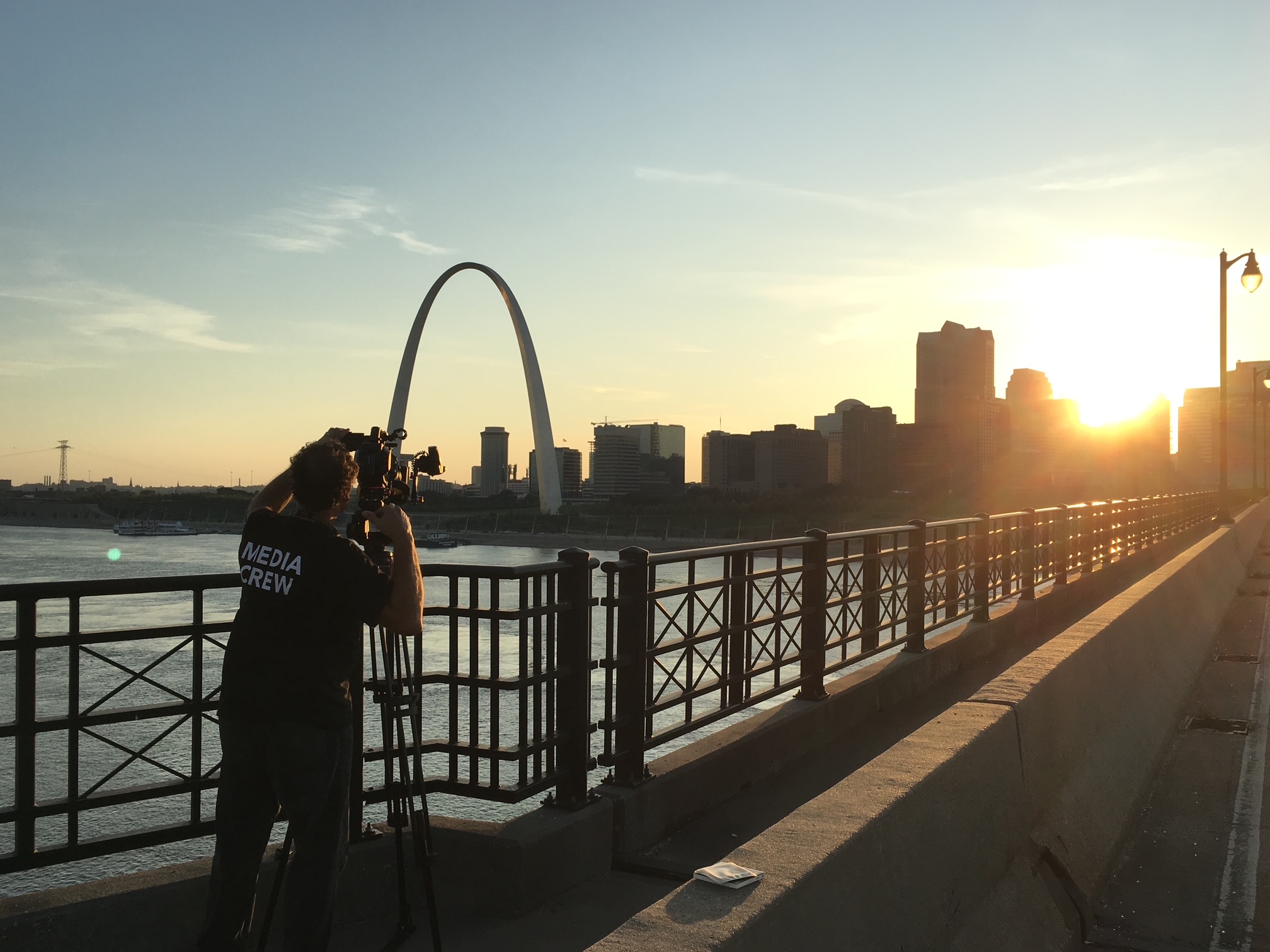
Bringing it all together with St Louis Video Services
At St Louis Video Services, we design productions to be efficient without looking “budget.” Since 1982, we’ve worked with many businesses, marketing firms, and creative agencies throughout the St. Louis area, so we understand how to move fast while protecting quality.
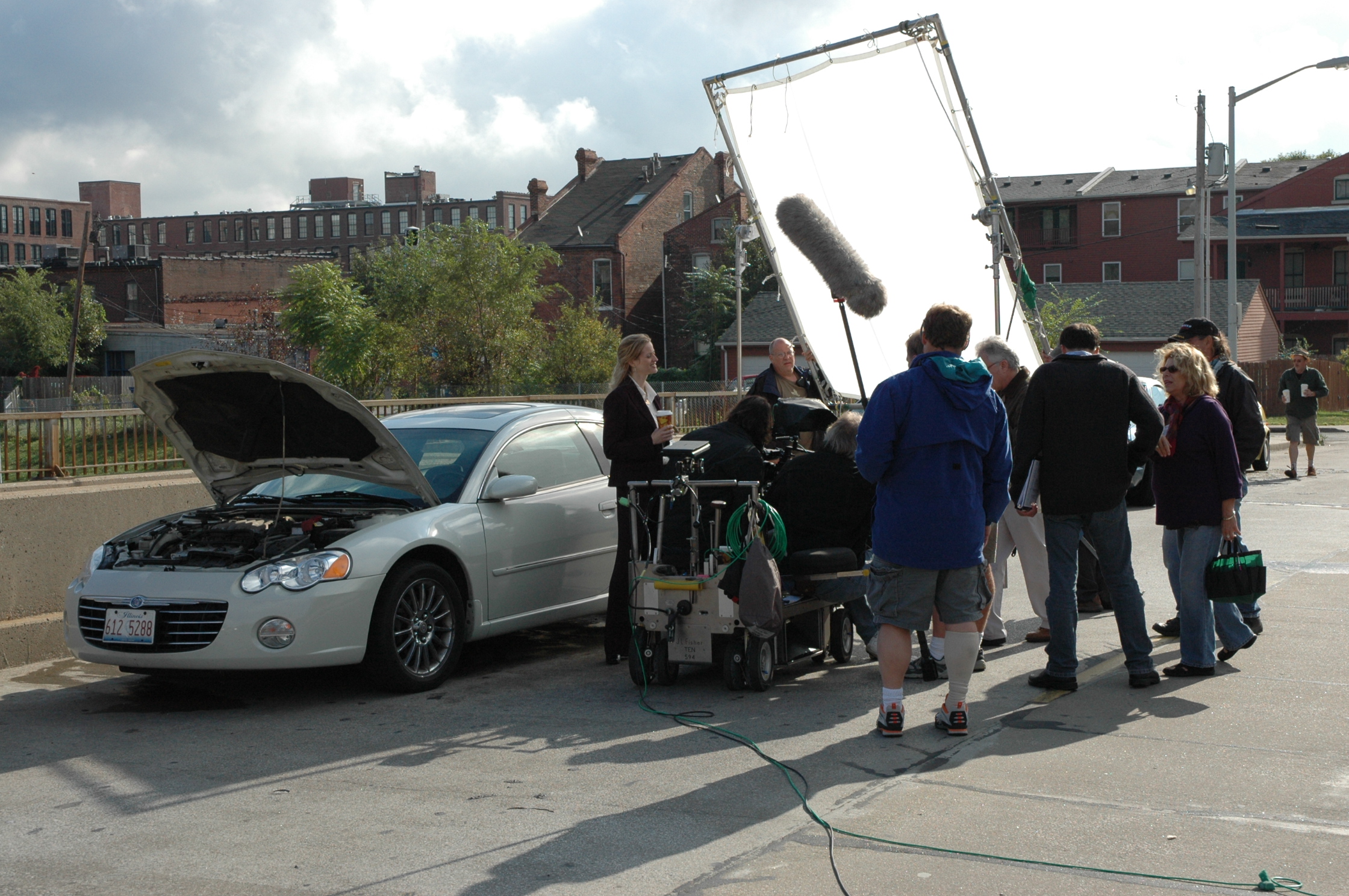
We are a full-service professional commercial photography and video production company with the right equipment, crew experience, and workflow to deliver successful image acquisition and polished final media. We offer:
- Full-service studio and location video and photography
- Editing and post-production with reliable review and revision workflows
- Licensed drone services—including specialized drones that can fly indoors
- Custom production approaches for diverse media requirements
- Deep experience across file types, media styles, and the software teams rely on
- The latest Artificial Intelligence tools integrated where they genuinely save time and add value
- A private studio lighting and visual setup ideal for interviews and small productions—large enough to incorporate props and build a set that supports your brand
- End-to-end support: from creating a private custom interview studio to supplying professional sound and camera operators, and bringing the right equipment to make production seamless
If you want economical video interviews and b-roll in St. Louis that still look polished, intentional, and built for repurposing, St Louis Video Services is set up to deliver exactly that—efficient production, smooth post, and assets that keep paying off long after the shoot day.


 St Louis Video Services