Tag Archives: ai

FLIR Thermal Infrared Drone Services in St. Louis

For many organizations, the most expensive problems are the ones that are hard to see early. A roof system may look acceptable from the ground while moisture is spreading below the membrane. An electrical component may still be running while heat is building toward failure. A façade may appear sound in daylight while insulation voids, air leakage, or hidden moisture are quietly driving energy loss and maintenance costs.

That is where FLIR thermal infrared drone services can become a serious business tool.

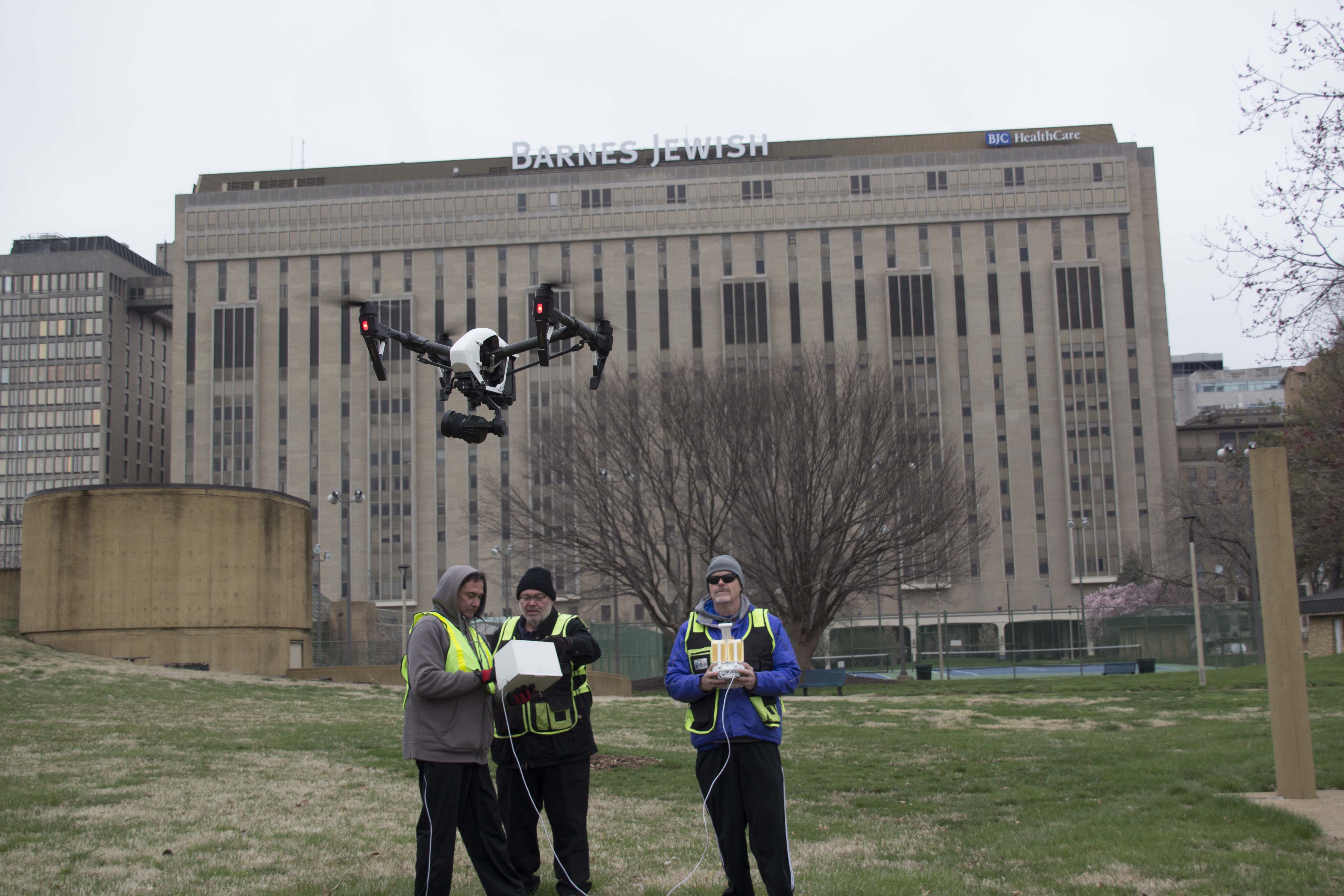
Thermal drone imaging gives decision makers a way to inspect large or hard-to-access areas with speed, perspective, and clarity. Instead of relying only on visible-light imagery, a thermal payload detects infrared radiation and converts temperature differences into a readable image. That makes patterns, anomalies, and changing conditions easier to identify across rooftops, building envelopes, utility assets, solar arrays, and industrial sites. Thermal imaging does not literally “see moisture” or “see through walls,” but it can reveal temperature patterns that often point inspectors toward wet materials, heat loss, overloaded components, or other hidden issues that deserve closer evaluation.

In St. Louis, where buildings and facilities are exposed to intense summer heat, winter cold, storms, humidity, and seasonal temperature swings, thermal drone inspections can be especially useful. The technology helps organizations move from guesswork toward evidence. It can reduce unnecessary disruption, narrow the search area for follow-up testing, and help teams prioritize maintenance based on actual conditions rather than assumptions.
What FLIR thermal drone imaging really does

A good thermal inspection is not simply a matter of putting a drone in the air and capturing colorful images. The value is in understanding what the camera is showing and what it is not.

A thermal camera records infrared energy and converts it into a visible thermographic image. But reliable interpretation depends on more than just the sensor itself. Accurate temperature analysis can be affected by emissivity, reflected temperature, ambient conditions, humidity, distance, and the relationship between the camera and the target surface. FLIR also notes that just because an object is visible in the image does not mean it is large enough in the frame for accurate temperature measurement; for quantitative work, the measurement target should adequately fill the measurement area, with FLIR giving a 3 x 3 pixel rule of thumb.

That matters for businesses because thermal drone service should never be sold as magic. It is a highly useful inspection and diagnostic tool, but it is best used by experienced operators who understand flight planning, environmental conditions, camera limitations, and post-processing workflow. The strongest service providers combine aerial capture with practical interpretation, reporting, and coordination with building, engineering, roofing, maintenance, or facilities teams.

Why drones make thermal inspections more valuable

Traditional thermal inspections from the ground still have their place. But drone-based thermal capture can add a major advantage: access.
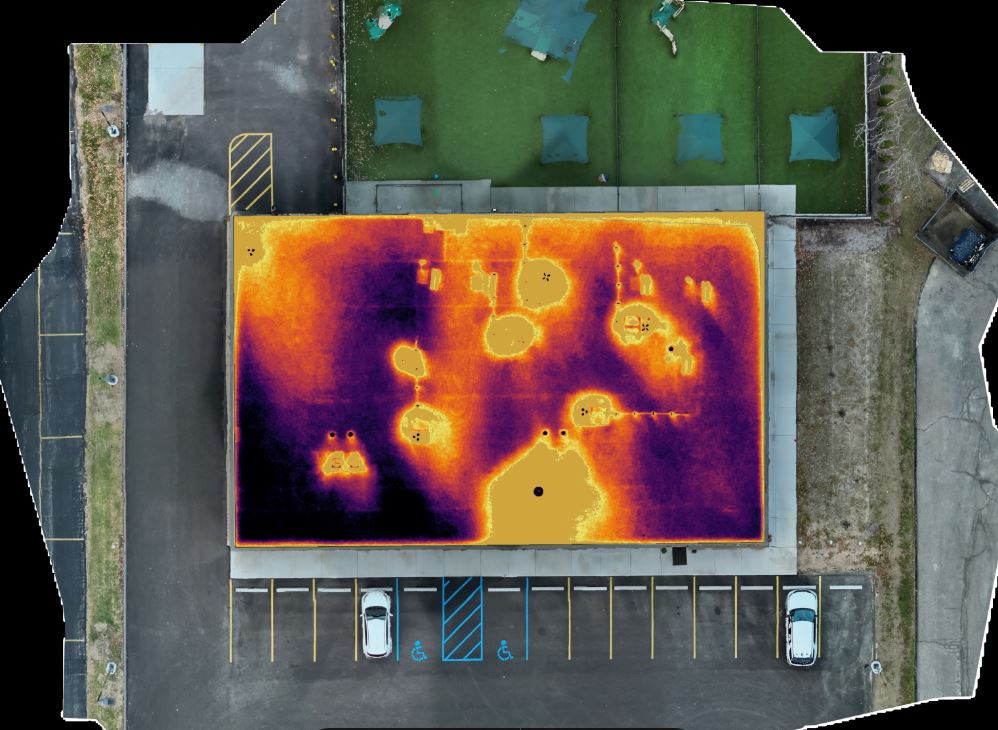
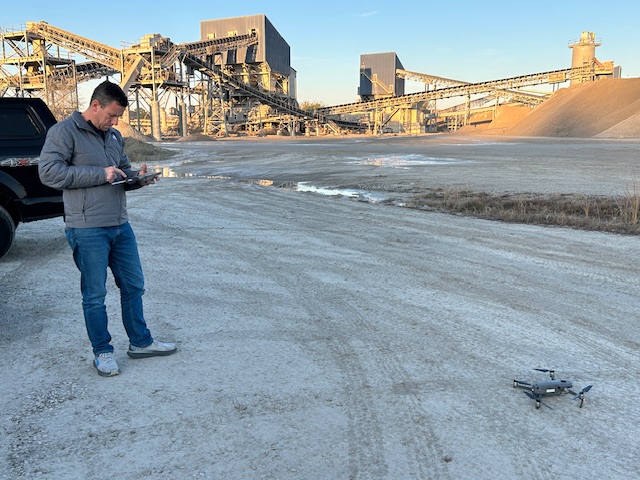
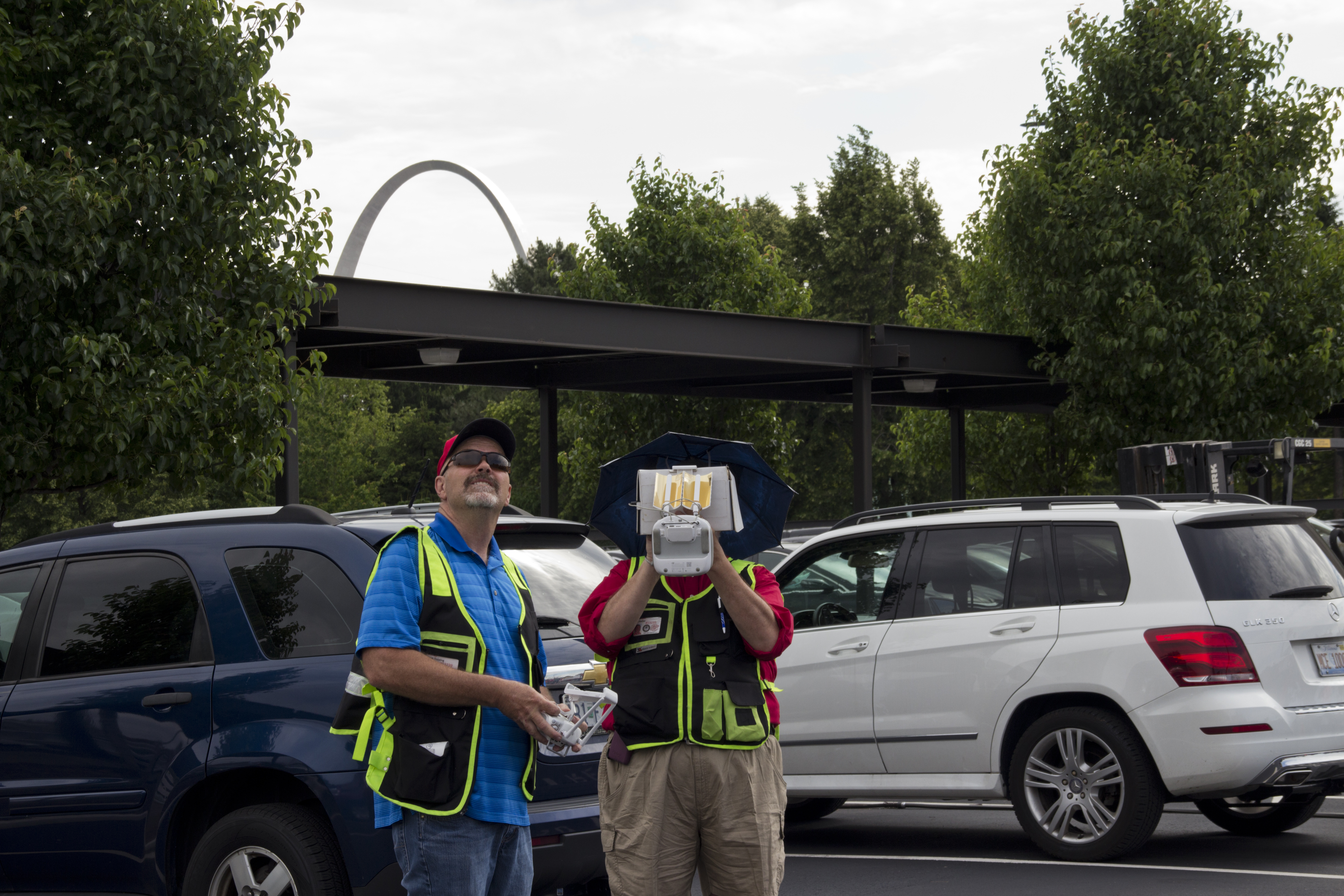
A drone can inspect elevated, expansive, or difficult-to-reach areas without requiring the same level of ladders, lifts, scaffolding, or physical roof access that may otherwise be needed. It can also capture a broader overhead view, helping clients see how isolated anomalies relate to the whole system. On large commercial rooftops, industrial facilities, and campus-style properties, that perspective can make pattern recognition far easier and far more efficient than walking the entire site manually.

Drone workflows also support organized reporting. FLIR’s own drone inspection guidance emphasizes that successful results depend not only on the flight, but also on correct image processing, measurement review, and reporting. In other words, the deliverable is not just imagery. The deliverable is actionable information.

Common business uses for FLIR thermal infrared drone services
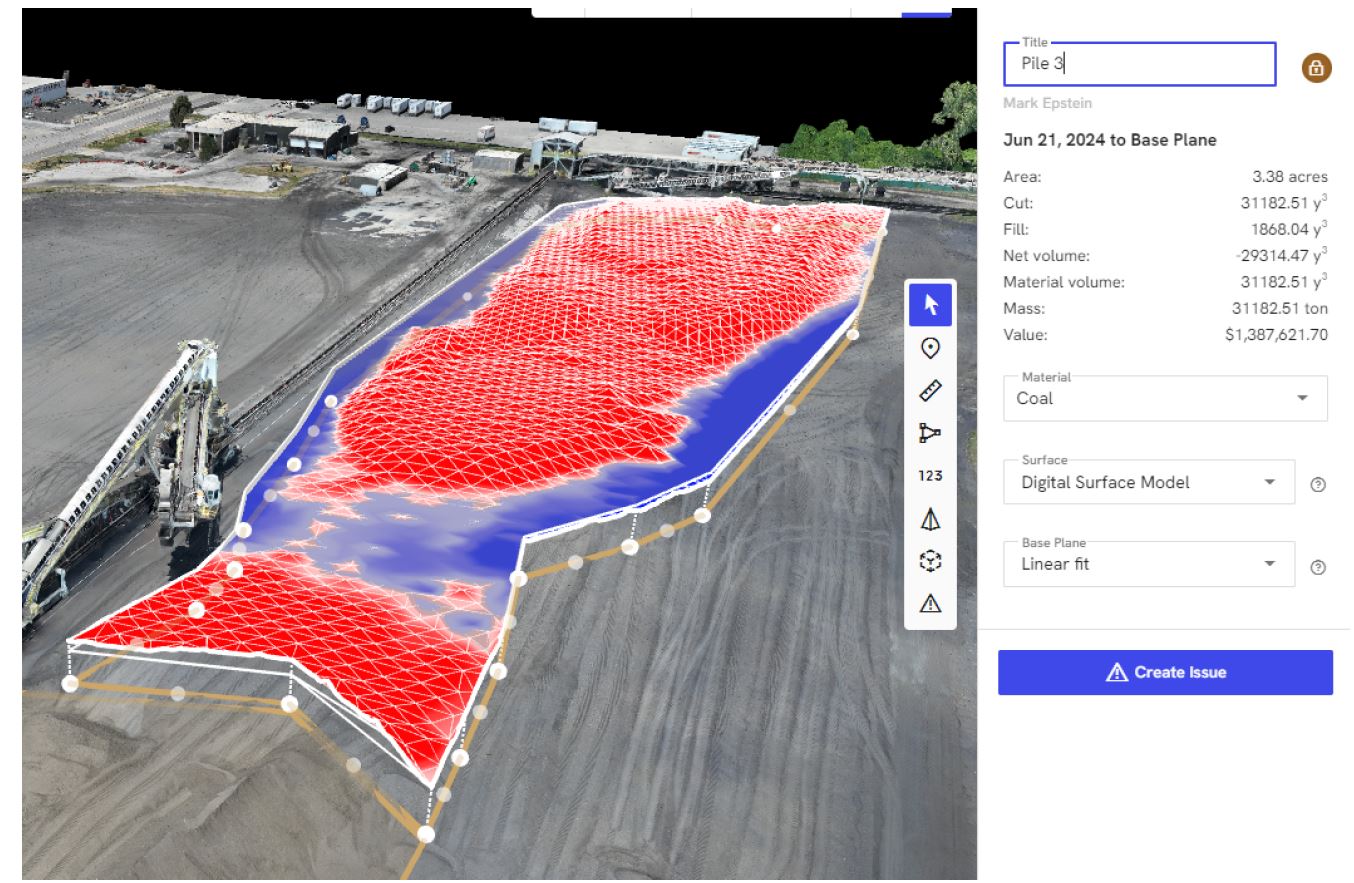
Commercial roof inspections

One of the most practical uses for thermal drone imaging is roof evaluation. Thermal patterns can help identify areas that may indicate trapped moisture, insulation issues, drainage concerns, or heat-related irregularities. That can be valuable for pre-maintenance planning, storm follow-up, capital budgeting, warranty discussions, and narrowing the areas that need invasive verification. Thermal imaging can point a team toward suspect areas faster, although final diagnosis often still requires moisture meters, core cuts, or additional inspection methods.

For St. Louis property owners and facility managers, that means a thermal drone inspection can be a smart screening tool before small problems become costly interior damage, tenant disruption, or emergency repairs.

Building envelope and energy diagnostics

Thermal imaging is also valuable for evaluating building performance. Temperature differences across walls, roof sections, and exterior assemblies can reveal patterns associated with insulation voids, thermal bridging, air leakage, or moisture intrusion. For organizations managing older buildings, campuses, warehouses, institutions, and multi-site properties, aerial thermal data can help identify where deeper building envelope analysis should be focused.

Electrical and mechanical inspection support

Abnormal heat is often one of the earliest warning signs that an electrical or mechanical problem is developing. Thermal imaging is widely used in electrical inspection because overheating components, failing connections, corrosion, and load imbalance can appear as temperature anomalies before visible failure occurs. That does not replace hands-on electrical testing, but it can be a powerful screening tool for identifying priority areas and documenting issues.
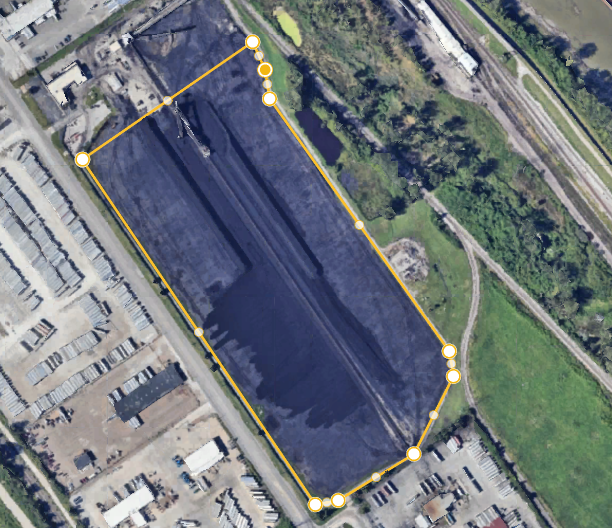
Solar array inspection

Thermal imaging can also be used on solar installations to identify hotspots and anomalies while panels are operating. For facilities teams and commercial property owners with rooftop or ground-mounted solar systems, that can support maintenance efficiency and performance monitoring across large arrays. FLIR materials specifically note the usefulness of thermal imaging for scanning installed solar panels during normal operation and over large areas in relatively short time frames.

Industrial sites, utilities, and facility documentation

Thermal drone imaging can support inspections at industrial properties, utility corridors, distribution centers, manufacturing sites, and large campuses. It is particularly useful when the goal is to quickly visualize heat-related anomalies over a broad area, then direct specialists to the right locations for repair, testing, or follow-up documentation.

What decision makers should look for in a thermal drone provider

Not all drone operators are the same, and not all thermal services are equal.

When evaluating a provider, businesses should look beyond the fact that a company owns a drone with a thermal sensor. The more important questions are these:

Does the team understand inspection workflow, not just flying?
Do they know how weather, surface materials, reflectivity, timing, and environmental conditions affect results?
Can they deliver both thermal and visible-light imagery for context?
Can they provide organized reporting that helps your facilities, engineering, marketing, or operations teams act on the findings?
Do they understand that some anomalies require confirmation with other methods before conclusions are made?
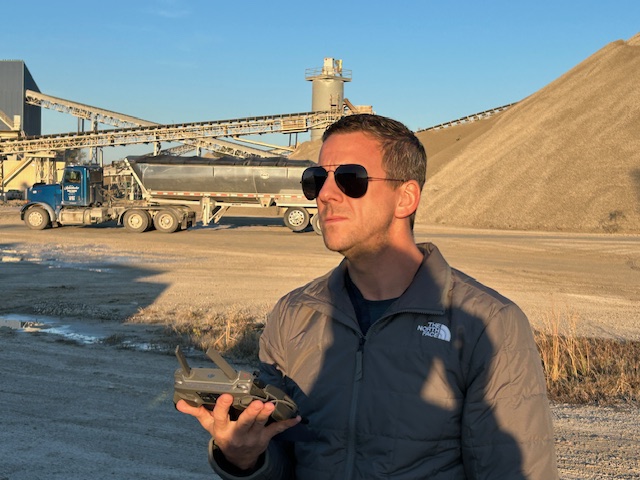
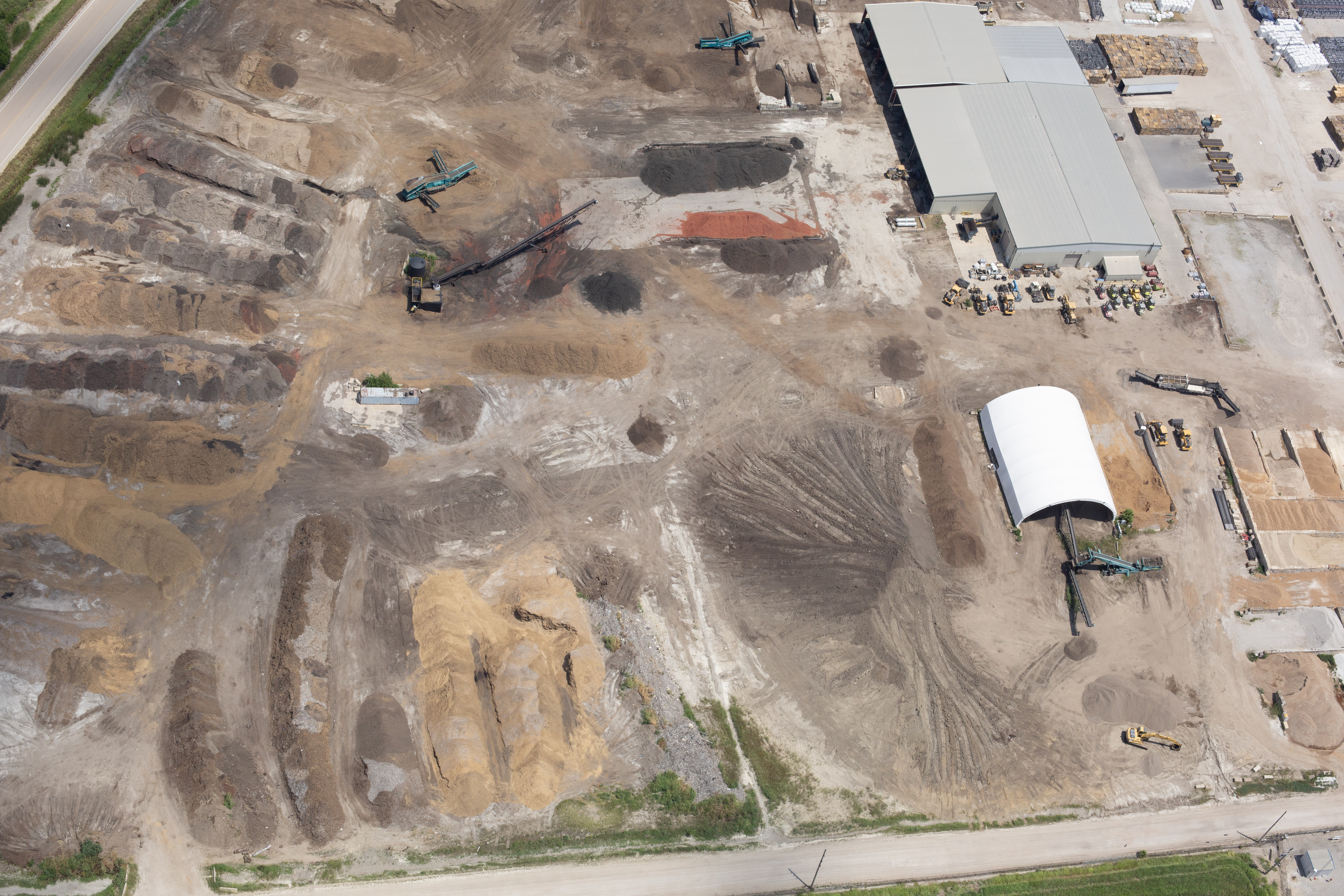
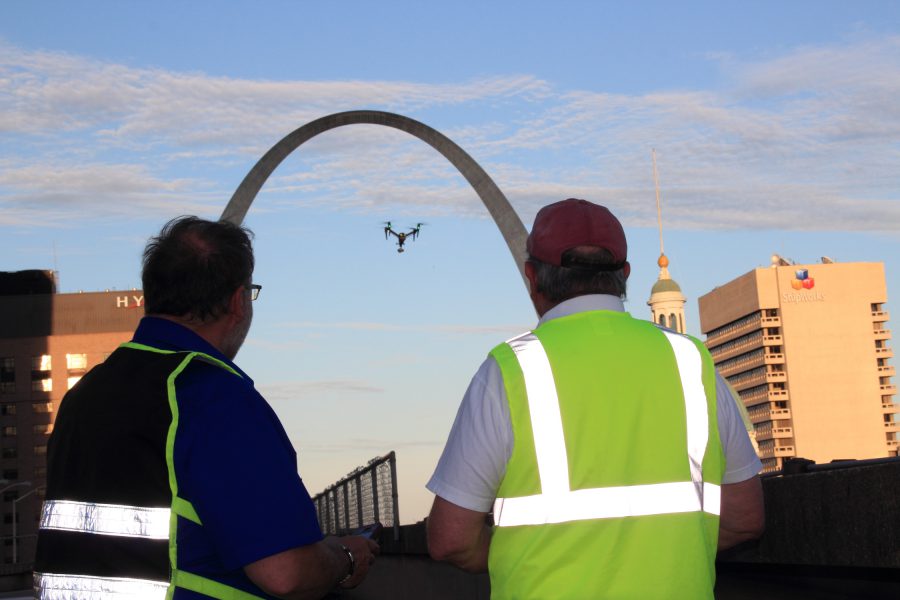
Credentials matter too. For commercial drone work in U.S. airspace, the FAA requires operation under Part 107, which means the operator must hold a Remote Pilot Certificate or be directly supervised by someone who does. The FAA also states that certificated remote pilots may operate at night, over people, and over moving vehicles when they meet the applicable rule requirements.

For clients, that means professionalism is not just about image quality. It is about compliance, safety, planning, documentation, and the judgment to know when thermal imagery is being used qualitatively versus when a client expects defensible temperature-based analysis.

Why thermal imagery is powerful for communication, not just inspection

There is another advantage that often gets overlooked: thermal drone imagery is visually persuasive.

For internal operations teams, it can help justify maintenance priorities. For property managers, it can support conversations with ownership groups, vendors, or tenants. For engineers and consultants, it can provide a fast visual reference that improves communication before more detailed testing begins. And for organizations in technical, industrial, energy, utility, construction, and facilities sectors, thermal visuals can also become strong assets for presentations, training, documentation, and strategic reporting.

That is especially useful for companies that want to pair inspection utility with strong visual storytelling. When thermal, visible, and conventional production assets are captured by the same creative team, the result is often more consistent documentation and more usable content across departments.
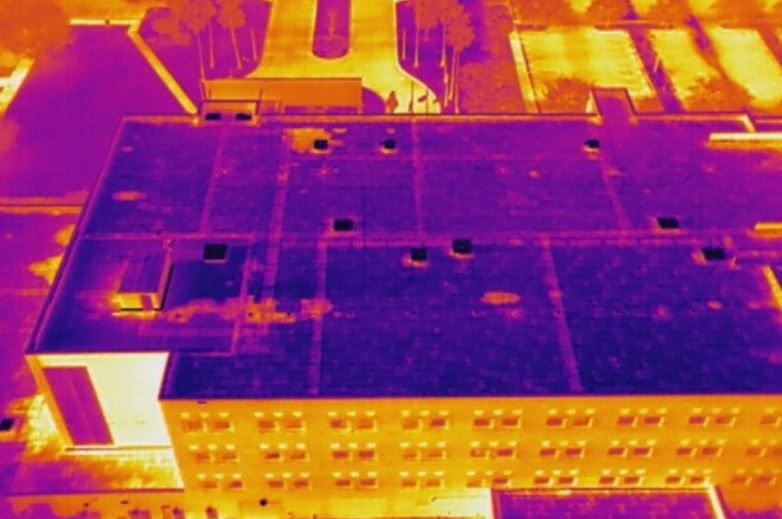
Why FLIR thermal drone services make sense in St. Louis

St. Louis businesses operate across a mix of older facilities, new developments, industrial properties, healthcare environments, schools, logistics sites, retail centers, and corporate campuses. Many of these buildings are large, complex, and expensive to maintain. A thermal drone inspection is not a cure-all, but it can be an efficient first step in locating patterns that deserve attention before problems escalate.

For organizations trying to reduce downtime, better manage maintenance budgets, improve inspection efficiency, or simply gain a better understanding of hard-to-access assets, FLIR thermal infrared drone services can deliver meaningful value. The key is working with a team that understands both the technical side of thermal capture and the broader production side of creating useful deliverables.

Work with an experienced St. Louis production team

At St Louis Video Services, we bring far more than a drone to the job. We are a full-service professional commercial photography and video production company with the right equipment, creative crew, and service experience for successful image acquisition. We offer full-service studio and location video and photography, as well as editing, post-production, and licensed drone services. Since 1982, St Louis Video Services has worked with many businesses, marketing firms, and creative agencies in the St. Louis area on marketing photography and video.
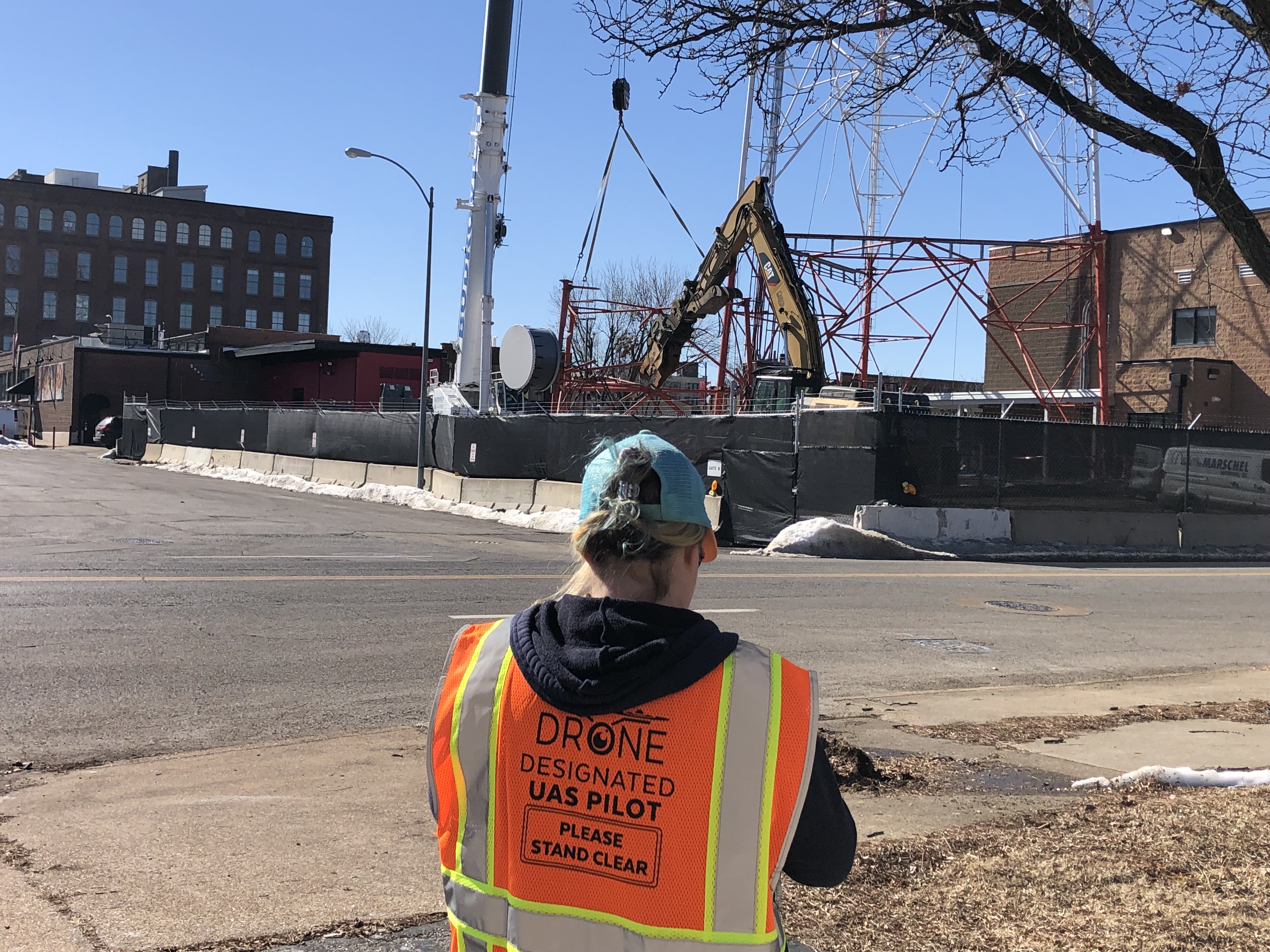
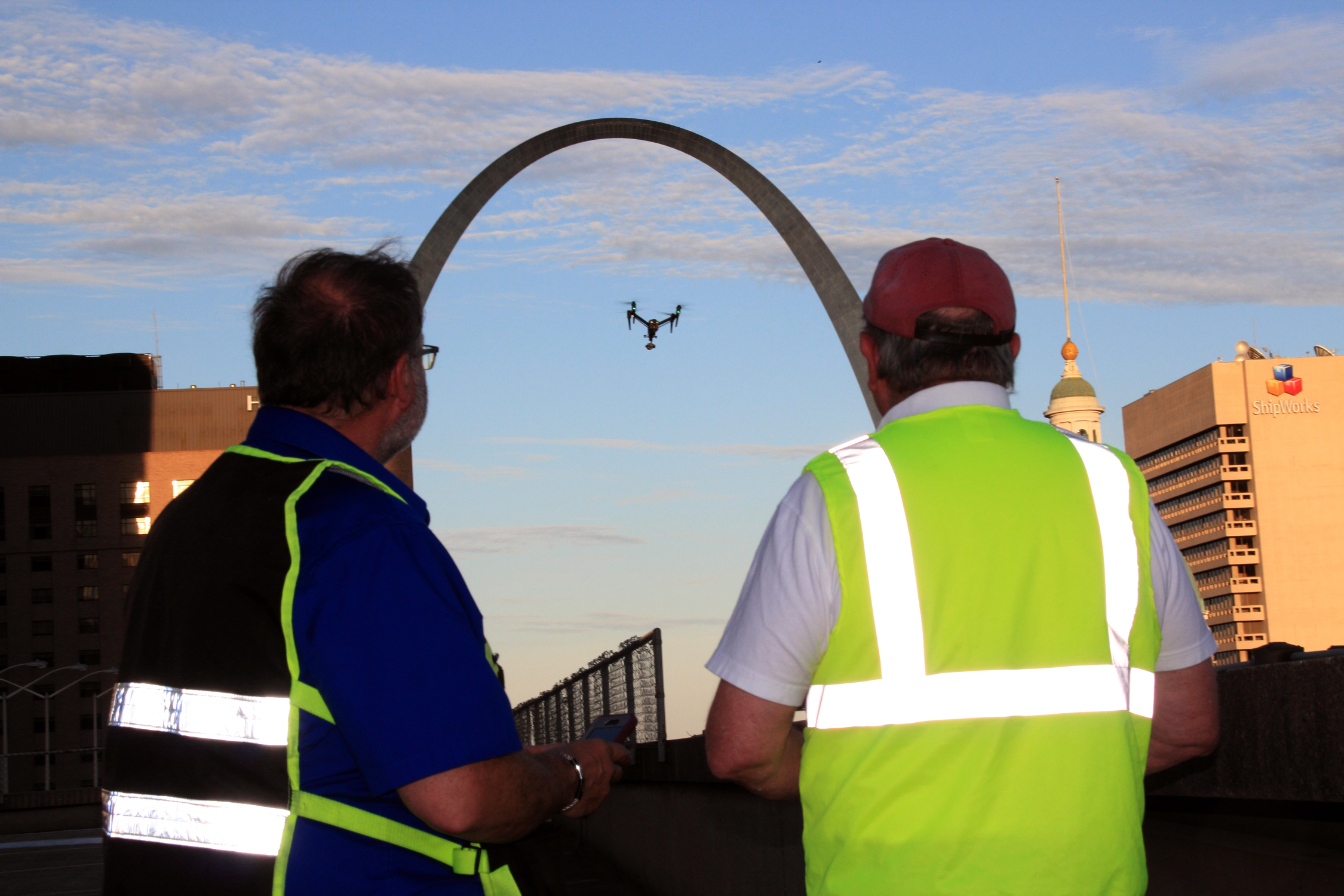
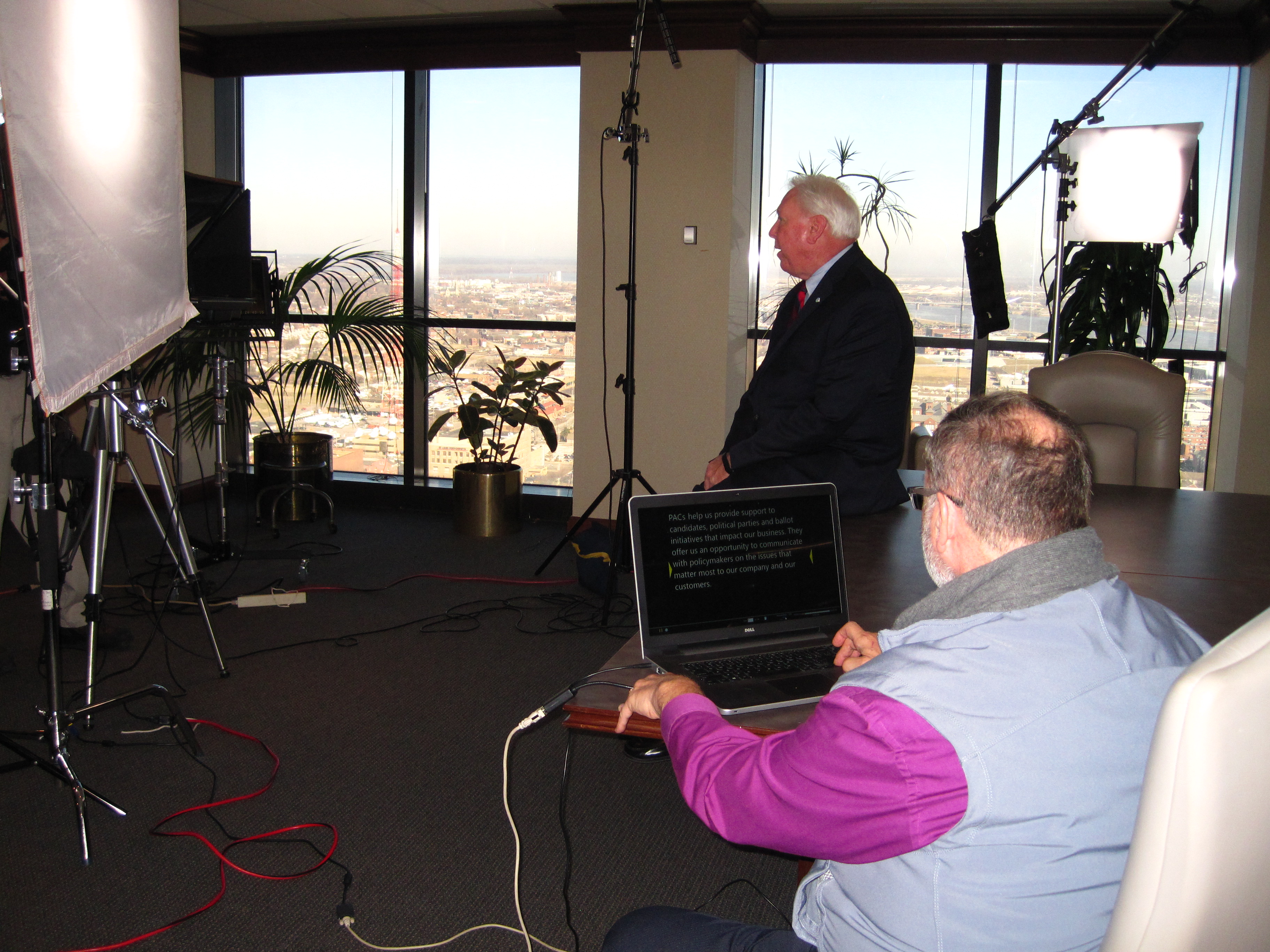
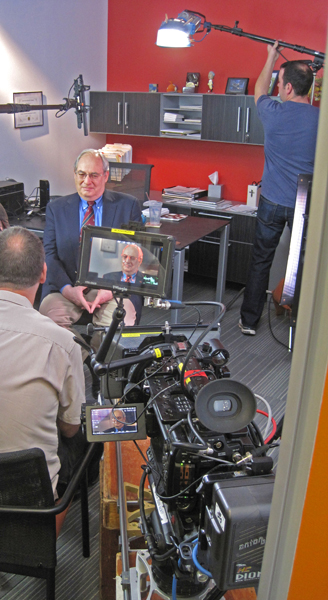
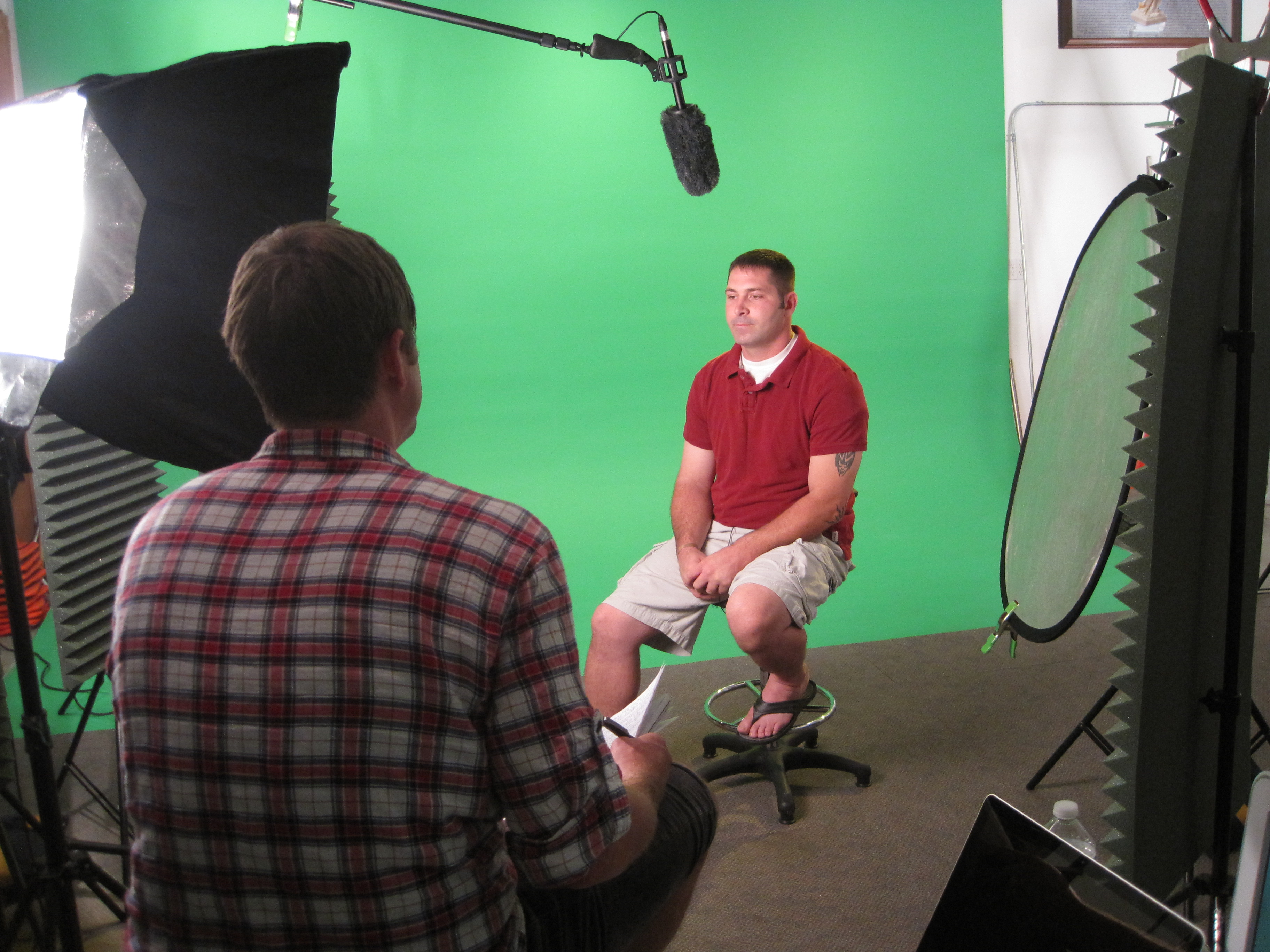
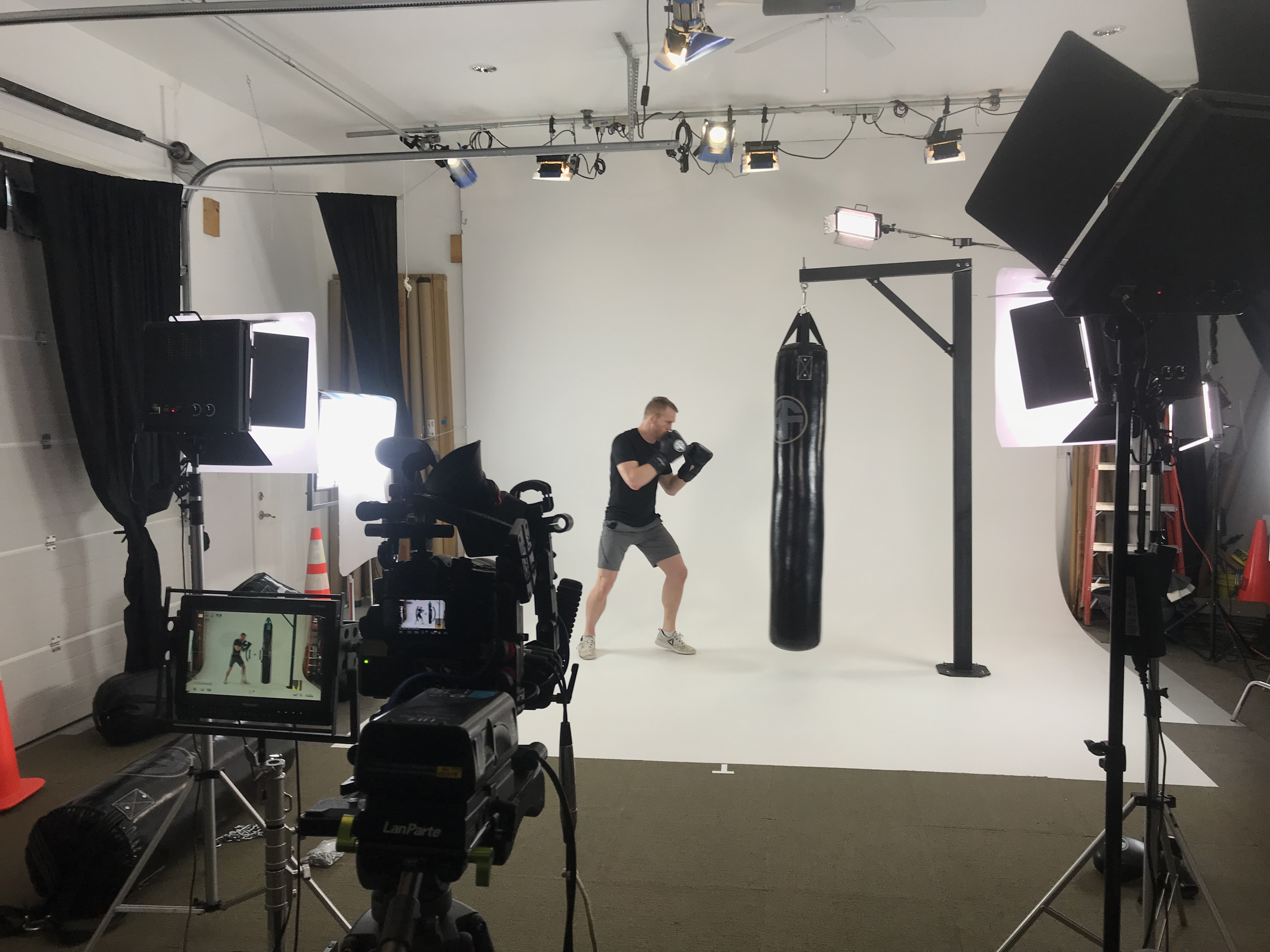
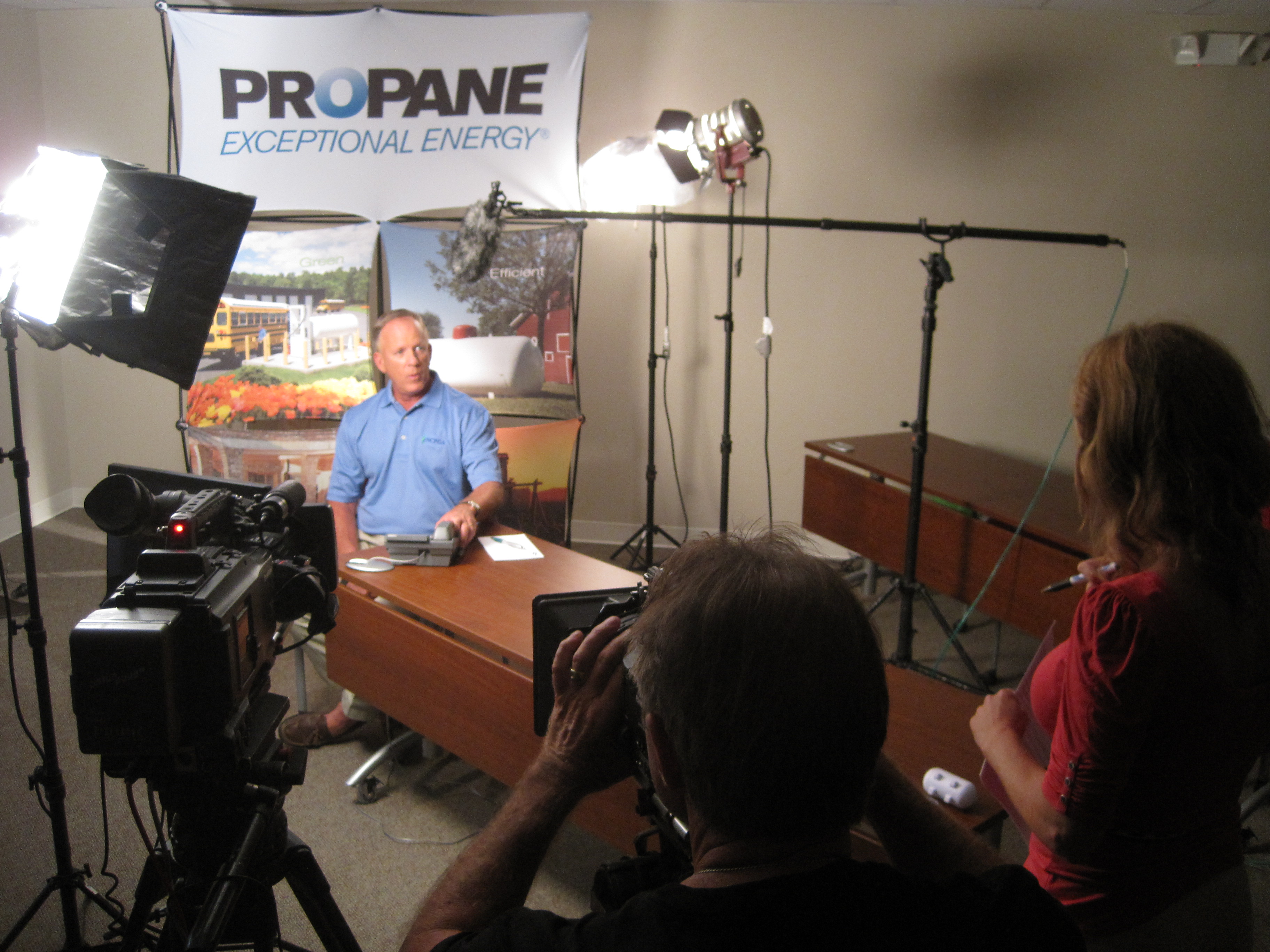
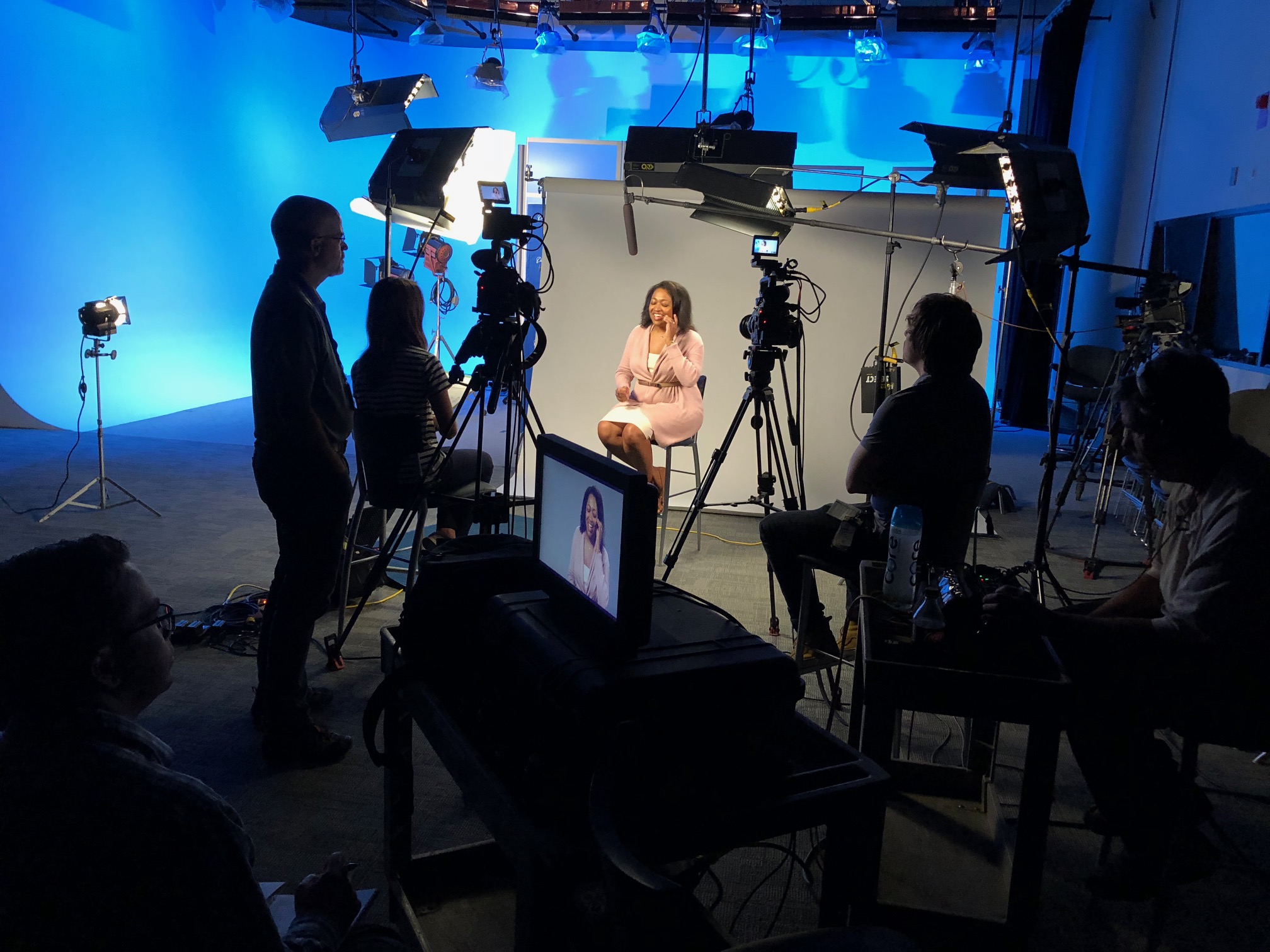
We can customize productions for diverse types of media requirements, and repurposing your photography and video branding to gain more traction is one of our specialties. We are well-versed in file types, media styles, and the software that supports them. We also use the latest in Artificial Intelligence for our media services. Our private studio lighting and visual setup is ideal for small productions and interview scenes, and our studio is large enough to incorporate props and build out a polished set. From designing a private custom interview studio to supplying professional sound and camera operators and the right equipment, we support every aspect of your production so your next project is seamless and successful. We can even fly specialized drones indoors when the production calls for it.

When you need FLIR thermal infrared drone services in St. Louis, along with a team that understands both technical image acquisition and high-level visual communication, St Louis Video Services is ready to help.
314-604-6544

stlouisvideoservices@gmail.com

Economical Video Interviews and B-Roll in St. Louis: How to Get Broadcast-Quality Results Without Overspending
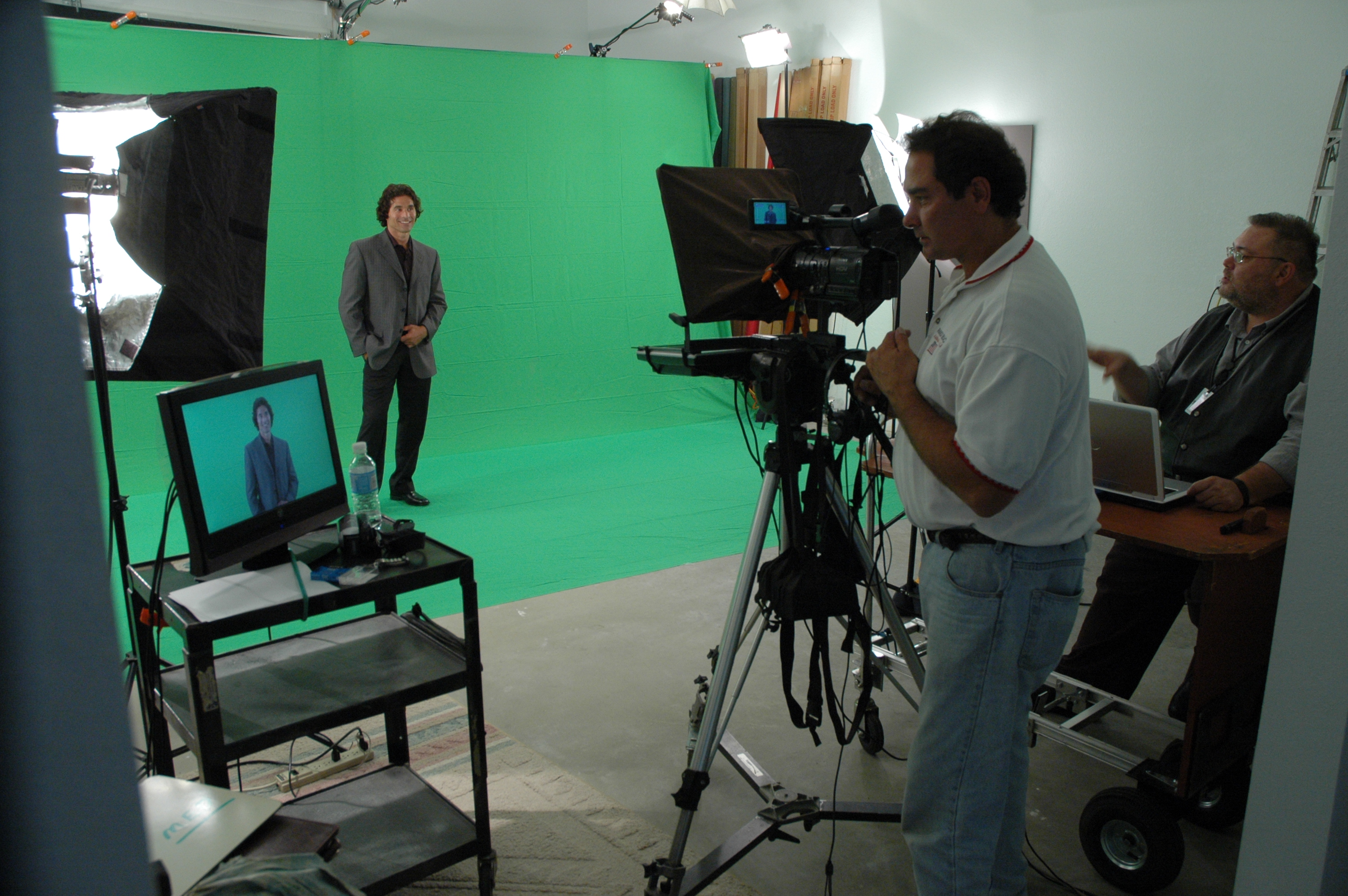
Decision makers in marketing and communications have a recurring challenge: you need credible, human storytelling on a predictable budget—often on short timelines—without sacrificing quality. The good news is that “economical” does not have to mean “cheap-looking.”

When video interviews and b-roll are planned correctly, you can capture a library of usable assets in a single production day, extend campaign life for months, and build a repeatable workflow your team can rely on. Below is a field-tested approach to producing efficient interview-driven videos in St. Louis that still feel premium and on-brand.


Why interviews + b-roll are the most cost-effective content strategy

Video interviews do something that most marketing assets can’t: they create trust quickly. A well-lit, well-recorded interview with a subject who feels comfortable and confident becomes the anchor for multiple deliverables:

  • A brand story video
  • Customer testimonials
  • Recruiting and culture clips
  • Training and internal comms segments
  • Short social cutdowns
  • Thought-leadership content for executives

Then b-roll does the heavy lifting: it illustrates what’s being said, covers edits cleanly, and turns one interview into a polished narrative.

Economy comes from efficiency—capturing the right interview structure and the right b-roll coverage so edits are fast and revisions are painless.


The biggest budget-killer: unclear goals and unclear distribution

Most interview projects go over budget for one of two reasons:

  1. The purpose is fuzzy. Are you selling? Recruiting? Explaining? Building credibility for a proposal?
  2. Distribution isn’t defined. A 16:9 web video, a square social cutdown, and vertical reels are not the same deliverable—even if they share footage.

The fix is simple: define outcomes before cameras roll.

A practical goal framework

Pick one “primary job” the video must do:

  • Convert: move prospects to a call or demo
  • Recruit: attract the right candidates
  • Reassure: reduce perceived risk and build credibility
  • Explain: make something complex feel simple

If you want all four, you can still do that—just plan the shoot so you’re not reinventing the wheel during editing.


Interview formats that stay efficient (and look expensive)

1) The single-subject “hero interview”

One key spokesperson, carefully lit and framed, speaking to the brand narrative. This is the most economical path to a flagship piece.

Best for: leadership messages, mission/vision, big announcements
Economy lever: one setup, high output

2) Two-chair “conversational interview”

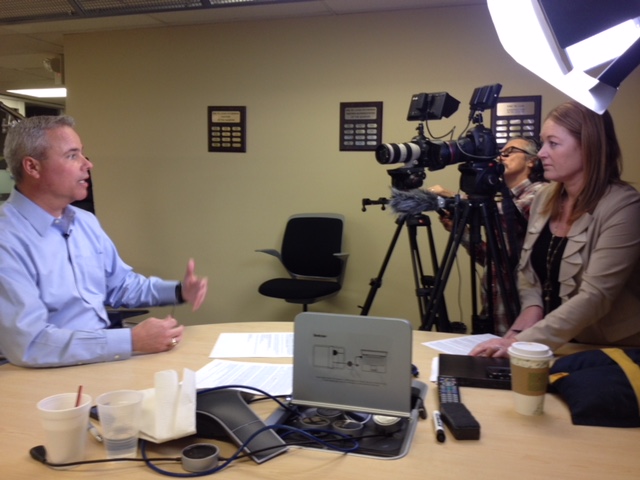
A guided conversation between an interviewer and the subject (or two internal leaders). This usually yields more natural sound bites and less nervous energy.

Best for: professional services, healthcare, complex B2B
Economy lever: fewer retakes, faster editing

3) Testimonial “prompted interview”

Your team asks structured questions that reliably produce quote-worthy answers.

Best for: customer stories, case studies, community impact
Economy lever: predictable, repeatable answers = quicker cutdowns


How to get better sound bites (and fewer retakes)

A lot of “wasted time” on interview shoots is really wasted confidence. People ramble when they’re unsure what you want.

Use question design that produces clean, editable answers:

  • Ask for complete sentences (“Tell me why you chose…” vs. “Why?”)
  • Get a problem → solution → result structure
  • Ask for specific examples, not generalities
  • Keep questions short and neutral

And if your subject isn’t media-trained, plan for a warm-up section that won’t be used in the final edit. The performance improves dramatically once the camera becomes “normal.”


B-roll that actually supports editing (instead of just looking nice)

B-roll is not “pretty footage.” It’s story coverage. When it’s captured intentionally, it reduces editing time and makes revisions easy.

Capture b-roll in three layers

  1. Establishing: where we are, what this place feels like
  2. Process: how work gets done (hands, tools, collaboration)
  3. Outcome: results—happy customers, finished work, deliverables in action

The “sequence” trick that saves edits

Don’t film random shots. Film short sequences:

  • Wide shot of an action
  • Medium shot of the same action
  • Close-up detail
  • Reaction or interaction

That gives editors continuity and options—so you’re not forced into jump cuts or awkward transitions.


Lighting and set design: the “economical” way to look premium

You don’t need a massive lighting package to get a cinematic look. You need control.

  • Use a clean, intentional background
  • Separate subject from background with depth and light
  • Keep skin tones natural (no mixed lighting temperature chaos)
  • Add simple practical elements (props, brand-appropriate set pieces) to “round out” the frame

The most economical shoots are often the ones that happen in a controlled environment—either a consistent office location or a studio—because you spend less time fighting reflections, overhead fluorescents, and noisy spaces.


The hidden ROI multiplier: capturing “content modules” for repurposing

A single interview day can power weeks or months of posts—if you plan to repurpose from the start.

What “repurposing” really means

It’s not just chopping up a long video. It’s capturing modular content:

  • A 60–90 second core story segment
  • 5–10 short “insight clips” (10–25 seconds)
  • A few vertical-friendly segments for reels/stories
  • Still photos pulled from the same lighting setup (when appropriate)
  • A-roll sound bites that can support multiple campaign angles

When production is designed for modular outputs, editing becomes assembly—not reinvention.


Artificial Intelligence: where it saves time (and where it doesn’t)

AI can make economical production even more economical when used correctly:

High-value AI use cases

  • Faster transcription and searchable interviews
  • Rough-cut creation from transcripts for producer review
  • Versioning for different runtimes and aspect ratios
  • Automated captions and caption styling
  • Metadata tagging and b-roll matching suggestions
  • Cleaner workflows for review, notes, and revisions

Where AI still needs human oversight

  • Brand voice and compliance-sensitive messaging
  • Story logic and emotional pacing
  • Visual continuity and “taste” decisions
  • Final color, audio finishing, and quality control

Used responsibly, AI reduces time spent on busywork and increases time spent on creative decisions that matter.


A proven economical production plan (that doesn’t feel rushed)

Here’s a practical structure for a single-day interview + b-roll shoot that stays efficient:

  1. Pre-production planning (brief but focused)
    • define primary goal + distribution
    • confirm interview questions
    • plan b-roll list aligned with story
  2. Interview capture (1–2 setups)
    • prioritize the main spokesperson first
    • capture additional voices only if they add distinct value
  3. B-roll sequences (guided coverage)
    • shoot process, interactions, environment, outcomes
    • capture extra “cutaway insurance” for edits
  4. Optional add-ons (if budget allows)
    • drone exteriors (or indoor drone where appropriate)
    • quick portrait stills in same lighting
    • vertical “direct-to-camera” clips for social

This approach keeps crew time tight and post-production predictable.


Bringing it all together with St Louis Video Crew

At St Louis Video Crew, we’ve built our process around economical, repeatable production—without compromising professional results. Since 1982, we’ve worked with businesses, marketing firms, and creative agencies across the St. Louis area, which means we understand how to move quickly while protecting quality.

We’re a full-service professional commercial photography and video production company with the equipment and experienced crew services needed for successful image acquisition. We provide:

  • Full-service studio and location video and photography
  • Editing and post-production designed for fast reviews and clean revisions
  • Licensed drone services—including specialized drones that can fly indoors
  • Custom production setups for diverse media requirements
  • Expertise across file types, media styles, and the software ecosystems teams actually use
  • The latest Artificial Intelligence tools integrated into our workflow where they save time and add value
  • A private studio lighting and visual setup that’s ideal for small productions and interview scenes—large enough to incorporate props and build a set that supports your brand
  • End-to-end support: from building a private custom interview studio to supplying professional sound and camera operators and the right equipment for a seamless production day

If your goal is economical video interviews and b-roll in St. Louis that still look polished, intentional, and on-brand, our approach is built for exactly that—efficient capture, smooth post-production, and assets you can repurpose for real marketing traction.

Rewrite the article for new company St Louis Video Services

I’ll keep the structure and strategy the same, but rewrite everything so the company branding, positioning, and closing section are for St Louis Video Services.

Economical Video Interviews and B-Roll in St. Louis: How to Get High-End Results on a Practical Budget

Decision makers in marketing and communications face a familiar constraint: you need credible, human storytelling—fast—on a predictable budget. The mistake is assuming “economical” has to look economical.

When video interviews and b-roll are planned and captured correctly, you can build a library of usable assets in a single shoot, extend campaign life for months, and create a repeatable workflow that reduces costs every time you produce.

This guide breaks down how to produce efficient, interview-driven videos in St. Louis that still feel premium, intentional, and on-brand.


Why interviews + b-roll are the most cost-effective content combination

Video interviews earn trust quickly. A confident on-camera subject, recorded with clean audio and professional lighting, becomes the anchor for multiple deliverables:

  • Brand story and “about us” videos
  • Client testimonials and case studies
  • Recruiting and culture content
  • Executive thought-leadership clips
  • Training and internal communication videos
  • Short social cutdowns for LinkedIn, Instagram, and YouTube Shorts

Then b-roll does the work that makes editing efficient: it illustrates what’s being said, covers transitions, smooths revisions, and turns a single interview into multiple polished outputs.

Economy comes from strategy—not shortcuts.


The most common budget problem: unclear purpose and unclear distribution

Most interview projects get expensive because the goals are vague or the deliverables multiply late in the process.

Two classic cost drivers

  1. Fuzzy intent: Is this video meant to convert prospects, recruit talent, reassure stakeholders, or explain something complex?
  2. Undefined platforms: A 16:9 web video, square social clips, and vertical reels are not the same deliverable—even if they share footage.

The fix is to define success before the shoot. That’s how you prevent reshoots, re-edits, and revision loops.

A practical outcome framework

Choose the primary job the video must do:

  • Convert: encourage calls, demos, consultations
  • Recruit: attract qualified candidates
  • Reassure: reduce perceived risk, build credibility
  • Explain: simplify complex services or processes

You can support more than one goal—but you should prioritize one so the shoot plan stays clean and efficient.


Interview formats that stay efficient while still looking expensive

1) The single-subject “hero interview”

One key spokesperson, one strong setup, and a clear narrative. This is often the most economical path to a flagship video.

Best for: leadership messages, brand story, mission/vision
Efficiency advantage: one setup can produce many deliverables

2) The conversational two-person interview

A guided discussion between two people can feel more natural and reduce nervous delivery.

Best for: professional services, healthcare, technical B2B
Efficiency advantage: fewer retakes, better sound bites

3) The testimonial prompt format

Structured questions that reliably generate usable answers.

Best for: client stories, community impact, success narratives
Efficiency advantage: predictable editing and faster cutdowns


How to capture better sound bites (and reduce retakes)

Retakes happen when people are unsure what you want—or when questions produce incomplete, hard-to-edit answers.

Use question design that produces clean, quotable, editable responses:

  • Ask for complete sentences (“Tell me why you chose…” vs. “Why?”)
  • Guide subjects into a problem → solution → result structure
  • Ask for specific examples (numbers, moments, outcomes)
  • Keep prompts short and neutral—then let them talk

Also plan a warm-up section that won’t be used. Once the subject settles in, the quality of delivery improves dramatically.


B-roll that helps editing instead of just looking nice

B-roll isn’t “extra footage.” It’s story coverage that saves time in post.

Capture b-roll in three layers

  1. Establishing: where we are, what this environment feels like
  2. Process: how the work is done—hands, tools, collaboration
  3. Outcome: results—deliverables, service moments, satisfied clients

The “sequence” technique that makes edits easy

Shoot b-roll as short sequences instead of isolated clips:

  • Wide shot of an action
  • Medium shot of the same action
  • Close-up detail
  • Reaction or interaction

This gives editors continuity and options—so you aren’t forced into jump cuts or awkward transitions.


Lighting and set design: the economical way to look premium

High-end results come from control, not extravagance.

A clean, professional interview look usually requires:

  • An intentional background (not visual clutter)
  • Separation of subject from background using light and depth
  • Consistent color temperature (avoid mixed lighting)
  • Simple set elements or props that support brand identity

Economical shoots often benefit from controlled environments—an office space that can be shaped for a set, or a studio—because you spend less time fighting fluorescents, reflections, and distracting noise.


The ROI multiplier: planning for repurposing from day one

If the project is designed for repurposing, one interview day can fuel weeks or months of content.

What smart repurposing actually looks like

It’s not just trimming a long video. It’s capturing modular content:

  • A 60–90 second core story segment
  • 5–10 short “insight clips” (10–25 seconds)
  • Vertical-friendly segments for reels and stories
  • Multiple intros/outros for different audiences
  • Optional still frames or photos captured in the same lighting setup

When shoots are planned for modular outputs, editing becomes assembly—not reinvention.


AI in video production: where it saves money (and where it still needs humans)

Used correctly, AI reduces time spent on repetitive tasks and speeds delivery.

High-impact AI applications

  • Fast transcription and searchable interviews
  • Producer-friendly rough cuts from transcripts
  • Automated captions and caption styling
  • Versioning for different runtimes and platforms
  • Metadata tagging and smarter b-roll organization

Where professional oversight remains essential

  • Brand voice, compliance, and messaging nuance
  • Story structure and emotional pacing
  • Color, audio finishing, and final QC
  • Visual continuity and “taste” decisions

AI is a tool. Experience is what makes the final product feel intentional.


A practical economical shoot plan (that doesn’t feel rushed)

A cost-effective interview + b-roll production day typically follows this structure:

  1. Pre-production planning (focused, not bloated)
    • define primary goal + distribution formats
    • finalize interview questions
    • create a b-roll plan aligned with story
  2. Interview capture (1–2 setups)
    • prioritize the main voice first
    • add secondary voices only if they bring distinct value
  3. B-roll coverage (guided sequences)
    • capture process, environment, interactions, outcomes
    • shoot “cutaway insurance” to support edits and revisions
  4. Optional upgrades (if useful to the strategy)
    • drone footage (including specialized indoor drone when appropriate)
    • additional vertical-first content
    • quick stills for thumbnails or web use

This keeps crew time tight and post-production predictable.


Bringing it all together with St Louis Video Services

At St Louis Video Services, we design productions to be efficient without looking “budget.” Since 1982, we’ve worked with many businesses, marketing firms, and creative agencies throughout the St. Louis area, so we understand how to move fast while protecting quality.

We are a full-service professional commercial photography and video production company with the right equipment, crew experience, and workflow to deliver successful image acquisition and polished final media. We offer:

  • Full-service studio and location video and photography
  • Editing and post-production with reliable review and revision workflows
  • Licensed drone services—including specialized drones that can fly indoors
  • Custom production approaches for diverse media requirements
  • Deep experience across file types, media styles, and the software teams rely on
  • The latest Artificial Intelligence tools integrated where they genuinely save time and add value
  • A private studio lighting and visual setup ideal for interviews and small productions—large enough to incorporate props and build a set that supports your brand
  • End-to-end support: from creating a private custom interview studio to supplying professional sound and camera operators, and bringing the right equipment to make production seamless

If you want economical video interviews and b-roll in St. Louis that still look polished, intentional, and built for repurposing, St Louis Video Services is set up to deliver exactly that—efficient production, smooth post, and assets that keep paying off long after the shoot day.

314-604-6544

stlouisvideoservices@gmail.com

Mastering the Shot: How to Plan a Shoot That Seamlessly Combines Ground and Drone Cameras

In today’s fast-paced content landscape, businesses and agencies are constantly seeking ways to elevate their visual storytelling. Combining ground and drone cameras within a single production has become one of the most powerful ways to capture dynamic perspectives and produce visually engaging content. Whether you’re producing a commercial, a corporate overview, or a marketing promo, a well-planned hybrid shoot maximizes your creative potential—if executed strategically.

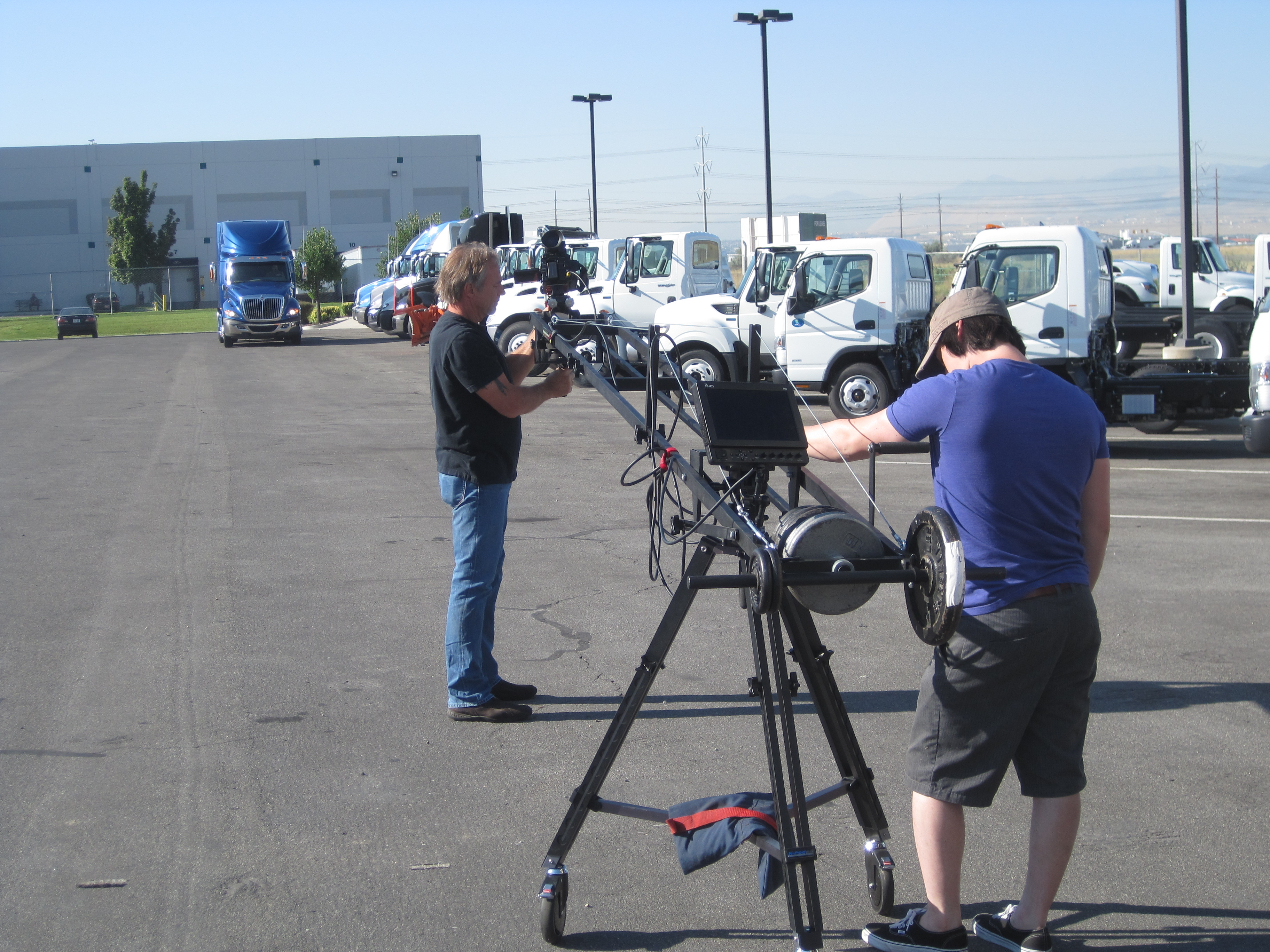
At St Louis Video Services, we’ve spent decades perfecting the art of synchronized ground and aerial video production. Here’s how to plan your next shoot for maximum efficiency and visual impact.


1. Define the Story—and How Aerial Footage Enhances It

Start by identifying the purpose of the video and the role each type of footage will play. Ask:

  • What scenes benefit from aerial context?
  • Where will ground-level storytelling or close-up detail drive emotional connection?

Drone shots often work best for:

  • Establishing locations (exteriors of buildings, campuses, or job sites)
  • Following motion (vehicles, people walking)
  • Providing scale (construction projects, outdoor events)

Meanwhile, ground cameras shine with:

  • Interviews and close-ups
  • Product demonstrations
  • Interior walkthroughs

By clarifying the purpose of each shot type early on, you reduce overlap and ensure every frame has a defined role in the final edit.


2. Map Out a Unified Shot List

Efficiency starts with planning. A joint drone/ground shoot must be carefully scheduled to avoid unnecessary resets or downtime. Create a master shot list that groups aerial and ground footage by location and time of day.

Pro tip: Don’t forget to consider sun position and weather when timing drone flights. You’ll want to fly during golden hour for cinematic light, but avoid harsh midday sun for interviews or interior shots.

Use mapping tools or location-scouting photos to plan each shot with precision—particularly for drone sequences, where altitude, line of sight, and FAA compliance must be factored in.


3. Synchronize Crew Roles and Communication

When working with both drone and ground units, clear crew communication is essential. Assign specific roles:

  • Drone Pilot (Part 107 certified)
  • Visual Observer (for drone safety)
  • Ground Camera Operator
  • Director or Producer to coordinate timing and transitions

Invest in communication tools like walkie-talkies or wireless headsets. This allows the drone team and ground crew to sync timing, especially when planning seamless transitions (e.g., drone rising from ground-level action or transitioning from an overhead shot into a close-up).


4. Use Matching Gear Settings and Frame Rates

Consistency in image quality is key when blending footage. Both drone and ground cameras should match in:

  • Resolution (e.g., 4K)
  • Frame rate (e.g., 24fps for cinematic, 30fps for corporate)
  • Color profile (shoot in log or flat for more grading flexibility)

At St Louis Video Services, we calibrate all cameras—whether mounted on tripods or flying drones—to ensure a seamless color grade in post. This prevents jarring shifts in contrast, saturation, or sharpness between clips.


5. Plan for Post-Production Integration

Efficient hybrid shoots think ahead to the edit. Capturing enough B-roll and transition footage helps editors bridge aerial and ground sequences smoothly. Consider movement direction, timing, and subject continuity. For example:

  • A drone shot following a subject walking into a building pairs well with a ground-level shot of them entering
  • A rising drone shot can transition into a ground-level scene panning across the same subject

Also, use markers or notes during the shoot for syncing audio and visual cues. Our post-production team uses advanced AI tools and editing software to streamline integration and enhance continuity between formats.


6. Ensure Legal and Safety Compliance

For drone footage, you must always:

  • Fly under FAA Part 107 regulations
  • Secure airspace clearance (especially in urban or restricted zones)
  • Respect privacy laws and no-fly zones
  • Use licensed and insured drone pilots

At St Louis Video Services, our drone operations are fully licensed, insured, and experienced in navigating both urban and rural airspace—including indoor drone flights, which require specialized skill and equipment.


Why Partner with St Louis Video Services?

Since 1982, St Louis Video Services has provided full-service professional video and photography production for businesses, marketing agencies, and organizations throughout the St. Louis area. Our team has the expertise and the gear to deliver seamless ground-and-drone integrated productions.

We offer:

  • Studio and on-location video and photography
  • Advanced post-production and editing services
  • FAA-certified drone pilots
  • Custom lighting setups for small productions and interview scenes
  • Repurposing services to extend the value of your branded content
  • AI-enhanced workflows for faster, more dynamic output

Whether you need a powerful aerial establishing shot or a cinematic interview setup, we bring the right equipment, creative vision, and crew coordination to make your next hybrid shoot a success.

Let us help you plan your next multi-dimensional production—with efficiency, safety, and creative clarity.


Ready to elevate your brand with a dual-perspective video production? Contact St Louis Video Services today to schedule a consultation.

314-604-6544

stlouisvideoservices@gmail.com