
For many organizations, the most expensive problems are the ones that are hard to see early. A roof system may look acceptable from the ground while moisture is spreading below the membrane. An electrical component may still be running while heat is building toward failure. A façade may appear sound in daylight while insulation voids, air leakage, or hidden moisture are quietly driving energy loss and maintenance costs.
That is where FLIR thermal infrared drone services can become a serious business tool.
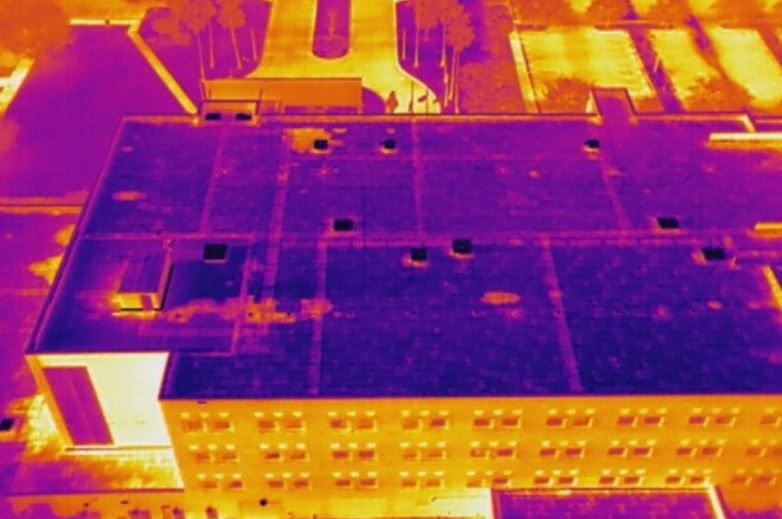
Thermal drone imaging gives decision makers a way to inspect large or hard-to-access areas with speed, perspective, and clarity. Instead of relying only on visible-light imagery, a thermal payload detects infrared radiation and converts temperature differences into a readable image. That makes patterns, anomalies, and changing conditions easier to identify across rooftops, building envelopes, utility assets, solar arrays, and industrial sites. Thermal imaging does not literally “see moisture” or “see through walls,” but it can reveal temperature patterns that often point inspectors toward wet materials, heat loss, overloaded components, or other hidden issues that deserve closer evaluation.
In St. Louis, where buildings and facilities are exposed to intense summer heat, winter cold, storms, humidity, and seasonal temperature swings, thermal drone inspections can be especially useful. The technology helps organizations move from guesswork toward evidence. It can reduce unnecessary disruption, narrow the search area for follow-up testing, and help teams prioritize maintenance based on actual conditions rather than assumptions.
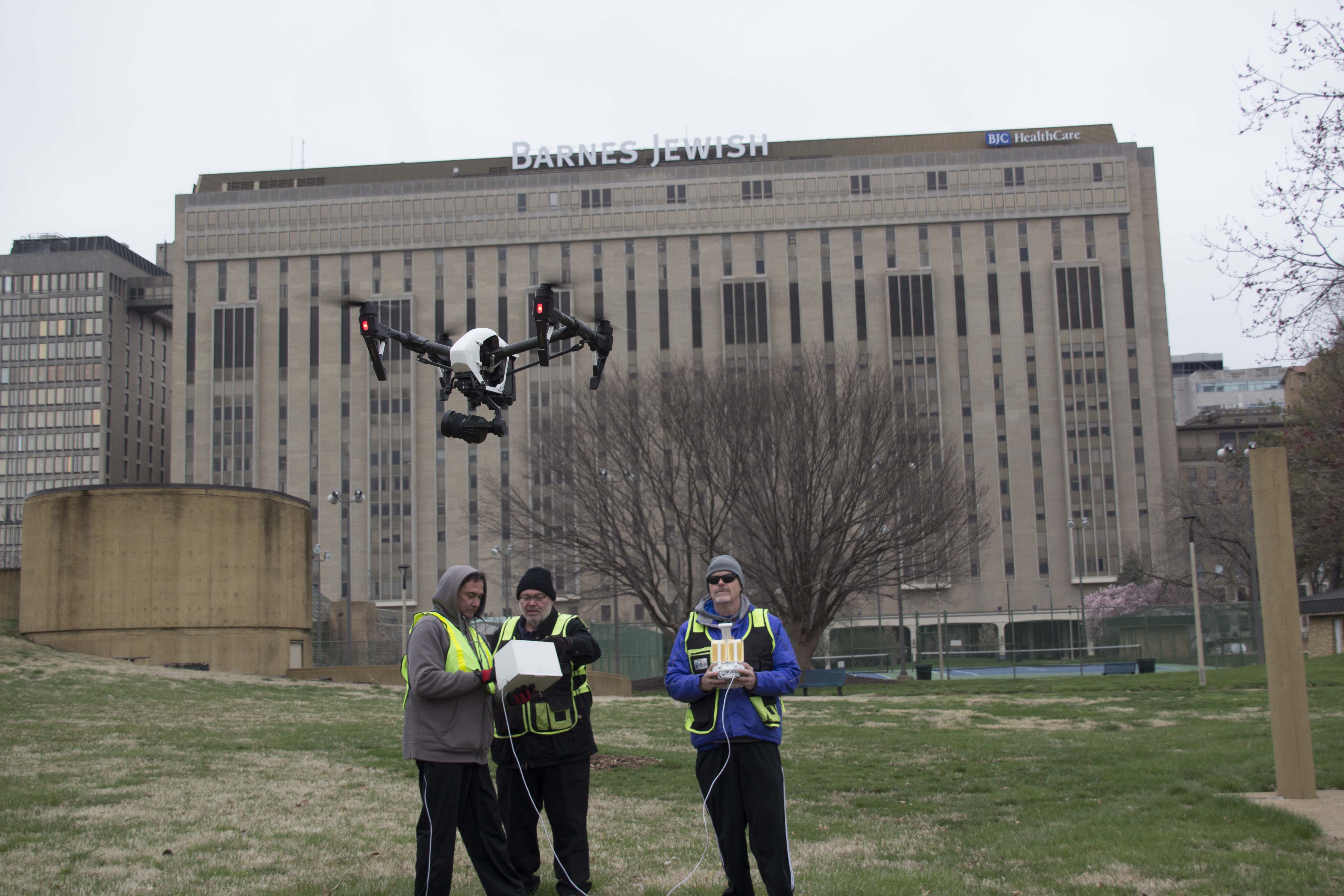
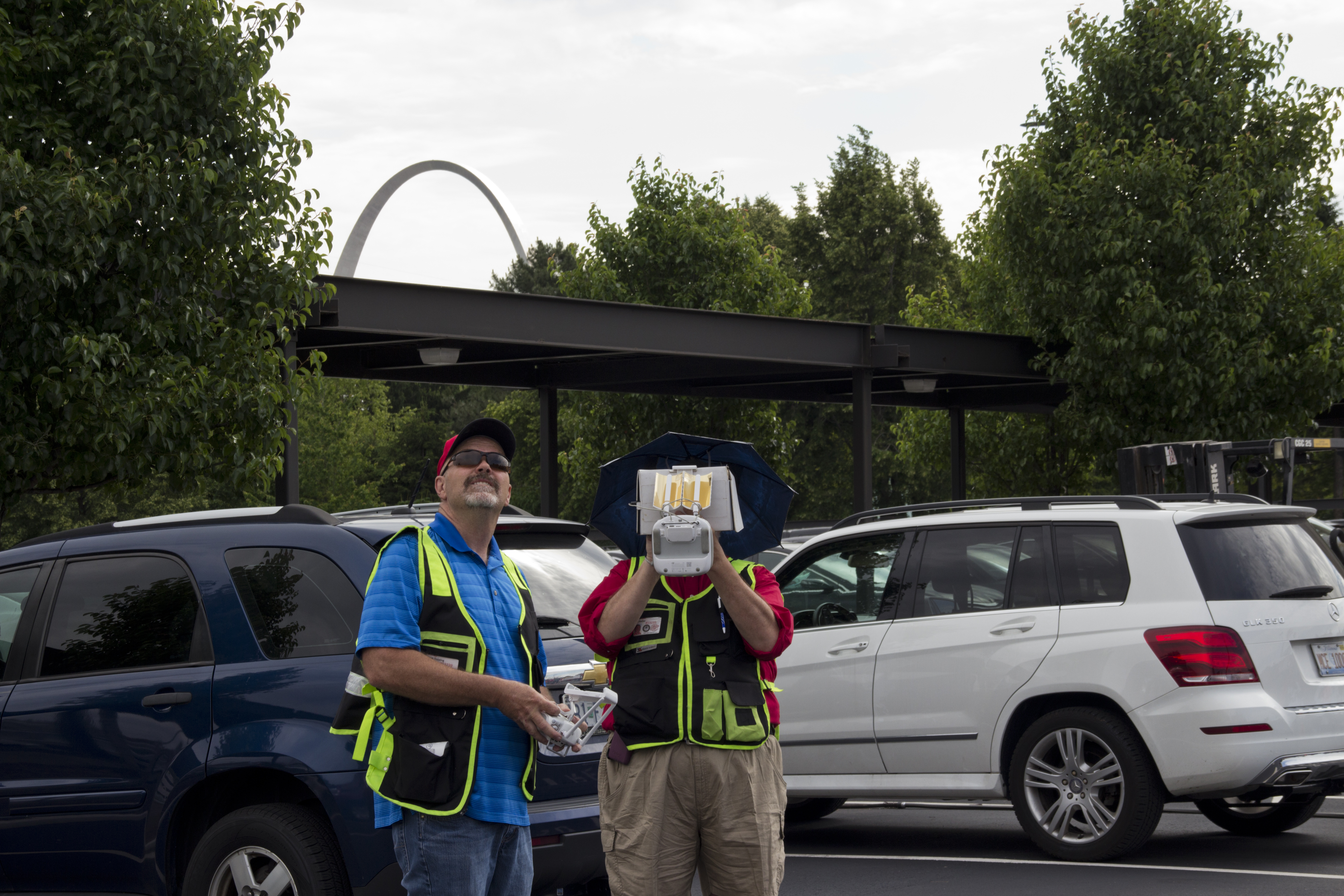
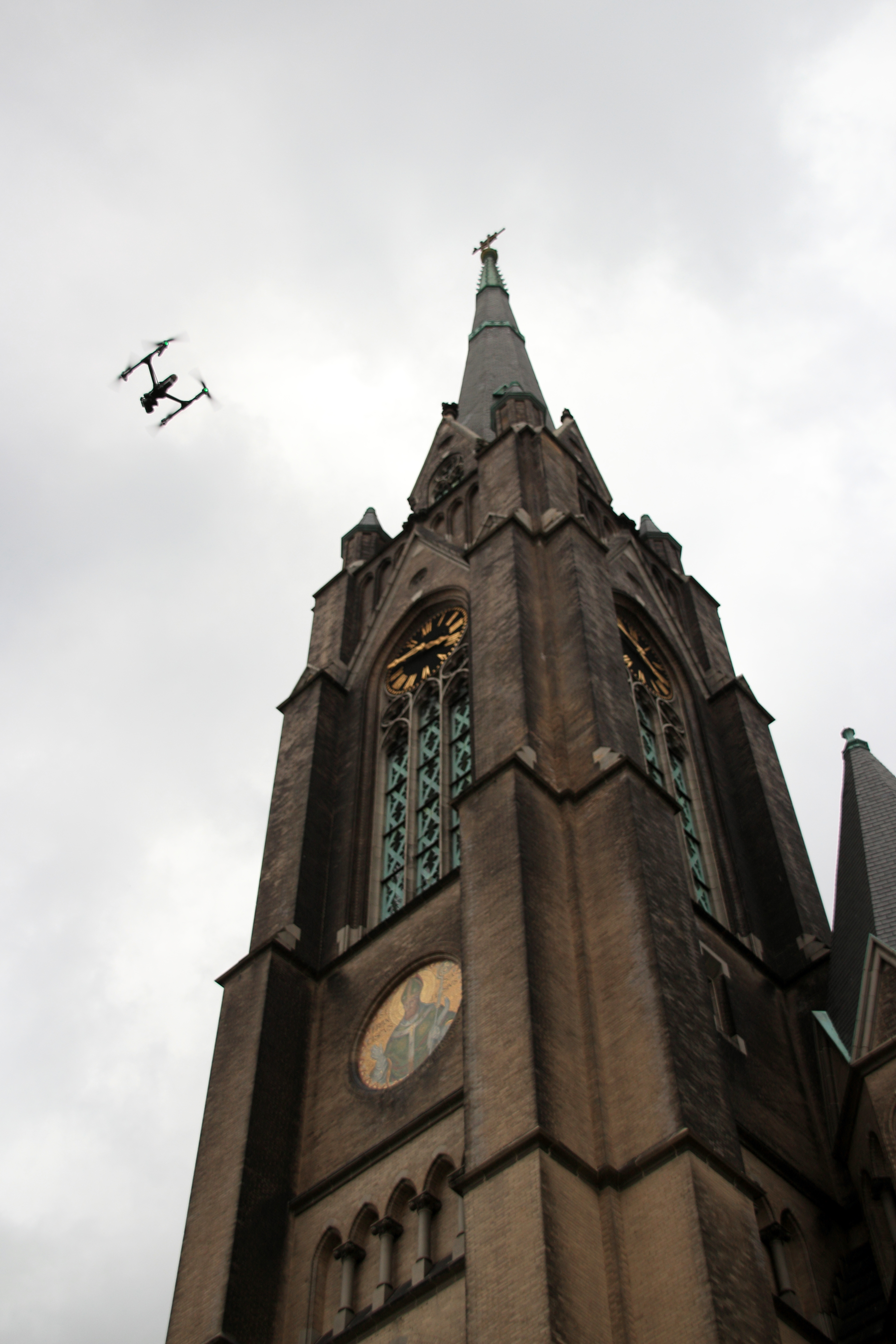
What FLIR thermal drone imaging really does
A good thermal inspection is not simply a matter of putting a drone in the air and capturing colorful images. The value is in understanding what the camera is showing and what it is not.
A thermal camera records infrared energy and converts it into a visible thermographic image. But reliable interpretation depends on more than just the sensor itself. Accurate temperature analysis can be affected by emissivity, reflected temperature, ambient conditions, humidity, distance, and the relationship between the camera and the target surface. FLIR also notes that just because an object is visible in the image does not mean it is large enough in the frame for accurate temperature measurement; for quantitative work, the measurement target should adequately fill the measurement area, with FLIR giving a 3 x 3 pixel rule of thumb.
That matters for businesses because thermal drone service should never be sold as magic. It is a highly useful inspection and diagnostic tool, but it is best used by experienced operators who understand flight planning, environmental conditions, camera limitations, and post-processing workflow. The strongest service providers combine aerial capture with practical interpretation, reporting, and coordination with building, engineering, roofing, maintenance, or facilities teams.
Why drones make thermal inspections more valuable
Traditional thermal inspections from the ground still have their place. But drone-based thermal capture can add a major advantage: access.
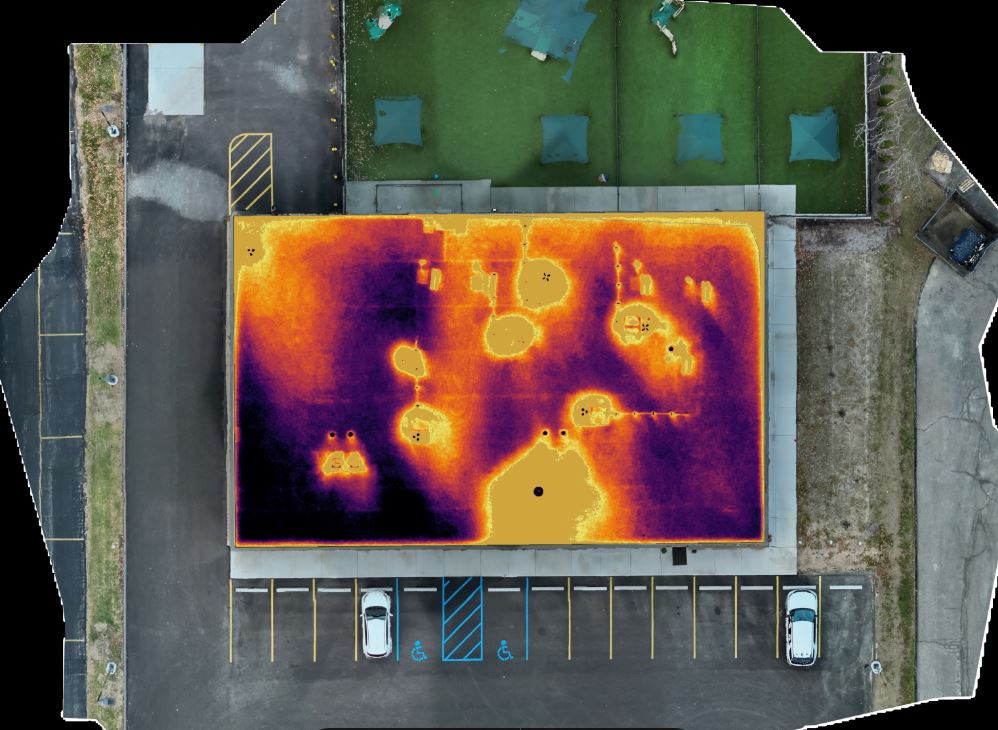
A drone can inspect elevated, expansive, or difficult-to-reach areas without requiring the same level of ladders, lifts, scaffolding, or physical roof access that may otherwise be needed. It can also capture a broader overhead view, helping clients see how isolated anomalies relate to the whole system. On large commercial rooftops, industrial facilities, and campus-style properties, that perspective can make pattern recognition far easier and far more efficient than walking the entire site manually.
Drone workflows also support organized reporting. FLIR’s own drone inspection guidance emphasizes that successful results depend not only on the flight, but also on correct image processing, measurement review, and reporting. In other words, the deliverable is not just imagery. The deliverable is actionable information.
Common business uses for FLIR thermal infrared drone services
Commercial roof inspections
One of the most practical uses for thermal drone imaging is roof evaluation. Thermal patterns can help identify areas that may indicate trapped moisture, insulation issues, drainage concerns, or heat-related irregularities. That can be valuable for pre-maintenance planning, storm follow-up, capital budgeting, warranty discussions, and narrowing the areas that need invasive verification. Thermal imaging can point a team toward suspect areas faster, although final diagnosis often still requires moisture meters, core cuts, or additional inspection methods.
For St. Louis property owners and facility managers, that means a thermal drone inspection can be a smart screening tool before small problems become costly interior damage, tenant disruption, or emergency repairs.
Building envelope and energy diagnostics
Thermal imaging is also valuable for evaluating building performance. Temperature differences across walls, roof sections, and exterior assemblies can reveal patterns associated with insulation voids, thermal bridging, air leakage, or moisture intrusion. For organizations managing older buildings, campuses, warehouses, institutions, and multi-site properties, aerial thermal data can help identify where deeper building envelope analysis should be focused.
Electrical and mechanical inspection support
Abnormal heat is often one of the earliest warning signs that an electrical or mechanical problem is developing. Thermal imaging is widely used in electrical inspection because overheating components, failing connections, corrosion, and load imbalance can appear as temperature anomalies before visible failure occurs. That does not replace hands-on electrical testing, but it can be a powerful screening tool for identifying priority areas and documenting issues.
Solar array inspection
Thermal imaging can also be used on solar installations to identify hotspots and anomalies while panels are operating. For facilities teams and commercial property owners with rooftop or ground-mounted solar systems, that can support maintenance efficiency and performance monitoring across large arrays. FLIR materials specifically note the usefulness of thermal imaging for scanning installed solar panels during normal operation and over large areas in relatively short time frames.
Industrial sites, utilities, and facility documentation
Thermal drone imaging can support inspections at industrial properties, utility corridors, distribution centers, manufacturing sites, and large campuses. It is particularly useful when the goal is to quickly visualize heat-related anomalies over a broad area, then direct specialists to the right locations for repair, testing, or follow-up documentation.
What decision makers should look for in a thermal drone provider
Not all drone operators are the same, and not all thermal services are equal.
When evaluating a provider, businesses should look beyond the fact that a company owns a drone with a thermal sensor. The more important questions are these:
Does the team understand inspection workflow, not just flying?
Do they know how weather, surface materials, reflectivity, timing, and environmental conditions affect results?
Can they deliver both thermal and visible-light imagery for context?
Can they provide organized reporting that helps your facilities, engineering, marketing, or operations teams act on the findings?
Do they understand that some anomalies require confirmation with other methods before conclusions are made?
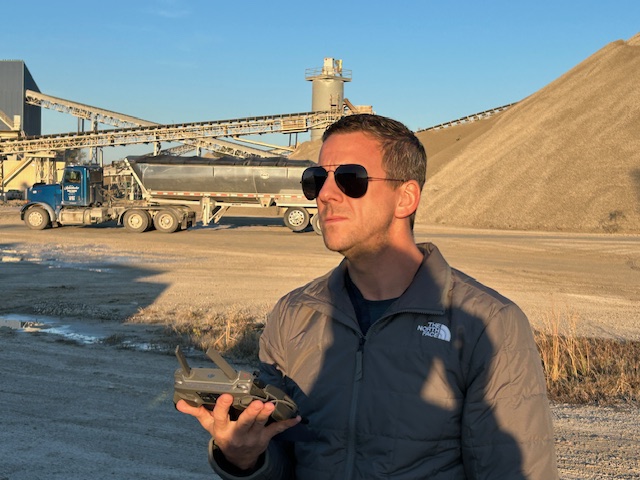
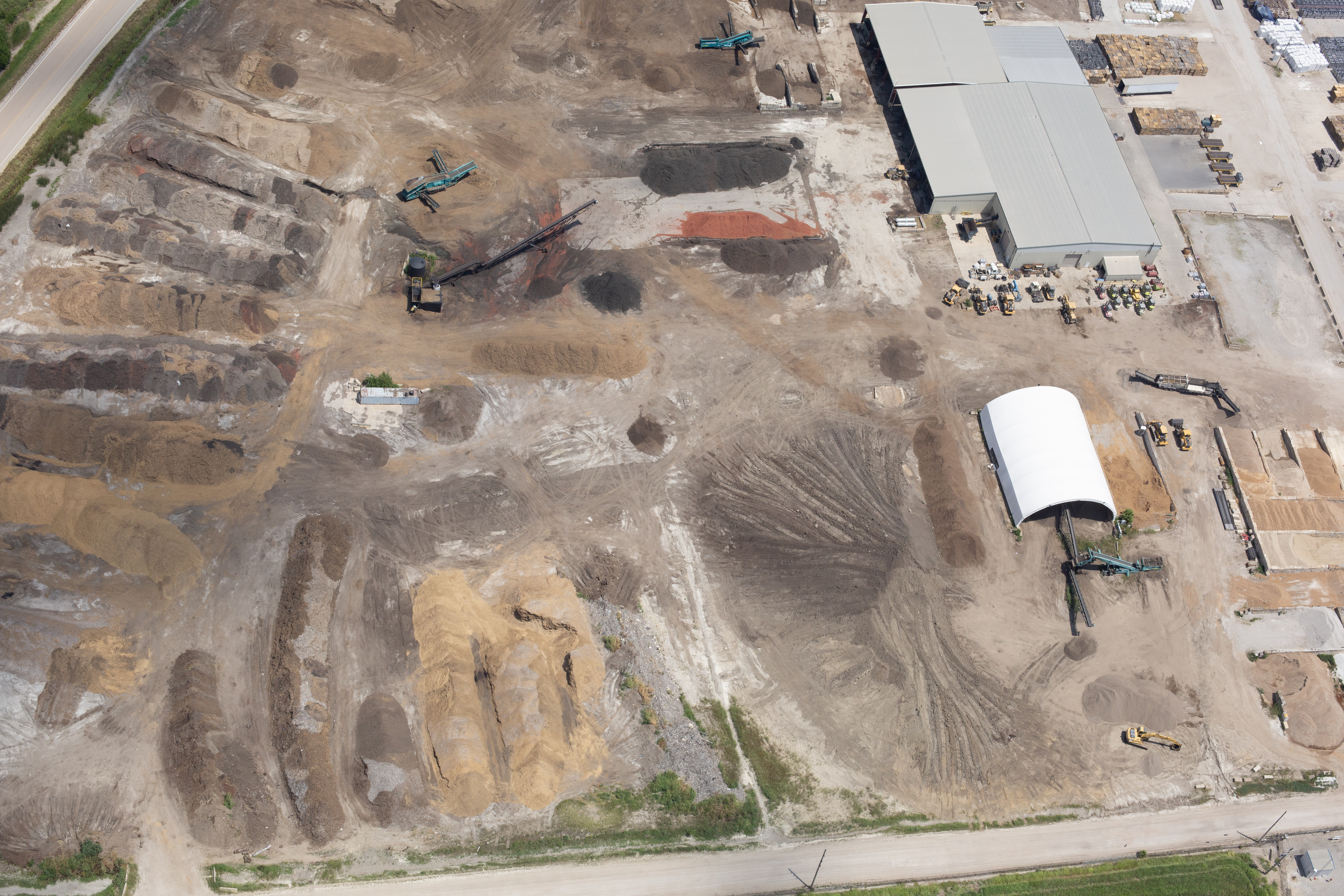
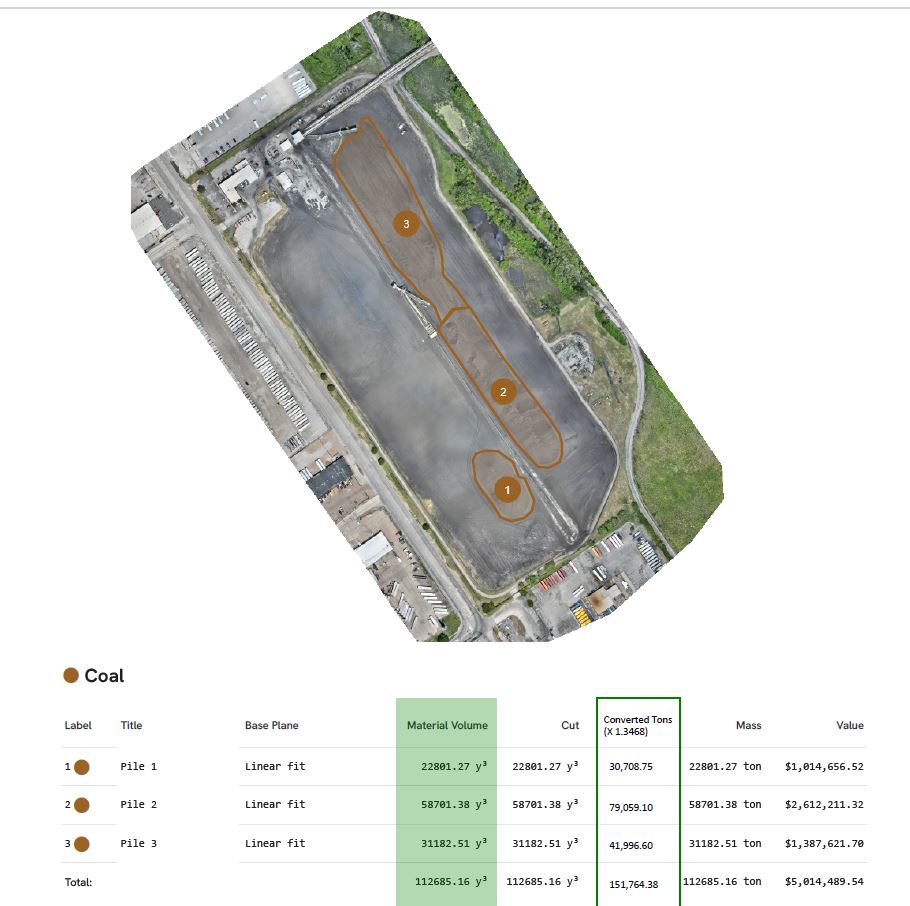
Credentials matter too. For commercial drone work in U.S. airspace, the FAA requires operation under Part 107, which means the operator must hold a Remote Pilot Certificate or be directly supervised by someone who does. The FAA also states that certificated remote pilots may operate at night, over people, and over moving vehicles when they meet the applicable rule requirements.
For clients, that means professionalism is not just about image quality. It is about compliance, safety, planning, documentation, and the judgment to know when thermal imagery is being used qualitatively versus when a client expects defensible temperature-based analysis.
Why thermal imagery is powerful for communication, not just inspection
There is another advantage that often gets overlooked: thermal drone imagery is visually persuasive.
For internal operations teams, it can help justify maintenance priorities. For property managers, it can support conversations with ownership groups, vendors, or tenants. For engineers and consultants, it can provide a fast visual reference that improves communication before more detailed testing begins. And for organizations in technical, industrial, energy, utility, construction, and facilities sectors, thermal visuals can also become strong assets for presentations, training, documentation, and strategic reporting.
That is especially useful for companies that want to pair inspection utility with strong visual storytelling. When thermal, visible, and conventional production assets are captured by the same creative team, the result is often more consistent documentation and more usable content across departments.
Why FLIR thermal drone services make sense in St. Louis
St. Louis businesses operate across a mix of older facilities, new developments, industrial properties, healthcare environments, schools, logistics sites, retail centers, and corporate campuses. Many of these buildings are large, complex, and expensive to maintain. A thermal drone inspection is not a cure-all, but it can be an efficient first step in locating patterns that deserve attention before problems escalate.
For organizations trying to reduce downtime, better manage maintenance budgets, improve inspection efficiency, or simply gain a better understanding of hard-to-access assets, FLIR thermal infrared drone services can deliver meaningful value. The key is working with a team that understands both the technical side of thermal capture and the broader production side of creating useful deliverables.
Work with an experienced St. Louis production team
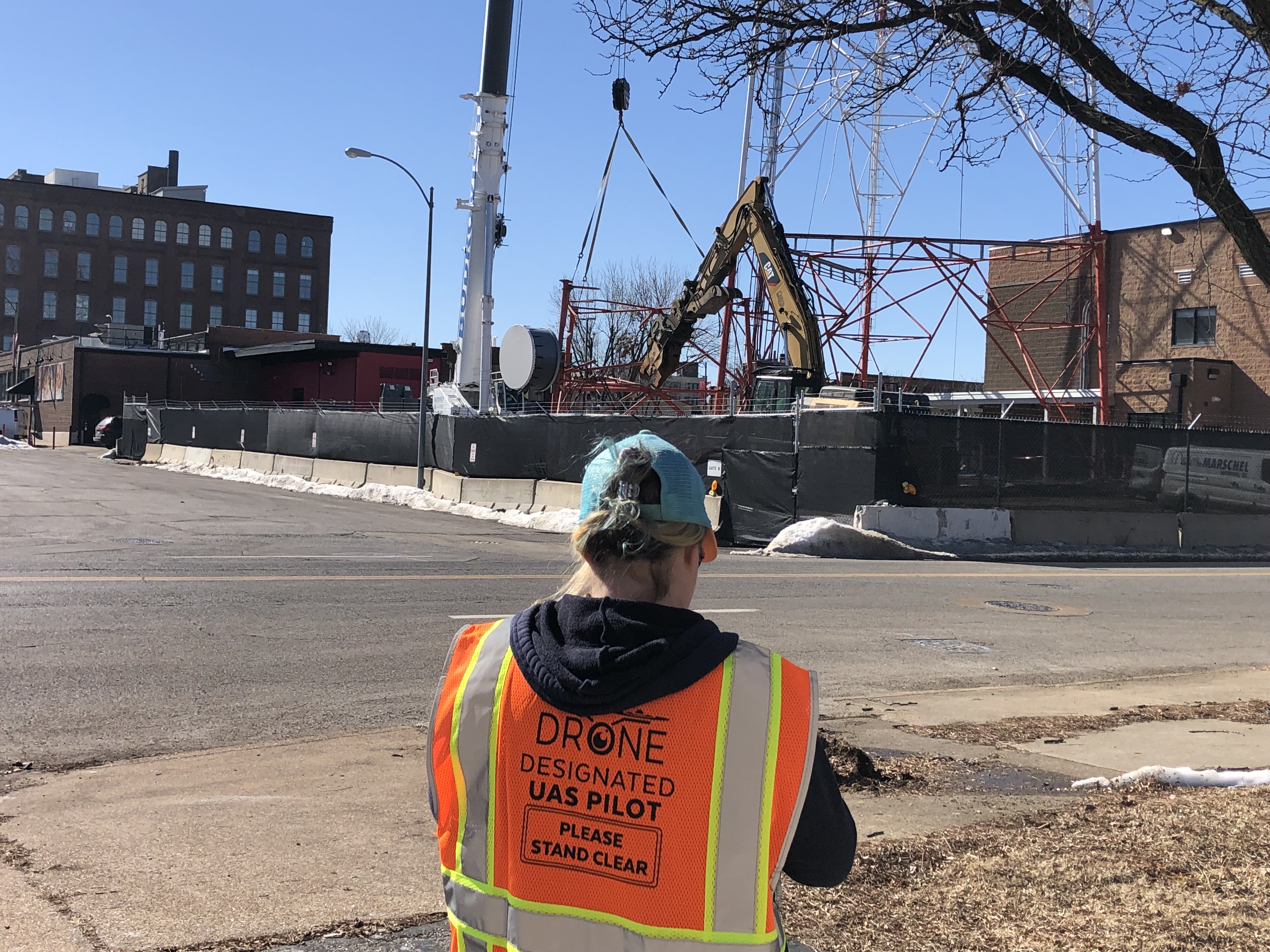
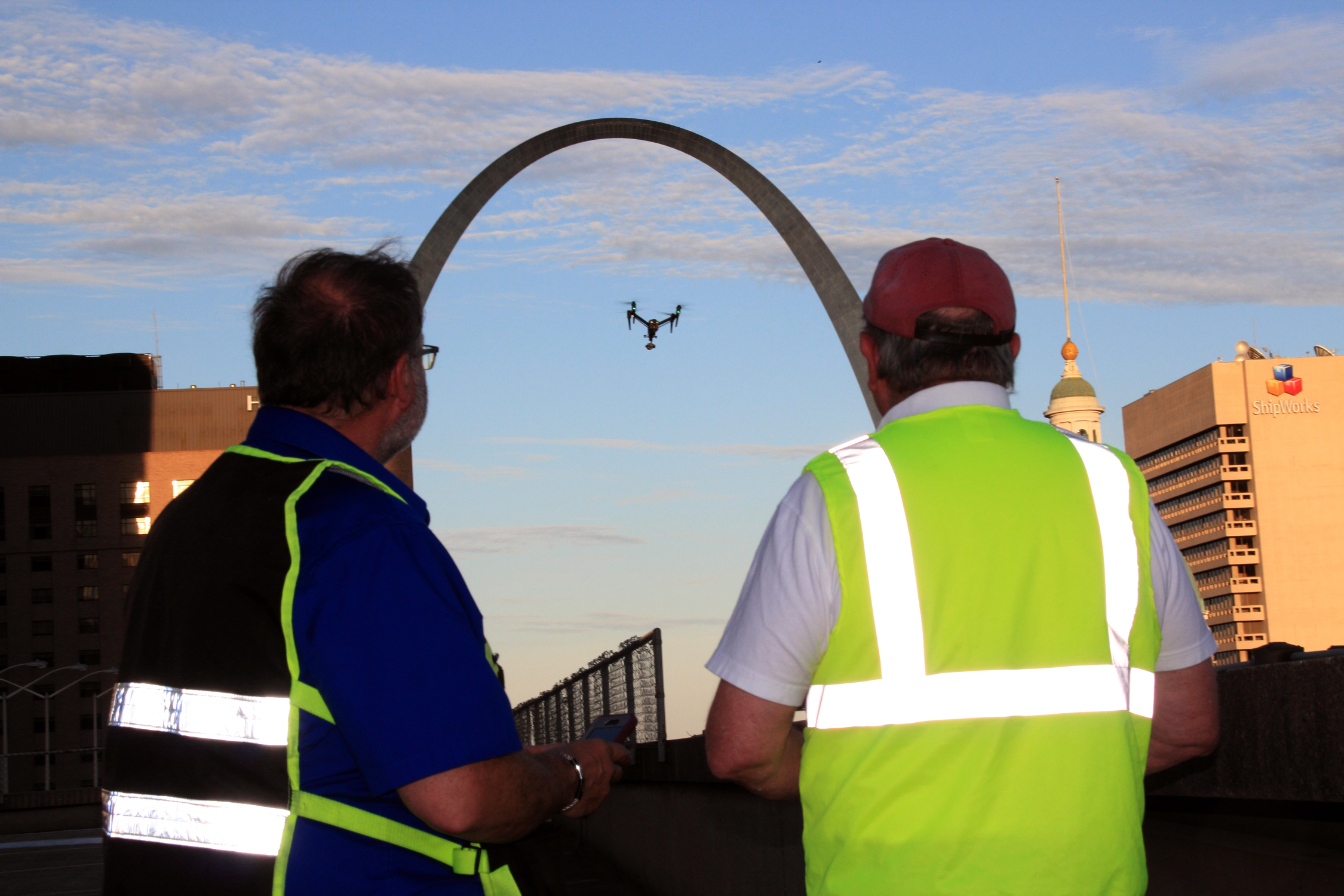
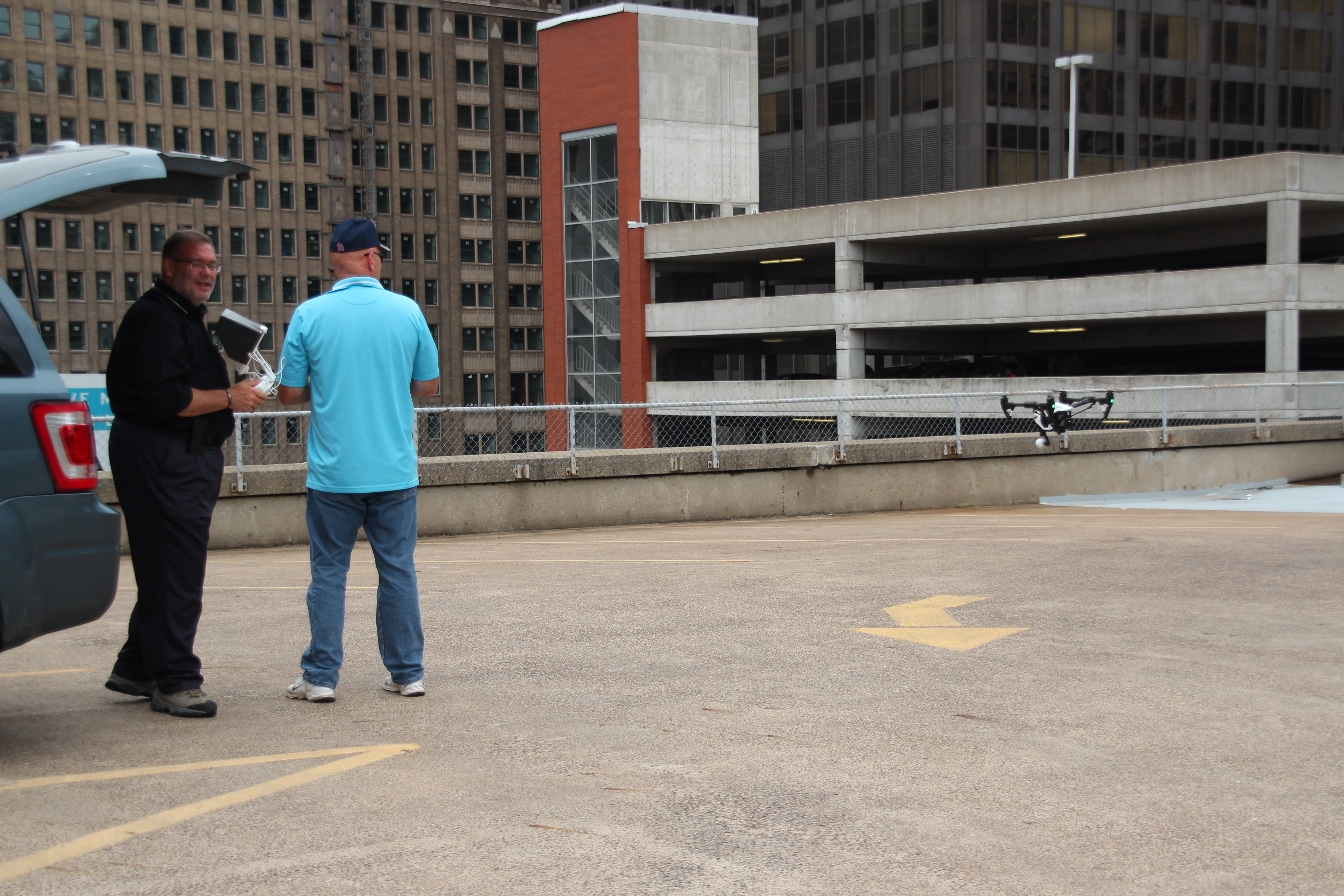
At St Louis Video Services, we bring far more than a drone to the job. We are a full-service professional commercial photography and video production company with the right equipment, creative crew, and service experience for successful image acquisition. We offer full-service studio and location video and photography, as well as editing, post-production, and licensed drone services. Since 1982, St Louis Video Services has worked with many businesses, marketing firms, and creative agencies in the St. Louis area on marketing photography and video.
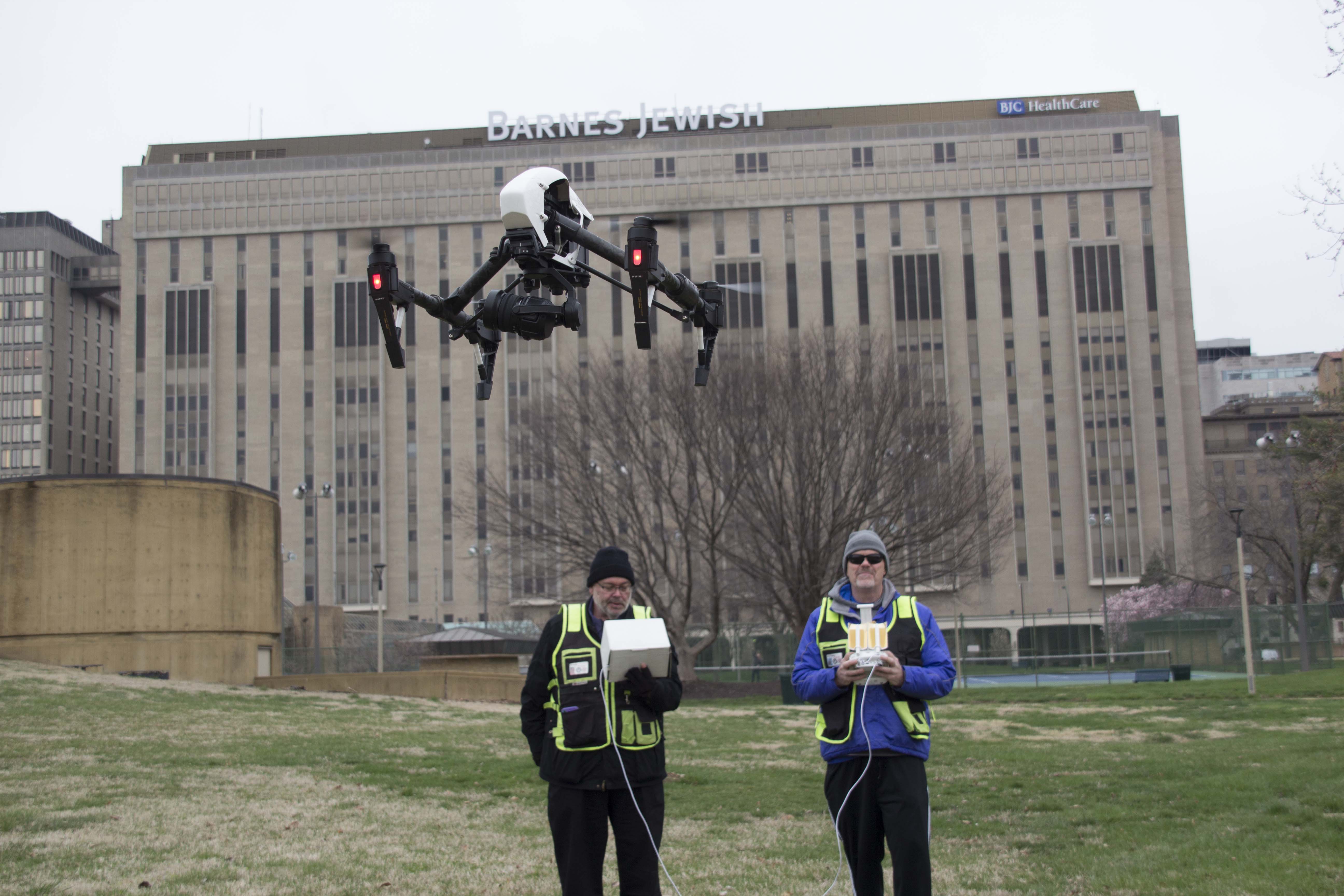
We can customize productions for diverse types of media requirements, and repurposing your photography and video branding to gain more traction is one of our specialties. We are well-versed in file types, media styles, and the software that supports them. We also use the latest in Artificial Intelligence for our media services. Our private studio lighting and visual setup is ideal for small productions and interview scenes, and our studio is large enough to incorporate props and build out a polished set. From designing a private custom interview studio to supplying professional sound and camera operators and the right equipment, we support every aspect of your production so your next project is seamless and successful. We can even fly specialized drones indoors when the production calls for it.
When you need FLIR thermal infrared drone services in St. Louis, along with a team that understands both technical image acquisition and high-level visual communication, St Louis Video Services is ready to help.
 St Louis Video Services